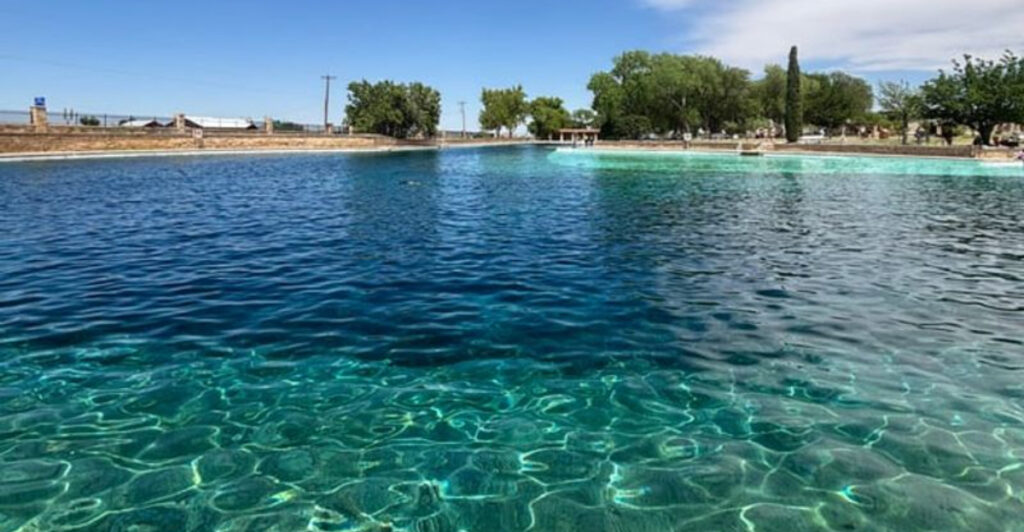
When summer temperatures climb past 100 degrees, Texans know exactly where to find relief. From natural springs that stay a constant 68 degrees year-round to winding rivers shaded by towering cypress trees, the Lone Star State offers incredible swimming holes that locals have cherished for generations. These spots aren’t just about cooling off—they’re where families create memories, friends gather for weekend adventures, and anyone can escape the relentless heat in waters that feel like nature’s air conditioning.
1. Barton Springs Pool (Austin)
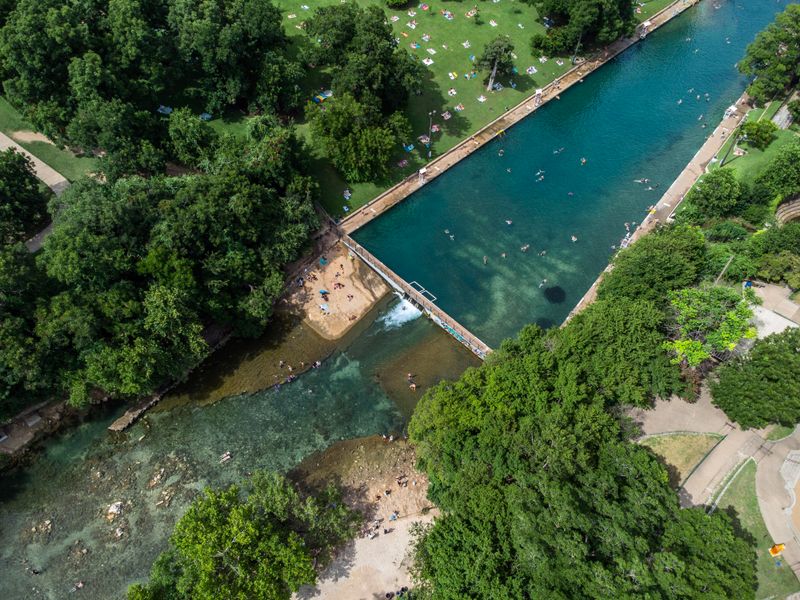
Picture a three-acre pool fed by underground springs that pump out 27 million gallons of water daily at a constant 68-70 degrees. That’s what awaits you at this Austin landmark nestled inside Zilker Park. The water stays refreshingly cool even when the pavement outside could fry an egg, making it the perfect escape during those brutal Texas summers.
Local swimmers treat this place like their backyard pool, showing up for early morning laps before work or lazy afternoon floats on weekends. The pool stretches 900 feet long, giving you plenty of room to actually swim instead of just standing around. Grassy areas surrounding the water provide shaded spots for picnics, and the natural limestone bottom adds to the authentic spring-fed experience.
What makes this spot truly special is its history and ecosystem. Native Americans used these springs for thousands of years, and today the water supports several endangered salamander species that you might spot if you look carefully. The pool operates year-round, and yes, locals really do swim here in winter—though you might want to work up to that.
Admission costs just a few dollars for adults, with discounts for kids and Austin residents. The facility includes changing rooms, showers, and a snack bar when you need fuel after all that swimming. Lifeguards patrol during operating hours, and the shallow end works great for younger swimmers still building confidence.
Getting there is straightforward since Zilker Park sits right in central Austin with plenty of parking available. Summer weekends get crowded, so smart locals arrive early or come on weekday afternoons when they can claim their favorite spots. The surrounding park offers hiking trails, volleyball courts, and picnic areas if your group wants to make a full day of it.
Pro tip: bring water shoes because the limestone can be rough on bare feet, and don’t forget reef-safe sunscreen since regular sunscreen can harm the delicate ecosystem. Pack some snacks too, because once you’re in that perfect water temperature, you won’t want to leave anytime soon.
2. Blue Hole Regional Park (Wimberley)
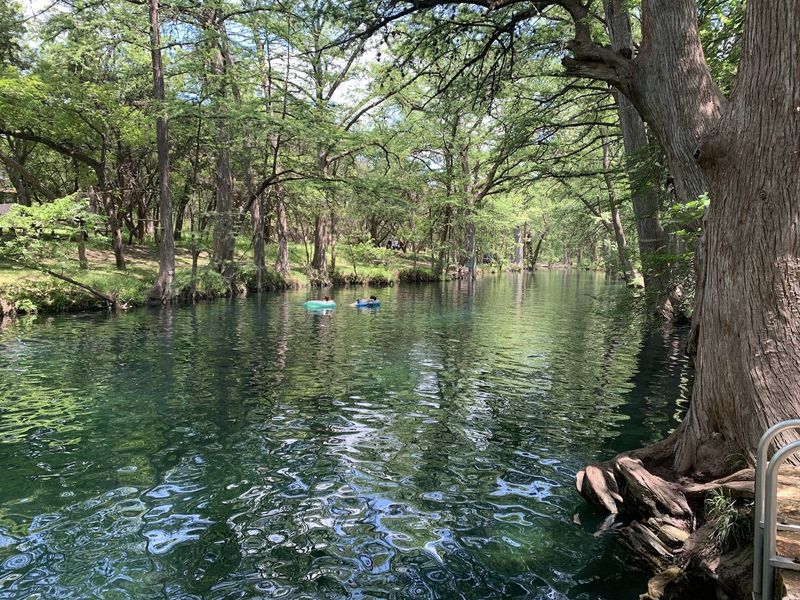
Cypress Creek carved out something magical over thousands of years—a swimming hole so blue and clear it looks like someone dropped food coloring in the water. Located in the Texas Hill Country town of Wimberley, this spot draws swimmers to its deep, spring-fed pool surrounded by limestone bluffs and massive bald cypress trees that provide natural shade throughout the day.
The water here stays cool and inviting even during the hottest months, fed by underground aquifers that keep temperatures comfortable. Depths vary from shallow wading areas perfect for little ones to deeper sections where teenagers practice their cannonballs off the surrounding rocks. The clarity of the water means you can see straight to the bottom, watching small fish dart between submerged rocks.
Access to Blue Hole comes with some restrictions designed to protect this natural treasure. The park limits daily visitors to preserve the environment, so reservations are absolutely necessary during peak summer months. This system keeps the area from getting overcrowded, meaning you’ll actually have room to swim and relax instead of fighting for space.
Admission fees support park maintenance and conservation efforts. Once inside, you’ll find picnic tables, restroom facilities, and designated swimming areas marked by park staff. The surrounding park includes hiking trails if you want to explore beyond the swimming hole, and the scenic beauty makes it worth bringing a camera.
Families appreciate the relatively calm waters compared to river spots with stronger currents. The natural pool formation creates a safer environment for swimmers of various skill levels, though supervision is always important. Local families have been coming here for generations, treating it as a summer tradition passed down through the years.
Plan to arrive early if you’re visiting on weekends, as the limited capacity means spots fill up quickly. Weekday visits offer a more peaceful experience with fewer crowds. Pack everything you need for the day since you won’t want to leave once you’re settled in that crystal-clear water surrounded by Hill Country beauty.
3. Krause Springs (Spicewood)
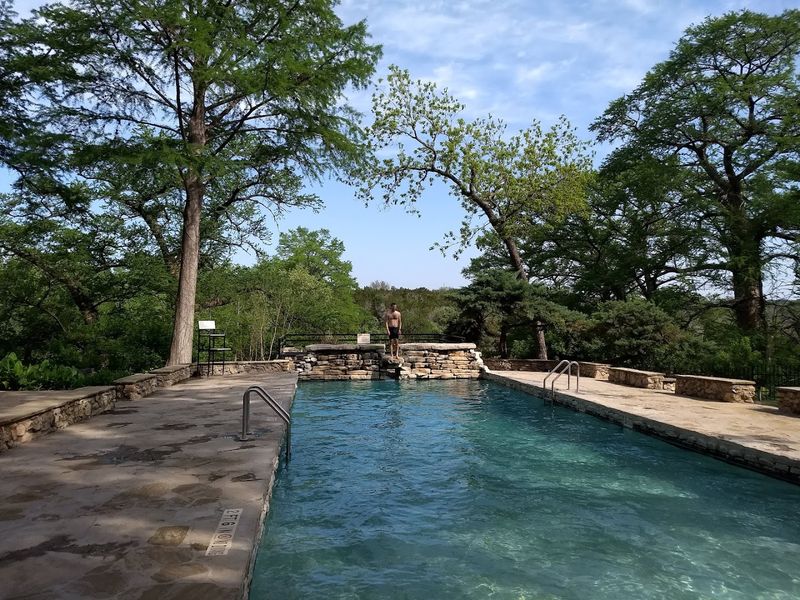
Hidden on 115 acres of private land, this spring-fed oasis offers not one but multiple swimming areas fed by 32 springs that bubble up from the ground. The property’s centerpiece is a stunning natural pool with a man-made waterfall that cascades over a limestone ledge, creating the perfect spot for photos and pure relaxation. Towering cypress trees draped with Spanish moss give the whole place a mystical, fairy-tale quality.
Two main swimming areas give visitors options depending on their mood. The upper pool features that gorgeous waterfall and stays slightly warmer, while the lower pool sits closer to the creek with cooler spring water flowing through. Wooden platforms and steps built around the pools make access easy, and rope swings add an element of adventure for those brave enough to take the plunge.
The Krause family has owned and operated this property since 1950, maintaining it as a day-use park that welcomes swimmers, campers, and nature lovers. Their stewardship shows in the well-maintained facilities including clean restrooms, changing areas, and shaded picnic spots scattered throughout the property. Camping is available if you want to extend your visit and wake up to the sound of spring water flowing.
Admission runs higher than public parks since this is private property, but the experience justifies the cost. The limited capacity keeps crowds manageable, and the family’s personal touch creates a welcoming atmosphere you won’t find at bigger commercial operations. They’ve added amenities over the years while preserving the natural beauty that makes this place special.
Located about 30 minutes from Austin near Lake Travis, Krause Springs serves as a perfect day trip destination. The property includes hiking trails through the woods, butterfly gardens, and plenty of space to spread out a blanket and relax. Weekends bring more visitors, so weekday trips offer a quieter experience.
Bring cash for admission, and plan to spend several hours exploring all the swimming areas and natural features. The combination of pools, waterfall, and scenic Hill Country setting creates an experience that feels worlds away from city life, even though you’re just a short drive from Austin.
4. Balmorhea State Park Pool (Toyahvale)
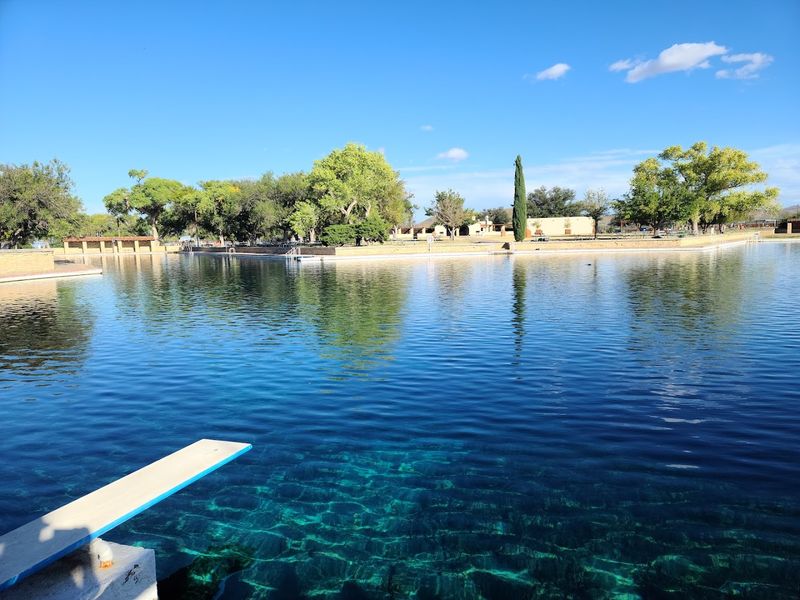
Way out in West Texas where the desert stretches for miles, an enormous spring-fed pool emerges like a mirage—except this one is completely real. San Solomon Springs pumps 15 million gallons of crystal-clear water daily into what became Texas’s largest spring-fed swimming pool when the Civilian Conservation Corps built it in the 1930s. The water maintains a constant 72-76 degrees year-round, offering relief from desert heat that regularly exceeds 100 degrees in summer.
This isn’t your typical swimming pool. Covering 1.3 acres with depths reaching 25 feet in spots, it’s more like a small lake contained within historic stone walls. The clarity is unbelievable—you can see all the way to the bottom even in the deepest sections.
Divers love exploring the underwater landscape, and snorkelers drift along the surface watching native fish species that call this pool home.
The pool supports an entire ecosystem including two endangered fish species, so swimming here means sharing the water with actual wildlife. Don’t worry, these small fish are harmless and actually pretty fascinating to observe. The park requires swimmers to shower before entering to protect this delicate environment, and they prohibit sunscreen and lotions that could contaminate the pristine spring water.
Historic bathhouses built by the CCC still stand at the pool’s edge, providing changing facilities and a glimpse into 1930s architecture and craftsmanship. The park includes camping areas, picnic sites, and a small playground for kids. Shade is limited in this desert environment, so the large cottonwood trees near the pool become prime real estate on hot days.
Getting here requires a drive since Toyahvale sits about 160 miles east of El Paso and 200 miles west of San Angelo. The remote location means fewer crowds than swimming spots near major cities, and the journey through West Texas landscapes offers its own rewards. Small towns along the way provide places to stop for supplies or meals.
Day-use fees are reasonable, and the park offers camping if you want to experience the desert night sky—absolutely spectacular out here with minimal light pollution. The pool opens year-round, and winter swimming in 76-degree water while desert air hovers around 50 degrees creates a surreal but wonderful experience.
5. Garner State Park / Frio River (Concan)
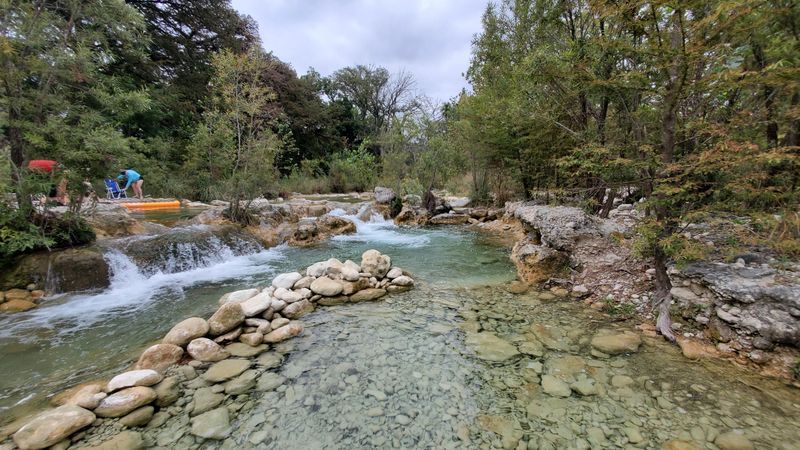
Cold, clear water rushing over limestone bedrock—that’s the Frio River, and it lives up to its name which means “cold” in Spanish. Garner State Park protects some of the most beautiful stretches of this Hill Country river, where ancient cypress trees create canopies over swimming holes that have cooled off Texans since long before the park opened in 1941. The river flows year-round, fed by springs that keep water temperatures refreshingly cool even during August heat waves.
Families have been making summer pilgrimages here for generations, setting up camp for weeks at a time to escape the heat. The river offers various swimming spots depending on what you’re looking for—calm pools perfect for floating, shallow areas where kids can wade safely, and deeper channels for stronger swimmers. Inner tubes are the transportation method of choice, with locals floating lazy circles for hours.
The park’s main swimming area features easy river access with concrete steps and a designated swimming beach. Lifeguards aren’t posted, so swimming happens at your own risk, but the area stays busy enough that you’re never truly alone. Upstream and downstream from the main area, adventurous swimmers find quieter spots by hiking along riverside trails.
Beyond swimming, Garner offers miniature golf, paddle boat rentals, and evening dances at the pavilion—a tradition dating back decades that still draws crowds on summer nights. Hiking trails wind through the park, including a steep climb to a scenic overlook that rewards the effort with panoramic views of the Frio River valley. The park’s developed infrastructure includes modern restrooms, showers, and a camp store stocked with essentials.
Camping reservations book up months in advance for summer weekends, but day-use visitors can still access the river and swimming areas. The park sits about 90 minutes from San Antonio, making it doable as a day trip though most people prefer staying overnight to fully experience the river. Small towns nearby offer additional lodging options and restaurants.
Water shoes are essential since the limestone riverbed can be slippery and rough. Bring plenty of drinking water and snacks because a full day on the river works up an appetite. The combination of cold river water, shaded swimming holes, and Hill Country scenery creates an experience that keeps families coming back year after year.
6. Guadalupe River State Park (Spring Branch)
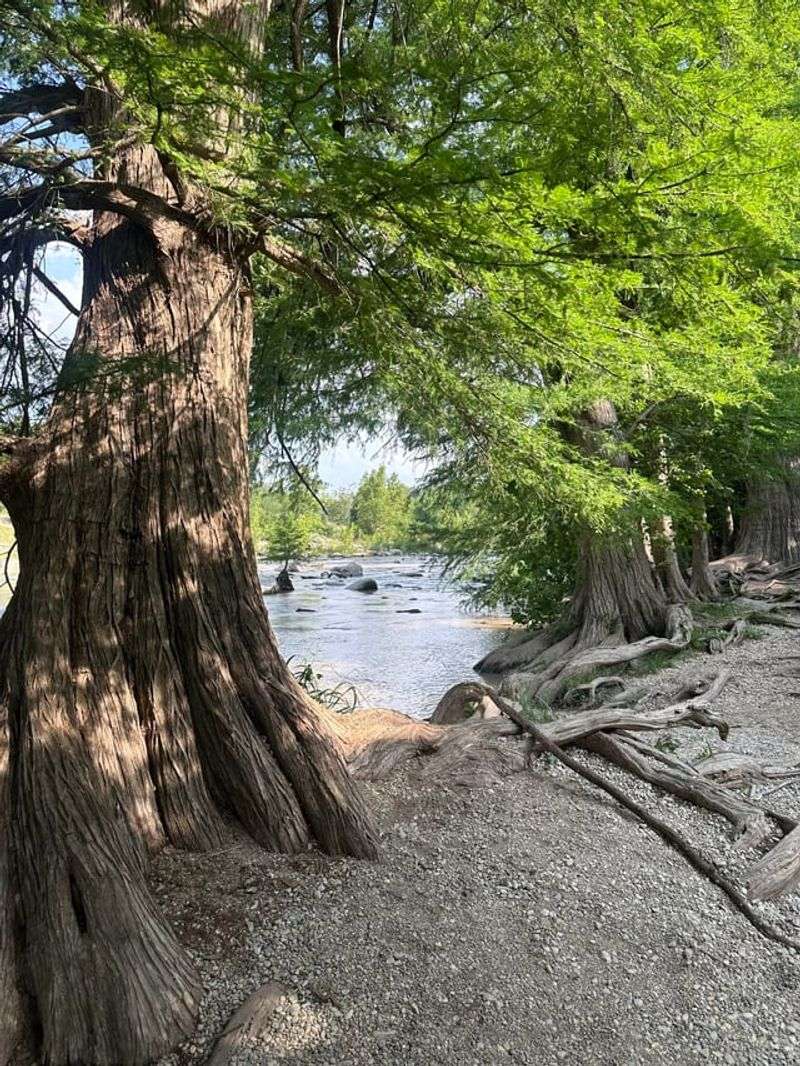
Rapids, pools, and limestone bluffs define this stretch of the Guadalupe River, where the water runs clear enough to watch fish swimming below the surface. The park protects four miles of river frontage, offering swimmers a range of experiences from gentle wading areas to spots with mild current that make floating downstream an adventure. Massive bald cypress trees line the banks, some estimated at over 500 years old, creating natural shade and adding to the timeless feel of the place.
Summer weekends bring tubers floating down from upstream, but the park itself maintains several swimming areas where you can plant yourself for the day. The river bottom alternates between smooth limestone and small rocks, with pools carved out by centuries of water flow creating perfect swimming holes. Depths vary significantly, so exploring carefully helps you find the right spot for your comfort level.
The park’s developed area includes covered picnic pavilions, modern restrooms with showers, and a camp store during peak season. Multiple river access points mean you can choose your swimming spot based on whether you want to be near facilities or prefer a more secluded experience. Hiking trails connect different areas of the park, and the 1.8-mile Bald Cypress Trail offers spectacular views of the river from above.
Wildlife watching adds another dimension to your visit. White-tailed deer frequently appear near the river at dawn and dusk, and over 240 bird species have been recorded in the park. The clear water supports healthy populations of native fish including Guadalupe bass, the official state fish of Texas.
Armadillos, raccoons, and other critters make appearances, especially if you’re camping overnight.
Located about 30 miles north of San Antonio near the town of Spring Branch, the park is easily accessible for day trips or weekend camping. The nearby community of Gruene offers additional attractions including historic dance halls and restaurants if you want to extend your Hill Country experience beyond the river.
Water levels fluctuate based on rainfall and upstream releases, so checking conditions before your visit helps set expectations. Spring and fall offer ideal swimming weather with fewer crowds than summer peaks. The river stays swimmable most of the year, with only the coldest winter months deterring all but the hardiest swimmers.
7. Inks Lake State Park (Burnet)
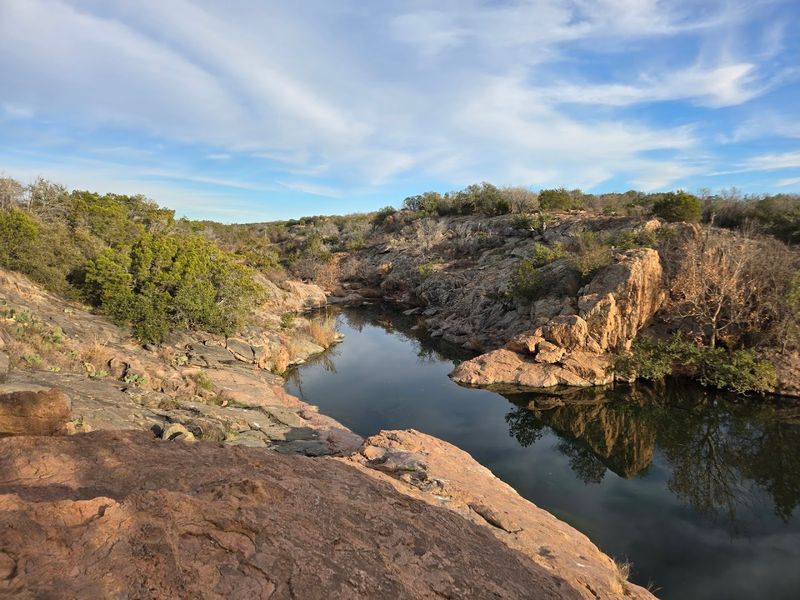
Unlike most Texas Highland Lakes that fluctuate wildly with drought and rainfall, Inks Lake maintains constant levels year-round thanks to its position in the Colorado River chain. This stability makes it reliable for swimming even when other lakes are too low, and the clear water invites swimmers to jump right in. Pink granite boulders dot the shoreline, creating a distinctive landscape that sets this lake apart from typical Texas swimming spots.
The park’s designated swimming area features a sandy beach that kids love for building castles and wading in shallow water. The lake bottom slopes gradually, giving nervous swimmers a chance to ease in rather than facing sudden drop-offs. Buoys mark the swimming zone, keeping boat traffic at a safe distance while swimmers do their thing.
On hot summer days, this beach becomes the park’s social hub with families spreading out blankets and setting up for hours of water play.
Devil’s Waterhole, accessed by a short hike from the main park area, offers a completely different swimming experience. This secluded spot features deeper water surrounded by rock formations perfect for careful cliff jumping. The hike takes about 15 minutes along a trail that winds through Hill Country vegetation, and the effort pays off with a swimming hole that feels more private than the main beach.
Camping at Inks Lake gives you morning and evening access to the water when crowds thin out and wildlife becomes more active. The park offers sites ranging from basic tent camping to spots with water and electric hookups. Hiking trails including the challenging four-mile Inks Lake State Park Trail provide land-based activities when you need a break from swimming.
Kayak and paddleboard rentals let you explore beyond the swimming area, and the calm lake conditions make it ideal for beginners trying these sports for the first time. Fishing is popular here too, with the lake supporting populations of bass, catfish, and other species. The park sits about an hour northwest of Austin near the town of Burnet, making it accessible for day trips or weekend getaways.
The combination of reliable water levels, diverse swimming options, and beautiful Hill Country setting makes this park a local favorite. Spring wildflowers add seasonal color to the landscape, and fall brings comfortable temperatures perfect for all-day outdoor adventures without the intense summer heat.
8. Blanco State Park (Blanco)
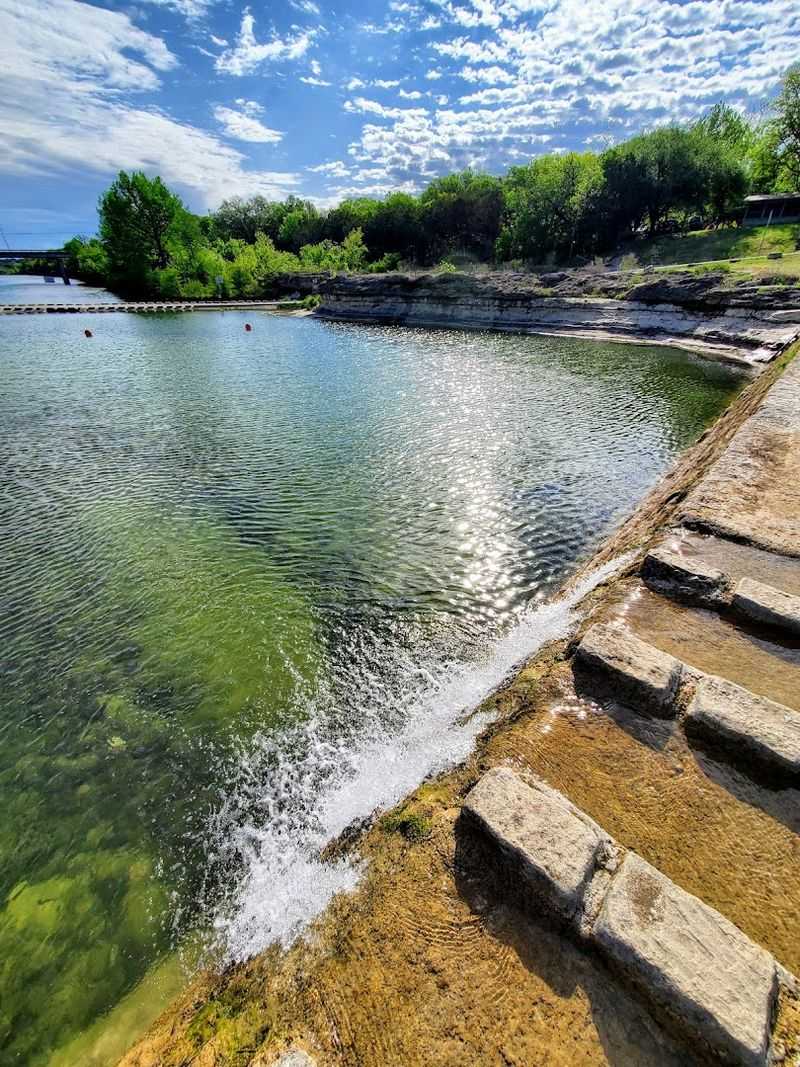
Right in the middle of the small town of Blanco, this park wraps around a gorgeous bend in the Blanco River where locals have been swimming since before the park officially opened in 1934. The river here flows over smooth limestone shelves, creating natural pools and small rapids that change character depending on recent rainfall. Ancient cypress trees tower over the water, their roots creating interesting formations along the banks and their branches offering precious shade during peak summer heat.
The park feels intimate compared to larger state parks, with the river taking center stage and most facilities concentrated in a compact area. This smaller scale creates a neighborhood feel where families spread out along the riverbank, kids play in the shallows, and everyone seems to know each other. The swimming area isn’t marked by buoys or ropes—you simply find your spot along the river and claim it for the day.
Water depth varies significantly from ankle-deep riffles to pools deep enough for swimming, so exploring helps you find the right spot for your group’s needs. The limestone bottom provides good footing in most places, though water shoes still make sense since the rock can be sharp in spots. During normal flow conditions, the current stays manageable for swimmers, but always check conditions with park staff if water levels look high.
Camping facilities include sites with water and electric hookups, and the small campground creates a cozy atmosphere where neighbors often become friends. Modern restrooms and showers serve both day-use visitors and campers. The park’s location in town means restaurants and supplies are just a short walk away, unusual for a state park and convenient when you forget something essential.
Located about 50 miles north of San Antonio and 45 miles west of Austin, Blanco sits in the heart of Hill Country along Highway 281. The small town maintains its historic character with a beautiful courthouse square and local shops worth exploring. The park itself preserves a piece of Texas history, with facilities built by the Civilian Conservation Corps still in use today.
Summer weekends see steady use but rarely feel overcrowded thanks to the river’s linear nature that spreads people out naturally. Weekday visits offer even more solitude, and spring or fall swimming extends the season beyond the traditional summer months when temperatures moderate but the water stays pleasant.
9. Dinosaur Valley State Park / Paluxy River (Glen Rose)
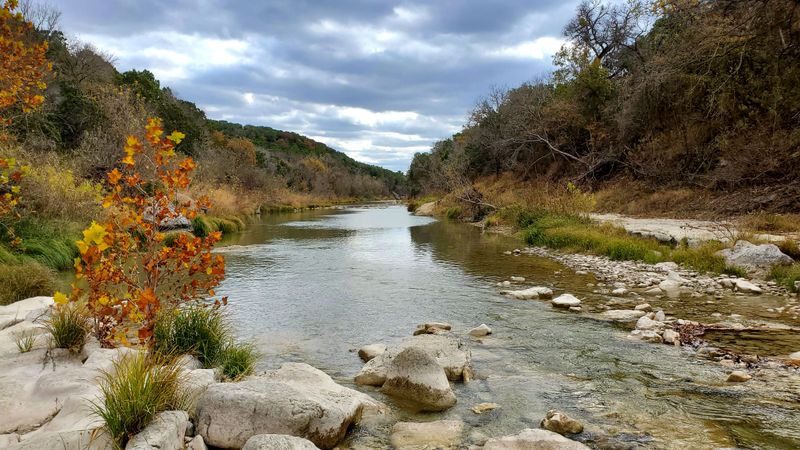
Swimming where dinosaurs once walked—that’s the unique experience offered by the Paluxy River as it flows through this park famous for its preserved dinosaur tracks. The limestone riverbed contains actual footprints left by giant reptiles 113 million years ago, and during lower water levels, you can see these tracks clearly. When summer heat arrives and water levels rise, the same river becomes a refreshing swimming spot where you can cool off while pondering the ancient creatures that once roamed here.
The river creates ideal swimming conditions with a mix of shallow areas perfect for kids and deeper pools where adults can actually swim rather than just wade. The water stays relatively clear, allowing you to see the rocky bottom and maybe even spot some of those famous dinosaur tracks underwater. The current remains gentle most of the time, though checking conditions with park rangers before swimming is always smart.
Multiple river access points throughout the park mean you can find your preferred swimming spot—some people like being near the main crossing where facilities are close, while others hike upstream to find more secluded areas. The park’s trail system connects different river access points, and the scenery along these paths showcases typical North Texas Hill Country vegetation including juniper, oak, and various wildflowers depending on season.
Beyond swimming, the park offers opportunities to see fiberglass dinosaur models that give you a sense of the creatures whose tracks you’re walking among. Hiking trails wind through the park, including routes to scenic overlooks and more dinosaur track sites. Educational programs during summer months teach visitors about paleontology and the park’s unique geological features.
Camping facilities range from primitive sites to areas with water and electricity, and spending the night lets you experience the Paluxy River during quieter morning and evening hours. The park sits about 60 miles southwest of Fort Worth near the town of Glen Rose, which offers additional attractions including a safari park and fossil rim wildlife center.
The combination of swimming, dinosaur tracks, and natural beauty creates a unique experience you won’t find at typical swimming holes. Kids especially love the dinosaur theme, and parents appreciate that the river provides safe swimming conditions while sparking interest in science and natural history.
10. Landa Park Aquatic Complex (New Braunfels)
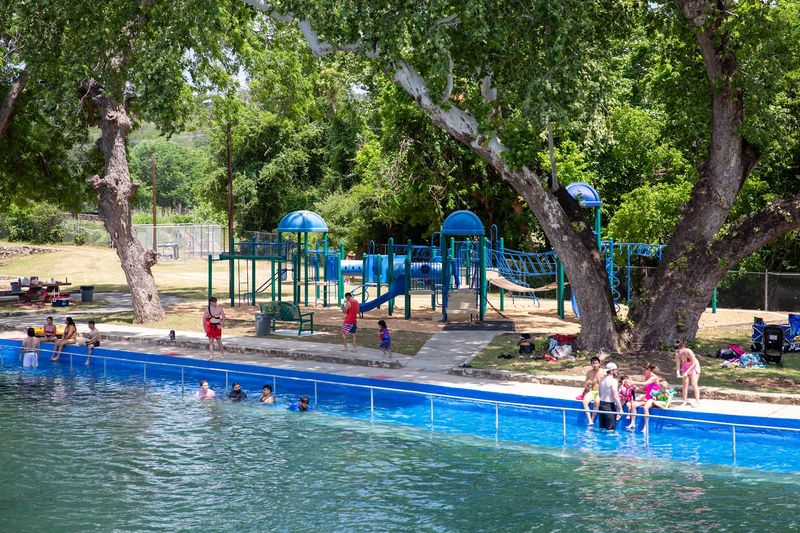
Fed by the Comal Springs—one of the largest springs in Texas—this aquatic complex offers a swimming experience that blends natural spring water with developed facilities. The springs pump out millions of gallons daily at a constant 72 degrees, filling pools that stay refreshingly cool no matter how hot the air temperature climbs. Located within the larger Landa Park, the complex provides a more structured swimming environment than wild swimming holes while maintaining that connection to natural spring water.
The facility includes multiple pools catering to different ages and swimming abilities. A large main pool offers plenty of space for lap swimming and general recreation, while a separate children’s pool with shallower water and play features keeps younger kids entertained safely. The spring water’s clarity and constant temperature create ideal swimming conditions, and the chemical treatment required is minimal thanks to the continuous fresh water flow.
Surrounding the pools, Landa Park spreads across 51 acres of beautifully maintained grounds featuring massive shade trees, picnic areas, and walking paths. The park’s springs also feed the Comal River, which flows through the property and offers additional swimming opportunities in a more natural setting. Miniature train rides, paddle boat rentals, and playgrounds provide entertainment beyond swimming, making this a true all-day destination for families.
The aquatic complex operates seasonally, typically opening around Memorial Day and running through Labor Day depending on weather. Admission fees are modest, and the facility includes changing rooms, showers, and concessions. Lifeguards staff the pools during operating hours, and the well-maintained facility reflects the city’s pride in this community resource.
New Braunfels itself offers numerous attractions including the famous Schlitterbahn water park and river tubing operations on the Guadalupe and Comal Rivers. Historic downtown features German heritage architecture, restaurants, and shops reflecting the town’s 1845 founding by German immigrants. The city sits about 30 miles northeast of San Antonio and 50 miles south of Austin, making it easily accessible from either metro area.
What sets this spot apart from pure natural swimming holes is the combination of spring-fed pools with park amenities and the convenience of nearby town facilities. You get the benefits of cool, clear spring water without sacrificing creature comforts or worrying about natural hazards. For families with young children or anyone who prefers a more controlled swimming environment, this represents the best of both worlds—natural spring water in a safe, accessible setting.