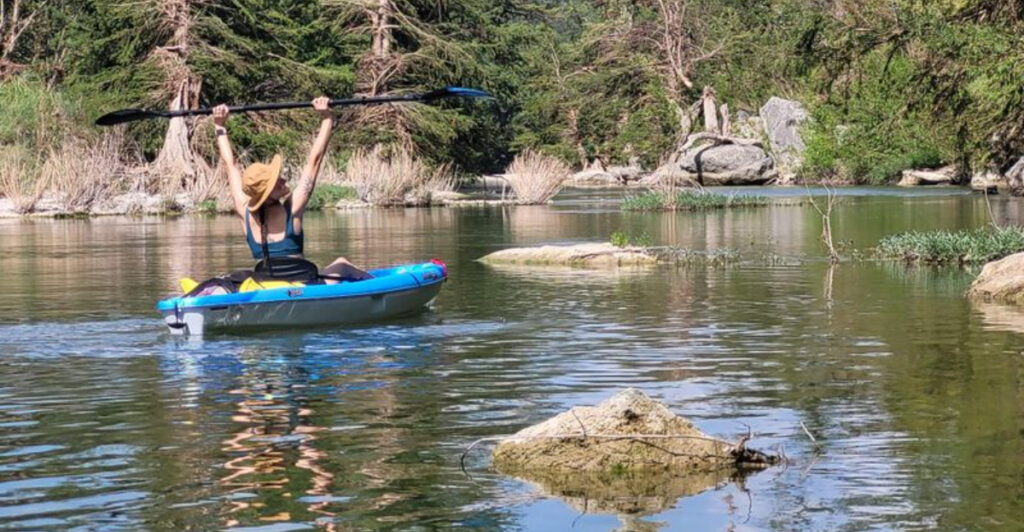
Texas is famous for cowboys, barbecue, and wide-open spaces, but it’s also home to some of the most stunning natural wonders in the country. From hidden swimming holes to colorful canyons and wildflower fields that stretch for miles, the Lone Star State has landscapes that look like they belong in a magazine. Whether you’ve lived here your whole life or you’re just visiting, these 18 spots will make you stop and stare in amazement.
1. Big Bend National Park
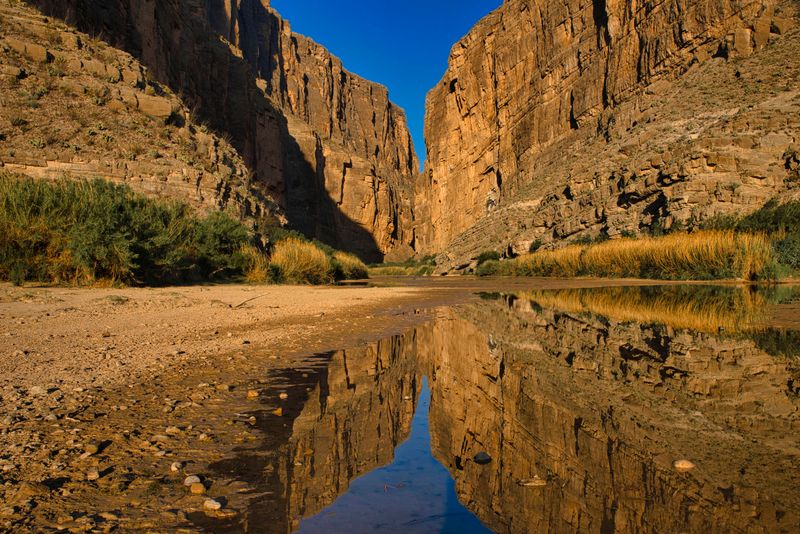
Mountains, desert, and the Rio Grande all meet in one massive park that feels like stepping onto another planet. Big Bend sits in the far western corner of Texas, where the landscape shifts from rocky peaks to river valleys in just a few miles. You can hike through canyons, soak in natural hot springs, or stare up at some of the darkest night skies in the country.
The Santa Elena Canyon is one of the most jaw-dropping spots, with limestone walls rising 1,500 feet straight up from the river. Paddling through it feels like floating through a giant stone cathedral. The Chisos Mountains offer cooler temperatures and trails that wind through forests of oak and pine, which is wild considering you’re in the middle of the desert.
Wildlife here includes roadrunners, javelinas, and even black bears if you’re lucky. Spring brings wildflowers that carpet the desert floor in yellow, purple, and red. The park is huge—over 800,000 acres—so you could spend days exploring and still not see everything.
Getting there takes effort since it’s hours from any major city, but that remoteness is part of the magic. Cell service disappears, the crowds thin out, and you’re left with nothing but raw nature. Sunrise at the Window in the Chisos Basin is worth the early wake-up call, painting the sky in shades of orange and pink that spill over the desert below.
Pack plenty of water, wear sturdy shoes, and don’t underestimate the heat in summer. Big Bend is proof that Texas has way more to offer than flat prairies and tumbleweeds.
2. Palo Duro Canyon State Park
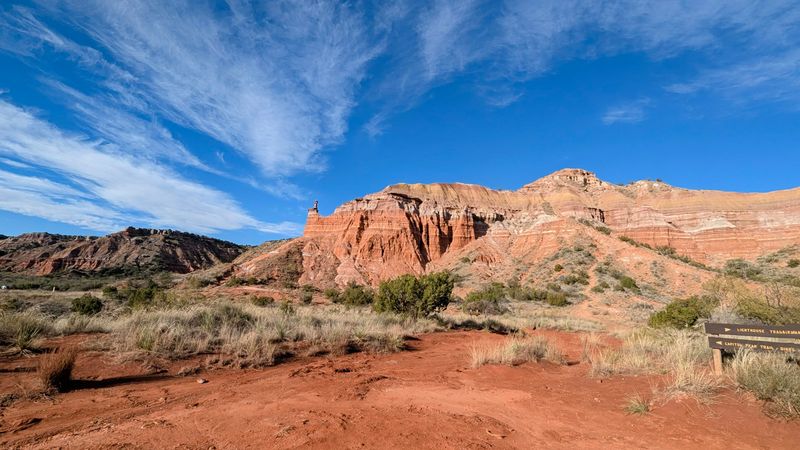
Forget the Grand Canyon—Texas has its own version, and it’s the second-largest canyon in the United States. Palo Duro stretches 120 miles long and plunges 800 feet deep, with layers of red, orange, and white rock that tell millions of years of geological history. It’s tucked away in the Texas Panhandle, where most people don’t expect to find anything this dramatic.
The canyon floor is dotted with juniper trees and mesquite, and trails wind through narrow passageways and past towering rock formations. The Lighthouse Trail is the most popular hike, leading to a 75-foot rock tower that looks like it was carved by hand. Watching the sunrise from the rim turns the whole canyon into a glowing painting.
Mountain biking is huge here, with miles of trails that range from easy cruises to technical challenges. Horseback riding is another great way to explore, letting you cover more ground while soaking in the scenery. In summer, the park hosts an outdoor musical drama that brings Texas history to life against the canyon backdrop.
Wildlife includes mule deer, wild turkeys, and roadrunners that dart across the trails. The canyon stays cooler than the surrounding plains, making it a refreshing escape on hot days. Camping under the stars here is unforgettable, with the Milky Way stretched out overhead like a glittering river.
Bring plenty of sunscreen and water, especially if you’re hiking in the afternoon. The trails can be rocky and steep, so good footwear is a must. Palo Duro proves that Texas has serious elevation and scenery hiding in unexpected places.
3. Hamilton Pool Preserve
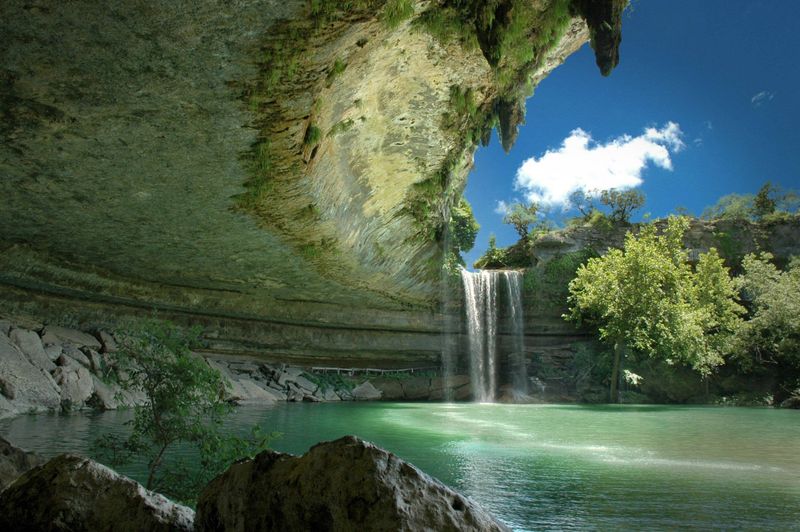
A waterfall spills over a limestone overhang into a jade-green pool that looks like something out of a fantasy novel. Hamilton Pool is a collapsed underground grotto that formed thousands of years ago, creating one of the most unique swimming spots in Texas. The ceiling of the grotto is covered in stalactites, and ferns drape down the walls like natural curtains.
The water stays cool year-round, fed by underground springs that keep it crystal clear. Swimming beneath the waterfall is allowed when bacteria levels are safe, which the park monitors regularly. Even when swimming is off-limits, the hike to the pool is worth it just for the view.
The trail from the parking area is only about a quarter mile, but it’s steep and rocky in spots. Wooden stairs help with the descent, and the sound of the waterfall gets louder as you get closer. Towering cypress trees line the creek, providing shade and a sense of stepping back in time.
Reservations are required to visit, and they fill up fast, especially on weekends and during summer. The preserve limits the number of visitors to protect the fragile ecosystem, so plan ahead if you want to see it. Early morning visits offer the best light for photos and fewer crowds.
Dragonflies zip across the water, and turtles sun themselves on rocks along the creek. The surrounding preserve has additional trails if you want to explore beyond the main pool. Bring a towel, water shoes for the rocky bottom, and a camera to capture the surreal beauty of this hidden gem.
4. Enchanted Rock State Natural Area
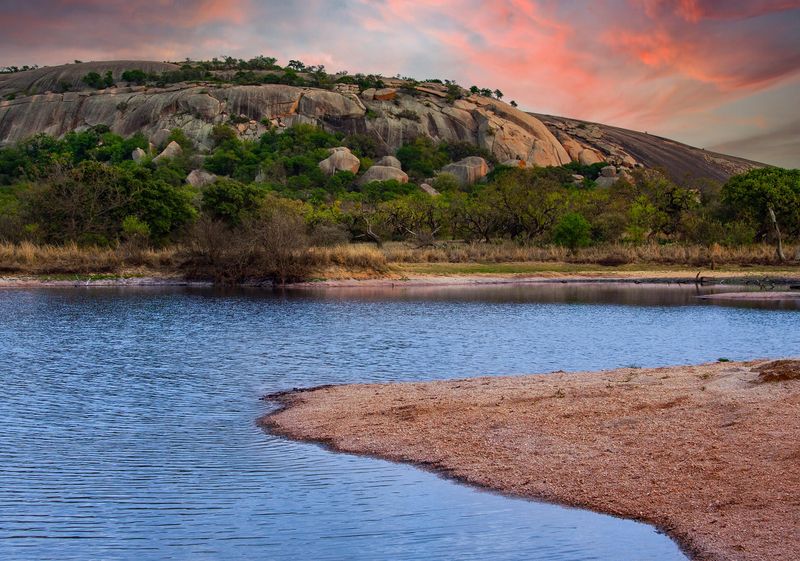
A giant pink granite dome rises 425 feet above the Hill Country, looking like a sleeping giant’s bald head. Enchanted Rock is over a billion years old, making it one of the oldest exposed rocks in North America. The dome covers 640 acres, and climbing to the top gives you views that stretch for miles in every direction.
The hike to the summit is steep but short, taking most people about an hour round trip. The granite surface can be slippery, especially after rain, so watch your footing. Once you’re at the top, the 360-degree views of rolling hills, oak trees, and distant ridges make the climb totally worth it.
Rock climbing is popular here, with routes ranging from beginner-friendly to seriously challenging. Bouldering areas near the base offer fun scrambles without needing ropes. The rock makes creaking and groaning sounds at night as it cools and contracts, which is where the “enchanted” name comes from—early settlers thought spirits lived inside.
Spring wildflowers bloom in the cracks and crevices, adding splashes of color to the granite landscape. Vernal pools form in shallow depressions on the rock after rain, creating temporary habitats for fairy shrimp and tadpoles. The park also has cave systems and backcountry trails for those wanting a longer adventure.
Reservations are required, and weekends book up weeks in advance. Arrive early to snag a parking spot and beat the heat. Bring lots of water, wear shoes with good grip, and don’t forget sunscreen—there’s zero shade on the rock.
Enchanted Rock is proof that sometimes the simplest landscapes are the most powerful.
5. Padre Island National Seashore
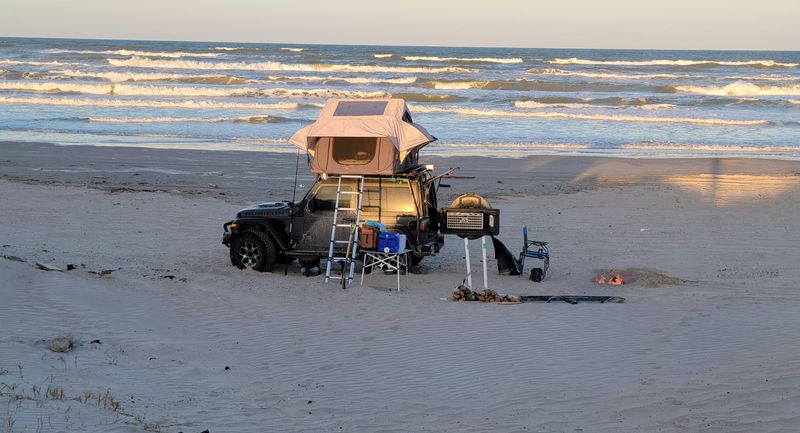
Seventy miles of undeveloped coastline stretch along the Gulf of Mexico, making this the longest barrier island in the world. Padre Island National Seashore is a protected sanctuary where sea turtles nest, dolphins play in the surf, and the beaches look like they did centuries ago. No high-rise hotels, no boardwalks—just sand, sea, and sky.
The island is a nesting ground for endangered Kemp’s ridley sea turtles, and if you visit in summer, you might witness a hatchling release. Park rangers gather baby turtles and help them make their first journey to the ocean, which is one of the coolest wildlife experiences in Texas. Timing and luck play a role, but the park posts updates on their website.
Beachcombing here turns up shells, driftwood, and sometimes even pieces of old shipwrecks. The island has a wild, windswept feel, with dunes covered in sea oats and saltgrass. Four-wheel-drive vehicles can access more remote stretches of beach, where you might not see another person for miles.
Birdwatching is incredible, with over 380 species recorded on the island. Pelicans, herons, and sandpipers are common, while rarer species like reddish egrets and peregrine falcons show up during migration. Fishing from the beach or the flats is popular, with redfish, speckled trout, and flounder on the menu.
Camping right on the beach is allowed, so you can fall asleep to the sound of waves and wake up to sunrise over the Gulf. Bring bug spray for the mosquitoes, plenty of water, and everything you need since there are no stores nearby. Padre Island is raw, untouched Texas coast at its finest.
6. Garner State Park
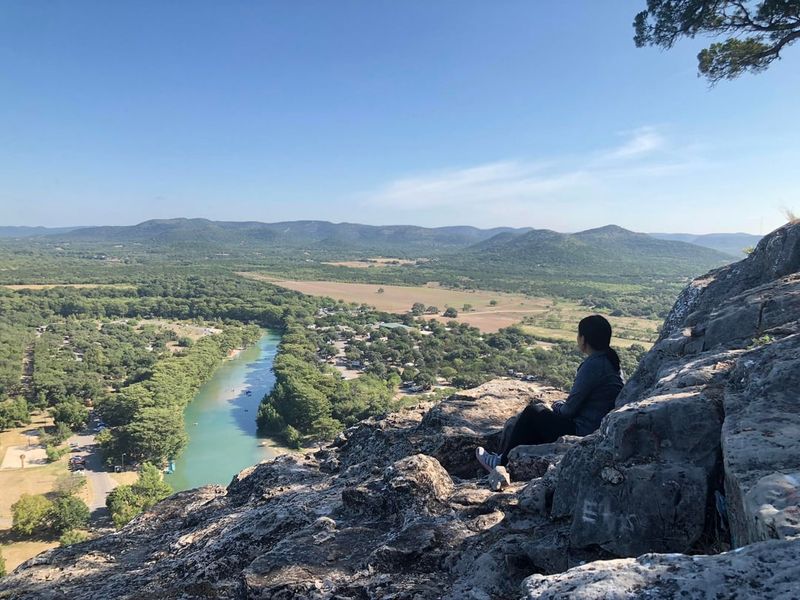
The Frio River winds through this park like a liquid ribbon of emerald green, fed by springs that keep it cold even in the dead of summer. Garner State Park is a Hill Country classic, with towering cypress trees lining the riverbanks and limestone bluffs rising above the water. Floating down the river on an inner tube is practically a Texas rite of passage.
The water is so clear you can see fish swimming around your feet. Families spread out on the grassy banks, kids splash in the shallows, and teenagers jump from low cliffs into deeper pools. The river is shallow in most spots, making it safe for younger swimmers, but there are deeper sections for those who want to dive.
Hiking trails crisscross the park, with Old Baldy being the most popular. It’s a steep climb to the top of a rocky hill, but the sunset views over the Frio Valley are legendary. The park also has mini golf, paddleboat rentals, and nightly dances in the summer where people jitterbug under the stars.
Camping here books up months in advance, especially for summer weekends. Screened shelters and cabins offer a break from tent camping, though they’re just as hard to reserve. Deer wander through the campsites at dawn and dusk, and armadillos shuffle around at night.
Pack a cooler with snacks and drinks since the park store has limited options. Water shoes are a good idea for walking on the rocky riverbed. Garner is the kind of place where generations of families return year after year, building memories that last a lifetime.
7. Guadalupe River State Park
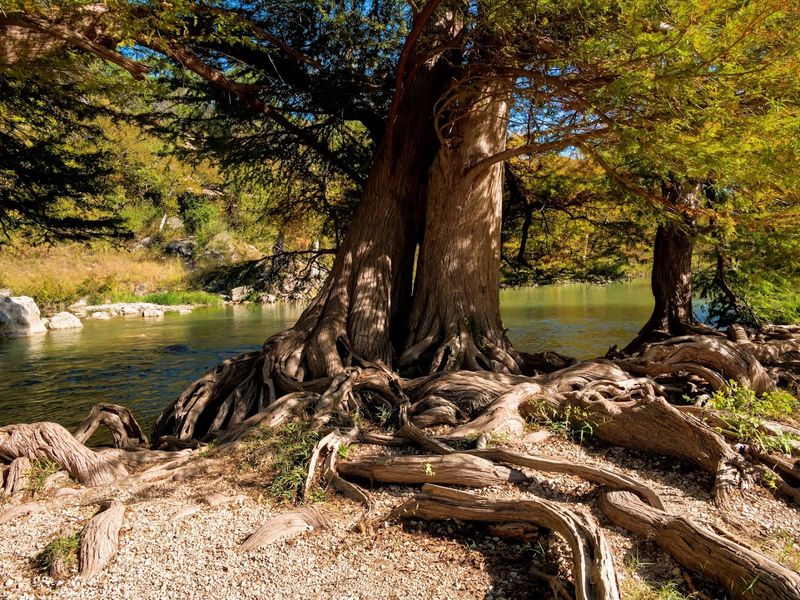
Rapids rush over limestone shelves while cypress trees stand guard along the banks, their roots tangled in the riverbed like ancient fingers. The Guadalupe River cuts through this park with a wild energy, offering some of the best tubing and kayaking in the Hill Country. The water is spring-fed, so it stays refreshingly cool even when the air temperature climbs past 100 degrees.
Tubing here is more adventurous than on some of the tamer rivers, with small rapids that add a little thrill without being dangerous. You’ll bounce over rocks, spin through eddies, and float through calm stretches where you can just relax and soak up the sun. The park has a tube chute that funnels you through a narrow channel, which is always good for a laugh.
Hiking trails wind through juniper-covered hills and along the river, offering views of the water from above. The Bald Cypress Trail follows the riverbank and passes some of the oldest trees in the park, with trunks wider than most people can wrap their arms around. Birdwatchers love this trail for spotting herons, kingfishers, and the occasional bald eagle in winter.
Fishing is allowed, with catches including Guadalupe bass, catfish, and sunfish. The park also offers ranger-led interpretive programs about the local ecosystem and Hill Country history. Campsites are shaded and spacious, with some right on the river so you can hear the water all night.
Summer weekends get crowded, so weekdays or off-season visits offer a quieter experience. Bring water shoes, sunscreen, and a dry bag for your phone and keys. The Guadalupe is pure Hill Country magic, where the river does all the talking.
8. Lost Maples State Natural Area
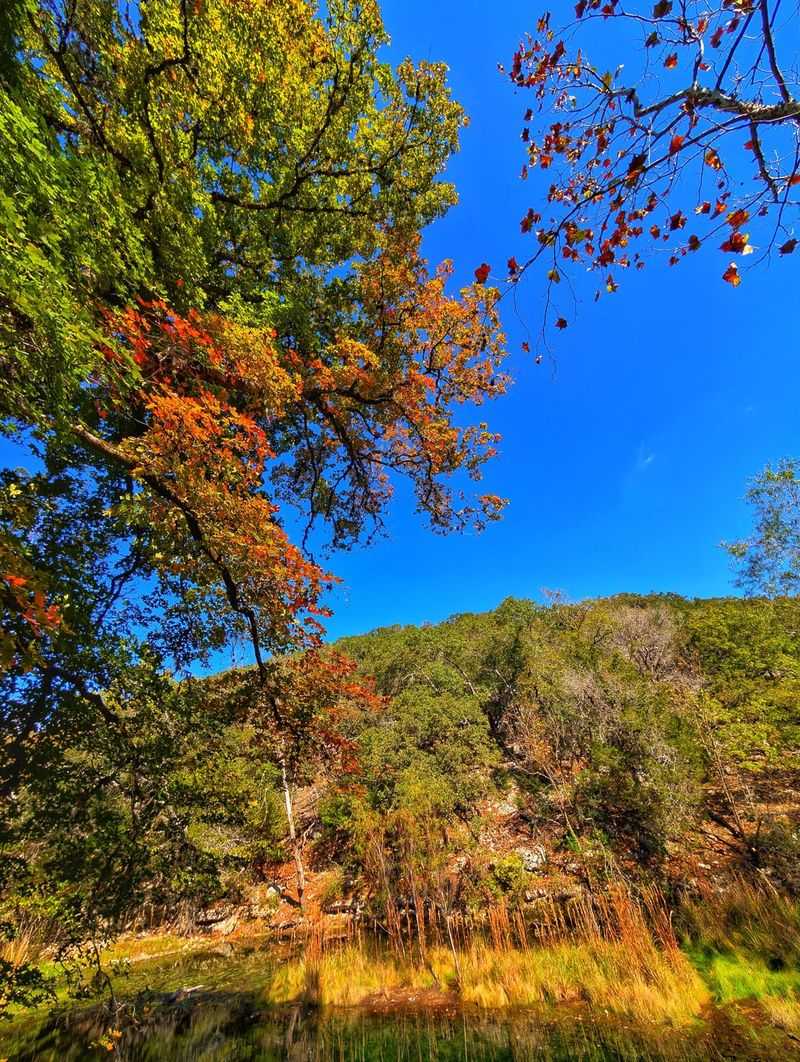
When fall arrives in Texas, most of the state stays stubbornly green, but Lost Maples puts on a show that rivals New England. Bigtooth maples, a rare species in Texas, blanket the canyons in shades of red, orange, and gold that look almost unreal against the limestone cliffs. The park is tucked into the Hill Country, where cooler microclimates allow these maples to thrive.
The peak color usually hits in late October or early November, though it varies from year to year depending on temperature and rainfall. The park’s website posts color reports so you can time your visit perfectly. Even outside of fall, the park is gorgeous, with spring wildflowers and year-round hiking through rugged terrain.
The East Trail is the most popular hike, winding through maple groves and along the Sabinal River. It’s about five miles round trip with some steep sections, but the payoff is worth every step. Smaller side trails branch off to overlooks and quiet spots where you can sit and listen to the creek.
Birdwatching is exceptional here, with the endangered golden-cheeked warbler nesting in the juniper-oak woodlands. Over 200 bird species have been recorded in the park. The river is home to Guadalupe bass, and you might spot armadillos, white-tailed deer, and the occasional fox.
Camping is primitive and peaceful, with sites tucked into the trees. The park limits daily visitors to protect the fragile ecosystem, so reservations are essential, especially during fall color season. Bring layers since temperatures can swing from warm afternoons to chilly evenings.
Lost Maples is proof that Texas does have four seasons—you just have to know where to look.
9. Pedernales Falls State Park
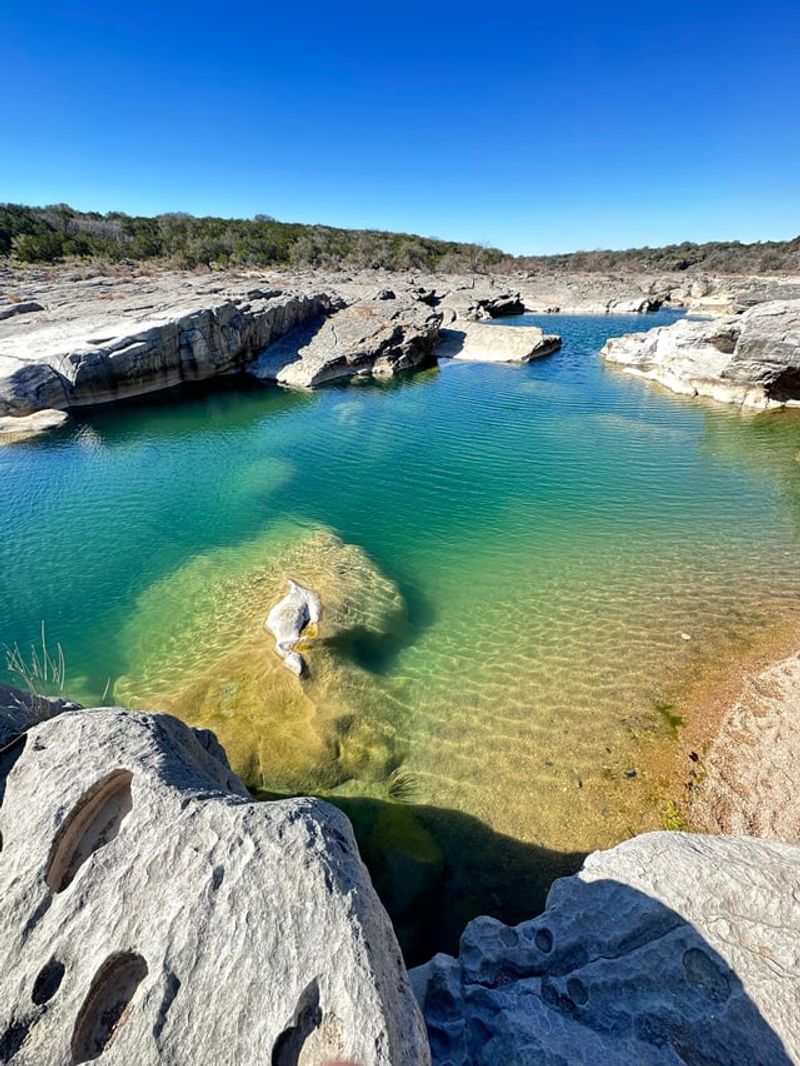
Water spills over layered limestone like a giant staircase, creating a series of cascades that stretch across the width of the Pedernales River. The falls aren’t towering drops, but they’re wide and dramatic, especially after a good rain when the river swells and rushes. The rock formations look like pages of a stone book, with each layer telling a different chapter of geological history.
Swimming in the falls themselves is prohibited because flash floods can happen without warning, but there are designated swimming areas upstream where the water is calmer. The river’s turquoise color against the white limestone creates a tropical vibe that’s hard to believe is in the middle of Texas. On hot days, families wade in the shallows while kids hunt for minnows and crawfish.
Hiking trails range from easy riverside walks to more challenging backcountry routes. The Wolf Mountain Trail climbs to higher elevations, offering views of the surrounding Hill Country and glimpses of wildlife. White-tailed deer are everywhere, and you might spot wild turkeys, roadrunners, or even a ringtail cat if you’re hiking at dusk.
Mountain biking is allowed on several trails, with terrain that varies from smooth singletrack to rocky technical sections. The park also has primitive campsites for backpackers who want to get deeper into the wilderness. Bird species include black-capped vireos, canyon wrens, and painted buntings in their vibrant breeding plumage.
The park is about an hour west of Austin, making it a popular day trip destination. Arrive early on weekends to grab parking near the falls overlook. Pack a picnic, wear sturdy shoes for the rocky trails, and bring binoculars for wildlife watching.
Pedernales Falls is a Hill Country gem that never gets old.
10. Willow City Loop
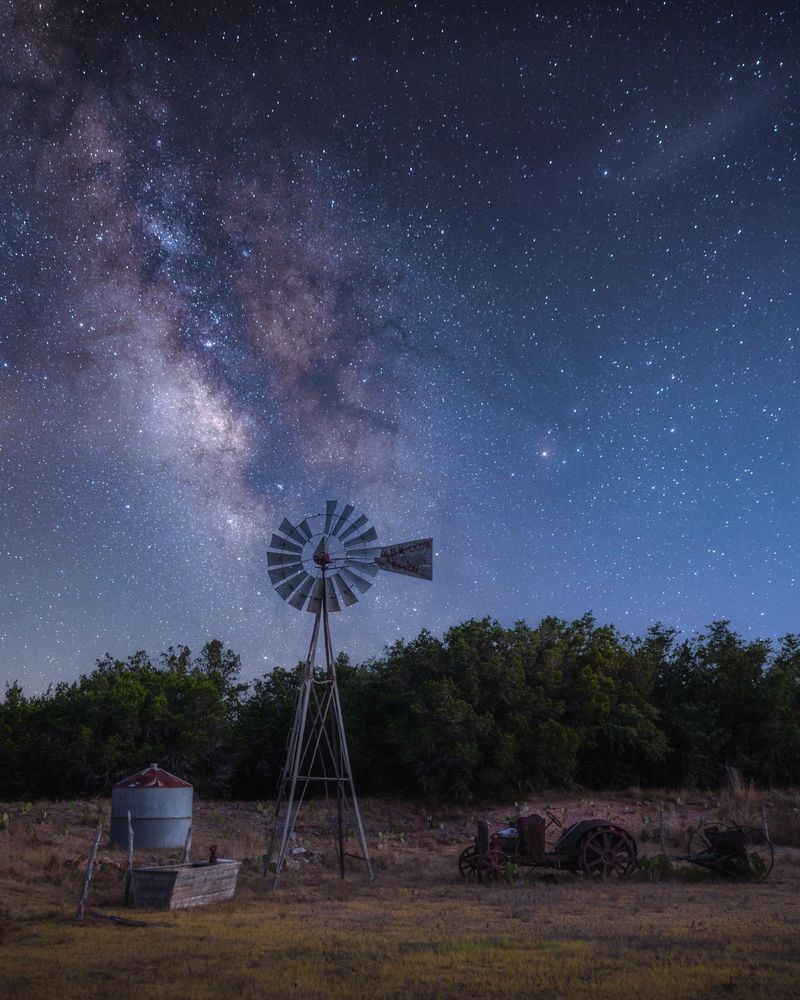
Every spring, this 13-mile country road transforms into one of the most spectacular wildflower drives in Texas. Bluebonnets, Indian paintbrush, and pink evening primrose blanket the hillsides in a riot of color that looks like someone spilled paint across the landscape. The loop winds through ranchland and past old stone fences, with views that change around every curve.
Peak bloom usually happens in late March or early April, though it depends on winter rainfall. When conditions are right, the flowers are so thick you can barely see the grass beneath them. Photographers line the roadside at sunrise and sunset, capturing the golden light spilling over the blossoms.
The drive is narrow and winding, with no shoulders in many places, so take it slow and watch for oncoming traffic. Locals are used to tourists stopping to take photos, but be respectful of private property and don’t trample the flowers. Most landowners are generous about letting people admire the blooms from the roadside.
Old homesteads and barns dot the landscape, adding a rustic charm to the scenery. Oak trees provide shade along the route, and you might spot cattle grazing in pastures bordered by wildflowers. The loop connects to other scenic roads in the area, so you can easily spend a whole day exploring.
Bring a camera, pack a picnic, and plan to spend a few hours just soaking it all in. Early morning visits offer cooler temperatures and softer light, plus fewer crowds. Wear comfortable shoes if you want to walk around and get closer to the flowers.
Willow City Loop is a reminder that sometimes the best things in Texas are free and waiting just around the next bend.
11. Texas Wine Country

Rolling hills covered in grapevines stretch across the Texas Hill Country, where over 50 wineries produce everything from bold reds to crisp whites. The area around Fredericksburg has become a serious wine destination, with tasting rooms that range from rustic barns to sleek modern buildings. The combination of limestone soil, elevation, and sunny days creates ideal conditions for growing grapes.
Visiting the wineries is as much about the experience as the wine itself. Many have outdoor patios with views of the vineyards, live music on weekends, and food pairings that showcase local ingredients. Some offer tours of the vineyards and cellars, explaining the winemaking process from grape to bottle.
Tempranillo, Viognier, and Sangiovese are some of the varietals that thrive here, along with Texas favorites like Black Spanish. Wine trails connect multiple wineries, so you can taste your way through the region over a weekend. Designated driver services and wine tour companies make it easy to visit several spots without worrying about driving.
The scenery is stunning year-round, but spring brings wildflowers that carpet the vineyard edges, and fall offers cooler temperatures and harvest season excitement. Many wineries host events like grape stomps, concerts, and farm-to-table dinners. The area also has charming bed-and-breakfasts, boutique hotels, and gourmet restaurants.
Bring a cooler if you plan to buy bottles, and consider joining a wine club for discounts and exclusive releases. Dress casually but comfortably—some wineries have gravel paths and outdoor seating. Texas Wine Country proves that you don’t have to go to California or France to enjoy world-class wine and beautiful vineyard views.
12. Lady Bird Johnson Wildflower Center
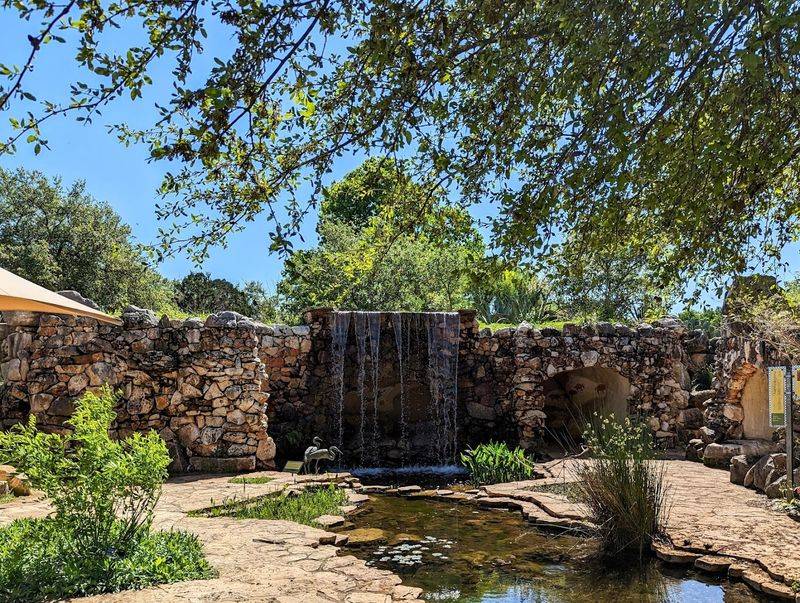
Native Texas plants and wildflowers take center stage at this botanical garden dedicated to preserving and celebrating regional flora. The center sits on 284 acres in southwest Austin, with themed gardens, walking trails, and educational exhibits that showcase the beauty and importance of native landscaping. It’s named after the former First Lady who championed wildflower conservation across Texas.
Spring is the star season, when bluebonnets, Indian paintbrush, and dozens of other wildflowers bloom in coordinated waves of color. The meadows look like living paintings, with butterflies and bees working the flowers. Even outside of peak bloom, the gardens are lush with native grasses, cacti, and perennials adapted to the Texas climate.
The architecture is stunning, with stone buildings and a tower that offers panoramic views of the surrounding landscape. Rainwater harvesting systems, composting toilets, and sustainable design principles are integrated throughout the center, making it a model for environmentally conscious development. Educational programs teach visitors about native plant benefits like water conservation and wildlife habitat.
Walking trails wind through different ecosystems, from shady woodlands to sunny prairies. The family garden has interactive exhibits where kids can learn about pollinators, seeds, and plant life cycles. A cafe serves lunch with ingredients sourced from local farms, and the gift shop sells native plants and seeds so you can start your own wildflower garden at home.
Admission fees support the center’s research and conservation work. Bring a hat, sunscreen, and comfortable walking shoes since much of the garden is outdoors. The center hosts events like plant sales, photography workshops, and seasonal festivals.
It’s a peaceful escape from the city where you can reconnect with the natural beauty of Texas.
13. San Antonio River Walk
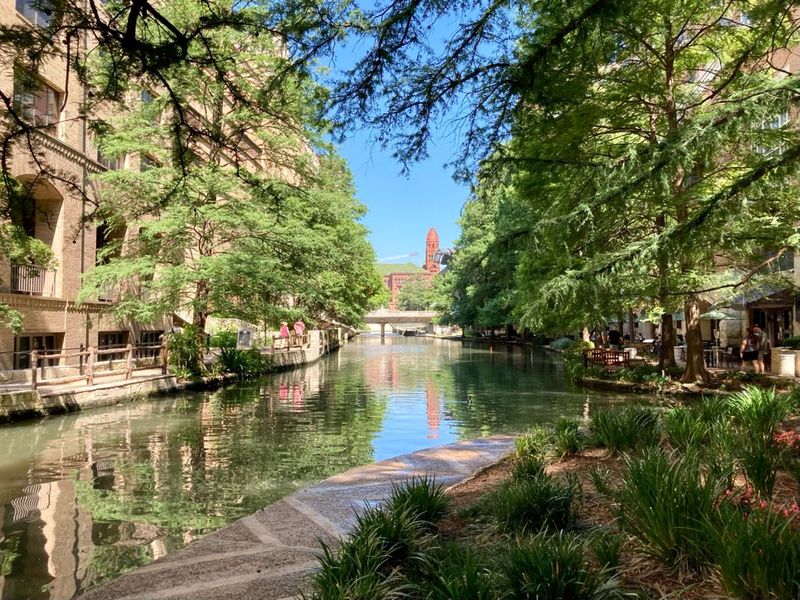
A winding network of walkways follows the San Antonio River through the heart of downtown, lined with cypress trees, colorful umbrellas, and restaurants serving everything from Tex-Mex to fine dining. The River Walk is one of the most popular attractions in Texas, blending natural beauty with urban energy in a way that feels uniquely San Antonio. Water taxis glide along the river, and stone bridges arch overhead like scenes from a European canal.
The main stretch runs through the downtown area, where historic buildings and modern hotels create a mix of old and new. Outdoor patios let you dine right on the water, with ducks and fish swimming by as you eat. Mariachi bands stroll the walkways, adding live music to the atmosphere.
The Museum Reach extension takes the River Walk north through a more natural setting, with native plants, public art installations, and access to the San Antonio Museum of Art. The Mission Reach section connects to the historic Spanish missions, offering miles of trails for walking, jogging, or biking. These quieter stretches feel worlds away from the bustling downtown section.
Special events like Fiesta and the holiday River Walk lights transform the area into a celebration. Boat tours provide narrated history of the river and the city, while kayak rentals let you explore at your own pace. Shops sell everything from souvenirs to handmade crafts.
The River Walk is best experienced on foot, so wear comfortable shoes and plan to wander. Early mornings offer a peaceful vibe before the crowds arrive. Evenings bring twinkling lights and a romantic atmosphere.
It’s a place where nature and city life blend seamlessly, creating a uniquely Texan experience.
14. Natural Bridge Caverns
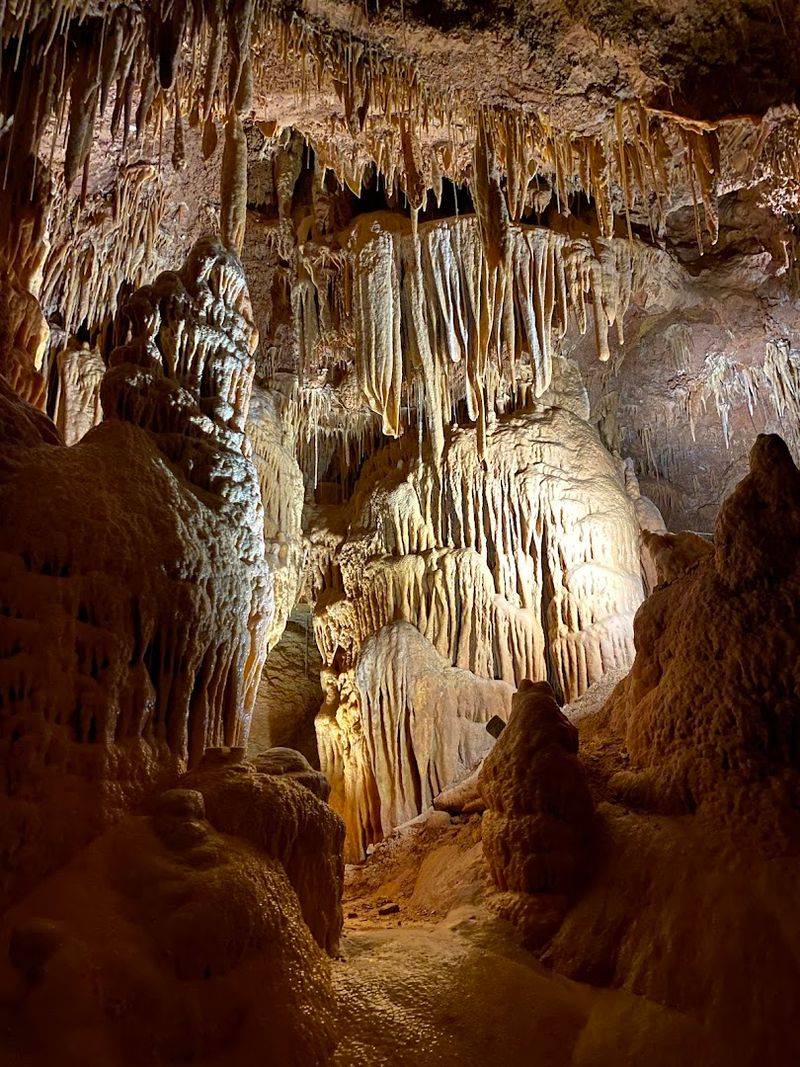
Sixty feet below the surface, a hidden world of limestone formations glitters like an underground palace. Natural Bridge Caverns is the largest commercial cave system in Texas, with massive rooms, towering columns, and formations that took millions of years to create. The caverns were discovered in 1960 by college students exploring the area, and they’ve been wowing visitors ever since.
Guided tours lead you through well-lit passages where stalactites hang from the ceiling like stone icicles and stalagmites rise from the floor like frozen fountains. The formations have names like the Chandelier, the Castle of the White Giants, and the Hall of the Mountain King, each more impressive than the last. The temperature inside stays a constant 70 degrees year-round, making it a cool escape from Texas heat.
The Discovery Tour is the most popular, covering about three-quarters of a mile with 180 feet of elevation change. The Hidden Passages Tour takes you deeper into undeveloped sections where you crawl through tight spaces and see formations up close. Adventure tours offer a more rugged experience with helmets, headlamps, and muddy scrambling.
Above ground, the property has zip lines, a ropes course, and a maze carved into the hillside. Gemstone mining lets kids pan for treasures, and the gift shop sells crystals, fossils, and cave-themed souvenirs. The natural bridge that gives the caverns their name is a 60-foot limestone arch that spans the amphitheater entrance.
Wear sturdy shoes with good traction since the cave paths can be slippery. Bring a light jacket even in summer since the cool temperature is a shock after the heat outside. Photography is allowed, but tripods aren’t practical on the tours.
Natural Bridge Caverns is proof that Texas beauty isn’t just on the surface.
15. Big Bend Ranch State Park
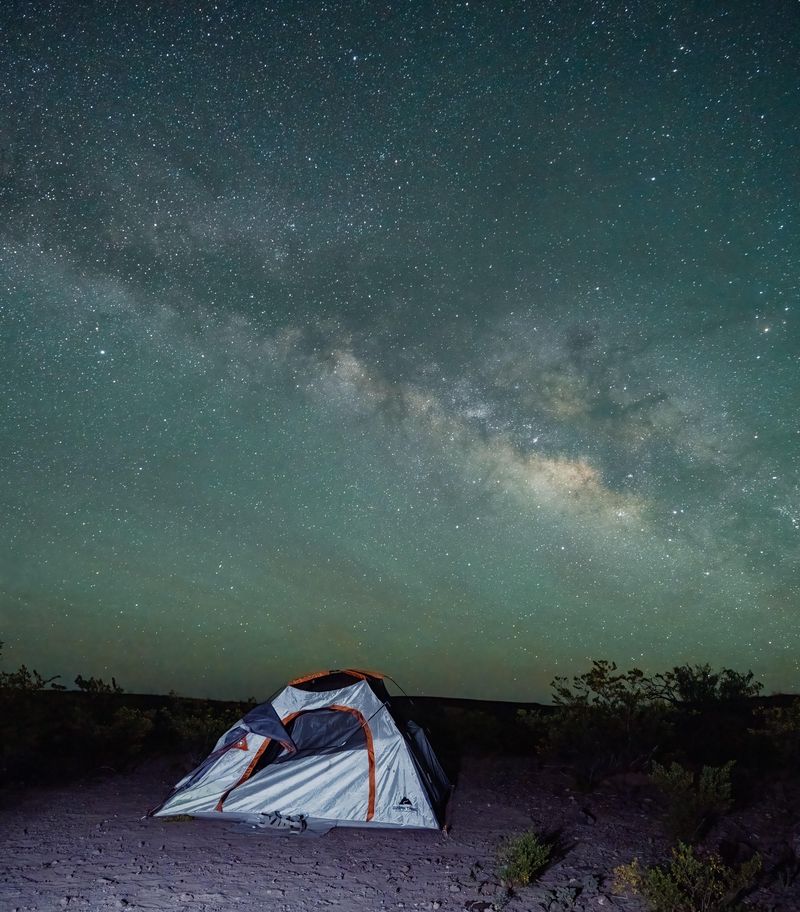
Wilder and less visited than its national park neighbor, Big Bend Ranch sprawls across nearly 300,000 acres of desert, mountains, and river canyons. This is Texas at its most remote and rugged, where you can hike for hours without seeing another person. The landscape shifts from volcanic peaks to limestone canyons, with the Rio Grande carving through the southern edge.
The Closed Canyon Trail is a must-do, leading into a narrow slot canyon where the walls close in so tight you can touch both sides at once. Water has carved the rock into smooth curves and pockets, creating a sculptural masterpiece. The hike is short but stunning, ending at a pouroff where water cascades during rare rains.
River trips through the Bofecillos Mountains section of the Rio Grande offer world-class paddling through remote canyons. Multiday trips take you deep into wilderness where the only sounds are birds, wind, and water. The park also has mountain biking trails that challenge even experienced riders with rocky terrain and steep climbs.
The Solitario is a massive collapsed volcanic dome that creates a circular formation visible from space. Hiking or driving through it feels like exploring another world, with colorful rock layers and sweeping views. Backcountry camping is allowed throughout the park, but you need to be self-sufficient with water, navigation, and emergency supplies.
Wildlife includes desert bighorn sheep, mountain lions, and golden eagles. Spring brings desert wildflowers that bloom in unexpected bursts of color. The park requires permits for overnight stays and river trips.
Cell service is nonexistent, so download maps and plan ahead. Big Bend Ranch is for adventurers who want to experience Texas wilderness in its rawest form.
16. Wildseed Farms
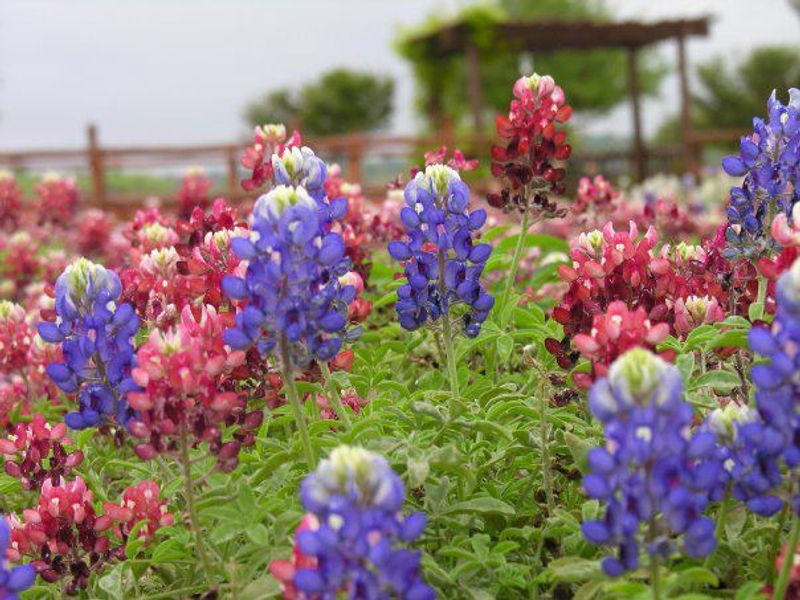
Row after row of wildflowers stretch across 200 acres, creating a living kaleidoscope of color that changes with the seasons. Wildseed Farms is the largest working wildflower farm in the country, and visiting feels like stepping into a painting. Spring brings bluebonnets, poppies, and larkspur, while summer explodes with sunflowers, zinnias, and cosmos.
Walking paths wind through the fields, letting you get up close to the blooms. Butterflies and hummingbirds work the flowers, and the air smells sweet and fresh. The farm grows seeds that are sold across the country, helping spread native wildflowers and pollinator-friendly plants.
It’s both a commercial operation and a gorgeous public attraction.
The on-site market sells seeds, plants, and gardening supplies, along with gifts, local honey, and wildflower-themed products. Staff members offer advice on which plants work best for different regions and growing conditions. Educational displays explain the life cycles of wildflowers and the importance of native plants for ecosystems.
A butterfly garden attracts dozens of species, with labeled plants that show which flowers different butterflies prefer. Peacocks roam the grounds, adding an unexpected touch of exotic beauty. The farm also has a vineyard and offers wine tastings in a rustic tasting room.
Admission is free, though donations are appreciated to help maintain the gardens. The farm is located in Fredericksburg, making it easy to combine with wine country visits or shopping in town. Bring a camera, wear comfortable shoes, and plan to spend at least an hour wandering the fields.
Wildseed Farms is a celebration of Texas wildflowers and the perfect place to fall in love with native plants.
17. Muleshoe Bend Recreation Area
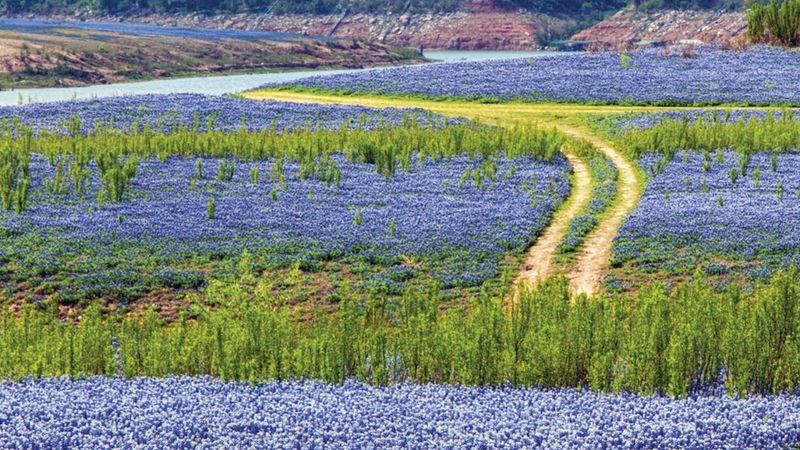
A horseshoe curve in the Colorado River creates a peninsula of protected land where the water runs clear and the scenery feels untouched. Muleshoe Bend is a hidden gem in the Hill Country, offering camping, paddling, and hiking without the crowds of more famous parks. The river here is calm and wide, perfect for kayaking, stand-up paddleboarding, or just floating on a hot afternoon.
Limestone cliffs rise along parts of the shoreline, creating dramatic backdrops for photos. The water is deep enough for swimming in many spots, and the rocky bottom stays visible through the clear water. Bass fishing is popular, with catches including largemouth and Guadalupe bass.
Hiking trails loop through juniper and oak woodlands, offering views of the river from above. The terrain is hilly, with some steep sections that give you a workout. Wildflowers bloom in spring, and fall brings cooler temperatures that make hiking more comfortable.
Wildlife sightings include white-tailed deer, armadillos, and a variety of bird species.
Camping sites are primitive, with no hookups, but they’re spacious and shaded. Some sites sit right on the river, letting you fall asleep to the sound of water. The recreation area is managed by the Lower Colorado River Authority, and fees are minimal compared to state parks.
The area gets busy on summer weekends, but weekdays and off-season visits offer more solitude. Bring everything you need since there are no stores nearby. Kayak rentals aren’t available on-site, so you’ll need to bring your own gear.
Muleshoe Bend is proof that some of the best Texas spots are the ones that don’t make the headlines.
18. Dallas Arboretum and Botanical Garden
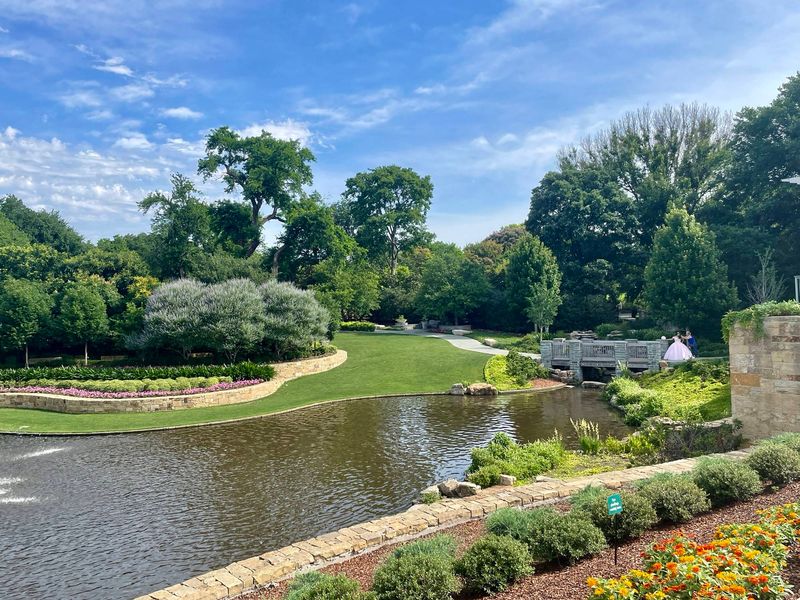
Sixty-six acres of manicured gardens slope down to the shores of White Rock Lake, creating one of the most beautiful urban green spaces in Texas. The Dallas Arboretum changes with the seasons, from spring tulips and azaleas to summer tropicals and fall chrysanthemums. Over 500,000 blooms are planted each season, creating waves of color that look almost too perfect to be real.
Themed gardens include a shade garden, a rose garden, and a children’s garden with interactive exhibits and play areas. The Rory Meyers Children’s Adventure Garden is a 8-acre wonderland where kids can explore science and nature through hands-on activities. Water features, climbing structures, and educational displays make learning feel like play.
The arboretum hosts festivals throughout the year, including Dallas Blooms in spring and Autumn at the Arboretum in fall. Concerts, plant sales, and holiday events draw crowds from across the region. The setting overlooking White Rock Lake adds natural beauty to the cultivated gardens, with sailboats dotting the water in the distance.
Walking paths wind through the gardens, with benches placed at scenic viewpoints. The restaurant serves lunch with lake views, and the gift shop sells plants, garden accessories, and locally made products. Photography is encouraged, and the gardens are a popular spot for engagement photos and family portraits.
Admission fees help maintain the gardens and fund educational programs. Arrive early to avoid crowds, especially during festival seasons. Wear comfortable shoes since there’s a lot of ground to cover.
The arboretum proves that Texas cities know how to blend nature and culture into something truly special.