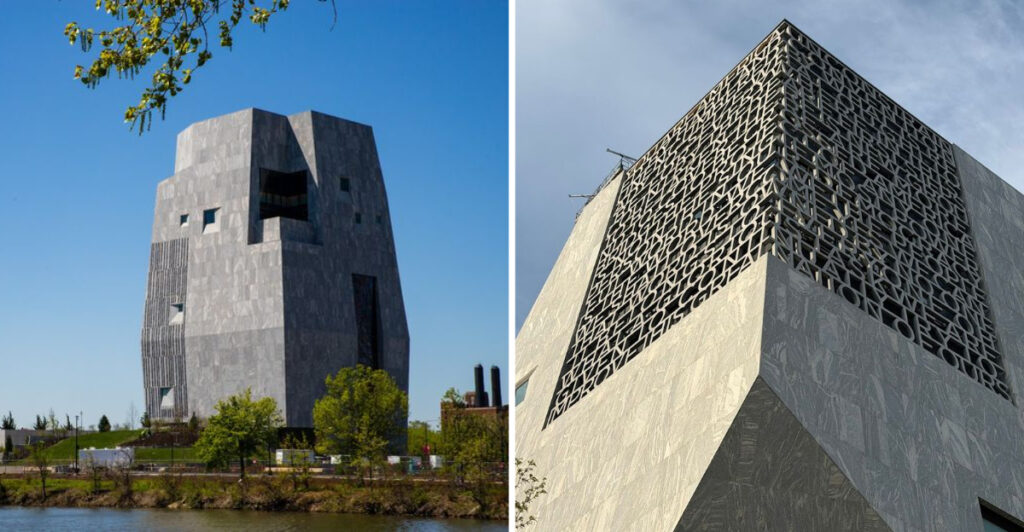
Chicago’s newest cultural landmark is already becoming one of Illinois’ most talked-about attractions. The Obama Presidential Center, which opened to the public in June 2026, combines an immersive museum, striking modern architecture, public gardens, art installations, and community spaces on a 19-acre campus in Jackson Park.
Designed to be more than a traditional presidential library, the Center invites visitors to explore history, civic engagement, and the story of Barack Obama’s presidency through interactive exhibits and thoughtfully designed spaces. Whether you’re interested in history, architecture, or Chicago itself, this remarkable destination has quickly become a must-visit attraction.
A South Side Arrival That Changes the Usual Chicago Script
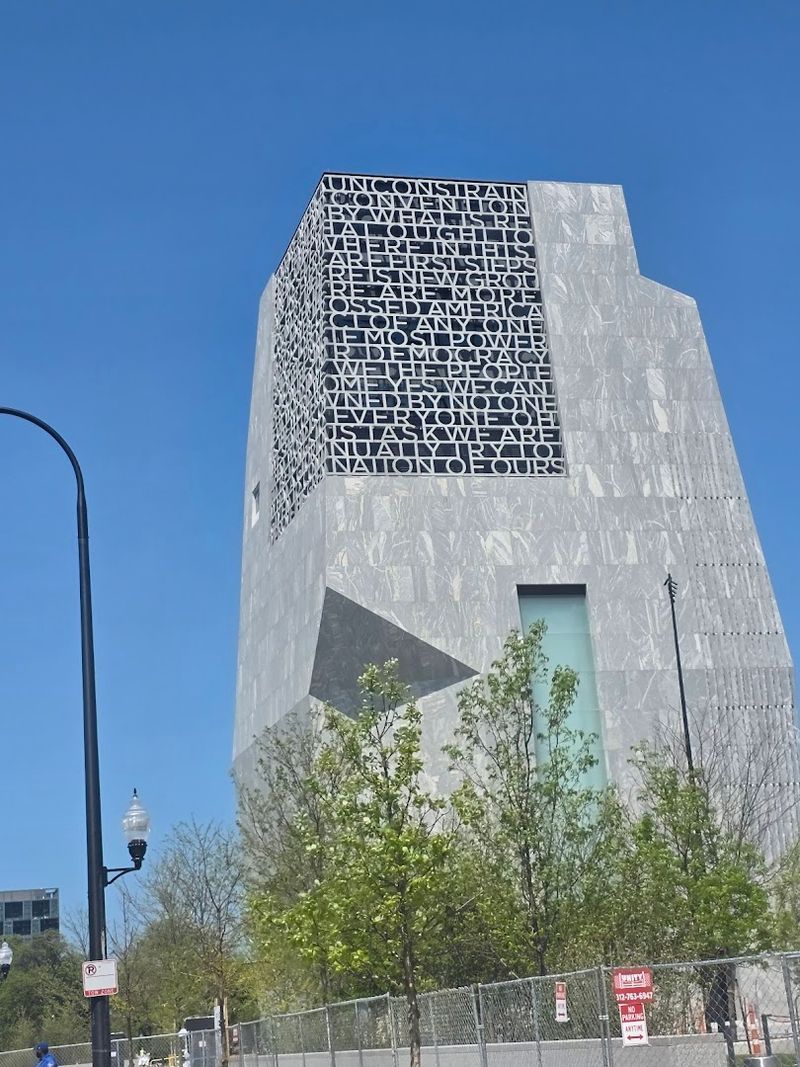
The approach to the Obama Presidential Center does not play out like a typical downtown museum arrival. Instead of dense blocks, flashing marquees, and a rush of tourists angling for the same photo, this address opens into a broader South Side landscape shaped by parkland, sky, and long sightlines.
That shift matters immediately, because the visit begins with Chicago itself, not just a building dropped into it. Stony Island Avenue gives the center a strong urban edge, yet the nearby green space keeps the scene from feeling boxed in.
You get movement from cars, buses, cyclists, and neighborhood foot traffic, then a release as the eye pulls toward trees and open air. It is a setting that frames the museum as part of everyday city life rather than a sealed off monument.
That balance changes your expectations before any gallery comes into view. A presidential museum can sound formal, distant, even intimidating, but the placement here suggests something more public facing and lived in.
The center reads less like a shrine and more like a civic anchor, one connected to the surrounding streets, the lakefront side of the South Side, and the layered history of this part of Chicago.
For travelers who mostly know the city through the Loop, this stop expands the map in a useful way. It nudges you into a section of Chicago with different rhythms, different architecture, and a different scale of public space.
By the time you step closer, the strongest first impression is not simply that a new museum has opened, but that a major national story has been placed exactly where local context can sharpen it.
The Building That Already Defines Chicago’s New Skyline
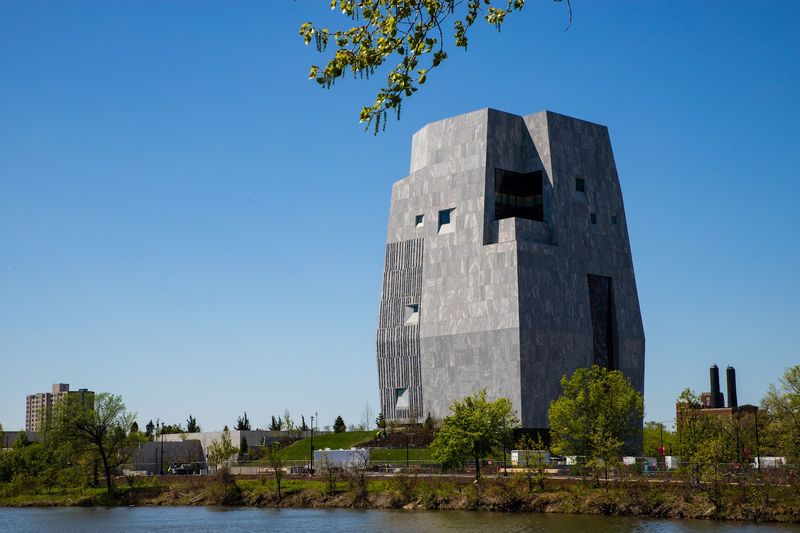
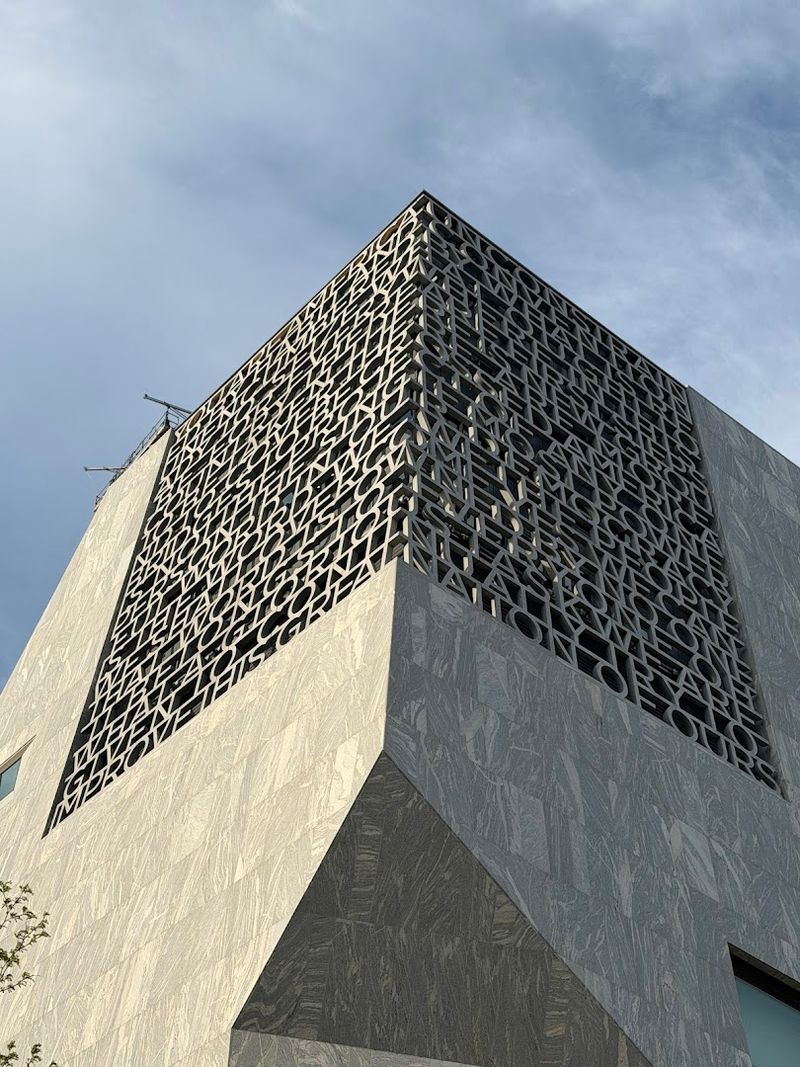
Some museums try to win you over with ornament, while others lean so hard into minimalism that they disappear into abstraction. The Obama Presidential Center appears to understand a better middle ground, using scale, proportion, and material presence to make a statement without turning fussy.
Even in photos, the architecture reads as confident, upright, and unmistakably designed to be seen from a distance.
That visual confidence is important because presidential institutions can easily drift into generic grandeur. Here, the form appears to do more than announce importance.
It creates a landmark on the South Side that can hold its own against the openness of parkland around it, which is much harder than making an impression on a cramped city block.
As you move around the site, the relationship between structure and landscape becomes part of the experience. Broad approaches, changing angles, and open sky give the building room to reveal itself in stages rather than all at once.
This kind of pacing can make even a short walk more interesting, because the center keeps shifting between close detail and larger silhouette.
That also makes it rewarding for visitors who care as much about design as exhibitions. You do not need a background in architecture to notice how carefully a place handles mass, shadow, and public space.
The center looks built for photographs, but more importantly, it looks built to shape attention, guiding your eye upward, outward, and back across the surrounding grounds in a way that keeps the whole visit visually active.
Inside, the Story Stays Civic Instead of Frozen
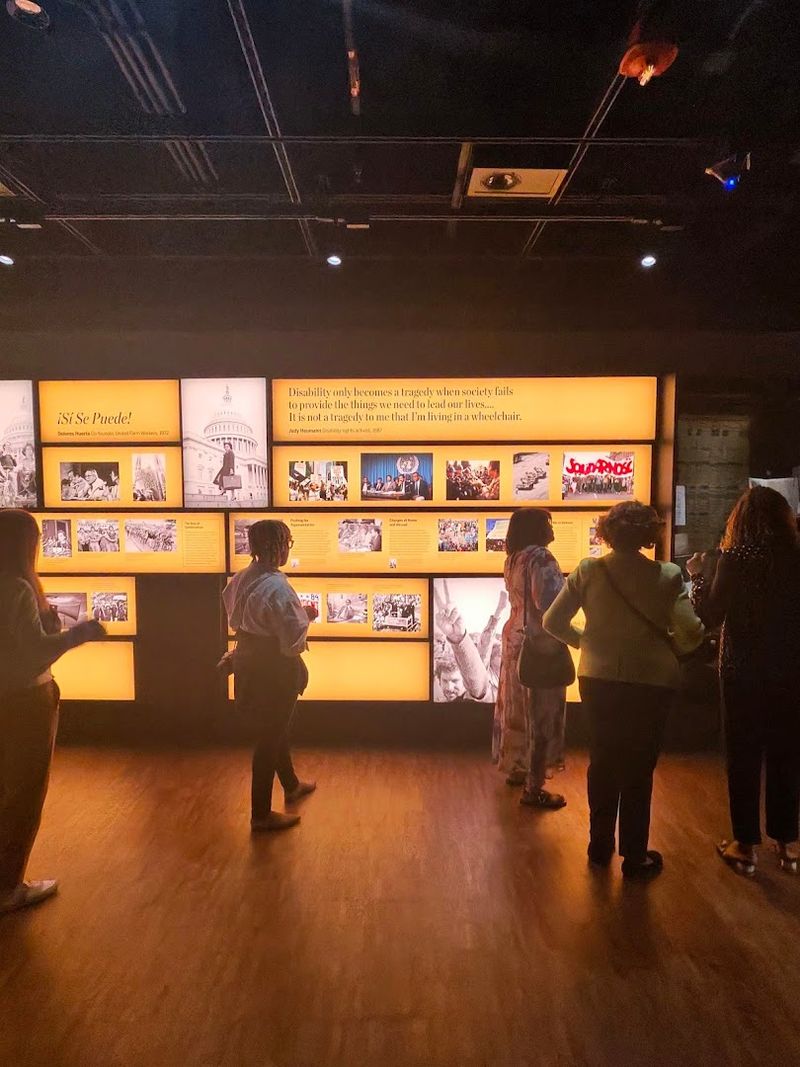
A presidential museum can go wrong in two predictable ways: too much reverence, or too much trivia. The Obama Presidential Center has the chance to work better by keeping the focus on civic life, public service, and the broader era surrounding the presidency rather than treating history like a sealed display case.
That approach gives the experience more energy because it connects political history to choices, movements, and communities.
Instead of reducing everything to campaign nostalgia or official milestones, the strongest museum design usually invites you to move between personal narrative and national context. That matters here more than usual.
Barack Obama’s political rise is deeply tied to Chicago, so the most interesting interpretation is not a straight line of dates, but a layered account of place, organizing, identity, and public responsibility.
When a museum gets that balance right, galleries feel less like a checklist and more like a conversation. Objects, media, and text panels can build momentum if they show how policy, culture, and ordinary civic participation intersect.
You leave with a fuller sense of the period, but also with sharper awareness of how presidential history is shaped long before inauguration day and long after a term ends.
That is why this center has an edge over more conventional political stops. It is positioned to attract history fans, architecture lovers, students, and travelers who normally avoid presidential museums altogether.
If the exhibits deliver on that civic framing, the visit becomes bigger than a biography, turning into a smart, contemporary museum experience that asks you to think about leadership in practical terms, not just ceremonial ones.
Jackson Park Gives the Museum Room to Breathe
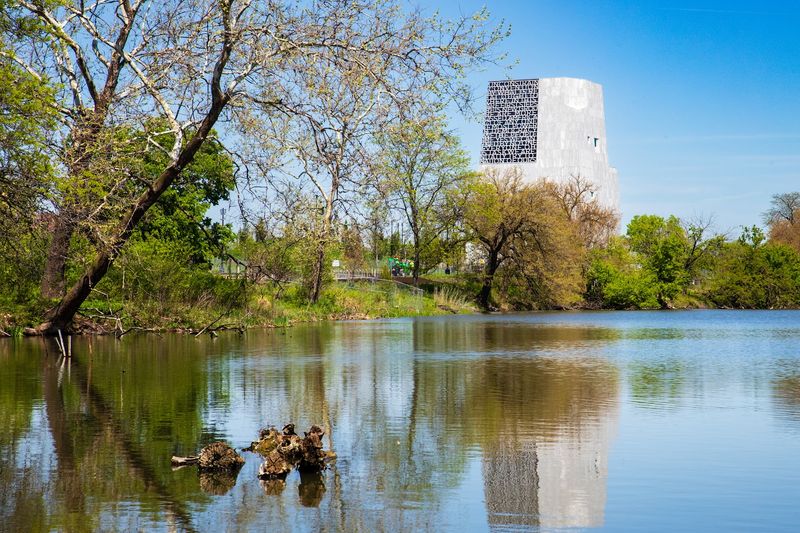
One of the best advantages of the Obama Presidential Center is that it is not isolated from its surroundings. Jackson Park adds breathing room, and that changes the tempo of the day in a way many major museums cannot offer.
Instead of stepping straight from ticket line to gallery corridor, you can move through outdoor space that softens the transition and makes the visit feel less compressed.
That park connection also strengthens the center’s identity as a public place, not merely a destination for people already interested in presidential history. Trees, pathways, and longer views give the site a more democratic rhythm.
You can imagine families stretching the visit into a half day, students lingering outside, or travelers pairing the museum with a walk rather than racing off to the next indoor attraction.
Visually, the contrast works in the museum’s favor. Strong architecture tends to look even stronger when it meets open green space, and the center benefits from that kind of framing.
The built form reads more clearly, the crowds disperse more naturally, and the entire experience gains a little extra air around it, which is not a small thing in a city itinerary that can otherwise feel tightly scheduled.
For out of town visitors, this setting delivers a more rounded sense of Chicago than a museum cluster downtown ever could. You are seeing how a national institution sits within neighborhood geography, public park traditions, and the city’s South Side scale.
That wider context does not distract from the museum. It gives the museum a stronger backbone, turning the walk around it into part of the story instead of dead time between exhibits.
How to Do the Visit Right in Illinois
If you want the smoothest visit, treat the Obama Presidential Center like a place that deserves its own block of time rather than a quick add on.
The listed hours suggest a straightforward daytime schedule most of the week, with a later Monday window that could be especially useful for travelers juggling other stops.
That alone makes timing part of the strategy, because the experience works better when you are not rushing through it.
Morning is usually the easiest way to take in a site with architecture, outdoor approaches, and museum content all competing for attention. You get cleaner light outside, cooler temperatures in warmer months, and more patience for reading galleries carefully.
If you arrive too late in the afternoon, it becomes easier to compress the grounds into a pass through and miss the sense of scale that helps define the place.
Comfort matters here more than at a dense indoor museum downtown. You will likely do a fair amount of walking, and the surrounding setting invites extra wandering even if that was not originally the plan.
Wear shoes that can handle pavement and paths, leave margin for a slower circuit outside, and avoid stacking another major museum immediately before this one if you want your attention to stay sharp.
Most importantly, build in a little unstructured time. This is the kind of place where a bench, a view line, or a second pass around the exterior can become part of the experience.
Practical planning does not sound glamorous, but at a site where architecture, landscape, and interpretation all matter, a well timed visit in Illinois can be the difference between checking a box and actually understanding why this museum lands so differently.
More Than a Museum Stop, It Reframes the Neighborhood
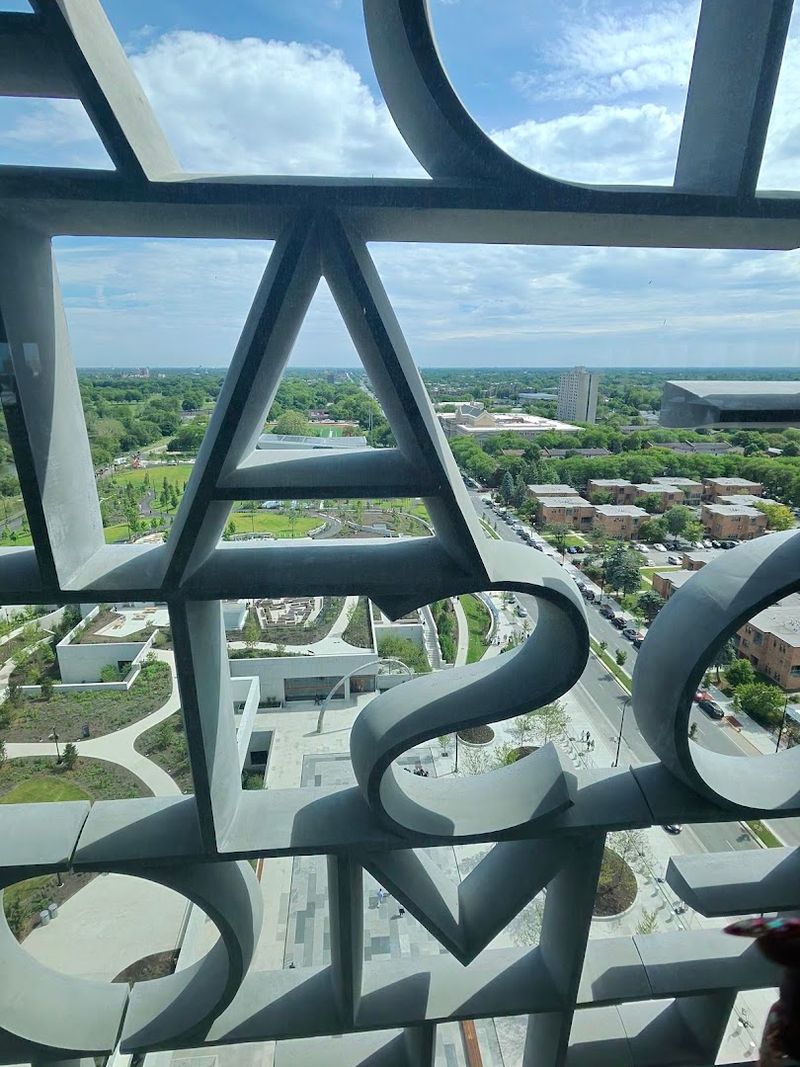
The most interesting effect of the Obama Presidential Center may be how it changes the mental map of Chicago for visitors. A lot of travelers move through the city in familiar loops, circling downtown landmarks and lakefront classics while missing how much character sits beyond that usual orbit.
This museum gives a concrete reason to head to the South Side, and in doing so, it widens the story of where major cultural destinations belong.
That matters because a presidential center tied to Barack Obama would feel incomplete without an honest relationship to Chicago geography. The city was never just backdrop to a political career.
It was formative terrain, and placing a major institution here underlines that connection in a way no exhibit text alone could fully explain. The neighborhood context becomes part of the interpretation, even before you step inside.
There is also something refreshingly current about a museum that asks you to travel with more intention. You are not drifting through an overpackaged entertainment district designed to flatten every experience into the same polished formula.
You are moving toward a place that carries national significance while remaining visibly anchored in its local setting, with all the texture, scale, and everyday movement that entails.
For many travelers, that shift ends up being as valuable as the museum itself. The day becomes less about collecting another attraction and more about understanding a different part of the city through one of its biggest new institutions.
That is a stronger cultural payoff than a fast photo stop, and it helps explain why the center already stands out: it does not just add a museum to Chicago, it subtly redraws the route.
Why This Chicago Museum Already Has Must-Visit Energy
Plenty of new attractions arrive with a burst of headlines and then settle into the background once the novelty fades.
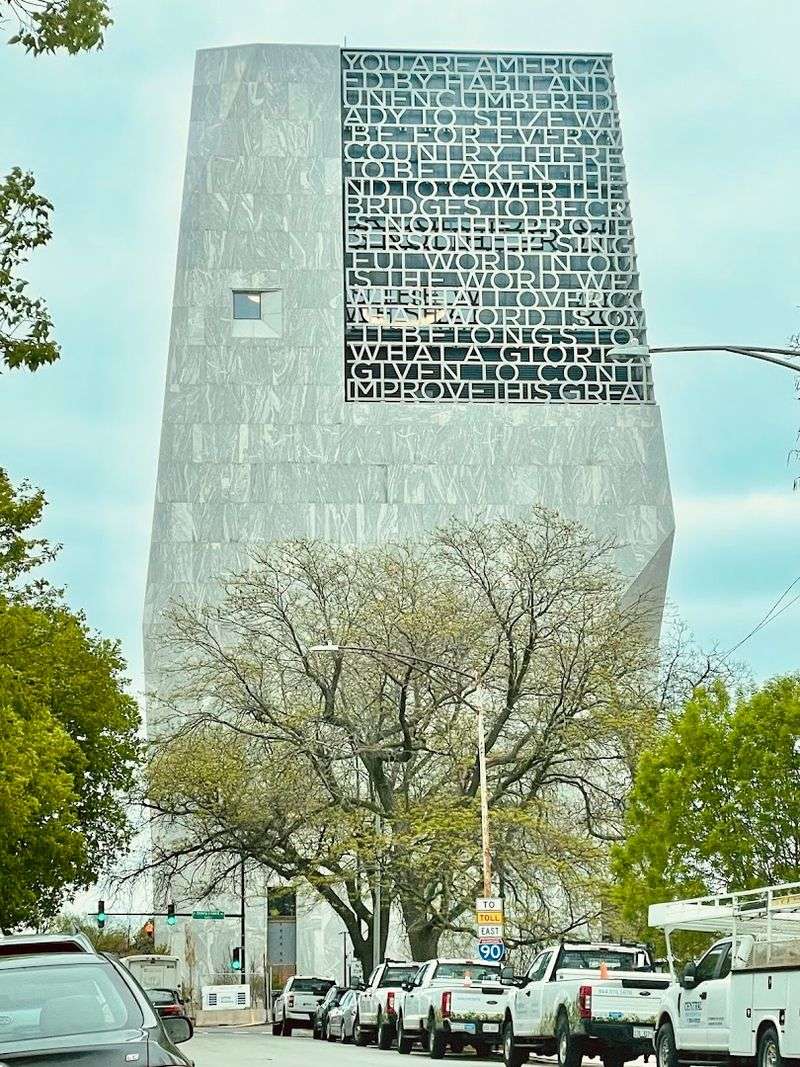
The Obama Presidential Center looks positioned for a different path because it combines several draws that rarely line up this cleanly: a nationally significant subject, a major architectural presence, a park setting, and a location that broadens how visitors experience Chicago.
That mix gives it immediate depth instead of short term buzz. It also escapes the trap of being interesting only to one type of traveler.
Political history brings one audience, design pulls in another, and the South Side location adds genuine city context that appeals even to people who usually choose neighborhoods over institutions.
When one place can satisfy those different motivations without feeling scattered, it earns stronger staying power on a travel list.
The center’s biggest advantage, though, may be tone. A visit here can be thoughtful without becoming stiff, visually striking without becoming empty spectacle, and locally grounded without losing national scope.
That is a difficult balance for any museum, especially one attached to a presidency, and it is exactly why the place already reads as more than a ceremonial landmark.
If your Chicago plans have room for only one newer cultural stop, this is an easy case to make. The address at 6001 S Stony Island Avenue offers more than an exhibit run through.
It gives you architecture to look at, public space to move through, and a broader civic story to consider while standing in a part of the city that sharpens every bit of that experience. That combination is rare, and it is why this museum already belongs on the must-visit list.