Texas is big enough to feel like a whole country, and you don’t need a passport to explore it. From canyon hikes to sandy beaches, mountain peaks to buzzing cities, the Lone Star State packs in more variety than most people realize. Whether you’re craving adventure, relaxation, or a little bit of both, these spots prove you can have an unforgettable getaway without ever crossing state lines.
1. Palo Duro Canyon
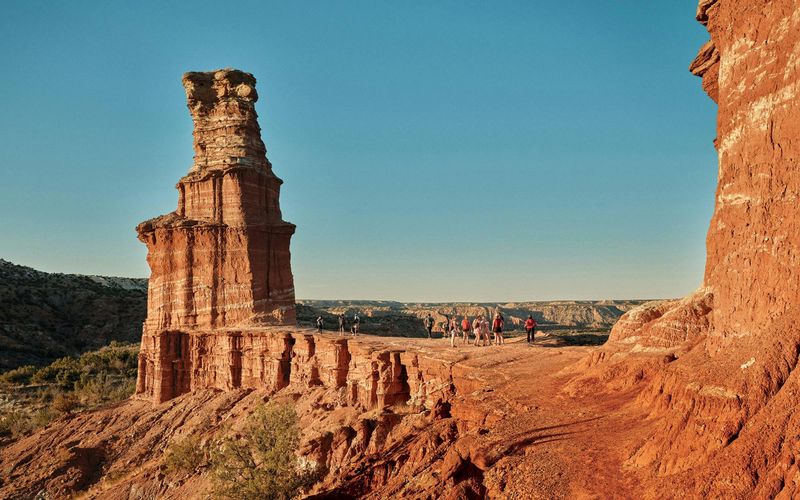
Picture the Grand Canyon’s little sibling—still massive, still breathtaking, but way less crowded and right here in the Texas Panhandle. Palo Duro Canyon stretches 120 miles long and plunges 800 feet deep, making it the second-largest canyon in the United States. The layered red, orange, and yellow rock walls tell stories that go back millions of years, and you can explore them without fighting through tour bus crowds.
Hiking here ranges from easy strolls to challenging climbs. The Lighthouse Trail is the most popular, a moderately tough 6-mile round trip that rewards you with views of a rock formation that looks like an old lighthouse. If you’d rather ride than walk, horseback tours let you cover more ground while feeling like a real cowboy.
Mountain biking is huge here too, with trails that twist through juniper trees and along canyon rims.
Camping under the stars is a whole different experience when you’re surrounded by ancient rock walls. The canyon’s remoteness means minimal light pollution, so the Milky Way practically glows overhead. Summer evenings bring the outdoor musical “Texas,” performed in a natural amphitheater carved into the canyon itself.
The show mixes history, music, and BBQ dinner into one uniquely Texan night out.
Spring and fall offer the best weather—summers get scorching, and the canyon floor turns into an oven. Bring more water than you think you’ll need because the dry air sneaks up on you. Wildlife sightings are common, from roadrunners darting across trails to wild turkeys strutting through campsites.
The canyon feels worlds away from city life, yet it’s only about 30 minutes from Amarillo.
Don’t skip the visitor center before heading out. Rangers share trail tips and point out hidden gems most people miss. Early morning hikes offer cooler temps and the best light for photos, with shadows painting the canyon walls in constantly shifting colors.
This place proves Texas has way more to offer than flat plains and tumbleweeds.
2. San Antonio
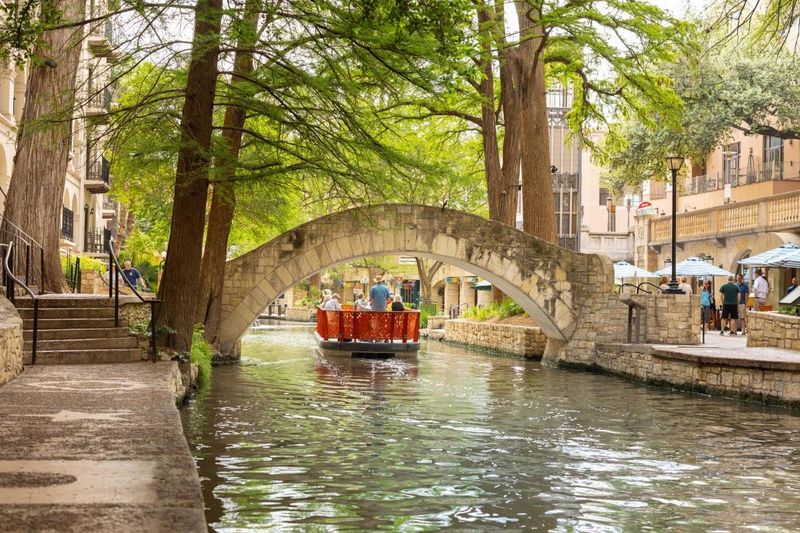
The River Walk alone makes San Antonio worth the trip. This network of walkways winds along the San Antonio River, lined with cypress trees, outdoor cafes, and enough Tex-Mex restaurants to keep you fed for weeks. You can stroll at your own pace or hop on a river cruise to float past historic sites while a guide shares stories about the city’s wild past.
The vibe shifts from lively and touristy near downtown to peaceful and shaded in the quieter stretches.
The Alamo sits right in the heart of downtown, smaller than most people expect but packed with Texas history. It’s free to visit, and walking through the old mission walls gives you a real sense of the famous 1836 battle. Beyond the Alamo, four other Spanish colonial missions dot the city, all part of a UNESCO World Heritage Site.
Biking between them makes for a great half-day adventure, especially along the Mission Trail.
Food here goes way beyond typical tourist fare. San Antonio invented puffy tacos, and local spots serve them hot and crispy, stuffed with everything from picadillo to refried beans. Breakfast tacos are a morning ritual, and you’ll find debates about which taqueria does them best.
The Pearl District has turned into a foodie haven, with a farmers market on weekends and restaurants that range from casual to fancy.
Families love the San Antonio Zoo and the nearby Japanese Tea Garden, a surprisingly tranquil spot tucked into an old quarry. Kids also go crazy for the Witte Museum, which covers Texas history and science with hands-on exhibits. If you’re visiting in spring, Fiesta San Antonio takes over the city with parades, food festivals, and colorful celebrations that last more than a week.
Summer heat can be intense, but the River Walk stays cooler thanks to all that shade and water. Hotel options range from budget-friendly chains to historic gems like the Menger Hotel, rumored to be haunted. San Antonio blends history, culture, and fun in a way that feels authentic rather than manufactured, making it easy to spend several days without running out of things to do.
3. South Padre Island
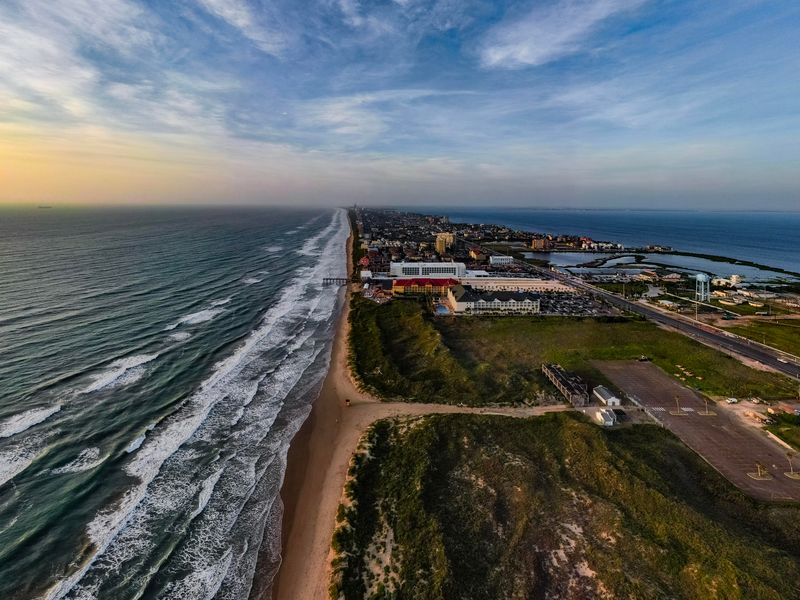
Soft white sand, warm Gulf waters, and a laid-back island vibe make South Padre Island the Texas coast’s top beach destination. Located at the southern tip of the state, this barrier island stretches 34 miles but keeps most of its action concentrated in one fun, accessible area. The beach itself is the main attraction—wide, clean, and perfect for everything from building sandcastles to flying kites.
Water stays shallow for a good distance out, making it ideal for families with younger kids.
Watersports dominate the scene here. Jet ski rentals, parasailing, paddleboarding, and kiteboarding are all easy to arrange, with rental shops lining the main drag. If you prefer calmer activities, dolphin watching tours head out multiple times daily, and the chances of spotting these playful creatures are pretty high.
Fishing charters cater to both beginners and serious anglers, targeting everything from redfish to kingfish depending on the season.
Spring Break brings college crowds and a party atmosphere, but visit any other time and South Padre feels much more relaxed. Summer weekends draw Texas families looking to escape the heat, while fall and winter offer quieter beaches and pleasant temperatures. Sea Turtle Inc. rescues and rehabilitates injured sea turtles, and their facility welcomes visitors who want to learn about conservation efforts.
Watching a rehabilitated turtle get released back into the Gulf is genuinely moving.
The island has enough restaurants to keep your taste buds happy, from casual taco stands to fresh seafood spots with water views. Nightlife centers around a few beach bars and live music venues, but this isn’t a late-night party island outside of March. Condo rentals give you more space and kitchen access, while beachfront hotels put you steps from the sand.
Sunrise on the Gulf side is spectacular, worth setting an early alarm for at least once during your stay. The island stays warm year-round, though summer humidity can be sticky. Pack sunscreen and reapply often—the coastal sun is stronger than it feels.
South Padre delivers that classic beach vacation experience without requiring a plane ticket or passport.
4. Big Bend National Park
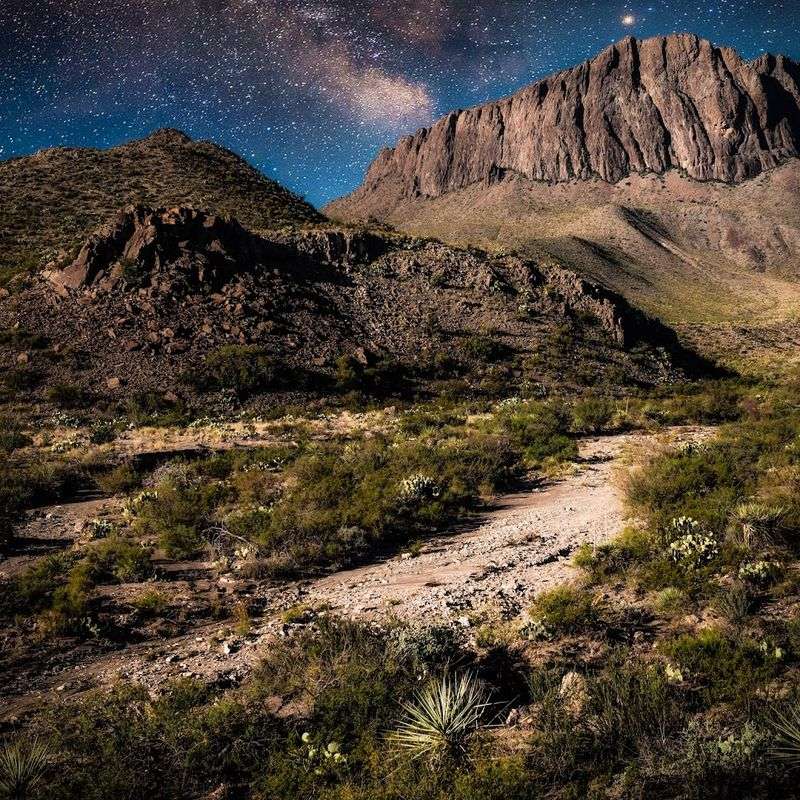
Remote doesn’t even begin to describe Big Bend. This massive national park sits in far West Texas, where the Rio Grande carves a dramatic border between the United States and Mexico. Mountains, desert, and river canyons create landscapes that look more like another planet than Texas.
The park covers over 800,000 acres, making it one of the largest and least crowded national parks in the country. Cell service disappears here, forcing you to actually disconnect and pay attention to your surroundings.
Hiking options range from short nature walks to multi-day backpacking trips. The Window Trail offers stunning sunset views through a natural rock frame, while the South Rim Trail challenges experienced hikers with a strenuous climb that rewards with panoramic views of Mexico and the Chisos Basin. Santa Elena Canyon features towering rock walls that rise 1,500 feet above the Rio Grande, accessible via a short but impressive trail.
Each hike reveals different ecosystems, from desert lowlands to mountain forests.
Stargazing here ranks among the best in North America. Big Bend earned International Dark Sky Park status, meaning almost zero light pollution. On clear nights, the Milky Way stretches across the sky so vividly you can see your shadow by starlight alone.
Rangers lead astronomy programs, pointing out constellations and planets through telescopes. Even without a guide, just lying on a picnic blanket and looking up feels magical.
Wildlife sightings happen regularly. Roadrunners zip across roads, javelinas root around campsites, and black bears occasionally wander through mountain areas. Bird watchers flock here to spot species found nowhere else in the United States.
The park’s remote location means planning ahead is crucial—gas up in Marathon or Alpine before entering, and bring all the food and water you’ll need.
Spring brings wildflowers and perfect hiking weather, while summer temperatures can exceed 110 degrees in the desert. Fall and winter offer comfortable days and chilly nights, ideal for camping. The nearest towns are tiny and far apart, adding to the feeling of true wilderness adventure.
Big Bend rewards those willing to make the journey with landscapes and experiences unlike anywhere else in Texas.
5. Dallas
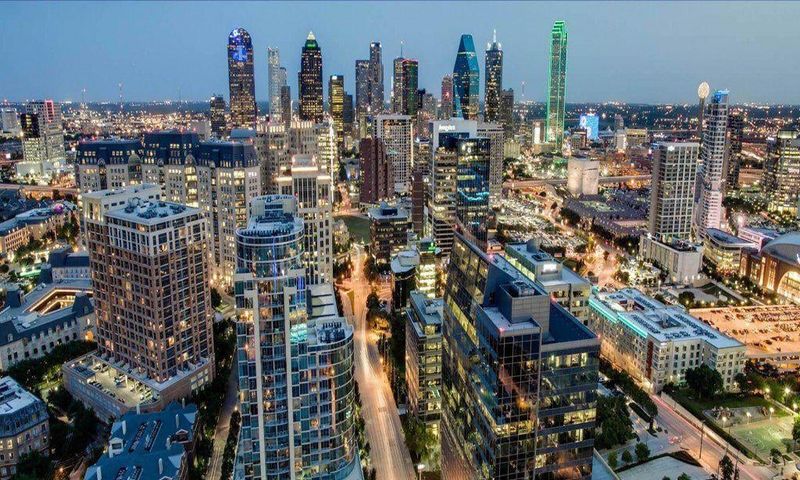
Big city energy meets Southern hospitality in Dallas, where modern skyscrapers stand alongside historic neighborhoods. The Arts District spans 68 acres, making it the largest urban arts district in the nation, packed with museums, theaters, and sculptures. The Dallas Museum of Art offers free general admission and houses everything from ancient artifacts to contemporary installations.
The Perot Museum of Nature and Science keeps kids entertained for hours with interactive exhibits about everything from dinosaurs to earthquakes.
Food culture here goes deep. Dallas claims to have more restaurants per capita than New York City, and the variety is staggering. Tex-Mex joints serve sizzling fajitas and frozen margaritas, while upscale steakhouses cook some of the best beef you’ll ever taste.
The Bishop Arts District has transformed into a walkable neighborhood filled with independent restaurants, boutiques, and street art. Deep Ellum brings live music venues, breweries, and a gritty creative vibe that feels worlds away from downtown’s polished towers.
Shopping ranges from luxury malls to vintage thrift stores. NorthPark Center combines high-end retailers with impressive art installations, while the Dallas Farmers Market offers local produce, food trucks, and a lively weekend atmosphere. If you’re into sports, catching a Cowboys game at AT&T Stadium in nearby Arlington is an experience—the stadium itself is an architectural marvel with a massive video screen hanging over the field.
History buffs should visit Dealey Plaza and the Sixth Floor Museum, which documents President Kennedy’s assassination with photographs, films, and artifacts. The experience is sobering and educational, offering detailed context about that pivotal moment in American history. Fair Park, built for the 1936 Texas Centennial Exposition, showcases Art Deco architecture and hosts the massive State Fair of Texas each fall.
Dallas summers are brutal, with temperatures regularly hitting the high 90s and humidity making it feel even hotter. Spring and fall bring pleasant weather perfect for exploring outdoor spaces like Klyde Warren Park, a deck park built over a freeway that hosts food trucks, yoga classes, and live music. The city sprawls significantly, so having a car makes getting around much easier.
Dallas surprises visitors who expect just cowboys and oil—it’s sophisticated, diverse, and constantly evolving.
6. Enchanted Rock
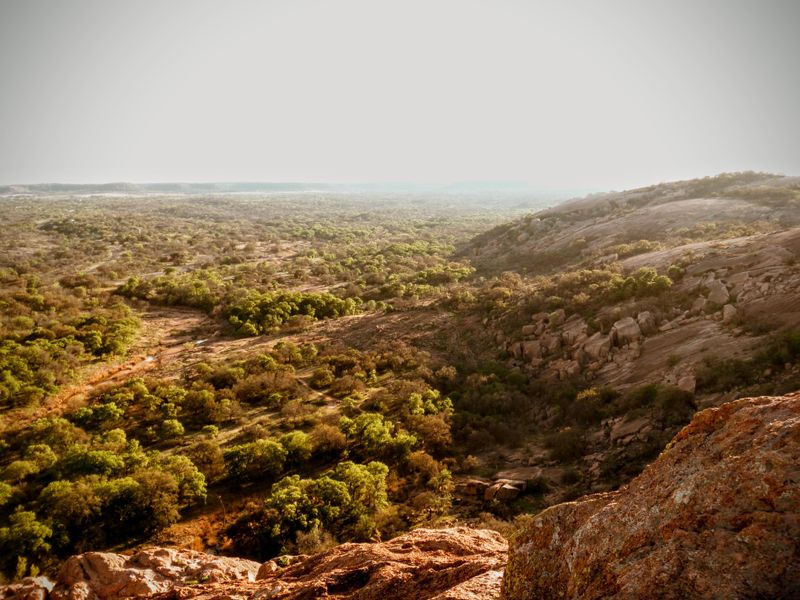
A massive pink granite dome rises 425 feet above the Hill Country, visible for miles around. Enchanted Rock has drawn people for thousands of years—Native Americans considered it sacred, and modern visitors still feel something special about this ancient geological formation. The rock itself formed underground over a billion years ago and slowly eroded into view, creating the smooth, rounded shape you see today.
On quiet nights, the rock makes creaking and groaning sounds as it cools, which early settlers found mysterious and enchanting.
The Summit Trail is the main attraction, a steep but manageable climb to the top. The trail is only about a mile round trip, but the incline gets your heart pumping. Once you reach the summit, 360-degree views of the Hill Country spread out in every direction, with rolling hills, scattered oaks, and endless sky.
Sunrise and sunset turn the granite pink and orange, creating photo opportunities that don’t require any special camera skills. Weekends get crowded, especially during spring, so arriving early helps you beat the rush.
Rock climbing is popular here, with routes ranging from beginner-friendly to seriously challenging. If you’re new to climbing, guided services in nearby Fredericksburg can teach you the basics. The park also has several other trails that loop around the base of the rock and explore the surrounding terrain.
These paths are less crowded and offer different perspectives of the dome, plus chances to spot wildlife like white-tailed deer and armadillos.
Camping here puts you right at the base of the rock. Primitive campsites and walk-in tent sites let you sleep under incredibly dark skies—the lack of nearby cities means stars shine brilliantly. The park limits daily visitors to protect the natural area, so reservations are essential, especially during peak seasons.
If the park is full, nearby state parks offer alternatives.
Summer heat makes climbing the exposed granite dome pretty miserable, so spring and fall are ideal. Wear sturdy shoes with good grip—the rock surface can be slippery, especially after rain. Bring plenty of water because there’s no shade on the summit trail.
Enchanted Rock proves that some of Texas’s best adventures don’t require days of planning or long drives—just a willingness to climb something ancient and beautiful.
7. Galveston Island
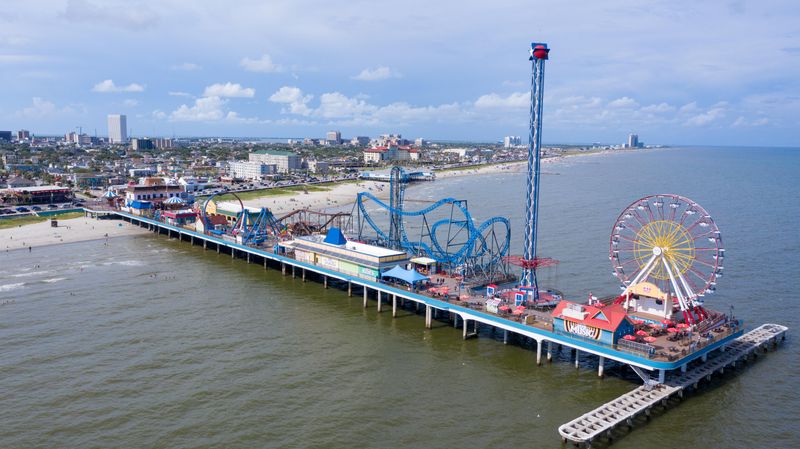
History and beaches mix together on Galveston Island, creating a coastal destination with more personality than your typical beach town. The Strand Historic District preserves Victorian-era buildings that survived the devastating 1900 hurricane, now filled with shops, restaurants, and galleries. Walking these streets feels like stepping back in time, especially when horse-drawn carriages clip-clop past.
The island’s past as a major port city shows in the architecture and the stories locals love to share.
Beaches here are more accessible and less commercialized than South Padre. Stewart Beach caters to families with lifeguards, chair rentals, and nearby amenities. East Beach draws a younger crowd with beach bars, volleyball nets, and a more relaxed vibe about alcohol.
The sand is darker and coarser than Florida beaches, and the Gulf water tends toward brown rather than crystal clear, but the easy access and variety of activities make up for it.
Moody Gardens offers indoor rainforests, aquariums, and a paddlewheel boat cruise, perfect for days when beach time loses its appeal. The Pleasure Pier extends over the Gulf with amusement rides, games, and fried food—classic seaside entertainment that kids love. For something educational, the Ocean Star Offshore Drilling Rig Museum sits on a retired oil platform and explains the Gulf’s petroleum industry in surprisingly interesting detail.
Fresh seafood is everywhere. Gaido’s has been serving fried shrimp and gumbo since 1911, while newer spots experiment with coastal cuisine that goes beyond typical fried platters. The island’s cruise terminal brings a steady flow of visitors, so restaurants stay busy year-round.
Nightlife centers around the Strand and the Seawall, with live music venues and bars that range from divey to upscale.
Hurricane season runs June through November, and the island takes storm threats seriously. Outside of that window, weather is generally pleasant, though summer humidity can be thick. Historic home tours reveal beautiful restored mansions that survived the 1900 storm, offering glimpses into the island’s golden age.
Galveston works well as either a day trip from Houston or a longer beach vacation, with enough variety to keep everyone in your group entertained. The island’s blend of history, beaches, and character sets it apart from other Gulf Coast destinations.
8. Houston
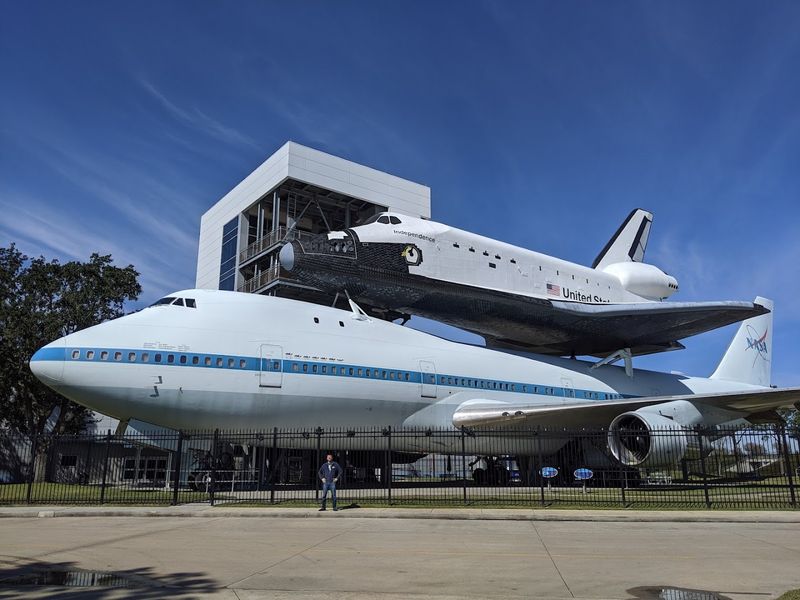
Space City sprawls across the Gulf Coast plain, massive and diverse and full of surprises. Houston is the fourth-largest city in America, yet it maintains a weirdly unpretentious vibe—no one here is trying to impress you. The Museum District packs 19 museums into a walkable area, many offering free admission.
The Museum of Fine Arts houses an incredible collection spanning 6,000 years, while the Contemporary Arts Museum focuses on cutting-edge modern work. The Houston Museum of Natural Science features dinosaur skeletons, a butterfly center, and a planetarium that makes learning feel like entertainment.
Space Center Houston is the official visitor center for NASA’s Johnson Space Center. You can tour Mission Control, see actual spacecraft, touch a moon rock, and meet astronauts during special events. Tram tours take you behind the scenes to areas where NASA trains astronauts and develops new technology.
For space enthusiasts, this place is basically Disneyland. Even if you’re not obsessed with rockets, the exhibits explaining space exploration are fascinating and accessible.
Food culture here rivals any major city. Houston’s diversity shows up on every menu—Vietnamese pho shops, Nigerian suya stands, Mexican taquerias, and Pakistani halal spots all thrive here. The city has more than 10,000 restaurants, representing cuisines from over 70 countries.
Tex-Mex was practically invented here, and breakfast tacos are a daily ritual. The food scene keeps evolving, with James Beard Award winners opening new concepts while family-run joints that have been around for decades continue serving the same beloved recipes.
The Buffalo Bayou Park offers 160 acres of green space for biking, kayaking, and escaping the urban jungle without leaving the city. Hermann Park includes a golf course, pedal boats, and the Houston Zoo, which houses over 6,000 animals. The Heights neighborhood charms with historic bungalows, independent coffee shops, and a thriving arts scene.
Montrose brings eclectic galleries, vintage stores, and a proudly weird energy.
Houston’s lack of zoning laws creates a chaotic but interesting urban landscape where a mansion might sit next to a gas station. Traffic can be nightmarish, especially during rush hour, so plan accordingly. Summer heat and humidity are oppressive, but everything is air-conditioned.
Houston doesn’t get the tourism attention that Austin or San Antonio receive, which means you can explore without fighting crowds. The city rewards those willing to dig past the highway sprawl to find its hidden character and surprising culture.
9. Port Aransas
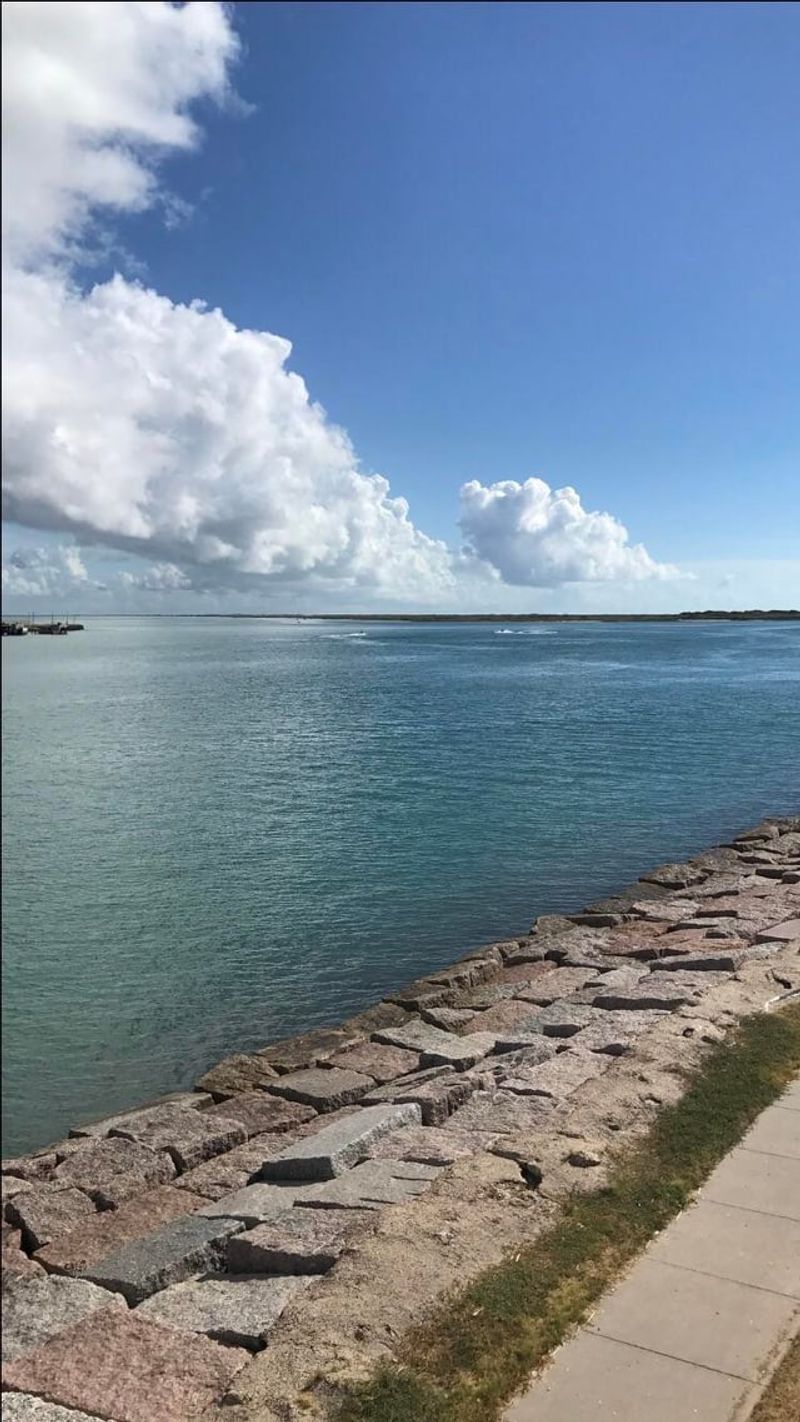
This small beach town on Mustang Island keeps things casual and unpretentious. Port Aransas (locals call it “Port A”) feels like a place where flip-flops count as formal wear and nobody’s in a hurry. The town revolves around fishing, with charter boats heading out daily to hunt for redfish, trout, and tarpon.
The fishing pier stretches 1,240 feet into the Gulf, free to walk and perfect for casting a line even if you’ve never fished before. Locals will happily share tips and stories while you wait for a bite.
Beaches here are less developed than other Texas coastal spots. You can drive right onto the sand in designated areas, setting up camp with coolers, umbrellas, and beach chairs without hiking from a distant parking lot. The laid-back atmosphere attracts families and surfers rather than party crowds.
Waves are generally gentle but occasionally pick up enough for decent surfing, especially after storms. Beachcombing turns up interesting shells, sand dollars, and sometimes pieces of sea glass smoothed by the Gulf.
The town itself is tiny, easily walkable, with surf shops, seafood restaurants, and beach bars clustered near the main drag. Seafood comes fresh off the boats—fried shrimp, fish tacos, and oysters on the half shell dominate menus. Several restaurants let you bring your own catch and they’ll cook it for you, a fun option if your fishing trip was successful.
Nightlife stays low-key, centered around live music at a few beach bars where bands play country, rock, and beach music.
The Port Aransas Nature Preserve offers boardwalk trails through coastal wetlands where you can spot herons, pelicans, and other coastal birds. Dolphin watching tours leave from the harbor, and the guides know where dolphins tend to hang out. The University of Texas Marine Science Institute opens its doors for tours, showing off research facilities and aquariums filled with Gulf marine life.
Spring Break brings college students and higher prices, but the rest of the year Port A stays mellow. Summer weekends draw Houston families escaping the city heat. Accommodations range from basic beach motels to condo rentals, nothing too fancy.
A free ferry connects Port Aransas to the mainland, adding a fun element to your arrival. Port A delivers that classic small beach town experience—simple, authentic, and refreshingly unpretentious.
10. Guadalupe Mountains National Park
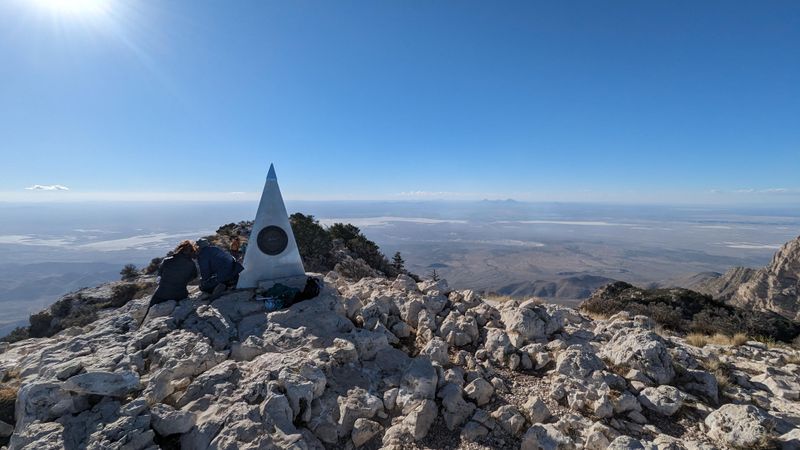
Tucked into far West Texas near the New Mexico border, this national park hides some of the state’s most dramatic mountain scenery. Guadalupe Peak rises 8,749 feet, making it the highest point in Texas. The mountains formed from an ancient fossil reef that once lay beneath a tropical sea millions of years ago.
Today, that reef creates sheer cliffs, deep canyons, and unique rock formations that look nothing like typical Texas landscapes. The park sees far fewer visitors than Big Bend, meaning you can hike for hours without crossing paths with other people.
The Guadalupe Peak Trail challenges hikers with a strenuous 8.5-mile round trip climb. The elevation gain is significant—over 3,000 feet—but reaching the summit delivers incredible views across West Texas and into New Mexico. A metal pyramid marks the highest point in the state, and signing the summit register feels like joining an exclusive club.
If you’re not up for that level of difficulty, the Devil’s Hall Trail offers a moderate hike through a narrow canyon with interesting rock formations and less extreme elevation change.
McKittrick Canyon is the park’s hidden gem, especially during fall when bigtooth maples turn brilliant shades of red, orange, and yellow. This splash of autumn color feels completely unexpected in the desert, creating a brief window of spectacular scenery that draws photographers from across the state. The canyon also features a spring-fed stream, rare in this arid region, supporting a surprising variety of plant life.
Even outside of fall color season, the canyon’s unique ecosystem makes it worth exploring.
Camping here is primitive—no hookups, limited water, and cell service is nonexistent. The isolation is part of the appeal. Night skies rival Big Bend for darkness and star visibility.
Wildlife includes mule deer, elk, and the occasional mountain lion, though big cats rarely show themselves. Bird watchers come specifically to spot species more common in Mexico that occasionally wander into the park.
The nearest towns are tiny and far apart, so stock up on supplies before arriving. The park’s remote location and lack of facilities mean you need to be self-sufficient. Summer heat can be extreme in the lower elevations, though higher trails stay cooler.
Spring and fall offer the best hiking conditions. Guadalupe Mountains rewards adventurous visitors with rugged beauty and solitude—a true wilderness experience in the Lone Star State.
11. Austin
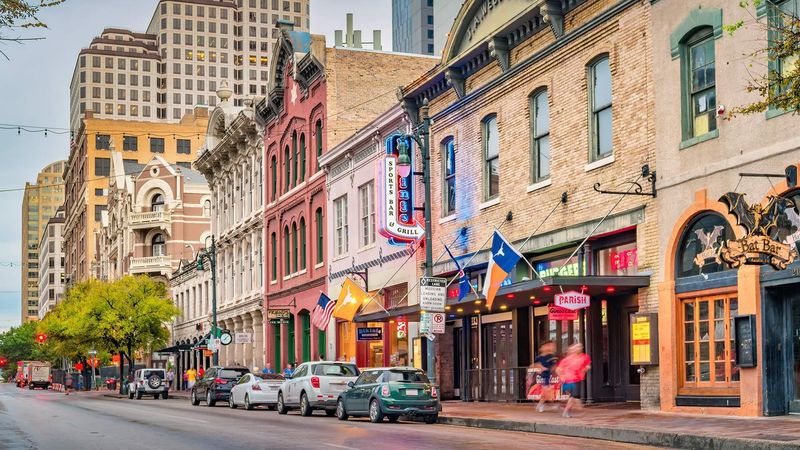
Keep Austin Weird isn’t just a slogan—it’s a lifestyle. The state capital pulses with live music, food trucks, tech startups, and a creative energy that sets it apart from other Texas cities. Sixth Street transforms into an outdoor party every weekend, with live music pouring from dozens of bars and clubs.
But Austin’s music scene goes way deeper than the tourist strip. The Continental Club, Antone’s, and the Mohawk showcase everything from blues to punk, often featuring artists before they hit it big. Free concerts happen constantly at parks, breweries, and outdoor venues.
Barton Springs Pool is a spring-fed swimming hole that maintains a constant 68-70 degrees year-round. Locals swim here daily, treating it like a community gathering spot rather than just a tourist attraction. The pool sits within Zilker Park, 350 acres of green space that also hosts the Austin City Limits Music Festival each fall.
Lady Bird Lake (technically still the Colorado River) runs through downtown, popular for kayaking, paddleboarding, and hike-and-bike trails that offer skyline views.
Food trucks are everywhere, serving everything from Korean BBQ to vegan donuts. Franklin Barbecue draws lines that start before dawn, but dozens of other spots serve incredible smoked brisket without the wait. Breakfast tacos fuel the morning, with fierce debates about which taqueria reigns supreme.
The food scene mixes high-end restaurants from celebrity chefs with casual joints that have been family-run for generations.
South Congress Avenue (SoCo) captures Austin’s quirky spirit with vintage shops, boutiques, food trailers, and street art. The “I Love You So Much” mural and other Instagram-famous spots dot the neighborhood. East Austin has gentrified rapidly but still maintains pockets of authentic culture, with galleries, breweries, and music venues replacing old warehouses.
The Texas State Capitol offers free tours and sits on beautiful grounds worth exploring.
Summer heat is brutal—over 100 degrees for weeks straight—but swimming holes and air conditioning provide relief. Spring brings wildflowers and perfect weather for outdoor activities. Traffic and housing costs have exploded as the city grows, creating growing pains that long-time residents complain about regularly.
Despite the changes, Austin maintains its independent spirit and creative energy. Whether you’re into music, food, outdoor activities, or just soaking up a unique vibe, Austin delivers experiences you won’t find anywhere else in Texas.
12. Fredericksburg
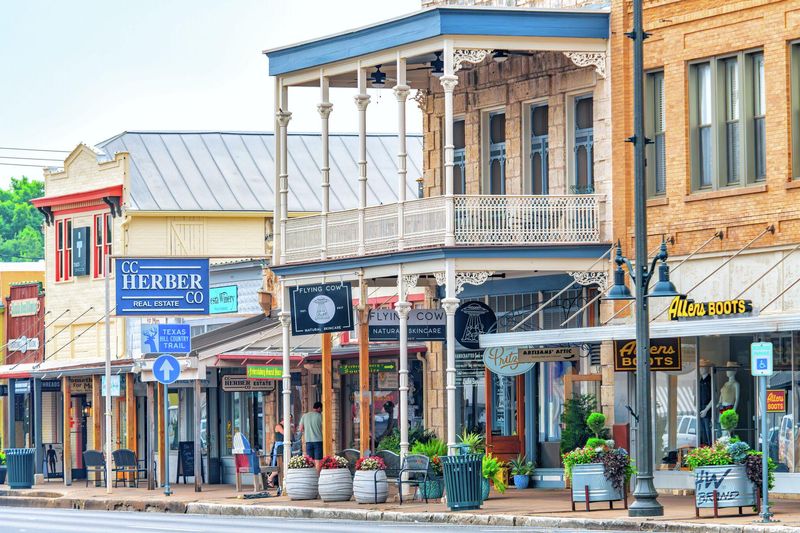
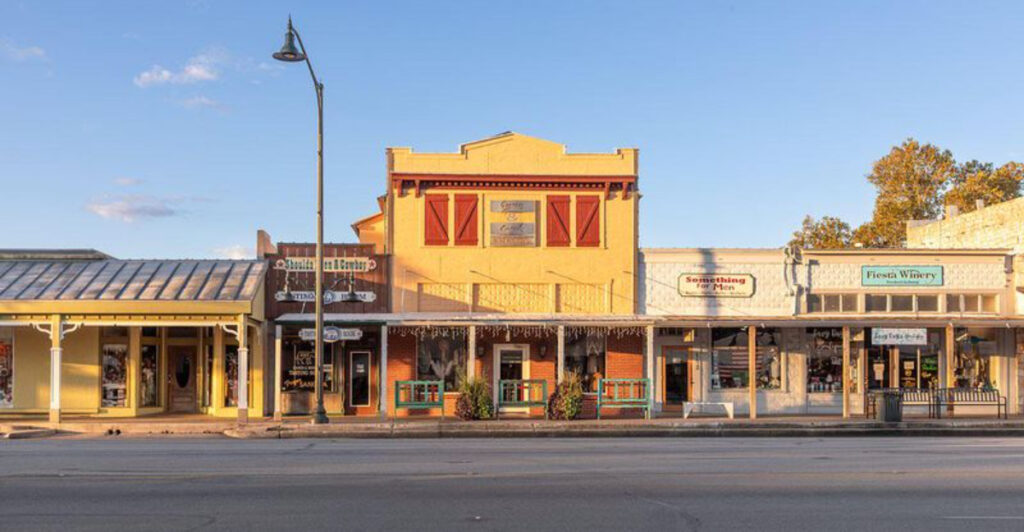
German heritage meets Hill Country charm in Fredericksburg, a small town that punches way above its weight for tourism appeal. Main Street stretches for blocks, lined with historic buildings housing wine tasting rooms, boutiques, bakeries, and restaurants. The town was founded by German immigrants in 1846, and that heritage shows in everything from architecture to food.
Authentic German bakeries serve fresh strudel and pretzels, while beer gardens pour imported brews alongside local craft beers.
The Hill Country wine region surrounds Fredericksburg, with over 50 wineries within a short drive. Most focus on Texas-grown grapes, producing surprisingly good wines that hold their own against California bottles. Tasting rooms range from rustic barns to polished modern spaces, and many wineries offer tours explaining the growing process.
Hiring a driver or joining a wine tour lets you sample freely without worrying about driving the winding Hill Country roads. Several wineries also have restaurants serving farm-to-table meals with vineyard views.
The National Museum of the Pacific War honors Admiral Chester Nimitz, a Fredericksburg native who commanded Allied forces in the Pacific during World War II. The museum sprawls across several buildings and an outdoor history walk, documenting the Pacific theater with artifacts, personal stories, and restored equipment. Even if military history isn’t usually your thing, the museum’s quality and depth make it worth visiting.
Living history demonstrations happen on weekends, with reenactors explaining what life was like for soldiers and sailors.
Enchanted Rock State Natural Area sits just outside town, perfect for a morning hike before spending the afternoon wine tasting. Shopping is a major draw—Main Street stores sell everything from handmade jewelry to Western wear, antiques to gourmet food products. Several shops specialize in Texas-made goods, from pecan products to lavender items grown on local farms.
Wildflower season in spring turns the countryside into a colorful patchwork, with bluebonnets carpeting fields and roadsides.
Bed and breakfasts and vacation rentals outnumber chain hotels, giving the town a more intimate feel. Weekends get crowded, especially during spring and fall, so booking ahead is smart. Fredericksburg manages to feel charming rather than touristy, maintaining authenticity while welcoming visitors.
The combination of wine, history, shopping, and Hill Country scenery creates a getaway that appeals to couples, families, and groups of friends looking for something more relaxed than beach or city vacations.