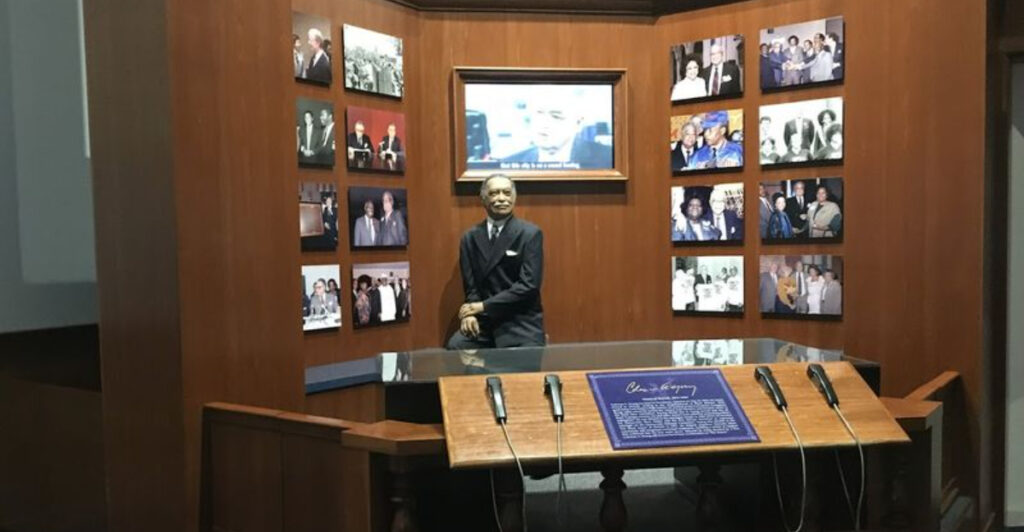
Tucked into Detroit’s vibrant museum district on East Warren Avenue, the Charles H. Wright Museum of African American History stands as one of the most emotionally charged and intellectually rich cultural spaces in the entire country.
Named after its visionary founder, this museum has grown into the world’s largest institution dedicated to African American history and culture. Every corner of the building holds something that challenges, educates, and inspires visitors of all backgrounds.
Whether you’re a first-time visitor or returning for a deeper look, this place has a way of leaving a lasting mark.
The Architecture Announces Something Serious Before You Even Step Inside

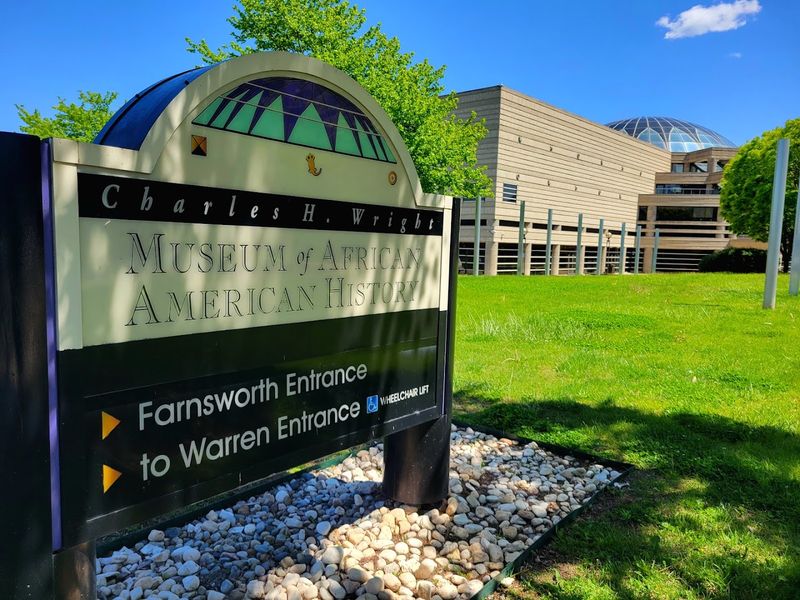
Before a single exhibit greets you, the building itself sets the tone. The Charles H.
Wright Museum cuts a striking figure on East Warren Avenue — its bold, circular rotunda and clean architectural lines signal that this is no ordinary cultural stop. The structure feels deliberate, almost like a statement before the conversation even begins.
Standing outside, the scale of the building gives you a sense of the weight carried inside. The entrance draws you forward naturally, and the surrounding museum district — home to the Detroit Institute of Arts and the Michigan Science Center — adds to a neighborhood energy that rewards curious visitors.
Parking is available nearby, and street parking is free on Sundays, which makes planning a weekend visit a little easier.
Once you cross the threshold into the main rotunda, the ceiling opens up dramatically above you. Light filters through in a way that feels intentional, almost ceremonial.
The design creates an atmosphere of arrival — like the space itself is preparing you for what comes next.
Don’t rush past the hallway behind the front desk. Tucked along that corridor are stunning stained glass works that many visitors walk right past in their hurry to reach the main exhibits.
People who slow down long enough to take them in often describe them as one of the most quietly powerful surprises in the entire building. The craftsmanship is extraordinary, and the imagery woven into the glass carries layers of meaning worth sitting with for a moment.
The building isn’t just a container for history — it’s part of the experience from the very first glance.
And Still We Rise: The Exhibit That Stops People in Their Tracks
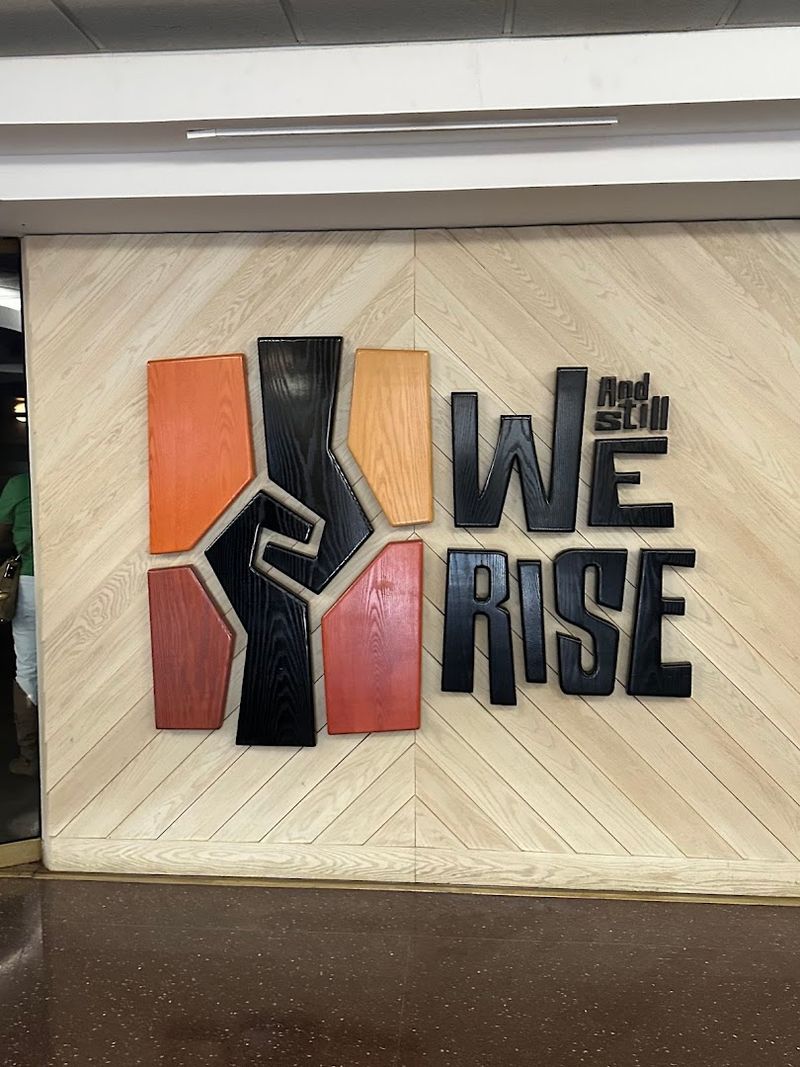
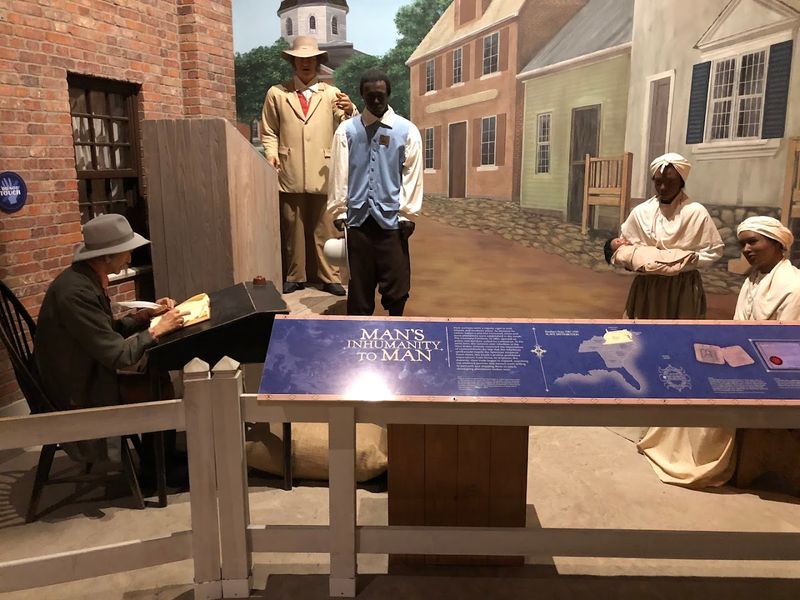
The flagship exhibit at the Wright Museum is called “And Still We Rise,” and it earns every bit of the reputation that precedes it. The journey begins with ancient African civilizations — rich, complex societies that existed long before the transatlantic slave trade — and moves chronologically through some of the most painful and triumphant chapters in American history.
The Middle Passage section is where many visitors find themselves caught off guard emotionally. A recreation of a slave ship’s interior places you physically inside the cramped, dark conditions that enslaved Africans endured during the crossing.
The sensory experience is jarring by design. Museum curators built this section to be uncomfortable, and it succeeds.
People who thought they could keep their composure often find they cannot.
From there, the exhibit moves through Reconstruction, the Great Migration, the Civil Rights Movement, and into modern-day Detroit. Each transition is handled with care, connecting historical events to cultural milestones in a way that builds understanding rather than simply listing facts.
The layout guides visitors through time without feeling like a textbook.
Families with teenagers report that this exhibit sparks some of the most thought-provoking conversations they’ve had together. The material is presented in a way that’s accessible to younger visitors without being watered down.
Complex history is given the full, honest treatment it deserves.
Plan to spend at least two and a half to three hours in this section alone. Most people who try to rush through end up circling back.
The depth of content rewards patience, and the storytelling quality of the curation makes it genuinely hard to pull yourself away before you’re ready.
Michigan’s Most Immersive History Lesson Comes With a Human Story at Its Center

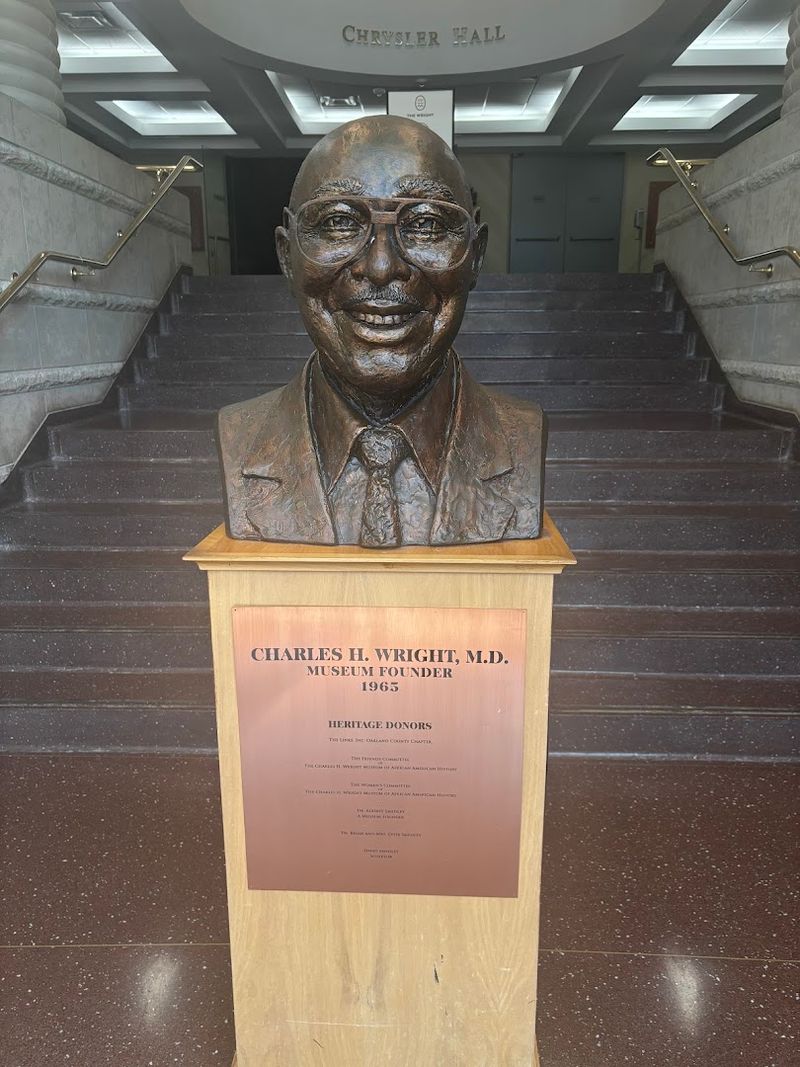
Charles H. Wright was a Detroit physician who believed deeply that African Americans deserved a dedicated space to see their history honored and preserved.
He founded the museum in 1965 — originally as a small collection — with the conviction that representation in cultural institutions matters profoundly. That founding vision still drives everything the museum does today.
Learning about Wright’s background adds a layer of meaning to the visit that purely reading exhibit labels won’t give you. Several displays throughout the museum touch on his life and legacy, and the staff — many of whom are deeply passionate about the institution’s mission — are often happy to share more context when asked.
The museum feels like a living continuation of one man’s life’s work, not just a building full of artifacts.
The Underground Railroad history featured in parts of the collection connects directly to Detroit’s own geography. The city sits right on the Detroit River, which served as a final crossing point for freedom seekers heading into Canada.
That local connection gives the exhibit a grounded, specific quality that broader national history museums sometimes lack. Detroit isn’t just a backdrop here — it’s woven into the narrative.
Tour guides at the Wright are a genuine highlight. Educators like Jatu Michael-Gray have been praised by visitors for their ability to handle extraordinarily difficult material with grace, depth, and humanity.
A guided tour transforms the experience from informational to truly personal. If a guided option is available during your visit, taking it adds significant value to the time you spend inside.
The human stories behind the history are what make this place linger in your memory long after you’ve left East Warren Avenue.
The Tuskegee Airmen Exhibit Delivers a Different Kind of Pride
Separate from the main “And Still We Rise” journey, the Tuskegee Airmen exhibit — titled “Two Victories” — offers a focused and compelling look at one of the most celebrated chapters in African American military history. There is an additional admission fee for this section, and people who’ve made the trip consistently say it’s money well spent.
The Tuskegee Airmen were the first Black military aviators in the United States Armed Forces, trained at Tuskegee University in Alabama during World War II. The “Two Victories” framing refers to their dual fight: defeating enemies abroad while simultaneously battling racial discrimination at home.
That context reframes their story not just as a military achievement but as a civil rights milestone.
The exhibit uses photographs, artifacts, and detailed historical panels to build the story methodically. Visitors who come in with only a surface-level familiarity with the Airmen leave with a much richer understanding of the systemic barriers they faced and the extraordinary discipline it took to overcome them.
The display doesn’t romanticize — it documents.
For visitors who have a personal or family connection to military service, this section carries an added emotional weight. Several people have noted standing in front of certain photographs for longer than expected, struck by the combination of pride and anger that the history evokes.
The exhibit is well-suited for older students and adults, though younger visitors with some context about World War II can also engage meaningfully with the material. Pairing a visit to this section with the broader museum timeline creates a fuller picture of how Black Americans contributed to a country that was still actively working against their full citizenship.
That tension is handled honestly and without flinching.
The Gift Shop Is Genuinely Worth Budgeting For
Museum gift shops often feel like afterthoughts — a small rack of magnets and a few postcards near the exit. The Wright Museum’s shop operates on an entirely different level.
Visitors regularly describe it as one of the best museum retail experiences they’ve encountered anywhere, and the selection backs that up.
Books are a strong anchor of the inventory. Titles covering African American history, art, politics, and culture fill the shelves, ranging from children’s picture books to dense academic texts.
It’s the kind of selection that makes you want to buy one for yourself and one for someone else. Staff members in the shop are knowledgeable and genuinely enthusiastic about helping visitors find something meaningful to take home.
Artwork is another standout category. The shop carries pieces from Detroit-based artists, which gives the merchandise a local authenticity that generic souvenir shops can’t replicate.
Clothing items — T-shirts, hats, and accessories — are thoughtfully designed rather than slapped with a generic logo. People who visit specifically because of the museum’s reputation for its shop tend to leave with bags full of purchases they’re excited about.
Pricing is on the higher end for some items, which is worth knowing in advance. Bringing extra cash or budget specifically for the shop is advice that loyal visitors pass along consistently.
The quality of what’s available justifies the cost for most buyers, but going in without a spending plan can lead to some sticker shock near the register.
The shop also carries items connected to current and rotating exhibits, so the inventory shifts over time. Repeat visitors often find new pieces they hadn’t seen before.
It’s a thoughtful extension of the museum’s mission — one that lets the experience travel home with you in a tangible way.
How To Plan Your Visit So You Actually See Everything
The Wright Museum is open Tuesday through Sunday, with hours running from 9 AM to 5 PM most days and extending to 7 PM on Thursdays. Monday is the one day the museum is closed, so arriving on a Monday will leave you standing outside a locked door.
Thursdays offer the most flexibility for visitors who want extra time to explore without feeling rushed.
Budget significantly more time than you think you’ll need. The museum itself suggests two hours as a baseline, but most visitors end up spending closer to three or four hours — and still feel like they could have stayed longer.
The “And Still We Rise” exhibit alone rewards slow, deliberate engagement. Rushing through it means missing the details that give the storytelling its power.
Admission is reasonably priced, and the Tuskegee Airmen exhibit carries a separate fee. Planning for both in your budget upfront avoids any hesitation at the ticket counter.
Children and students often have discounted options, so checking in advance helps families plan accordingly.
Parking near the museum is available in the surrounding area, and free street parking on Sundays makes weekend visits particularly appealing. The museum sits in Detroit’s cultural district, which means the Detroit Institute of Arts and the Michigan Science Center are both within easy walking distance.
A full day in this neighborhood — moving between institutions — is a genuinely rewarding way to spend time in the city.
Photography restrictions inside the building are real and enforced, so plan to put the phone away for most of the experience. That boundary actually works in your favor — it pushes you to engage more directly with what’s in front of you rather than documenting it for later.
Some experiences are better absorbed than photographed.
Why This Museum Belongs on Every Serious Traveler’s Detroit Itinerary
Detroit carries a reputation that often centers on its industrial rise and economic challenges, but the city’s cultural infrastructure tells a much more layered story. The Charles H.
Wright Museum is one of the strongest arguments for spending real time in Detroit rather than just passing through. It’s an institution that operates at the level of the country’s best museums, with the added weight of a history that is deeply personal to millions of Americans.
Visitors from outside Michigan frequently describe being caught off guard by the museum’s scale and quality. People who stumble across it while searching for things to do in the city end up calling it one of the best decisions they made during their trip.
That surprise speaks to how underrecognized the Wright Museum remains on a national level, despite the depth of what it offers.
The museum draws school groups, families, solo travelers, and international visitors — and the experience lands differently for each. A teenager visiting on a school field trip connects with different exhibits than a retired couple tracing civil rights history across the country.
That range of entry points is a mark of genuinely great curation.
Staff members throughout the building contribute meaningfully to the experience. From the front desk to the exhibit floors, the people working here tend to be engaged, knowledgeable, and warm.
First-time staff members have been noted for showing the same passion and depth of knowledge as veterans — a reflection of the museum’s culture and mission.
The Charles H. Wright Museum isn’t a checkbox on a tourist list.
It’s the kind of place that recalibrates how you think about American history, about Detroit, and about the ongoing story of resilience that the museum was built to honor. That impact doesn’t fade quickly once you’ve experienced it.
Share this story