The sound of a vintage train rolling through Clinton, Michigan, is enough to make the present feel like it has slipped quietly into the past. Operated entirely by volunteers, the Southern Michigan Railroad is a nonprofit railway that carries passengers through some of the most scenic countryside in Lenawee County.
Whether you are chasing fall colors, looking for a family outing, or just curious about what old-school rail travel actually felt like, this little railroad has a way of pulling you in.
The Fall Colors Tour: A Ride Worth Waiting All Year For
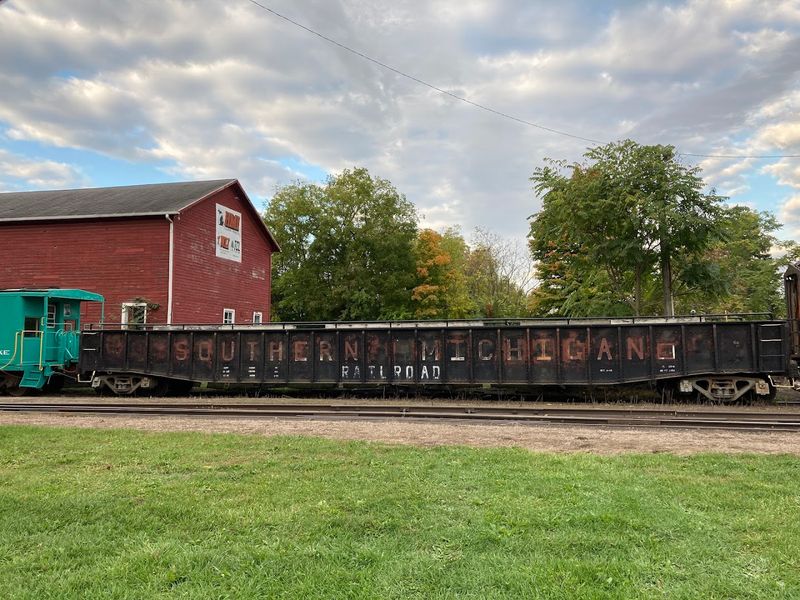
Autumn does something special to the stretch of track between Tecumseh and Clinton. When the leaves peak, this 45-minute ride becomes one of the more visually satisfying things you can do on a Saturday in southern Michigan.
Riders in the open-air gondola car get the full effect — wind, color, and the rhythmic clatter of steel wheels on old rails.
The boarding point sits right at the corner of Evans Street and M-50 in Tecumseh, easy to find and usually buzzing with families getting their tickets sorted. Once the train gets moving, the scenery shifts quickly from small-town streets to open fields and wooded corridors draped in color.
People along the route actually wave as the train passes, which feels oddly wholesome and very Michigan.
When the train stops in Clinton, riders have a chance to stretch their legs and take in the town a little. Apple cider has been served at the station during fall runs, which is exactly the kind of detail that turns a nice outing into a genuinely memorable one.
If rain is in the forecast, pack a poncho if you plan to ride in the open car — the experience is still great, but you will want to be prepared.
The crew on board shares stories about the rail line and the surrounding area, keeping things interesting without turning the ride into a lecture. It is the kind of commentary that adds texture without overwhelming the moment.
Most people come for the scenery and leave talking about the people who made it happen.
Volunteer-Powered: The Heart Behind Every Run
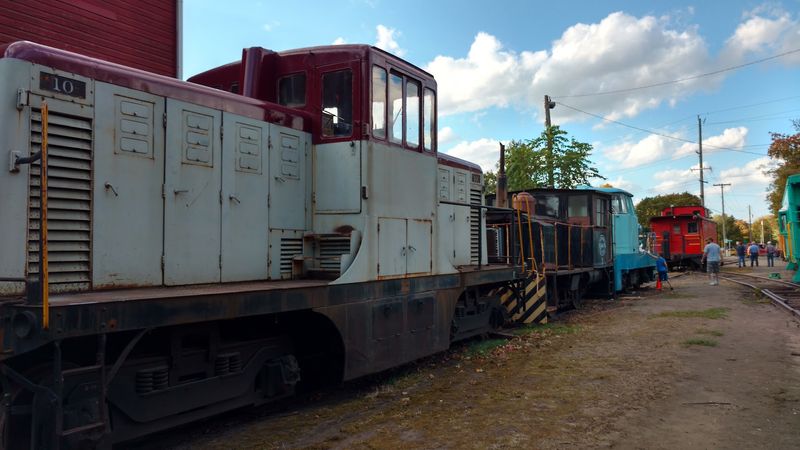
Every single person keeping this railroad running is a volunteer. That detail lands differently once you actually see the operation in motion.
The conductors, the crew walking the cars, the folks helping families board with strollers and toddlers — all of them are there because they want to be, not because someone is cutting them a paycheck.
Reviewers consistently single out specific volunteers by name, which says something real about how these interactions land. One rider mentioned a volunteer named Larry who rode along during a birthday trip, sharing train knowledge with enough enthusiasm to make the whole ride feel personal.
That kind of engagement does not happen by accident — it comes from people who genuinely care about what they are preserving.
The railroad operates as a nonprofit, meaning ticket sales and event proceeds flow back into keeping the equipment running and the tracks maintained. There is no corporate polish here, no scripted greeting at the platform.
What you get instead feels closer to a community project that happens to involve a working locomotive.
Walking the yard during special events gives you a closer look at just how much effort goes into maintaining vintage rail equipment. The dedication is visible in the details — cleaned windows, painted cars, machinery that actually works.
Visitors who take a few minutes to talk with the crew often walk away with a much deeper appreciation for what it takes to keep a historic railroad alive on volunteer hours alone. It is the kind of place where the people are as interesting as the trains themselves.
The Santa Express: Holiday Magic on the Rails
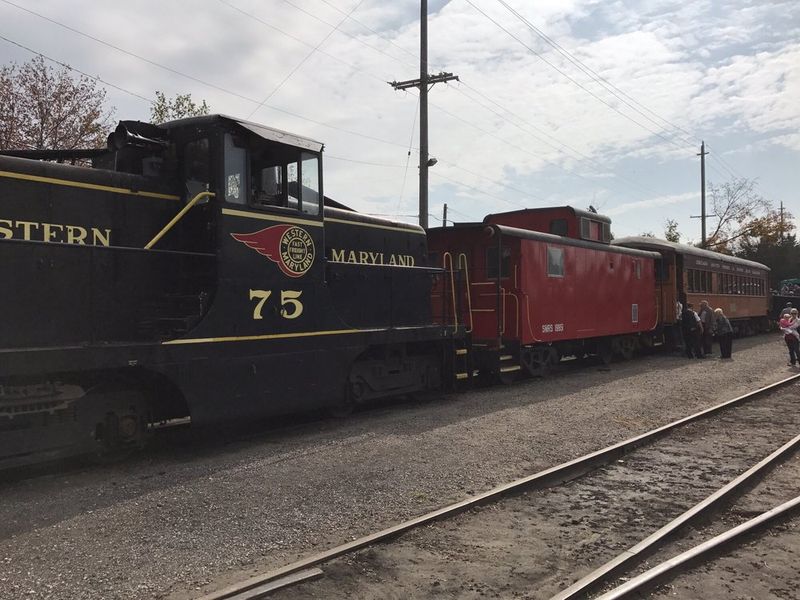
Few things land as well with small kids as a train that pulls into the station with Santa Claus waiting on the platform. The Santa Express runs during the holiday season and has built a reputation as one of the more charming family outings in the region.
The ride itself runs about an hour and a half — long enough to feel like an event, short enough that even preschoolers stay engaged.
Hot cocoa gets handed out, which sounds like a small detail until you are holding a warm cup on a cold Michigan evening while your kids press their faces against the train window. The crew is patient and genuinely warm with young riders, helping with boarding and making sure families are comfortable.
One grandmother noted that the volunteers were considerate about helping her group of toddlers get settled, which made the whole thing feel manageable rather than chaotic.
Santa’s appearance at the end of the ride has been a consistent highlight. Kids who have spent the journey buzzing with anticipation get their moment, and it plays out in that unhurried way that only small community events seem to manage.
There is no long line snaking through a mall — just a platform, a cheerful Santa, and a lot of very happy faces.
The commuter car features adjustable benches, which lets families rearrange seating so everyone can sit together. One reviewer pointed this out specifically as a nice practical bonus.
The gift shop on-site runs a bit small for the crowd during peak holiday runs, so getting there early is a smart move. Overall, the Santa Express is the kind of seasonal tradition that families tend to repeat year after year.
The Train Yard: Where Old Iron Tells Its Own Story
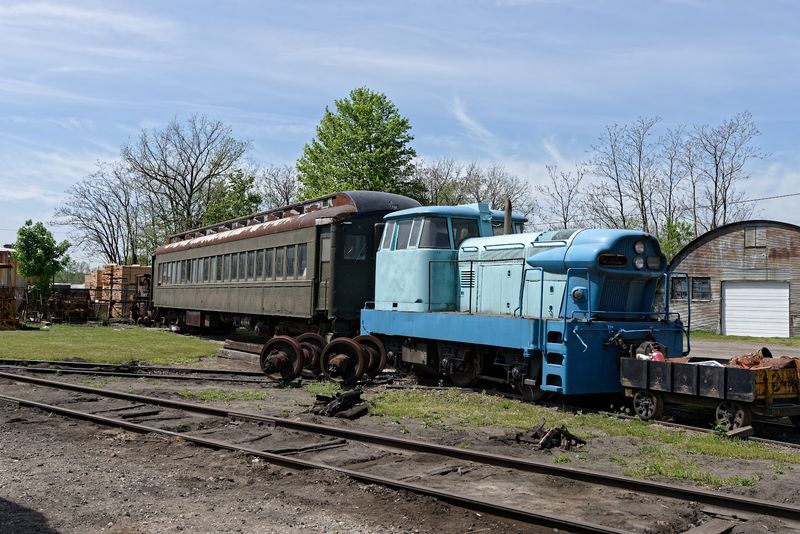
Some visitors come for the ride. Others come just to walk the yard.
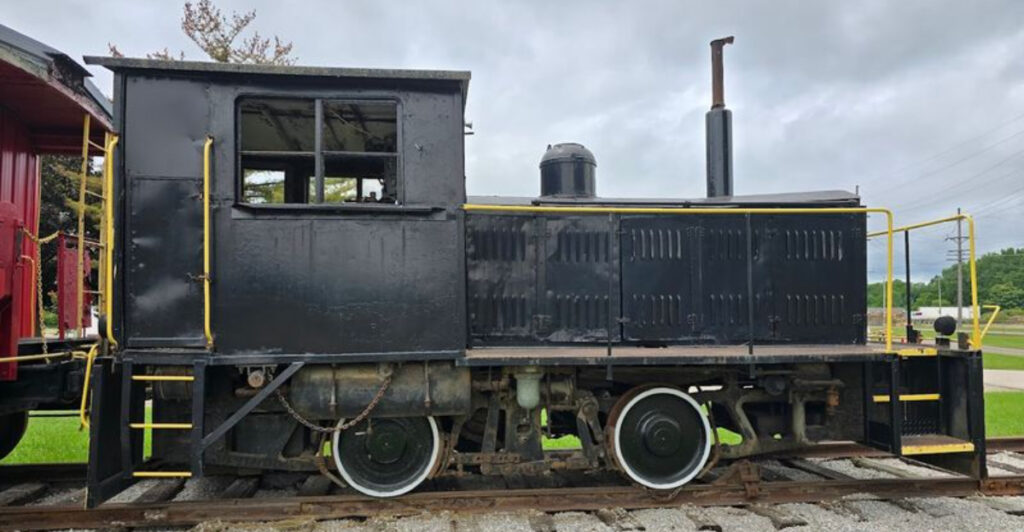
There is a certain kind of person who can spend an hour moving slowly between old locomotives and painted freight cars, reading the history written into every dent and rivet. The Southern Michigan Railroad yard in Clinton is very much a place for that kind of wandering.
During special events, the yard opens up for extended exploration. One reviewer mentioned spending around 60 minutes just walking through, clearly not in any rush to leave.
The equipment on display spans different eras of American railroading, and while not every piece is in working condition, there is something compelling about machinery that has actually been used rather than simply restored for display.
The history slideshow presentation offered during some visits runs on the longer side — one reviewer clocked it at around 50 minutes — but it comes loaded with context that makes the yard walk more meaningful afterward. You start recognizing specific cars and understanding what role they played.
The presentation is clearly put together by people who know this material deeply.
Even on a quiet day when the main train is not running, the yard has a presence. The scale of the equipment is easy to underestimate from photos.
Standing next to a full-size locomotive shifts your sense of proportion in a way that no picture quite captures. A few visitors have noted that the yard alone made the trip feel worthwhile, even when timing did not line up with a scheduled ride.
If trains are your thing even slightly, the yard pulls you in and keeps you there longer than expected.
Special Events Throughout the Year: More Than Just a Train Ride
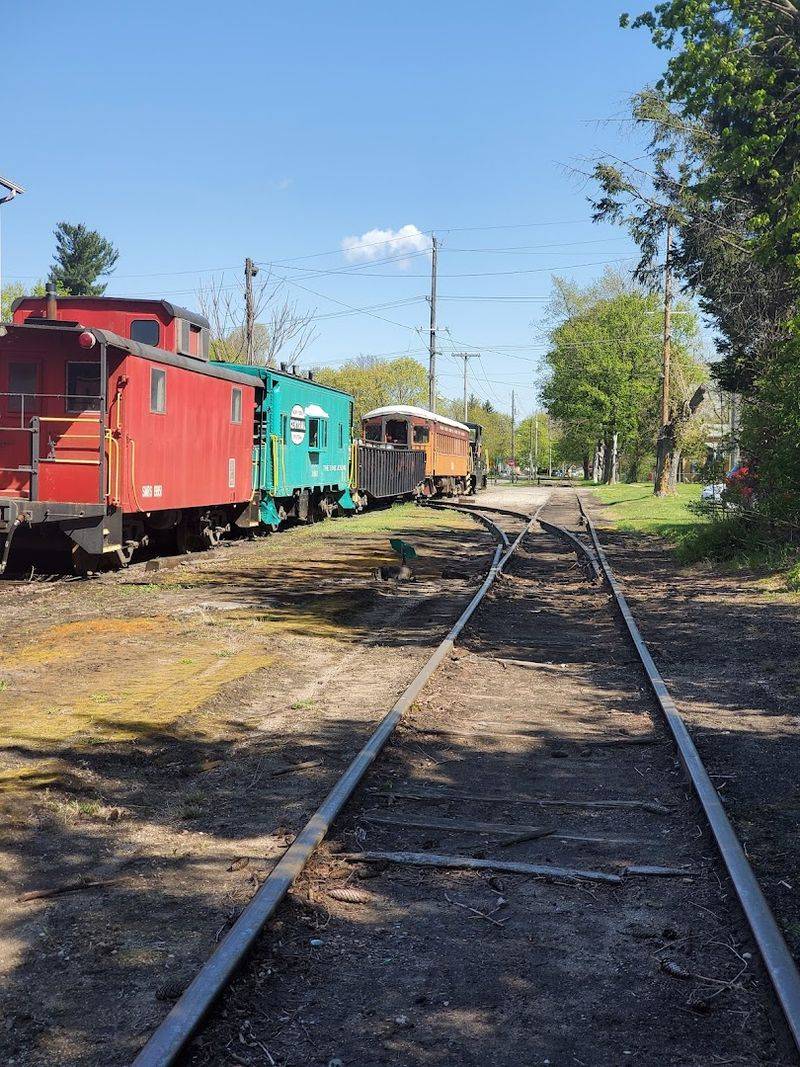
The Southern Michigan Railroad does not run a single kind of event and call it a day. Throughout the year, the schedule shifts to match the season — fall color tours, holiday trains, and occasional community gatherings like the Trains, Trucks, and More event that draws old cars, tractors, and vintage vehicles alongside the railroad itself.
That particular event has drawn strong reviews for being free to enter, which is a real draw for families who want a full afternoon without watching the budget closely. The mix of machinery on display gives it a county fair energy, relaxed and browsable, with enough variety to keep different age groups interested at the same time.
The train ride during that event was also free, which turned it from a nice extra into a genuine highlight for a lot of attendees.
Seasonal events tend to sell out or fill up quickly, so checking the schedule at southernmichiganrailroad.com before planning a visit is genuinely useful rather than just a suggestion. The railroad’s operating hours are limited — Saturday runs from 11 AM to 4:30 PM — so events are the primary way most visitors experience the full range of what this place offers.
What makes the events feel different from a typical attraction is how locally rooted they are. The crowd is a mix of regulars who ride every season and first-timers brought in by word of mouth.
Conversations happen between strangers on the platform. Kids run toward the train.
Older visitors linger near the vintage equipment with that particular look of recognition. Each event has its own texture, shaped as much by the people who show up as by the programming itself.
The Route Itself: Fields, Marshes, and Downtown Tecumseh
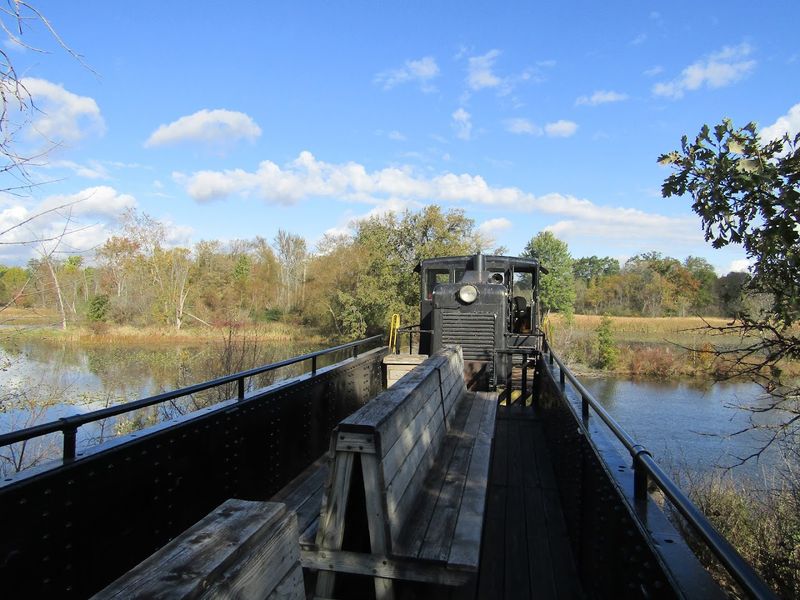
The route between Tecumseh and Clinton covers a range of terrain that keeps the view interesting from start to finish. Passengers move through the edges of historic downtown Tecumseh, then out into open fields, past wooded stretches, and through marshy lowlands that sit quiet and still in a way that feels very far from ordinary life.
It all happens within a single short ride.
That variety is part of what makes the route feel longer than its runtime suggests. Each section of track offers something different to look at, and the transitions happen gradually enough that you notice them without missing anything.
The marsh sections in particular tend to catch people off guard — the flatness of the water and the reeds pressing close to the track create a mood that is hard to describe but easy to remember.
The crew narrates portions of the journey, pointing out landmarks and sharing context about the rail line’s history. This does not feel like a recorded tour loop playing through a speaker.
It comes from people who know this stretch of track personally and have things to say about it that you would not find on a sign. A conductor with a good story and a dry sense of humor makes the miles go faster in the best possible way.
Riders seated on the exterior of the open gondola car get an unobstructed view in every direction, which changes the experience considerably compared to a standard passenger car. The trade-off is weather exposure, but on a clear day the perspective is hard to beat.
Even on the return leg, the route feels fresh — the light shifts, the angle changes, and you notice things you missed going the other direction.
Clinton, Michigan: The Town at the End of the Line
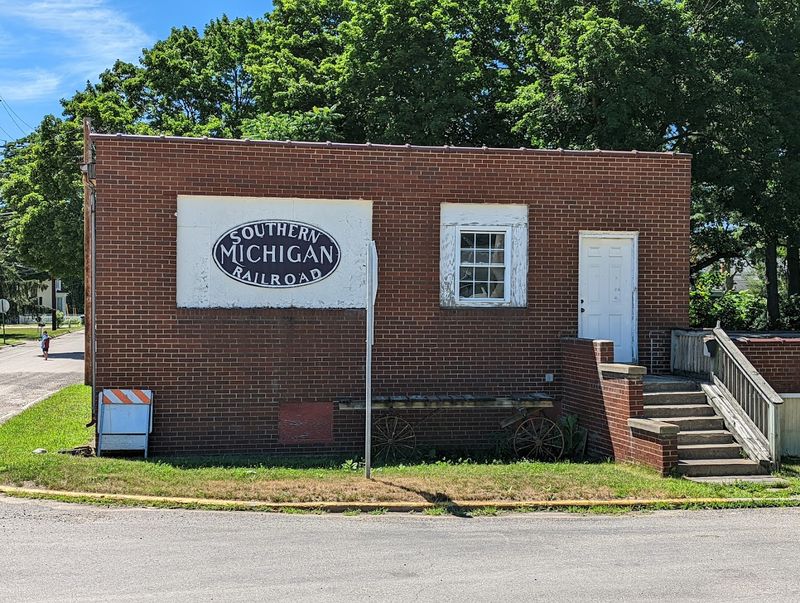
Clinton is the kind of small Michigan town that rewards slow walking. When the train deposits passengers at the station on Bartlett Street, the surrounding area invites a bit of exploration before the return trip.
The town is compact enough to cover on foot without any real planning, which suits the unhurried pace of a train excursion nicely.
Past visitors have mentioned a mix of storefronts worth poking around — an antiques dealer, a hobby shop, a spot full of old tools, even a doll store. A hot dog shop near the station has apparently welcomed train riders for restroom use, which is the kind of small-town hospitality that gets remembered and repeated.
None of these businesses need to be destinations on their own. Together they give Clinton a texture that is genuinely its own.
The Southern Michigan Railroad station on Bartlett Street is the anchor, but the town around it is part of what makes arriving here feel like an actual destination rather than just a turnaround point. Getting off the train and spending 20 or 30 minutes walking around before the return leg adds a dimension to the outing that a simple round-trip ride would miss.
On busy event days, the station area gets lively in a way that feels organic rather than staged. Locals wave from porches.
People chat on the platform. The pace is slow by design, and Clinton seems built for exactly that kind of afternoon.
The railroad brought you here, but the town earns a little of your attention on its own terms. It is a good reminder that some of the best Michigan stops are the ones nobody is actively promoting.
Share this story