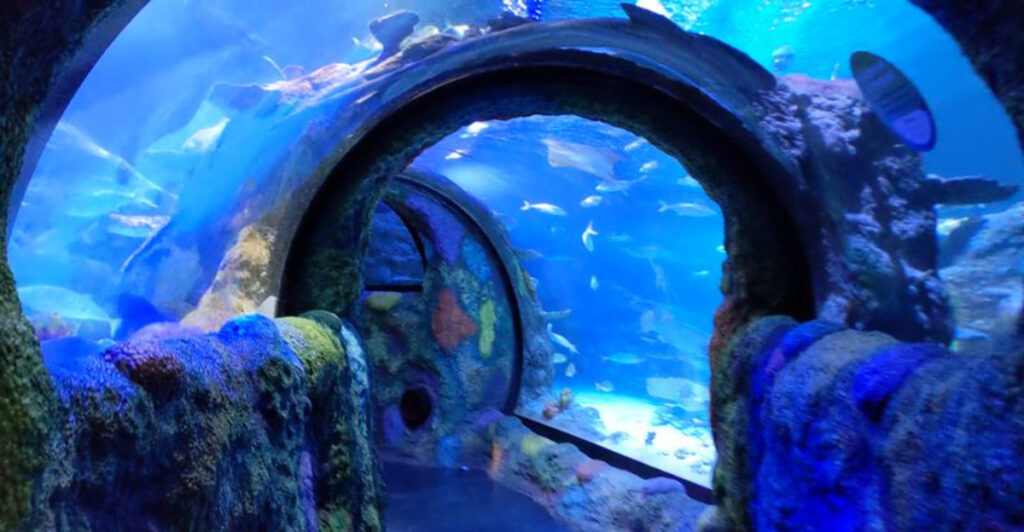
Michigan is surrounded by more freshwater than almost anywhere else on Earth, so it makes sense that the state is packed with incredible aquariums and aquatic exhibits. From bustling city attractions to quiet nature centers tucked along the Great Lakes shoreline, these spots bring underwater worlds to life in ways that go far beyond a textbook.
Whether you are a curious kid, a hands-on learner, or just someone who loves watching fish glide through crystal-clear water, Michigan has something special waiting for you. Get ready to explore 12 remarkable aquariums and aquatic exhibits that make learning feel like the best adventure ever.
1. SEA LIFE Michigan Aquarium
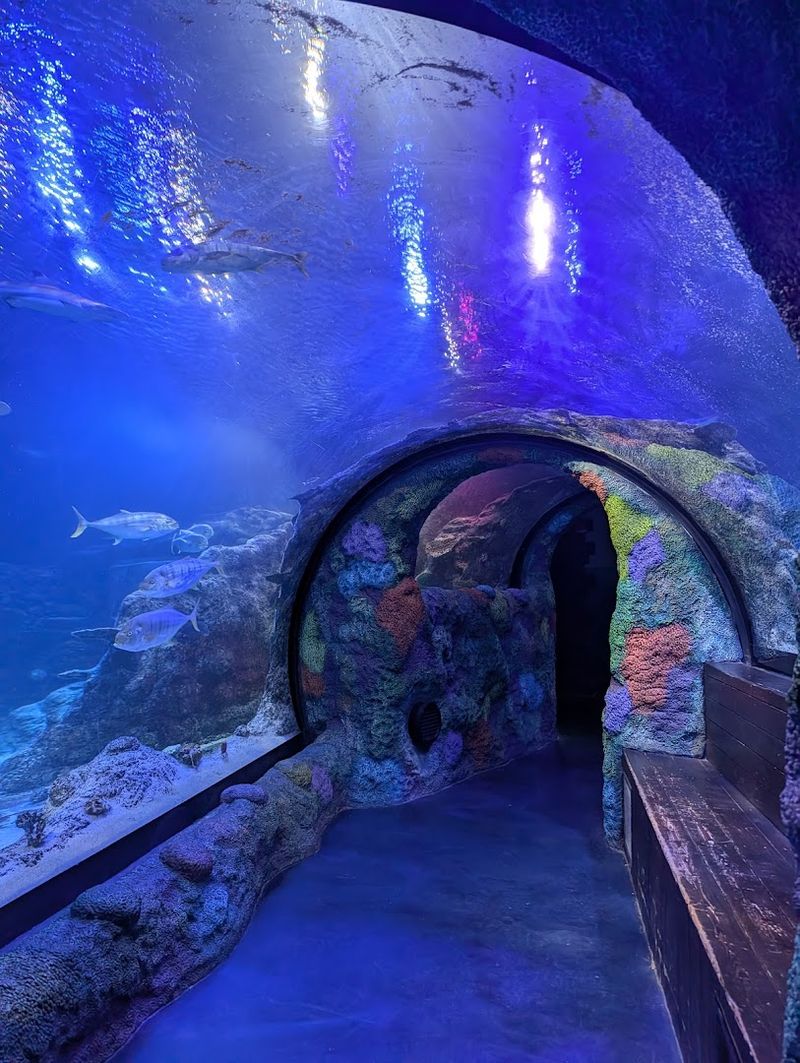
Walking through a tunnel while sharks glide silently overhead is not something most people forget in a hurry. SEA LIFE Michigan Aquarium, located inside Great Lakes Crossing Outlets in Auburn Hills, delivers exactly that kind of jaw-dropping moment.
It is one of the most visited aquariums in the entire Midwest, and for good reason.
The aquarium is home to hundreds of sea creatures, from graceful stingrays and sea turtles to vibrant tropical fish that look like they swam straight out of a painting. The 180-degree ocean tunnel is the clear showstopper, but the touch pools give younger visitors a chance to feel the rough texture of a starfish or the smooth shell of a horseshoe crab.
That hands-on connection makes the science feel real rather than distant.
SEA LIFE does a brilliant job of mixing entertainment with education. Interactive displays explain ocean ecosystems, conservation challenges, and what kids can do right now to help protect marine life.
Staff members are genuinely enthusiastic and happy to answer questions, which adds a personal layer that screen-based learning simply cannot replicate.
The aquarium also runs special behind-the-scenes tours and seasonal events that give repeat visitors something fresh to discover. School groups love it because the curriculum ties directly into science standards, and teachers often say students remember what they learned here long after the field trip ends.
Admission is reasonably priced for the experience you get, and the location inside a major shopping center means families can make a full day of it without much extra planning. If you only visit one aquarium on this list, SEA LIFE Michigan makes a very strong case for being the one.
2. Belle Isle Aquarium
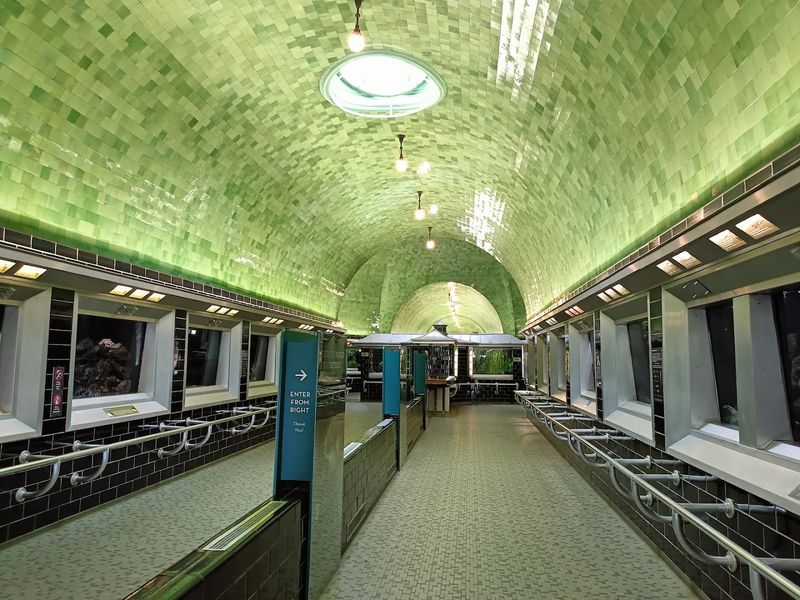
There is something quietly magical about stepping into a building that has been welcoming curious visitors since 1904. Belle Isle Aquarium in Detroit holds the title of the oldest aquarium building in the United States, and every inch of its green-tiled, vaulted interior feels like a living piece of history.
Reopened after years of restoration, it now operates as a free-admission attraction run by the Belle Isle Conservancy.
The tanks line the walls in long, elegant rows, displaying freshwater fish native to Michigan and the Great Lakes region. You will spot bowfin, lake sturgeon, paddlefish, and other species that most people have never seen up close.
The lighting is soft and a little moody, which gives the whole place an atmosphere that feels more like exploration than a typical museum visit.
What makes Belle Isle Aquarium genuinely stand out is its commitment to showcasing local ecosystems rather than exotic ocean creatures. Every exhibit tells a story about Michigan waters specifically, which gives residents a deeper appreciation for what is swimming beneath the surface of the lakes they grew up near.
That regional focus is rare and refreshing.
Volunteers and staff are passionate about freshwater conservation and love sharing that enthusiasm with visitors of all ages. The aquarium also hosts educational programming, art installations, and community events throughout the year, keeping the space vibrant and relevant.
Because admission is free, it is one of the most accessible science and nature experiences in the Detroit metro area. Families, students, and solo explorers all find something worth their time here.
Belle Isle Aquarium proves that age and simplicity are not weaknesses; sometimes they are exactly what make a place unforgettable.
3. John Ball Zoo Aquarium Exhibits

Grand Rapids has a lot going for it, and John Ball Zoo is near the top of that list. Tucked within this beloved community zoo is a collection of aquarium exhibits that surprise first-time visitors with just how impressive they are.
The zoo has been a fixture in West Michigan since 1891, and the aquatic section has grown into a genuinely engaging destination on its own.
The aquarium exhibits feature a mix of freshwater and saltwater species, giving visitors exposure to both Great Lakes natives and colorful marine life from farther shores. Large viewing windows let you watch fish move through carefully designed habitats that mimic their natural environments.
The attention to detail in each tank setup makes it clear that animal welfare is a real priority here, not just a marketing claim.
John Ball Zoo also integrates conservation messaging throughout its aquatic exhibits in a way that never feels preachy. Information panels explain why certain species are threatened and what local communities are doing to help.
For school-age kids especially, seeing that connection between science and real-world action is genuinely motivating.
The zoo offers special programming tied to its aquatic exhibits, including keeper talks and feeding demonstrations that draw crowds for good reason. Watching a zookeeper explain the feeding habits of a large freshwater predator while the animal circles the tank just below the surface is the kind of moment that sticks with you.
John Ball Zoo is also priced accessibly for families, and the combination of land animals, botanical gardens, and aquatic exhibits makes it an easy full-day outing. West Michigan residents are lucky to have a resource this well-rounded practically in their backyard.
4. Detroit Zoo Aquatic Habitats

Royal Oak’s Detroit Zoo has earned its reputation as one of the finest zoos in the country, and its aquatic habitats are a major reason why. Spread across several distinct areas of the zoo, the water-based exhibits cover an impressive range of species and ecosystems.
From Arctic Ring of Life to the National Amphibian Conservation Center, the aquatic experiences here feel genuinely world-class.
The Arctic Ring of Life is the centerpiece for many visitors, featuring polar bears, seals, and beluga whales in a sprawling habitat with underwater viewing tunnels. Watching a beluga glide past just inches from your face through thick glass is the kind of thing that rewires your sense of scale.
The exhibit is designed to educate visitors about polar ecosystems and the very real threats they face from climate change.
On the freshwater side, the National Amphibian Conservation Center is one of only a handful of facilities in the world dedicated to amphibian research and conservation. Frogs, salamanders, and other species that most people overlook get serious attention here, and the exhibit does a wonderful job of explaining why these animals matter to healthy ecosystems.
It is a perspective shift that many visitors do not expect but genuinely appreciate.
The Detroit Zoo also runs robust educational programs tied to its aquatic exhibits, partnering with schools across southeastern Michigan to bring students in for immersive learning days. The combination of size, diversity, and educational depth makes the aquatic habitats here a cut above most regional options.
Membership is a smart investment for families who plan to visit more than once, and honestly, once is rarely enough to see everything the Detroit Zoo has to offer.
5. Outdoor Adventure Center Underwater Michigan Exhibit

Not everyone knows that one of Detroit’s coolest science experiences is tucked inside a converted powerhouse building right on the riverfront. The Outdoor Adventure Center, managed by the Michigan Department of Natural Resources, is a hands-on paradise for anyone curious about Michigan’s wild spaces, and its Underwater Michigan exhibit is the aquatic highlight of the whole building.
The centerpiece is a massive freshwater tank filled with species native to Michigan’s rivers, lakes, and streams. Visitors can watch walleye, northern pike, bass, and other recognizable Michigan fish move through a habitat designed to reflect the state’s natural waterways.
The scale of the tank is genuinely impressive, and the fish are large enough that you really feel the power and presence of these animals in a way that a small classroom tank never could deliver.
What the Outdoor Adventure Center does especially well is connecting aquatic life to outdoor recreation and conservation. Displays around the exhibit explain how fishing regulations protect fish populations, how water quality affects everything from insects to eagles, and what everyday Michiganders can do to keep local waterways healthy.
The messaging is practical and grounded rather than abstract.
The broader center also includes rock climbing walls, a simulated hunting and fishing experience, and camping-themed interactive zones, so the aquatic exhibit sits within a much larger adventure-focused context. That framing makes the science feel relevant to real outdoor life rather than something confined to a lab or classroom.
Admission is free, which is remarkable given the quality of the experience. Located in the heart of Detroit, the Outdoor Adventure Center is an underrated gem that deserves far more attention than it typically gets from visitors outside the city.
6. Lake St. Clair Metropark Nature Center Aquatic Exhibits
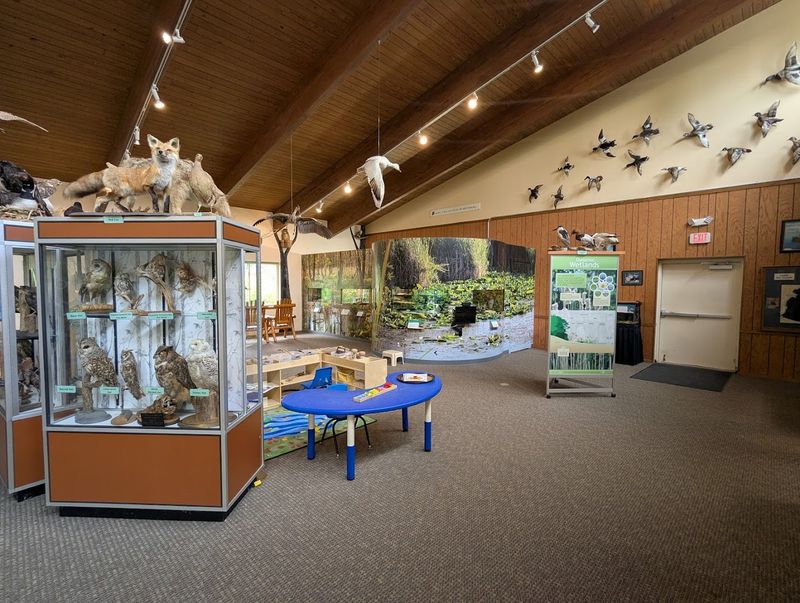
Lake St. Clair Metropark sits along one of Michigan’s most underappreciated bodies of water, and the nature center inside the park does a fantastic job of celebrating everything that makes this ecosystem special. The aquatic exhibits here focus specifically on the plants and animals that call Lake St. Clair and its surrounding wetlands home, giving visitors a hyper-local lens that broader aquariums rarely offer.
The fish tanks display species commonly found in the lake itself, including smallmouth bass, yellow perch, and various panfish that local anglers know well. Seeing these familiar fish up close in a controlled setting gives even experienced outdoors people a new appreciation for the creatures they share the water with.
The exhibits are designed to be approachable for all ages, with clear labels and engaging visuals that make the information easy to absorb.
Wetland ecology gets strong coverage here too, with displays dedicated to turtles, frogs, and the insect communities that form the base of the food web. This kind of foundational ecological storytelling is something that resonates especially well with younger students who are just starting to understand how interconnected natural systems really are.
Teachers who bring classes here often comment on how well the content aligns with Michigan science standards.
The nature center also benefits enormously from its setting. Walking outside after exploring the exhibits, you are immediately surrounded by the actual ecosystem you just learned about.
That seamless transition between indoor education and outdoor observation is genuinely powerful. The Metropark system keeps admission affordable, and the combination of beach, trails, and nature center makes Lake St. Clair Metropark a destination worth returning to across all four Michigan seasons.
7. Lake Erie Metropark Marshlands Museum Great Lakes Aquarium
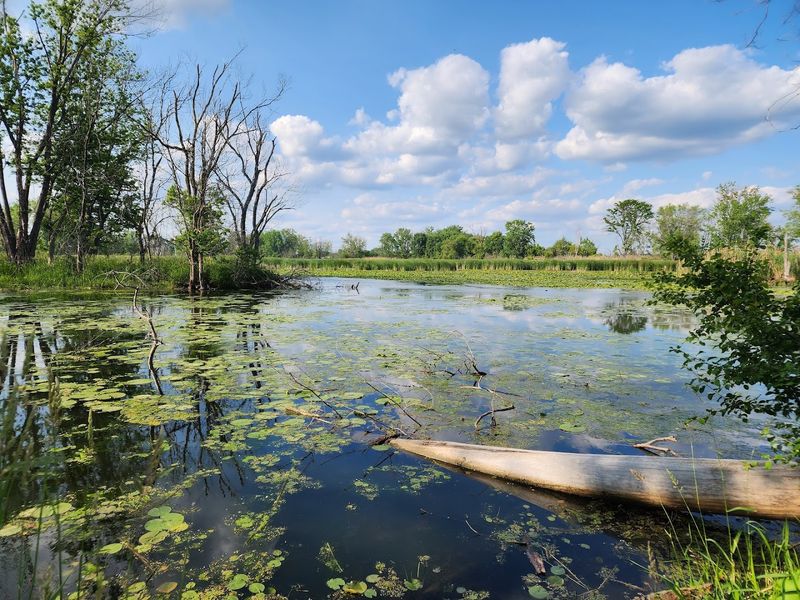
Brownstown Township might not be the first place that comes to mind when you think about aquarium experiences, but Lake Erie Metropark’s Marshlands Museum is quietly one of the best-kept secrets in the southeastern Michigan nature education scene. The Great Lakes aquarium component of this museum brings the ecology of Lake Erie and its surrounding marshlands into sharp, vivid focus.
The aquarium tanks feature species directly tied to the Lake Erie ecosystem, including walleye, steelhead, and various forage fish that support the broader food web. The exhibits are designed to reflect seasonal changes in the ecosystem, which gives repeat visitors something new to notice depending on when they come.
That dynamic quality is something a lot of static museum exhibits lack entirely.
Migratory birds get significant attention in the Marshlands Museum too, and the connection between aquatic food sources and bird populations is explained in a way that makes the whole system feel alive and interdependent. Understanding that a healthy walleye population supports osprey nesting success is the kind of ecological dot-connecting that changes how people see the world around them.
The museum also hosts naturalist-led programs throughout the year, ranging from guided marsh walks to special events during peak migration seasons. These programs attract serious nature enthusiasts as well as casual visitors who just want to learn something new on a weekend afternoon.
Lake Erie Metropark itself offers beautiful trails and observation areas that extend the educational experience well beyond the museum walls. For families in the downriver communities and beyond, this combination of quality aquarium exhibits, natural history programming, and stunning outdoor access makes the Marshlands Museum an easy recommendation and a genuinely rewarding stop.
8. Great Lakes Maritime Heritage Center / Thunder Bay National Marine Sanctuary Visitor Center
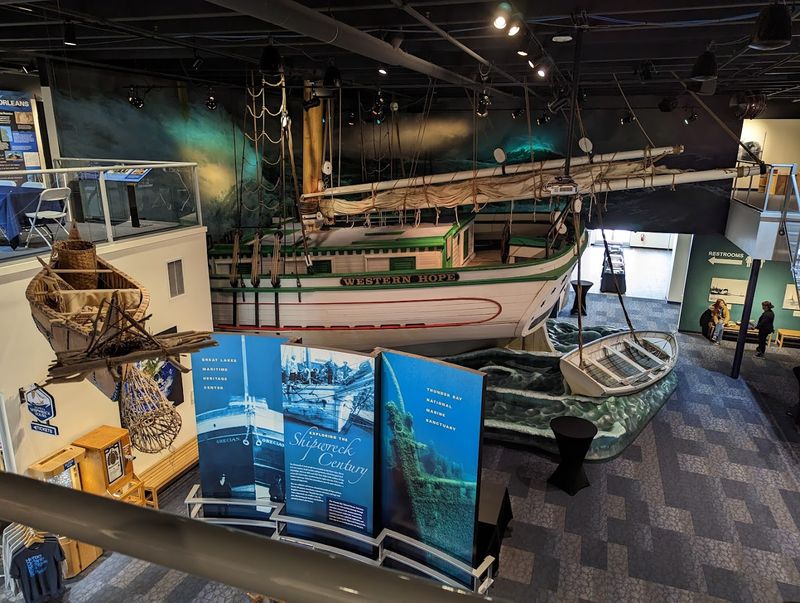
Alpena, Michigan sits on the shores of Lake Huron and serves as the gateway to one of the most remarkable underwater preserves in North America. The Thunder Bay National Marine Sanctuary protects more than 100 shipwrecks lying on the lake bottom, and the Great Lakes Maritime Heritage Center is where visitors go to understand what all of that means.
The aquarium component of this visitor center adds a living, breathing dimension to what could otherwise be a purely historical experience.
Fish tanks featuring species native to Lake Huron line portions of the center, giving context to the ecosystem that surrounds those sunken vessels. Seeing lake trout, whitefish, and other Great Lakes natives up close helps visitors understand the living world that exists alongside the preserved history beneath the surface.
It is a pairing that works beautifully and distinguishes this center from more conventional aquarium setups.
The shipwreck exhibits themselves are extraordinary, featuring scale models, artifacts recovered from the lake floor, and immersive multimedia presentations that put you inside the story of Great Lakes maritime history. For history-minded visitors, the combination of archaeological storytelling and aquatic science is genuinely thrilling.
Kids who come in expecting a boring museum often leave buzzing with questions about diving, marine archaeology, and how ships end up on the bottom of a lake.
The center also partners with local dive operators to offer sanctioned wreck diving experiences for certified divers, making it a destination that extends well beyond a single afternoon visit. Alpena itself is a charming small city with a strong sense of place, and the Maritime Heritage Center reflects that community pride beautifully.
It is the kind of place that reminds you Michigan’s water stories go far deeper than most people realize.
9. Michigan State University Museum Aquatic Science Exhibits

University museums often fly under the radar, overshadowed by the academic reputation of the institution they belong to. Michigan State University Museum in East Lansing is a genuine exception to that pattern.
The aquatic science exhibits housed within this natural history museum offer a depth of scientific context that reflects MSU’s long-standing leadership in Great Lakes research and freshwater biology.
The exhibits draw on the university’s extensive scientific collections to tell the story of Michigan’s aquatic ecosystems across geological time. Fossil fish, preserved specimens, and detailed ecological models show how Michigan’s lakes and rivers have changed over thousands of years and what forces continue to shape them today.
That long-view perspective is something you rarely encounter in a typical aquarium setting, and it adds real intellectual weight to the experience.
Interactive panels throughout the aquatic science section invite visitors to engage with current research questions rather than just absorbing static facts. What is causing invasive species to spread through the Great Lakes?
How do scientists track fish populations across a lake as vast as Superior? These are questions that actual MSU researchers are working on, and the exhibits connect visitors to that ongoing scientific conversation in an accessible, exciting way.
The museum is free and open to the public, which makes it an excellent resource for families, school groups, and anyone visiting the East Lansing campus. Its location on one of the most beautiful university campuses in the Midwest adds an extra layer of appeal for a day trip.
Students from surrounding school districts frequently visit as part of science curriculum enrichment programs, and the feedback from educators about the quality of the exhibits is consistently strong. MSU Museum punches well above its weight for a campus natural history institution.
10. Kalamazoo Valley Museum Water & Earth Science Exhibits
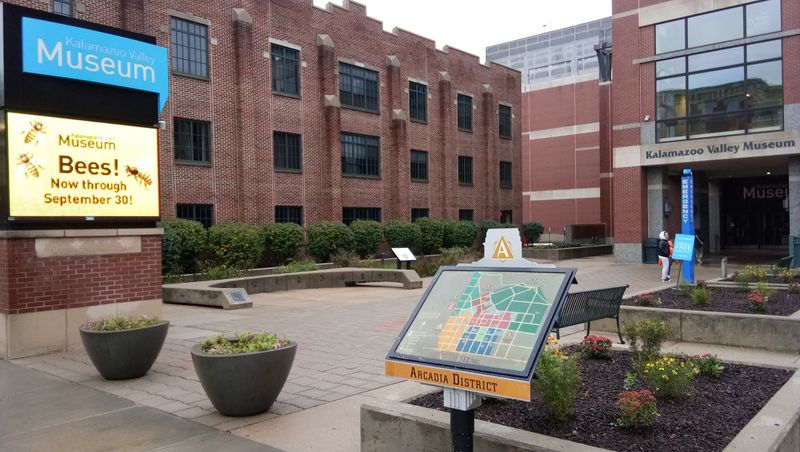
Kalamazoo has a museum that quietly outperforms expectations at every turn. The Kalamazoo Valley Museum is a free community institution that covers everything from space science to local history, and its Water and Earth Science exhibits bring aquatic education to life with an energy that feels more like a science center than a traditional museum.
For families in West Michigan, it is an absolute treasure.
The water-themed exhibits explore the full journey of Michigan’s freshwater, from precipitation and groundwater to rivers, lakes, and wetlands. Aquarium tanks featuring native freshwater species sit alongside hands-on water cycle stations, creating an experience where you can both observe living animals and interact with the science behind their habitat.
That blend of passive and active learning is particularly effective for younger students who need variety to stay engaged.
Earth science content connects geology to hydrology in ways that help visitors understand why Michigan has so much freshwater to begin with. The glacial history of the Great Lakes region is explained through models and visuals that make an otherwise abstract subject feel tangible and fascinating.
Knowing that glaciers carved out the basins that hold the lakes your family swims in every summer gives those lakes a whole new meaning.
The museum regularly updates its programming and rotating exhibits, so there is often something new to discover even for repeat visitors. Educators in the Kalamazoo area cite the Water and Earth Science section as one of the most curriculum-aligned resources available to them outside the classroom.
Because admission is completely free, there is zero barrier to making this a regular stop for curious families. The Kalamazoo Valley Museum represents exactly what a community science institution can be when it is done right.
11. Cranbrook Institute of Science Freshwater Forum

Cranbrook Institute of Science in Bloomfield Hills carries a certain prestige that is hard to miss the moment you walk through its doors. Set within the stunning Cranbrook Educational Community, one of the most architecturally significant campuses in the country, this science museum brings serious intellectual rigor to every exhibit it creates.
The Freshwater Forum is one of its most compelling offerings and a must-visit for anyone interested in Michigan’s aquatic identity.
The Freshwater Forum centers on the Great Lakes as a global resource, not just a regional one. Exhibits explain that the Great Lakes hold roughly 21 percent of the world’s surface freshwater, a fact that reframes Michigan’s relationship to water in a genuinely global context.
Large aquarium tanks display fish species native to these lakes alongside ecological displays that explain food webs, water chemistry, and the pressures facing freshwater ecosystems worldwide.
What separates the Freshwater Forum from similar exhibits elsewhere is the sophistication of its storytelling. Rather than presenting water science as a series of isolated facts, the exhibits build a coherent narrative about why freshwater matters, what threatens it, and what conservation science is doing in response.
That narrative arc keeps visitors engaged from start to finish in a way that purely informational displays often fail to do.
Cranbrook also offers exceptional educational programming tied to the Freshwater Forum, including workshops, field trips, and science days that connect classroom learning to real environmental science. The museum’s overall collection, which spans astronomy, geology, and natural history, makes it easy to spend a full day here.
Bloomfield Hills families know this place well, but visitors from across Michigan and beyond would be wise to make the trip. Cranbrook Institute of Science consistently delivers at a level that few regional science museums can match.
12. Wolf Lake State Fish Hatchery & Visitor Center
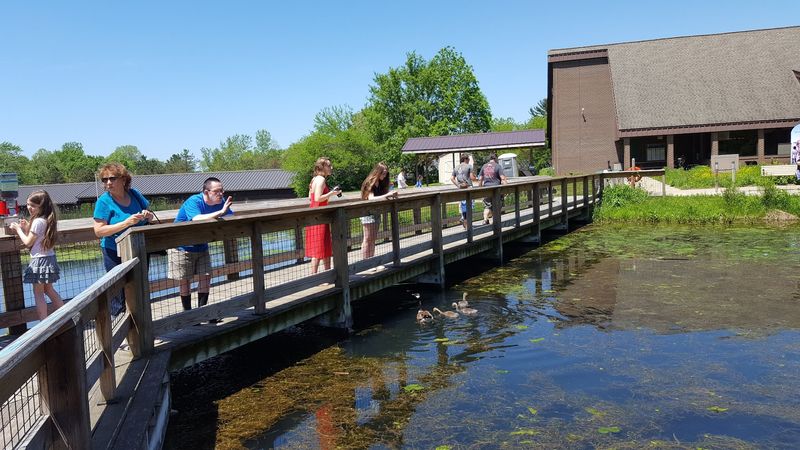
Most aquarium experiences put you on the observer side of the glass, but Wolf Lake State Fish Hatchery in Mattawan flips that dynamic entirely. Here, the fish are not just on display for your curiosity; they are part of an active conservation operation that stocks Michigan’s lakes and streams with millions of fish every single year.
Walking through this facility feels less like a museum visit and more like stepping behind the curtain of how Michigan’s fisheries actually work.
The visitor center includes indoor aquarium tanks displaying Michigan native fish at various stages of their life cycle, from tiny fry to fully grown adults. Seeing a lake trout or a steelhead at every size simultaneously gives you a completely different understanding of fish biology than a single tank of adults ever could.
The exhibits explain the hatchery process clearly, covering everything from egg collection and incubation to disease prevention and stocking schedules.
Outside, the large rearing ponds are genuinely spectacular. Thousands of fish swirl through the water in coordinated masses that are almost hypnotic to watch.
Staff and volunteers are on hand to answer questions, and the enthusiasm they bring to explaining their work is infectious. You can tell quickly that the people who work here care deeply about Michigan’s fish populations and the broader health of the state’s waterways.
Wolf Lake State Fish Hatchery is free and open to the public, which makes it an outstanding value for families looking for an educational outing in southwest Michigan. It is the kind of place that surprises visitors who come without high expectations and leaves them genuinely impressed.
For anyone who fishes Michigan waters, visiting the hatchery that helps stock those waters adds a whole new layer of appreciation to every future trip out on the lake.
Share this story