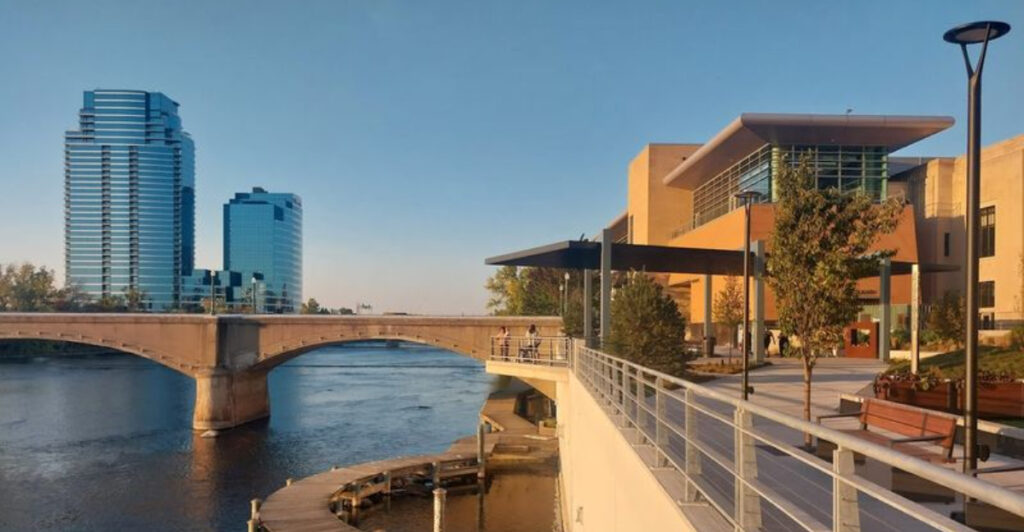
Michigan is home to some of the most jaw-dropping buildings you will ever see, and many of them have been standing tall for over a century. From the gleaming towers of Detroit to the sleek structures of Grand Rapids and Ann Arbor, the state’s skyline tells a powerful story of ambition, artistry, and history.
These buildings are more than just places to work or live — they are landmarks that define entire cities and reflect the boldest ideas of their time. Get ready to look up, because Michigan’s architectural standouts are absolutely worth knowing about.
1. Renaissance Center (Detroit)
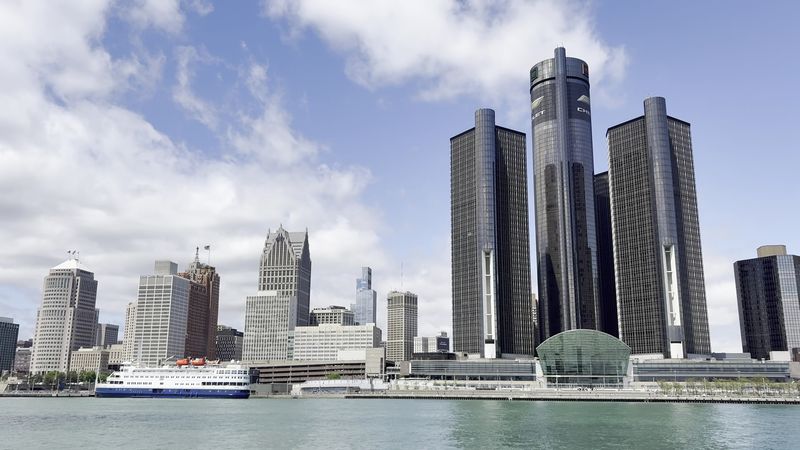
Few buildings in the Midwest dominate a skyline the way Detroit’s Renaissance Center does. Set right along the Detroit River, this massive group of glass towers is almost impossible to miss — and once you spot it, it leaves an impression.
For many people, the RenCen is one of the first images that comes to mind when they think of downtown Detroit. It has that bold, polished, Motor City confidence that makes it feel both corporate and iconic.
The complex was built in the 1970s, during a period when Detroit was looking for new energy and fresh investment downtown. Henry Ford II helped lead the project, and the goal was right there in the name: a “renaissance” for the city.
Its central tower rises to about 727 feet, making it the tallest building in Michigan. That alone gives the RenCen serious bragging rights, but its real impact comes from how instantly recognizable it is.
What makes the Renaissance Center even more interesting is its riverfront setting. Step outside, and you are right by the Detroit Riverwalk, with sweeping views of Windsor, Canada, across the water.
The glass exterior catches the changing light beautifully, especially around sunset, which is why the building shows up in so many photos of the city.
Inside, the circular layout can be a little disorienting, but that is honestly part of the experience. With offices, dining, hotel space, and public areas all packed into one huge complex, the RenCen feels like a city within the city.
Whether you are visiting Detroit for the first time or you have lived there for years, the Renaissance Center still feels important — because it is.
2. Buhl Building (Detroit)
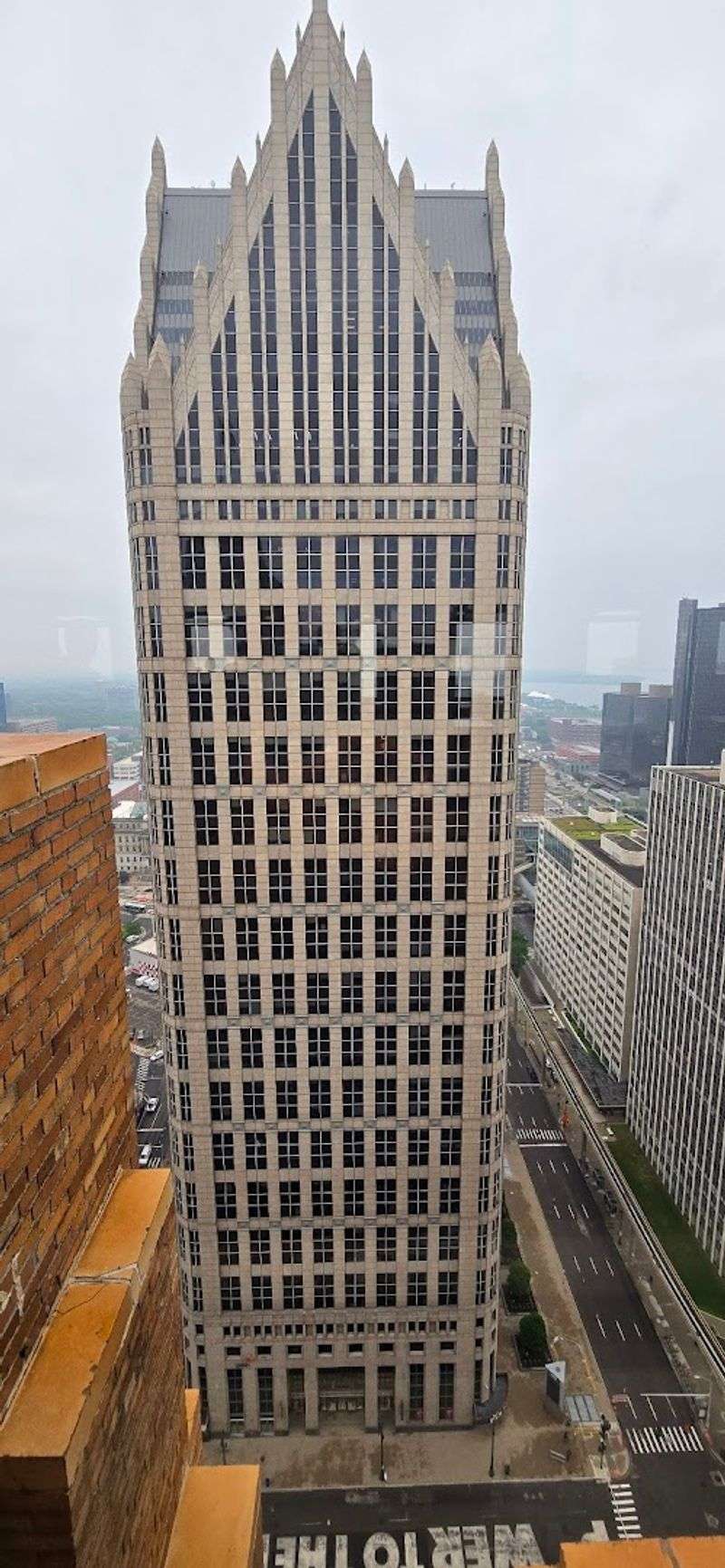
There is something quietly magical about the Buhl Building that even people rushing past on foot tend to notice. Completed in 1925, this terracotta-clad beauty stands at 26 stories and wears its Gothic and Romanesque details like a crown.
The warm reddish-brown tones of the exterior give it a richness that modern glass towers simply cannot replicate.
Architect Wirt Rowland, who also designed the Guardian Building, brought a masterful touch to the Buhl. Every ornamental detail feels intentional — from the carved stonework near the entrance to the way the upper floors taper gracefully toward the top.
It was considered one of Detroit’s most sophisticated office buildings when it first opened, and that reputation has aged remarkably well.
The building sits at the corner of Griswold and Congress Streets, placing it right in the heart of Detroit’s financial district. For decades it served as a hub of business activity, and today it continues to attract tenants who appreciate both location and character.
The lobby alone is worth a visit, with its ornate ceiling and vintage atmosphere that feels pulled straight from a 1920s film set.
What keeps the Buhl Building relevant is how effortlessly it holds its own next to newer construction. It does not try to compete with glass and steel — it simply stands firm in its own lane, confident and classic.
Anyone with even a passing interest in architecture will find plenty to admire here. The Buhl Building is proof that good design does not have an expiration date.
3. Cadillac Place (Detroit)
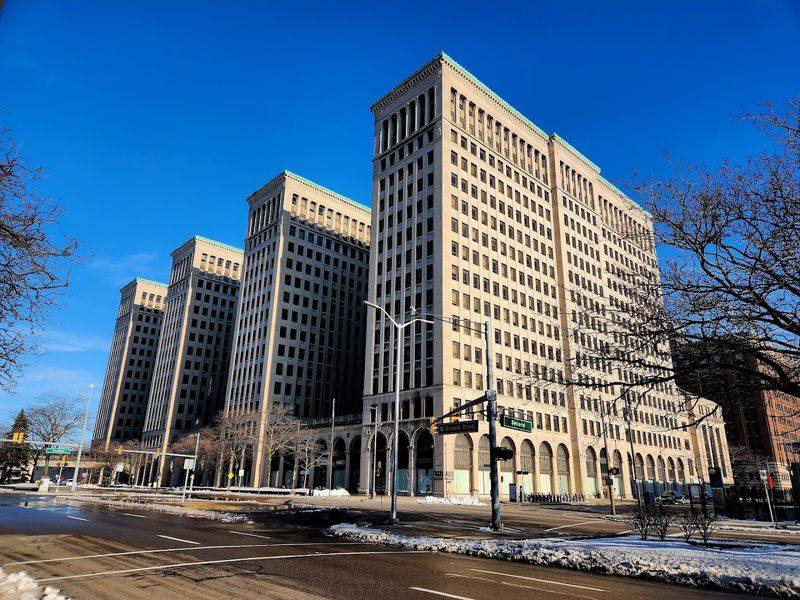
Originally built as the General Motors headquarters in 1923, Cadillac Place is one of those buildings that makes you stop mid-stride and just stare. The Neoclassical design features massive limestone columns, wide ceremonial steps, and a sense of grandeur that screams old-school power.
At the time of its construction, it was the largest office building in the world — a record that tells you everything about Detroit’s ambitions during the early automotive era.
Designed by the firm of Albert Kahn, the building stretches an entire city block along West Grand Boulevard. Kahn was already legendary for his industrial designs, but Cadillac Place showed he could do refined civic architecture just as well.
The sheer scale of the structure is something you feel physically when you stand in front of it — it is simply enormous in the best possible way.
After GM moved its headquarters to the Renaissance Center, the building was purchased by the State of Michigan and converted into state government offices. The renovation preserved much of the original interior detail, including grand hallways and decorative plasterwork that still impress visitors today.
It was added to the National Register of Historic Places, cementing its status as a true landmark.
Cadillac Place carries that rare combination of historical weight and continued usefulness. It is not sitting empty as a relic — it is actively serving Michigan residents every day.
The building represents a moment when Detroit was the center of the industrial world, and walking past it feels like touching that history directly. Bold, beautiful, and built to last, Cadillac Place earns every bit of admiration it receives.
4. David Broderick Tower (Detroit)
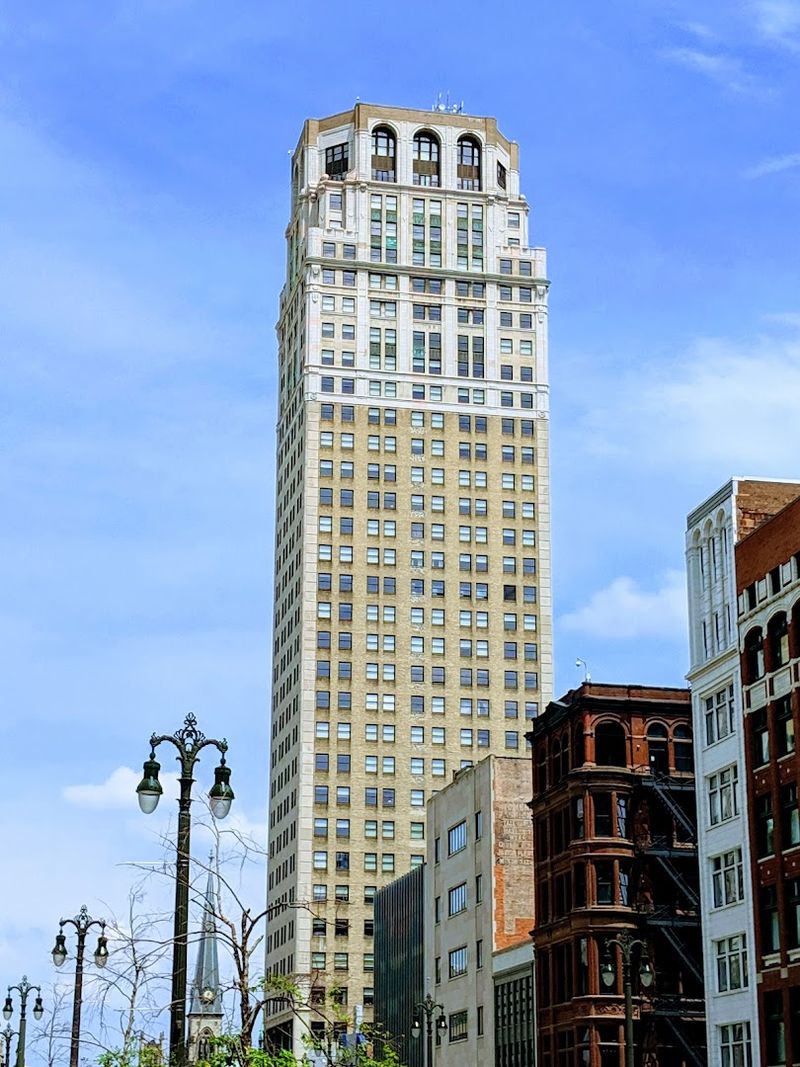
Standing at 34 stories tall, the David Broderick Tower has one of the most dramatic silhouettes in all of Detroit. Completed in 1928, it rises with the confident setbacks and decorative stonework that define the Art Deco style at its absolute peak.
The building spent years sitting vacant, which somehow only deepened its mystique among Detroit history enthusiasts and urban explorers alike.
Named after a Michigan politician from the 19th century, the tower originally served as a premier office address in the city. Its upper floors offered sweeping views of downtown Detroit, and the lobby featured the kind of ornate detailing that made people feel important just walking through the door.
That sense of occasion has not entirely faded, even after decades of change.
A major renovation completed in the 2010s transformed the building into luxury residential condominiums, bringing new life to a structure that had been silent for too long. The conversion kept much of the original architectural character intact while adding modern amenities that today’s residents expect.
It is a textbook example of adaptive reuse done right — honoring the past while making a building genuinely livable again.
The rooftop views from the upper floors are reportedly stunning, offering a panoramic perspective of Detroit that few other vantage points can match. For anyone who loves cities, architecture, or comeback stories, the David Broderick Tower delivers on all three.
It represents Detroit’s stubborn refusal to let its best buildings disappear quietly. Resilient, striking, and full of character, this tower is a downtown Detroit essential that rewards a closer look every single time.
5. River House Condominiums (Grand Rapids)
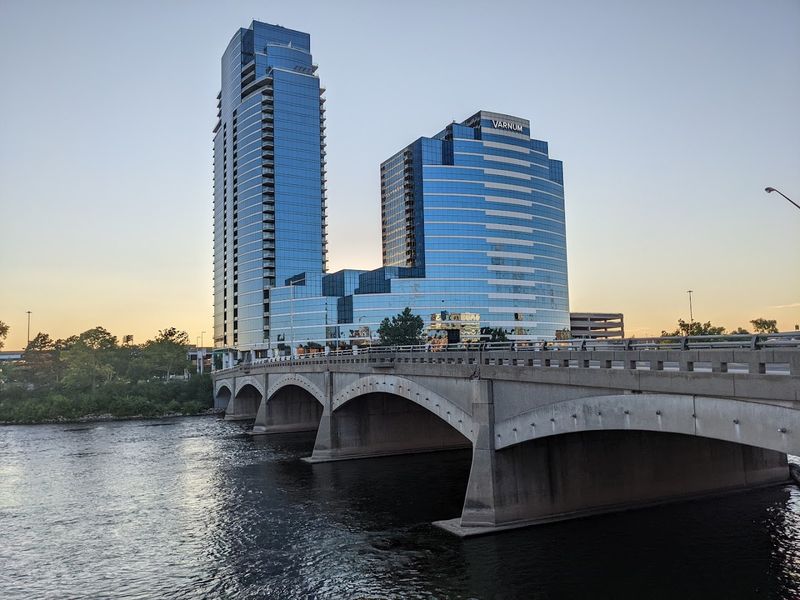
Grand Rapids does not always get the architectural spotlight it deserves, but River House Condominiums makes a strong case for putting it on the map. Perched along the Grand River, this modern high-rise brings a sleek residential energy to a city that has been quietly reinventing itself for years.
The glass-heavy facade and clean contemporary lines feel right at home in a city that has become one of the Midwest’s most exciting urban destinations.
What sets River House apart from many Michigan residential towers is its relationship with the water. Residents get front-row seats to the Grand River, and the building’s design leans into that advantage with generous balconies and large windows that frame the view beautifully.
Living here feels less like being in a typical apartment and more like having a private observatory over the city’s most scenic corridor.
The surrounding neighborhood adds serious appeal. Grand Rapids has developed a vibrant riverfront culture with trails, restaurants, and cultural venues all within easy reach of the building.
River House sits at the intersection of urban convenience and natural scenery, which is a combination that most cities struggle to pull off gracefully.
From a purely visual standpoint, the building contributes meaningfully to Grand Rapids’ evolving skyline. It signals that the city is growing up architecturally, moving beyond its furniture-industry roots into something more cosmopolitan and design-forward.
River House is the kind of building that makes residents proud and visitors curious. It is not trying to imitate Detroit or Chicago — it is doing its own thing, confidently and stylishly, right on the banks of the Grand River.
6. Tower Plaza (Ann Arbor)
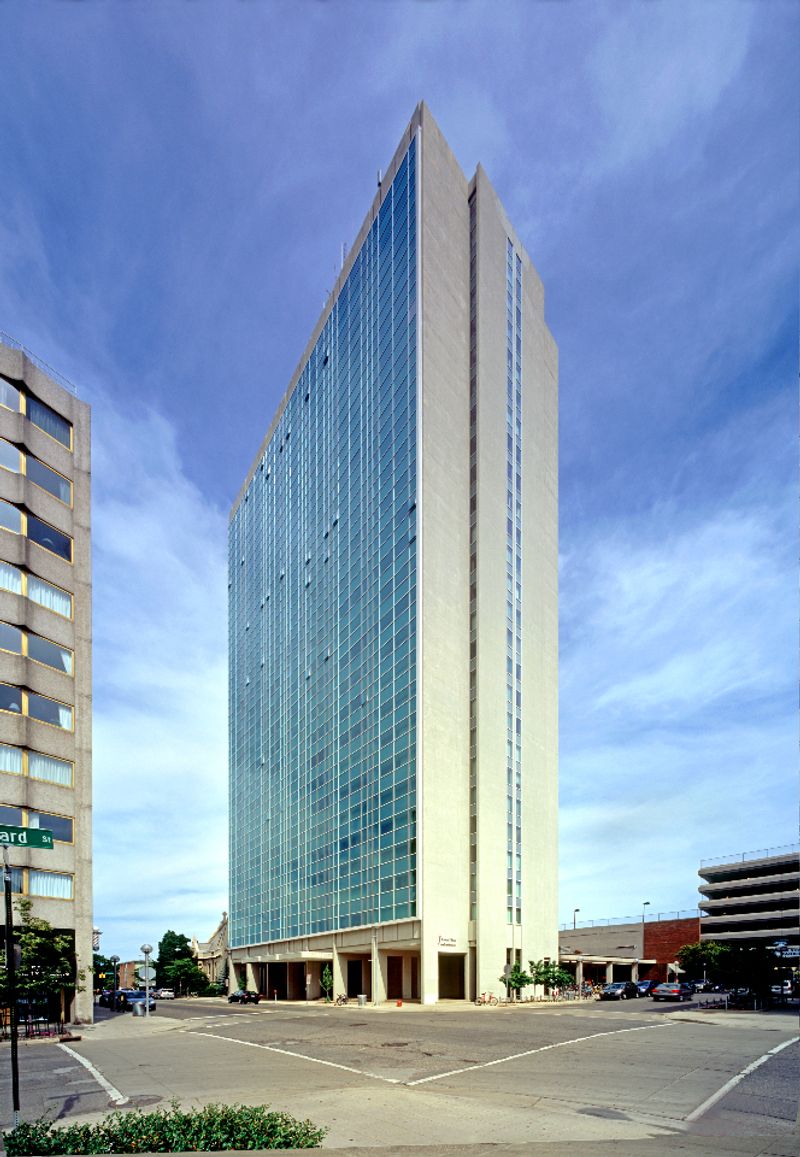
Ann Arbor is a city defined by big ideas and bold thinkers, so it makes sense that Tower Plaza fits right in. Rising above the tree canopy near the University of Michigan campus, this mid-century residential tower has been a recognizable part of the Ann Arbor skyline for decades.
It carries the clean geometric confidence of its era without feeling dated or tired.
The building’s height gives it a visual authority that stands out in a city where most structures stay relatively low. That contrast is part of what makes Tower Plaza such a consistent landmark — you can spot it from multiple directions as you move through Ann Arbor’s streets and neighborhoods.
For students, faculty, and longtime residents, it functions as a reliable orientation point in the urban fabric.
Inside, the tower offers residential units that benefit from those elevated views over one of Michigan’s most beloved college towns. Imagine looking out over the autumn colors of Ann Arbor in October, with the football stadium crowd noise drifting up from a few blocks away.
That is the kind of experience that turns a building into something more than just a place to sleep.
Tower Plaza also reflects Ann Arbor’s broader character — practical, intellectually serious, and quietly proud of its place in Michigan’s cultural landscape. It is not the flashiest building on this list, but it earns its spot through consistency, presence, and the way it anchors its surroundings without overwhelming them.
Sometimes the most enduring architectural statements are the ones that simply show up every day and do their job with quiet confidence. Tower Plaza has been doing exactly that for a long time.
7. Boji Tower (Lansing)
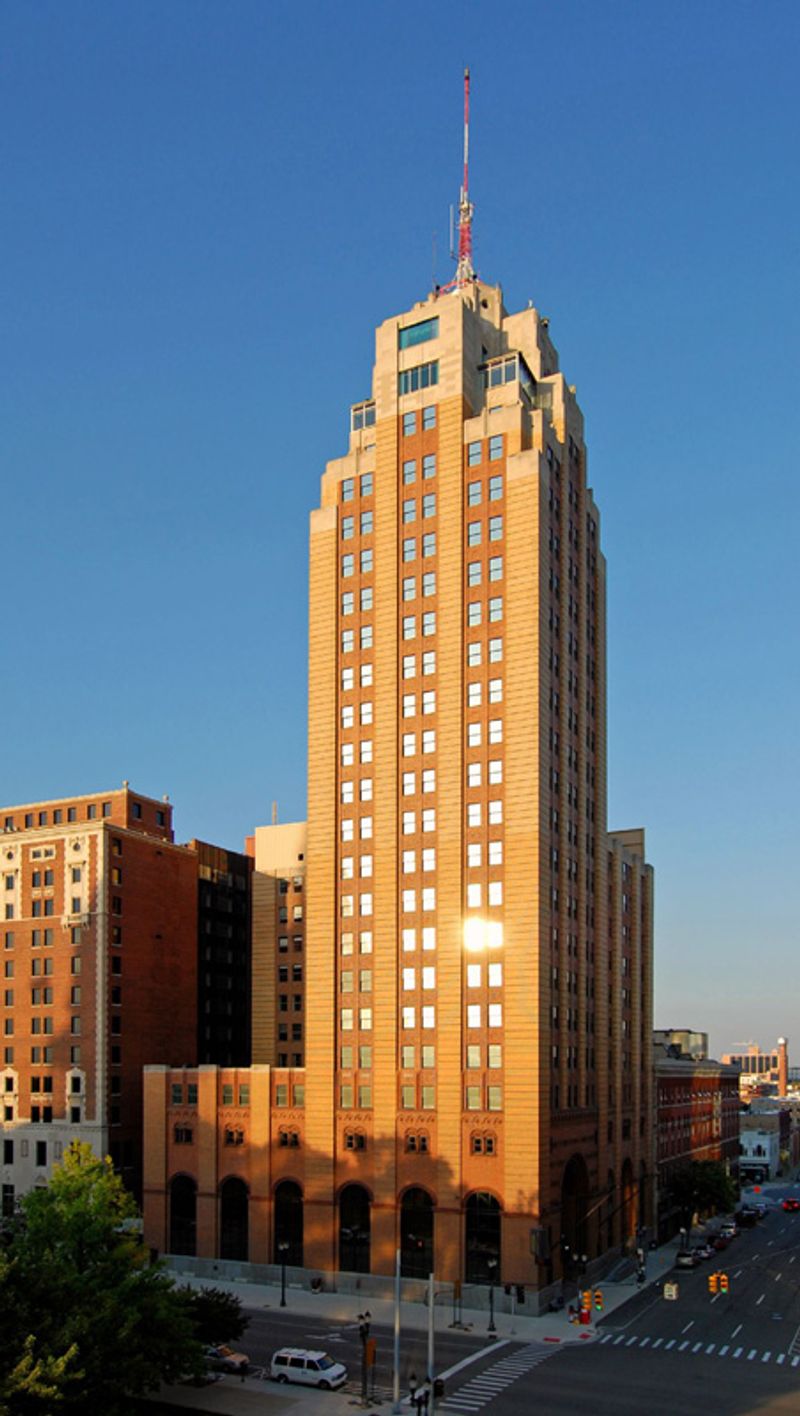
Lansing is Michigan’s capital city, and Boji Tower is its most photogenic skyscraper. Originally known as the Michigan National Bank Building when it opened in 1931, the tower wears its Art Deco styling with unmistakable pride.
The ornate crown at the top catches the eye from blocks away, and the vertical lines of the facade create a sense of upward momentum that feels genuinely exciting.
At 19 stories, Boji Tower is not the tallest building in Michigan, but it punches well above its weight in terms of visual impact. The lobby features the kind of detailed craftsmanship — polished stone floors, decorative metalwork, intricate ceiling details — that reminds you how seriously builders of the 1930s took their craft.
Walking in feels like stepping into a different era, and that is absolutely a compliment.
The building has seen multiple tenants and uses over the decades, reflecting the changing fortunes of downtown Lansing itself. Its current name comes from the Boji Group, a real estate company that has invested in its preservation and continued use.
That kind of private investment in historic buildings is exactly what keeps city centers feeling alive and rooted rather than hollowed out by neglect.
Boji Tower also benefits from its location near the Michigan State Capitol, which means it sits in some genuinely prestigious company. The combination of a historic capitol building and a striking Art Deco tower creates a downtown streetscape that Lansing residents can feel genuinely proud of.
Boji Tower is the kind of building that rewards repeat visits — every time you look at it, you notice something new in the details that you missed before.
8. The Guardian Building (Detroit)
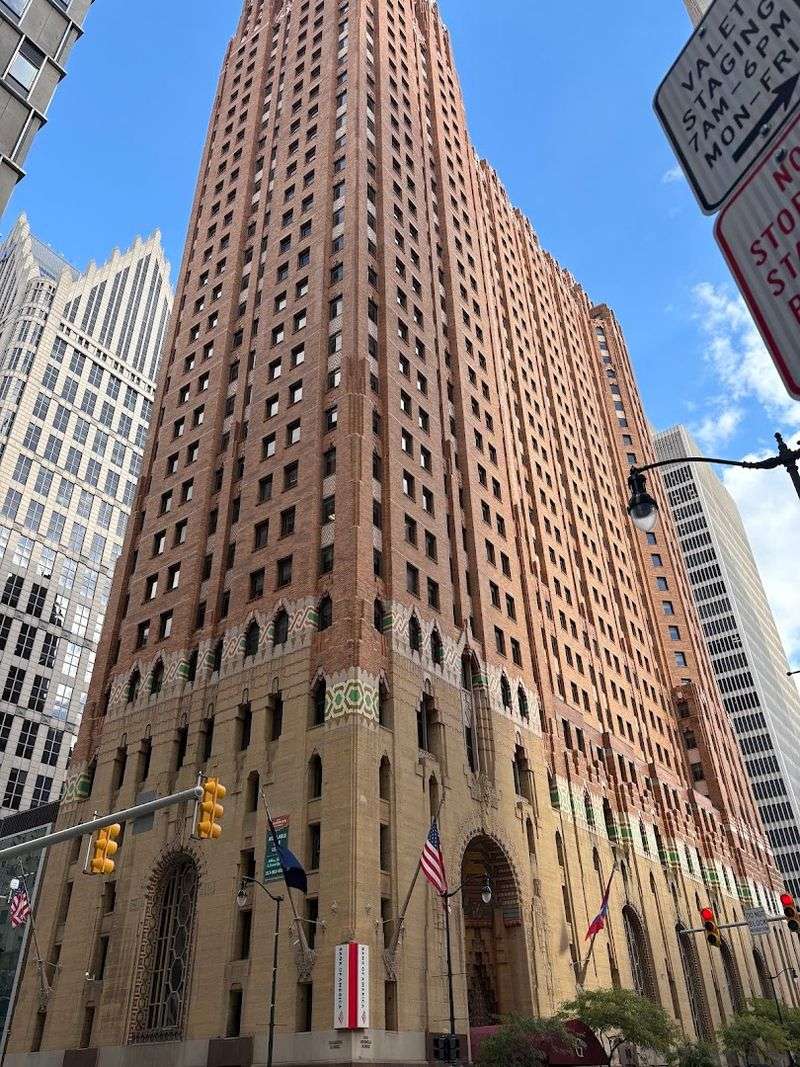
Called the Cathedral of Finance when it opened in 1929, the Guardian Building is widely regarded as one of the finest Art Deco structures anywhere in the United States. Designed by Wirt Rowland, the building is an explosion of color and craft — Pewabic tiles in brilliant hues of orange, cream, and teal line the exterior and interior in patterns so detailed they almost feel like they are moving.
Standing in the lobby for the first time is a genuinely overwhelming experience.
The use of Pewabic pottery throughout the building is a distinctly Michigan touch. Pewabic Pottery, a Detroit institution founded in 1903, produced the iridescent tiles that give the Guardian its unmistakable warmth.
That local connection makes the building feel deeply rooted in Detroit’s creative history rather than just imported grandeur.
At 40 stories, the Guardian was the tallest building in Detroit when it opened, and the ambition of its design matched that height perfectly. Every surface seems to have been treated as an opportunity for decoration — arched entryways, gilded ceilings, mosaic floors, and carved stonework all compete for your attention in the most delightful way possible.
It is almost too much, and yet it works completely.
Today the building operates as office space and hosts public tours that give visitors access to areas of the interior that most people never see. Those tours are absolutely worth booking if you have any interest in architecture, design history, or just beautiful spaces.
The Guardian Building is not just a Detroit landmark — it is a national treasure that happens to be sitting right in the heart of Michigan’s largest city, waiting for more people to discover it.
9. The Fisher Building (Detroit)
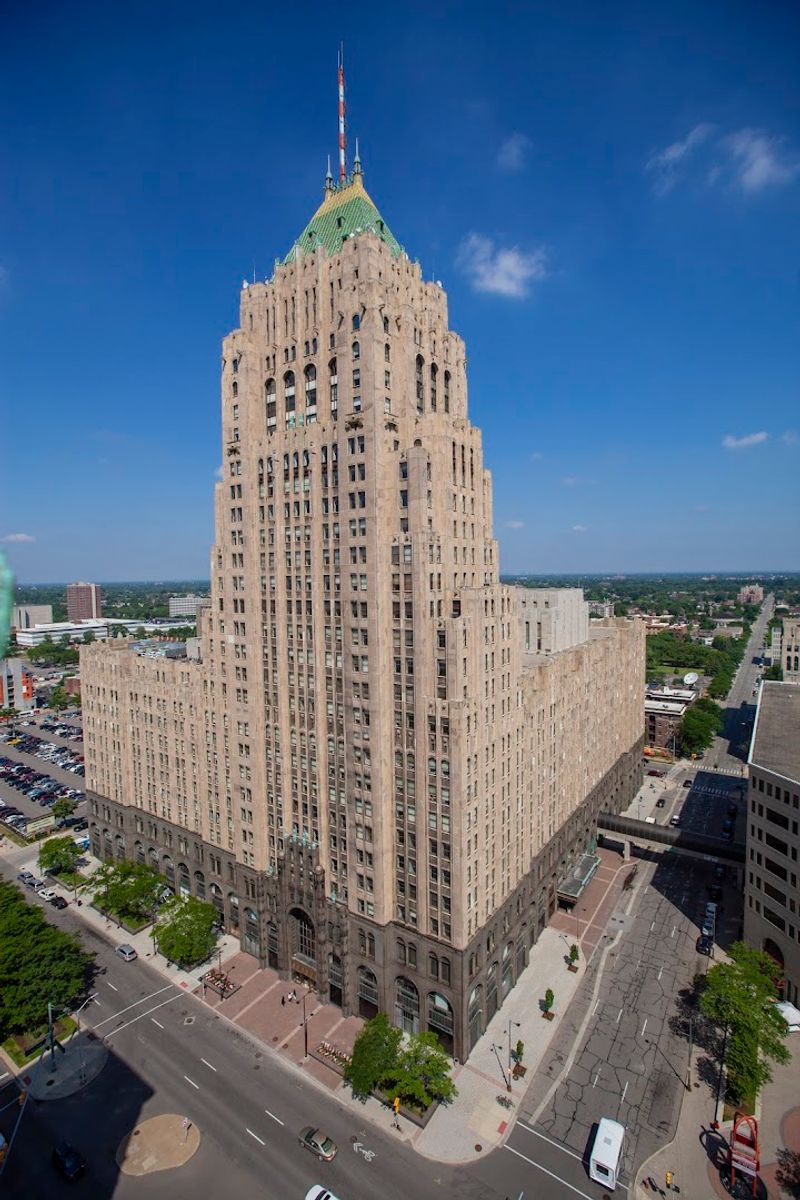
Albert Kahn’s masterpiece — that is how many architecture scholars describe the Fisher Building, and after one look at it, the label feels completely earned. Completed in 1928 and funded by the seven Fisher brothers of Fisher Body Company fame, the building rises 28 stories over New Center and gleams with a golden presence that is hard to describe without sounding dramatic.
But dramatic is exactly what this building is, and it owns that quality completely.
The exterior features a three-story arched entrance flanked by intricate stone carvings and bronze detailing that set the tone before you even step inside. The interior arcade is perhaps the most jaw-dropping commercial corridor in all of Michigan — a soaring vaulted ceiling covered in colorful mosaic tiles, marble walls, and a warmth of light that makes ordinary errands feel like events.
People have been photographing this arcade for nearly a century, and it still stops newcomers cold.
The Fisher Theatre inside the building has hosted Broadway productions for decades, bringing world-class entertainment to a Detroit neighborhood that has always had its own distinct identity separate from downtown. New Center has long been considered a cultural anchor, and the Fisher Building is its crown jewel without question.
What Albert Kahn achieved here was a building that manages to be both monumental and welcoming at the same time. It does not intimidate — it invites.
That balance is incredibly difficult to strike in architecture, and the fact that the Fisher Building pulls it off so effortlessly is a testament to extraordinary design thinking. Walk through the arcade on a weekday afternoon and you will understand immediately why locals call it Detroit’s most beautiful building.
10. Book Tower (Detroit)
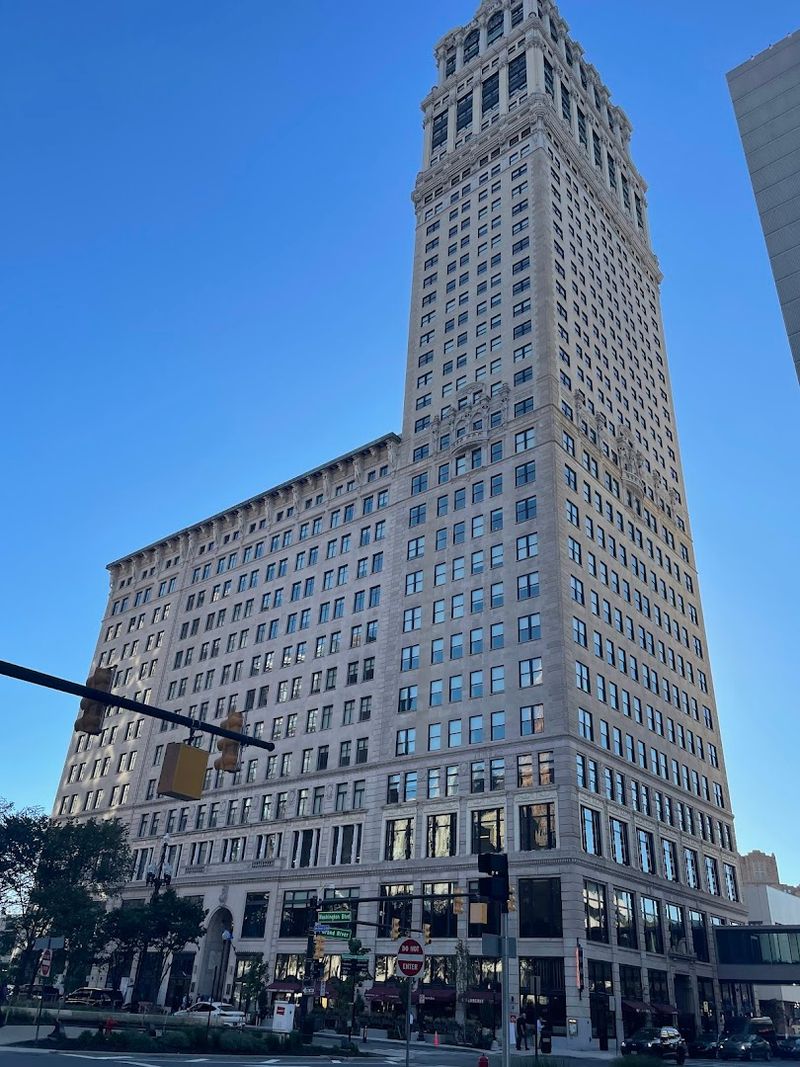
Book Tower has one of the most compelling comeback stories in Detroit’s architectural history. Standing 38 stories tall, this Italian Renaissance-style skyscraper was completed in 1926 and quickly became one of the city’s most prestigious business addresses.
Its ornate stone facade, arched windows, and richly detailed upper floors give it a European grandeur that feels almost theatrical against the Detroit skyline.
For years the building sat vacant, slowly deteriorating while preservationists and city leaders debated its future. That period of abandonment made Book Tower something of a symbol for Detroit’s broader struggles — a beautiful thing going to waste while the world moved on around it.
Urban explorers documented its faded interiors, spreading images that made the building famous in a bittersweet kind of way.
The turnaround came when developers committed to a major renovation project that converted the tower into a luxury hotel and residential units. The restoration work has been extensive, involving careful attention to the original architectural details that make the building so special.
Decorative plasterwork, ornate lobbies, and the distinctive facade have all been treated with the seriousness they deserve.
Book Tower sits on Washington Boulevard, which was once considered Detroit’s most elegant commercial street. The building’s revival is part of a broader effort to restore that corridor’s former prestige, and early results suggest the investment is paying off.
Few buildings in Michigan carry as much emotional weight as Book Tower — it represents loss, resilience, and renewal all at once. For anyone who has followed Detroit’s long road back, seeing this building restored and alive again feels like something genuinely worth celebrating.
11. Penobscot Building (Detroit)
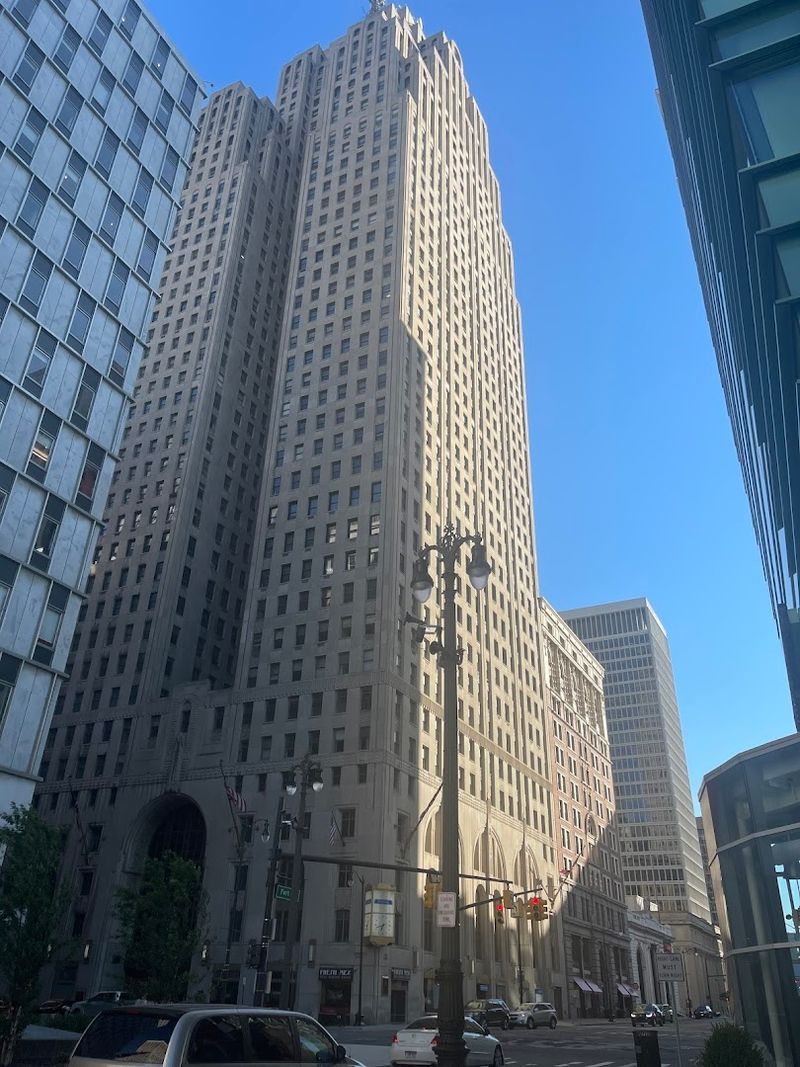
Ask any longtime Detroiter about the Penobscot Building and watch their face light up. Completed in 1928 and rising 47 stories, the Penobscot was the tallest building in Detroit for many years and remains one of the most recognizable shapes on the city’s skyline.
The stepped Art Deco silhouette is classic, but the glowing red orb at the crown is what truly sets it apart — a beacon that has guided residents home for generations.
The name comes from the Penobscot tribe of Maine, and the building’s lobby features Native American-inspired decorative motifs that reflect the design sensibilities of its era. The interior detailing is rich and layered, with brass fixtures, ornate elevator doors, and marble surfaces that speak to the extraordinary craftsmanship that went into the building’s construction during the height of Detroit’s industrial prosperity.
For much of the 20th century, the Penobscot was the address in Detroit for law firms, financial companies, and professional offices of all kinds. Its upper floors commanded some of the best views of the Detroit River and the Canadian shore, giving tenants a daily reminder of just how strategically positioned this city really is.
That sense of place is embedded in the building’s DNA.
Like many of Detroit’s grand old towers, the Penobscot has faced periods of reduced occupancy and uncertainty about its future. But its sheer scale and cultural significance have always kept it relevant in the conversation about the city’s identity.
The building is more than steel and stone — it is a reference point, a landmark that Detroiters use to orient themselves both physically and emotionally within their city’s ongoing story.
12. David Stott Building (Detroit)
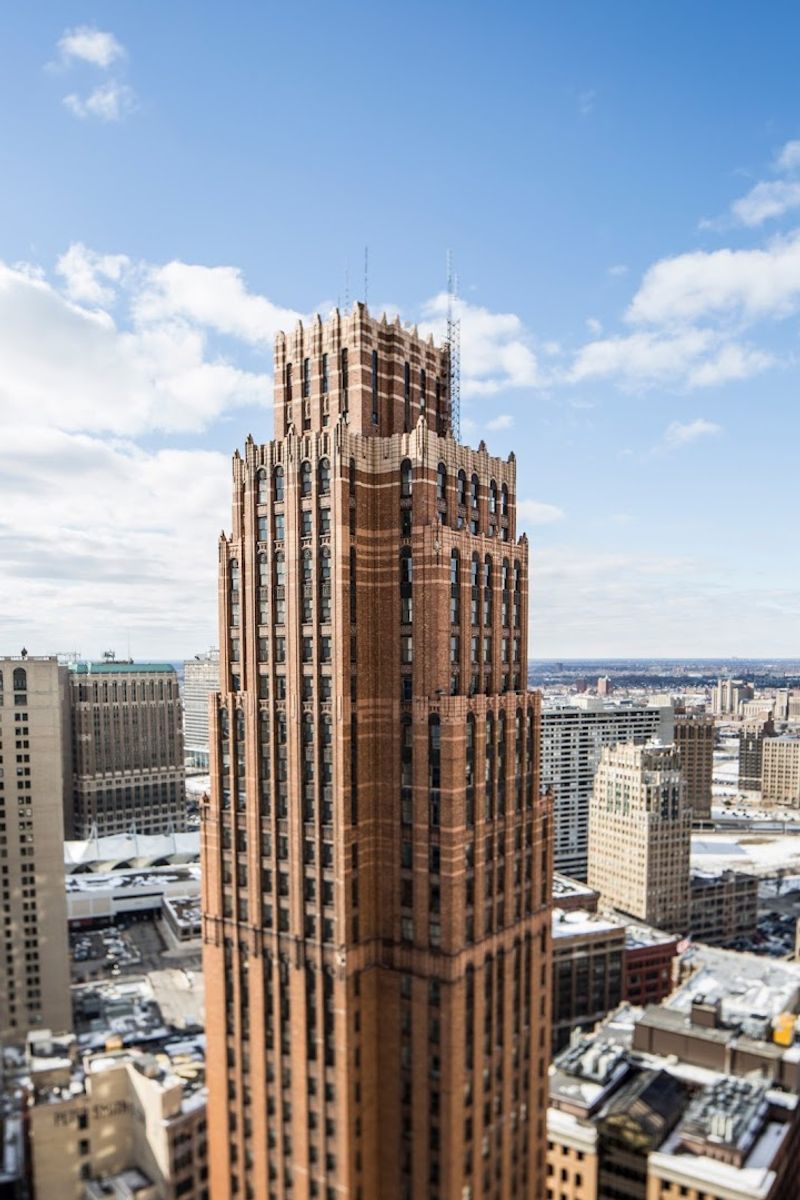
Slim, elegant, and effortlessly stylish, the David Stott Building might be the most underappreciated gem in Detroit’s architectural collection. Completed in 1929 at 38 stories, it was the last major skyscraper built in Detroit before the Great Depression brought construction to a grinding halt.
That timing gives it a poignant quality — a final flourish of 1920s ambition before everything changed.
The design by architect Donaldson and Meier features strong vertical stone fins that draw the eye upward with real intention. The building tapers as it rises, giving it a dynamic quality that makes it look almost aerodynamic from certain angles.
Standing at its base and looking up creates a genuine sense of vertigo — it is that precisely and confidently designed.
For years the David Stott Building sat largely empty, accumulating the kind of atmospheric decay that made it a magnet for photographers and preservationists who recognized what was being lost. The building’s slender floorplate and aging systems made redevelopment challenging, but its extraordinary exterior kept it firmly on the list of structures worth saving at almost any cost.
A residential conversion project has worked to bring the building back into active use, joining a growing list of Detroit towers that have found new purpose through thoughtful renovation. The David Stott’s return to relevance feels personal in a way that larger, more famous buildings do not quite match.
It is the kind of place where you sense the weight of everything that happened before — the deals made, the careers built, the city that once hummed with unstoppable energy. Small in footprint but enormous in character, the David Stott Building deserves far more attention than it typically gets.
Share this story