Tucked away in Lawrence County, Ethridge stands as one of Tennessee’s best-kept secrets, home to a thriving Amish community that’s been preserving traditional ways of life for generations. With a population hovering around 537, this tiny town offers something increasingly rare in our fast-paced world: authentic homemade food crafted the old-fashioned way, without shortcuts or mass production.
From fresh-baked goods that’ll make your kitchen seem inadequate to cheese so good you’ll want to buy it by the wheel, Ethridge serves up flavors that stick with you long after you’ve headed home.
Amish Country Galleries and Their Famous Bakery

Walking into Amish Country Galleries feels like stepping back in time, but in the best possible way. The smell hits you first—warm cinnamon, fresh-baked bread, and something sweet that makes your stomach growl even if you just ate.
This place has become legendary among locals and visitors alike for bakery goods that put grocery store versions to shame.
The cinnamon rolls here deserve their own fan club. We’re talking massive spirals of dough, generously coated with real butter and cinnamon, topped with icing that’s applied while they’re still warm.
They’re the kind of treat that makes you understand why people drive hours just to stock up. The pies change with the seasons, featuring whatever fruit is freshest, and the crusts are flaky enough to make professional bakers jealous.
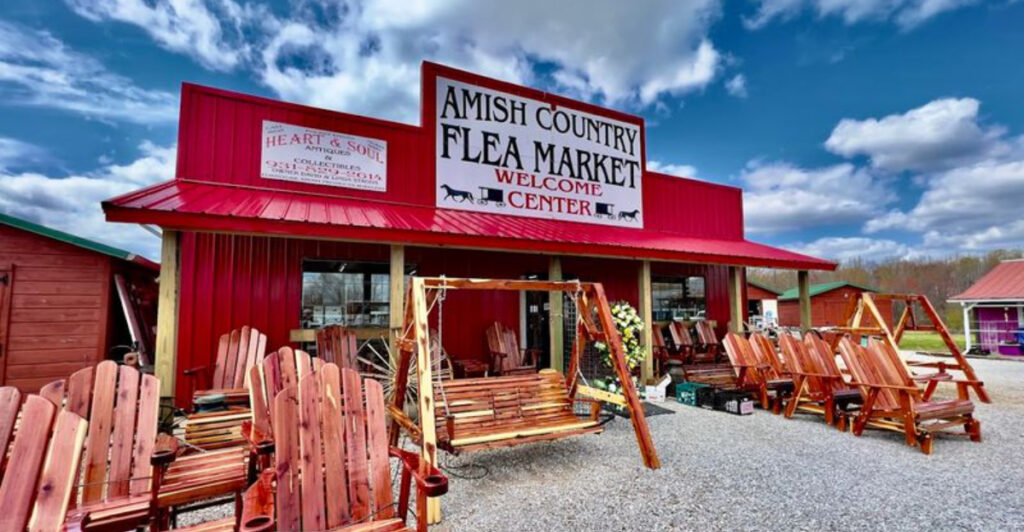
Beyond the bakery counter, you’ll find handcrafted furniture that’s built to outlast anything you’d find at a big-box store. Rocking chairs, dining tables, and bedroom sets all showcase the kind of craftsmanship that’s becoming harder to find.
Each piece tells a story of patient work and attention to detail.
The store also stocks locally made jams, jellies, and preserves in flavors you won’t find anywhere else. Blackberry, strawberry-rhubarb, and peach varieties line the shelves, each jar hand-labeled and filled with fruit that actually tastes like fruit.
Grab a few jars along with some fresh bread, and you’ve got breakfast sorted for a week.
What makes this spot special isn’t just the quality—it’s the people. The Amish families running the place are genuinely friendly, happy to chat about their products and offer recommendations.
They’re not rushing you out the door or pushing sales. It’s old-school customer service that feels refreshing in today’s world.
Plan to spend some time browsing because there’s more to discover than you’d expect from the outside. Quilts, wooden toys, candles, and seasonal decorations fill the space, all made by hand.
Everything here carries that unmistakable mark of being crafted with care rather than churned out on an assembly line.
Cheese Houses Selling Farmstead Varieties
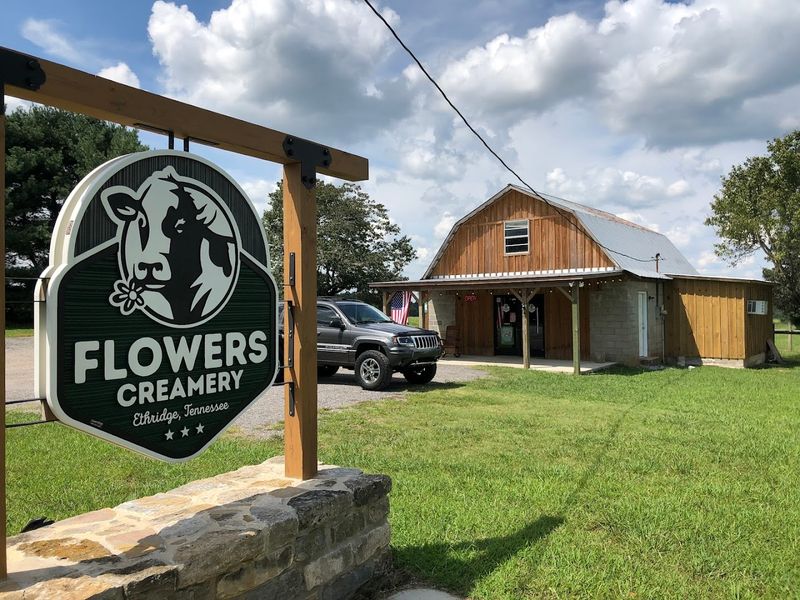
Forget everything you think you know about cheese shopping. The cheese houses scattered around Ethridge sell varieties you’ve probably never tasted, made right on Amish farms using milk from their own cows.
These aren’t fancy imported cheeses with unpronounceable names—they’re honest, flavorful farmstead cheeses that’ll ruin you for the pre-sliced stuff forever.
Walking into these small shops, you’ll typically find a simple setup: a refrigerated case, some shelves, and maybe a friendly face ready to let you sample before you buy. The selection usually includes sharp cheddar, mild cheddar, Colby, Monterey Jack, and often some specialty flavors like jalapeño or garlic.
Each cheese is made in small batches, ensuring quality control that big commercial operations can’t match.
The sharp cheddar deserves special mention because it actually lives up to its name. It’s got that tangy bite that makes your taste buds wake up, perfect for sandwiches, crackers, or just eating straight from the block when no one’s looking.
The texture is firm but not crumbly, and it melts beautifully if you’re making grilled cheese or mac and cheese.
Many visitors stock up like they’re preparing for winter, buying multiple blocks to freeze at home. The prices are reasonable enough that you can afford to experiment with different varieties.
Some cheese houses also sell fresh butter, which is creamier and more flavorful than anything you’ll find at the supermarket. Spread it on some of that fresh Amish bread, and you’ve got a simple snack that tastes extraordinary.
Don’t be shy about asking questions. The people running these cheese houses know their products inside and out and can guide you toward varieties that match your taste preferences.
They’ll tell you which cheeses age well, which ones are best for cooking, and which ones you should just enjoy fresh.
The experience of buying cheese this way—directly from the people who made it—adds something intangible to the flavor. You’re not just purchasing food; you’re supporting a way of life and a commitment to quality that’s increasingly rare in our modern food system.
Roadside Produce Stands Bursting with Fresh Vegetables
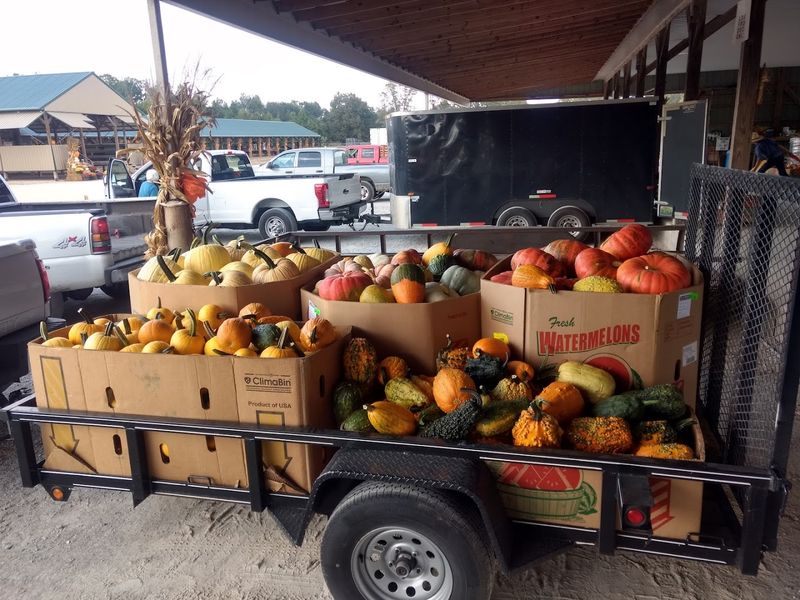
Driving through Ethridge during growing season, you’ll spot them everywhere: simple wooden stands positioned at the ends of driveways, loaded with vegetables so fresh they were probably picked that morning. These roadside operations run on the honor system more often than not, with a cash box for payment and nobody watching to make sure you’re honest.
It’s a throwback to simpler times that somehow still works.
The tomatoes alone make the trip worthwhile. We’re talking about varieties that actually taste like tomatoes—sweet, acidic, and bursting with juice when you bite into them.
They come in all sizes, from tiny cherry tomatoes perfect for snacking to massive beefsteaks that require two hands to hold. Compared to the pale, mealy things sold in most grocery stores, these are practically a different vegetable entirely.
Sweet corn is another highlight, especially in mid to late summer when it’s at its peak. The ears are picked fresh daily, meaning the sugars haven’t had time to convert to starch yet.
Boil or grill them within a day of purchase, and you’ll understand why people get so excited about farm-fresh corn. The kernels pop with sweetness, and the texture is tender without being mushy.
You’ll also find green beans, cucumbers, squash, peppers, and whatever else happens to be in season. The selection changes throughout the summer and fall, so each visit offers something different.
Prices are marked on handwritten signs, and they’re typically lower than what you’d pay at farmers markets or grocery stores.
Many stands also sell fresh eggs, with shells in various shades of brown, white, and sometimes blue or green depending on the chicken breeds. The yolks are deep orange-yellow, a sign of chickens that actually spend time outside eating bugs and grass.
They taste richer and cook up fluffier than conventional eggs.
Shopping this way takes a little more effort than one-stop grocery shopping, but that’s part of the charm. You might visit three or four different stands to get everything on your list, chatting with different families and seeing different farms along the way.
It turns grocery shopping into an actual experience rather than a chore to rush through.
Homemade Noodles That Put Pasta Aisles to Shame
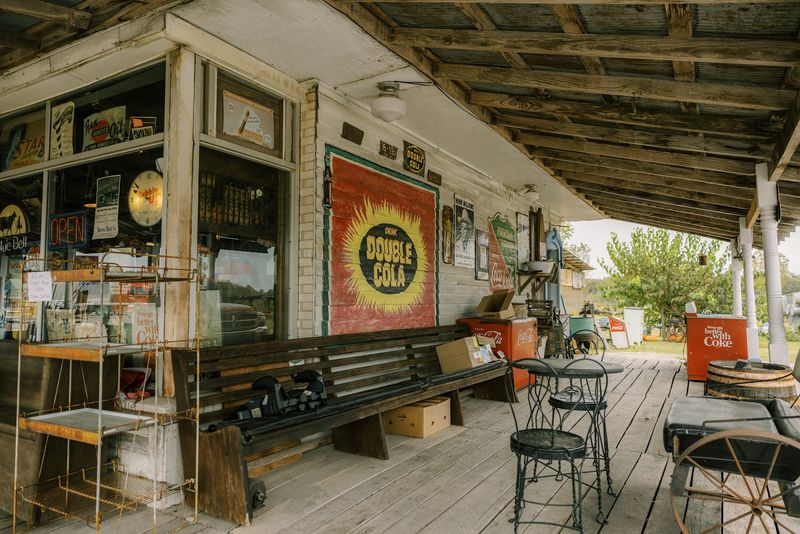
Once you’ve tasted authentic Amish-made noodles, the boxed pasta in your pantry will seem like a sad joke. These aren’t extruded through industrial machines and dried in massive facilities—they’re rolled out by hand, cut to size, and dried the traditional way.
The difference in texture and flavor is impossible to miss, even if you’re not usually the kind of person who obsesses over pasta.
Most Amish families in Ethridge make their noodles using simple ingredients: flour, eggs, salt, and sometimes a little water. The dough gets rolled thin, then cut into strips that range from thin and delicate to wide and hearty.
Some are sold fresh, while others are dried for longer storage. Either way, they cook up tender with a satisfying chew that dried commercial pasta rarely achieves.
Egg noodles are particularly popular here, with a rich yellow color that comes from farm-fresh eggs rather than artificial coloring. They’re perfect for chicken noodle soup, beef stroganoff, or just tossed with butter and herbs as a simple side dish.
The noodles absorb flavors beautifully while maintaining their structure, so they don’t turn to mush if they sit in broth for a while.
You can find these noodles at various shops and stands throughout Ethridge, usually packaged in clear bags that let you see exactly what you’re getting. Prices are reasonable, especially considering the quality and the labor involved in making them.
Many visitors buy several bags to take home, storing them in the freezer to extend their shelf life.
Some Amish cooks also make specialty shapes beyond basic noodles—think dumplings for chicken and dumplings, or thick squares for casseroles. Each family has their own recipes and techniques passed down through generations, so you might notice slight variations in thickness, texture, or flavor depending on where you buy.
Cooking with these noodles elevates even the simplest dishes. A basic chicken soup becomes something memorable when you use homemade noodles that actually have flavor and texture.
It’s one of those small upgrades that makes a noticeable difference in the final result, reminding you that quality ingredients matter more than fancy techniques or expensive equipment.
Bulk Foods Stores Offering Pantry Staples at Great Prices
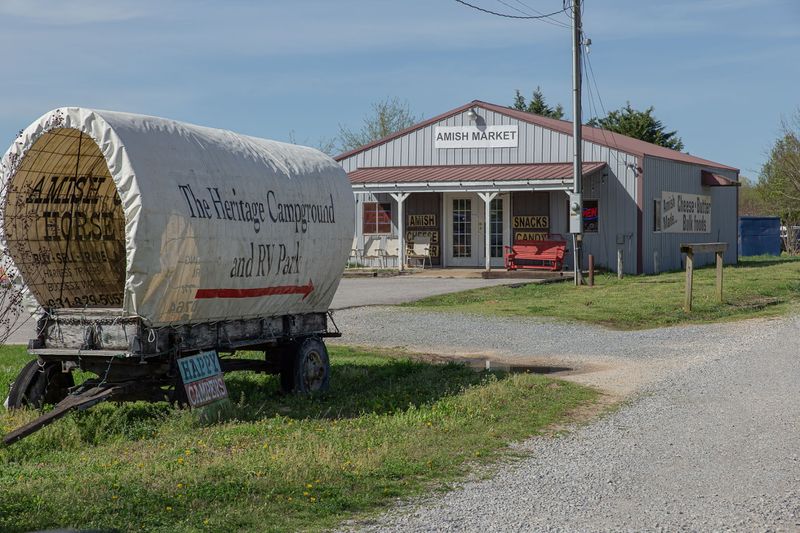
The bulk foods stores in Ethridge operate on a brilliantly simple concept: buy exactly what you need, skip the fancy packaging, and save money in the process. These no-frills shops stock everything from baking supplies to snacks to spices, all available in quantities ranging from a few ounces to multiple pounds.
It’s practical shopping that makes sense both financially and environmentally.
Walking into one of these stores, you’ll see rows of bins, barrels, and containers filled with goods you’d normally buy in small, overpriced packages. Flour, sugar, oats, rice, dried beans, pasta, nuts, dried fruit, chocolate chips, coconut, and countless other staples are all available.
Bring your own containers or use the bags provided, scoop what you need, weigh it, and pay based on the actual amount you’re taking home.
The prices often beat conventional grocery stores by a significant margin, especially for baking supplies and ingredients you use regularly. A five-pound bag of chocolate chips costs a fraction of what you’d pay for those tiny bags at the supermarket.
Same goes for nuts, which are notoriously expensive when bought pre-packaged. Here, you can buy just a quarter pound if that’s all you need, or stock up with five pounds if you’re a serious baker.
Beyond basic staples, these stores carry interesting specialty items you won’t find everywhere. Unusual flours like spelt or rye, exotic spices, specialty sugars, and hard-to-find baking ingredients fill the shelves.
Some stores also stock candies sold by the pound, including nostalgic varieties that remind you of childhood trips to old-fashioned candy shops.
The shopping experience is refreshingly straightforward. No flashy displays, no marketing gimmicks, no artificial scarcity tactics.
Just good products at fair prices, sold by people who aren’t trying to upsell you on things you don’t need. The staff can answer questions about products and often offer cooking tips or recipe suggestions.
Many regular visitors develop a routine of stopping by these bulk stores whenever they’re in the area, stocking up on pantry essentials and treating themselves to specialty items they can’t get back home. It’s the kind of shopping that actually feels productive rather than draining, and you leave feeling like you got real value for your money.
Hand-Quilted Treasures and Traditional Crafts
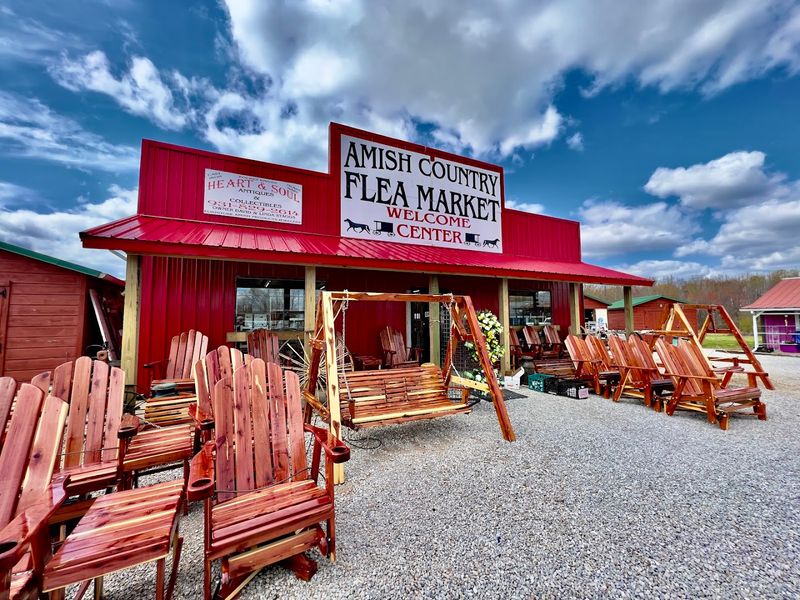
The quilts made in Ethridge’s Amish community represent hundreds of hours of painstaking handwork, with stitches so small and even they look almost machine-made. But they’re not—each one is crafted by hand using techniques passed down through generations.
These aren’t just blankets; they’re functional art pieces that’ll outlast most furniture in your home and probably become family heirlooms.
Traditional Amish quilt patterns dominate the selection: Log Cabin, Nine Patch, Trip Around the World, and Lone Star designs appear frequently. The color combinations tend toward rich, saturated tones—deep purples, forest greens, burgundies, and navy blues—though you’ll also find softer pastels and modern interpretations.
Each quilt tells a story through its pattern and color choices, reflecting the personality and creativity of its maker.
The quality difference between these quilts and mass-produced versions is staggering. The stitching density, the precision of the piecing, the careful selection of fabrics—everything reflects a commitment to excellence that mass production can’t replicate.
These quilts are designed to be used, not just displayed, and they’ll hold up to washing and daily use far better than their factory-made counterparts.
Prices vary widely depending on size, complexity, and materials, but they’re generally fair considering the labor involved. A large bed-sized quilt might represent several months of work, so the cost reflects that reality.
Smaller pieces like wall hangings or baby quilts offer more affordable entry points if you’re not ready to invest in a full-size quilt.
Beyond quilts, the craft shops in Ethridge sell other handmade items: wooden toys that’ll survive multiple generations of play, rag dolls with hand-stitched features, pot holders, table runners, and seasonal decorations. Everything shares that same quality of being made with care rather than speed, built to last rather than designed for obsolescence.
Shopping for these crafts connects you directly with the makers in a way that’s increasingly rare. You’re not buying from a faceless corporation; you’re supporting individual craftspeople who take pride in their work.
That personal connection adds meaning to the purchase that you just can’t get clicking “add to cart” on a website.
Restaurant-Style Meals Served Family-Style in Local Homes
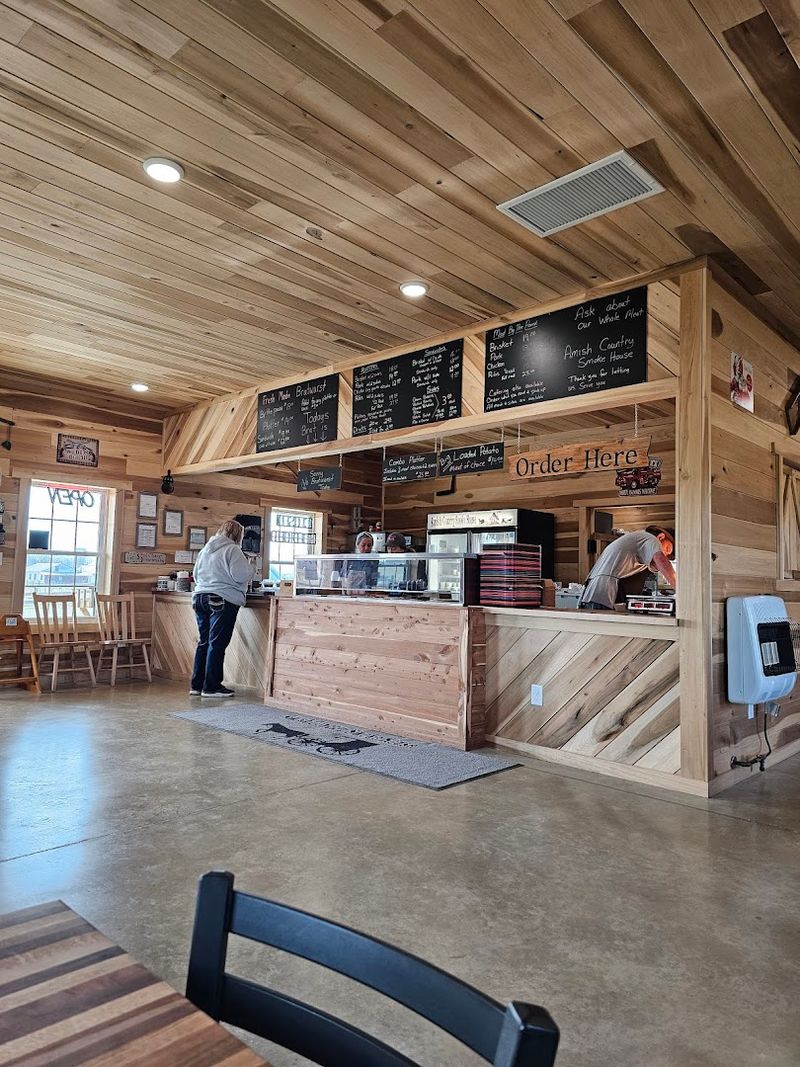
Some Amish families in Ethridge open their homes to visitors for meals served the traditional way: family-style, with heaping platters and bowls passed around the table until everyone’s had their fill. This isn’t a restaurant experience with menus and waitstaff—it’s closer to being invited to Sunday dinner at your grandmother’s house, if your grandmother happened to be an exceptional cook with a farmhouse full of fresh ingredients.
The meal format is usually all-you-can-eat, with dishes arriving at the table in waves. Fried chicken that’s crispy outside and juicy inside, creamy mashed potatoes, rich gravy, fresh green beans cooked with bacon, homemade bread still warm from the oven, and various salads and sides fill the table.
Everything’s made from scratch that day, using recipes that have been refined over decades of cooking for large families.
The portions are generous to the point of being overwhelming, especially if you’re used to restaurant serving sizes designed to maximize profit. Here, the goal is making sure everyone leaves satisfied, and the cooks take visible pride in seeing guests go back for seconds and thirds.
Don’t show up hungry unless you’re prepared to eat way more than you planned.
Desserts appear after the main meal, and they’re not afterthoughts. Homemade pies, cakes, and cookies showcase whatever’s in season—strawberry pie in early summer, peach cobbler later on, pumpkin pie in fall.
The crusts are flaky, the fillings are made with real fruit and real sugar, and portions are sized for people who actually work physical jobs and burn serious calories.
The dining experience happens in the family’s actual home, often around large tables set up to accommodate groups. The atmosphere is casual and welcoming, with conversation flowing naturally as you eat.
You’ll likely share the table with other visitors, which can lead to interesting conversations with fellow food lovers from different places.
These meals require advance reservations since the families need time to prepare and can only accommodate limited numbers at once. Prices are set by donation or a fixed reasonable fee, and the value is extraordinary considering the quantity and quality of food you’re getting.
It’s the kind of meal that’ll keep you full for hours and give you stories to tell for years.
Share this story