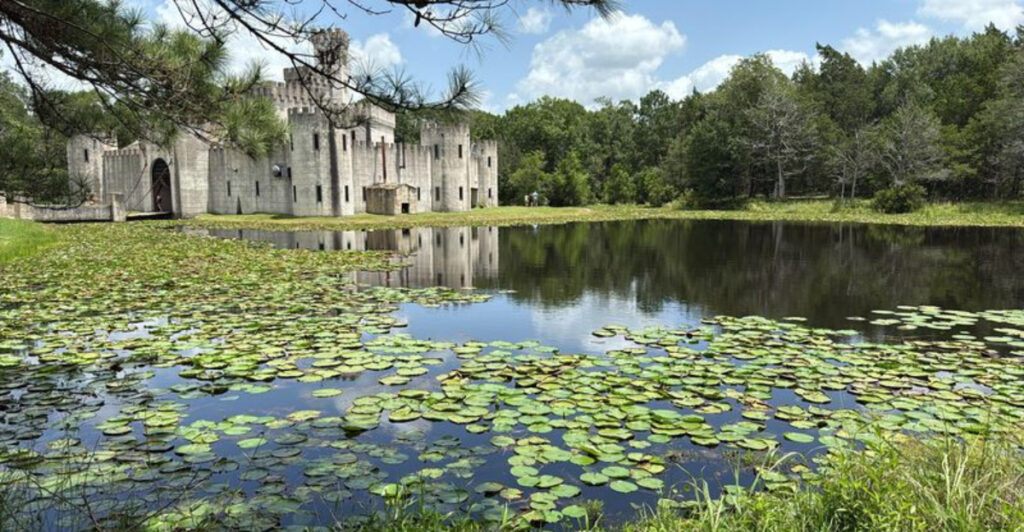
Texas might be famous for cowboys and wide-open spaces, but hidden across the Lone Star State are actual castles that look like they belong in a European storybook. From grand Victorian mansions to medieval-inspired fortresses, these architectural treasures tell stories of ambitious dreamers, wealthy families, and creative minds who wanted to bring a touch of royalty to the rugged Texas landscape. Pack your bags and prepare for a magical journey through six stunning castles that prove everything really is bigger and more surprising in Texas.
1. Newman’s Castle (Bellville)
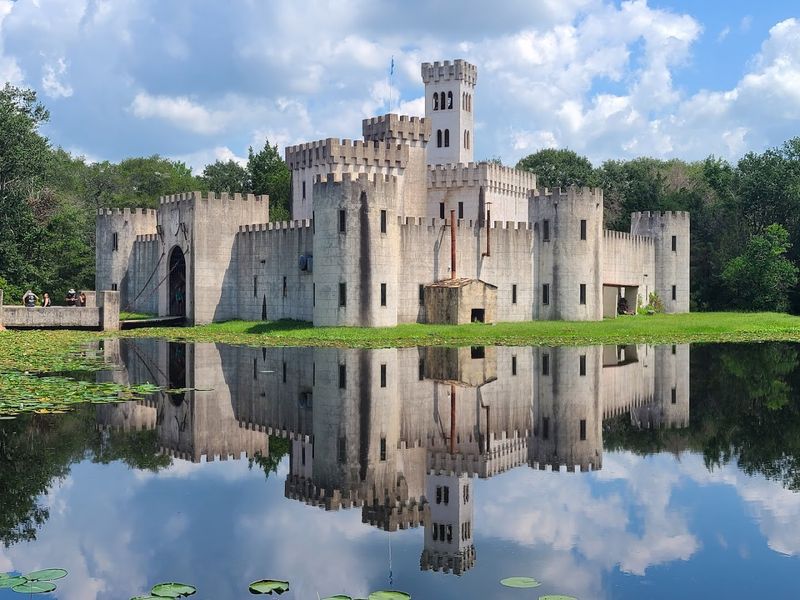
Built by a baker with big dreams, this quirky castle sits in the rolling countryside near Bellville like something plucked straight from a German fairy tale. Mike Newman started construction in the 1990s using recycled materials and his own two hands, creating a towering stone fortress complete with turrets, stained glass windows, and even a working drawbridge. The castle combines medieval European design with Texas-sized ambition, resulting in a truly one-of-a-kind roadside attraction.
What makes Newman’s Castle special is that it wasn’t commissioned by royalty or wealthy oil barons. Instead, it represents one man’s dedication to turning his childhood fantasies into reality, brick by brick. The structure rises several stories high, with spiral staircases, arched doorways, and stone walls that took years to perfect.
Every detail reflects Newman’s personal vision and hands-on craftsmanship.
Visitors can admire the castle from the road, where its impressive silhouette dominates the landscape. The property includes multiple towers, each with its own character and architectural flourishes. Stained glass windows catch the Texas sunlight, casting colorful patterns across the stone interiors.
The castle serves as a reminder that you don’t need a royal bloodline to build your own kingdom. Newman’s dedication to his project inspired many locals and travelers who pass by. Though access varies, the exterior alone makes it worth the drive through Austin County’s scenic backroads.
Photography enthusiasts particularly love capturing the castle against dramatic Texas skies. The contrast between the medieval European architecture and the surrounding ranchland creates striking images. Whether you’re a history buff, architecture lover, or just someone who appreciates unusual roadside finds, Newman’s Castle delivers a dose of unexpected magic in the heart of Texas farm country.
2. The Bishop’s Palace (Galveston)
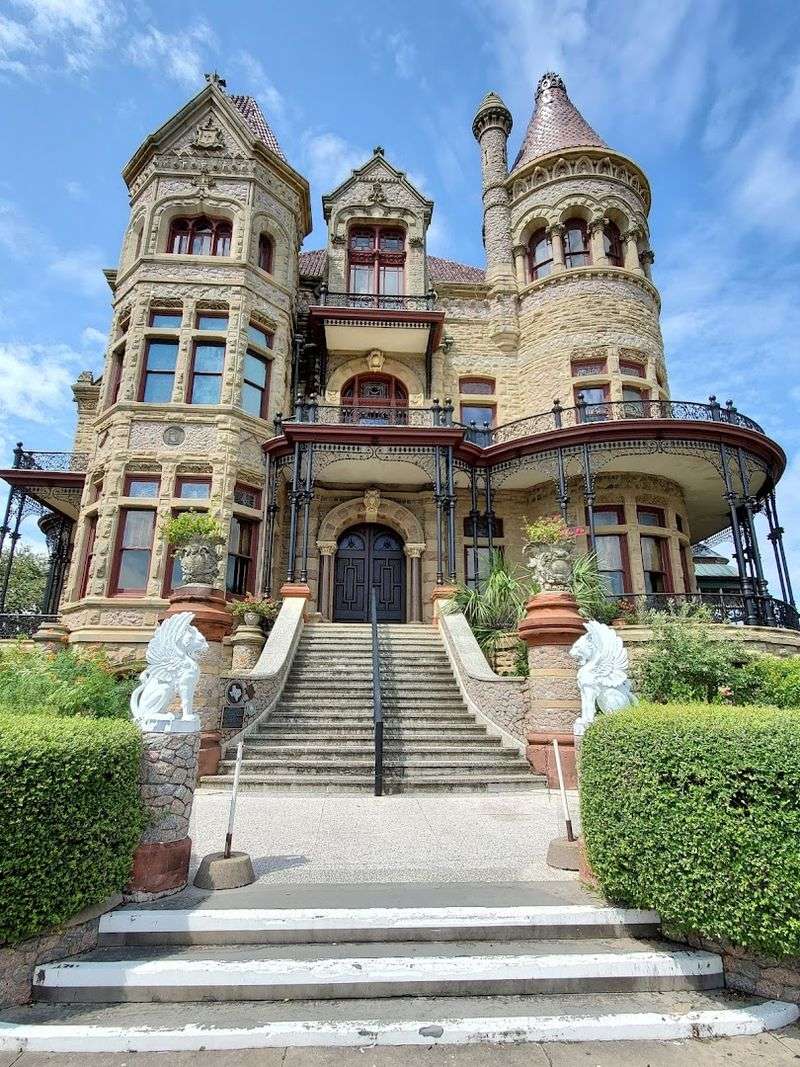
Galveston’s most famous landmark stands proudly on Broadway, a stunning testament to Victorian excess and architectural genius. Colonel Walter Gresham commissioned this magnificent home in 1887, and architect Nicholas Clayton created what many consider the finest example of residential architecture in Texas. The American Institute of Architects once named it among the 100 most significant buildings in the United States, and one look at its elaborate stone facade explains why.
The mansion earned its “Bishop’s Palace” nickname when the Galveston Diocese purchased it in 1923. Before that, it was known as Gresham’s Castle, serving as the family’s lavish residence. The building showcases different types of stone on each floor, intricate wood carvings, stained glass windows, and a grand staircase that seems to float without visible support.
Inside, visitors discover room after room of breathtaking craftsmanship. Fireplaces feature rare woods and metals from around the world. Ceilings soar overhead with detailed plasterwork and painted designs.
The attention to detail extends to doorknobs, light fixtures, and even the tiles beneath your feet.
The mansion survived the devastating 1900 Galveston Hurricane, one of the deadliest natural disasters in American history. Its sturdy construction and elevated position helped it weather the storm while much of the island was destroyed. This resilience adds another layer to its already impressive story.
Today, the Bishop’s Palace operates as a museum where you can tour the opulent rooms and learn about Galveston’s golden age. The self-guided audio tour brings the home’s history to life, sharing stories about the Gresham family and the craftsmanship involved in every detail. Standing in the grand entry hall, surrounded by such magnificence, you’ll understand why this castle remains Galveston’s crown jewel more than 130 years after its completion.
3. Chateau Bellevue (Austin)
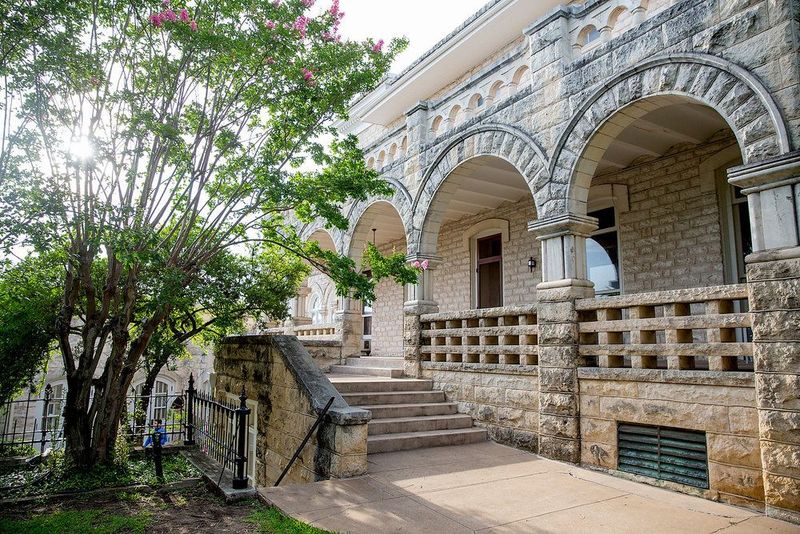
Perched on a hilltop overlooking Austin, this French-inspired chateau brings a slice of Loire Valley elegance to the Texas Hill Country. The mansion features limestone construction, steep rooflines, and architectural details that mirror the grand estates of France. When the sun sets over the surrounding hills, the chateau glows like something from a romantic painting, making it easy to forget you’re in the middle of Texas.
The property spans several acres of carefully landscaped grounds. Mature trees provide shade and privacy, while manicured gardens showcase native and imported plants. The elevated location offers sweeping views of the Austin skyline and surrounding countryside, a feature that influenced the chateau’s name—”Bellevue” means “beautiful view” in French.
Architectural elements include tall windows that flood the interior with natural light, decorative stonework around doorways and windows, and a symmetrical design that exemplifies classical French style. The attention to authentic details extends from the exterior facade to the interior spaces, where high ceilings and elegant proportions create a sense of grandeur without feeling stuffy or overdone.
Unlike some castles that remain private, Chateau Bellevue occasionally opens for special events and tours. The venue has become popular for weddings and celebrations, where guests can experience the romance of a French chateau without leaving Texas. The combination of European sophistication and Texas hospitality creates a unique atmosphere that delights visitors.
The chateau represents a growing trend in Texas architecture during the early 20th century, when wealthy residents looked to European design for inspiration. Rather than copying styles exactly, builders adapted them to suit the Texas climate and landscape. Chateau Bellevue succeeded brilliantly at this balance, creating a home that feels both authentically French and perfectly Texan.
For architecture enthusiasts and romantics alike, this hilltop castle offers a dreamy escape into European elegance without requiring a passport.
4. The Cottonland Castle (Waco)
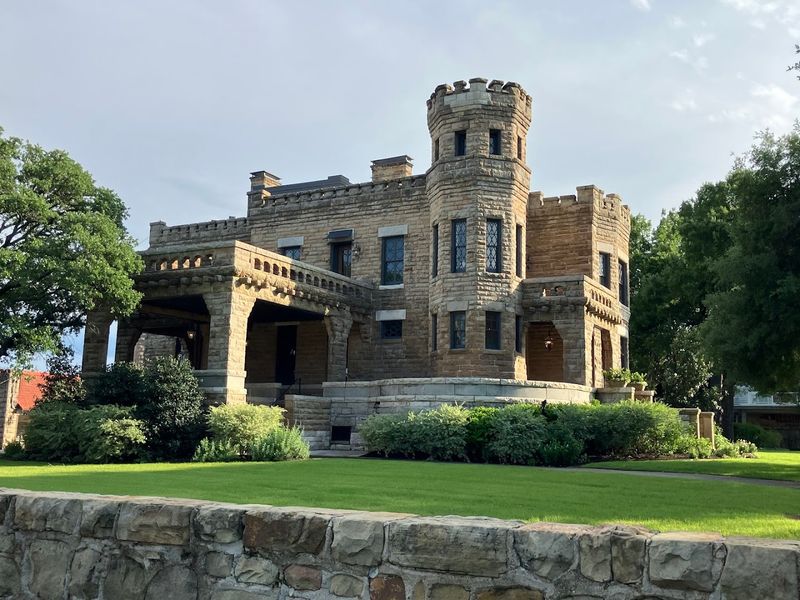
Standing tall in a historic Waco neighborhood, this Romanesque Revival mansion has watched over the city since 1890. Wealthy cotton merchant Ripley Hanrick commissioned the home during Waco’s cotton boom, when fortunes were made and ambitious builders competed to construct the most impressive residences. The Cottonland Castle emerged as the clear winner, combining medieval castle elements with Victorian-era luxury in a way that still turns heads today.
The exterior features rounded turrets, arched windows, and rough-cut limestone that gives the structure a fortress-like appearance. A distinctive tower rises from one corner, complete with a conical roof that could have been lifted from a European castle. The asymmetrical design creates visual interest from every angle, rewarding visitors who walk around the entire property.
Inside, the mansion showcases the craftsmanship and materials that wealthy Texans could afford during the late 19th century. Original woodwork, decorative fireplaces, and intricate details demonstrate the skill of the artisans who built it. High ceilings and large windows create bright, airy spaces despite the heavy stone construction.
The castle has survived more than 130 years of Texas weather, economic ups and downs, and changing neighborhood dynamics. During that time, it served various purposes beyond a private residence, including use as apartments and offices. Each era left its mark on the building, adding layers to its already rich history.
Recent restoration efforts have brought the Cottonland Castle back to its original glory. The current owners have carefully preserved historical elements while updating systems for modern use. The mansion now serves as a stunning event venue and occasional tour destination, allowing new generations to appreciate its architectural significance.
For anyone interested in Texas history or Victorian architecture, the Cottonland Castle represents a perfect example of how cotton wealth transformed Texas cities. The building stands as a monument to Waco’s prosperous past and the ambitious individuals who shaped the city’s character during its formative years.
5. Trube Castle (Galveston)
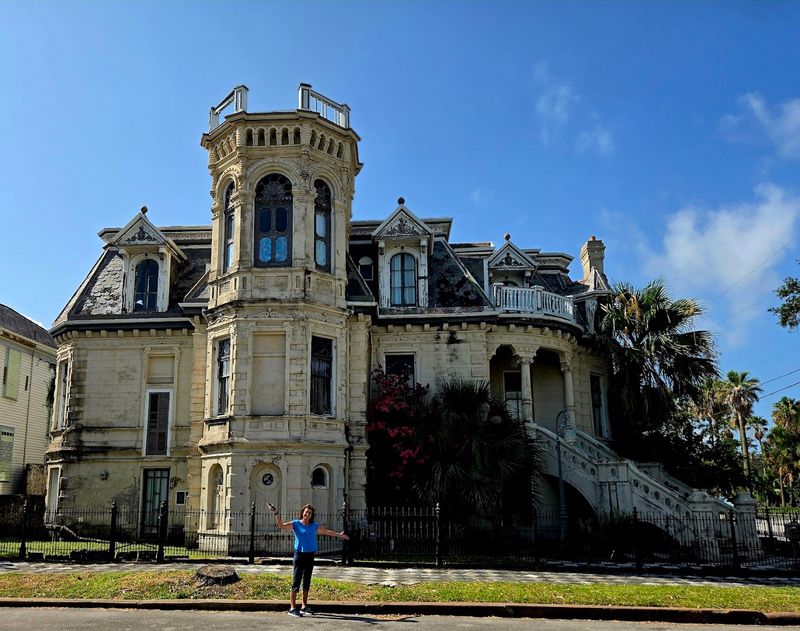
Just blocks from Galveston’s famous seawall, this Victorian mansion showcases the island’s golden age of prosperity and architectural ambition. John Clement Trube, a successful businessman, commissioned the home in 1890, creating a family residence that doubled as a statement of his success. The architect incorporated castle-like elements into the Victorian design, resulting in a unique hybrid that stands out even in Galveston’s historically rich East End neighborhood.
The mansion features a distinctive corner tower topped with a conical roof, ornate woodwork along the eaves, and a wraparound porch that provides outdoor living space on multiple sides. Large windows allow Gulf breezes to flow through the interior, a crucial design element before air conditioning. The elevated foundation lifted the home above potential flooding, a wise precaution on barrier island property.
Like the Bishop’s Palace, Trube Castle survived the catastrophic 1900 hurricane that reshaped Galveston forever. The storm’s destruction demonstrated which buildings were constructed well enough to withstand nature’s fury. The Trube family weathered the hurricane inside their sturdy home, and the mansion’s survival became part of its legend.
Interior spaces reflect the Victorian era’s love of decoration and detail. Elaborate woodwork frames doorways and windows, decorative moldings accent the ceilings, and original light fixtures showcase the craftsmanship of the period. The floor plan includes formal parlors for entertaining, private family spaces, and servant quarters that reveal the household’s operation.
Today, the mansion serves as a private residence, though its exterior remains a highlight for architecture tours and history walks through Galveston’s East End. The neighborhood surrounding Trube Castle features dozens of other historic homes, creating an outdoor museum of Victorian architecture. Together, these buildings tell the story of Galveston’s rise as a major port city and cultural center.
For visitors exploring Galveston’s architectural heritage, Trube Castle represents the island’s residential grandeur during its peak prosperity. The mansion’s survival through hurricanes, economic changes, and more than a century of Texas weather proves the quality of its construction and the enduring appeal of its design.
6. Republic Wine Castle (Johnson City)
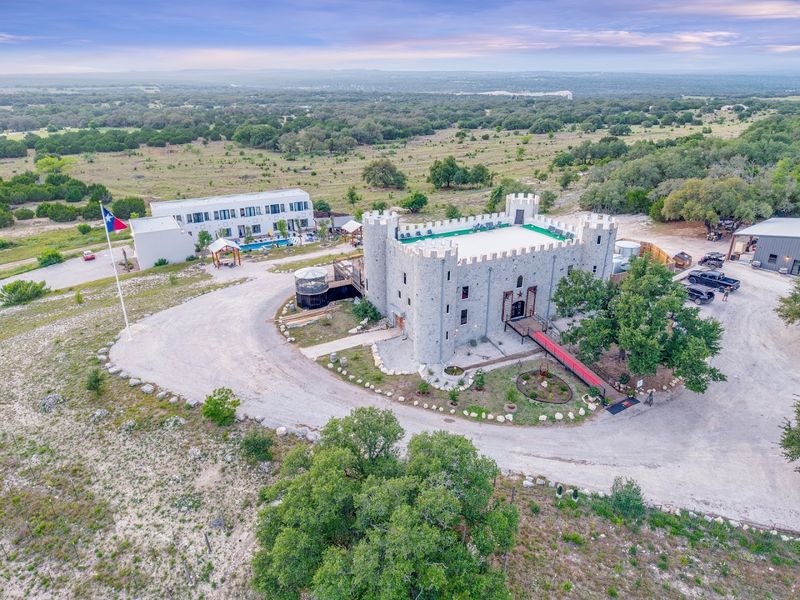
Wine and castles might seem like natural partners in France or Italy, but the Republic Wine Castle proves this combination works perfectly in the Texas Hill Country too. Located in Johnson City, this modern winery embraces castle architecture while serving world-class wines in a setting that feels transported from European wine country. The building’s stone construction, tower elements, and medieval-inspired details create an atmosphere that enhances the entire tasting experience.
Unlike the historic castles on this list, Republic Wine Castle was purpose-built as a winery and tasting room. This allowed designers to incorporate functional elements alongside aesthetic ones, creating spaces that work beautifully for wine production, storage, and hospitality. The result is a castle that serves a practical purpose while delivering the romance and grandeur visitors expect.
The tasting room occupies the heart of the castle, where stone walls and vaulted ceilings create perfect acoustics and ambiance. Large windows frame Hill Country views, connecting the interior space with the surrounding vineyard landscape. During tastings, visitors can sample wines while feeling like nobility in a European estate, even though they’re firmly planted in Texas soil.
The winery produces a range of varietals suited to the Hill Country’s unique climate and soil conditions. The castle setting elevates the entire experience, turning a simple wine tasting into a memorable adventure. Many visitors combine their Republic Wine Castle stop with tours of other nearby wineries, creating a Hill Country wine trail experience.
Events at the castle include wine releases, seasonal celebrations, and private gatherings. The venue’s dramatic architecture provides a stunning backdrop for weddings and corporate events. Outdoor spaces take advantage of the Hill Country’s natural beauty, while the castle’s interior offers climate-controlled comfort.
Republic Wine Castle demonstrates that castle architecture isn’t just about history and preservation. Modern builders can incorporate these timeless design elements into contemporary structures, creating spaces that honor the past while serving present-day purposes. For wine lovers and castle enthusiasts alike, this Johnson City gem offers the best of both worlds in one unforgettable destination.