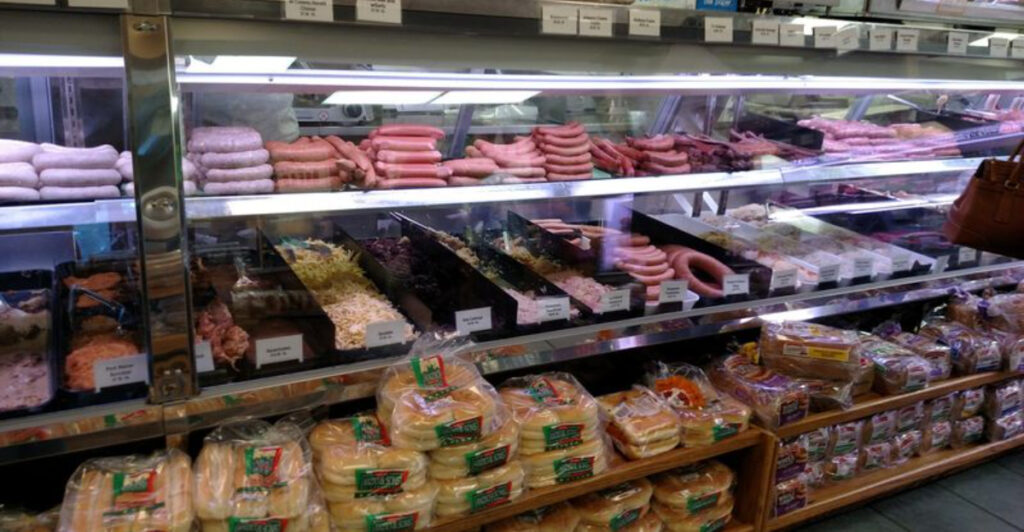
The first clue is the smell. Before you even get serious about your order at The German Butcher in Forked River, the place starts working on you with the kind of smoky, savory pull that makes a person suddenly remember they need bratwurst, bacon, rye bread, potato salad, and maybe a sandwich for the ride home.
Sitting at 109 Lacey Road in Ocean County, this family-run butcher shop and deli is not pretending to be European for decoration. It has the counters, the breads, the smoked meats, the house-made sausages, the imported goods, and the old-school take-a-number rhythm to prove it.
Part butcher shop, part deli, part lunch stop, part little market, it feels like one of those places locals know by instinct and newcomers discover with wide eyes. The charm is not polished.
It is practical, delicious, and measured by the pound.
Forked River German Butcher Feels Like A Little Slice Of Germany On Lacey Road
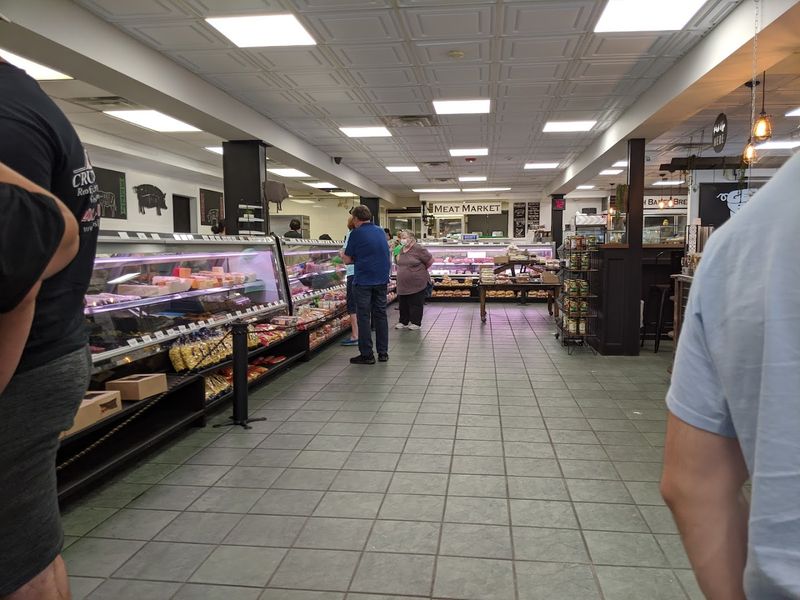
There are plenty of places in New Jersey where you can grab a sandwich quickly, but The German Butcher asks you to slow down just enough to do things the proper way. For full-service butcher and deli orders, the routine is simple and wonderfully old-fashioned: take a number, listen for it, and use the waiting time to look around.
That small bit of structure is part of the fun. Instead of staring at a screen or hovering awkwardly near a counter, you are surrounded by shelves, coolers, breads, salads, meats, and little discoveries that turn the wait into part of the visit.
The shop itself sits in Forked River, a Lacey Township community that does not usually get tossed around in conversations about New Jersey food destinations the way Hoboken, Montclair, or Asbury Park do. That works in its favor.
This is not a glossy city market with curated nostalgia and prices designed to make you whisper. It feels more like a working neighborhood butcher that happens to carry a serious Old World streak.
The address, 109 Lacey Road, places it in everyday Ocean County territory, close enough to Shore traffic and local errands that it can be a planned stop or an accidental jackpot. Inside, the setup makes clear that this is not just a deli counter with a German name attached.
The shop produces its own lunchmeats, sausages, and smoked meats, while also offering prepared meals, catering, an eatery section, and a bakery corner. That combination gives the place its market feel.
You might arrive thinking about lunch and leave with smoked pork chops, liverwurst, bread, potato salad, and a mental note to bring a cooler next time.
The Barsch Family Legacy Gives This Shop Its Old World Soul
Before this became a beloved Forked River stop, the story started more than a century ago in Oranienburg, Germany, where the Barsch family had a slaughterhouse and sausage-making business. That detail matters because The German Butcher does not feel like a theme built around a few imported jars and a decorative flag.
Its roots are tied to the trade itself. In 1955, Irmgard Marocke and her husband Alfred Barsch moved to Berlin and opened a butcher shop there, continuing the family craft in a larger city setting.
Irmgard’s place in the story is especially worth pausing over: she was the second woman in Germany to earn a Master Butcher License, a fact that gives the family legacy a little extra backbone. This was not hobby cooking.
This was formal skill, hard training, and a profession passed down through hands that knew exactly what they were doing. The family came to the United States in 1969 and settled in Forked River, bringing not just recipes but a working knowledge of butchery, sausage making, and smokehouse technique.
That is why the shop’s personality feels so specific. It is not trying to mimic a German market from memory; it is carrying forward methods that existed long before the New Jersey storefront became a local landmark.
Over the generations, family members continued learning the trade and making homemade products such as frankfurters, lunchmeats, kielbasa, bologna, sausages, and bratwursts. You can sense that continuity in the way the place balances tradition with everyday usefulness.
It is old-world, yes, but not frozen in amber. It still functions as a modern butcher, deli, lunch counter, bakery, prepared-food stop, and grocery run for people who want dinner to taste like someone actually knew what they were doing before it reached the table.
House Made Wursts And Smoked Meats Are The Heart Of The Experience
The serious business begins with the wursts, because this is where The German Butcher really earns its name. The shop makes many of its own wursts, cold cuts, hams, and specialties, and its two smokehouses are described as being in constant production.
That is the kind of detail you can almost smell through the page. This is not a case of a shop simply stocking sausages from somewhere else and calling it tradition.
The smokehouses are part of the operation, turning out homemade smoked hams, frankfurters, bacon, and other meats that give the place its unmistakable identity. The selection has enough range to make a first-timer pause at the counter.
Cheddar brats are listed as a customer favorite, while weisswurst, Neurnberg brats, frankfurters with or without casing, jalapeño hot dogs, cabanossi, smoked kielbasa, kielbasa franks, jerky sticks, Landjager, and even sweet and hot Italian sausages round out the lineup.
That variety gives the shop broad appeal without losing its German center.
You can come in looking for something very traditional, something smoky for the grill, something easy for a weeknight dinner, or something snackable enough to disappear before it reaches the refrigerator. The smoked pork options are just as tempting.
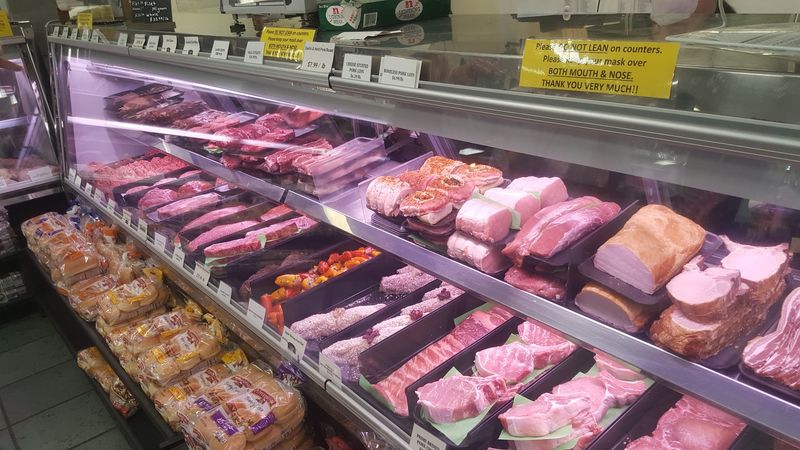
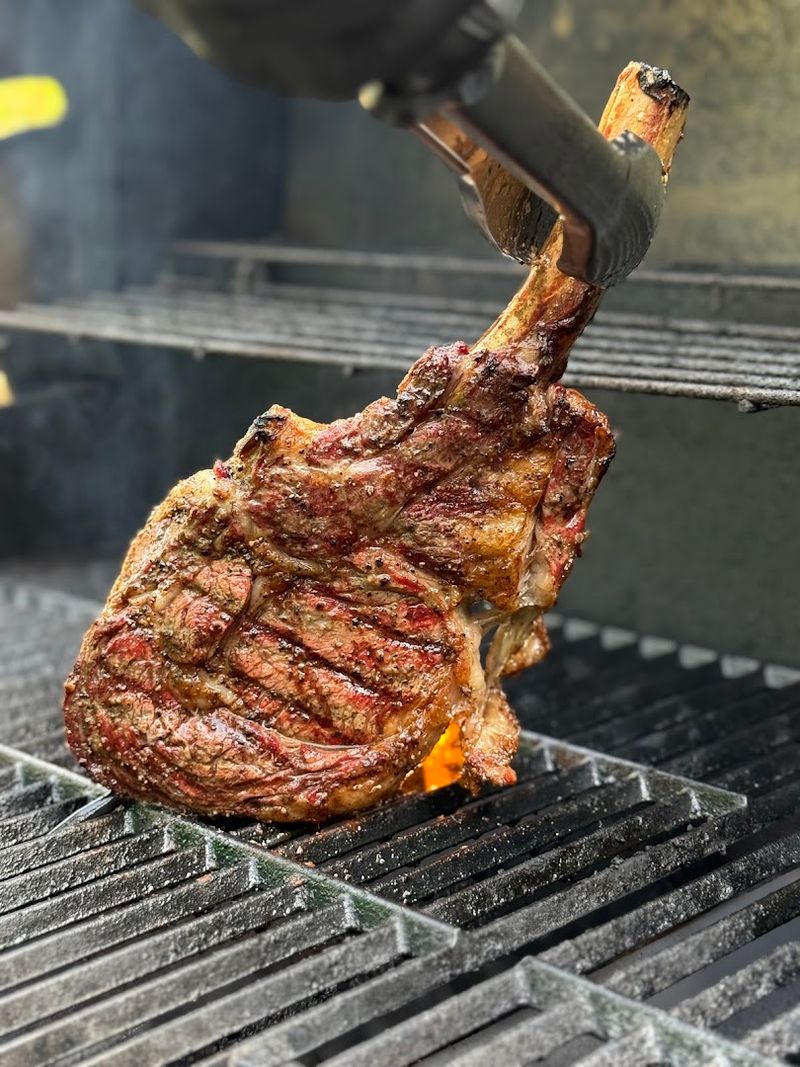
The shop lists homemade bacon, smoked pork chops, smoked pork loin, smoked butt, and homemade smoked hams among its pork offerings, which means the smokehouse influence reaches well beyond the sausage case. The beauty of a place like this is that it makes dinner planning feel both simple and dangerous.
Simple because the products do most of the work. Dangerous because you may walk in for bratwurst and suddenly start justifying a freezer full of smoked meat like it is a practical household decision.
The Deli Counter Turns A Simple Lunch Into A German Market Moment
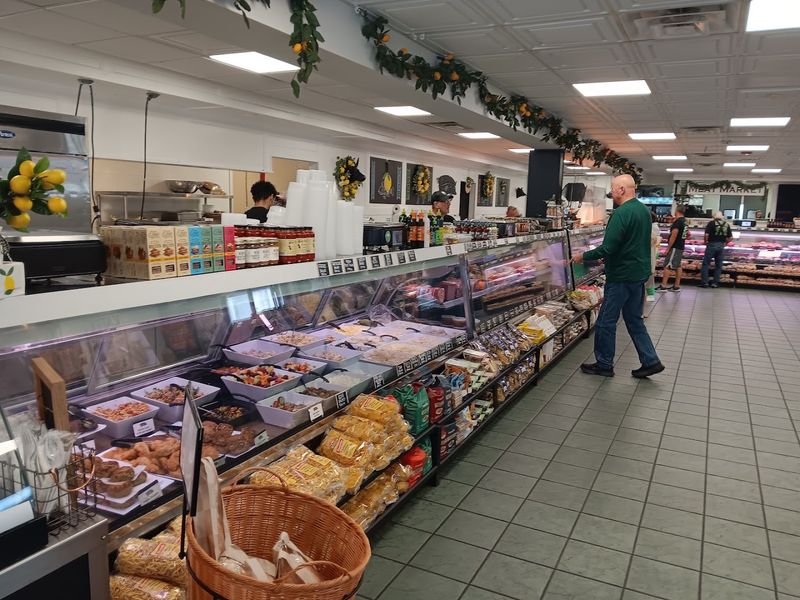
Lunch here has its own little system, and it says a lot about how busy and layered the shop can get. If you are ordering breakfast or lunch, you do not need to take a deli number unless you are also shopping the full-service counter.
Instead, the shop directs customers to use the self-serve kiosk, print the ticket, bring it to the register, and pick up the order there. That setup keeps the lunch crowd moving while the butcher and deli customers work through their own orders.
It is practical, but it also adds to the feeling that you have stepped into a real food operation rather than a simple sandwich shop. The menu includes hot and cold sandwiches made from scratch, and the possibilities feel stronger because of what is already being made in-house.
When a deli produces its own lunchmeats, sausages, smoked meats, and salads, even a quick lunch has a little more personality behind it.
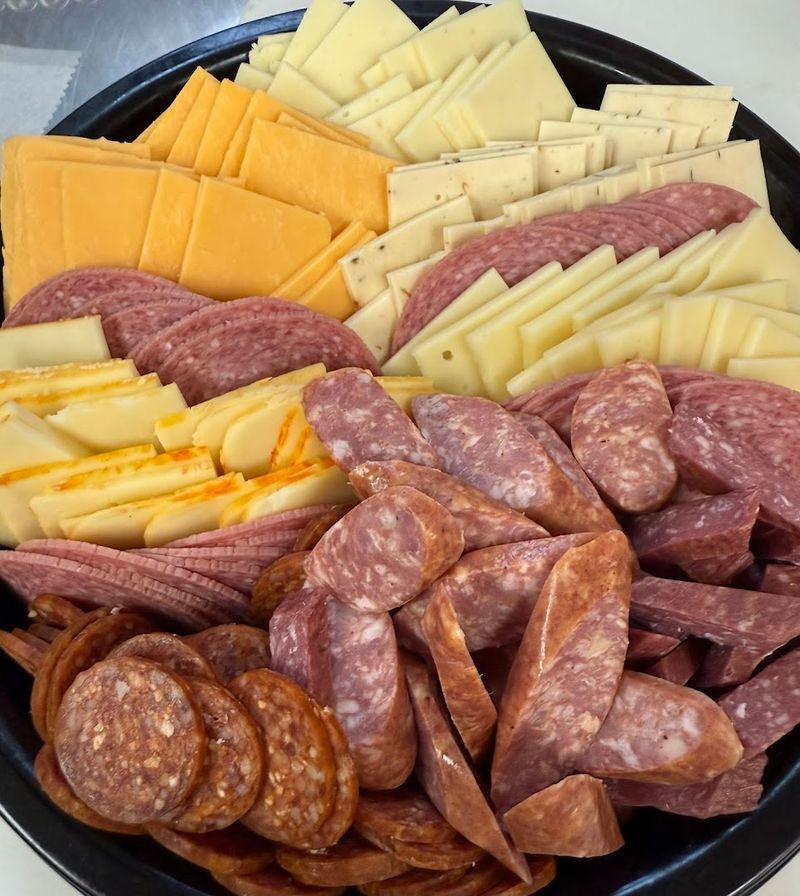
The lunchmeat list alone gives you a sense of the counter’s range: German bologna, three types of liverwurst, roast beef, corned beef, pastrami, London broil, low-salt boiled ham, Virginia ham, Black Forest ham, sweet and sour headcheese, and blood and tongue.
For anyone who grew up with old-school deli meats, the names feel familiar in the best way. For anyone who did not, this is the kind of place where curiosity can be rewarded.
The prepared foods widen the appeal even further.
Chicken pot pie, mashed potatoes, mac and cheese, sausage with peppers and onions, stuffed cabbage, meatloaf, meatballs, chicken parmesan, eggplant parmesan, pulled pork, roasted vegetables, and other heat-and-eat meals make it clear that the shop is feeding households, not just filling sandwich orders.
It is lunch, dinner backup, party planning, and grocery shopping all happening under one roof.
Imported Groceries And Fresh Bread Make Browsing Half The Fun
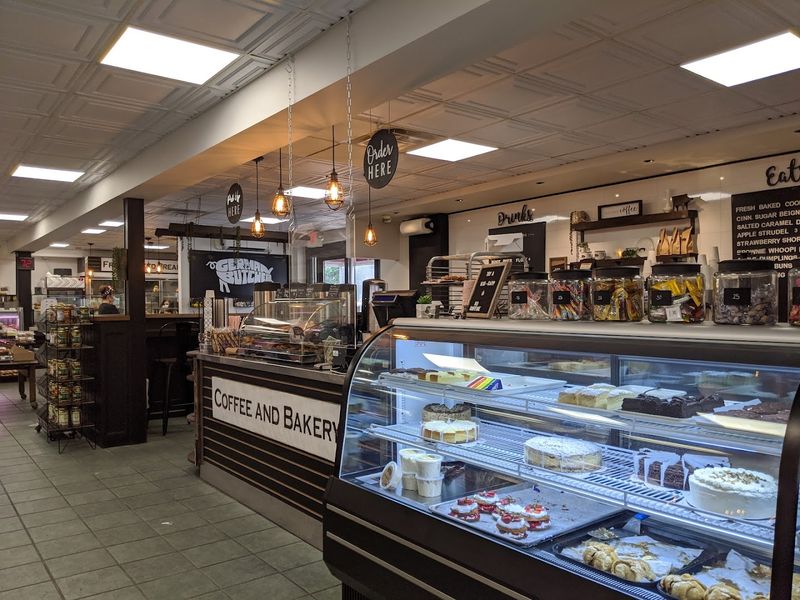
A good market gives you something to do while you wait, and The German Butcher understands that perfectly. The shop’s own instructions tell full-service customers to take a number, listen for it, and explore the store while waiting.
That is not just crowd control; it is practically an invitation to browse. Fresh bread is part of the experience from the start, with customers being met by the fresh bread counter before moving through the rest of the store.
That small detail gives the visit a rhythm that feels different from a typical supermarket deli run. You are not just pointing at sliced meat under fluorescent lights.
You are moving through a shop where bread, sausages, salads, imported goods, prepared meals, bakery items, and butcher cases all overlap. The imported goods are what help push the place from butcher shop into hidden European market territory.
They give customers a reason to wander beyond the meat counter, picking up pantry items and treats that make the visit feel less like an errand and more like a small food hunt. The salads add another layer of old-school deli comfort.
The shop lists four different types of potato salad along with coleslaw, macaroni salad, chickpea salad, chicken salad, tuna salad, pasta salad, and green salads such as Caesar, classic wedge, spring mix and veggie salad, and goat cheese with candied pecans.
That range makes it easy to build a whole meal without doing much more than pointing and nodding.
Grab brats for the grill, a loaf of bread, smoked pork chops for later, potato salad for the table, and something imported that you did not know you needed until it was sitting in front of you. That is the danger of browsing here.
The store is compact enough to feel manageable, but full enough to make one quick stop turn into a bag-heavy exit.
Why This Ocean County Butcher Shop Keeps Locals Coming Back
Staying power in New Jersey food usually comes down to more than one good product. A place can have a famous sandwich or a beloved counter item and still fade if it does not become part of people’s routines.
The German Butcher has the routines built in. It is open Tuesday through Friday from 9 a.m. to 6 p.m. and Saturday from 9 a.m. to 5 p.m., closing Sunday and Monday, which gives the week a familiar rhythm for regulars planning lunch, weekend grilling, holiday meals, or a freezer restock.
The hours also reinforce the feeling that this is a working butcher shop first, not a late-night restaurant or tourist stop.
People come because they trust the meats, because the smokehouses are active, because the breads and salads make dinner easier, and because the family history gives the place a personality that cannot be manufactured quickly.
It also helps that the shop is useful in several different ways. One customer might stop in for frankfurters and smoked kielbasa.
Another might use it as a lunch counter. Someone else might order catering, grab homemade meals, or build a holiday spread around hams, roasts, and fresh-cut meats.
That flexibility is what keeps a specialty shop from becoming a once-a-year novelty. The German identity is the hook, but the everyday usefulness is the reason people return.
In a county full of beach traffic, chain plazas, seafood spots, and summer crowds, this Lacey Road butcher shop offers something more grounded: a family trade carried across generations, two smokehouses doing steady work, and counters filled with food that tastes like patience.