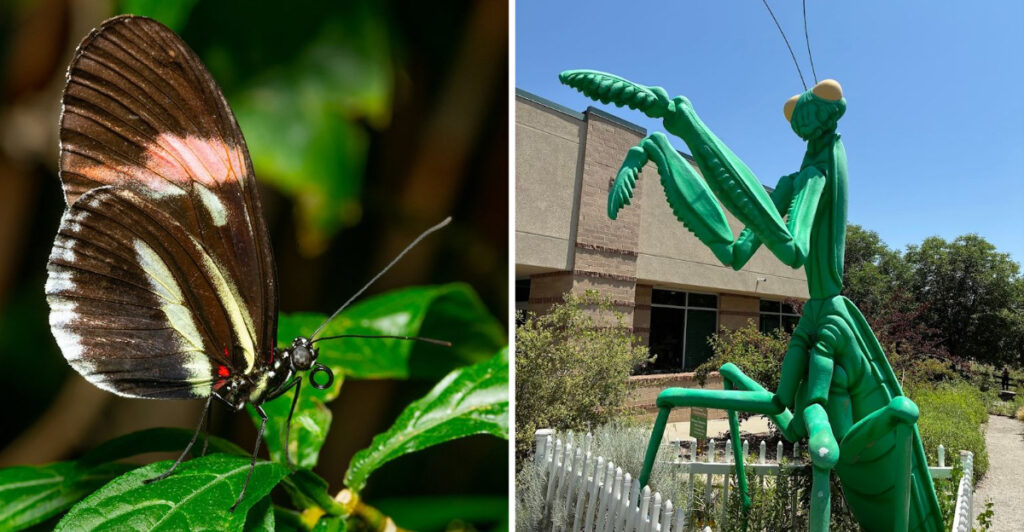
Colorado offers plenty of unforgettable wildlife experiences, but few are as enchanting as the Butterfly Pavilion in Westminster. Home to thousands of free-flying butterflies inside a lush tropical conservatory, this remarkable attraction immerses visitors in a colorful world filled with fluttering wings, exotic plants, and fascinating invertebrates from around the globe.
Beyond the conservatory, interactive exhibits, marine life displays, and hands-on educational experiences make it far more than a simple butterfly house. Whether you’re visiting with family, planning a unique date, or simply looking for one of Colorado’s most magical attractions, the Butterfly Pavilion is a destination that leaves a lasting impression.
A Rainforest Effect You Do Not Expect in Westminster
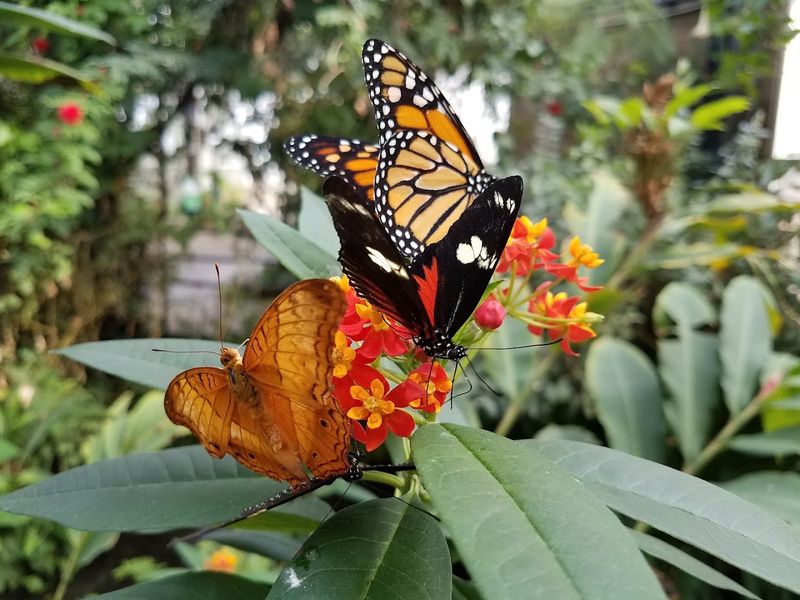
Westminster is not where most people expect a tropical reset, which is exactly why Butterfly Pavilion lands with such force.
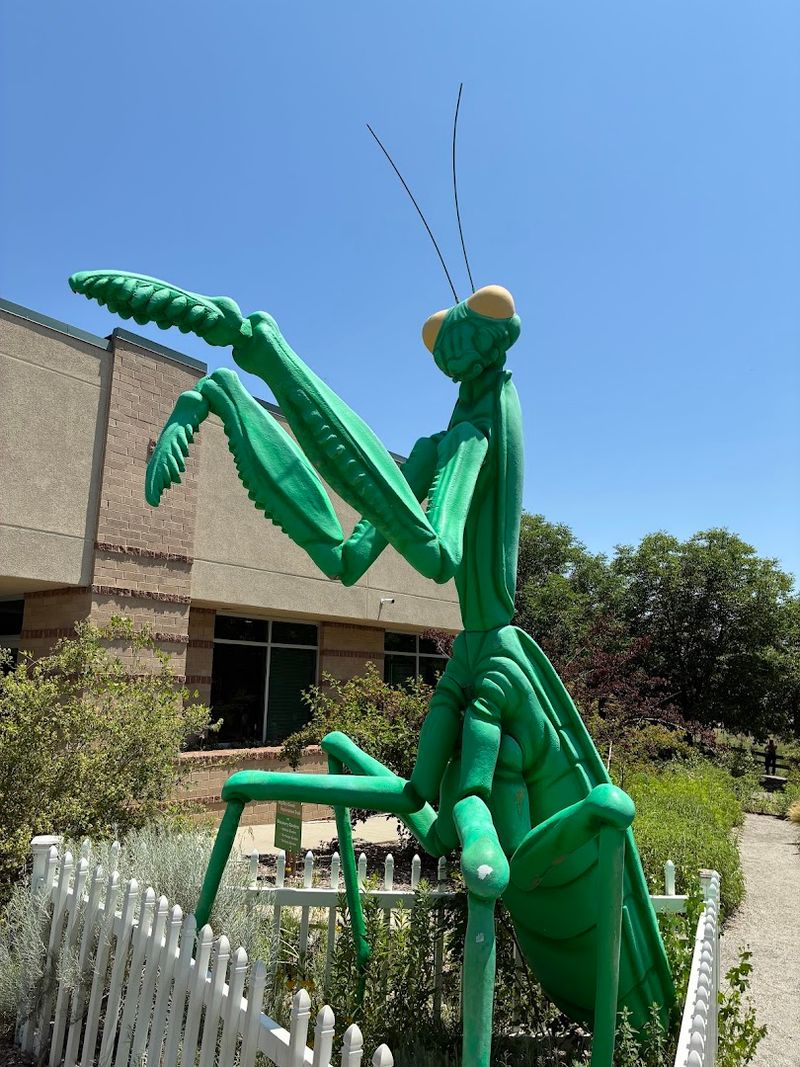
The exterior keeps its cards close, then the experience starts layering in glass, greenery, motion, and the low-key thrill of being surrounded by living things that refuse to sit still. It reads at first like a family attraction, but the visual impact is broader than that.
Inside, the layout builds anticipation rather than rushing straight to the headline room. You move through exhibits that introduce the wider world of invertebrates, so by the time the conservatory appears, the place has already expanded beyond a simple butterfly stop.
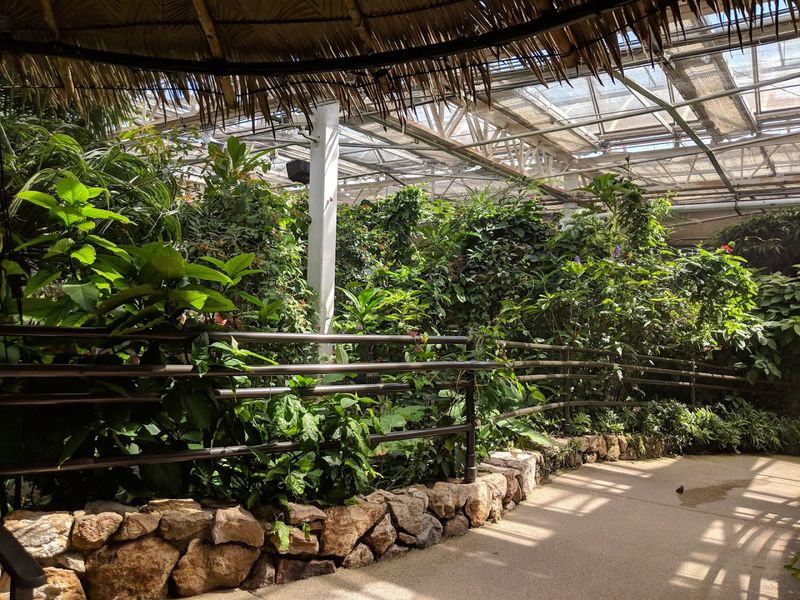
That pacing matters because the final reveal has context, not just color. Then the humidity hits. The air changes, your lenses may fog, and suddenly Colorado disappears behind dense foliage, curved pathways, and flashes of orange, blue, yellow, and black passing at eye level.
It is less like looking at a display and more like entering an active environment that happens to allow people inside.
The scale is the real surprise. Rather than a tiny greenhouse with a few delicate photo opportunities, the conservatory feels busy, layered, and tall enough to keep your eyes traveling up, across, and back to the path.
Butterflies drift near leaves, circle overhead, settle on flowers, and occasionally pause long enough to turn a casual glance into a full stop. Because the room is alive, no two minutes look quite the same.
A branch that seemed still suddenly lifts into motion, a bright wing pattern appears against dark leaves, and another species enters the frame before you have finished tracking the first. That constant, gentle change is what gives Butterfly Pavilion its pull long before you reach the exit doors.
More Than Butterflies: The Invertebrate Detour That Sharpens the Visit
Calling this place a butterfly conservatory is accurate, but incomplete. Butterfly Pavilion is built around invertebrates more broadly, and that wider focus gives the visit texture that a single-room attraction could never match.
Before the conservatory becomes the centerpiece, the surrounding exhibits quietly set up a better story about scale, adaptation, and the odd brilliance of creatures most people overlook.
Leafcutter ants are one of the clearest examples. Watching a working line of tiny bodies carry clipped pieces of leaves across a viewing structure turns abstract science into choreography.
There is a practical fascination to it, the kind that keeps both kids and adults standing still longer than expected. Elsewhere, stick insects, beetles, spiders, and other terrestrial invertebrates shift the mood from pretty to intriguing.
Camouflage becomes easier to appreciate when you are trying to separate an animal from the branch it is borrowing as cover. Shape, color, and movement suddenly matter in a different way than they do among flowers and wings.
This broader collection also prevents the conservatory from feeling like the entire point of the building. Instead, butterflies become the emotional peak of a larger encounter with species that are essential, strange, and visually varied.
That editorial choice is smart because it keeps the attraction from flattening into one-note sweetness. Even if you arrive mainly for the rainforest room, the lead-up makes the whole place richer.
You leave with a stronger sense of how the pavilion thinks about education, not as a lecture, but as a sequence of close looks.
By the time the butterflies swirl around you, your attention has already been trained to notice legs, patterns, textures, and tiny acts of survival that would otherwise slip past.
The Sea Stars, the Hive, and the Quiet Extras That Change the Pace
One of the smartest things about Butterfly Pavilion is that it does not trap the entire visit inside one temperature and one mood.
After the dense greenery and fluttering wings, the supporting experiences shift the rhythm with marine invertebrates, touch-focused stations, and live displays that trade spectacle for curiosity. That variety keeps the attraction from peaking too early.
The aquatic section adds a cooler visual register. Instead of scanning leaves for movement, you start watching tanks for drifting jelly-like shapes, small crustaceans, and touchable sea stars in designated areas.
The pace slows naturally because water changes how people look, inviting longer pauses and a more focused kind of attention.
Hands-on elements matter here because they turn observation into participation without forcing anything loud or gimmicky.
A touch pool can reset a restless kid, but it also gives adults a rare chance to pay attention to texture, structure, and anatomy up close. In a place centered on small creatures, that tactile bridge makes the educational side more immediate.
The bee component is another strong counterpoint. A working hive or pollinator-focused display adds movement of a different sort, sharper and more directional than butterflies drifting through a humid room.
It also anchors the pavilion’s mission in ecosystems and practical interdependence rather than isolated visual beauty.
These extras do more than fill space between headline exhibits. They create transitions that help the whole building function like a full outing instead of a single memorable room with a gift shop attached.
By the end, Butterfly Pavilion feels carefully composed, moving from tropical immersion to close study to marine detail and pollinator context, with each section changing how you look at the next one.
Why Butterfly Pavilion Works So Well in Colorado

Colorado has no shortage of dramatic scenery, which is part of what makes Butterfly Pavilion such an effective counterpoint.
Instead of sending you toward altitude, sweeping overlooks, or another weather-dependent outing, it offers a compact tropical escape that works in every season. That practical contrast is a big reason the place stands out locally.
On a cold Front Range day, the conservatory delivers warmth and humidity the second you step inside. In summer, it still works because the appeal is not shelter alone, but proximity to details that are easy to miss outdoors.
You are not chasing a distant view here. You are studying wing veins, leaf textures, ant trails, and the exact moment a butterfly decides to land.
Its Westminster location also makes sense. This is not a remote destination that requires a full travel day or mountain logistics.
It is easy to pair with a relaxed afternoon, a family plan, or an out-of-town itinerary when you want something distinctly memorable without committing to a huge block of time.
That accessibility shapes the mood inside. The pavilion attracts families, school groups, curious adults, photographers, and locals looking for a repeatable indoor outing.
Because the building is organized clearly, it can absorb different kinds of visitors without feeling chaotic, even when the place is active.
There is also something very Colorado about the attraction’s mix of science, nature, and casual discovery. This is a state that prizes outdoor awareness, and Butterfly Pavilion translates that instinct into an indoor environment built around overlooked species instead of postcard scenery.
It broadens the usual Colorado script. Rather than another grand landscape, you get a closer, stranger, and often more surprising encounter with the tiny forms of life that keep ecosystems running.
How to See the Most Without Rushing the Rooms
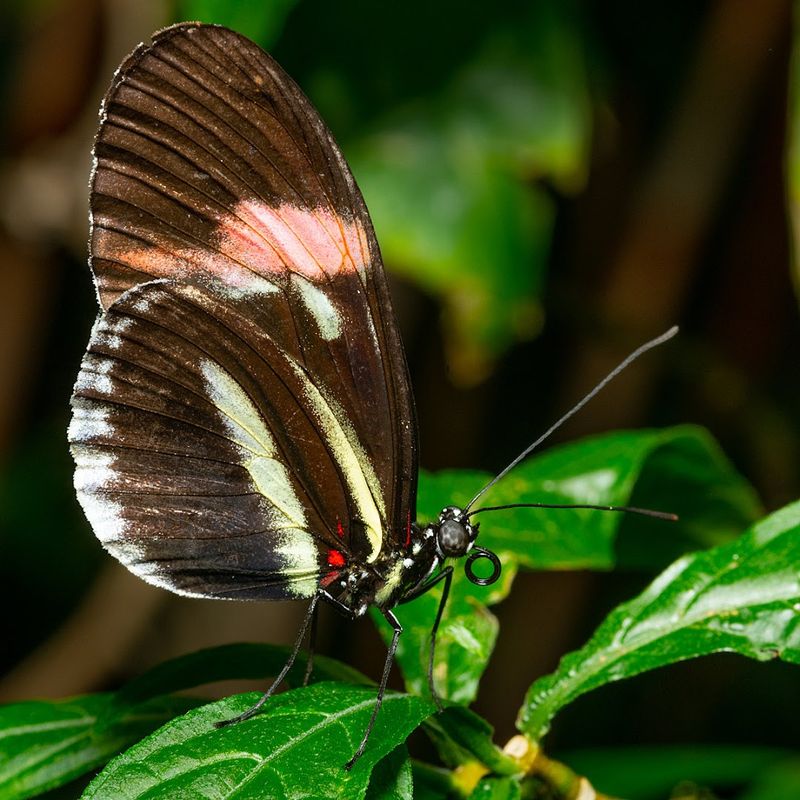
Butterfly Pavilion is best experienced at a slower speed than its footprint might suggest. The building is not enormous in the way a major city museum is enormous, but it reveals itself more fully when you stop treating each room like a checkpoint.
This is a place where motion overhead, along branches, and inside tanks rewards patience more than constant walking.
A good approach is to make one full circuit, then loop back through the spaces that caught your eye. The first pass helps you understand the layout and avoid bunching up at every glass panel.
The second pass is where smaller details emerge, especially in the conservatory, where butterflies settle and relocate continuously.
In the tropical room, looking down matters almost as much as looking up. Butterflies may rest on leaves at shoulder height, drift along the path, or pause on lower plants where the color contrast is strongest.
If you rush, the space can read as a blur of pretty movement. If you slow down, it turns into a series of individual sightings.
Families do especially well here when they resist the urge to race toward the biggest cluster of wings. The side exhibits break up the visit nicely, giving kids a change of focus between high-energy moments and quieter observation.
Adults without children can use the same rhythm, alternating between immersive rooms and more informational displays to keep the experience fresh.
Photography also benefits from a measured pace. Condensation, changing light, and fast-moving subjects make the first few minutes a warm-up rather than the main event.
Give your eyes time to adjust, circle back when a flower patch gets active, and linger near the edges of pathways instead of pushing straight through the center. That is usually when Butterfly Pavilion starts offering its best close-up moments.
Timing, Crowds, and the Practical Side of a Smooth Visit

Butterfly Pavilion is open daily from 9 AM to 5 PM, which makes planning refreshingly simple. The bigger question is not whether it is open, but when the rooms will give you the calmest experience.
Because the attraction is popular with families and school groups, timing can shape how spacious the visit feels. Earlier in the day is usually the safest bet if you want gentler traffic and cleaner sightlines in the conservatory.
Arriving closer to opening can mean less crowding on the paths and fewer people clustered around glass cases, touch areas, and photo spots. That matters in a place where a half step to one side can completely change what you notice.
Even when the building is busy, the organization helps. The route is intuitive, the exhibits are clearly separated by theme, and the experience naturally distributes people across several rooms instead of trapping everyone in one bottleneck.
If a school group is moving through, it is often easy to pivot to another section and circle back later. As for length, this works well as a one to two hour outing, depending on how carefully you read exhibits and how long you stay in the conservatory.
Families with younger children may spend extra time at interactive components or play-oriented spaces, while adults focused on photography or close observation can easily linger. The pacing is flexible without becoming aimless.
That practicality is part of the pavilion’s appeal. You can fit it into a larger day around Westminster, use it as a reliable weather-proof plan, or treat it as the main event without needing elaborate logistics.
Some attractions require a strategy board and backup plans. This one mostly asks for comfortable pacing, a little patience in humid air, and enough time to let the smaller creatures steal the spotlight.
A Place That Turns Tiny Creatures Into the Main Event
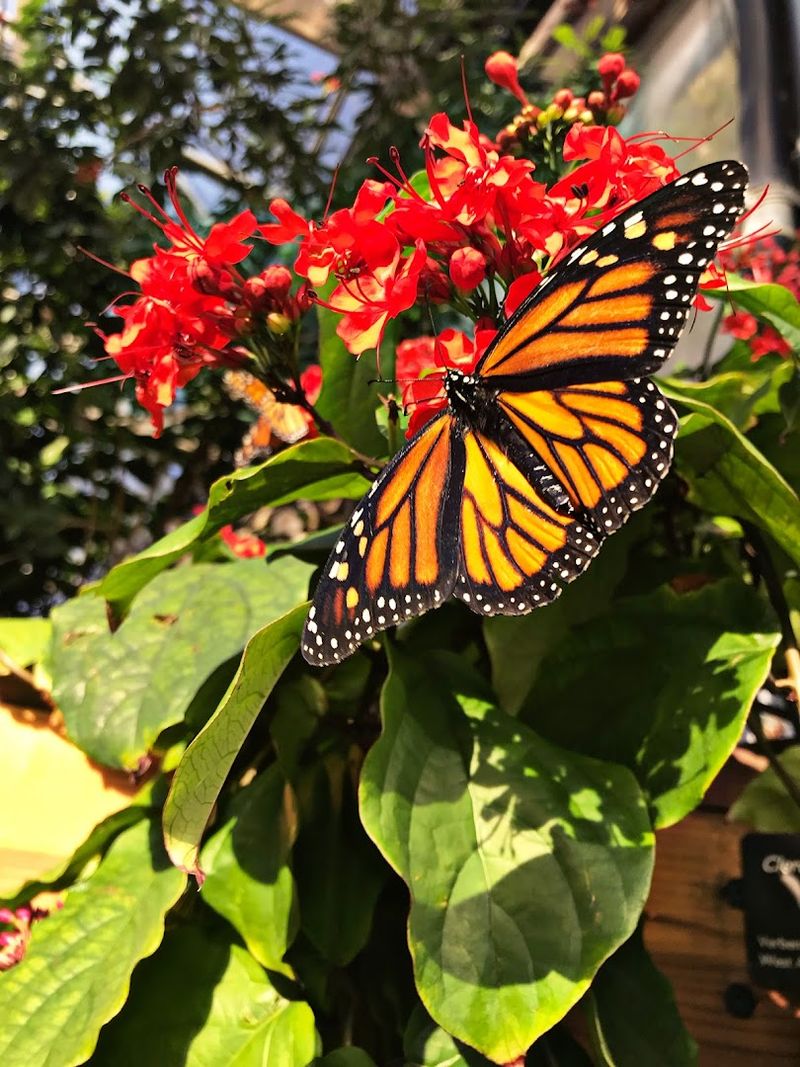
Butterfly Pavilion stands out because it commits fully to creatures that many attractions treat as supporting characters.
Instead of using butterflies, spiders, ants, and marine invertebrates as side notes in a broader zoo experience, it gives them narrative weight, visual presence, and room to command attention. That shift in scale changes the whole outing.
The butterflies are undeniably the signature image. They deliver color, motion, and the dreamlike quality most people hope for when they hear the word conservatory.
Yet the stronger achievement is how the pavilion widens your focus beyond beauty alone, guiding you toward structure, adaptation, pollination, camouflage, and the odd elegance of animals that rarely receive center stage.
That is why the place appeals across age groups. Children can enjoy the immediate thrill of live movement and interactive elements, while adults have enough layered content to keep the visit from reading as kid-focused entertainment.
The building is approachable without becoming simplistic, which is a harder balance than it looks. There is also a satisfying specificity to the experience. You are not left with a vague memory of a nice indoor nature stop.
You leave remembering a line of ants carrying clipped leaves, a sea star touch moment, a tarantula exhibit, a butterfly crossing in front of your face, and the instant the conservatory’s humid air erased the Colorado weather outside.
In a region filled with headline scenery, Butterfly Pavilion earns attention by going small on purpose and doing it exceptionally well. It offers immersion without excess, education without drag, and enough visual surprise to keep every room active.
If you want a Colorado stop that swaps sweeping landscapes for close-range wonder, this Westminster address delivers exactly that, one wingbeat and one tiny marvel at a time.