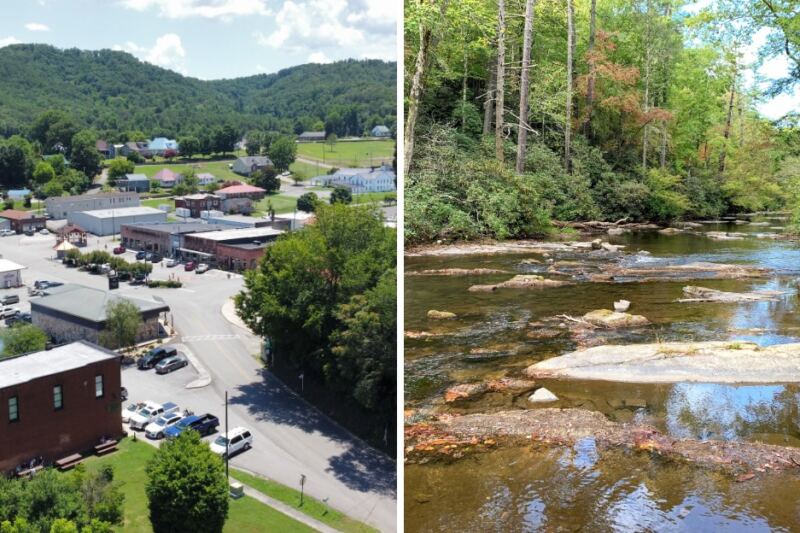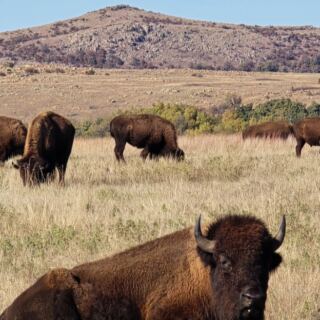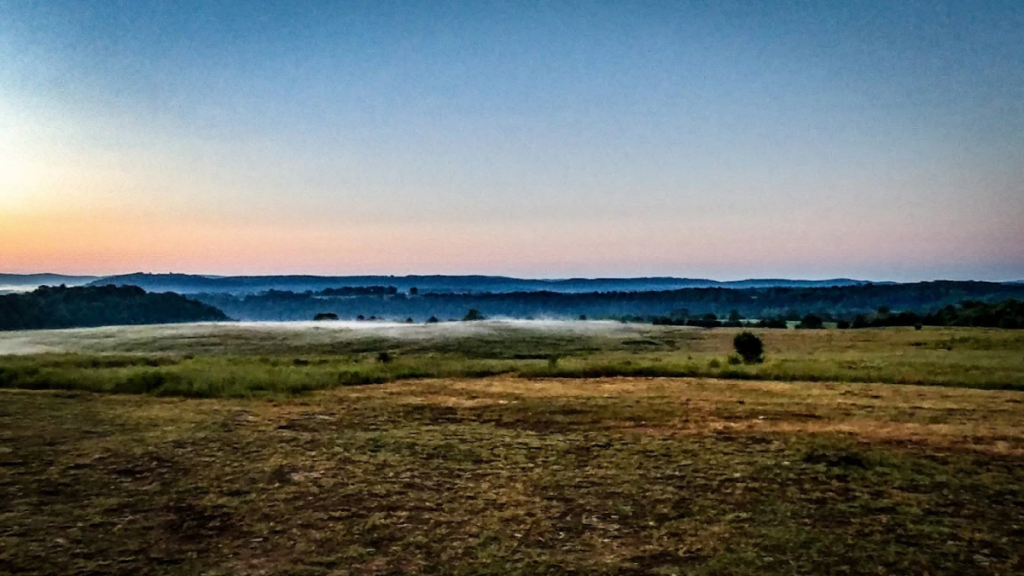
Tucked away on Tennessee’s Cumberland Plateau, Catoosa Wildlife Management Area sprawls across more than 82,000 acres of rugged, unspoiled backcountry. It’s the kind of place where cell service fades, trail markers get scarce, and the only sounds you’ll hear are wind through oak trees and water tumbling over rocks.
Whether you’re chasing trophy bucks, pedaling gravel roads on an eBike, or simply craving a day where nobody else is around, Catoosa delivers wilderness on a scale that’s hard to find anywhere else in the state.
Start at the Edge of Tennessee’s Wild Cumberland Plateau
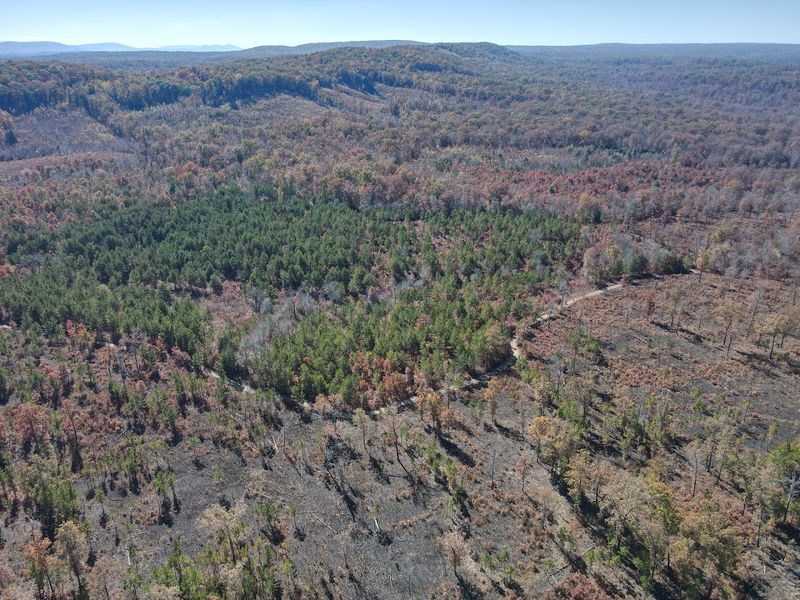
Catoosa sits right where the Cumberland Plateau begins to show off its wildest side. Rolling ridges, deep hollows, and miles of unbroken forest stretch out in every direction. The plateau’s rugged terrain means you’re never walking flat ground for long, and that’s exactly what makes it feel so remote.
Getting here is easier than you’d think. The area is just minutes from Crab Orchard and less than an hour from Knoxville, but once you turn off the highway, civilization drops away fast. Roads shift from pavement to gravel, then to dirt tracks that wind through thick woods and over rocky creek crossings.
You won’t find visitor centers or fancy trailheads here, just pull-offs where you can park and start exploring.
The plateau’s geology creates a landscape full of surprises. Limestone outcrops jut from hillsides, creeks carve narrow gorges, and waterfalls appear after heavy rain. Spring and fall bring the best weather, with wildflowers blooming in April and leaf colors peaking in October.
Summer gets hot and humid, but the shade under the canopy keeps things tolerable.
Local hunters have been coming here for generations, passing down knowledge about which ridges hold the biggest bucks and where to find the clearest springs. That deep connection to the land is part of what makes Catoosa special. It’s not a park designed for tourists; it’s working wilderness managed for wildlife, and visitors are welcome to experience it on its own terms.
Bring a detailed map or GPS unit, because phone signals are unreliable at best. The Tennessee Wildlife Resources Agency website has downloadable maps that show major roads and boundaries, but plenty of unmarked trails and old logging roads crisscross the property. Getting a little turned around is part of the adventure, as long as you’re prepared for it.
Follow Miles of Trails Through Forests, Creeks, and Quiet Backcountry
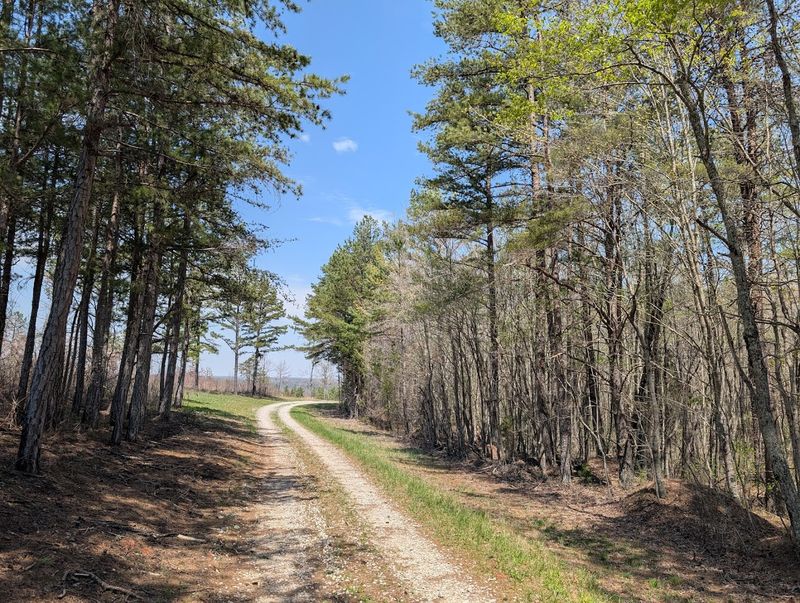
Catoosa’s trail network isn’t marked with blazes and signposts every hundred feet. Instead, you’ll find gravel roads that turn into two-tracks, old logging paths that fade into game trails, and creek beds that double as natural corridors through thick underbrush. That lack of infrastructure is exactly what keeps the crowds away and the experience raw.
Some visitors bring eBikes or dirt bikes to cover more ground on the gravel roads, which can stretch for miles without hitting pavement. Others lace up boots and head into the backcountry on foot, following ridgelines or dropping into hollows where the only company is the occasional deer or wild turkey. The terrain varies from gentle slopes to steep climbs that’ll test your legs, especially if you’re hauling camping gear or hunting equipment.
The forest itself shifts as you move through different elevations and exposures. Oak and hickory dominate the ridgetops, while rhododendron and mountain laurel crowd the shady hollows. Pine stands pop up in drier areas, and you’ll spot cedar clinging to rocky outcrops.
That diversity means something’s always in bloom or showing color, depending on the season.
Navigation takes some attention here. Trails aren’t always obvious, and intersections rarely have signs. Carrying a compass and knowing how to use it isn’t optional if you plan to venture off the main roads.
The reward for that extra effort is solitude that’s hard to find in more developed recreation areas.
Discover Why Catoosa Feels More Like a Wilderness Than a Park
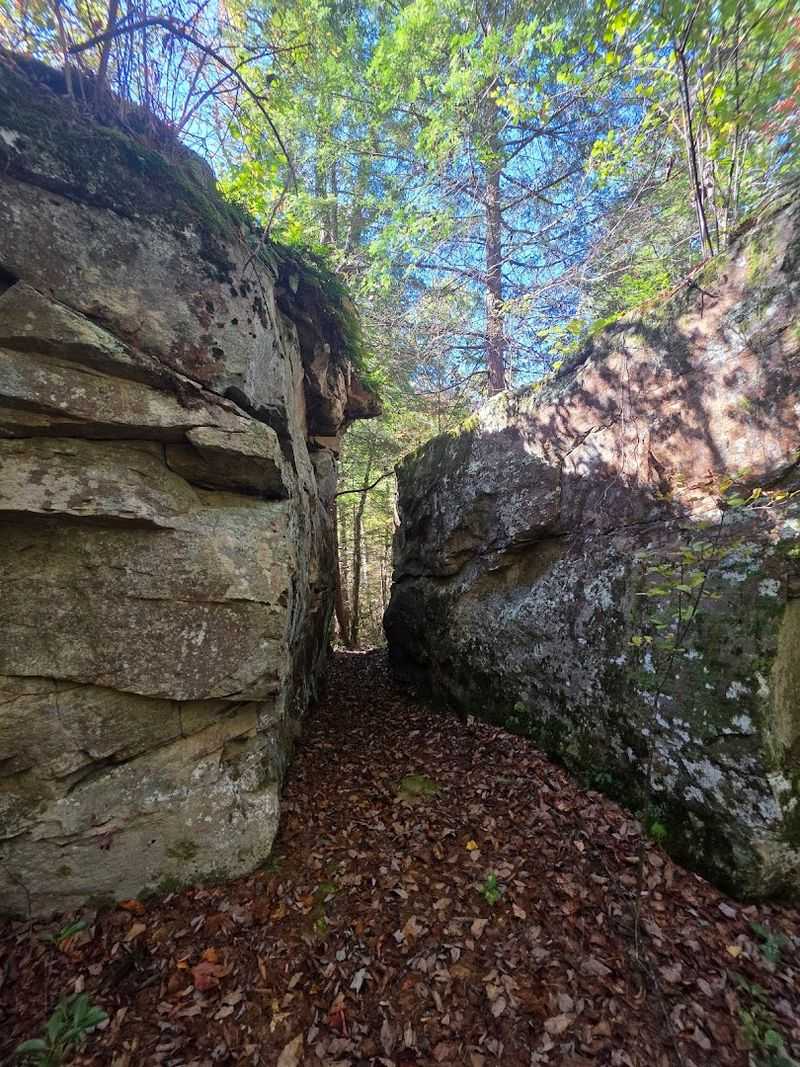
Most Tennessee parks come with amenities, marked trails, and enough infrastructure to make your visit comfortable. Catoosa takes a different approach. There are no bathrooms, no visitor centers, no maintained campgrounds with fire rings and picnic tables.
What you get instead is 82,000 acres managed primarily for wildlife, where humans are guests rather than the main attraction.
That management philosophy shows in how the land looks and feels. Dense undergrowth fills many areas, making off-trail travel challenging but creating perfect habitat for deer, turkey, and other game animals. Roads get maintained enough to stay passable, but don’t expect smooth gravel or regular grading.
Fallen trees might block lesser-used routes, and muddy spots can swallow a tire if you’re not careful.
The lack of cell service reinforces that wilderness feeling. Once you’re a few miles in, your phone becomes a camera and GPS unit at best. That disconnection from the digital world hits differently when you’re used to constant connectivity.
Some people find it unsettling at first, but most come to appreciate the forced break from notifications and messages.
Wildlife thrives here precisely because human pressure stays relatively low. Hunting is allowed during designated seasons, and those opportunities draw serious outdoors enthusiasts who respect the resource. Between hunting seasons, the animals relax, making wildlife watching surprisingly productive for patient observers.
Personal responsibility is assumed, and that freedom comes with real consequences if you make poor decisions. Preparing properly before you arrive isn’t just smart; it’s essential.
Watch for Wildlife in One of Tennessee’s Largest Untamed Areas
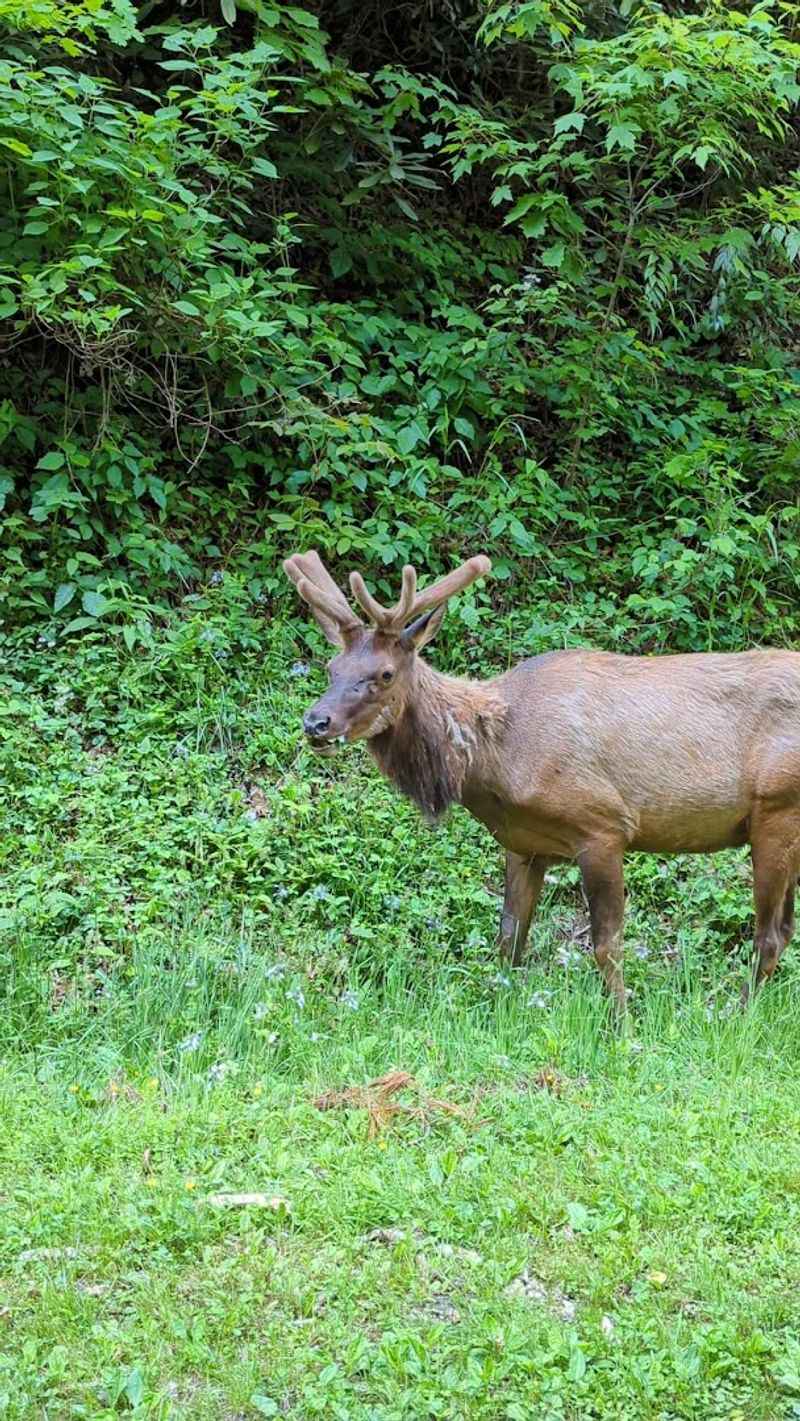
Big acreage means big wildlife opportunities, and Catoosa delivers on both counts. White-tailed deer are the main draw for hunters, with trophy bucks reaching impressive sizes thanks to good genetics and relatively light hunting pressure. Does and fawns are common sights year-round, especially near food plots and agricultural edges.
The deer here have learned to use the thick terrain to their advantage, making them challenging quarry even for experienced hunters.
Wild turkeys scratch through the leaf litter in noisy flocks during spring and fall. Their gobbles echo through the hollows on March mornings, and strutting toms put on impressive displays during breeding season. Turkey hunting requires patience and skill here, as the birds pattern differently than they do in more open country.
Black bears have made a strong comeback across Tennessee, and Catoosa hosts a healthy population. Most encounters happen at a distance, with bears disappearing into thick cover before you can grab a camera. They’re most active during berry season and in fall when acorns drop.
Proper food storage becomes critical if you’re camping, as bears that associate humans with easy meals quickly become problem animals.
Wild hogs present a different challenge. These invasive animals root up native plants and compete with native wildlife for food. The state encourages their removal, and some hunters specifically target hogs year-round.
They’re smart, tough, and capable of thriving in Catoosa’s varied terrain. Spotting a sounder of hogs tearing through the forest is both impressive and concerning, given their impact on the ecosystem.
Smaller wildlife abounds once you start paying attention. Gray squirrels chatter from oak branches, raccoons leave tracks along creek banks, and opossums waddle through camp after dark. Birders can spot dozens of species, from pileated woodpeckers hammering dead trees to hawks riding thermals above the ridges.
Find Scenic Overlooks, Rugged Roads, and Hidden Corners Worth the Effort
Catoosa rewards explorers who venture beyond the obvious. Gravel roads serve as the main arteries through the property, but countless side routes branch off into less-traveled territory. Some lead to old homestead sites marked only by crumbling stone chimneys and ancient fruit trees.
Others climb to ridgetop clearings where views stretch for miles across forested valleys.
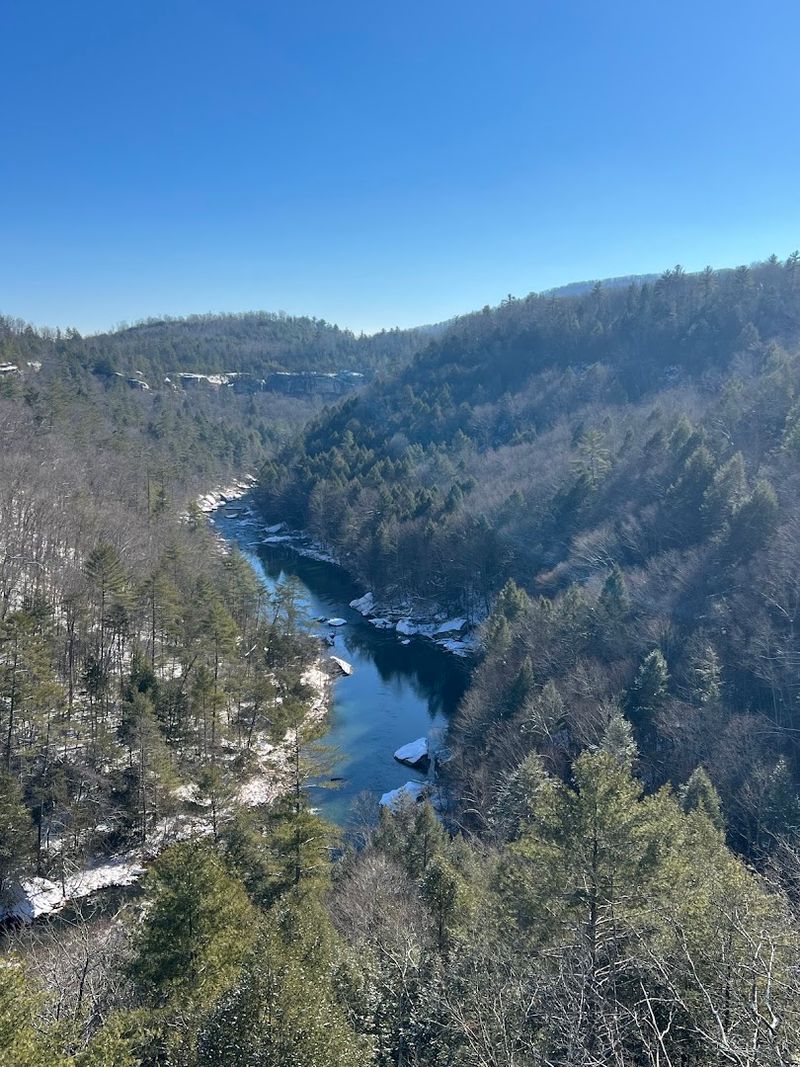
Lilly Bluff stands out as one of the area’s premier destinations. The overlook offers sweeping views of the Emory River gorge, especially dramatic during fall color season. Getting there requires navigating several miles of gravel roads that can get rough after heavy rain.
The payoff is worth the bumpy ride, particularly at sunrise when fog fills the valleys below.
Hidden waterfalls dot the landscape, though finding them takes local knowledge or plenty of exploring. Most flow strongest in spring after snowmelt and winter rains, dwindling to trickles by late summer. The pools below some falls stay deep enough for a quick swim even in dry weather.
These spots rarely appear on maps, so stumbling across one feels like discovering a secret.
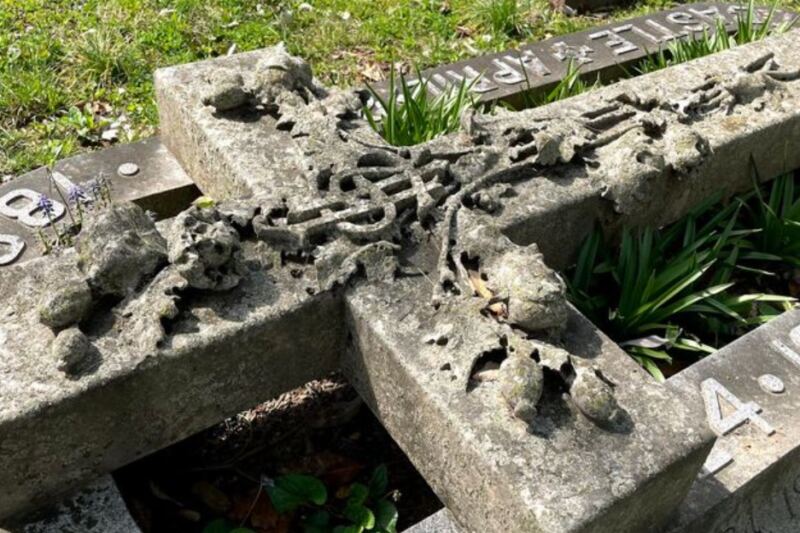
Old cemeteries scattered throughout the area tell stories of families who once called these mountains home. Small plots surrounded by stone walls or iron fences hold weathered markers dating back over a century. Visiting these quiet spots offers a moment to reflect on the people who carved out lives in this challenging landscape long before it became public land.
Road conditions vary dramatically depending on recent weather and maintenance schedules. Main routes stay passable for two-wheel-drive vehicles most of the year, but side tracks often require higher clearance or four-wheel-drive. Muddy spots can appear suddenly after rain, and rocky sections test suspension components.
Knowing your vehicle’s limits prevents getting stuck miles from help.
Plan Ahead Before You Wander Into This 85,000-Acre Escape
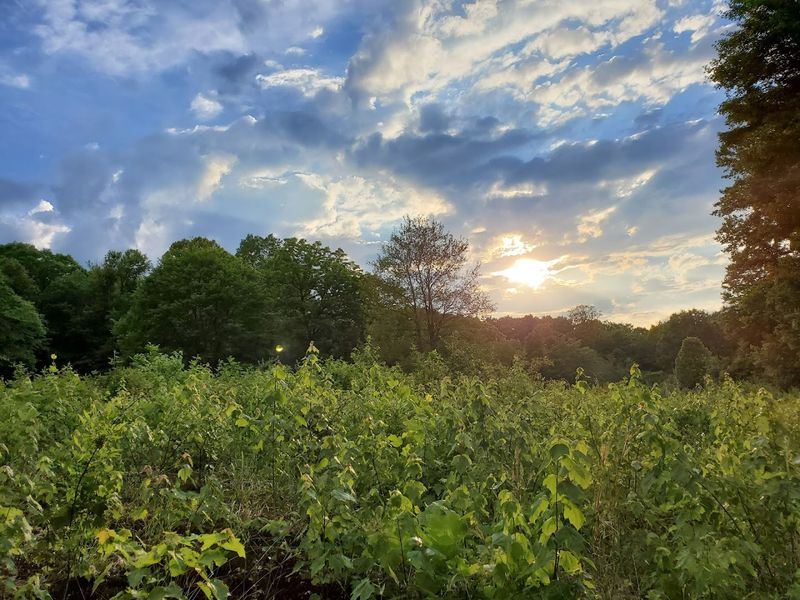
Showing up at Catoosa without preparation is asking for trouble. The lack of services means you need to bring everything you might need, from water and food to first aid supplies and navigation tools. Cell service is spotty at best and completely absent in many areas, so don’t count on calling for help if something goes wrong.
Letting someone know your plans and expected return time isn’t paranoia; it’s basic wilderness safety.
Maps are essential, and not the kind you pull up on your phone. The Tennessee Wildlife Resources Agency provides downloadable maps showing property boundaries and major roads, but they don’t capture every trail and side route. Topographic maps help you understand the terrain and anticipate steep climbs or creek crossings.
A compass and the knowledge to use it can save you if your GPS battery dies or you lose satellite signal under heavy canopy.
Hunting seasons dictate when and where you can safely explore. During rifle season, wearing blaze orange isn’t just smart; it could save your life. The TWRA website lists all season dates and regulations, which change annually.
Some areas have special restrictions or quota hunts that limit access during certain periods. Checking current regulations before you visit prevents unpleasant surprises and potential legal issues.
Weather can shift quickly in the mountains, especially during spring and fall. Morning fog might burn off by noon, or it might settle in for days. Summer thunderstorms build fast over the plateau, bringing lightning and flash flood risks to low-lying areas.
Winter occasionally brings snow and ice that make roads impassable. Checking the forecast helps, but preparing for conditions to change keeps you safe regardless of what weather actually arrives.
Fuel and food should be topped off before you enter the area. The nearest gas stations and restaurants are in Crab Orchard or Crossville, and once you’re deep in Catoosa, you’re committed to whatever supplies you brought. Water sources are plentiful, but everything needs filtering or treatment before drinking.
Leave With the Kind of Silence Only Wild Tennessee Can Give You
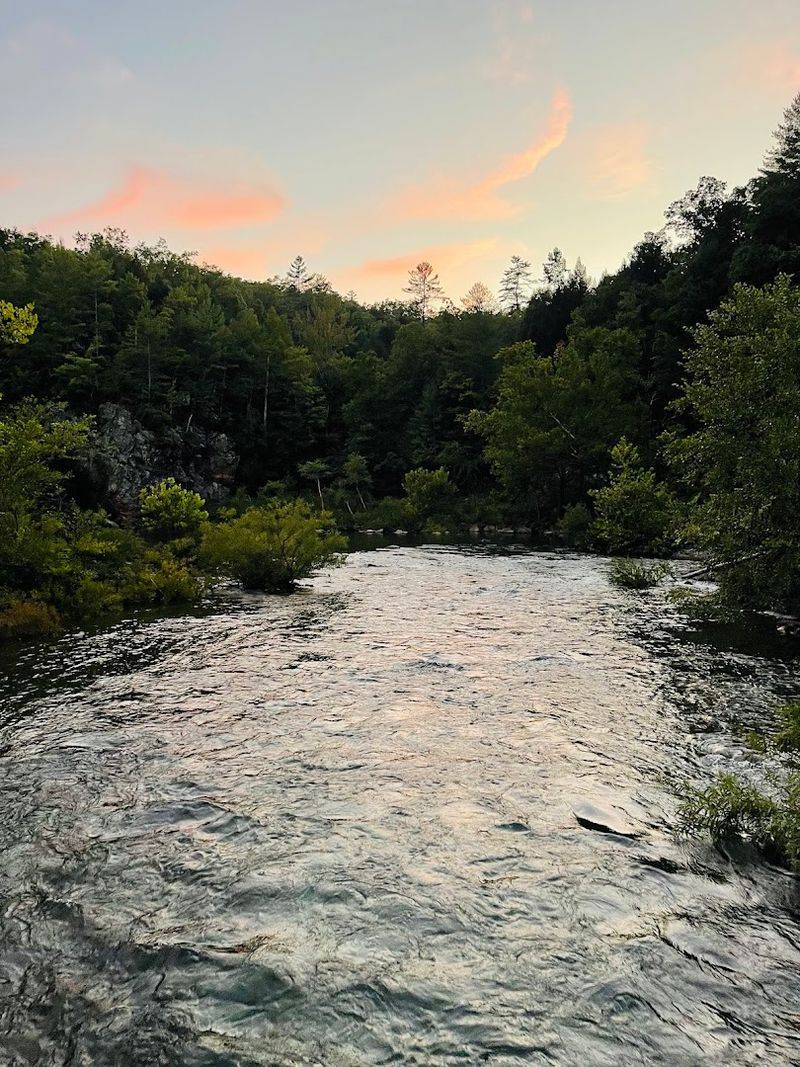
The quiet hits you first. Not the manufactured silence of a library or the temporary hush of a suburban evening, but the deep, organic stillness of a place where human noise is the exception rather than the rule.
Wind moves through the trees. Water trickles over rocks. Birds call and answer. These sounds don’t break the silence; they define it, creating a soundscape that modern life rarely offers.
That kind of quiet does something to your nervous system. Tension you didn’t know you were carrying starts to release. Your breathing slows.
Thoughts that usually race begin to settle into a more natural rhythm. It’s not meditation exactly, but it produces similar effects without any effort or technique. Just being there, surrounded by living forest and away from mechanical noise, resets something fundamental.
Nights in Catoosa take the experience even deeper. Without light pollution, stars appear in numbers that surprise people used to city skies. The Milky Way stretches overhead in a luminous band.
Meteors streak past frequently enough that you stop remarking on them. The darkness feels complete in a way that’s increasingly rare, and your eyes adapt to pick out shapes and movement by starlight alone.
Morning arrives gradually, with bird songs building from a few tentative notes to a full chorus. Mist rises from creek bottoms and pools in hollows, slowly burning off as the sun climbs. Deer move through the early light, unhurried and alert.
These dawn hours feel stolen from another era, before schedules and obligations dictated when and how we experience the natural world.
Leaving Catoosa means driving back toward cell towers and traffic, but something of that wild quiet stays with you. The memory of it becomes a touchstone, a reminder that places like this still exist and that you can return whenever modern life gets too loud. That’s the real gift Catoosa offers: proof that true wilderness and genuine solitude are still possible in Tennessee.
Share this story