Great Smoky Mountains National Park gets all the attention, and for good reason. But when the parking lots overflow and the trails feel like rush hour, Tennessee’s state parks offer something better: dramatic scenery, powerful waterfalls, and wilderness solitude without the chaos.
These 11 parks deliver national park-level beauty with a fraction of the visitors, giving you room to actually enjoy the experience.
1. Fall Creek Falls State Park — Spencer
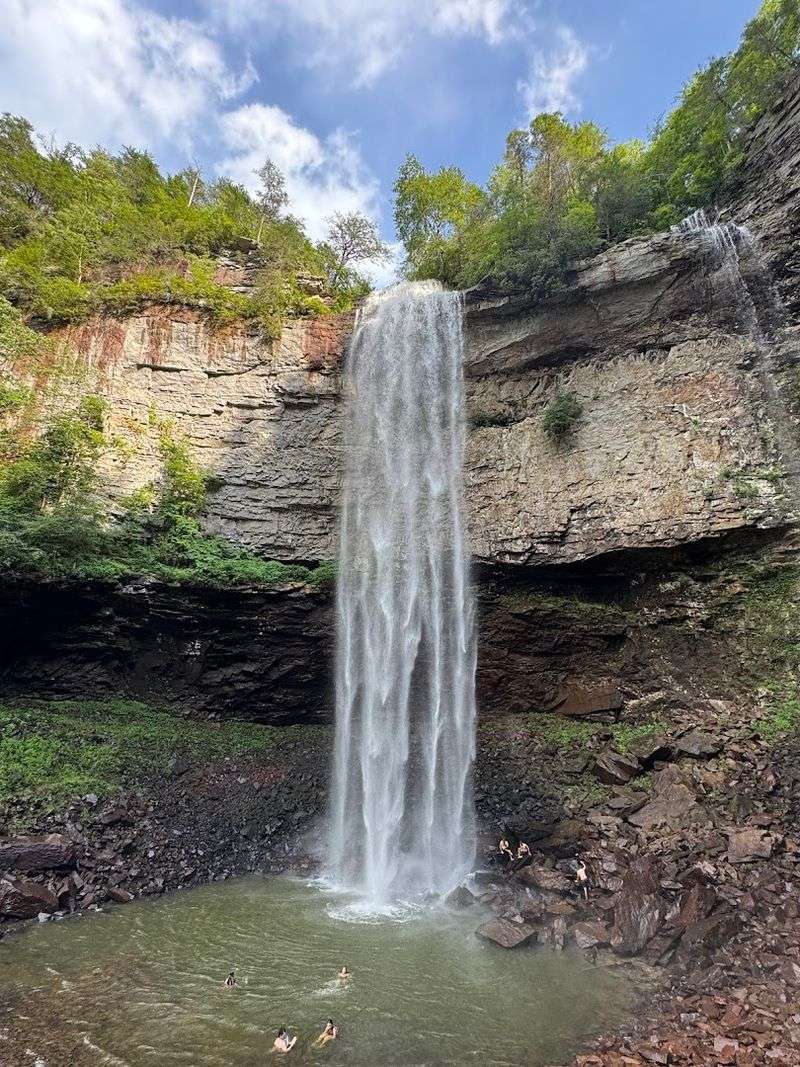
With a 256-foot waterfall as its centerpiece, Fall Creek Falls doesn’t just compete with national parks—it outshines plenty of them. The main waterfall alone is taller than Niagara, and that’s just the beginning. Deep gorges carve through the plateau, scenic overlooks pop up along the trails, and miles of hiking keep you busy without ever feeling boxed in by crowds.
The park spreads across more than 26,000 acres, which means there’s actual room to roam. You can hike to multiple waterfalls in a day, including Cane Creek Falls and Piney Falls, or stick to shorter walks if you’re not in marathon mode. The geology here is wild—layered rock walls, plunge pools, and enough elevation change to make things interesting without destroying your knees.
Families love this place because it’s accessible but still feels adventurous. There’s a suspension bridge, a nature center, and enough kid-friendly trails to keep everyone engaged. Photographers show up for the light filtering through the gorge, especially in fall when the color hits hard.
Unlike the Smokies, you can usually find parking here, even on weekends. The trails don’t turn into single-file lines, and you won’t spend half your day waiting for a photo op. It’s big enough to absorb visitors without feeling overrun, which is exactly what a state park should do.
If you want waterfall drama, forested ridges, and that deep-in-the-woods feeling without the national park stress, Fall Creek Falls delivers. It’s one of Tennessee’s best-kept secrets that isn’t really a secret anymore—but somehow still feels like one when you’re standing at the base of that massive cascade.
2. Rock Island State Park — Rock Island
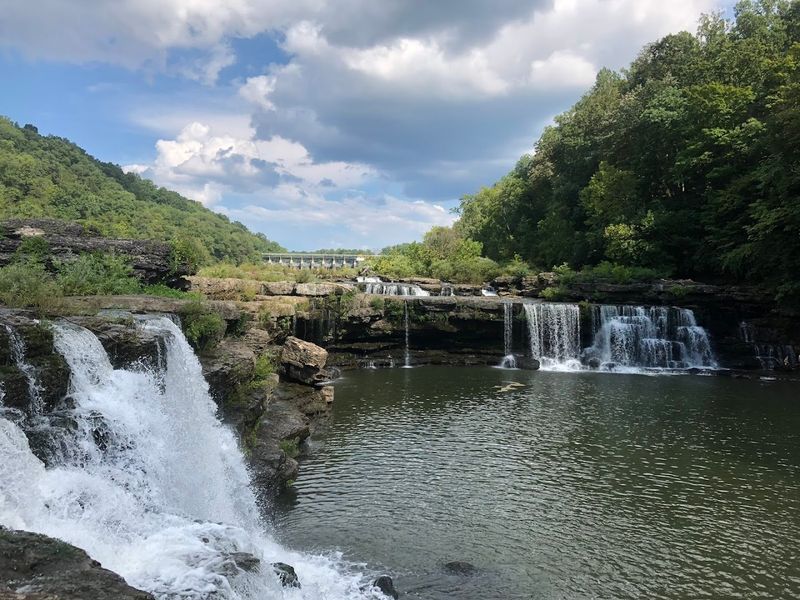
Great Falls roars through Rock Island with the kind of power that makes you stop and stare. This isn’t a delicate ribbon of water—it’s a full-throttle river dump that crashes over rocky ledges and sends mist into the air. Twin Falls adds another layer of drama just upstream, and the whole scene feels raw and untamed in the best possible way.
The Caney Fork River cuts through this park like it owns the place, creating rocky channels, deep pools, and rugged terrain that looks nothing like the manicured trails at bigger parks. Hikers get close to the action here—sometimes a little too close if you’re not paying attention. The trails follow the river’s edge, offering constant views of churning water and stone outcrops that beg for a lunch break.
Rock Island has a working-class vibe that sets it apart from resort-style parks. There’s no fancy visitor center or gift shop selling postcards. What you get instead is honest outdoor access, good trails, and waterfalls that don’t require a permit or a reservation.
Locals have known about this spot forever, but it still flies under the radar for most tourists.
Swimming holes pop up along the river when the water’s calm enough, though you’ll want to check conditions before jumping in. The current can be deceptive, and the rocks are slick. Paddlers love the park too, especially kayakers looking for a challenge.
The put-in points offer access to some of Middle Tennessee’s best whitewater.
If you’re chasing waterfalls without the crowds, Rock Island belongs on your list. It’s got the power, the scenery, and the rugged edge that makes Tennessee’s natural side so addictive. Just don’t expect hand-holding—this park rewards those who show up ready to explore.
3. Burgess Falls State Park — Sparta
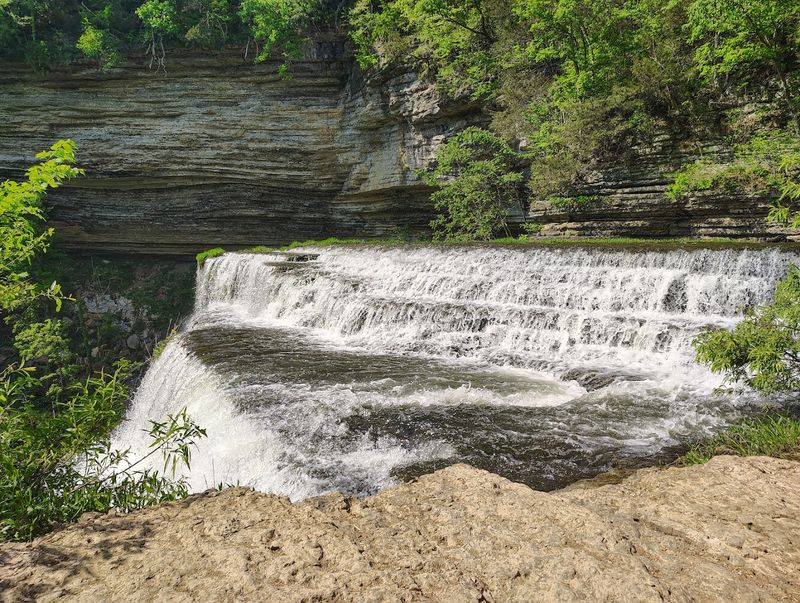
Burgess Falls packs multiple waterfalls into one scenic trail, saving the best for last. The path follows Falling Water River downstream, passing three smaller cascades before arriving at the main event: a 136-foot drop that punches through a narrow gorge with serious force. It’s the kind of payoff that makes the hike feel worth it, even if you’re already tired.
The trail itself is just under 1.5 miles one way, which sounds easy until you factor in the stairs and rocky sections near the end. It’s not a stroll, but it’s not a death march either. Families with older kids handle it fine, and the constant sound of rushing water keeps things interesting the whole way down.
Each waterfall has its own personality. The first is a gentle slide, the second picks up speed, and the third starts to hint at what’s coming. Then you round the corner, and Burgess Falls hits you full force—water crashing into a deep pool, rock walls rising on both sides, and enough mist to cool you off on a hot day.
Crowds can build up on summer weekends, especially near the main falls, but the park doesn’t feel suffocating like some national park hotspots. There’s room to spread out, and if you arrive early or visit on a weekday, you might have the overlook to yourself for a few minutes.
Photographers love the angles here, especially in spring when the water volume peaks. The gorge creates natural framing, and the light shifts throughout the day, giving you different moods depending on when you show up. Bring a tripod if you’re serious about capturing the scene.
For a quick waterfall fix without driving deep into the backcountry, Burgess Falls is hard to beat. It’s focused, scenic, and delivers exactly what it promises: cascades, cliffs, and that satisfying rush of standing next to a powerful waterfall.
4. South Cumberland State Park — Monteagle
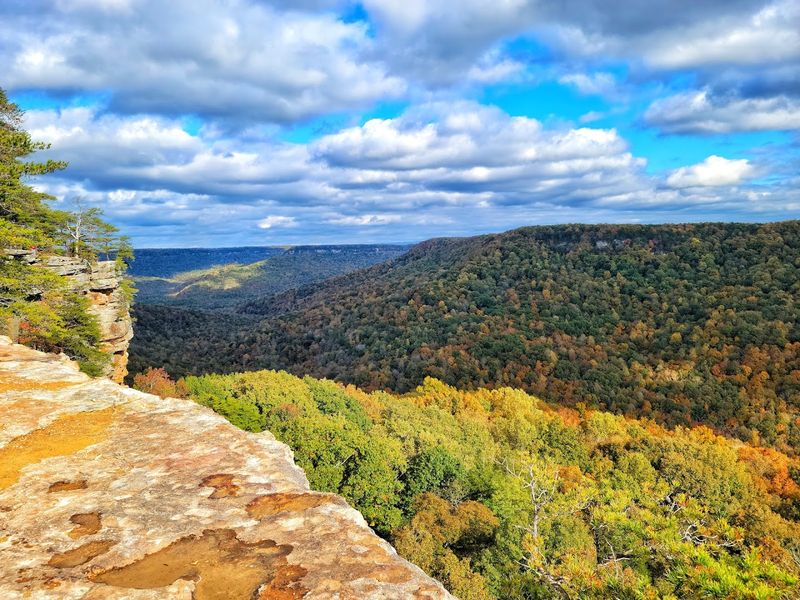
South Cumberland sprawls across the plateau like a choose-your-own-adventure novel, with separate areas that each bring something different. Stone Door opens onto a massive rock slab with views that stretch for miles. Savage Gulf drops into deep canyons where backcountry trails wind through old-growth forest.
Fiery Gizzard is the kind of rugged, rocky challenge that serious hikers talk about for years.
This park doesn’t hold your hand. The trails can be steep, the terrain is uneven, and some sections require real focus to navigate safely. But that’s exactly why people who want legitimate wilderness come here instead of fighting for space in the Smokies.
You earn the scenery at South Cumberland, and it feels more rewarding because of it.
Stone Door is the most accessible highlight, with a short trail leading to a natural rock opening that frames the valley below. It’s dramatic without being dangerous, and it’s a great introduction to what the park offers. From there, you can branch out to longer hikes or just soak in the view and call it a win.
Savage Gulf is where backpackers disappear for days, following creek beds and ridge lines through some of the most remote terrain in Middle Tennessee. Waterfalls hide along the trails, and the solitude is real—this isn’t a place where you run into crowds every half mile. You might not see another person for hours, which is either thrilling or unsettling depending on your comfort level.
Fiery Gizzard earns its reputation as one of Tennessee’s toughest day hikes, with boulder fields, creek crossings, and enough elevation change to test your legs. It’s beautiful, but it’s also relentless. If you’re up for the challenge, it’s one of those hikes that sticks with you.
South Cumberland gives you national park-level scenery without the infrastructure or the crowds, which is exactly the trade-off some people want.
5. Roan Mountain State Park — Roan Mountain
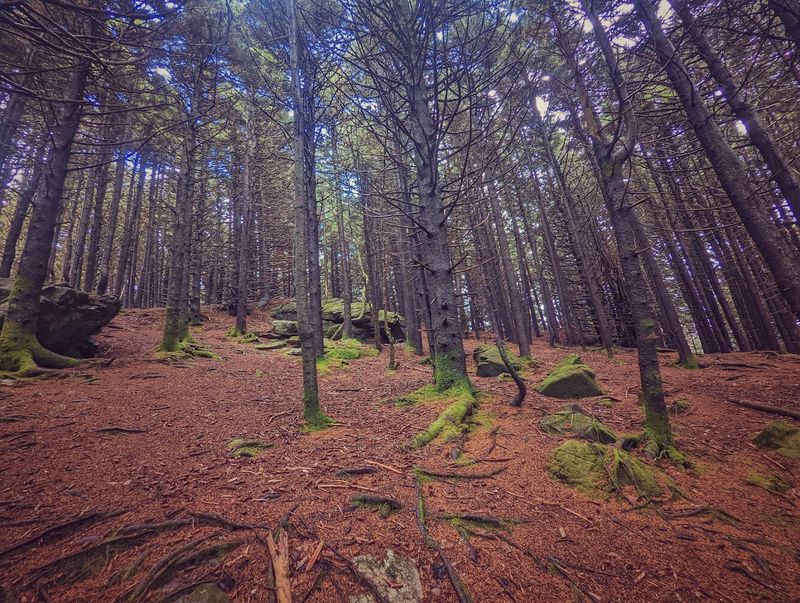
Roan Mountain sits high enough to feel different from the rest of Tennessee. The air is cooler, the forest is thicker, and the rhododendron blooms in June turn the mountainside into a sea of pink and purple. It’s the kind of place where elevation matters, and you can feel it in the temperature drop as soon as you arrive.
The park itself is smaller than some of the plateau giants, but it punches above its weight with access to the Roan Highlands, one of the prettiest stretches of high country in the southern Appalachians. Trails wind through spruce-fir forest, open balds, and rocky outcrops that offer long-range views without requiring a brutal climb. It’s scenic hiking that doesn’t wreck you.
Rhododendron season is the big draw, and for good reason. The blooms peak in mid-June, covering the slopes in color and attracting visitors from across the region. If you time it right, it’s one of the most photogenic natural events in Tennessee.
If you miss the bloom, the park is still worth visiting—just don’t expect the same visual punch.
The campground is well-maintained and feels more forested than some of the open, field-style campgrounds at other parks. Sites are spaced out enough to give you privacy, and the whole setup has a mountain retreat vibe that works whether you’re tent camping or pulling in an RV.
Winter brings a different kind of beauty, with frost-covered trees and quiet trails that see far fewer visitors. The park doesn’t shut down when the temperature drops, which makes it a solid off-season destination if you’re chasing solitude and don’t mind layering up.
6. Frozen Head State Park — Wartburg
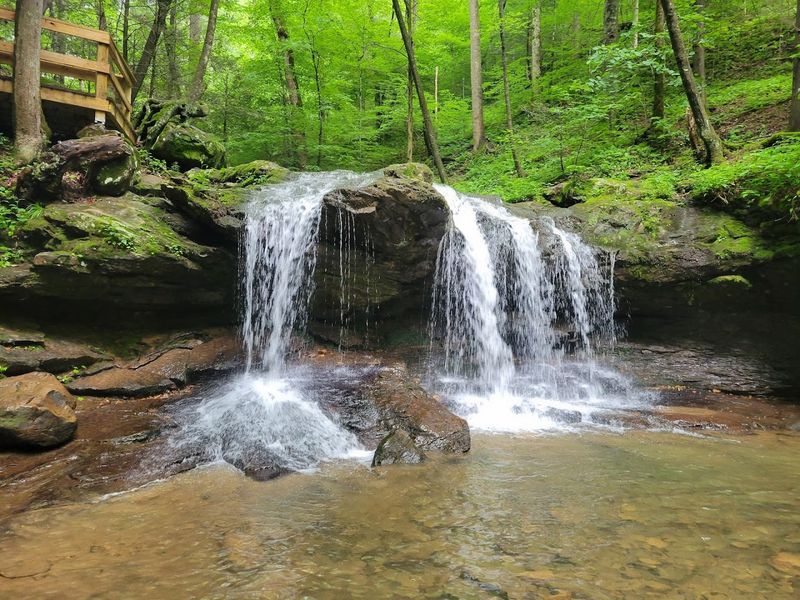
Frozen Head doesn’t mess around. The trails are steep, the forest is thick, and the mountain views come only after you’ve earned them. This is a park for hikers who want a workout, not a scenic stroll.
If you’re looking for easy overlooks and paved paths, keep driving. If you want wilderness energy and trails that actually challenge you, this is your spot.
The park sits in the Cumberland Mountains, and the terrain reflects it—rocky ridges, dense hardwood forest, and enough elevation gain to make your legs remember the hike the next day. The trails range from moderate to brutal, with the summit hike to Frozen Head Tower clocking in at over 3,300 feet of elevation. It’s not the tallest peak in Tennessee, but it’s tall enough to make you work.
Crowds are rare here, even on weekends. The park doesn’t have the name recognition of Fall Creek Falls or the Smokies, which means parking is usually available and the trails stay quiet. You might cross paths with a few other hikers, but you won’t be stuck in a line waiting for someone to take a selfie.
Wildlife is active throughout the park, with black bears, deer, and wild turkeys making regular appearances. The forest canopy is thick enough to create that deep-woods feeling, and in fall, the color is outstanding. Spring brings wildflowers, and winter turns the higher elevations into a frost-covered wonderland.
The backcountry here is legit, with primitive campsites scattered along the trails for those who want to spend the night. It’s not glamping—it’s pack-in, pack-out camping that requires preparation and respect for the terrain. But if you’re into that kind of thing, Frozen Head offers some of the best backcountry solitude in the state.
This park rewards effort. It’s not Instagram-easy, but it’s real, rugged, and exactly what serious hikers look for when they want to escape the crowds.
7. Pickett CCC Memorial State Park — Jamestown
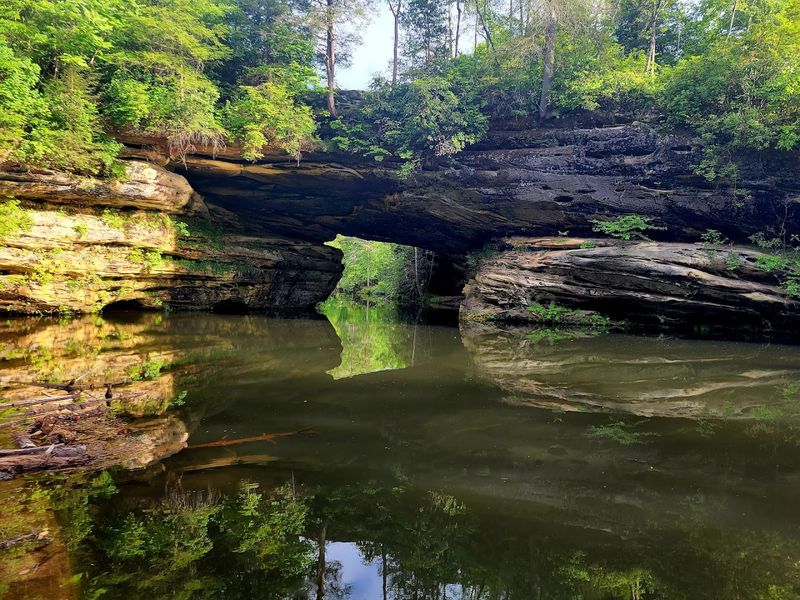
Pickett feels like a secret, even though it’s been a state park since the 1930s. Tucked into the northern plateau near the Kentucky border, it’s far enough off the beaten path that most tourists never make it here. That’s their loss, because this park has sandstone arches, natural bridges, quiet trails, and some of the darkest skies in Tennessee.
The geology is the star. Sandstone formations create natural bridges and rock shelters that look like they belong in a desert, not the humid South. Trails loop through the formations, offering close-up views of arches like Hazard Cave Arch and Indian Rockhouse.
It’s not a long hike to reach them, but the scenery feels ancient and untouched.
The forest here is thick and green, with a mix of hardwoods and hemlocks that create a canopy overhead. In some spots, the trees grow right up to the rock formations, creating a contrast between soft foliage and hard stone that’s visually striking. It’s the kind of place where you slow down and notice details instead of rushing to the next overlook.
Pickett is also a designated Dark Sky Park, which means the night sky here is legitimately stunning. If you camp overnight and the weather cooperates, you’ll see more stars than you thought possible. It’s worth staying late just to experience the difference between a truly dark sky and the light-polluted version most of us are used to.
The trails aren’t crowded, the park doesn’t feel commercialized, and there’s a sense of discovery that’s harder to find at bigger, busier parks. You can wander without a map and still feel like you’re finding something new around every corner.
If you want a park that feels like a hidden pocket of wilderness, Pickett delivers. It’s quiet, unique, and exactly the kind of place that rewards those who make the effort to get there.
8. Cumberland Mountain State Park — Crossville
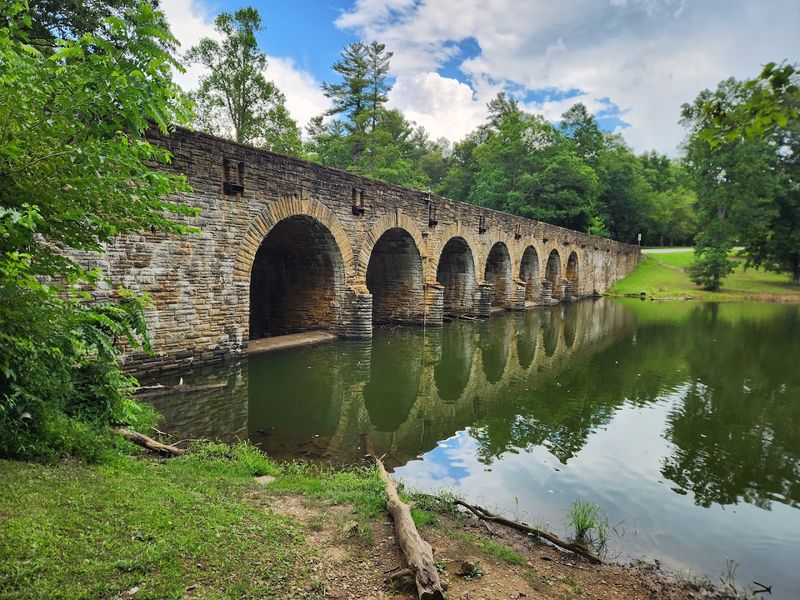
Cumberland Mountain State Park sits on the plateau with a slower, more peaceful vibe than some of Tennessee’s adrenaline-fueled parks. There’s a lake, stone bridges, forested trails, and a historic CCC-era lodge that gives the whole place a vintage charm. It’s not about chasing waterfalls or summiting peaks—it’s about settling into a quieter rhythm and enjoying the scenery without rushing.
The lake is the centerpiece, offering calm water, fishing opportunities, and a shoreline trail that loops around the edge. It’s an easy walk, mostly flat, and perfect for families or anyone who wants to stretch their legs without committing to a mountain hike. The reflections in the water are especially nice in fall when the trees light up with color.
Stone bridges and historic structures dot the park, remnants of the Civilian Conservation Corps work from the 1930s. The craftsmanship is impressive, and the structures blend into the landscape in a way that modern construction rarely does. Walking through the park feels like stepping back to a time when parks were built to last, not just to look good in photos.
Trails wind through hardwood forest, offering shade and solitude without much elevation change. It’s not challenging hiking, but it’s pleasant, and sometimes that’s exactly what you need. The park doesn’t demand anything from you—it just invites you to slow down and enjoy being outside.
The campground is well-maintained, with sites that feel more private than some of the larger state parks. There’s also a restaurant on-site, which is a rare perk for a state park and makes this a solid option if you’re not in the mood to cook over a camp stove.
Cumberland Mountain is the kind of park you visit when you want to relax, not conquer. It’s scenic, accessible, and peaceful in a way that makes it easy to forget how close you are to civilization.
9. Panther Creek State Park — Morristown
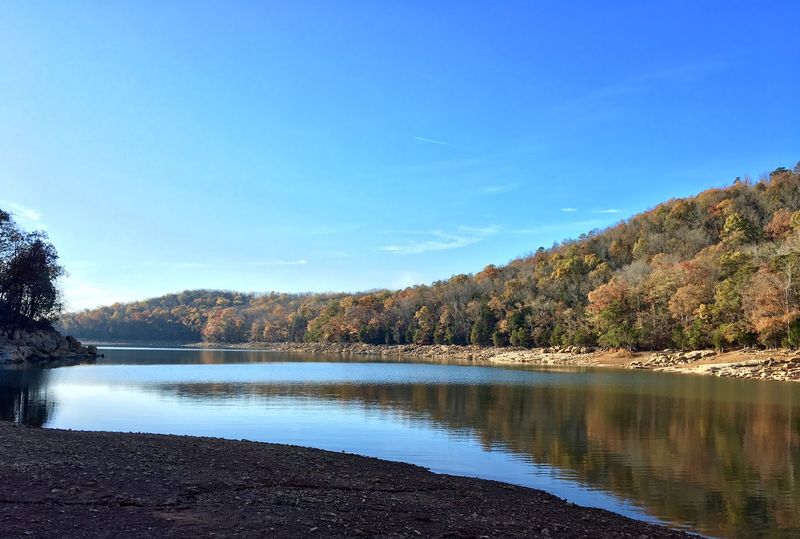
Panther Creek wraps around a peninsula jutting into Cherokee Lake, offering water views, forested trails, and one of the best overlooks in East Tennessee. Point Lookout Trail leads to a rocky outcrop where the lake stretches out below and the mountains rise in the distance. It’s the kind of view that makes you stop and take it in, even if you’re not usually the type to linger at overlooks.
The park has over 30 miles of trails, ranging from easy lakeside walks to more challenging ridge hikes. The variety means you can tailor your visit to your energy level, whether you’re up for a long day of exploring or just want a quick loop before lunch. The trails are well-marked, and the terrain is manageable without being boring.
Cherokee Lake dominates the scenery, and the park takes full advantage of it. There’s a swim beach, boat ramps, and plenty of shoreline access for fishing or just sitting by the water. The lake isn’t as crowded as some of the bigger Tennessee reservoirs, which means you can usually find a quiet spot to yourself.
Wildlife is active throughout the park, with deer, turkeys, and waterfowl making regular appearances. Birdwatchers show up for the variety of species that pass through, especially during migration seasons. The mix of forest and water creates habitat diversity, which keeps things interesting for anyone paying attention to the natural side of the park.
Fall is prime time here, with the hardwood forest putting on a color show and the cooler temperatures making hiking more comfortable. The views from Point Lookout are especially striking when the trees are lit up, and the crowds are thinner than they are in summer.
10. Edgar Evins State Park — Silver Point
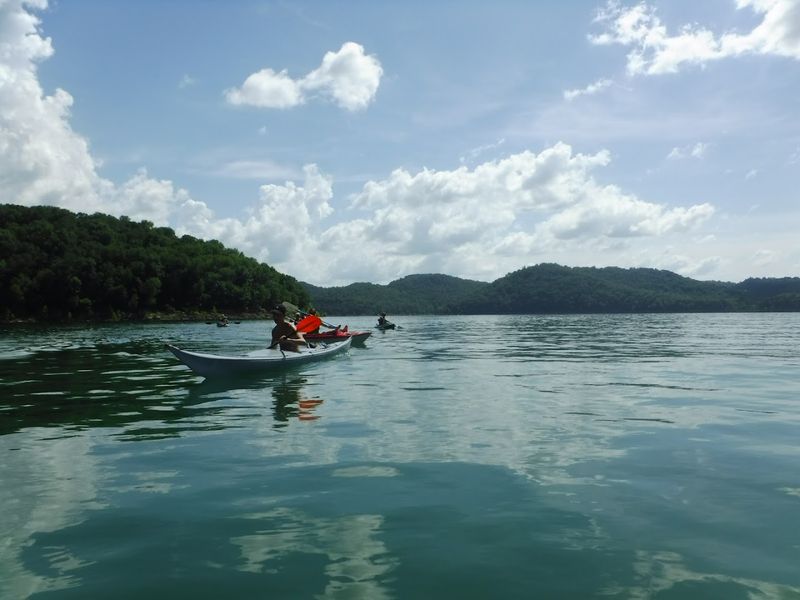
Edgar Evins hugs the shoreline of Center Hill Lake, offering bluff views, wooded trails, and a quieter lakeside experience than the vacation-heavy spots nearby. The park sits on the eastern arm of the lake, where the water is deep, the cliffs are tall, and the scenery feels more natural than developed. It’s a solid pick if you want lake access without the jet ski chaos.
Trails wind along the bluffs, offering views of the water below and the forested hills beyond. The terrain is hilly but not brutal, and the paths are well-maintained without feeling overly manicured. It’s the kind of hiking that keeps you engaged without exhausting you, and the lake views provide constant visual payoff.
Wildlife watching is a highlight here, with bald eagles, ospreys, and herons frequently spotted along the shoreline. Deer move through the forest, and if you’re patient and quiet, you’ll see plenty of activity. The park’s location on the lake creates a natural corridor for wildlife, which makes it a good spot for anyone who enjoys observing animals in their habitat.
The marina offers boat rentals and access to the lake, and fishing is popular year-round. Center Hill Lake has a reputation for bass, crappie, and walleye, and the park’s location gives you easy access to productive fishing spots without the crowds you’d find near the dam.
Camping at Edgar Evins is low-key and well-spaced, with sites that feel private even when the campground is full. There’s no resort vibe here—just solid facilities, lake access, and trails that start right from the campground. It’s the kind of setup that works whether you’re tent camping or rolling in with an RV.
If you want a lakeside park that feels more like a natural retreat than a vacation destination, Edgar Evins fits the bill. It’s scenic, peaceful, and accessible without being overrun.
11. Meeman-Shelby Forest State Park — Millington
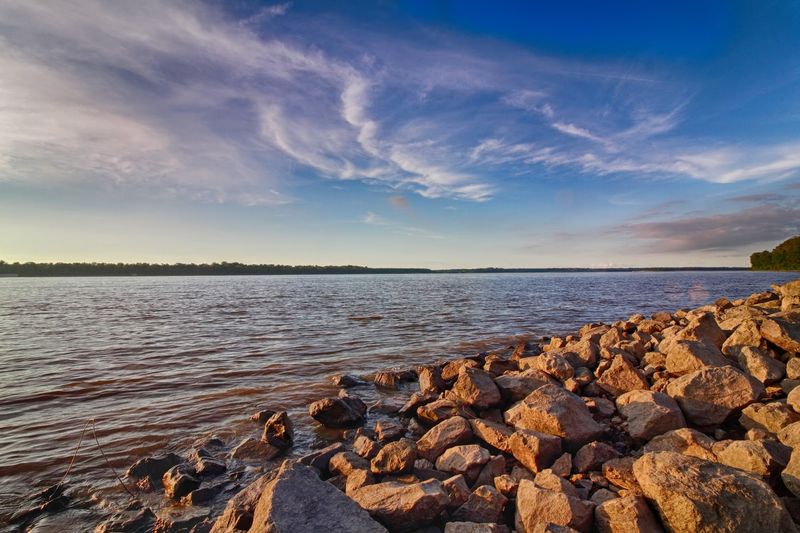
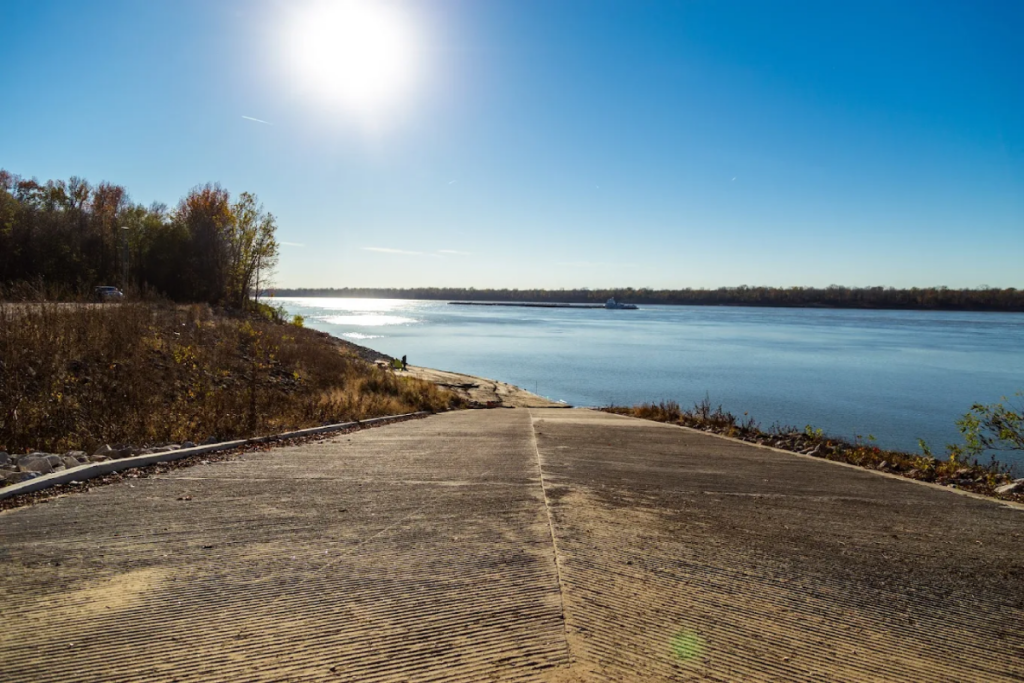
Meeman-Shelby Forest brings a completely different landscape to the list. Forget mountains and waterfalls—this is West Tennessee, where the Mississippi River cuts through bottomland hardwood forest and the terrain is flat, swampy, and full of life. It’s a refreshing change if you’ve spent all your time in the eastern part of the state, and it proves that Tennessee’s natural diversity runs deeper than most people realize.
The park sits on bluffs overlooking the Mississippi, offering river views that stretch for miles. The trails wind through dense forest, past cypress swamps, and along the river’s edge, giving you a taste of the wetland ecosystems that once dominated the region. It’s a different kind of beauty—quieter, more subtle, and less dramatic than the cliffs and gorges out east.
Birdwatching is exceptional here, with migratory species passing through in spring and fall. The mix of forest, wetland, and river creates habitat for a wide variety of birds, and serious birders make regular trips to the park to add to their lists. Even if you’re not a birder, the variety of wildlife is noticeable, from woodpeckers to wading birds to the occasional river otter.
The trails aren’t long or difficult, but they’re peaceful and well-maintained. You won’t find steep climbs or rocky scrambles—just flat, shaded paths that let you enjoy the forest without working too hard. It’s the kind of place where you can take your time, stop to observe, and appreciate the details instead of rushing to the next viewpoint.
Meeman-Shelby doesn’t get the attention that the mountain parks do, but that’s part of its appeal. It’s quiet, it’s different, and it offers a side of Tennessee that most visitors never see. If you want to experience the state’s natural diversity, this park belongs on your list.