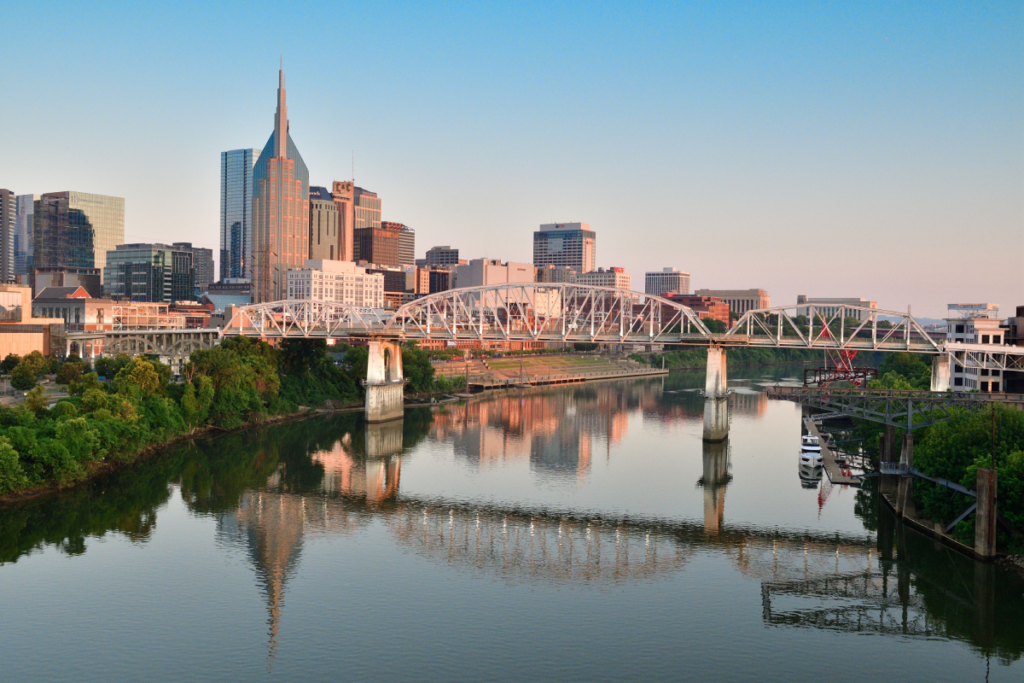
Tennessee is a state full of pride, passion, and a whole lot of personality. From the mountains in the east to the Mississippi River in the west, locals have strong opinions about their food, their music, and their home.
Drop the wrong comment at a backyard barbecue or a tailgate party, and you might find yourself on the receiving end of some polite but firm corrections—or maybe just a long, uncomfortable silence.
1. “Nashville is basically the whole state, right?”
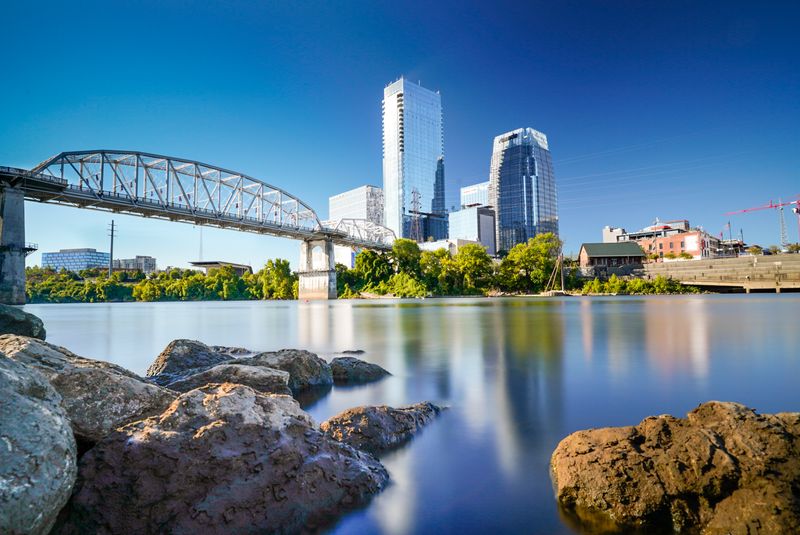
Ask this question and watch every Tennessean within earshot take a deep breath. Sure, Nashville gets the spotlight with its Broadway bars and celebrity sightings, but reducing the entire state to one city is like saying a sandwich is just the bread. Memphis has Beale Street and a soul music legacy that shaped American culture.
Knoxville anchors the eastern mountains with college town energy and gateway access to the Smokies.
Chattanooga sits along the Tennessee River with rock climbing, outdoor adventure, and a revitalized downtown that rivals any mid-sized city in the country. Then there are the small towns scattered across three grand divisions, each with their own festivals, local legends, and fiercely loyal residents. Franklin, Murfreesboro, Clarksville, Johnson City—these places have their own identities, and they do not appreciate being lumped in with honky-tonk central.
Tennesseans from outside Nashville will quickly remind you that the state stretches over 400 miles from east to west. The landscape, culture, and even the accents shift dramatically as you move across regions. What flies in Nashville might get side-eye in the Tri-Cities, and what makes sense in Memphis might confuse folks in the Cumberland Plateau.
Broadway is fun, no doubt. Bachelorette parties keep the pedal taverns rolling, and the neon lights make for great photos. But if you really want to understand Tennessee, you have to leave Lower Broadway and see what the rest of the state has to offer.
Ask a local where they are from, and do not assume the answer is Nashville. Chances are, they will be more than happy to tell you why their corner of Tennessee is worth your attention too.
2. “Memphis barbecue is overrated.”
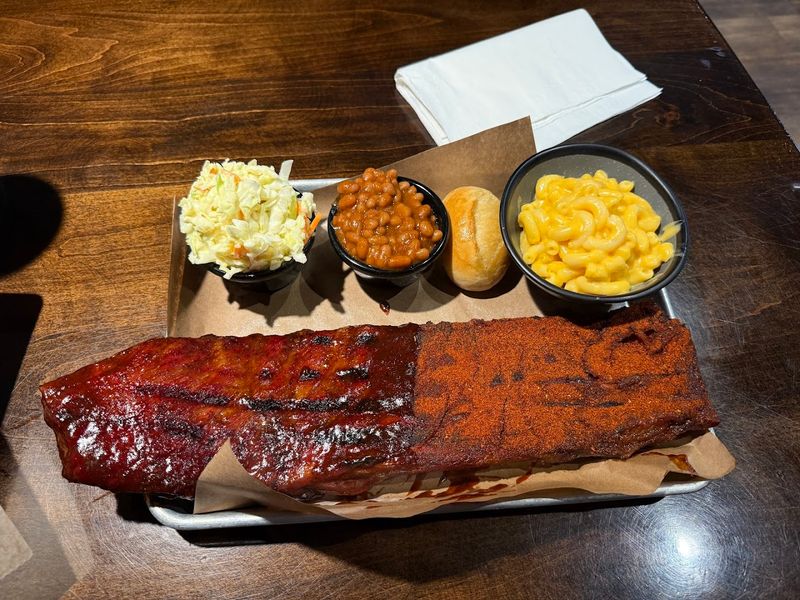
If you want to start an argument before the appetizers arrive, just say Memphis barbecue does not live up to the hype. Locals take their slow-smoked pork seriously, and they have decades of tradition to back up their opinions. Dry rub ribs are not just a menu item here—they are a point of pride, a family legacy, and sometimes the subject of fierce neighborhood loyalty.
Memphis has been perfecting its barbecue game since before most other cities even had smokers. The dry rub style, with its blend of spices and no sauce required, is a signature that separates Memphis from the rest of the South. Sure, you can get wet ribs too, but the dry rub is what built the reputation.
When you suggest it is overrated, you are not just critiquing food—you are questioning generations of pitmasters who have spent lifetimes perfecting their craft.
Walk into any established barbecue joint in Memphis and you will see photos on the walls, awards on the shelves, and regulars who have been coming in for thirty years. These are not casual diners. These are people who know what good barbecue tastes like, and they will defend it with the kind of passion usually reserved for sports teams.
Tell them their ribs are overrated and prepare for a lecture on wood choices, rub recipes, and the proper way to smoke a shoulder.
Even if you prefer a different style—Carolina vinegar, Texas brisket, Kansas City sauce—you do not walk into Memphis and dismiss their contribution to the barbecue canon. That is like going to New Orleans and saying gumbo is just soup. Technically true, maybe, but you are missing the entire point and probably about to get schooled by someone who knows better.
3. “Is Tennessee just all country music?”
Country music gets the headlines, but Tennessee’s musical roots run way deeper than rhinestone suits and steel guitars. Memphis gave birth to rock and roll at Sun Studio, where Elvis, Johnny Cash, and Jerry Lee Lewis recorded some of the most iconic tracks in American history. Blues legends like B.B.
King made Beale Street their home, and the sound that came out of those clubs influenced everything from jazz to hip-hop.
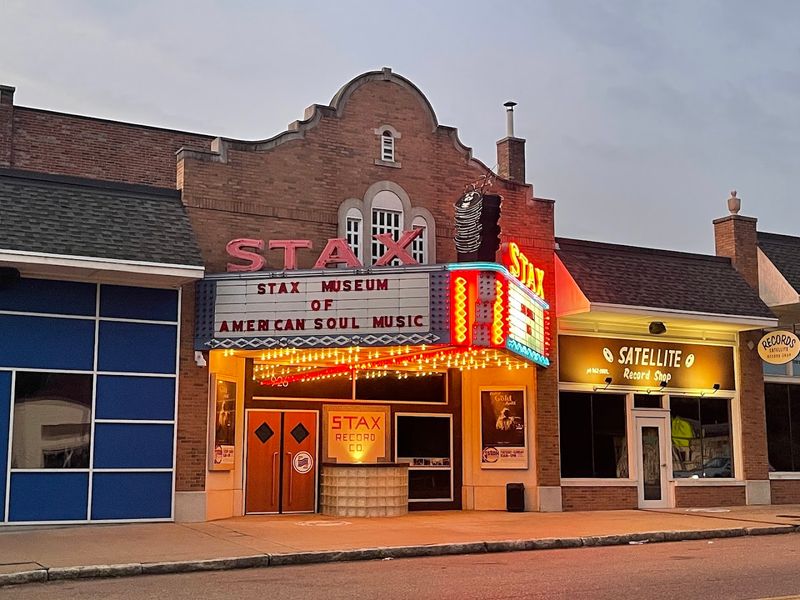
Gospel music has been shaking church walls across Tennessee for generations, especially in the African American communities that shaped so much of the state’s cultural identity. Soul music exploded out of Memphis thanks to Stax Records, bringing the world artists like Otis Redding, Isaac Hayes, and Booker T. and the M.G.’s. That is not country—that is raw, emotional storytelling set to rhythm and horns.
Bluegrass thrives in the mountains of East Tennessee, where string bands have been picking and grinning long before Nashville became a tourist destination. Rock bands, indie artists, and hip-hop producers all call Tennessee home now, recording in studios from Knoxville to Chattanooga. The music scene here is not a single genre—it is a living, breathing mix of sounds that reflects the diversity of the people who live here.
Yes, Nashville is Music City, and country music is a huge part of that identity. But reducing Tennessee to one genre ignores the state’s actual history and the artists who built it. When locals hear this question, they do not just roll their eyes—they mentally prepare a playlist to prove you wrong.
Tennessee is a music state, not a country music state, and the difference matters to anyone who actually listens.
4. “The Smokies are just like any other mountains.”
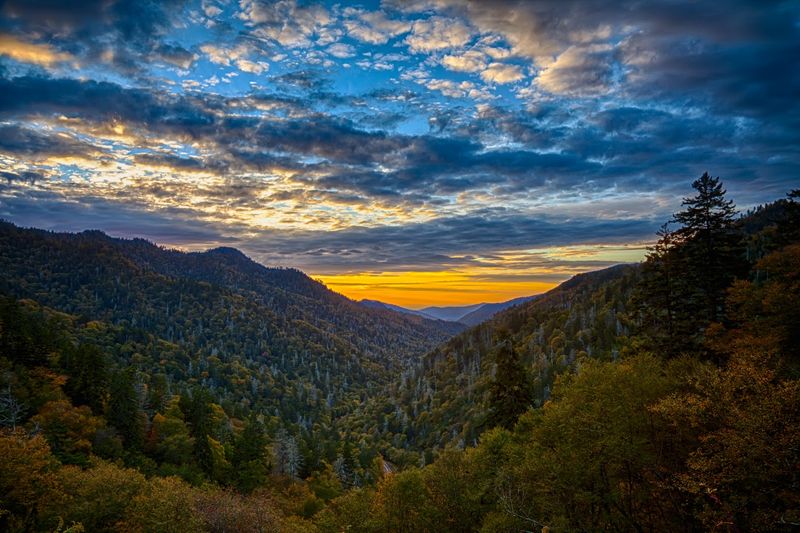
Comparing the Smokies to just any mountain range is a quick way to lose credibility with anyone who has spent time in them. The Great Smoky Mountains are the most visited national park in the country for a reason, and it is not just because they are convenient. The mist that rolls through the valleys, the biodiversity packed into those ancient ridges, and the sheer beauty of the landscape set them apart from other ranges.
These mountains are old—some of the oldest in the world—and they have a character that is hard to put into words but easy to feel when you are standing in a quiet holler. The fog that gives the Smokies their name is not just a weather pattern; it is part of the atmosphere, the mood, the reason people come back year after year. You do not get that same feeling in the Rockies or the Appalachians farther north.
Wildlife here includes black bears, elk, synchronous fireflies, and over 1,500 species of flowering plants. The park protects some of the last remaining old-growth forest in the eastern United States. Trails range from easy riverside walks to brutal ridge climbs, and each one offers something different depending on the season.
Spring wildflowers, summer greenery, fall colors, winter silence—the Smokies shift and change in ways that keep locals coming back.
Tourists flood Gatlinburg and Pigeon Forge, but locals know the quieter trails, the hidden waterfalls, and the back roads that take you away from the crowds. When someone dismisses the Smokies as generic, it usually means they only saw them from a car window or spent all their time in a cabin with a hot tub. The magic is out there, but you have to be willing to look for it.
5. “I thought Tennessee was all rural.”
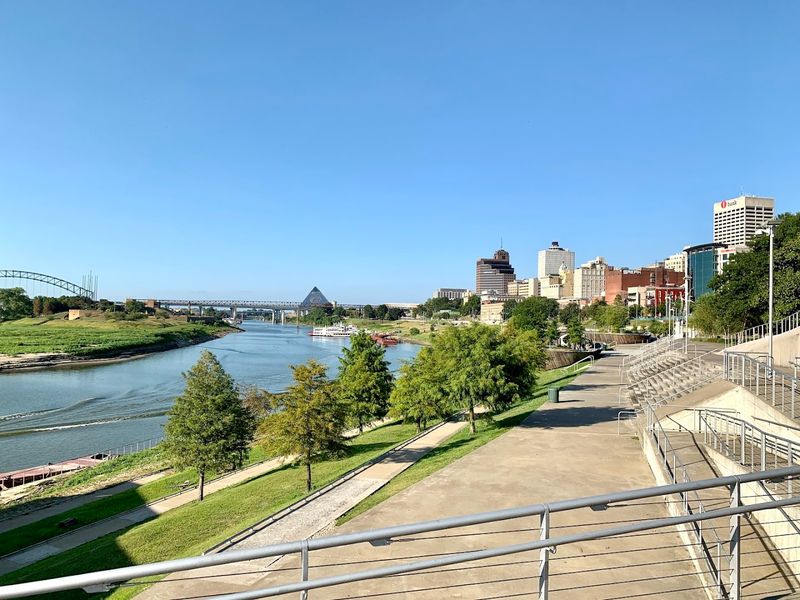
Tennessee has cities—real ones, with skylines, traffic, universities, and thriving arts scenes. Memphis is a major metropolitan area with over a million people in the metro region. Nashville is one of the fastest-growing cities in the country, with cranes dotting the skyline and new residents moving in every week.
Knoxville anchors East Tennessee with a vibrant downtown and a major university that brings energy and culture to the region.
Chattanooga has transformed itself into an outdoor recreation hub with a revitalized riverfront, a world-class aquarium, and a tech scene that draws remote workers and startups. These are not sleepy small towns—they are legitimate urban centers with all the amenities, challenges, and opportunities that come with city life. Restaurants, museums, live music venues, professional sports teams—Tennessee cities have it all.
Even the smaller towns are not what people expect when they picture rural America. Franklin has a historic downtown square that rivals anything in the South. Murfreesboro is home to one of the largest universities in the state.
Johnson City and Kingsport anchor the Tri-Cities region with hospitals, businesses, and cultural institutions. These places have personality, infrastructure, and residents who are tired of being stereotyped.
Yes, Tennessee has farmland, rolling hills, and plenty of wide-open spaces. But it also has urban sprawl, rush hour traffic, and neighborhoods where you can walk to coffee shops and concert halls. The assumption that the entire state is rural ignores the reality of where most Tennesseans actually live.
Cities and small towns coexist here, and both are proud of what they bring to the table. Dismissing Tennessee as all rural is lazy thinking, and locals will not let it slide without a correction.
6. “Hot chicken isn’t that spicy.”
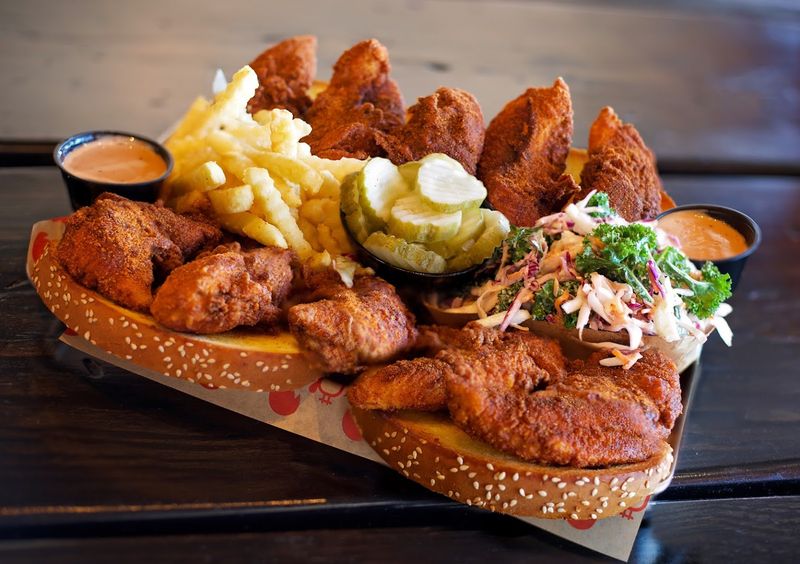
Famous last words. Hot chicken in Tennessee is not a joke, and anyone who thinks otherwise probably ordered the mild version by accident—or is about to learn a very sweaty lesson. Nashville hot chicken has a heat level that builds, lingers, and does not quit.
The cayenne-laced coating is not just for show; it is designed to test your tolerance and make you reach for that white bread and pickle combo like your life depends on it.
Most places offer a range of heat levels, from mild to extra hot, and sometimes even a level beyond that with names like “shut the cluck up” or “fire in the hole.” Locals know to start cautious and work their way up, but visitors often overestimate their spice tolerance and end up regretting it halfway through the meal. The heat is real, and it does not fade quickly. You will feel it on your lips, your tongue, and maybe even your fingertips if you are not careful.
Hot chicken is not just about the spice, though. When done right, it has flavor—smoky, savory, with a hint of sweetness underneath the fire. The chicken itself is juicy, the coating is crispy, and the whole experience is worth the pain if you can handle it.
But downplaying the heat is a mistake that will get you side-eye from anyone who has actually eaten the real thing.
If you say hot chicken is not that spicy, locals will assume one of two things: you got the wrong order, or you have no idea what you are talking about. Either way, you are about to get schooled. The spice is part of the tradition, part of the challenge, and part of what makes Nashville hot chicken a culinary experience that sticks with you—literally and figuratively.
Respect the heat, or prepare to suffer.
7. “All Southern accents sound the same.”

Tell a West Tennessee local they sound like someone from the mountains, and watch them correct you real quick. Accents across Tennessee vary more than most outsiders realize, and lumping them all together is a surefire way to annoy someone. The drawl you hear in Memphis has a rhythm and tone distinct from the twang common in Nashville, and both are completely different from the mountain accent in East Tennessee.
West Tennessee accents lean into a slower, more drawn-out cadence, influenced by proximity to the Mississippi Delta and the cultural overlap with Arkansas and Mississippi. Middle Tennessee, especially around Nashville, has a twang that is recognizable but often softened by transplants and media influence. East Tennessee accents carry a sharper, more Appalachian quality, with vowel shifts and pronunciations that tie back to Scots-Irish settlers who moved into the mountains generations ago.
Even within those regions, there are variations. A farmer in rural Fayette County does not sound like a bartender on Beale Street. A college student in Knoxville does not sound like a retiree in Gatlinburg.
Class, age, education, and exposure all play a role in how people speak, and reducing it all to one generic Southern accent ignores the richness of the state’s linguistic diversity.
Locals notice these differences immediately, even if outsiders do not. Accent is part of identity here, tied to family history, regional pride, and cultural roots. When someone assumes all Southern accents are the same, it shows they have not been paying attention.
Tennesseans do not all sound alike, and they will happily explain the nuances if you are willing to listen. Just do not expect them to be polite about it if you keep insisting otherwise.
8. “Jack Daniel’s is bourbon, right?”

Wrong, and locals will not let you get away with it. Jack Daniel’s is Tennessee whiskey, not bourbon, and the distinction matters to anyone who knows the difference. Tennessee whiskey goes through an extra step called the Lincoln County Process, where the spirit is filtered through sugar maple charcoal before aging.
That process is what sets it apart from bourbon, and it is protected by state law as a defining characteristic of Tennessee whiskey.
Bourbon can be made anywhere in the United States, but Tennessee whiskey has to be made in Tennessee and follow specific production rules. The charcoal mellowing step smooths out the flavor and gives Tennessee whiskey its signature character. Jack Daniel’s, George Dickel, and other Tennessee distilleries take pride in that process, and they do not appreciate being lumped in with bourbon just because both are American whiskeys.
This is not just a technicality—it is a matter of state pride. Tennessee whiskey has its own identity, its own history, and its own place in the spirits world. Calling it bourbon is like calling champagne sparkling wine.
Sure, they are related, but they are not the same thing, and the people who make it will be quick to correct you.
Visitors often make this mistake innocently, but locals hear it as ignorance or laziness. If you are going to drink Tennessee whiskey, at least know what you are drinking. The distilleries in Lynchburg and Tullahoma have been perfecting their craft for over a century, and they deserve the recognition that comes with getting the name right.
Bourbon is fine, but it is not Tennessee whiskey, and Tennesseans will make sure you understand the difference before you finish your first glass.
9. “Why does everyone care so much about football?”
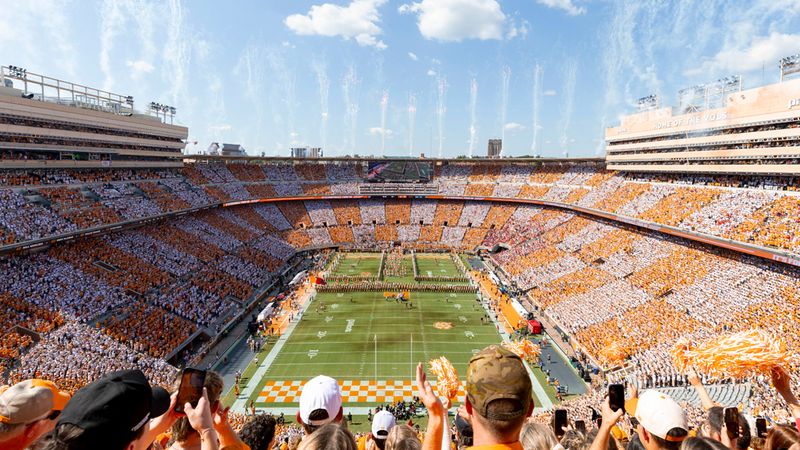
Football is not just a sport in Tennessee—it is a fall religion, a social calendar, and a source of identity that runs deeper than most outsiders understand. The University of Tennessee Volunteers command loyalty that borders on devotion, with over 100,000 fans packing Neyland Stadium on Saturdays. The orange and white are not just school colors; they are a way of life, a family tradition, and a source of pride that spans generations.
High school football is just as serious, especially in small towns where Friday night games are the main event of the week. Communities rally around their local teams, and the players are treated like hometown heroes. Stadiums fill up, bands play, and everyone from the mayor to the mechanic shows up to watch.
Winning matters, but so does the ritual, the camaraderie, and the shared experience of being part of something bigger than yourself.
The Tennessee Titans bring professional football to Nashville, and their fanbase is passionate, loyal, and quick to defend the team even when the season is rough. Titans games are a chance to tailgate, wear jerseys, and cheer alongside thousands of other fans who care just as much. Football Sundays are sacred, and plans get scheduled around kickoff times.
Asking why everyone cares so much about football is like asking why people care about music, food, or family. It is woven into the culture here, passed down from parents to kids, and reinforced every fall when the leaves change and the stadiums roar. If you do not get it, that is fine, but do not expect locals to explain it in a way that makes sense to someone who has never experienced it.
Football is Tennessee, and Tennessee is football, and that is just how it is.
10. “There’s nothing to do outside of Nashville.”
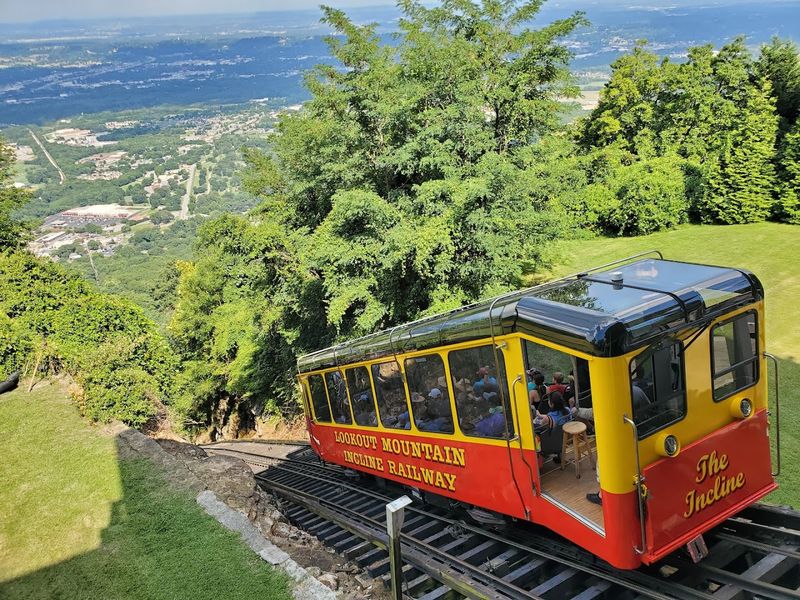
This might be the fastest way to unite the entire state in collective annoyance. Suggesting that Nashville is the only place worth visiting ignores Memphis, Knoxville, Chattanooga, Gatlinburg, Franklin, and hundreds of other towns that offer their own unique experiences. Each region of Tennessee has its own attractions, its own culture, and its own reasons to visit, and locals are tired of hearing that Nashville is the only game in town.
Chattanooga has Rock City, Lookout Mountain, Ruby Falls, and a riverfront that attracts outdoor enthusiasts from across the country. Knoxville has a thriving downtown, a major university, and easy access to the Smokies. Memphis has Graceland, Beale Street, and a music history that rivals any city in America.
Gatlinburg and Pigeon Forge draw millions of visitors every year with their mountain charm, attractions, and proximity to the national park.
Even smaller towns have plenty to offer if you are willing to explore. Franklin has a historic downtown square with boutique shops and Civil War history. Jonesborough is the oldest town in Tennessee and hosts the National Storytelling Festival.
Lynchburg is home to the Jack Daniel’s Distillery. Norris has a state park and a dam that played a key role in the New Deal era. The list goes on and on.
Locals from outside Nashville are proud of their hometowns, and they do not appreciate being dismissed as flyover territory. Tennessee is a diverse state with mountains, rivers, cities, and small towns that each bring something different to the table. Reducing it all to one city is lazy, inaccurate, and guaranteed to annoy anyone who knows better.
If you really want to understand Tennessee, get out of Nashville and see what the rest of the state has to offer.
Share this story