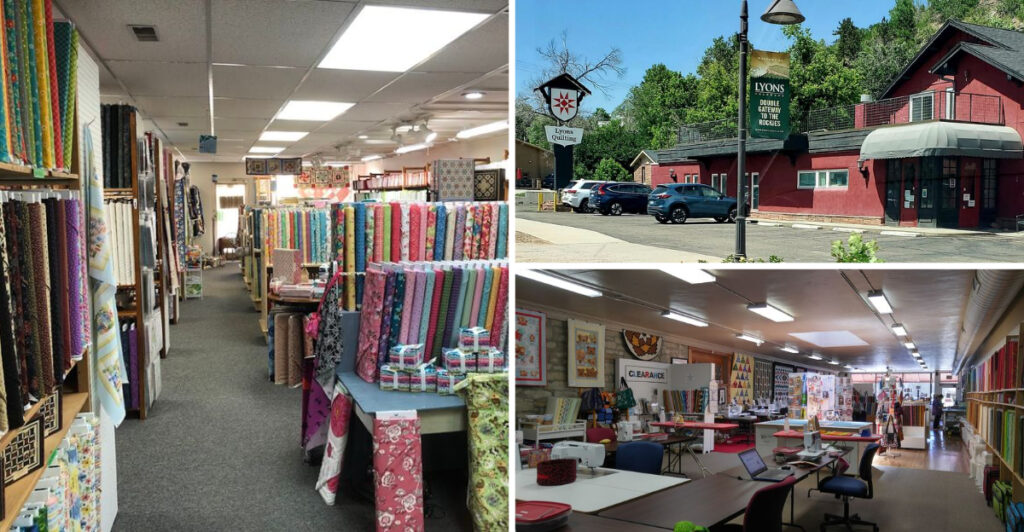
Independent fabric stores continue to thrive across Colorado, proving that knowledgeable service, quality materials, and a strong sense of community still matter. Tucked into small towns throughout the state, these locally owned shops have built loyal followings by offering carefully selected fabrics, quilting supplies, sewing notions, classes, and expert advice that big-box retailers simply cannot match.
Whether you’re an experienced quilter, an avid sewist, or just beginning a creative hobby, these welcoming stores make every visit feel inspiring. From mountain communities to quiet rural towns, these 11 Colorado fabric stores are well worth seeking out.
1. Tina’s Fabric Nook (Granby)
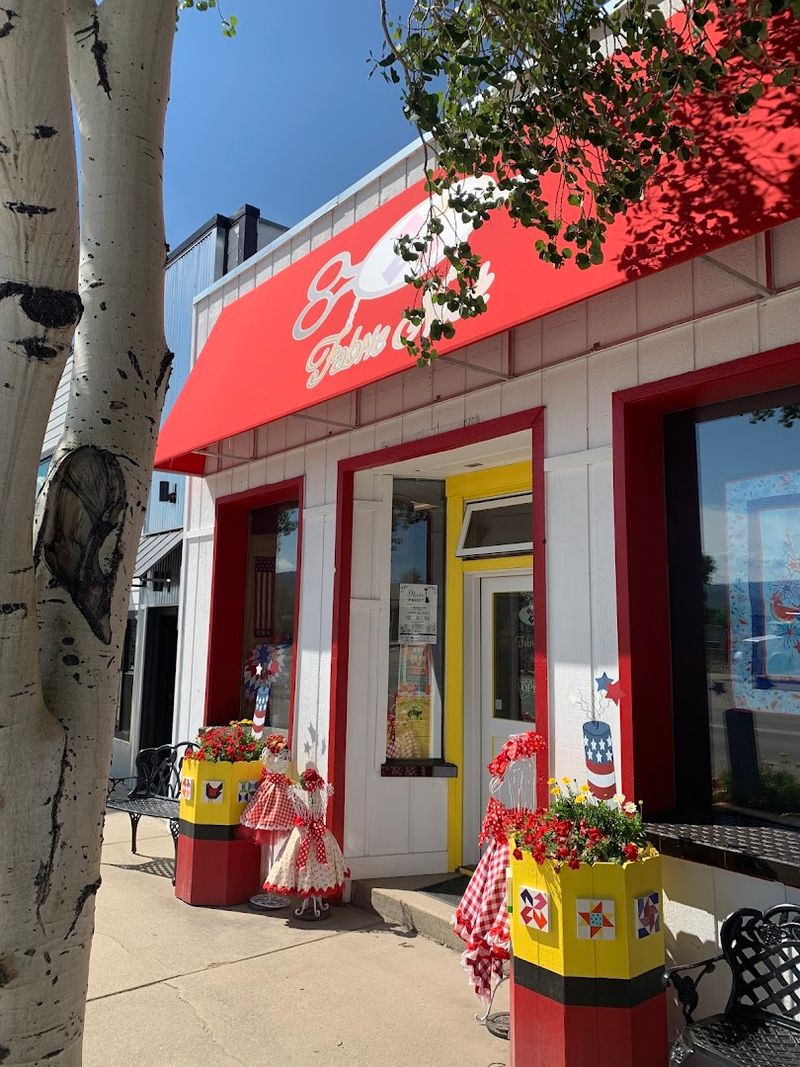
Granby is the kind of place where you expect fly shops, mountain gear, and coffee stops. Then Tina’s Fabric Nook turns the corner and reminds you that a serious fabric destination can thrive in a downtown building without acting flashy.
That contrast is part of its appeal, because the shop’s focus lands squarely on selection, service, and the kind of practical help that saves a project before it goes sideways.
Inside, the range matters. Thousands of bolts give quilters and sewists room to compare western prints, batiks, flannels, and quilting staples side by side instead of settling for whatever a chain left on the shelf.
Yarn, notions, classes, and project kits widen the audience too, so the store works for the person hunting backing fabric as well as the traveler who suddenly decides a mountain weekend needs a new craft plan.
The real strength here is how personal service shapes the shopping experience. You are not navigating anonymous aisles or scanning overhead signs for basic answers.
You can ask a specific question about color, scale, or yardage and get guidance that sounds informed instead of scripted, which is exactly why independent fabric stores keep pulling loyal customers away from bigger competitors.
Location helps, but it is not the whole story. Grand County draws visitors year round, and Tina’s Fabric Nook clearly benefits from passing crafters, yet plenty of tourist town shops still fade when novelty wears off.
This one has endured because locals use it, returning makers trust it, and new customers quickly realize the inventory was built by people who understand how projects actually come together.
That combination still wins. A historic setting gives the shop character, but substance is what makes it relevant decade after decade.
In a retail category where chains often chase volume over nuance, Tina’s Fabric Nook quietly proves that expertise, curation, and community remain a powerful business model.
2. The Quilted Heart (Limon)
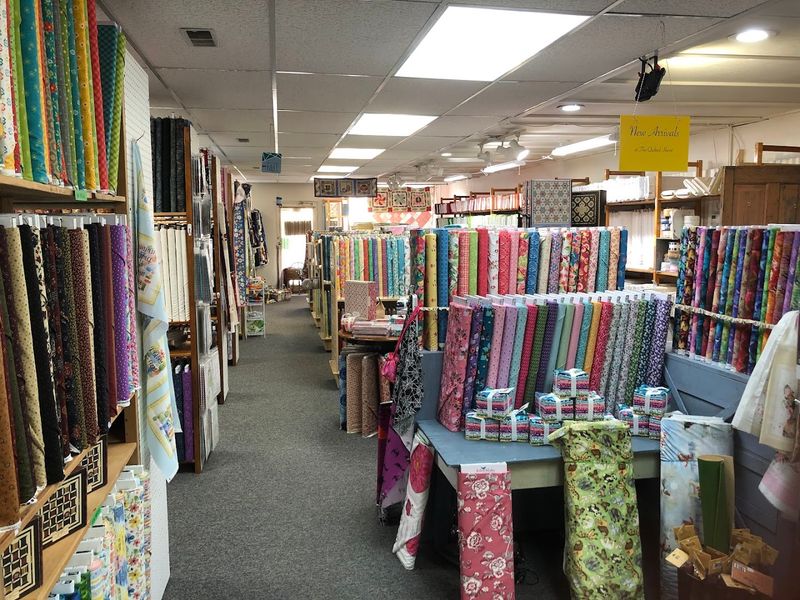
Limon is often treated like a pass-through town, the kind of place people cross on their way somewhere else. The Quilted Heart flips that script by giving quilters a reason to stop on purpose.
Right in downtown, it has built the kind of reputation that turns a quick errand into a longer browse, a class registration, or a return visit planned weeks later.
The shop’s strength starts with curation. Instead of overwhelming you with random stock, it offers quilting fabrics, notions, gifts, and services arranged with a clear understanding of how quilters actually shop.
Longarm quilting services add another layer of usefulness, especially for makers who want professional finishing options close to home rather than piecing together help from multiple sources.
Then there is the social side, which matters more than chain retailers usually admit. Classes and sew-ins give the shop a rhythm that extends beyond transactions, turning regular customers into familiar faces and beginners into confident repeat visitors.
A place like this becomes part classroom, part problem-solving desk, part inspiration board, and that mix gives it staying power that price-driven stores struggle to match.
What stands out is how naturally small-town hospitality and substantial inventory can coexist. You get warmth without sacrificing choice, and that balance is harder to achieve than it sounds.
Plenty of stores are friendly but limited, while others are well stocked and impersonal, yet The Quilted Heart manages to meet in the middle with real confidence.
That is a smart formula for longevity. Quilters want fabrics and tools, of course, but they also want guidance, community, and a setting where their projects make sense to the people behind the counter.
In Limon, The Quilted Heart keeps proving that a focused independent shop can compete very well when it serves those needs directly and consistently.
3. Inspirations Quilt Shop (Fort Morgan)
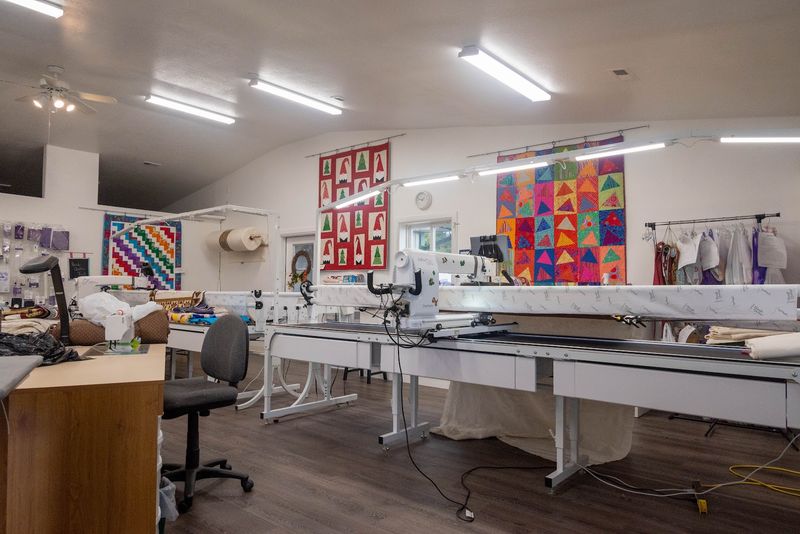
Fort Morgan does not need big-city credentials to support a strong quilt shop. Inspirations Quilt Shop has earned attention by going deep where serious makers care most: designer fabrics, embroidery supplies, quilt kits, classes, and longarm quilting services under one roof.
That kind of breadth gives the store a practical edge, because you can move from idea to execution without piecing the trip together across multiple stops.
The inventory sounds impressive on paper, but the more important detail is how it serves skill building. A store can stock beautiful fabric and still leave customers stranded when questions get specific.
Inspirations leans in the opposite direction, pairing products with knowledgeable support so shoppers can sort out thread choices, project planning, pattern questions, or technique concerns before they become expensive mistakes.
That educational emphasis matters. Instead of treating classes as a side feature, the shop uses them as part of its identity, helping customers sharpen their abilities rather than simply filling baskets.
Beginners benefit because the learning curve becomes less intimidating, while experienced quilters still have reasons to return for new methods, fresh designs, or a polished nudge on finishing details.
You can see why that encourages repeat business. Independent shops stay strong when customers trust them as resources, not just retailers, and Inspirations appears to understand that distinction clearly.
The experienced staff helps anchor that trust, creating a setting where people expect thoughtful answers rather than generic suggestions pulled from a sales script.
There is also something refreshing about a store that respects both creativity and competence. Designer fabric draws people in, but support is what turns a one-time purchase into a longer relationship.
In northeastern Colorado, Inspirations Quilt Shop stands out because it offers the tools, guidance, and consistency that many makers want most, especially when chain stores tend to flatten quilting into just another craft aisle.
4. Alamosa Quilt Company (Alamosa)
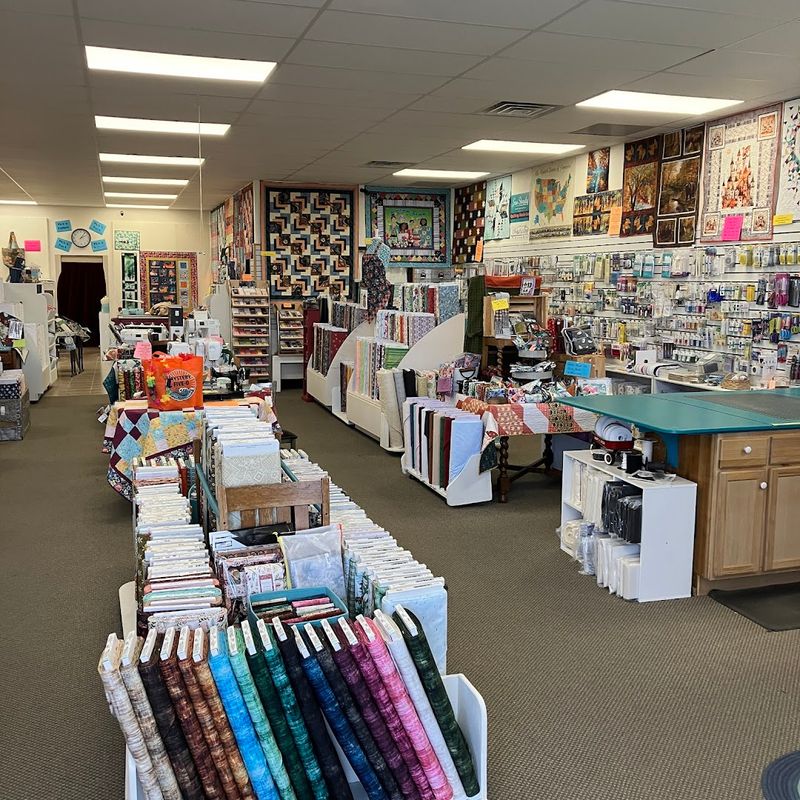
In southern Colorado, a fabric store often needs to be more than a place that sells cotton by the yard. Alamosa Quilt Company answers that reality with a broad setup that serves quilters across the San Luis Valley through fabric, machine service, quilting furniture, longarm quilting, classes, and events.
That range gives the store a practical importance, especially in a region where specialized creative resources are not sitting on every block.
The fabric selection draws attention first, but the support structure around it is what makes the shop stand out. Machine service and quilting furniture push the store beyond standard retail territory, turning it into a source for the tools and upkeep that keep projects moving.
Mystery quilt events and regular classes add motion to the calendar, so the shop stays active rather than waiting for shoppers to appear only when a supply runs low.
That consistent activity matters. Newsletters, workshops, and new product releases give customers reasons to stay connected even when they are not immediately buying fabric.
In a niche business, that ongoing conversation is powerful because it keeps the store present in people’s routines, helps ideas circulate, and turns occasional visitors into regular participants.
There is also a strong sense of usefulness here. You can pick up materials, learn a technique, get machine help, and explore bigger equipment options without bouncing between unrelated businesses.
That kind of convenience is hard for online shopping to beat, especially when the advice attached to those purchases comes from people who understand quilting as a hands-on practice rather than a generic category.
Alamosa Quilt Company survives by staying involved. It supports education, keeps its community engaged, and offers a mix of products and services that reflects how quilters actually work over time.
For southern Colorado makers, that makes the shop more than a stop for fabric alone. It becomes part of the process from planning to finishing.
5. Kathy’s Fabric Trunk (Del Norte)
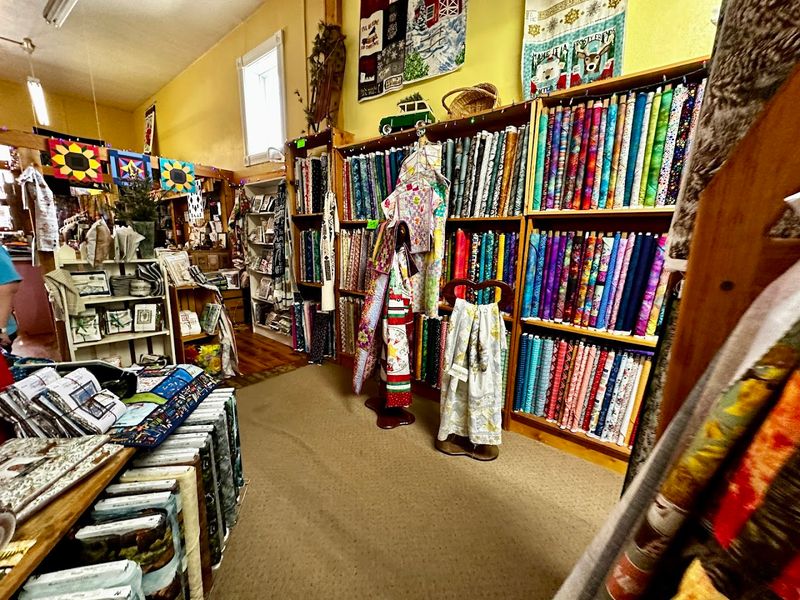
Family ownership can sound like a slogan until a store actually reflects it in the way it operates. Kathy’s Fabric Trunk in Del Norte has lasted for decades by doing more than stocking supplies.
It serves its quilting community with quality fabrics, notions, classes, and longarm rentals, creating a setup that supports the full arc of a project instead of stopping at the register.
The longarm rental piece is especially smart. Many hobbyists want access to larger equipment without buying machines they may only use occasionally, and a shop that offers that option removes a major barrier.
It also changes the customer relationship, because the store becomes a place where skills are practiced and projects get finished, not simply a place where materials are purchased and carried away.
That distinction helps explain the store’s staying power. Independent fabric shops do well when they solve real problems, and Kathy’s Fabric Trunk clearly understands the everyday needs of quilters working within budgets, space limits, and uneven confidence levels.
A class can open the door for a beginner, while experienced makers still have practical reasons to return for supplies, equipment access, and focused support.
Del Norte’s small-town scale works in the shop’s favor, but it does not guarantee success. Plenty of stores in rural communities struggle when they fail to adapt or narrow their purpose too much.
This one has remained relevant by balancing familiarity with usefulness, offering enough products and services to keep regular customers engaged across different stages of quilting life.
There is no need for big-chain theatrics when a store already understands its role. Kathy’s Fabric Trunk stays strong because it gives local quilters something concrete: dependable materials, room to learn, and access to tools that would otherwise sit far outside reach.
That is how a small-town fabric business builds endurance without chasing trends or trying to imitate larger competitors.
6. Colorado Quilt Company (Buena Vista)
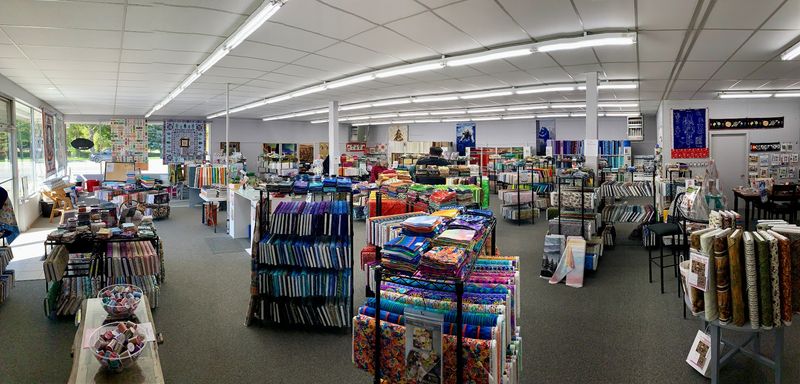
Buena Vista has no shortage of places competing for attention, which makes it even more impressive that Colorado Quilt Company stands out.
In a mountain town known for outdoor energy and handmade spirit, this independent shop offers a creative stop that speaks directly to quilters and sewists. It fits the local character without turning itself into a novelty, and that balance gives it real staying power.
The inventory is focused where it counts. Quality fabrics, patterns, kits, and notions cover the essentials, while classes and workshops make the shop useful for different experience levels.
You can arrive with a clear shopping list or just a rough idea, and either way the store is set up to move a project forward rather than leave you wandering through unrelated stock.
That structure matters in a destination town. Travelers exploring the Arkansas River Valley may discover the shop on a trip, but repeat appeal depends on more than scenery.
The welcoming approach and well-chosen merchandise make it a place where visitors remember finding exactly the kind of inventory they hoped for, while locals can rely on it as an ongoing resource rather than a one-time curiosity.
There is also a strong connection between the store and Buena Vista’s broader creative identity. Handmade work is part of the town’s appeal, and a quilt shop that supports learning and craftsmanship adds depth to that culture.
Instead of competing with outdoor recreation, it complements the rhythm of a place where people already value making, repairing, and building things with care.
Colorado Quilt Company succeeds by staying specific. It does not need warehouse scale or gimmicks to draw interest.
A strong selection, practical classes, and a clear understanding of what quilters actually need are enough to make the shop a favorite in one of Colorado’s busiest mountain towns, which says plenty about how well an independent fabric business can still perform.
7. The Hodgepodge (Salida)
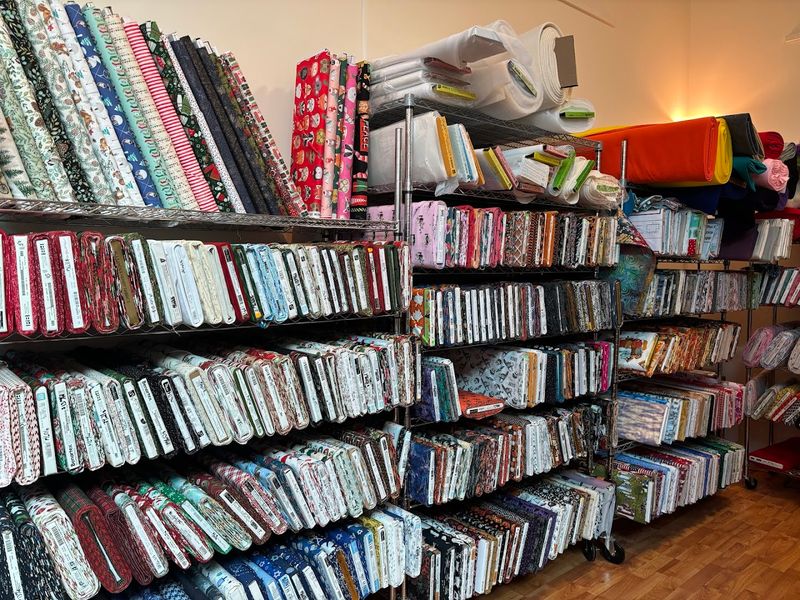
Salida already has a strong creative pulse, so a shop named The Hodgepodge has a lot to live up to. Fortunately, this place seems built for discovery.
Part quilt shop, part gift store, and part showcase for local artisans, it turns a routine fabric stop into a wider browse through quilting cottons, sewing supplies, handmade goods, and locally crafted gifts.
The scale of the quilting inventory is a major draw. An enormous selection of cottons gives serious makers plenty to sort through, especially when color, print scale, and coordination really matter.
Add in sewing supplies and the chance of spotting an unexpected handmade item nearby, and the whole visit takes on a slightly hunt-and-find rhythm that suits Salida’s artistic personality very well.
That mix also helps the store compete in a way chains rarely can. Big retailers usually separate craft supplies from local character, which makes shopping efficient but flat.
Here, selection and personality work together, so you are not just grabbing notions and leaving. You are moving through a space shaped by independent choices, local makers, and merchandise that does not feel copied from a national planogram.
There is a smart retail instinct behind that approach. The Hodgepodge is not trying to win on price alone, because independent stores almost never should.
It wins through range, curation, and the simple fact that every section offers a reason to pause, compare, and maybe rethink the original shopping list after another great print or handmade object turns up.
Salida rewards businesses with point of view, and this shop clearly has one. Quilters can come for fabric and supplies, gift shoppers can browse local goods, and both groups leave with a stronger sense of place than a chain store could ever supply.
That is a durable advantage, especially in a town where creativity is part of daily life rather than decorative branding.
8. First Stitches (Cañon City)
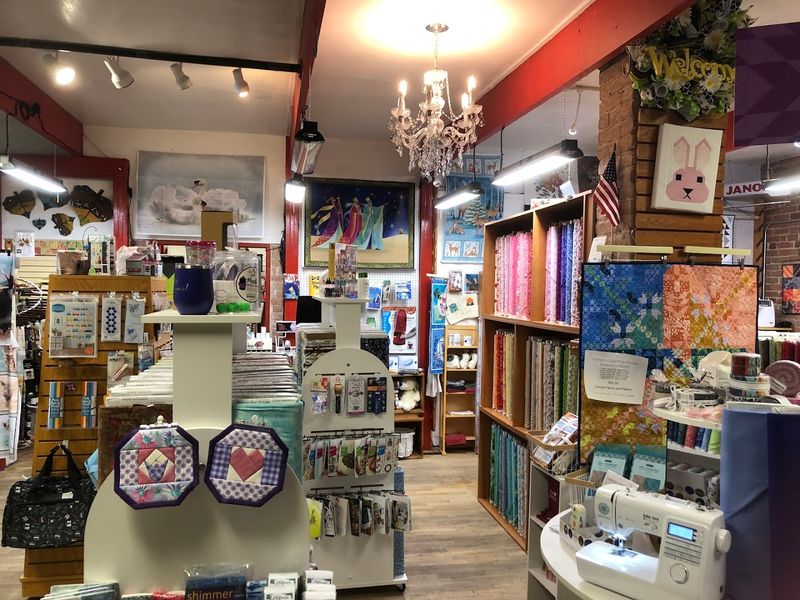
Some fabric stores survive by staying small and narrow. First Stitches in Cañon City takes a broader route, and that seems to be exactly why it remains important in southern Colorado.
With fabrics, patterns, notions, sewing machine sales, service, classes, and quilting events, the shop covers enough ground to support both everyday sewing needs and more ambitious long-term projects.
The machine side of the business adds real weight. A store that can help you choose supplies, maintain equipment, and improve technique is serving much more than impulse craft shopping.
That matters for beginners trying to avoid costly mistakes and for experienced makers who need dependable local support instead of piecing together repairs, advice, and materials from separate sources.
Education is another major part of the equation. Classes and events encourage participation at different skill levels, which helps the shop stay active and relevant beyond simple transactions.
You can imagine a beginner gaining confidence through structured instruction while a longtime quilter returns for new ideas, community energy, or a technique refresh that keeps the hobby from going stale.
There is a practical confidence in a business model like this. First Stitches does not rely on a single type of customer or one narrow product line.
By connecting fabric retail with machine support and skill building, it creates multiple reasons for people to visit regularly, and that kind of layered usefulness is often what allows independent specialty stores to outlast larger competitors with broader but shallower inventories.
Cañon City’s sewing community benefits from that approach. The shop functions as supplier, teacher, and equipment resource in one place, which is exactly the sort of convenience and expertise many makers want close to home.
In a market where chain stores often feel interchangeable, First Stitches stands apart by being specific, service-oriented, and clearly invested in helping projects get finished well.
9. Ladybugz Quilt & Yarn (Montrose)
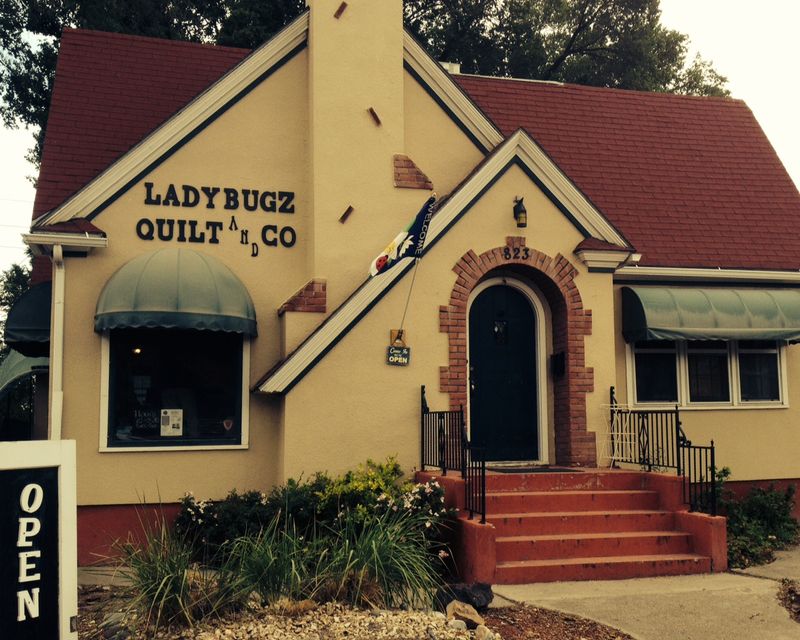
Bringing quilting and yarn together under one roof is a smart move when it is done with real intention. Ladybugz Quilt & Yarn in Montrose pulls that off by giving fabric lovers and fiber enthusiasts a shared space that still respects both crafts.
Instead of diluting the experience, the combination broadens it, offering colorful fabrics, premium yarns, patterns, notions, and project supplies with a clear sense of purpose. That breadth makes the shop useful for more than one kind of maker.
You might arrive focused on quilting cottons and leave with a knitting pattern, or come in for yarn and notice sewing tools that solve another project waiting at home.
Cross-pollination like that can be powerful for an independent store, especially when the merchandise is supported by staff who understand how these materials actually behave in real hands.
Helpful guidance is a recurring theme with successful small-town shops, and it matters here too. Specialized expertise is difficult to replicate online, particularly when customers need advice about pairing materials, choosing a suitable notion, or selecting a project that matches their skill level.
Classes strengthen that advantage by turning browsing into learning and giving the store a community role that reaches beyond simple retail. Montrose benefits from having a place with this kind of dual identity.
Western Colorado makers do not always want to drive far for niche supplies, and a shop that handles both quilting and yarn crafts can fill a substantial gap.
It also invites a wider customer base, helping explain how an independent business can remain resilient. Ladybugz Quilt & Yarn succeeds because it stays personal and specific.
The selection is broad without becoming scattered, and the knowledgeable staff gives shoppers practical guidance that online retailers cannot easily match. For makers who value creativity, expertise, and genuine customer service, it remains a rewarding place to visit.
10. Cortez Quilt Company (Cortez)
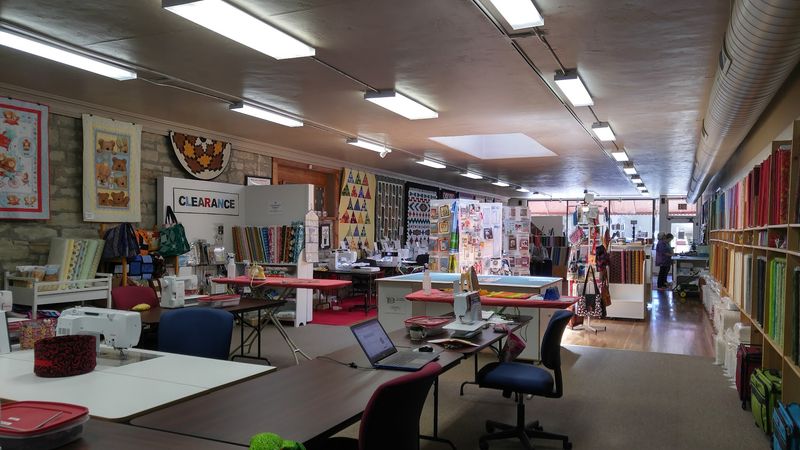
Main Street locations still matter when the business inside understands how to serve both locals and people passing through. Cortez Quilt Company does exactly that, anchoring a downtown presence that appeals to area quilters while also catching travelers headed toward nearby Mesa Verde National Park.
The shop’s success says a lot about how specialty retail can work in a tourism-influenced town without becoming disposable.
Inside, the formula is straightforward and effective. Quality fabrics, quilting tools, kits, and patterns cover the needs most quilters want handled in one stop.
The setting is described as relaxed, which may sound like a small detail, but it matters when customers need time to compare prints, think through measurements, or ask a few targeted questions before committing to a project plan.
Customer service appears to be central here, and that can make all the difference. Online shopping offers endless options, but it rarely offers useful perspective in the exact moment you are deciding between two color stories, a kit, or a pattern revision.
An independent quilt shop with a calm environment and attentive help can still beat convenience when the project itself is personal and the choices are tactile.
Tourist traffic may introduce new shoppers, yet longevity comes from loyalty. A place like Cortez Quilt Company lasts because locals treat it as a dependable resource and visitors remember it as more than a roadside stop.
That combination is especially valuable now, when many small specialty stores face pressure from both big-box pricing and the endless scroll of online fabric listings.
What this shop proves is simple. Small-town retail stays alive when it offers a clear specialty, solid merchandise, and service that respects how customers actually shop.
Cortez Quilt Company is not trying to mimic a chain or outrun the internet. It stays relevant by doing the local version better: thoughtful inventory, a good pace, and real attention to the people in the store.
11. Lyons Quilting (Lyons)
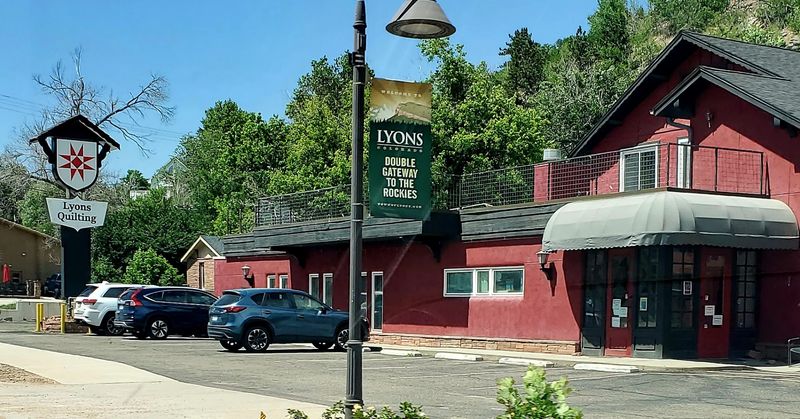
Small square footage can be misleading, especially in quilting. Lyons Quilting has built destination status not by sprawling outward but by going deep on selection, with fabrics, batiks, patterns, bag-making supplies, and classes packed into a modest Main Street footprint.
That kind of density catches attention fast because it suggests careful buying rather than filler, and quilters notice the difference immediately. The batik selection and bag-making supplies give the shop extra identity.
Many stores cover basic quilting needs, but specialized categories often reveal how well a retailer understands its audience. When a shop stocks beyond the obvious, it signals that customers are not being funneled through generic projects.
They are being invited to experiment, refine their style, and try something more specific than whatever happens to dominate a national craft trend. Lyons itself adds another layer.
The town’s artistic, mountain setting suits a business centered on making, learning, and visual inspiration. Still, scenery alone does not build a destination shop.
The real draw is that the inventory runs surprisingly deep for the size of the store, which means Front Range quilters can justify the trip because they expect to find variety and focus, not a cute storefront with limited substance. Classes help complete the picture.
They give beginners a path in, provide structure for developing skills, and keep the shop active as more than a place to buy fabric.
For experienced makers, they also create a reason to stay connected, whether that means sharpening techniques, exploring a new pattern style, or simply working within a community that speaks the same creative language.
Lyons Quilting shows how an independent specialty business can thrive without trying to be everything for everyone.
A concentrated inventory, recognizable strengths, and strong educational value make the shop memorable in a practical way. Chains can offer aisles. It delivers inspiration.