Michigan is home to some of the most stunning rail trails in the entire country, winding through dense forests, sparkling lakeshores, and charming small towns. These converted railway corridors have been transformed into smooth, scenic paths perfect for cyclists of all skill levels.
Whether you are a seasoned rider clocking serious miles or a family looking for a relaxed weekend adventure, the Great Lakes State has a trail calling your name. Pack your helmet, pump up your tires, and get ready to explore Michigan like never before.
1. Kal-Haven Trail State Park
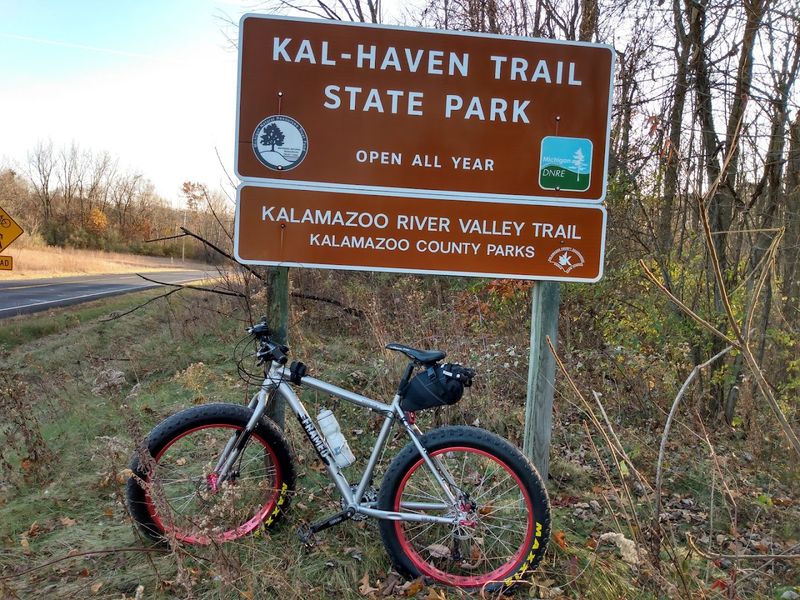
Stretching nearly 34 miles between Kalamazoo and South Haven, the Kal-Haven Trail is one of southwestern Michigan’s most beloved outdoor escapes. The trail follows a crushed limestone surface that is friendly to bikes, foot traffic, and even horses, making it a rare multi-use gem in the state park system.
Starting in the heart of Kalamazoo and ending just a short pedal from the sandy shores of Lake Michigan, the route feels like a genuine adventure from start to finish.
Along the way, riders pass through rolling farmland, dense woodlands, and several small towns where a quick stop for snacks or lemonade is always a good idea. The trail crosses a handful of historic wooden bridges, and spotting wildflowers along the edges is practically guaranteed during late spring and early summer.
Fall riding here is absolutely spectacular, with the tree canopy exploding into shades of red, orange, and gold.
Families with younger kids will appreciate the relatively flat terrain, which keeps the ride manageable without sacrificing the sense of accomplishment at the end. Trail users heading toward South Haven can connect to the city’s downtown waterfront, making a lakeside lunch the perfect reward.
Parking areas and restrooms are available at multiple access points, so planning a one-way trip with a shuttle is a popular strategy. The Kal-Haven Trail is honestly the kind of place that turns first-time visitors into yearly regulars, and it is easy to understand why once you get rolling on it.
2. Fred Meijer White Pine Trail State Park
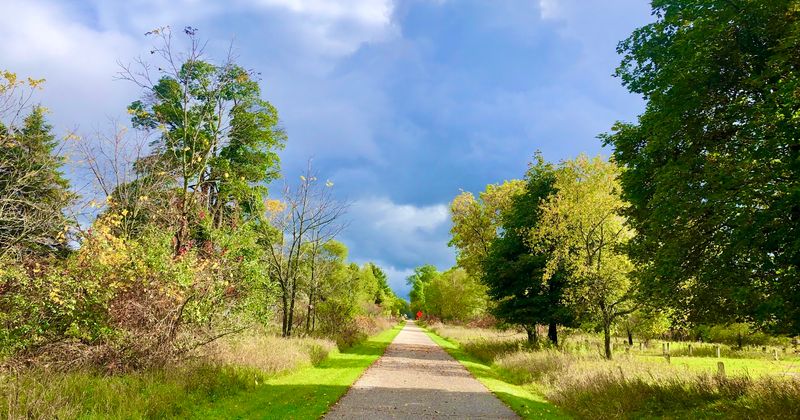
Running about 92 miles from Comstock Park near Grand Rapids all the way up to Cadillac, the Fred Meijer White Pine Trail is Michigan’s longest rail trail and one of its most impressive. The sheer length of this corridor means riders can plan multi-day excursions, hopping between small towns and local eateries along the route.
It passes through communities like Cedar Springs, Morley, and Big Rapids, each offering its own personality and a warm welcome to trail travelers.
The surface is a mix of paved and packed crushed limestone, so road bikes and hybrid bikes both perform well depending on which section you tackle. The northern stretches near Cadillac feel particularly wild and remote, passing through forests and wetlands that give the ride a true backcountry feel without requiring any technical skill.
Wildlife sightings including deer, wild turkeys, and various shorebirds are common, especially during early morning rides.
One of the trail’s best features is how it connects riders to the broader Fred Meijer trail network, which is slowly stitching together hundreds of miles of pathways across the state. The Meijer family’s investment in Michigan’s outdoor infrastructure has been genuinely transformative, and this trail stands as a flagship example of that legacy.
Restrooms and parking areas are spaced conveniently along the route, though some amenities thin out in the more rural northern sections, so packing extra water and snacks is smart. If crossing an entire state on a bike trail sounds like a dream, this trail is the place to make it happen.
3. Falling Waters Trail
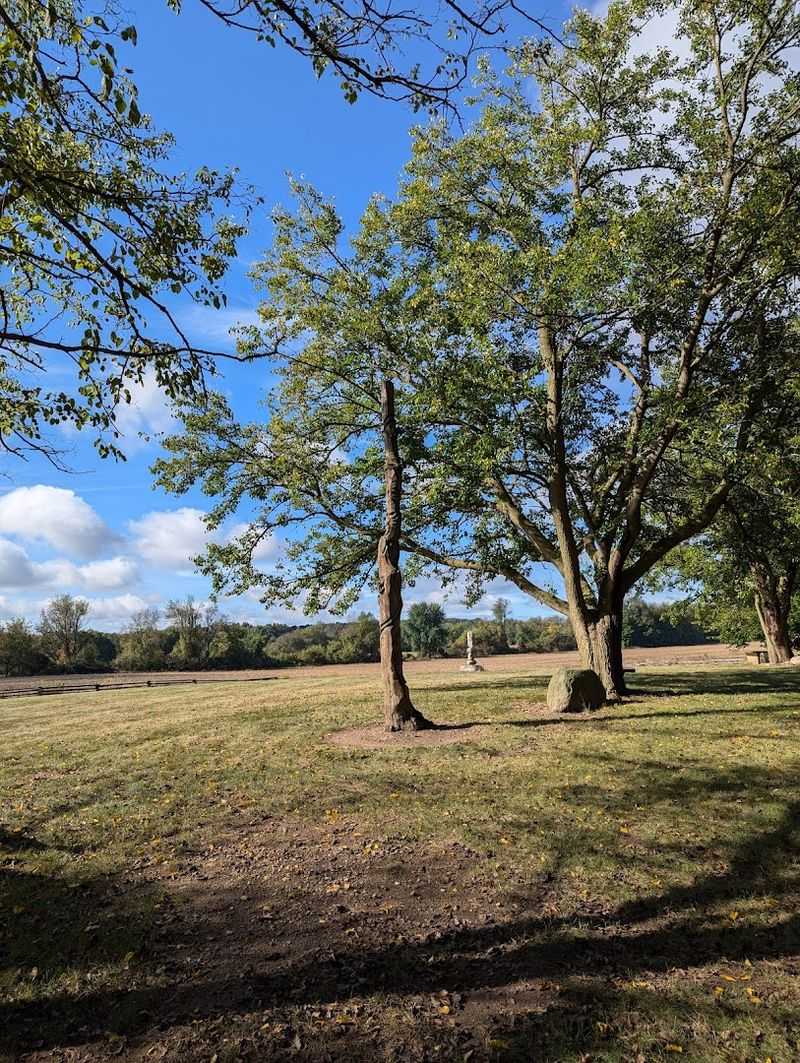
Tucked in the southwestern corner of Michigan, the Falling Waters Trail runs about 17 miles through Cass County between Cassopolis and Dowagiac. The name alone sets the mood for what riders can expect: a peaceful, nature-forward experience that feels more like wandering through a nature documentary than a typical bike ride.
The trail earns its poetic name from the small streams and drainage features that trickle alongside portions of the route.
The surface is crushed limestone, which provides a firm and comfortable ride for most bike types while keeping the trail feeling natural and unpaved. Riders pass through a mix of open fields, wetland areas, and hardwood forest patches that shift dramatically with the seasons.
Spring brings wildflowers and birdsong, summer delivers thick green canopy shade, autumn turns the corridor into a fiery color showcase, and winter opens the trail to snowshoers and cross-country skiers.
Because this trail sits slightly off the radar compared to Michigan’s bigger-name corridors, it tends to stay quieter on weekends, which is genuinely refreshing. Locals treat it as a neighborhood gem, using it for daily walks, family rides, and morning runs.
The towns of Cassopolis and Dowagiac anchor each end of the trail and offer basic amenities including parking and restrooms. Dowagiac in particular has a charming downtown worth exploring after a ride, with local shops and cafes that reward the effort nicely.
For riders who prefer their adventures without the crowds, the Falling Waters Trail delivers a low-key but genuinely satisfying Michigan experience that deserves far more recognition than it currently gets.
4. Betsie Valley Trail
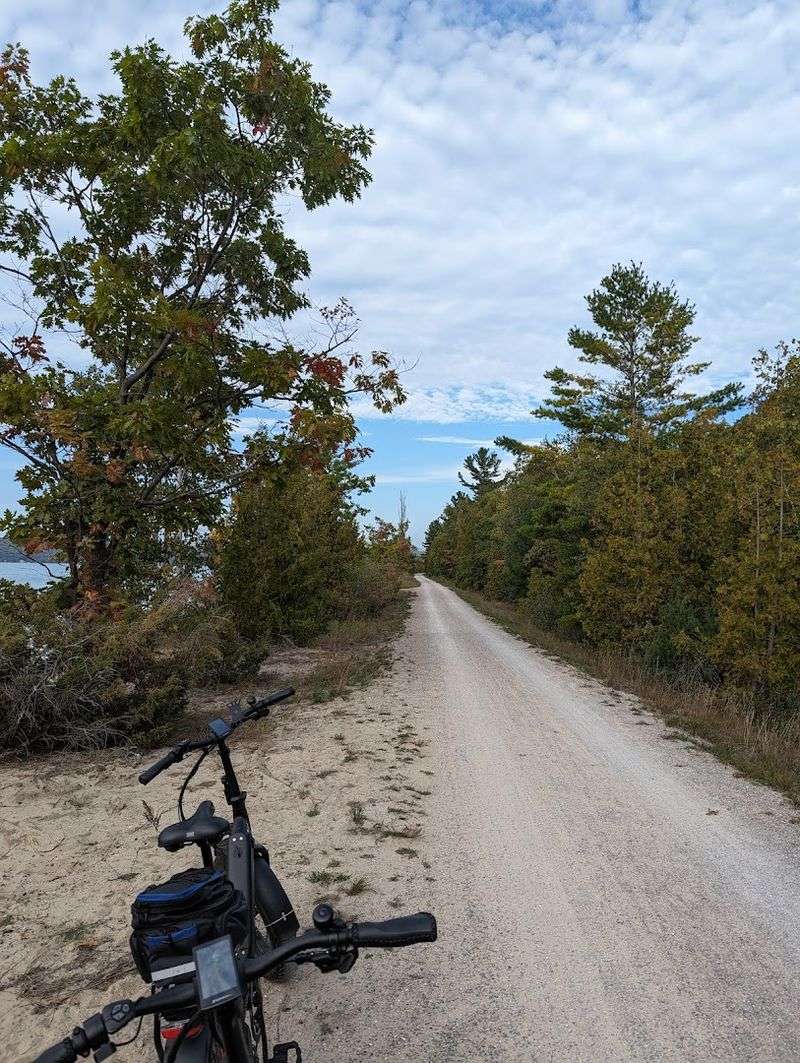
Few trails in Michigan pack as much natural variety into a relatively short distance as the Betsie Valley Trail. Covering roughly 22 miles through Benzie County, the trail connects Thompsonville to Frankfort, ending just blocks from the shores of Lake Michigan and the beautiful Betsie Bay.
That endpoint alone makes the ride feel like a destination journey rather than just a workout, and rolling into Frankfort with the lake glittering in the distance is a genuinely memorable moment.
The trail surface is paved for a good portion of the route, transitioning to crushed stone in sections, making it accessible to a wide range of riders and comfortable for families with kids on smaller bikes. Along the way, the path traces the Betsie River corridor, offering peaceful water views and a constant soundtrack of moving water and rustling leaves.
The valley setting keeps riders sheltered from wind and gives the trail an intimate, enclosed feeling that is quite different from open lakeside paths.
Benzie County itself is one of Michigan’s most underrated destinations, and the trail serves as a fantastic introduction to everything the area offers. Crystal Mountain Resort sits nearby, and the surrounding region is packed with orchards, wineries, and farm stands that make post-ride stops genuinely rewarding.
The trail is popular with both locals and visitors, but it rarely feels overcrowded even during peak summer weekends. Frankfort’s downtown is worth lingering in after the ride, with waterfront dining and a relaxed small-town vibe that matches the trail’s own easygoing energy perfectly.
The Betsie Valley Trail is the kind of ride that makes you immediately start planning a return trip.
5. Sleeping Bear Heritage Trail
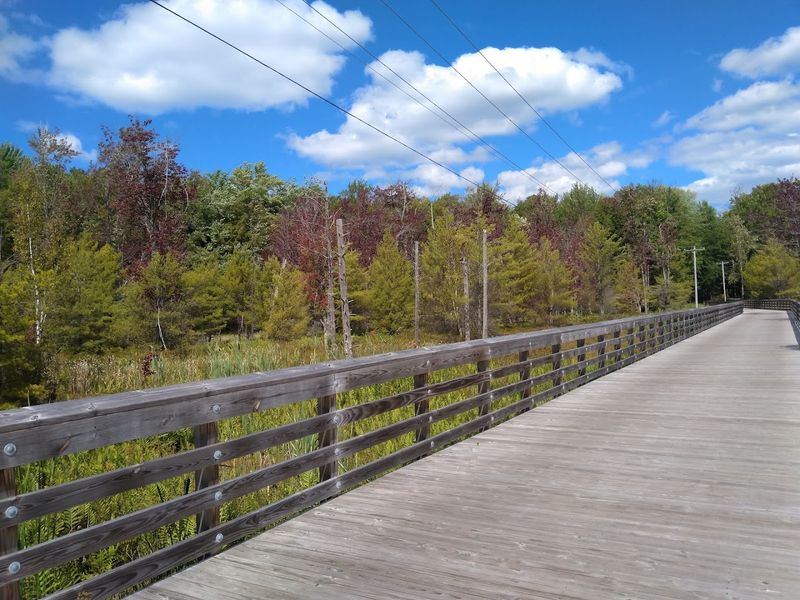
Riding through a national lakeshore is not something most cyclists get to say they have done, but the Sleeping Bear Heritage Trail makes that experience accessible to just about anyone. This paved trail winds through the Sleeping Bear Dunes National Lakeshore along Michigan’s northwestern lower peninsula, covering roughly 27 miles of terrain that alternates between forest, open meadow, and stunning Lake Michigan overlooks.
It is the kind of trail that makes you stop every half mile just to stare.
The scenery here is genuinely world-class. The towering sand dunes that define the national lakeshore create a dramatic backdrop unlike anything else in the Midwest, and several trail sections offer unobstructed views across the brilliant blue water toward the Manitou Islands.
Glen Arbor serves as a popular hub along the route, with bike rentals, food options, and easy access to the beach just steps from the trail.
Families love this trail because the paved surface and relatively manageable grades make it approachable for riders of various ages and fitness levels. E-bike rentals are available in the area, which opens the experience even further to those who want to cover more ground without exhausting themselves.
The trail is busiest in July and August, so arriving early in the morning rewards riders with quieter conditions and softer light that makes the dune landscape look almost unreal. Connecting trails and spur routes allow for customized loops and out-and-back options, giving repeat visitors new ways to explore the park.
If there is one Michigan rail trail that belongs on every cyclist’s bucket list without question, this is almost certainly it.
6. Paint Creek Trail
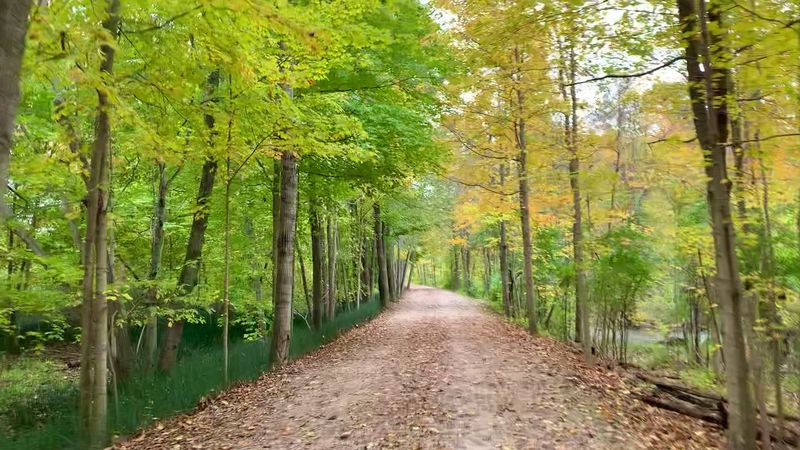
Just north of Detroit in Oakland County, the Paint Creek Trail offers an impressive escape from suburban sprawl without requiring a long drive. The trail runs about 8.9 miles between Lake Orion and Rochester, following the Paint Creek corridor through a surprisingly lush and green natural setting.
For metro Detroit residents who want a quality trail experience without heading hours north, this one delivers in a big way.
The surface is crushed limestone, which gives the trail a natural feel even though it passes through a densely populated area. The creek itself is the trail’s defining feature, running alongside the path for much of the route and creating a calming, almost meditative atmosphere that is hard to find this close to a major city.
Wildflowers, songbirds, and the occasional great blue heron make regular appearances, reminding riders that nature has a way of thriving even in unexpected places.
Rochester is a fantastic starting or ending point, with a walkable downtown full of restaurants, coffee shops, and local boutiques that make extending the outing into a full day easy and enjoyable. The trail connects to the Polly Ann Trail at its northern end, allowing ambitious riders to tack on additional miles through northern Oakland County.
Parking is available at multiple access points, and the trail sees steady use from joggers, dog walkers, and families alongside cyclists. Because the trail is relatively short, it is a great option for beginners building confidence or for riders who want a quick but satisfying midweek spin.
Paint Creek Trail proves that great rail trail experiences do not always require a road trip to find.
7. Little Traverse Wheelway
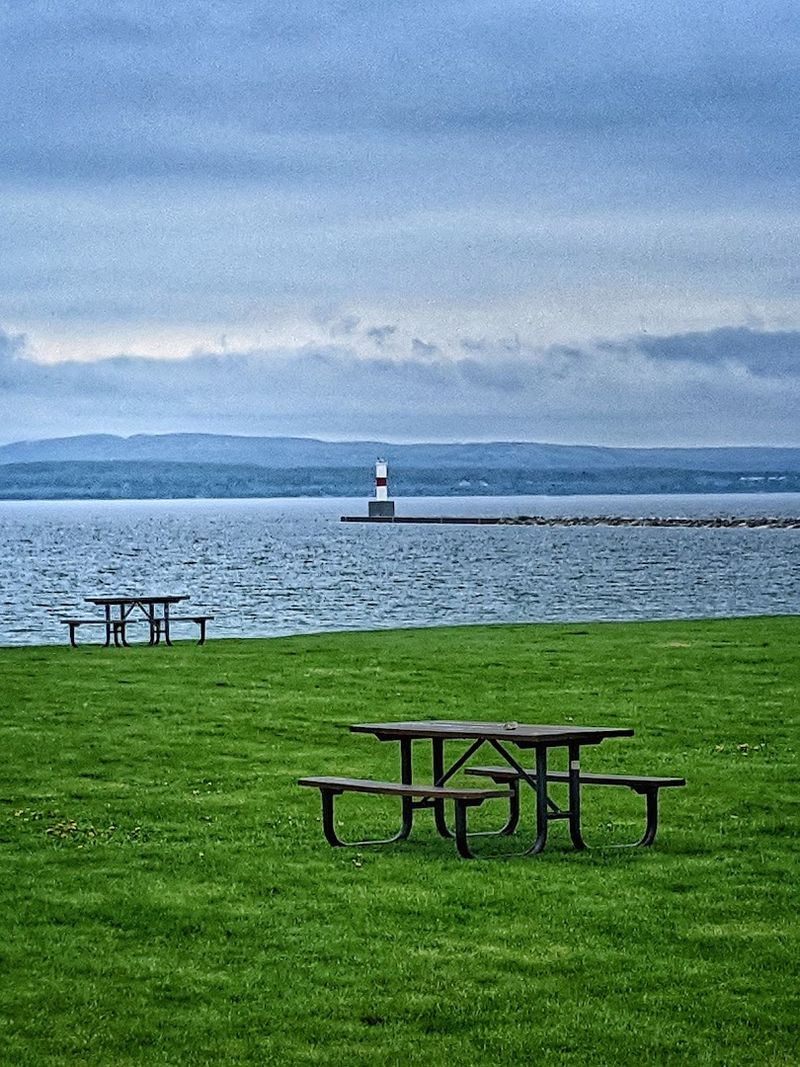
Hugging the shoreline of Little Traverse Bay in northern Michigan, the Little Traverse Wheelway is one of the most visually rewarding rides in the entire state. The paved trail stretches about 26 miles from Charlevoix to Petoskey and beyond toward Harbor Springs, threading through some of the most coveted real estate in Michigan.
Riding with the bay on one side and rolling wooded hillsides on the other is the kind of experience that makes cyclists feel genuinely lucky to be on a bike.
Petoskey is the heart of the trail and a wonderful place to pause, explore downtown, and grab a bite at one of the many excellent restaurants and bakeries within walking distance of the path. The city’s Gaslight District is charming and bikeable, and finding Petoskey stones along the lakeshore near the trail is a beloved local tradition worth trying.
The trail surface is smooth and well-maintained, making it suitable for road bikes, hybrids, and families with young riders in tow.
The Charlevoix end of the trail offers its own rewards, with the famous round houses and a picturesque harbor that feel almost storybook-like on a clear summer morning. Connecting to Harbor Springs opens up even more scenic coastal riding, and the hills in that direction add just enough challenge to keep experienced riders engaged.
Sunsets along this trail are genuinely legendary, and evening rides during late summer cast everything in warm golden light that feels almost cinematic. The Little Traverse Wheelway is not just a great bike trail — it is an argument for why northern Michigan consistently ranks among the best outdoor destinations in the Midwest.
8. Pere Marquette Rail Trail
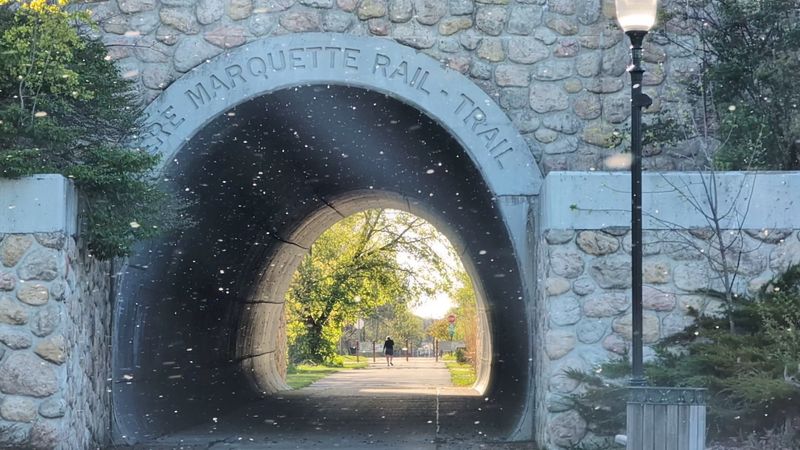
Connecting Midland to Clare, the Pere Marquette Rail Trail covers about 30 miles of central Michigan countryside on a smooth paved surface that is a genuine pleasure to ride. The trail was one of Michigan’s earlier rail trail conversions and has built up a loyal following of riders who return season after season for its consistent quality and easy access.
The flat to gently rolling terrain makes it an excellent choice for long-distance training rides and casual family outings alike.
Midland serves as the eastern anchor and is worth exploring before or after a ride. The city has strong ties to the Dow Chemical Company legacy and features beautiful parks, public art installations, and the stunning Tridge, a three-way pedestrian bridge where two rivers meet.
The trail itself passes through farmland, small woodlots, and quiet rural communities where the pace of life feels refreshingly unhurried compared to the city.
Clare sits at the western end and bills itself as the gateway to northern Michigan, with a friendly small-town atmosphere and enough dining options to refuel properly after a long pedal. The trail connects to other regional pathways, allowing riders to extend their journey if energy and daylight permit.
Wildlife sightings along the corridor are common, with red-tailed hawks, sandhill cranes, and white-tailed deer frequently spotted from the saddle. The trail is well-signed and easy to navigate, even for first-time visitors unfamiliar with the area.
Pere Marquette Rail Trail hits that sweet spot between accessible and genuinely exciting, making it one of central Michigan’s most reliable cycling destinations year after year.
9. Fred Meijer Heartland Trail
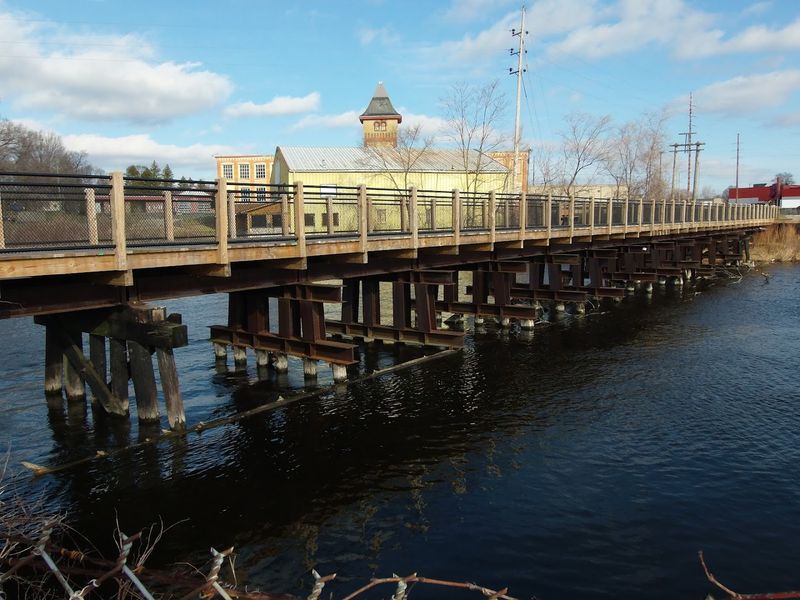
Named in honor of the same Michigan retail and philanthropic giant behind the White Pine Trail, the Fred Meijer Heartland Trail covers approximately 42 miles between Greenville and Alma through the agricultural heart of central Michigan. This is a trail that rewards riders who appreciate wide-open skies, the smell of freshly cut hay, and the quiet rhythm of rural life unfolding on either side of the path.
It is not flashy, but it is deeply satisfying in a way that feels authentically Midwestern.
The surface is crushed limestone, which handles well in dry conditions and provides a firm, stable base for hybrid and mountain bikes. The trail passes through several small communities including Edmore, Howard City, and Stanton, each offering a glimpse into small-town Michigan life that is increasingly rare to find.
Local diners and convenience stores along the route make resupply stops easy, and the friendly small-town reception that trail users typically receive adds a warm social dimension to the ride.
The terrain is mostly flat with occasional gentle grades that keep the pedaling comfortable even over longer distances. Bird enthusiasts will find the open farmland sections particularly rewarding, as the trail corridor attracts a wide range of migratory and resident species throughout the year.
The Heartland Trail connects to other segments of the growing Fred Meijer trail network, which means ambitious riders can string together seriously impressive mileage across multiple days. Fall riding on this trail is especially appealing, with harvest season colors across the fields creating a pastoral landscape that feels like a painting.
For riders who want to experience Michigan beyond the lakes and dunes, the Heartland Trail offers a compelling and underrated alternative.
10. William Field Memorial Hart-Montague Trail State Park
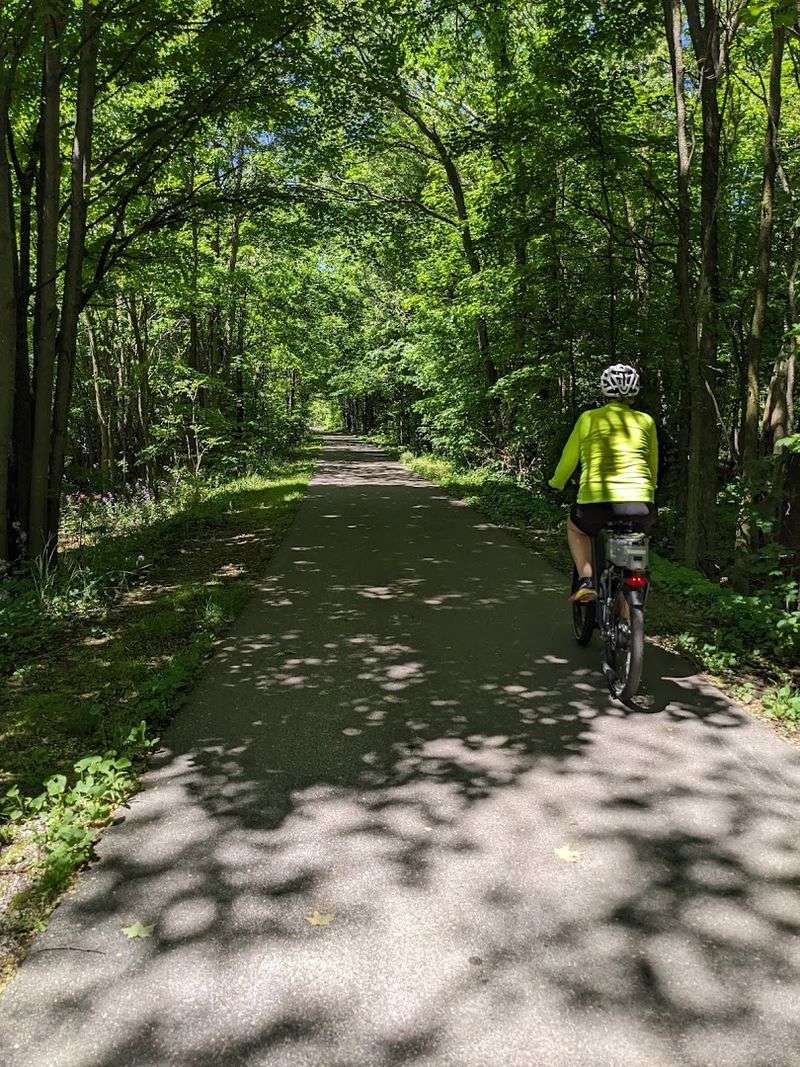
Running 22.5 miles between Hart and Montague along the Lake Michigan shoreline corridor in Oceana and Muskegon counties, the William Field Memorial Hart-Montague Trail is one of Michigan’s oldest paved rail trails and still one of its most popular. The trail passes through a string of small western Michigan communities, giving riders a genuine taste of the region’s relaxed, lake-influenced culture.
Locally, most people simply call it the Hart-Montague Trail, and it holds a special place in the hearts of those who grew up riding it.
The paved surface is well-maintained and wide enough to accommodate both cyclists and pedestrians comfortably, making it a family staple throughout the summer season. The towns along the route — including Shelby, Rothbury, and Mears — each add their own flavor to the experience, with local shops, ice cream stands, and parks providing natural stopping points.
Silver Lake Sand Dunes are accessible near the trail’s northern end, making a dune adventure a natural add-on to a long ride day.
The trail’s proximity to Lake Michigan means riders often catch glimpses of that signature great lake blue through the trees, and the western Michigan humidity carries a fresh, breezy quality that makes summer riding genuinely comfortable. Orchards and berry farms dot the surrounding landscape, and depending on the season, roadside stands offer fresh fruit that pairs perfectly with a post-ride cool-down.
The trail is part of Michigan’s state park system, which means a Recreation Passport is required for vehicle entry at trailheads. For riders who want a classic, well-established Michigan trail experience with easy access to everything the Lake Michigan shoreline has to offer, this one is a natural starting point.
11. Clinton River Trail
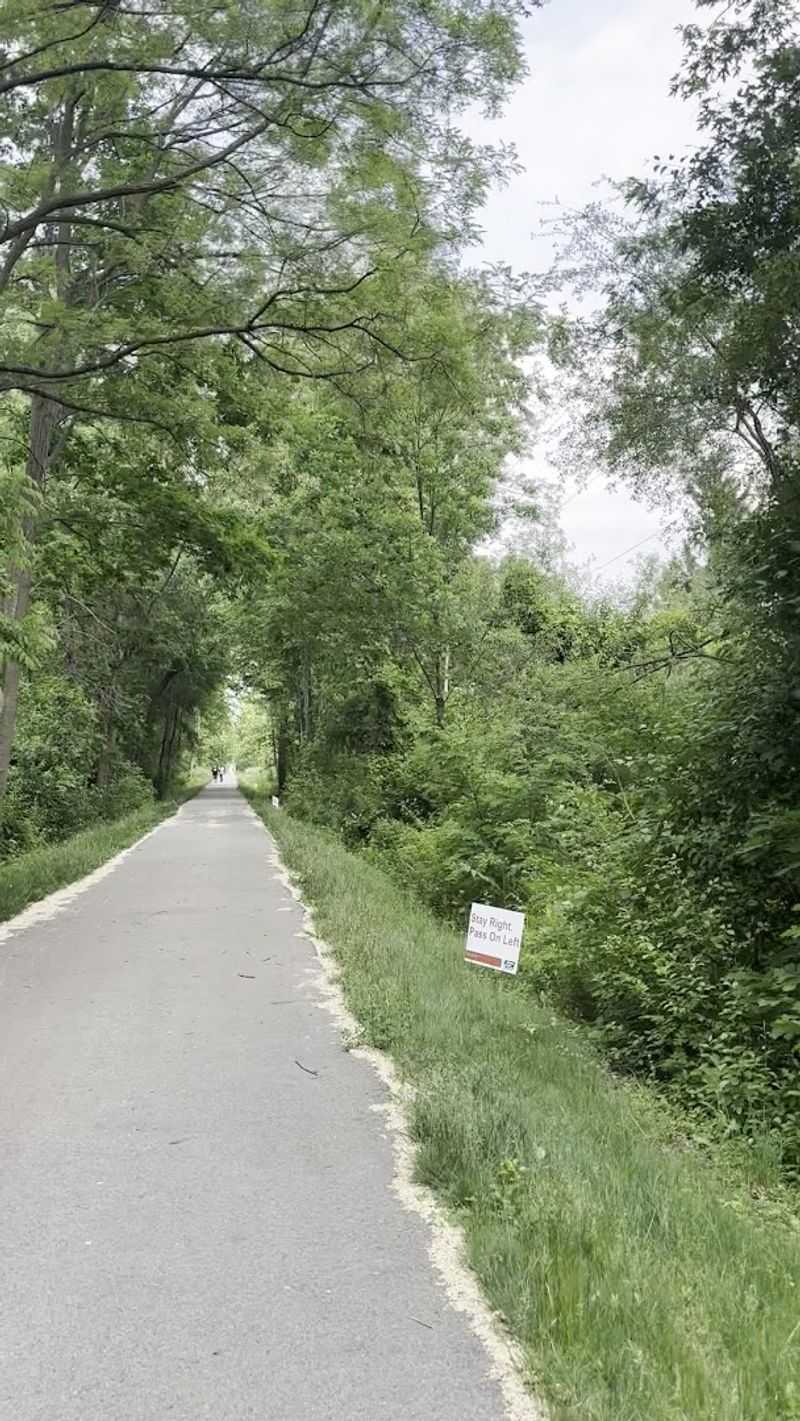
Urban rail trails often get overlooked in favor of their more scenic rural cousins, but the Clinton River Trail in Macomb County proves that city-adjacent cycling can be just as rewarding. The trail follows the Clinton River through a green corridor that winds through Sterling Heights, Utica, and Mount Clemens, covering about 14 miles of paved pathway that feels surprisingly removed from the surrounding suburban landscape.
The river is the trail’s constant companion and its biggest asset, providing natural scenery and wildlife habitat in an otherwise heavily developed area.
The trail is smooth, well-lit in key areas, and popular with commuters, joggers, dog walkers, and families who use it as a daily escape from neighborhood streets. Connecting to the Metro Rails Trail and other regional pathways, the Clinton River Trail is part of a growing network that is slowly making car-free travel more realistic across southeastern Michigan.
The connection potential here is exciting for anyone interested in longer urban cycling routes.
Mount Clemens, at the eastern end of the trail, is a historic city with a surprisingly lively downtown and a waterfront along the Clinton River that is worth exploring on foot after a ride. The trail’s urban character means amenities including restrooms, water fountains, and parking areas are generally easy to find along the route.
Weekend mornings bring out the most riders, but the trail handles traffic well thanks to its generous width. For southeast Michigan residents who want a quality trail experience without committing to a long drive, the Clinton River Trail delivers consistent, accessible riding in a genuinely pleasant natural corridor that punches well above its modest length.
12. Mike Levine Lakelands Trail State Park
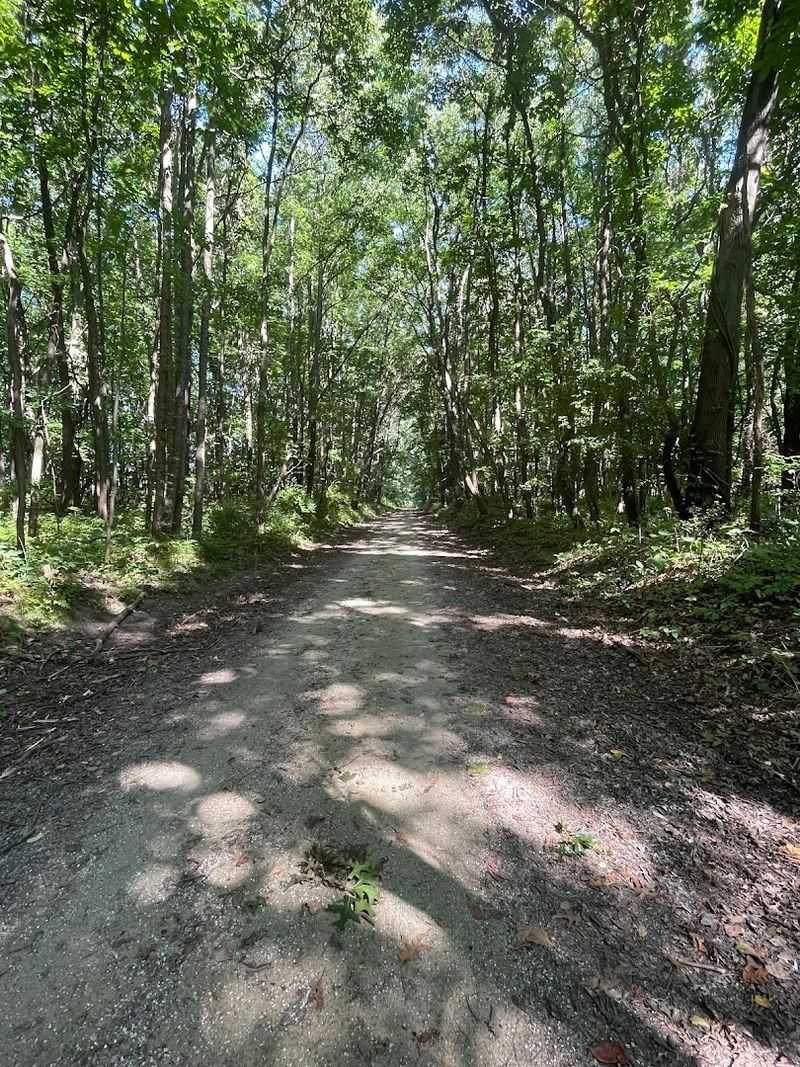
Hidden in the rolling Irish Hills region of southeastern Michigan, the Mike Levine Lakelands Trail State Park stretches about 13 miles between Pinckney and Stockbridge through one of the most geologically interesting landscapes in the lower peninsula. The area was shaped by glacial activity thousands of years ago, leaving behind a patchwork of small lakes, wetlands, and wooded moraines that give the trail a distinctly varied and engaging character.
Riding here feels like exploring a secret that most of Michigan has not discovered yet.
The surface is crushed limestone, and the terrain is notably hillier than most rail trails in the state, which is a pleasant surprise for riders looking for a bit more challenge without venturing off-road. Those hills are a product of the glacial topography and reward the effort with sweeping views across the surrounding lake country.
The Pinckney Recreation Area sits adjacent to the trail’s western end, offering camping, swimming, and additional hiking trails for those turning the trip into a full outdoor weekend.
Wildlife is abundant along this corridor, with the wetlands and lake edges attracting herons, turtles, and a variety of waterfowl that make the ride feel like a naturalist’s tour as much as a workout. The trail is quieter than many of its counterparts across the state, which adds to its charm for riders seeking solitude and a genuine sense of discovery.
A Recreation Passport is required at state park access points, so planning ahead saves hassle on arrival. The Mike Levine Lakelands Trail is one of those places that rewards the curious rider willing to venture slightly off the beaten path, and the payoff is absolutely worth it.
13. Iron Ore Heritage Trail
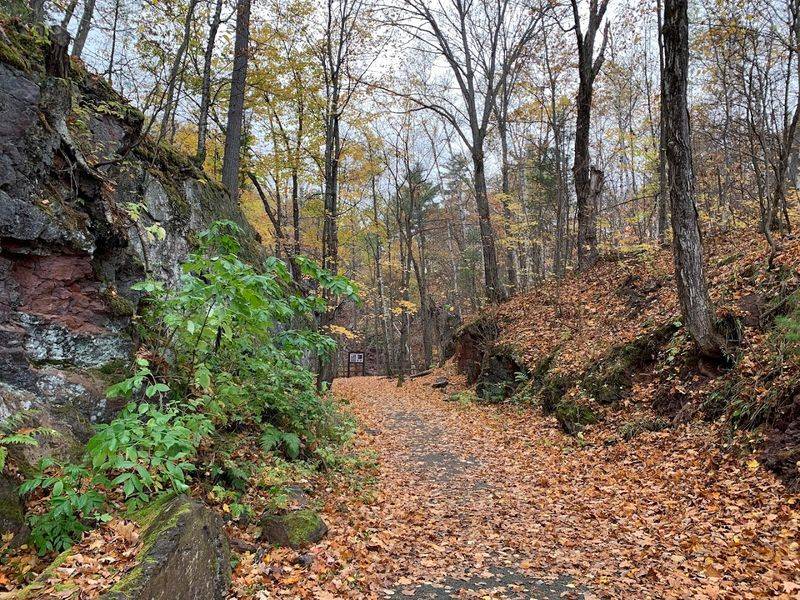
Up in Michigan’s Upper Peninsula, the Iron Ore Heritage Trail tells a story that goes far beyond miles logged on a bike computer. Running about 48 miles through Marquette County, the trail connects communities like Negaunee, Ishpeming, and Marquette while passing through a landscape shaped by more than a century of iron ore mining.
Old mine structures, historic headframes, and interpretive signage dot the route, making this as much a history lesson as a cycling adventure.
The trail surface varies across its length, with some sections paved and others finished in packed gravel, so a hybrid bike with moderate tire width is the most versatile choice for tackling the full corridor. The terrain reflects the UP’s naturally rugged character, with more elevation change than most Lower Peninsula trails and a raw, forested scenery that feels genuinely wild even when passing through town.
Marquette itself is a lively college city with excellent restaurants, craft breweries, and a stunning waterfront on Lake Superior that makes it a fantastic base camp for trail exploration.
The trail also connects to Marquette’s urban trail network, allowing riders to extend into the city and access the lakefront without touching a road. Sunrise rides along the Lake Superior-adjacent sections are particularly dramatic, with the massive freshwater sea catching the early light in ways that are difficult to adequately describe.
The Iron Ore Heritage Trail is a celebration of the Upper Peninsula’s industrial past and natural resilience, and riding it feels like honoring both simultaneously. For cyclists who have exhausted the Lower Peninsula’s trail options and are ready for something bolder, the UP’s flagship rail trail is the obvious and thrilling next chapter.
Share this story