Michigan has always been a state that knows how to have a good time, and for decades, that fun came wrapped in cotton candy, roller coasters, and the smell of sunscreen at beloved amusement parks scattered across the state. From the shores of Lake Michigan to the outskirts of Detroit, these parks were where families made summer memories that still come up at holiday dinners today.
Sadly, every single one of them is gone now, replaced by strip malls, subdivisions, or just empty lots full of ghost-town energy. Here is a look at eleven Michigan amusement parks that locals still talk about with a very real ache in their hearts.
1. Ramona Park – East Grand Rapids
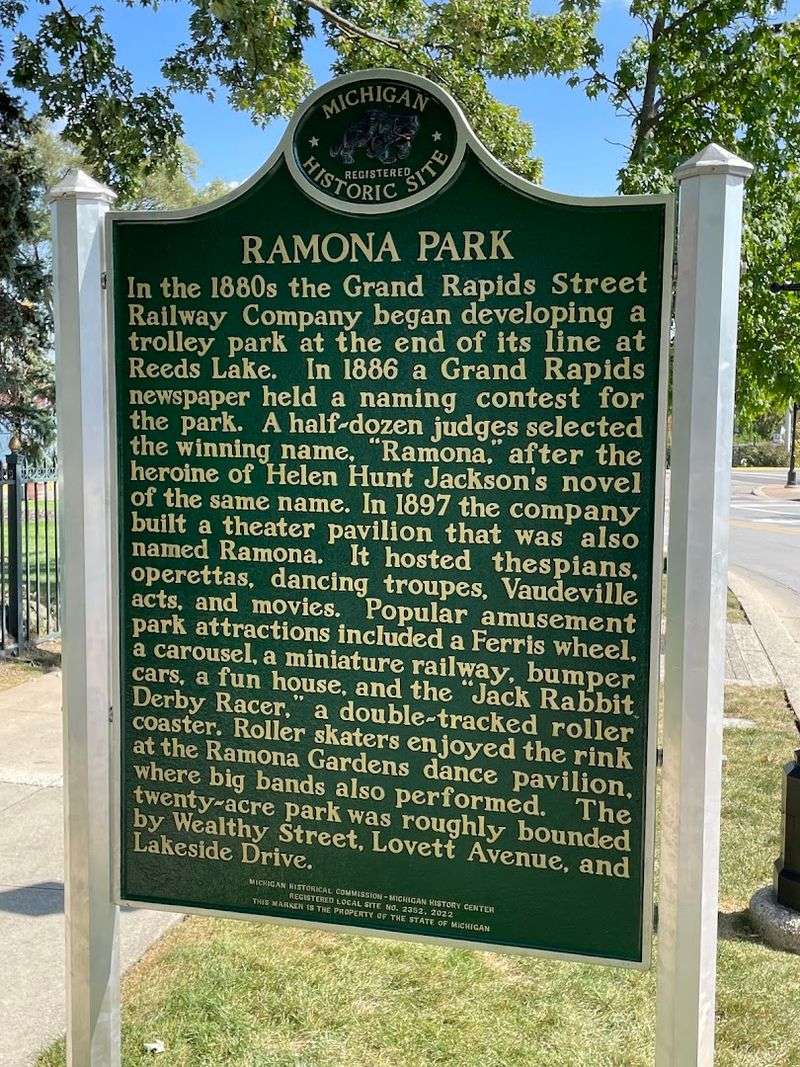
Ask any longtime Grand Rapids-area resident about Ramona Park and watch their eyes go soft with nostalgia. Situated on the eastern shore of Reeds Lake in East Grand Rapids, this beloved park operated for decades and became the beating heart of summer fun for generations of West Michigan families.
It was the kind of place where you could spend an entire Saturday and still feel like you had not seen everything.
The park opened in the late 1800s and featured attractions that were genuinely impressive for their era. A large wooden roller coaster was one of the signature thrills, and a carousel that spun with painted horses delighted younger visitors.
The lakeside setting made the whole experience feel more magical than your average fairground, with breezes off the water cooling things down on hot July afternoons.
Ramona Park also had a dance pavilion that drew big-name performers over the years, making it a cultural hub as much as an amusement destination. Couples who met at those dances probably still talk about the music drifting out over the lake.
The park eventually closed in 1955, and Reeds Lake Park now occupies part of the space, but it is a quiet shadow of what once stood there.
What made Ramona Park so special was how deeply woven it became into everyday community life. It was not just a place for thrill-seekers; it was a neighborhood gathering spot, a date-night destination, and a childhood landmark all rolled into one.
Old photographs of the park circulate regularly on Michigan history Facebook groups, and every time one pops up, the comments section fills up fast with people sharing stories their grandparents told them. Some memories just refuse to fade.
2. Pleasure Island Water Theme Park – Muskegon / Norton Shores
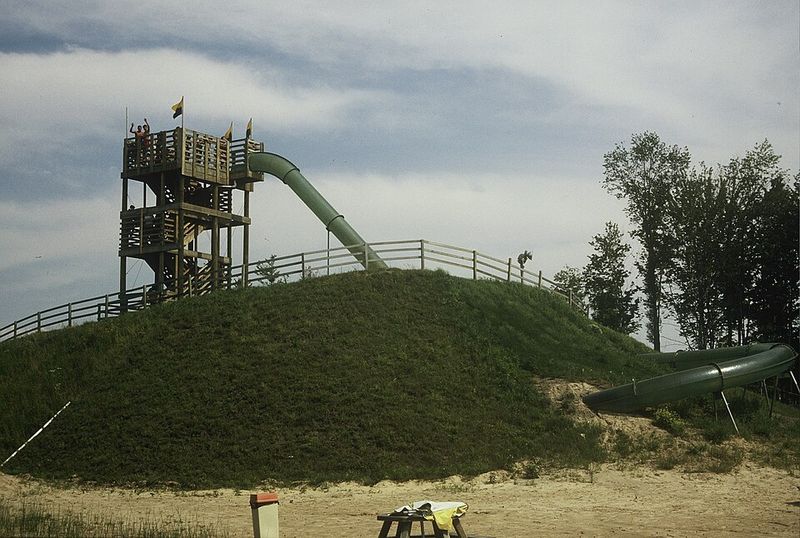
Pleasure Island Water Theme Park was the kind of place that made a West Michigan summer feel complete. Located in the Norton Shores area near Muskegon, this water park packed in slides, pools, and attractions that kept kids begging their parents to stay just one more hour.
For families within driving distance of Lake Michigan, it was a go-to destination that combined the thrill of a theme park with the refreshing chaos of a water playground.
The park featured a solid lineup of water slides ranging from gentle beginner rides to steep drops that left your stomach somewhere above your head. A wave pool gave non-swimmers a chance to feel the ocean vibe without leaving Michigan, which was a genuinely clever touch for a landlocked region.
Younger kids had their own splash zones, so the whole family could visit without anyone feeling left out.
What set Pleasure Island apart from simply driving to the lakeshore was the controlled, structured fun it offered. Parents could relax knowing their kids were in a managed environment, and the variety of attractions meant no one got bored after the first hour.
It had that rare quality of feeling exciting every single visit, not just the first time.
The park closed, and the loss hit Muskegon-area families harder than most people outside the region might expect. Water parks of that era had a personality that modern corporate parks sometimes lack, a scrappy, community-built feel that made them feel like they belonged to the people who visited them.
Former guests still post throwback photos online every summer, tagging old friends and reliving the days when a trip to Pleasure Island was the highest ambition any July afternoon could hold.
3. Electric Park – Detroit
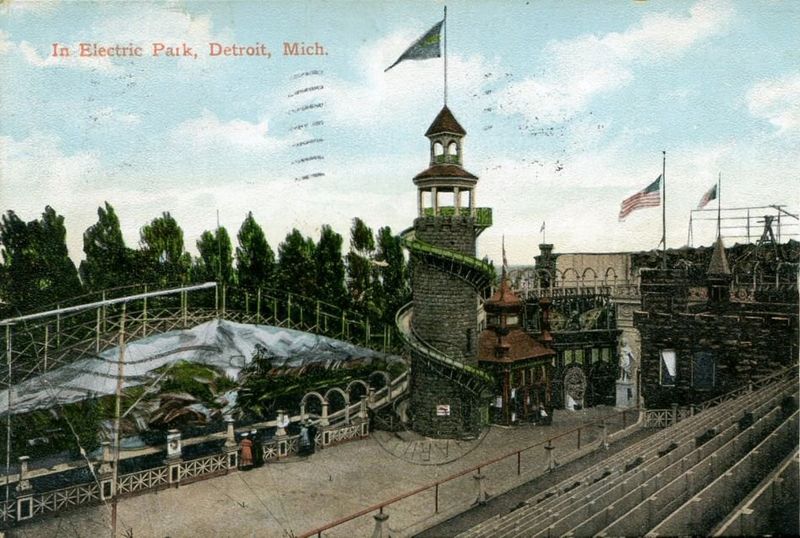
Long before Detroit became synonymous with Motown and muscle cars, it had Electric Park, and the name alone tells you everything about how cutting-edge it felt. Opening in the early 1900s, the park was one of the first in the region to use electric lighting throughout its grounds, a feature so novel at the time that people came just to see the lights.
Standing in that glow on a warm summer evening must have felt like stepping into the future.
Electric Park sat along the Detroit River and offered a mix of rides, entertainment, and spectacle that drew enormous crowds from across the city. Roller coasters, a carousel, and live performances filled the schedule, making it a full-day destination rather than a quick stop.
The park understood that people wanted variety, and it delivered on that promise season after season.
The park went through multiple iterations over the years, and different versions of Electric Park operated at different locations in and around Detroit. That kind of reinvention speaks to how much demand there was for this type of entertainment in a rapidly growing city.
Detroit in the early twentieth century was booming, and Electric Park was right there absorbing all that urban energy and turning it into fun.
Eventually the park could not survive the shifting landscape of entertainment options and urban development. But in its heyday, Electric Park represented something genuinely exciting about city life in the industrial Midwest.
It was proof that working-class Detroiters knew how to celebrate summer, and they did it with lights blazing and crowds roaring. Local historians still reference Electric Park when talking about the early culture of Detroit, and rightly so.
It was a spark the city never quite replaced.
4. Lake Lansing Amusement Park – Haslett
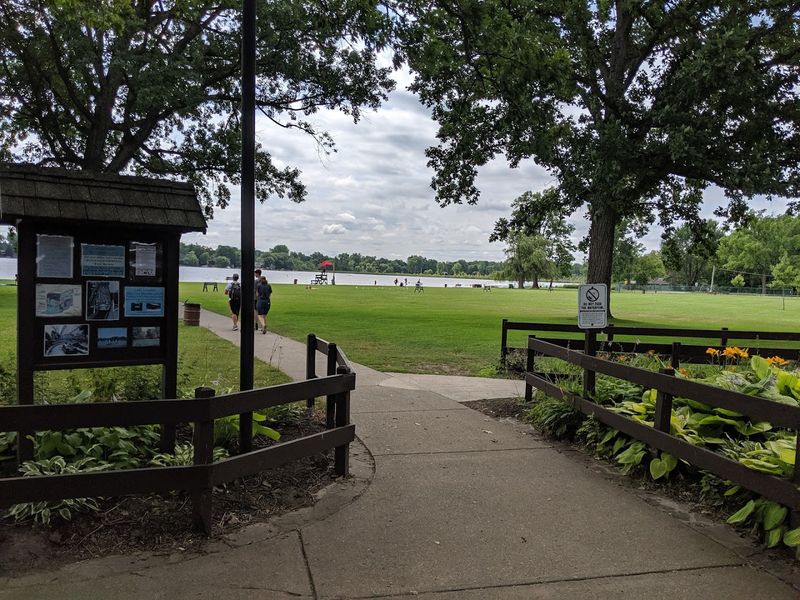
There is something almost poetic about an amusement park built around a lake, and Lake Lansing Amusement Park in Haslett understood that assignment completely. Serving the greater Lansing area for decades, this park combined the natural beauty of Lake Lansing with the manufactured excitement of classic fairground rides.
It was a combination that worked beautifully, drawing families from across mid-Michigan who wanted more than just a day at the beach.
The park featured rides that were staples of the mid-century amusement experience, including a roller coaster that became a local landmark in its own right. Boating on the lake added a relaxed counterpoint to the louder, faster attractions on land.
Picnic areas gave families a reason to pack a lunch and make a full afternoon of it, which was exactly the kind of all-day appeal that kept people coming back year after year.
Lake Lansing Amusement Park also hosted community events and gatherings, cementing its role as more than just a ride destination. It was a social institution for Lansing-area residents in the same way that a beloved downtown restaurant or local sports team becomes part of a community’s identity.
People did not just visit; they belonged to it in some meaningful way.
The park closed in the mid-twentieth century, and Lake Lansing Park now operates on part of the former grounds as a public recreation area. Swimmers and kayakers enjoy the lake today without realizing they are sharing space with decades of someone else’s happiest memories.
Former visitors occasionally gather at the lake and point out where rides once stood, narrating a landscape that only they can fully see. That invisible map of joy is one of the most human things about loving a place that no longer exists.
5. Jefferson Beach Amusement Park – St. Clair Shores
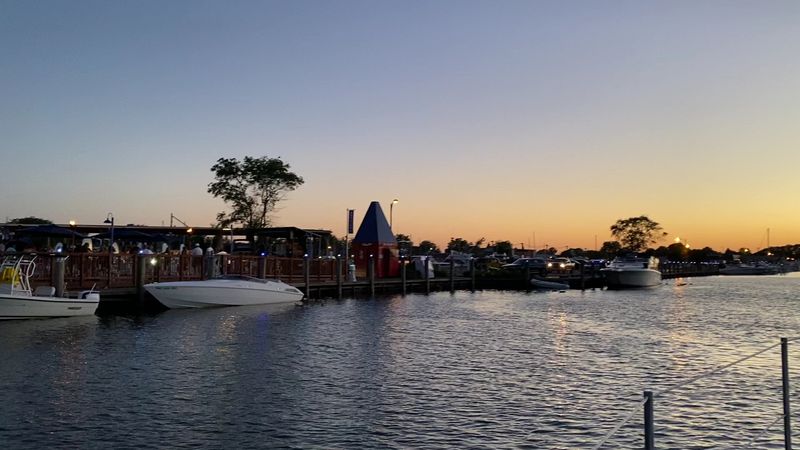
Jefferson Beach Amusement Park in St. Clair Shores had the kind of location that most parks could only dream about. Sitting right along the shores of Lake St. Clair, it combined genuine beach access with a full roster of amusement park rides and attractions, making it one of the most appealing summer destinations in the entire Detroit metro area.
The lake breeze, the rides, the crowds, and the smell of fried food all blended into something that felt uniquely Michigan.
The park was a serious draw for Metro Detroit families throughout much of the twentieth century. It featured a roller coaster, a midway, and various carnival-style games that kept visitors of all ages occupied for hours.
The beach access was not just a bonus; it was a core part of the experience, letting people alternate between cooling off in the water and drying off on a ride that sent them screaming into the summer sky.
Jefferson Beach also had a ballroom that attracted musicians and dancers, adding an evening dimension to the park that made it appealing beyond the daylight hours. That ballroom energy gave the park a sophistication that separated it from simpler fairgrounds, drawing a crowd that wanted entertainment to stretch well past sunset.
It was a full-spectrum summer experience packed into one lakeside location.
A devastating fire in 1955 destroyed much of the park, and it never fully recovered to its former scale. The loss was felt sharply in a community that had grown up treating Jefferson Beach as a summer given.
St. Clair Shores residents still reference it when talking about the neighborhood’s history, and the site along the lake still carries a quiet energy that feels like more than just geography. Some places leave a mark that outlasts their physical existence by decades.
6. Flint Park – Flint
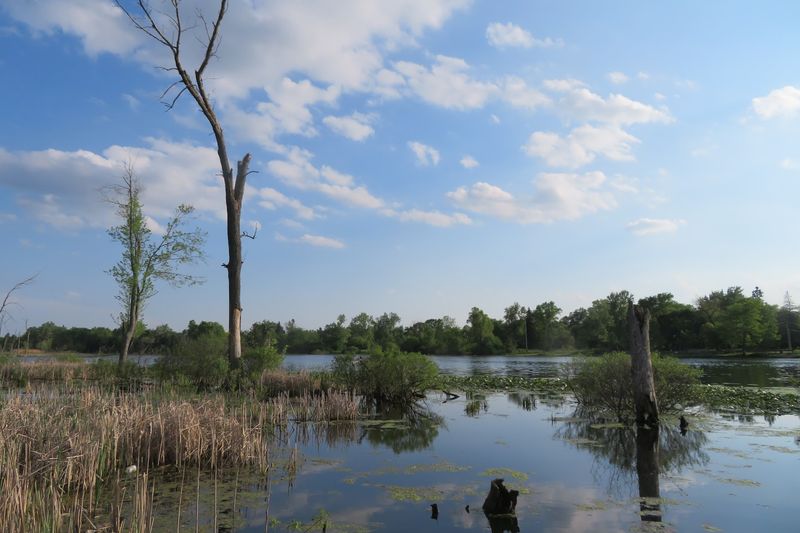
Flint Park was the kind of place that a whole generation of Genesee County kids grew up treating as a summer institution. Serving the Flint community for a significant stretch of the twentieth century, the park offered rides, games, and attractions that made it a reliable source of excitement for families who did not have the budget for a longer vacation.
It was local, affordable, and genuinely fun, which is a combination that earns fierce loyalty.
The park featured the classic lineup of mid-century amusement attractions, including rides that catered to both the brave and the cautious. A carousel gave younger kids a way to feel the magic of the park without the intensity of bigger rides, while more daring attractions kept older visitors engaged.
That balance of options made Flint Park a place where the whole family could show up and everyone could find something that worked for them.
Flint in its industrial heyday was a city with a lot of working families who wanted accessible entertainment close to home. Flint Park answered that need directly and became part of the seasonal rhythm of life in the area.
Summer meant school was out, the autoworkers were off on weekends, and Flint Park was open and ready. That kind of cultural timing made it more than a business; it made it a community fixture.
When the park eventually closed, it left a gap in the summer landscape that Flint has never quite filled in the same way. Former visitors who grew up in the area still mention it in conversations about what the city used to offer its residents.
The nostalgia for Flint Park is real and layered, connected not just to the rides themselves but to the version of Flint that existed when those rides were spinning. That city and that park are both gone, but neither is forgotten.
7. Silver Beach Amusement Park – St. Joseph
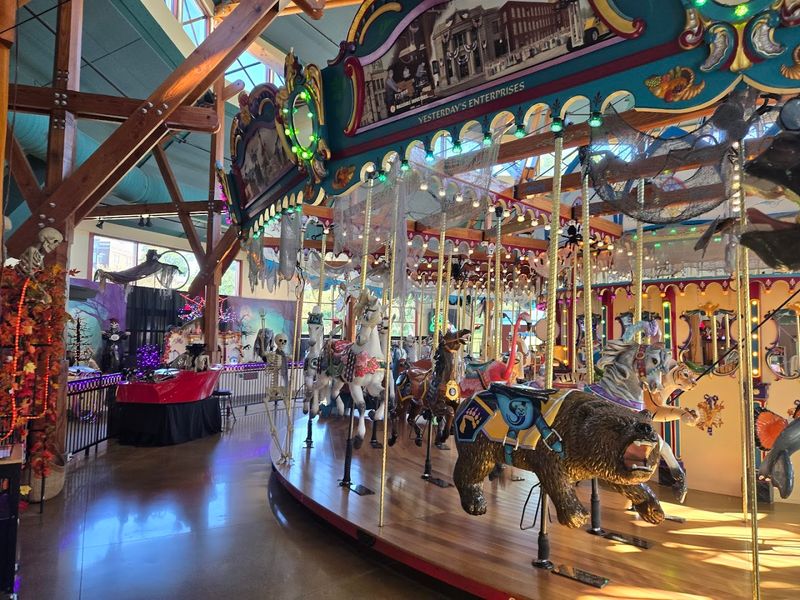
Right on the edge of Lake Michigan in St. Joseph, Silver Beach Amusement Park held court as one of southwest Michigan’s most beloved summer destinations for the better part of a century. The combination of a sandy Lake Michigan beach and a full amusement park right next door was an almost unfair advantage, and the park used it well.
Families drove from Indiana, Illinois, and all corners of Michigan to spend a day where the rides ended and the lake began.
Silver Beach featured a wooden roller coaster that became genuinely iconic in the region. That coaster had the kind of rattling, wind-in-your-face energy that modern steel rides can replicate in speed but never quite match in character.
The carousel was another centerpiece, beautifully crafted and beloved by the youngest visitors who were not yet ready for the bigger thrills. Between those two anchors, the park filled its grounds with a satisfying variety of attractions.
The park ran from around 1891 until it closed in 1971, giving it a lifespan that spanned multiple generations of Michigan families. Parents brought their kids to the same rides they had ridden as children, which created a layered emotional connection to the place that went far deeper than any single visit could explain.
That generational overlap is exactly what turns an amusement park into a community landmark.
Today, Silver Beach County Park operates on the site and still draws visitors to the lakefront, but a new Silver Beach Carousel was installed in 2008 as a tribute to the original park’s legacy. It is a lovely nod to history, and it means something that the community chose to honor what was lost rather than simply move on.
St. Joseph has not forgotten Silver Beach, and honestly, it never should.
8. Au Gres Water Funland / Lutz’s Funland USA – Au Gres
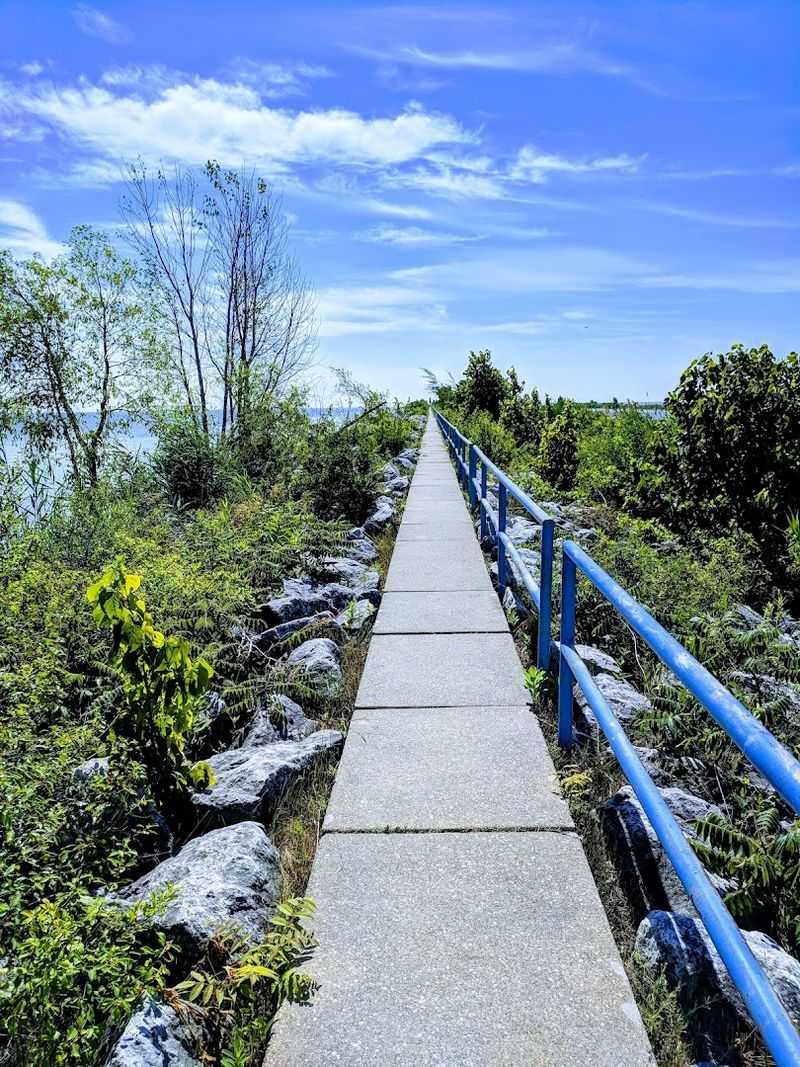
Not every great Michigan amusement destination was a massive corporate operation with a dozen roller coasters. Au Gres Water Funland, later known as Lutz’s Funland USA, proved that a smaller, family-run attraction could carve out just as meaningful a place in people’s hearts as any big-budget park.
Located in the small town of Au Gres along Saginaw Bay, this park had the kind of scrappy, homemade charm that big parks spend millions trying to manufacture and almost never achieve.
The park offered water slides, go-karts, mini golf, and a variety of carnival-style rides that made it a perfect stop for families traveling along the Lake Huron shoreline. Road-tripping through that part of Michigan and spotting the park from the highway was one of those small summer thrills that kids in the backseat genuinely lost their minds over.
It had roadside Americana energy in the best possible way.
What the park lacked in scale it more than made up for in personality. The staff knew regular visitors by name, the lines were manageable, and there was a relaxed, unhurried atmosphere that felt genuinely welcoming.
Families who discovered it on a whim often made it a planned annual stop, the kind of place you add to the route because it reliably delivers a good afternoon without any drama.
The park is gone now, and Au Gres has moved on the way small Michigan towns do, quietly and without much fanfare. But people who stopped there even once tend to remember it with a warmth that seems disproportionate to its size.
That is the signature of a place that got something right at a human level. Lutz’s Funland USA did not need to be massive to matter, and the fact that people still miss it proves exactly that point.
9. Edgewater Park – Detroit
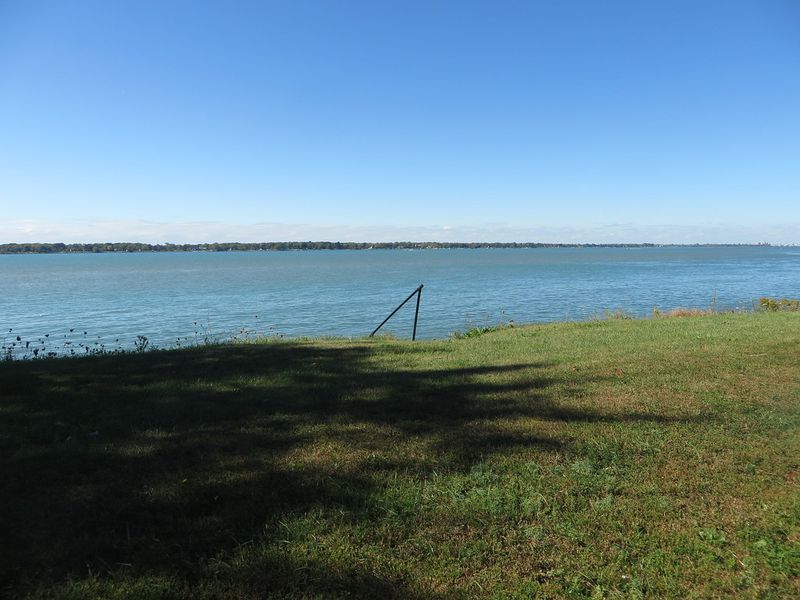
Edgewater Park in Detroit was the kind of place that made you feel like summer had officially arrived the moment you walked through the gate. Situated along the Detroit waterfront, the park ran for decades and became a cornerstone of entertainment life in the Motor City.
It was loud, colorful, and unapologetically fun, which is everything you want from a place designed specifically to give people a break from ordinary life.
The park’s roller coaster was a serious attraction that drew thrill-seekers from across the metro area. Standing in line for that ride was half the experience, watching it crest and drop while the screams of the current riders floated back to you.
Edgewater also featured a swimming pool, a dance pavilion, and a full midway, which meant it could occupy a family for an entire day without anyone running out of things to do.
Detroit in the mid-twentieth century was a city with enormous energy and a population that knew how to fill its leisure time. Edgewater Park was one of the primary outlets for that energy, drawing mixed crowds from different neighborhoods who shared a common love of summer and a good ride.
There is something worth noting in the way a place like Edgewater could bring a whole city together under the banner of having fun.
The park closed in 1981, and its absence is still felt by those who grew up with it as a seasonal constant. Former Detroiters who moved away decades ago still bring up Edgewater when they talk about what the city used to feel like.
It was more than an amusement park; it was a shared reference point for an entire generation of people who called Detroit home. Losing it was like losing a chapter of the city’s story that no one ever got to finish reading.
10. Oakwood Amusement Park – Kalamazoo
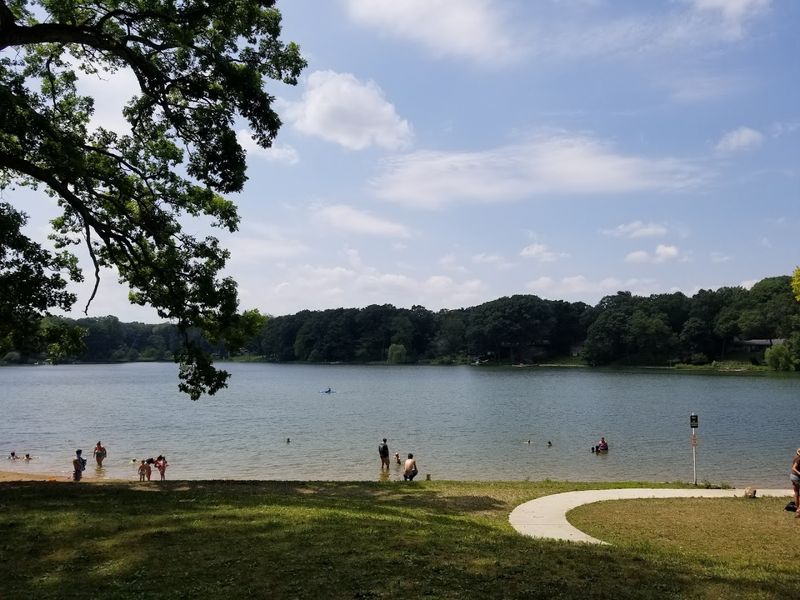
Kalamazoo had Oakwood Amusement Park, and for a long stretch of the early twentieth century, that was more than enough to make summer feel complete. The park served the southwest Michigan city with rides, entertainment, and the kind of relaxed outdoor atmosphere that the pre-television era demanded from its leisure spaces.
Before screens competed for attention, places like Oakwood were where people went to feel alive and connected to their community.
The park featured shaded grounds that gave it a distinctly pleasant character on hot summer days, a practical advantage that visitors genuinely appreciated. A carousel, various rides, and picnic facilities made it a family-friendly operation that worked well for different ages and energy levels.
It had the feel of a place that understood its audience and built its experience around what those people actually wanted.
Oakwood also served as an entertainment venue in the broader sense, hosting events and gatherings that made it a fixture of Kalamazoo’s social calendar. In a city with a strong sense of local identity, that role mattered.
The park was not just competing for summer afternoons; it was actively participating in the cultural life of the community it served.
Like so many parks of its era, Oakwood eventually gave way to changing times and shifting entertainment habits. The automobile opened up new destinations, and the rise of other forms of entertainment gradually drew people away from neighborhood parks.
But former Kalamazoo residents who remember Oakwood carry it with them the way you carry a good song from childhood, not always on the surface, but always somewhere close. It represents a version of Kalamazoo that moved at a different pace, and there is real tenderness in missing that speed.
11. Walled Lake Amusement Park – Walled Lake
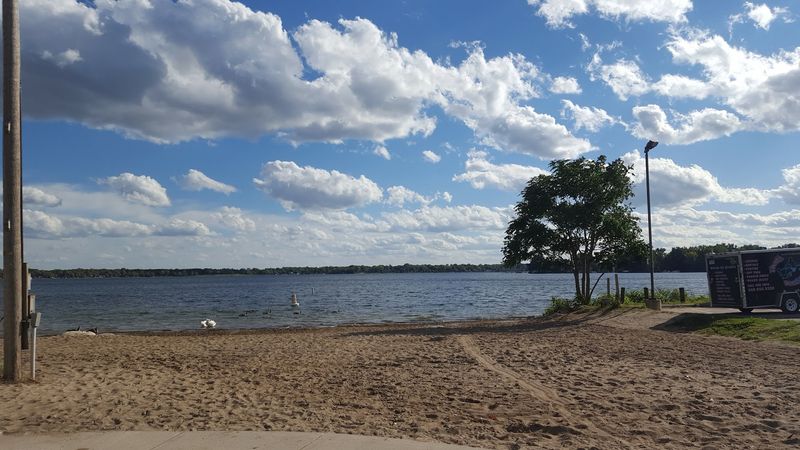
Walled Lake Amusement Park held a special place in the hearts of Oakland County residents for decades, operating as one of the metro Detroit area’s most popular summer destinations. Built around the shores of Walled Lake, the park blended the appeal of a natural lakeside setting with the excitement of a traditional amusement park, creating an experience that felt both grounded and thrilling at the same time.
It was a combination that consistently packed the grounds with visitors from across the region.
The park featured a roller coaster, a midway full of games and food vendors, and swimming access to the lake itself. That last element was a significant draw in the days before backyard pools were common, giving families a place to cool off that felt like a genuine treat rather than a simple convenience.
Teenagers especially loved Walled Lake for the freedom it offered, a wide open space where summer felt genuinely limitless.
A ballroom at Walled Lake became one of its most celebrated features over the years, drawing dancers and music fans who turned the park into an evening destination long after the ride lines had thinned out. Live music at the ballroom gave the park a cultural dimension that made it relevant to different generations simultaneously, which is a rare quality in any entertainment venue.
The park eventually closed, and the lakefront has since been developed in ways that bear little resemblance to what once stood there. But Walled Lake Amusement Park left behind something that development cannot touch: a dense collection of shared memories held by thousands of Oakland County families.
Reunions still happen near that lake, and conversations still circle back to the days when the roller coaster ran and the ballroom lights reflected off the water. That is a legacy worth honoring.
Share this story