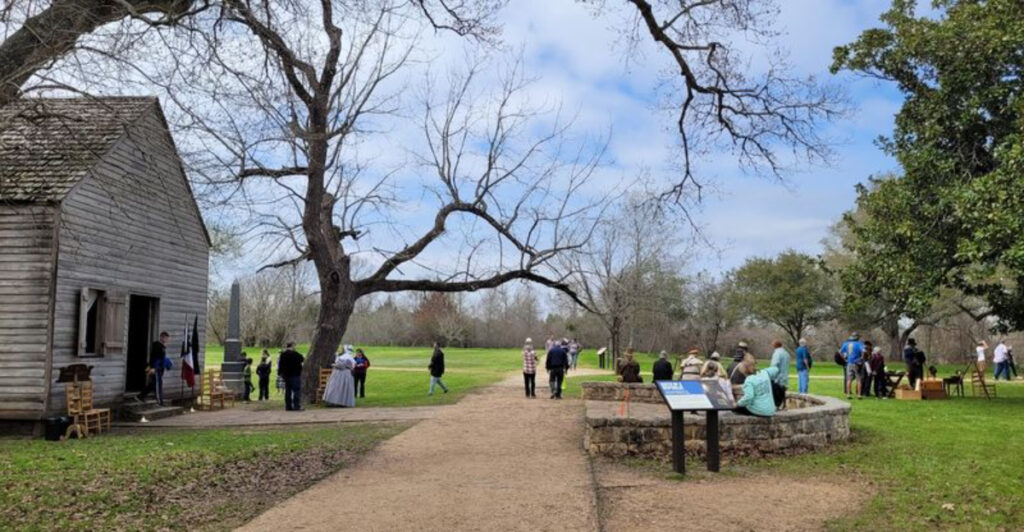
Texas history comes alive when you step away from classroom lectures and actually stand where it all happened. Walking through preserved missions, battlefields, and presidential homes gives you a real sense of what shaped this state and the nation beyond it. These eight historic sites across Texas offer hands-on learning that sticks with you far longer than memorizing dates ever could.
Get ready to experience history instead of just reading about it.
1. The Alamo (San Antonio)
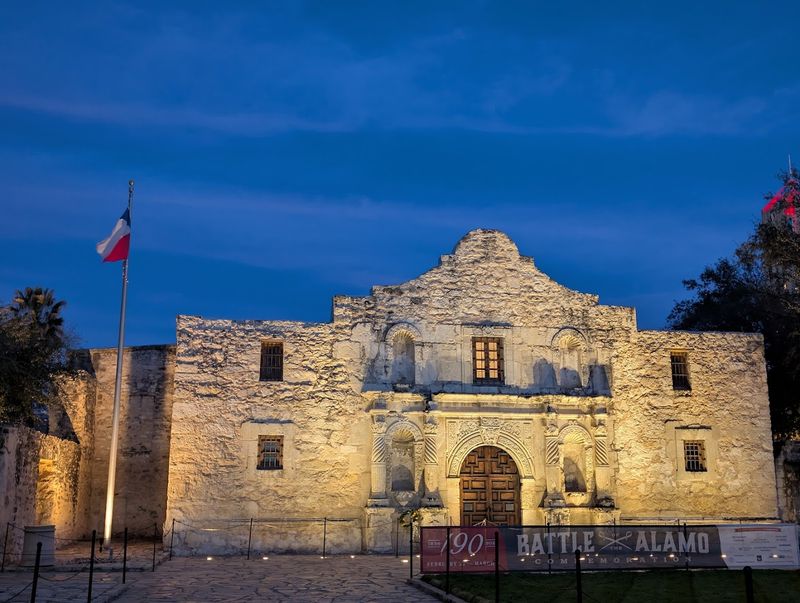
Standing in front of this former Spanish mission feels different than seeing pictures in a history book. The limestone walls witnessed one of the most famous battles in American history, and being there helps you understand why 189 defenders chose to make their stand in March 1836. You can almost hear the echoes of what happened during that 13-day siege.
Walking through the chapel and Long Barrack Museum, you’ll see personal items that belonged to the defenders, including Davy Crockett and Jim Bowie. The exhibits explain how this battle became a rallying cry for Texas independence, even though it ended in defeat. “Remember the Alamo” wasn’t just a slogan—it became the battle cry that turned the tide at San Jacinto six weeks later.
The grounds are smaller than most people expect, which makes the defenders’ courage even more remarkable. They knew reinforcements weren’t coming, yet they held out against General Santa Anna’s army of thousands. Tour guides share stories that textbooks leave out, like how the battle lasted only 90 minutes on that final morning.
The surrounding plaza area has changed dramatically since 1836, but the mission itself remains remarkably preserved. You’ll learn about the Alamo’s earlier history as Mission San Antonio de Valero, founded in 1718. Understanding its religious origins adds layers to the story that most people miss.
Visiting during weekday mornings gives you more space to reflect without crowds. The museum displays authentic weapons, uniforms, and documents that make the historical figures feel like real people instead of names on a page. You’ll leave with a deeper appreciation for the complex motivations behind Texas independence and how one building became a symbol of resistance.
The experience transforms abstract historical concepts into something tangible you can see and touch.
2. San Antonio Missions National Historical Park (San Antonio)
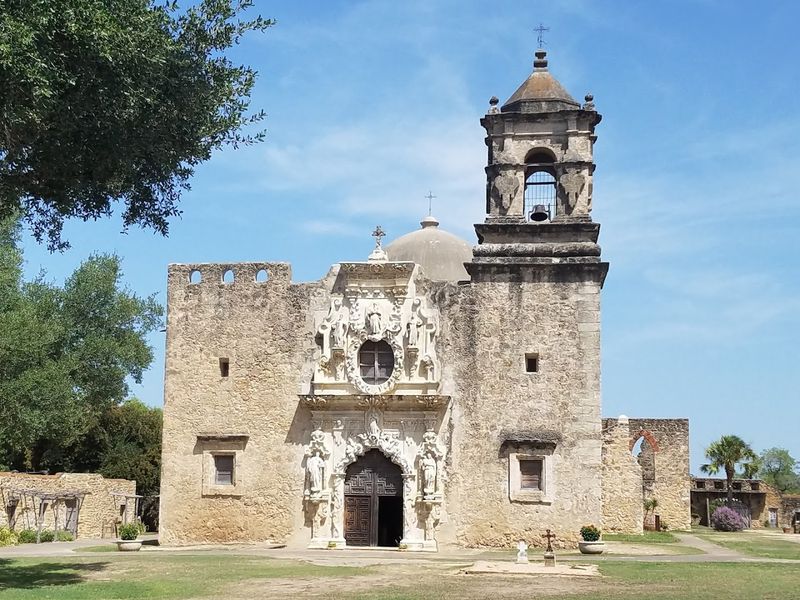
Four Spanish colonial missions spread along the San Antonio River create a living timeline of 18th-century frontier life. Mission Concepción, Mission San José, Mission San Juan, and Mission Espada were built between 1720 and 1731, and they’re still active Catholic parishes today. Walking from one to another along the river trail shows you how these communities functioned as self-contained towns.
Mission San José earns its nickname “Queen of the Missions” with stunning architectural details that survived nearly 300 years. The famous Rose Window carved into the sacristy wall demonstrates the craftsmanship of indigenous artisans who blended Spanish and native artistic traditions. You can explore the granary, workshops, and living quarters to see how hundreds of people lived and worked together.
Each mission has its own personality and stories to tell. Mission Concepción retains original frescoes on its interior walls, giving you a rare glimpse of colonial religious art. Mission San Juan’s church feels more intimate, while Mission Espada features a fully functioning aqueduct system that still carries water today—the only Spanish aqueduct still operating in the United States.
Rangers and volunteers explain how the missions served multiple purposes beyond religion. They were agricultural centers, defensive outposts, and cultural meeting points where Spanish colonizers and indigenous peoples negotiated a new way of life. The relationship was complex and often difficult, something textbooks simplify but the sites help you understand in deeper ways.
Biking or walking the Mission Trail connects all four sites over eight miles of scenic pathways. You’ll pass through neighborhoods where descendants of mission communities still live, creating continuity between past and present. The park offers ranger-led programs that demonstrate traditional crafts, cooking methods, and construction techniques.
Experiencing these missions as an interconnected system rather than isolated buildings reveals how Spain attempted to colonize the frontier and how that legacy shaped modern San Antonio.
3. Washington-on-the-Brazos State Historic Site (Washington)
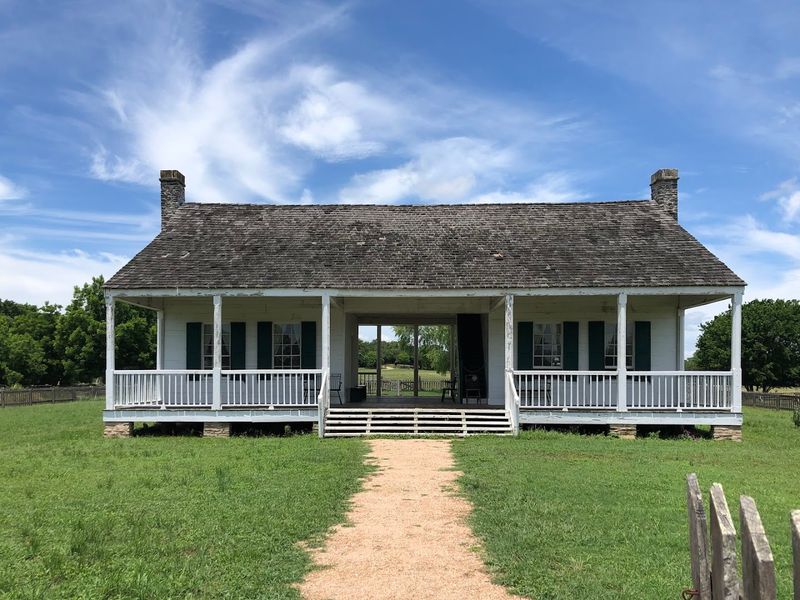
March 2, 1836 changed everything for Texas, and it happened in a simple wooden building in this small settlement along the Brazos River. Fifty-nine delegates gathered here to declare independence from Mexico while the Alamo was still under siege. Standing in the reconstructed Independence Hall, you realize these men made world-changing decisions in a drafty, unfinished structure with news of war arriving daily.
The replica building sits on the original site where delegates signed the Texas Declaration of Independence. Reading the actual words they wrote feels more powerful when you’re in the space where they debated every phrase. They also drafted the Constitution of the Republic of Texas here, essentially creating a new nation from scratch in just 17 days.
The Star of the Republic Museum on the grounds tells the broader story of the Texas Republic period from 1836 to 1846. Interactive exhibits explain the political challenges, economic struggles, and diplomatic negotiations that shaped those ten years of independence. You’ll discover details about daily life, government operations, and the diverse people who built this short-lived nation.
Barrington Living History Farm recreates an 1850s working farm that belonged to the last president of the Republic of Texas, Anson Jones. Costumed interpreters demonstrate period farming techniques, cooking, and household tasks. Watching someone card wool or forge metal gives you respect for the physical work that sustained frontier communities.
The park’s 293 acres include walking trails through bottomland forests similar to what delegates would have seen. Visiting during March brings special programming around Texas Independence Day with reenactments and demonstrations. The visitor center film provides helpful context before exploring the grounds.
This site teaches you that Texas independence wasn’t just about battles—it required political courage, diplomatic skill, and the willingness to build governmental structures from nothing. Understanding this chapter helps explain why Texans maintain such strong state identity even today.
4. San Jacinto Battleground State Historic Site (La Porte)
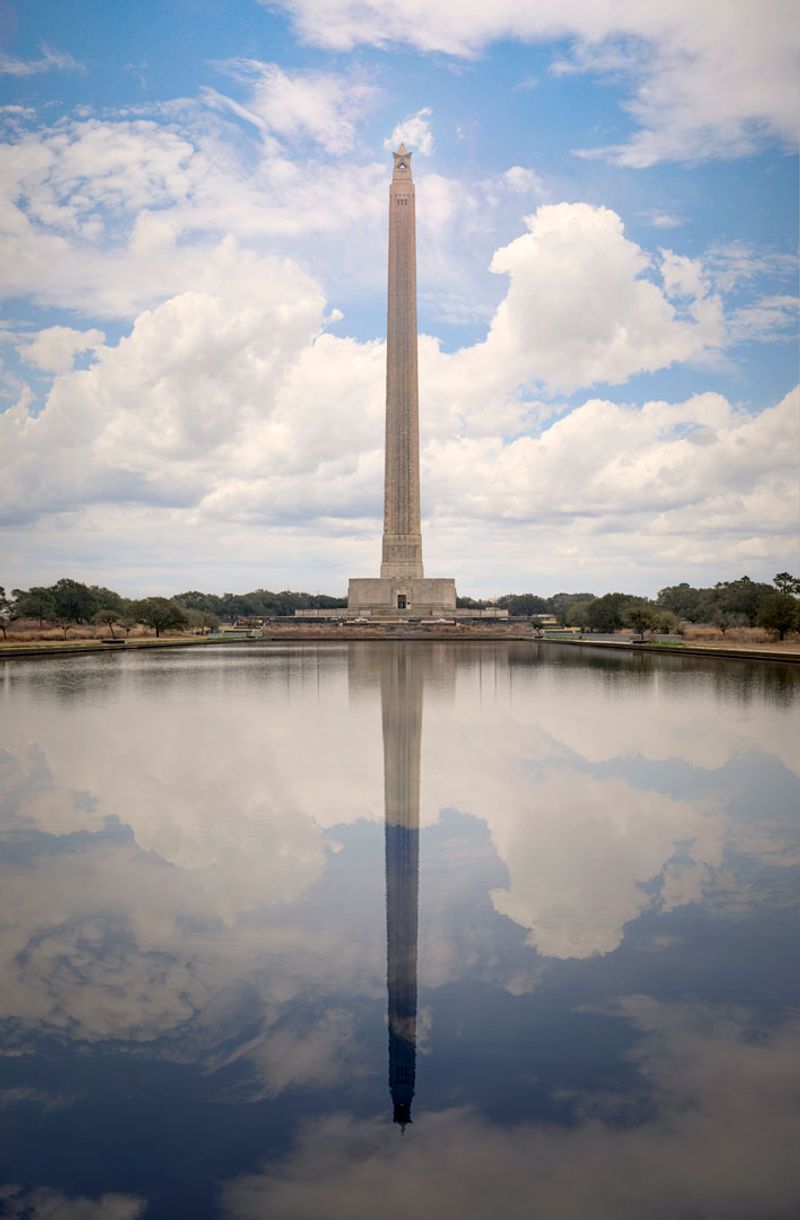
A 567-foot limestone monument towers over the coastal prairie where Texas won its independence in just 18 minutes. That’s taller than the Washington Monument, and it marks the spot where General Sam Houston’s army surprised Santa Anna’s forces on April 21, 1836. The battle’s brevity makes it even more remarkable—years of tension resolved in less time than your average school lunch period.
Taking the elevator to the monument’s observation deck gives you a strategic view of the battlefield below. You can see how Houston positioned his 900 troops along the tree line, using the landscape to approach undetected during the Mexican army’s afternoon siesta. Understanding the terrain makes the military tactics come alive in ways that maps in textbooks never could.
The museum at the monument’s base houses artifacts, uniforms, and weapons from both sides of the conflict. One of the most interesting exhibits explains what happened after the battle, including Santa Anna’s capture and the treaties that followed. You’ll learn that winning the battle didn’t immediately solve all of Texas’s problems—it created new diplomatic and political challenges.
Walking the actual battleground trail with interpretive markers shows you where specific events occurred during those chaotic 18 minutes. The Texan forces lost only nine men while Mexican casualties numbered in the hundreds, a lopsided result that reflected the element of surprise and pent-up fury after the Alamo and Goliad. “Remember the Alamo! Remember Goliad!” became battle cries that drove the Texan charge.
The Battleship Texas, permanently moored nearby, adds an unexpected bonus to your visit. This World War I and II veteran is the only surviving battleship that served in both conflicts. The contrast between 1836 warfare and 20th-century naval power demonstrates how military technology evolved.
Spring wildflowers blanket the prairie in March and April, making it an especially beautiful time to visit. This site proves that understanding geography, timing, and leadership matters as much as weapons when studying military history.
5. Fort Davis National Historic Site (Fort Davis)
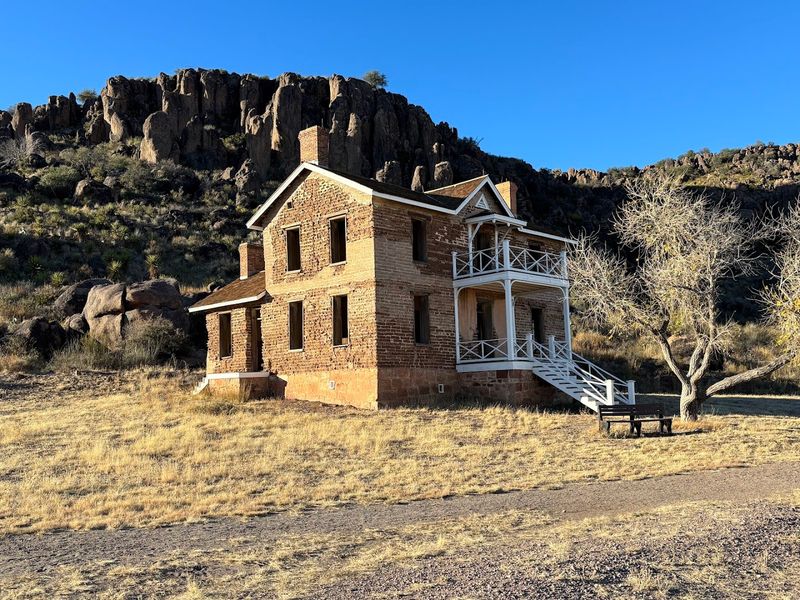
High in the Davis Mountains of West Texas, this frontier military post protected travelers and mail routes through some of the most challenging terrain in the state. Established in 1854, the fort served as home base for soldiers who patrolled thousands of square miles of Apache and Comanche territory. The elevation and mountain setting made it one of the most pleasant assignments in the entire frontier army.
More than twenty restored and reconstructed buildings let you explore how soldiers, officers, and their families lived in this remote outpost. Officers’ quarters show the relative comfort of higher ranks, while enlisted men’s barracks reveal the cramped, basic conditions most soldiers endured. The contrast teaches you about military hierarchy and social class in ways that feel immediate and real.
What makes Fort Davis special is its connection to the Buffalo Soldiers, African American troops who served with distinction throughout the Indian Wars period. These regiments faced discrimination even while protecting settlers and infrastructure across the frontier. Their story adds crucial perspective to Western history that gets overlooked in simplified narratives about cowboys and Indians.
The fort sits in a gorgeous canyon with hiking trails that lead to overlooks where soldiers once kept watch. Walking these paths helps you appreciate the isolation and the constant alertness required of frontier troops. Imagine spending months here with limited contact from the outside world, responsible for protecting hundreds of miles of territory.
Rangers offer guided tours and living history programs during peak seasons, with some staff in period uniforms demonstrating military drills and daily routines. The visitor center museum displays uniforms, weapons, and personal items that belonged to soldiers stationed here. You’ll learn that frontier military life involved far more routine labor—building, repairing, drilling—than actual combat.
Visiting in fall brings cooler temperatures and beautiful foliage in the surrounding mountains. The fort’s preservation is remarkable, giving you an authentic sense of 1880s military architecture and layout. This site challenges romanticized Western myths and shows the complex realities of frontier expansion, military service, and cultural conflict that shaped Texas and the American West.
6. Lyndon B. Johnson National Historical Park (Johnson City / Stonewall)
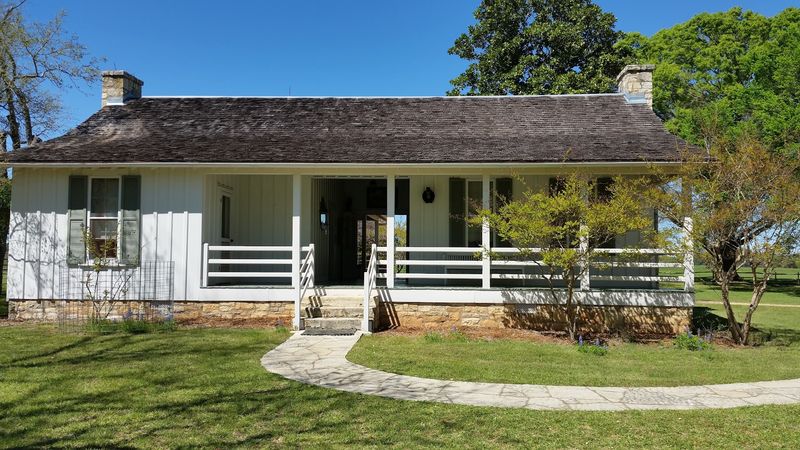
Two separate locations tell the story of America’s 36th president from his childhood through his retirement years. The Johnson City unit includes LBJ’s boyhood home where he lived from age five, giving you insight into the small-town Texas roots that shaped his political philosophy. The modest house on Ninth Street shows that even future presidents grew up in ordinary circumstances during the early 1900s.
Fourteen miles away in Stonewall, the ranch unit preserves the “Texas White House” where Johnson conducted presidential business while surrounded by the Hill Country he loved. Tour buses take you through the working ranch to see the house, the one-room schoolhouse he attended, and the family cemetery where he’s buried beneath sprawling oak trees. Seeing where he made crucial decisions about Vietnam, civil rights, and domestic policy adds human dimension to those historical moments.
The ranch remains a working cattle operation, just as it was during Johnson’s lifetime. Longhorn cattle and white-tailed deer roam the property, creating a peaceful setting that contrasts sharply with the weighty decisions made here. You’ll understand why LBJ retreated to this landscape when Washington pressures became overwhelming.
At the visitor center, exhibits chronicle Johnson’s rise from Hill Country teacher to Senate majority leader to president. His Great Society programs—Medicare, Medicaid, voting rights, environmental protection—transformed American life in ways we still experience today. The park doesn’t shy away from controversies, including the Vietnam War that ultimately drove him from seeking reelection.
The Sauer-Beckmann Living History Farm adjacent to the ranch recreates early 1900s German-Texan farm life. Costumed interpreters tend animals, garden, and perform household tasks using period methods. This addition shows the immigrant communities that populated the Hill Country and influenced young Lyndon’s worldview.
Visiting both units in one day gives you a complete picture of Johnson’s life arc. Spring brings bluebonnets and wildflowers that paint the ranch in spectacular color. The park demonstrates how one person’s background and values can influence national policy, and how presidential history extends beyond Washington DC.
You’ll leave with a more nuanced understanding of a complex leader during a turbulent era.
7. National Museum of the Pacific War (Fredericksburg)
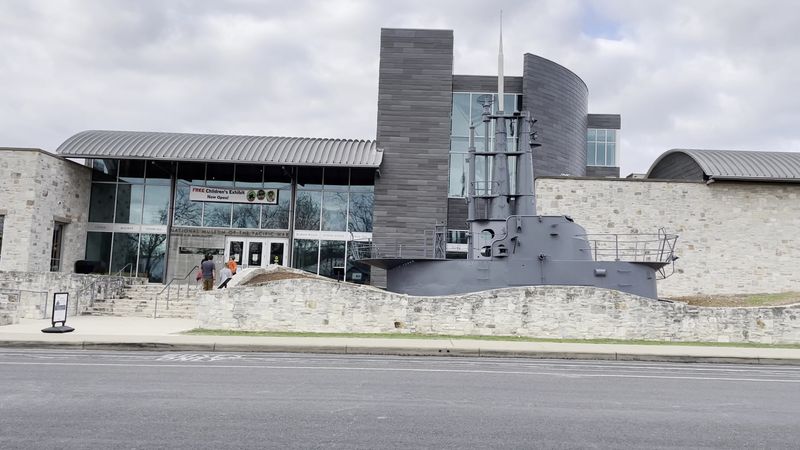
Fredericksburg seems like an unlikely place for the nation’s most comprehensive Pacific War museum until you learn that Fleet Admiral Chester Nimitz was born here. The commander of all Allied forces in the Pacific theater grew up in his grandfather’s hotel, which now forms part of this sprawling museum complex. That personal connection gives the entire facility a unique perspective on World War II’s Pacific campaigns.
Six acres of indoor and outdoor exhibits cover every aspect of the Pacific War from Pearl Harbor to the Japanese surrender. The George H.W. Bush Gallery houses aircraft, artillery, and vehicles that actually served in combat.
Walking among a B-25 bomber, Japanese tanks, and PT boats makes the scale and technology of the war tangible in ways photographs can’t match.
The Admiral Nimitz Museum inside the historic hotel tells his personal story alongside the war’s progression. You’ll see his uniforms, personal items, and the strategic decisions he made that determined victory or defeat across thousands of miles of ocean. Understanding one leader’s role helps you grasp how military command functioned during history’s largest naval conflict.
Outside, the Pacific Combat Zone recreates a Philippine village and jungle battlefield with authentic fortifications and equipment. The Japanese Garden of Peace, a gift from the Japanese military, offers a contemplative space that acknowledges reconciliation after devastating conflict. This balance between showing war’s brutality and honoring peace makes the museum especially thoughtful.
Special exhibits rotate throughout the year, covering topics like the Doolittle Raid, island-hopping campaigns, and the home front. Veteran oral histories play throughout the galleries, letting you hear firsthand accounts of combat, capture, and survival. These personal testimonies transform abstract military history into individual human experiences.
The museum requires several hours to see properly—don’t rush through. Memorial Day and Pearl Harbor Remembrance Day bring special programming with veteran speakers and ceremonies. Fredericksburg’s German heritage adds interesting context, since German-Texans served in American forces while fighting against Germany’s ally Japan.
This museum teaches Pacific War history more comprehensively than any textbook possibly could, honoring both the veterans who served and the civilians who endured the war’s consequences across the Pacific region.
8. Presidio La Bahía (Goliad)
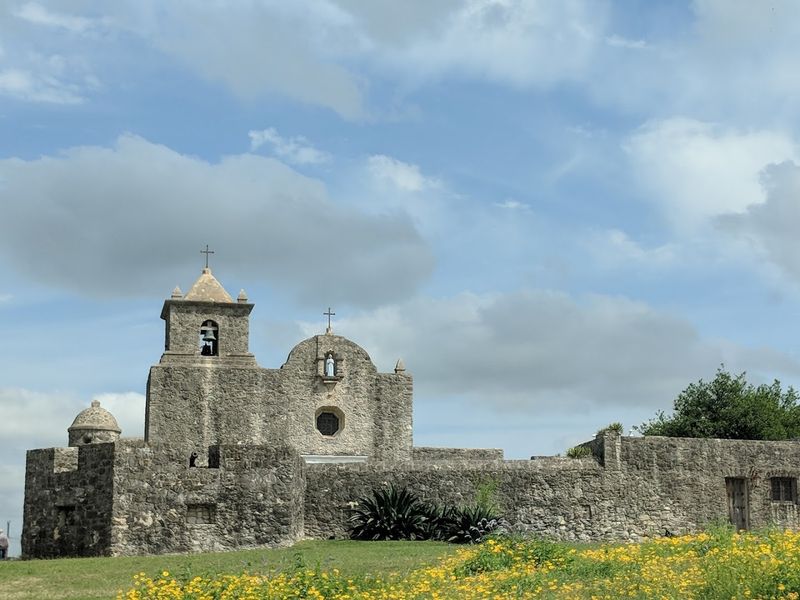
This Spanish fort is the oldest continuously active religious center in the American West, with Mass celebrated in its chapel since 1749. Built to protect Mission Espíritu Santo and control the region, the presidio played crucial roles in multiple conflicts spanning 150 years. Its thick limestone walls witnessed Spanish colonial rule, Mexican independence, and the Texas Revolution’s darkest chapter.
On March 27, 1836, Colonel James Fannin and over 340 Texas revolutionaries were executed here on orders from General Santa Anna. This Goliad Massacre happened just weeks after the Alamo and shocked the world with its brutality. Standing in the fort where these men spent their final days helps you understand the fear and uncertainty they faced after surrendering under promised terms of parole.
The presidio’s museum explains the complex sequence of events that led to the massacre. Fannin’s military decisions, Santa Anna’s orders, and the chaos of revolution all contributed to the tragedy. You’ll learn that about 30 men escaped or were spared, carrying news of the massacre that inflamed Texan resolve. “Remember Goliad” joined “Remember the Alamo” as rallying cries at San Jacinto.
Beyond revolutionary history, the fort illustrates 18th-century Spanish colonial military architecture. The chapel, barracks, and defensive walls show how frontier presidios functioned as administrative centers, not just military posts. Soldiers’ families lived here, creating small communities that blended military and civilian life.
Walking the fort’s perimeter and climbing to the walls gives you strategic perspective on why Spain chose this location. The nearby San Antonio River provided water, and the elevated position offered defensive advantages. The fort changed hands multiple times—Spanish, Mexican, Texan, Confederate—each regime leaving its mark on the buildings and grounds.
A monument and mass grave near the fort honor the Goliad victims, creating a somber counterpoint to the presidio’s military history. The site hosts living history events where reenactors demonstrate colonial-era military drills and daily life. Visiting La Bahía teaches you that Texas independence came at tremendous human cost, and that understanding requires facing uncomfortable truths about war, surrender, and revenge that shaped the revolution’s outcome and its lasting legacy.