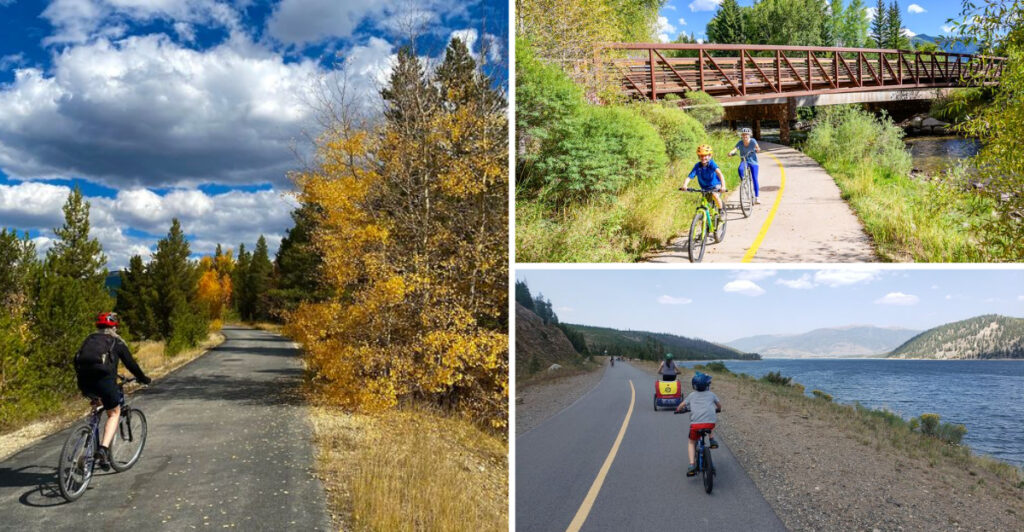
Colorado is one of the best states in the country for scenic cycling, offering bike trails that combine unforgettable views with rides for every skill level. From paved paths winding through dramatic canyons and mountain valleys to routes alongside sparkling rivers and beneath towering peaks, these trails showcase the remarkable diversity of Colorado’s landscapes.
Whether you’re looking for a leisurely family ride or a full-day adventure surrounded by spectacular scenery, each destination delivers memorable views and a rewarding experience on two wheels. These 11 Colorado bike trails prove that some of the state’s most breathtaking scenery is best explored from the saddle.
1. Glenwood Canyon Recreation Path (Glenwood Springs-Dotsero)
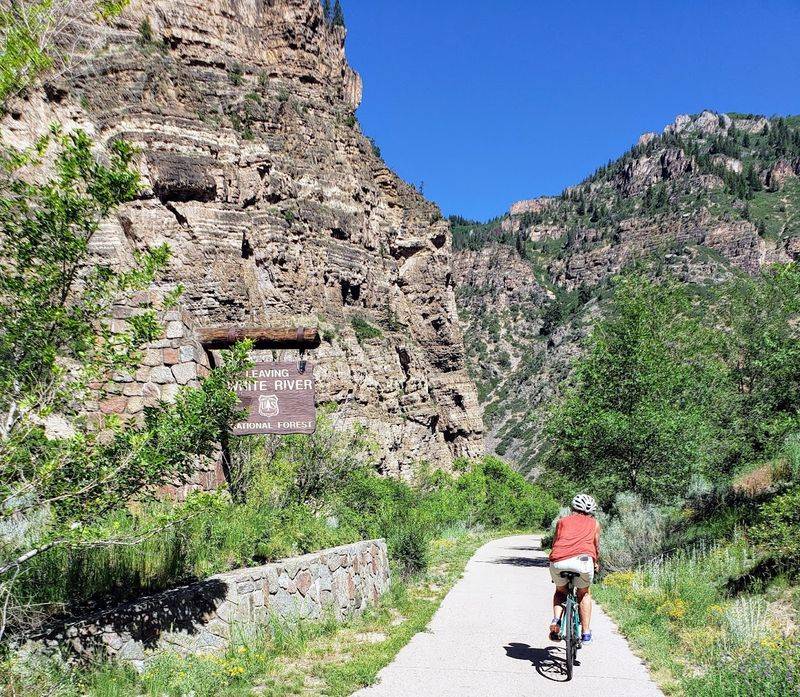
Right away, this ride throws you into one of the most dramatic corridors in Colorado. The paved path tracks the Colorado River through Glenwood Canyon, where sheer rock walls rise overhead and every curve reveals another slice of wild terrain.
Even with the interstate nearby, the scenery steals the conversation almost instantly. You are not grinding for views here.
The grades stay manageable, which leaves plenty of room to look around at churning water, cottonwoods, ledges, and the huge stone architecture of the canyon itself.
In several stretches, the path sits close enough to the river that the sound of moving water becomes part of the ride.
Another reason this route stands out is variety. One section opens to broad canyon light, then another tightens into a more enclosed passage with cliffs pressing in and waterfalls adding a quick burst of motion and cool air.
Rest areas break things up nicely, and access points along the way give the ride a practical rhythm instead of turning it into a nonstop push.
The Hanging Lake area adds extra visual interest, even if you are only passing by. Bridges, underpasses, and elevated trail segments keep the ride dynamic, so it never settles into one repeated scene.
That constant change is a big part of why the path stays memorable long after the ride ends. If your ideal Colorado trail mixes convenience with serious scenery, this one delivers without much effort.
It works for a relaxed out-and-back, a longer point-to-point day, or a road trip stop when you want a ride that immediately looks impressive. Few paved trails in the state serve up canyon drama this consistently from start to finish.
2. Vail Pass Bike Path (Vail-Copper Mountain)
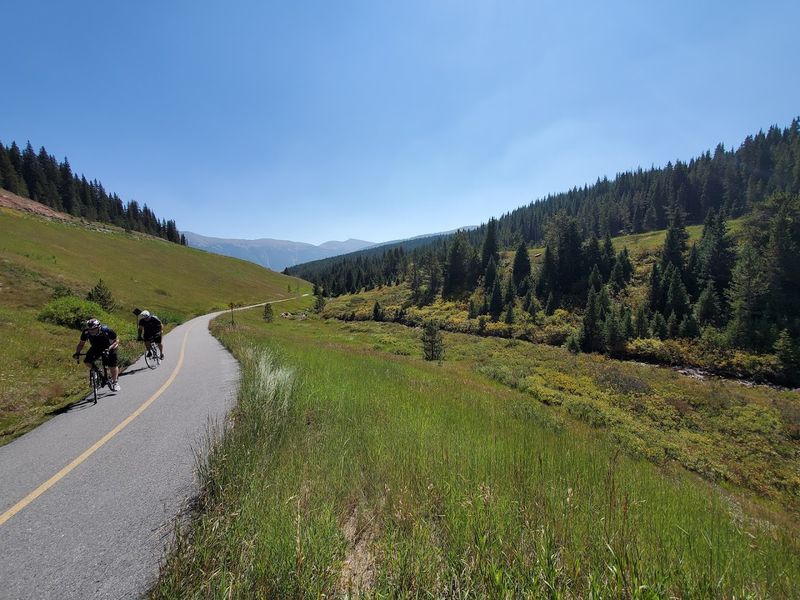
This is the ride people bring up when the conversation turns to iconic Colorado pavement. The route climbs high into the mountains, topping out above 10,600 feet, and the scenery shifts steadily as you gain elevation.
Forest, creek crossings, long views, and cool mountain air all stack together in a way that makes the effort easy to justify.
The approach to the summit has a satisfying rhythm. You pedal through evergreens, pass water moving over rock, and catch opening views that get wider with each mile.
Nothing about the landscape stays small for long, and the higher you go, the more the route starts to feel like a moving overlook.
Then comes the payoff. Once you crest the pass, the descent toward Copper Mountain turns the whole experience into a fast, scenic glide through alpine country.
It is the kind of downhill where you still want to look around, even though the speed keeps pulling your attention back to the pavement.
Because the trail is paved and well known, it attracts a broad mix of riders. That does not cancel out the sense of being in big mountain terrain, though.
The peaks remain the main event, and the surrounding forest and stream corridors give the route enough texture that it never becomes just one long climb and one long drop.
Timing matters here, since weather and altitude can change the mood quickly. On a clear day, however, this path delivers the classic high-country Colorado ride many people are chasing.
If you want a route that combines a real mountain pass with a thrilling finish, Vail Pass earns its reputation with every switch in the landscape.
3. Rio Grande Trail (Glenwood Springs-Aspen)
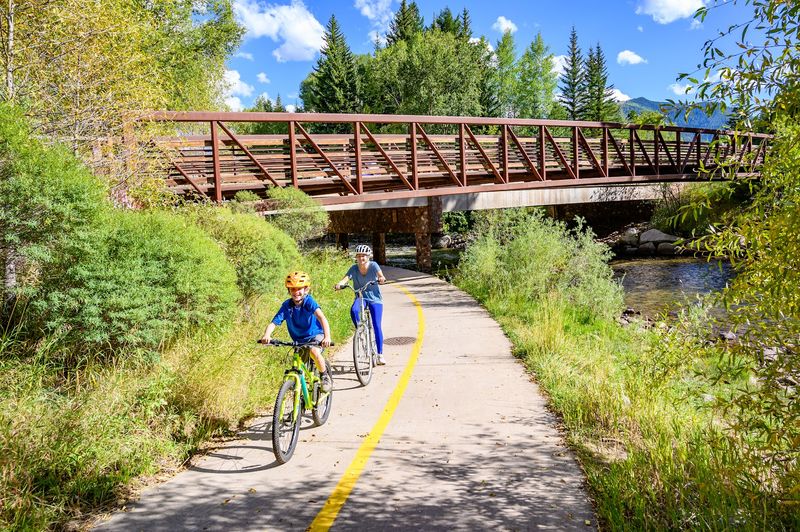
Long rides can sometimes blur together, but the Rio Grande Trail avoids that problem almost mile by mile. Following a former railroad corridor through the Roaring Fork Valley, it links Glenwood Springs and Aspen with a route that keeps changing without losing its easy sense of direction.
River views, ranchland, and mountain silhouettes show up early and stay in rotation. Because the trail stretches for roughly forty-two miles, you can shape the day however you want.
A shorter spin still gives you plenty of scenery, while a bigger effort lets you watch the valley unfold in stages. The former rail grade helps keep the ride approachable, so the length feels more inviting than intimidating.
One of the best parts is how often the trail brushes against everyday Colorado life instead of isolating you from it. Small communities, open fields, roadside trees, and creek crossings give the route a lived-in character that contrasts nicely with the larger mountain backdrop.
It never feels static, and that movement keeps the scenery interesting. There is also a calm, linear beauty to the valley itself. The river repeatedly reappears, ranch fences sketch out the landscape, and the surrounding slopes frame the ride without closing it in.
On quieter sections, you get that satisfying sense of covering real ground while still being able to stop and take in the view whenever it demands attention.
For riders who want distance without giving up visual reward, this trail hits a sweet spot. It is scenic in a broad, generous way rather than a single dramatic burst, and that makes it easy to settle into.
By the time you finish, the route reads less like one path and more like a connected tour through one of western Colorado’s most attractive valleys.
4. Mineral Belt Trail (Leadville)
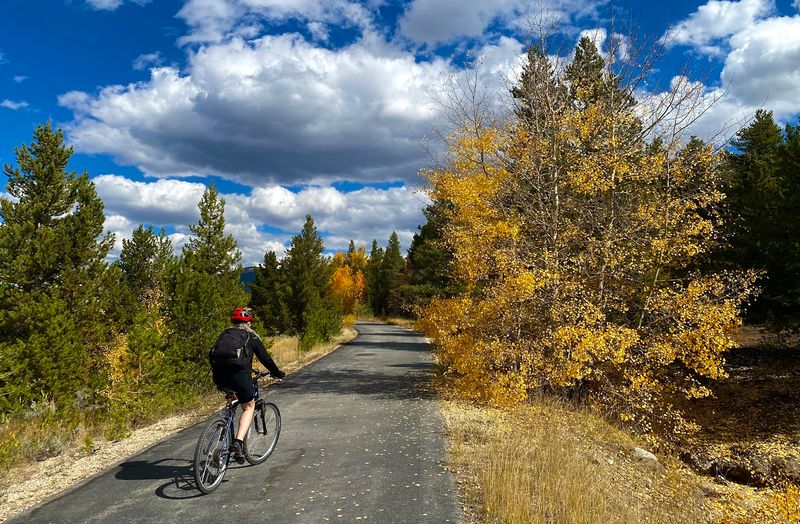
Leadville does not ease you into its scenery. Sitting above 10,000 feet, the Mineral Belt Trail wraps around town with huge mountain views that announce themselves early and keep showing off.
It is a paved loop with plenty of breathing room, and the combination of open sky, mining history, and high peaks gives the ride a distinctive edge.
On one side, you get sweeping looks at some of Colorado’s tallest mountains. On another, you roll past traces of the area’s mining past, where old structures and interpretive stops add texture without slowing the ride’s momentum.
That contrast keeps the route from becoming a simple scenic spin around town. The trail also changes mood more than first-time riders often expect.
A wide panorama can quickly give way to a quieter section lined with trees, then open again to meadows and wildflowers when the season cooperates.
Because the loop circles Leadville, the views arrive from different angles instead of repeating the same mountain profile over and over. Altitude is part of the experience, and you will likely notice it even on a moderate effort.
Still, the pavement and layout make this ride approachable enough that you can focus on the setting rather than treating it like a sufferfest. It works especially well for riders who want a high-country outing with strong scenery but not a complex route.
There is a crispness to this trail that sticks with you. The air looks clear, the peaks seem close enough to name, and the surrounding land carries that stark, elevated beauty Leadville does so well.
If you want a ride where Colorado’s mountain scale and industrial past share the same frame, the Mineral Belt Trail makes that pairing look incredibly good.
5. Animas River Trail (Durango)
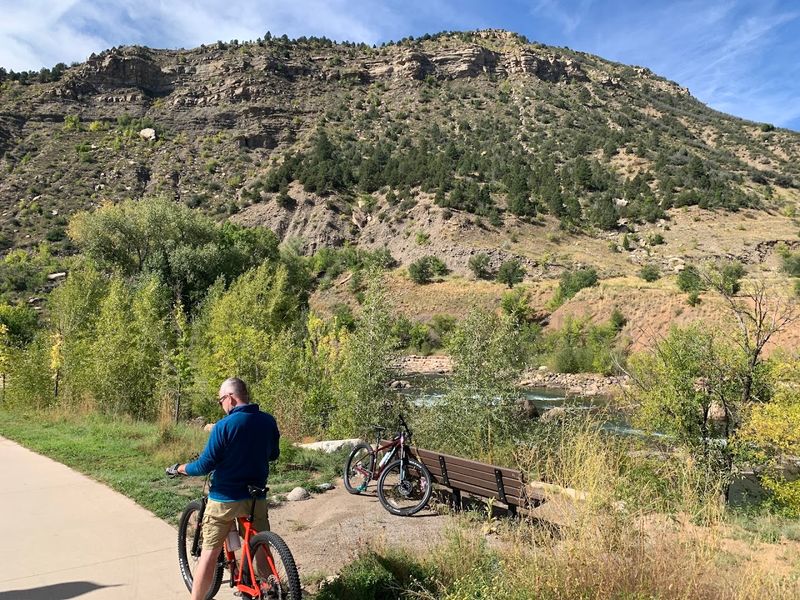
Durango’s Animas River Trail proves that an in-town ride can still deliver strong scenery. The path follows the river through parks, beneath bridges, and past pockets of public art, creating a route that stays visually active from one segment to the next.
You are never far from water, and that gives the entire ride a fresh, moving backdrop. Part of the appeal is how naturally the trail mixes landscape and town life.
One minute you are watching the river slide past trees and rocks, and the next you are connecting to another park or crossing into a new stretch with a different perspective. The route feels stitched into Durango instead of tacked onto it.
That variety makes it especially good for riders who want scenery without committing to a long, remote outing. Riverside viewpoints, green banks, and glimpses of surrounding hills keep the setting attractive, while the paved surface makes it easy to focus on the experience rather than technical riding.
It is approachable, but it does not look plain. There is also a pleasing rhythm to the way the trail moves. Bridges create natural visual markers, the river keeps shifting shape and speed, and the occasional public art piece adds personality without turning the path into a gallery tour.
Even on a casual ride, you get enough detail to stay engaged. If you are the type who likes a scenic spin with options to pause, detour, or turn it into part of a longer day in town, this route makes a lot of sense.
It showcases southwest Colorado in a more accessible format, with the river doing most of the heavy lifting. For a paved multi-use trail, the Animas packs in an impressive amount of texture, color, and movement.
6. Fraser to Granby Trail (Fraser-Granby)
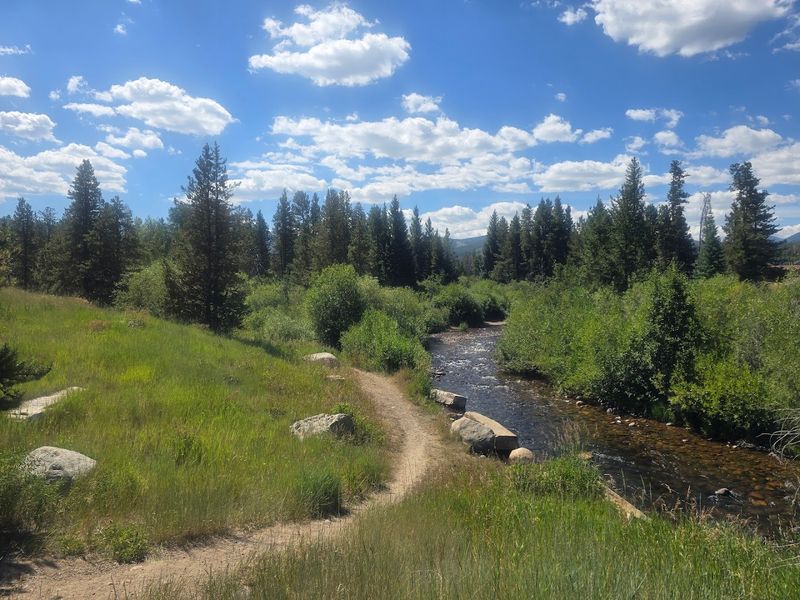
This trail has a quieter reputation than some of Colorado’s headline routes, but the scenery does not exactly whisper.
Running through the Fraser Valley toward Granby, it follows the river past open meadows, trees, and small communities with the Continental Divide looming in the broader frame. The result is a ride that feels spacious, clean, and nicely paced.
One of its strengths is balance. You get enough development nearby to keep the route accessible, yet the views stay rooted in mountain landscape rather than neighborhood distractions.
Meadows open things up, forested sections tighten the scene, and the river keeps adding motion to the side of the trail.
Because the route moves through multiple communities, it has a connected feeling that works well for both casual riders and people aiming for a longer outing.
You can treat it as a mellow valley cruise or as a more substantial point-to-point day with changing perspectives the whole way. Either approach leaves room to enjoy the scenery instead of racing through it.
The mountain backdrop is a major part of the appeal. Peaks sit above the valley in a way that remains visible without overpowering every turn, and the Continental Divide adds a sense of place that never needs much introduction.
On clear days, the openness of the valley makes those views look even bigger. This is a trail for riders who appreciate subtle scenic payoff rather than nonstop drama.
It trades canyon walls and huge descents for a broader valley experience with water, meadow, forest, and mountain composition all working together.
By the end, you may not remember one single knockout overlook as much as the steady run of good-looking terrain that made the whole ride easy to enjoy.
7. Yampa River Core Trail (Steamboat Springs)
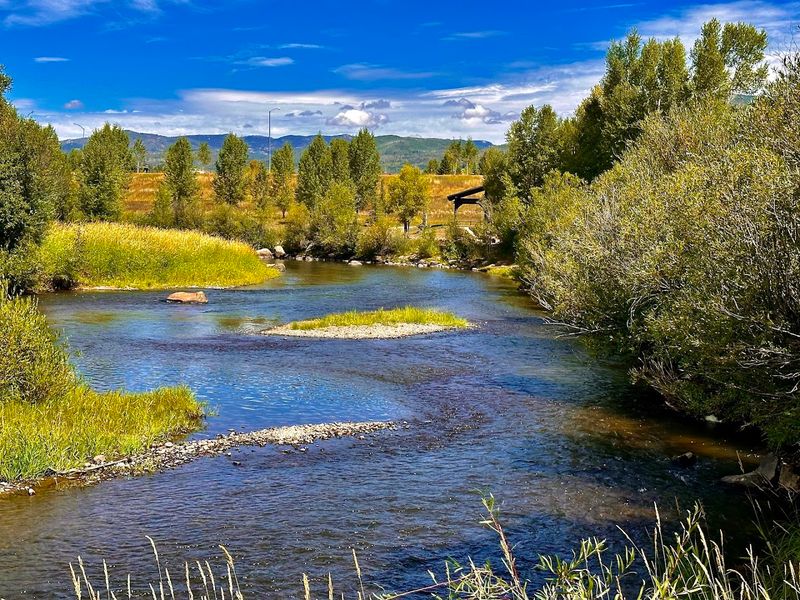
Some trails are best for escaping town. This one is best because it lets you ride through town without losing the mountain setting that brought you there in the first place.
The Yampa River Core Trail runs beside the river through Steamboat Springs, pairing easy pavement with parks, wetlands, and constant glances at the surrounding hills.
The river does a lot of visual work here. It bends, widens, flashes in the sun, and keeps the route lively even on relaxed stretches where the grade barely asks anything from you.
That moving water, along with birds, grassy banks, and patches of trees, gives the trail a pleasantly active edge. Another plus is how smoothly it connects recreation and convenience.
You can roll from a scenic riverside segment into a downtown stop, then head right back into quieter pockets near parks and open space. That flexibility makes the trail ideal for riders who want a good view and a useful route at the same time.
The mountain scenery around Steamboat is never too far away, and the trail frames it well without forcing an all-day commitment.
Wetland areas add texture, bridges shift the angle, and the mix of developed and natural stretches keeps the ride from becoming repetitive. It is easy to understand why locals use it for both everyday movement and casual cruising.
If your favorite bike paths are the ones you can enjoy at any pace, this one checks that box. You can spin easy, stop often, or use it as the backbone of a bigger day.
Either way, the Yampa River Core Trail delivers a polished, scenic ride with enough local character to stand apart from the usual paved path formula.
8. Blue River Bikeway (Silverthorne-Breckenridge)
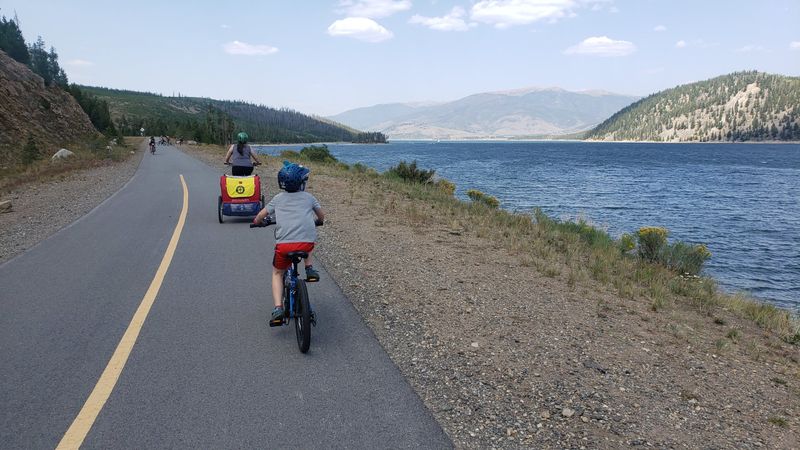
Summit County has no shortage of good-looking terrain, and the Blue River Bikeway takes full advantage of that fact.
Following the Blue River between mountain towns, this paved route strings together water views, forested stretches, and dramatic ridgelines in a way that keeps the ride visually rich from start to finish.
It is practical transportation wrapped in classic high-country scenery. The river is a steady companion, but the backdrop is what gives the bikeway its extra punch.
Peaks rise beyond the valley, neighborhoods give way to more open sections, and the path keeps offering different alignments with the mountains as you move south.
That shifting perspective makes a familiar corridor look fresh mile after mile. Because the route links places like Silverthorne, Dillon, Frisco, and Breckenridge through the broader network, it is easy to tailor the ride.
You can keep it short and scenic or turn it into a fuller day of rolling between towns with river crossings and mountain views setting the tone. The connectivity is part of the fun rather than just a logistical bonus.
The bikeway also hits a nice middle ground between energetic and approachable. There is enough movement in the terrain to keep the ride interesting, but not so much that you spend the entire time grinding or braking.
With the Blue River nearby and the Tenmile Range often in sight, the route remains anchored in its setting. For riders who enjoy seeing how Colorado ski country looks from bike level, this trail is an easy pick. It gives you the region’s water, forest, and peaks without demanding a purely athletic mission.
Few paved routes in Summit County make it this easy to move through several mountain landscapes while keeping the scenery front and center.
9. Lake Estes Trail (Estes Park)
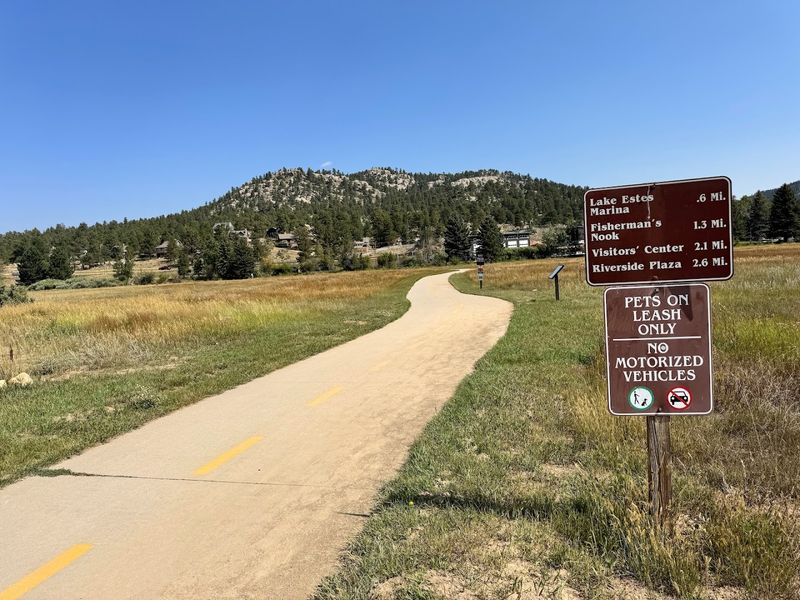
If you want a ride with immediate payoff and very little guesswork, Lake Estes is hard to argue with. The paved loop circles the water with broad mountain views almost the entire way, and the setting is friendly enough for a casual spin while still looking distinctly Colorado.
It is the kind of trail where the scenery starts working before you even clip in. The lake gives the route a wide-open feel that many short paved loops never achieve.
Reflections, changing light, and the surrounding peaks keep the visual field active, while open shoreline sections make it easy to stop and take everything in. You do not need a huge climb or remote location to get a satisfying mountain backdrop here.
Wildlife adds another layer of interest. Depending on timing and luck, you may spot birds along the water or larger animals in nearby open areas, which keeps the ride feeling tied to the landscape rather than designed solely for exercise.
That outdoor energy fits naturally with the easy pace of the trail. Because the loop is approachable, it works well for families, visitors acclimating to elevation, or riders who simply want a scenic outing without a big logistical plan.
The path’s simplicity is part of the charm, not a limitation. Mountain views remain constant enough that even a relaxed lap never feels visually thin.
Estes Park has plenty of outdoor appeal beyond this shoreline circuit, and the trail’s access to nearby attractions only strengthens its case. Still, the lake itself is enough reason to ride it.
For a compact route, Lake Estes packs in a surprising amount of visual reward, especially when the weather is clear and the peaks around town decide to fully show off.
10. Crystal Valley Trail (Carbondale)
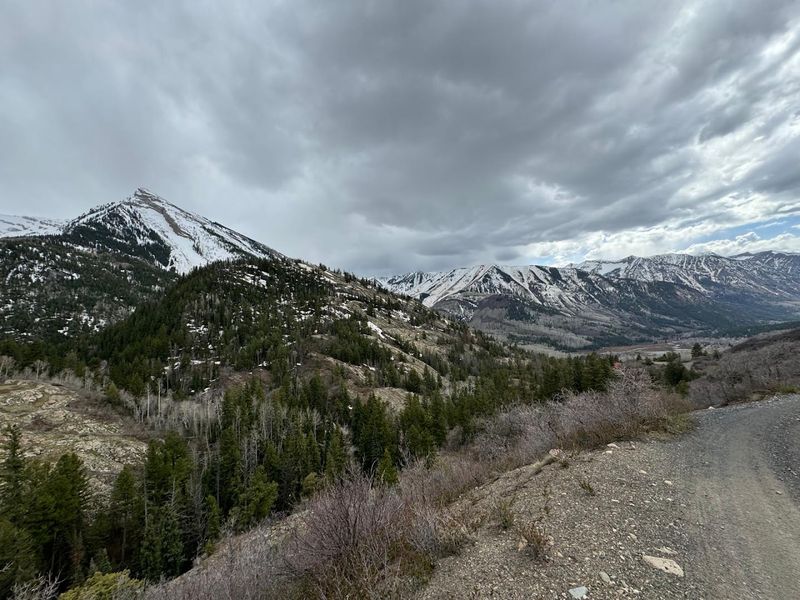
Carbondale has a laid-back rhythm, and the Crystal Valley Trail matches it perfectly. Beginning in town and heading along the Crystal River, this paved route moves through ranchland and cottonwood groves with Mount Sopris dominating the skyline.
The scenery is not loud, but it is striking in a steady, confident way. The presence of Mount Sopris gives the entire ride a focal point.
No matter how the river bends or the trees close in for a while, that broad mountain profile keeps reappearing and reasserting itself. It turns a simple paved outing into a ride with a strong visual identity.
The valley floor does plenty of work too. Open fields, fences, irrigation channels, and stands of cottonwoods create a layered rural landscape that looks especially good in changing light.
Because the route follows the river corridor, you also get that pleasant sense of motion and coolness that water brings to a ride.
There is a peaceful, uncluttered quality here that makes it easy to settle into your pace. You are close enough to Carbondale for convenience, but the trail quickly starts feeling more pastoral than urban.
That transition happens smoothly, which is a big part of the route’s appeal for riders who want scenery without a complicated plan.
This trail will likely land best with people who appreciate broad views, river company, and a little breathing room. It is less about dramatic elevation and more about composition: mountain, ranchland, trees, and water all lining up in a balanced frame.
When Mount Sopris is clear and the cottonwoods are catching light, the Crystal Valley Trail can look outrageously good for such an easygoing ride.
11. Tenmile Canyon Recreation Trail (Frisco-Copper Mountain)
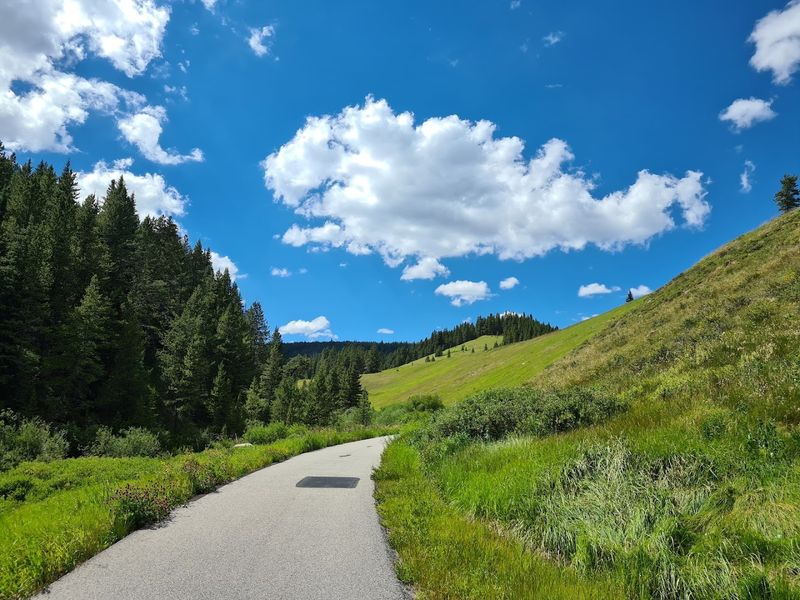
This trail wastes very little time getting to the good stuff. Running between Frisco and Copper Mountain through Tenmile Canyon, it follows rushing water beneath steep slopes and tall peaks, creating a ride that looks rugged even though the pavement keeps it approachable.
It is one of those routes where the setting instantly feels bigger than the mileage. The stream is a constant highlight. You hear it, cross near it, and repeatedly catch views of white water cutting through the canyon floor while evergreens frame the edges.
That combination of moving water and rising mountains gives the trail a strong mountain-energy feel without needing technical terrain.
The canyon shape also helps the scenery land with more force. Compared with broader valley rides, this route feels more enclosed and dramatic, with slopes climbing quickly on both sides and the trail threading through the middle.
Every bend shifts the composition just enough to keep you looking ahead. It also works especially well as part of a larger Summit County ride.
Because it connects naturally with the Vail Pass network at Copper Mountain, you can treat it as a scenic standalone outing or as a beautiful extension to something bigger. Either way, it never comes across as a filler segment between more famous trail sections.
If you like paved routes that still give off a real backcountry-adjacent mood, this one deserves attention. The grades, streamside scenery, and canyon walls all work together to make the ride memorable without overcomplicating it.
Tenmile Canyon Recreation Trail may not always get the loudest hype, but on pure visual quality, it can stand shoulder to shoulder with many of Colorado’s better-known mountain bike paths.