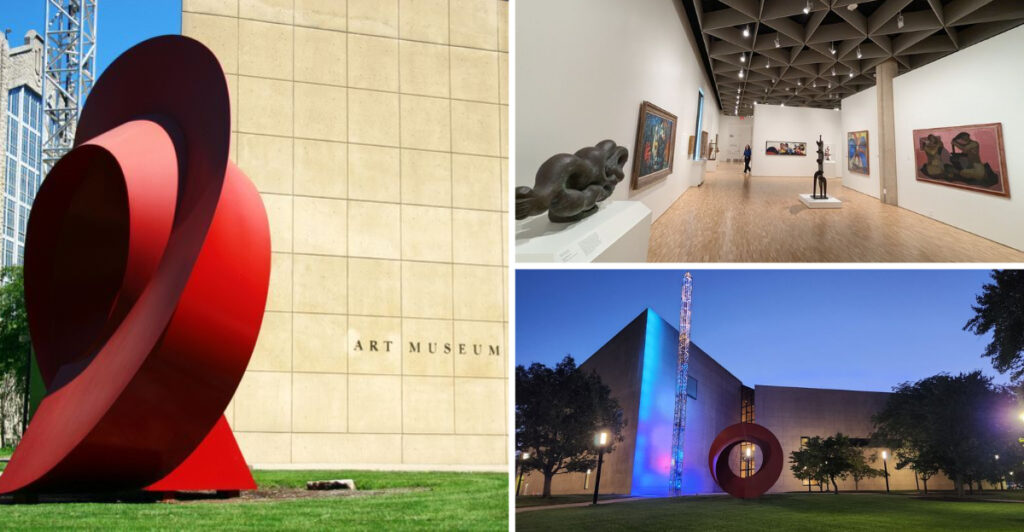
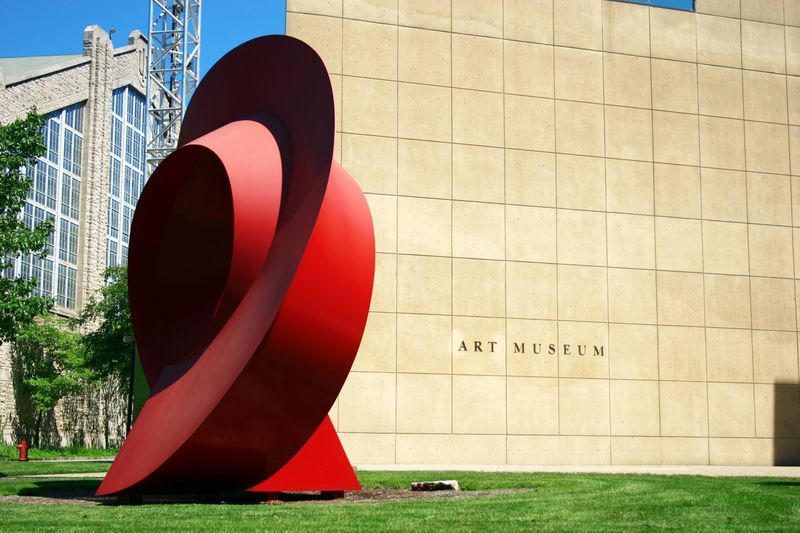
Some of Indiana’s best attractions come without an admission fee, and the Sidney and Lois Eskenazi Museum of Art in Bloomington is one of the finest examples. Located on the Indiana University campus, this acclaimed museum pairs striking modern architecture with an impressive collection spanning thousands of years of art, from ancient artifacts to contemporary masterpieces.
Thoughtfully designed galleries, rotating exhibitions, and a peaceful setting make it easy to spend hours exploring at your own pace. Whether you’re an art enthusiast or simply looking for an enriching and affordable day trip, this free Indiana museum offers an experience that far exceeds expectations.
The Atrium That Changes Your Pace
Before you even start looking at art, the building sets the tone. The Eskenazi Museum of Art opens with a tall, light-filled atrium that makes ordinary museum pacing seem too hurried for the space.
Angles, glass, and broad interior sightlines create the kind of arrival that asks you to look up, pause, and let your eyes adjust before moving on.
That architectural effect matters because it changes the whole visit from the first minute. Instead of funneling you straight into a crowded blockbuster room, the museum gives you breathing room and visual orientation.
You can spot stairs, galleries, and open views across multiple levels, which makes the place easy to navigate even if it is your first time on the Indiana University campus.
The design is often one of the first details people talk about here, and it is easy to understand why. The structure carries a polished modern presence without becoming cold, and the atrium works almost like a giant lens for daylight.
Depending on the weather outside, the interior can look crisp and bright or softly muted, which gives the space a shifting character over the course of an afternoon.
That opening moment also helps explain why this museum works so well as a day trip. You are not walking into a cramped local gallery with a few walls of art and a gift shop at the end.
You are stepping into a substantial university museum where the architecture has enough personality to be part of the experience, not just a container for it. Even before the first gallery label comes into focus, the visit already feels bigger than free admission suggests.
A Collection That Travels Far Without Leaving Bloomington
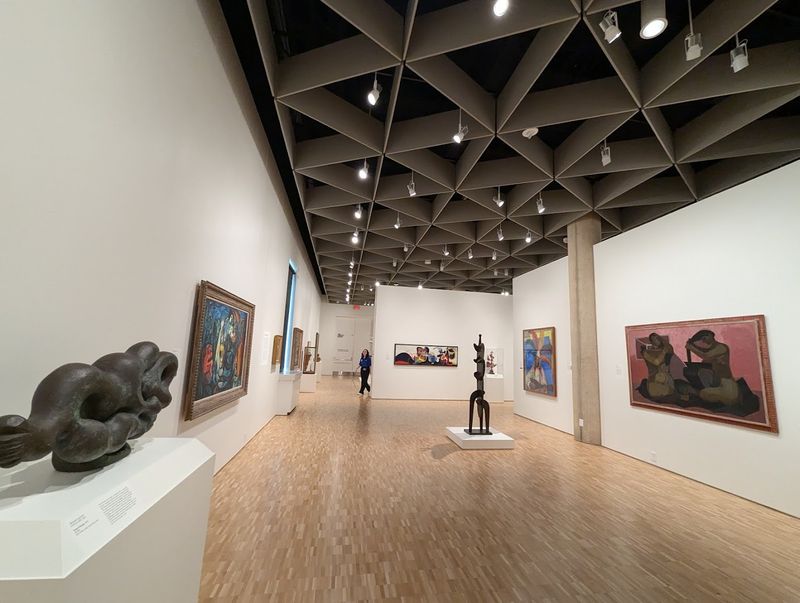
The strongest surprise here is scale, not in sheer square footage but in range. Inside one museum on the IU campus, you can move between ancient objects, modern paintings, sculpture, and works connected to cultures from well beyond Indiana.
That variety gives the visit momentum, because each turn opens into a different visual language instead of more of the same.
University museums can sometimes read like teaching spaces first and public destinations second. This one manages both jobs at once.
The galleries are organized in a way that still welcomes a casual visitor who may not arrive with a checklist of movements, dates, or artists, so you can stay curious without needing an art history seminar to keep up.
Some of the attention naturally goes to recognizable names when they are on view, and the museum has a reputation for displaying pieces that make people stop for a second look. Even so, the real strength is not celebrity alone.
It is the way the collection moves between well-known works and less expected objects, letting you recalibrate your attention from fame to craftsmanship, material, and context.
That broader mix is exactly why this place succeeds as a day trip rather than a quick errand. You are not walking through one narrow specialty collection and calling it done after twenty minutes.
You are moving through a sequence of galleries that keeps refreshing the experience, so the museum can satisfy both someone who knows artists by name and someone who simply wants a thoughtful afternoon indoors. In Bloomington, that kind of cultural breadth with no admission fee is a rare and very convincing combination.
Three Floors, Zero Rush
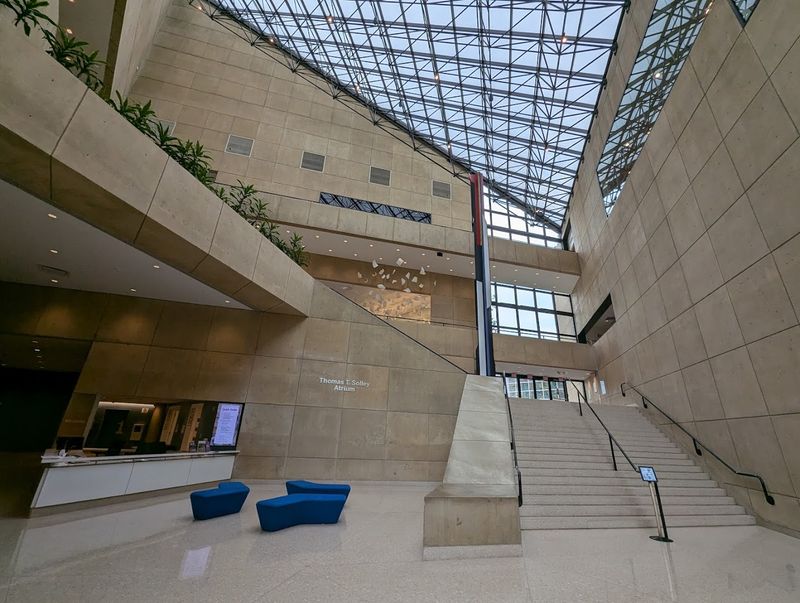
One practical advantage of the Eskenazi Museum of Art is how manageable it feels while still offering enough to fill real time. The museum spans three floors of galleries, yet the layout does not punish you with endless doubling back or confusing dead ends.
You can wander naturally, shift levels when something catches your eye, and build a visit that lasts an hour or stretches closer to an afternoon.
That balance is harder to achieve than it sounds. Some museums are so huge that you spend half your energy deciding where not to go, while smaller spaces can feel finished just as you settle in.
Here, the pacing lands in a sweet spot where you can look carefully without the pressure of conquering a giant institution before closing time.
Movement through the building also stays relatively comfortable. There are stairs that are described as easy to use for many visitors, plus an elevator for access between levels, and the broad circulation areas help the museum avoid a cramped feeling.
Even when you move from one gallery cluster to another, there is usually a visual reset that lets your attention recover before the next set of objects.
For a day trip, that matters more than people sometimes realize. Good pacing can decide whether a museum visit becomes rewarding or tiring, especially if you are pairing it with a campus walk, lunch in Bloomington, or another stop nearby.
The Eskenazi gets that rhythm right. You can enter with no rigid plan, let the galleries guide you, pause when needed, and leave without the drained feeling that comes from trying to force too much culture into too little time.
Where Indiana Campus Energy Meets Quiet Focus
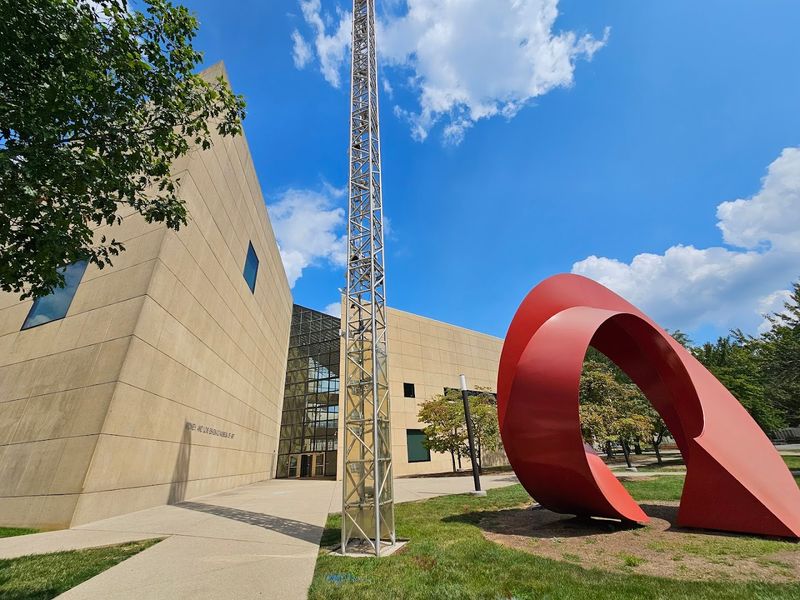
Part of this museum’s appeal comes from where it sits. The Eskenazi Museum of Art is right on the Indiana University campus, which gives your visit a built-in setting of limestone buildings, walkable paths, and that unmistakable college-town mix of movement and calm.
You are not driving to an isolated attraction surrounded by parking lots and chain stores. That location changes the whole day-trip equation.
The museum can anchor a wider Bloomington afternoon, whether you arrive early to stroll campus first or step outside afterward for coffee, a meal, or just a slow walk under the trees.
Because the museum is woven into a place people already use and enjoy, it feels integrated into city life instead of staged apart from it.
Inside, the energy shifts. Campus bustle falls away, and the galleries become notably quiet, which gives the museum a restorative quality without turning it stiff or intimidating.
The contrast works in your favor. You get a destination with real visual ambition, but you also get a break from noise, errands, and the low-level rush that can flatten a day off.
That is a big reason this spot stands out among free attractions in Indiana. The visit is not only about the objects on the walls or pedestals, even though those matter plenty.
It is also about context: a respected art museum placed within one of the state’s best-known university environments, easy to pair with the pleasures of a college-town outing.
If you want a cultural stop that gives structure to the day without swallowing the day whole, this address in Bloomington makes a very strong case for itself.
The Extras That Make the Visit Easier
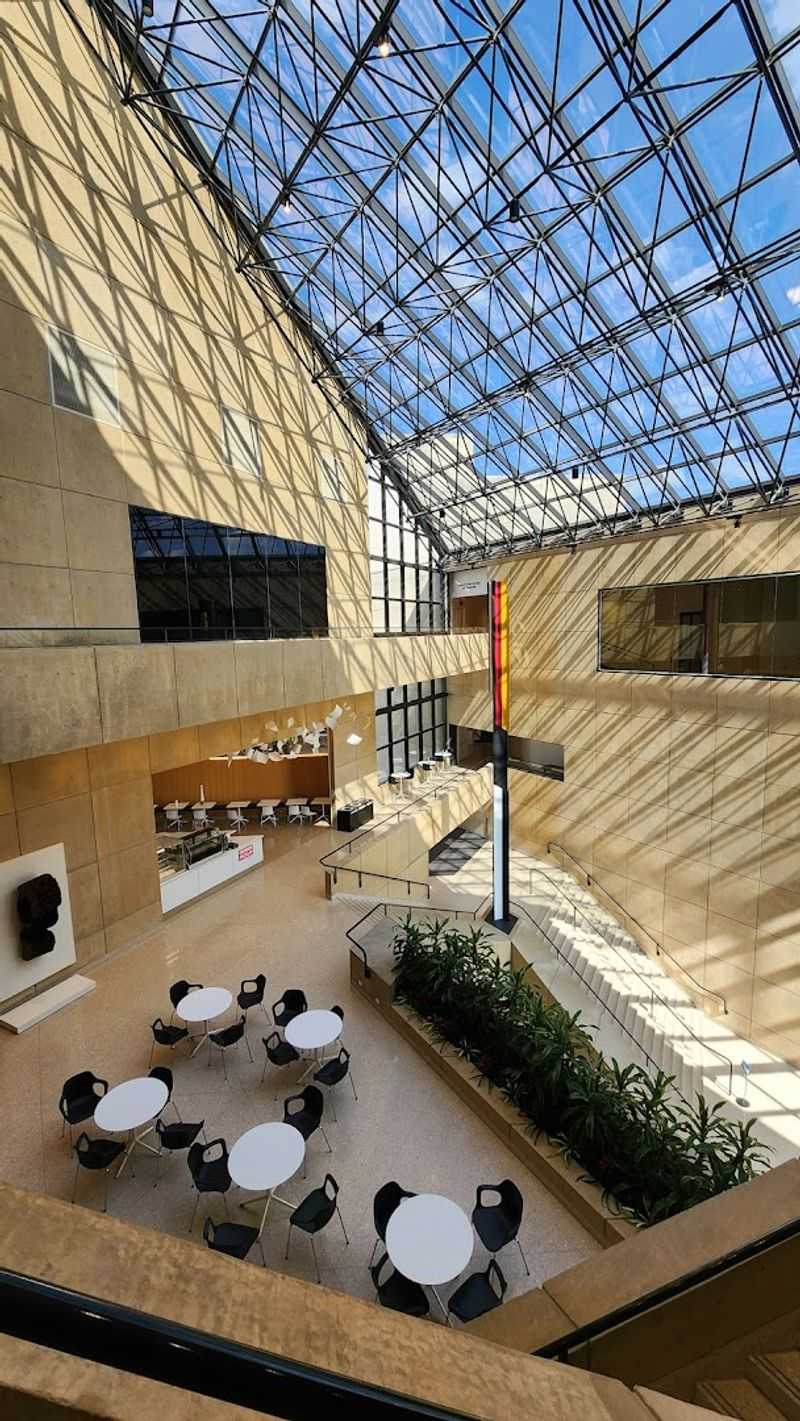
Free admission gets the headline, but smaller conveniences are part of why the Eskenazi Museum of Art is easy to recommend.
There is a cafe for coffee, pastries, sandwiches, or a quick reset, which means you do not have to treat the museum like a sprint between other plans. Being able to sit down mid-visit changes the tone from obligation to leisure.
Accessibility also appears to be taken seriously here, and that matters far beyond a single checklist item. The building includes elevator access, and the museum has been noted as accommodating for visitors who need mobility support.
In a place built around looking carefully and moving at your own speed, thoughtful physical access is not a bonus feature. It is central to whether the museum works for a broad public.
Staff presence seems to support that ease rather than interrupt it. Student attendants and other personnel are often around the galleries, which can be reassuring when you want help finding a section or understanding how to move through the building.
A museum becomes much less intimidating when assistance is visible but not overbearing, especially for someone who does not visit art spaces often.
Even the practical reality of parking has a useful wrinkle. Parking on campus can cost more than some travelers expect, but the museum has offered validation discounts for certain parking situations, which is worth keeping in mind before you go.
None of these details are glamorous on their own. Together, though, they shape the day in a big way. The cafe, access features, and generally supportive visitor setup make the Eskenazi feel not just impressive on paper, but easy to fit into real life.
How to Time Your Bloomington Museum Stop
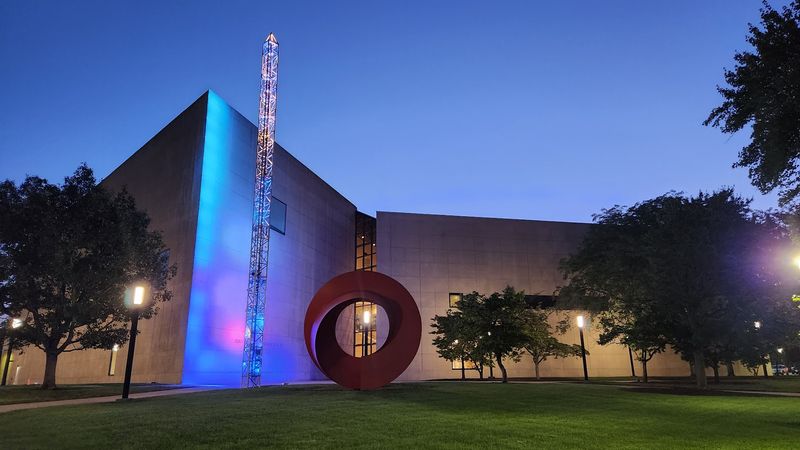
Planning this stop well is simple, but it helps to know the rhythm before you show up. The Eskenazi Museum of Art welcomes visitors Tuesday through Sunday from noon to 5 PM, with Monday as its regular closing day.
That schedule makes this a strong afternoon destination rather than an early-morning add-on. If you are building a day trip around it, aim for a start close to opening or settle in sometime after lunch.
Beginning near noon gives you the best chance to move through the galleries at an unhurried pace, pause in the café, and still leave room for campus walking or dinner elsewhere in Bloomington. Late arrivals can still be rewarding, but this is not the kind of place you want to compress into a rushed final half hour.
Most visitors could comfortably spend one to two hours here, and art lovers may want longer. The museum is substantial enough to reward careful looking, yet not so vast that it demands military-level planning.
That makes it especially useful for mixed groups, where one person wants deep gallery time and another just wants an attractive cultural stop before the next part of the day. It also helps to think about parking in advance since campus parking can be the least relaxing part of the outing.
Arriving with a little extra time keeps that small logistical annoyance from spilling into the visit itself. Once you are inside, the atmosphere shifts quickly and the day becomes much easier.
For Indiana travelers who want a tidy, satisfying itinerary, this museum fits beautifully into the middle of the day and rewards anyone who gives it proper time instead of treating it like a quick checkbox.
Why This Free Museum Punches Above Its Price

The most striking thing about the Eskenazi Museum of Art is not that it is free. It is that the free admission feels almost secondary once you are inside, because the architecture, collection, and setting do so much of the persuasive work.
Plenty of no-cost attractions are pleasant diversions. This one carries the weight and polish of a destination you would plan around anyway.
That distinction matters for anyone choosing where to spend a limited day off. You want a place that offers a clear sense of arrival, enough material to hold your attention, and surroundings that make the outing feel complete.
The Eskenazi checks all three boxes. You get a substantial museum housed in a memorable building, then step back out into one of Indiana’s most attractive campus environments.
There is also a refreshing lack of gimmick here. The visit is powered by strong basics done well: light, space, thoughtful curation, a broad collection, and a layout that supports real looking instead of forced crowd flow.
Add the cafe, manageable scale, and easy pairing with a Bloomington stroll, and the museum becomes the sort of cultural stop that can satisfy very different travel moods.
Maybe you want a quiet Sunday plan that does not feel cheap or improvised. Maybe you are driving through southern Indiana and need a stop with genuine substance.
Maybe Bloomington is already on your list and you want the smartest possible use of a few afternoon hours. This museum meets all of those scenarios cleanly.
In a state full of pleasant small outings, the Eskenazi stands apart by offering something more refined, more layered, and more useful than its price tag suggests. That is exactly why it makes such a strong day trip.
Share this story