Summer in Tennessee means lush green forests, rushing waterfalls, and mountain breezes that make outdoor adventures absolutely perfect. But not every great hike requires hours of steep climbing or a backpack full of gear.
Some of the state’s most stunning trails deliver jaw-dropping scenery without demanding expert-level fitness, making them ideal for families, casual hikers, or anyone who wants maximum beauty with reasonable effort.
1. Laurel Falls Trail – Great Smoky Mountains National Park
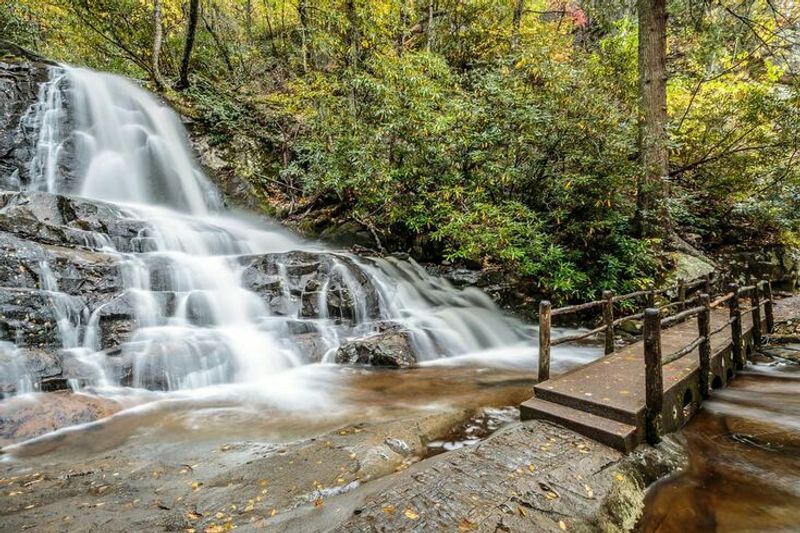
Starting just off Little River Road, this paved path winds through thick forest for about two and a half miles round trip, making it one of the most accessible waterfall hikes in the Smokies. Families with strollers and visitors using wheelchairs can navigate much of the route, though the pavement gets a bit rough in spots.
The trail climbs gently but steadily, so you’ll feel a slight burn in your legs without ever gasping for air.
Laurel Falls tumbles down in two distinct tiers, creating a gorgeous 80-foot cascade that’s especially powerful after spring rains or summer thunderstorms. The upper viewing area gives you a close-up look at the falls, and on hot days, the mist feels absolutely refreshing.
Because this trail is so popular, expect company, especially on weekends and holidays.
Arriving early in the morning or later in the afternoon helps you avoid the biggest crowds and snag a parking spot without circling forever. The shade from towering hemlocks and rhododendrons keeps things cooler even on scorching days.
Bring water, wear sturdy shoes with good grip, and watch your step on the wet rocks near the falls—they’re slicker than they look and definitely not worth a tumble.
2. Clingmans Dome Observation Tower Trail – Great Smoky Mountains National Park
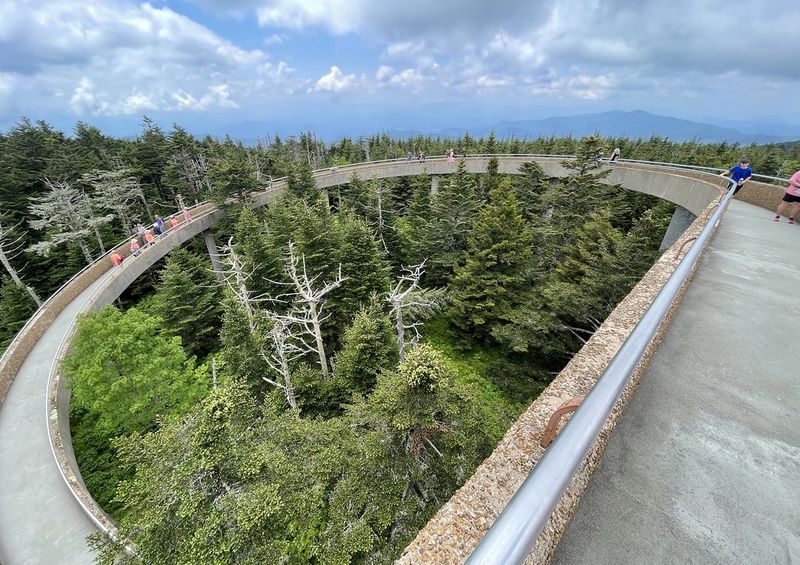
At 6,643 feet, Clingmans Dome stands as the highest point in Tennessee and the third-highest peak east of the Mississippi River. The paved half-mile trail climbs steeply from the parking area to the iconic observation tower, and while it’s short, the elevation gain makes your heart pump a little faster.
Take your time, pause to catch your breath, and enjoy the mountain air—there’s no prize for sprinting to the top.
Once you reach the tower, a spiraling concrete ramp leads you up to a 360-degree viewing platform that feels like standing on top of the world. On clear days, you can see up to 100 miles in every direction, with wave after wave of blue-green mountains stretching to the horizon.
Fog and clouds roll through frequently, creating an otherworldly atmosphere that’s equally stunning in its own mysterious way.
The temperature at this elevation runs about 10 to 15 degrees cooler than lower elevations, so bring a light jacket even on warm summer days. Mornings often offer the clearest views before afternoon clouds settle in.
The road to Clingmans Dome closes from December through March, so plan your visit accordingly and prepare for limited cell service throughout the area.
3. Spruce Flat Falls Trail – Great Smoky Mountains National Park
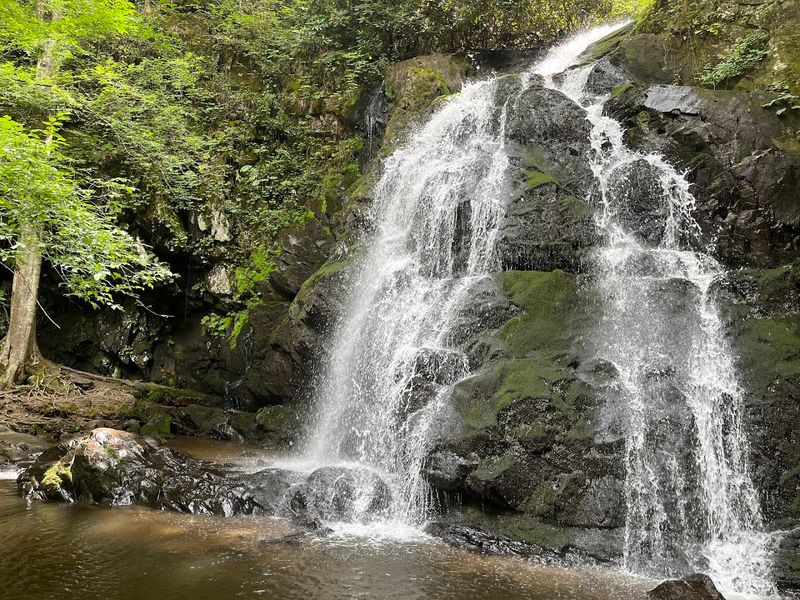
Tucked away in the Tremont area of the park, this two-mile round-trip trail follows an old roadbed before narrowing into a footpath that leads to a beautiful 30-foot waterfall. The route stays relatively flat for most of the journey, winding through peaceful hardwood forest with mountain laurel and rhododendron lining the sides.
You’ll cross a couple of small streams on footbridges, adding a bit of adventure without requiring any serious rock-hopping skills.
Spruce Flat Falls cascades over a wide rock face, creating multiple ribbons of water that vary in intensity depending on recent rainfall. The pool at the base is shallow but inviting, and plenty of flat rocks around the falls make perfect spots for a snack break or photo session.
This trail sees fewer visitors than some of the park’s more famous waterfall hikes, giving you a better chance at enjoying some quiet time in nature.
The trailhead can be a little tricky to find since it’s located in a less-traveled section of the park near the Great Smoky Mountains Institute at Tremont. Follow the signs carefully and don’t be surprised if your GPS gets a little confused in this area.
Bugs can be thick during summer months, so bug spray is definitely your friend here.
4. Abrams Falls Trail – Great Smoky Mountains National Park
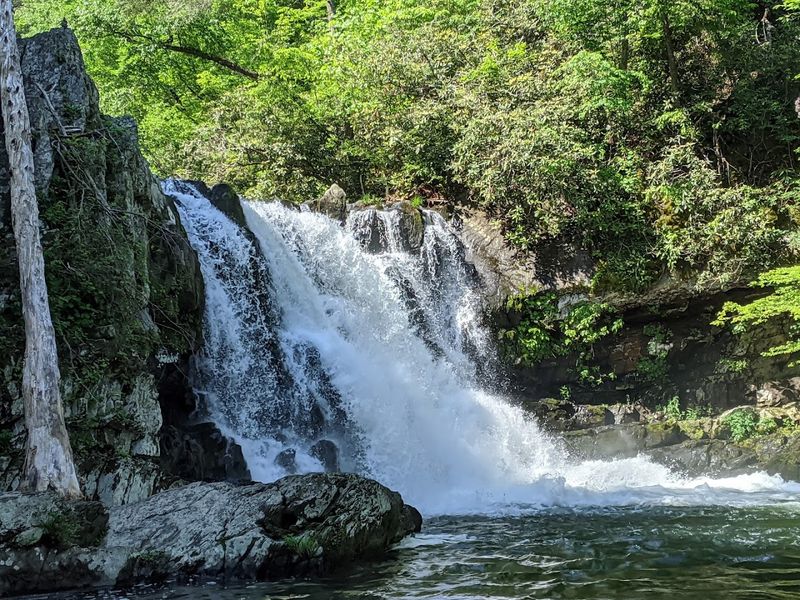
This five-mile round-trip adventure takes you through diverse terrain to reach one of the park’s most powerful waterfalls, where Abrams Creek plunges 20 feet into a deep, churning pool. The trail follows the creek for much of the route, offering constant water views and the soothing sound of rushing rapids.
While the elevation changes are moderate, the trail includes some rocky sections and a few short climbs that keep things interesting without being overwhelming.
What Abrams Falls lacks in height, it makes up for in sheer volume and force. The wide cascade sends thousands of gallons of water crashing down every minute, creating a thunderous roar and plenty of mist that feels amazing on a hot day.
The pool below might look tempting, but swimming is prohibited due to dangerous currents and several tragic accidents over the years—admire from the rocks instead.
Starting from Cades Cove, one of the park’s most popular destinations, this trail gets busy during peak season, so an early start helps you beat the crowds. The path can be muddy after rain, and you’ll encounter a few stream crossings that might require careful stepping on rocks.
Pack plenty of water and snacks since the round trip typically takes three to four hours at a comfortable pace.
5. Twin Falls Trail – Rock Island State Park
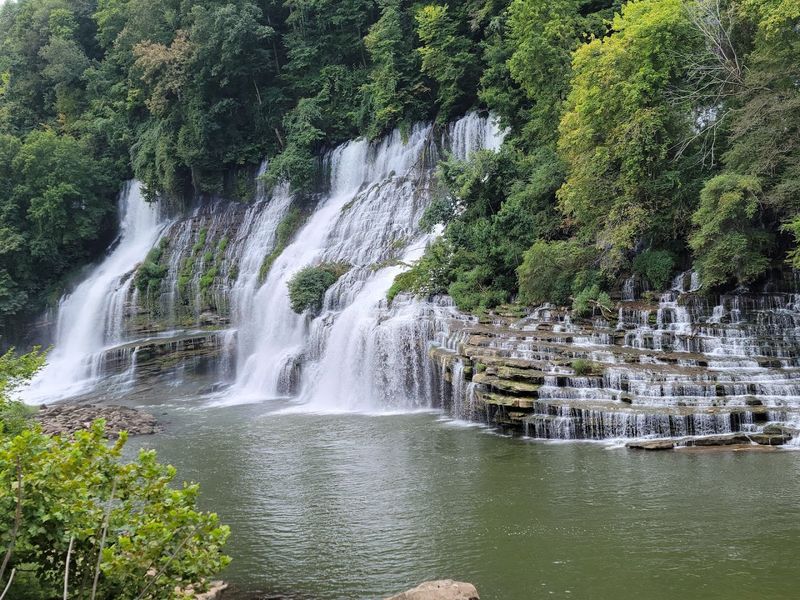
Rock Island State Park sits where the Caney Fork River carves through a dramatic gorge, creating multiple waterfalls that are absolutely worth the visit. The trail to Twin Falls covers less than a mile round trip, making it one of the easiest waterfall hikes in middle Tennessee.
A well-maintained path with stairs and railings guides you down to viewing platforms where you can watch two separate streams tumble side by side into the gorge below.
The falls get their name from the dual cascades that flow over limestone ledges, creating a mesmerizing display of water and rock. During spring and after heavy rains, the volume increases dramatically, turning the falls into roaring curtains of white water.
Summer flows are gentler but still beautiful, and the surrounding gorge stays pleasantly cool even when temperatures soar elsewhere.
The park offers several other short trails to additional waterfalls and overlooks, so you can easily spend a full day exploring without ever tackling a difficult hike. Swimming is allowed in designated areas of the river, making this a perfect spot to combine hiking with water fun.
Parking fills up quickly on summer weekends, so arriving before 10 a.m. gives you the best chance at a convenient spot near the trailhead.
6. Grotto Falls Trail – Great Smoky Mountains National Park
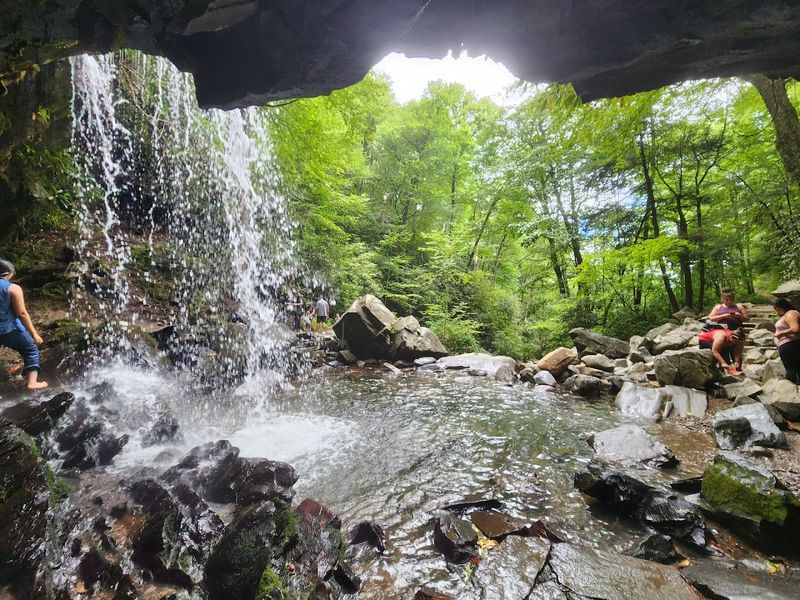
Walking behind a waterfall sounds like something from an adventure movie, but Grotto Falls makes it a reality on this moderate 2.6-mile round-trip trail. The path climbs steadily through old-growth forest filled with massive hemlocks and tulip poplars, gaining about 500 feet in elevation along the way.
Wildflowers bloom in abundance during spring and summer, adding splashes of color to the already gorgeous scenery.
Grotto Falls drops 25 feet over a rocky overhang, creating a natural alcove that lets you walk completely behind the curtain of water without getting soaked—though you’ll definitely feel some spray. The unique perspective from behind the falls offers incredible photo opportunities and a chance to see the forest through a veil of falling water.
This is the only waterfall in the Smokies where the trail actually goes behind the cascade, making it extra special.
You’ll share this trail with llamas occasionally, since it’s part of the route used to resupply LeConte Lodge, the park’s only backcountry lodge accessible only by foot. The trailhead is located along Roaring Fork Motor Nature Trail, a narrow one-way loop road that closes in winter.
Rocks near the falls stay wet and slippery year-round, so watch your footing carefully when exploring behind the cascade.
7. Rainbow Falls Trail – Great Smoky Mountains National Park
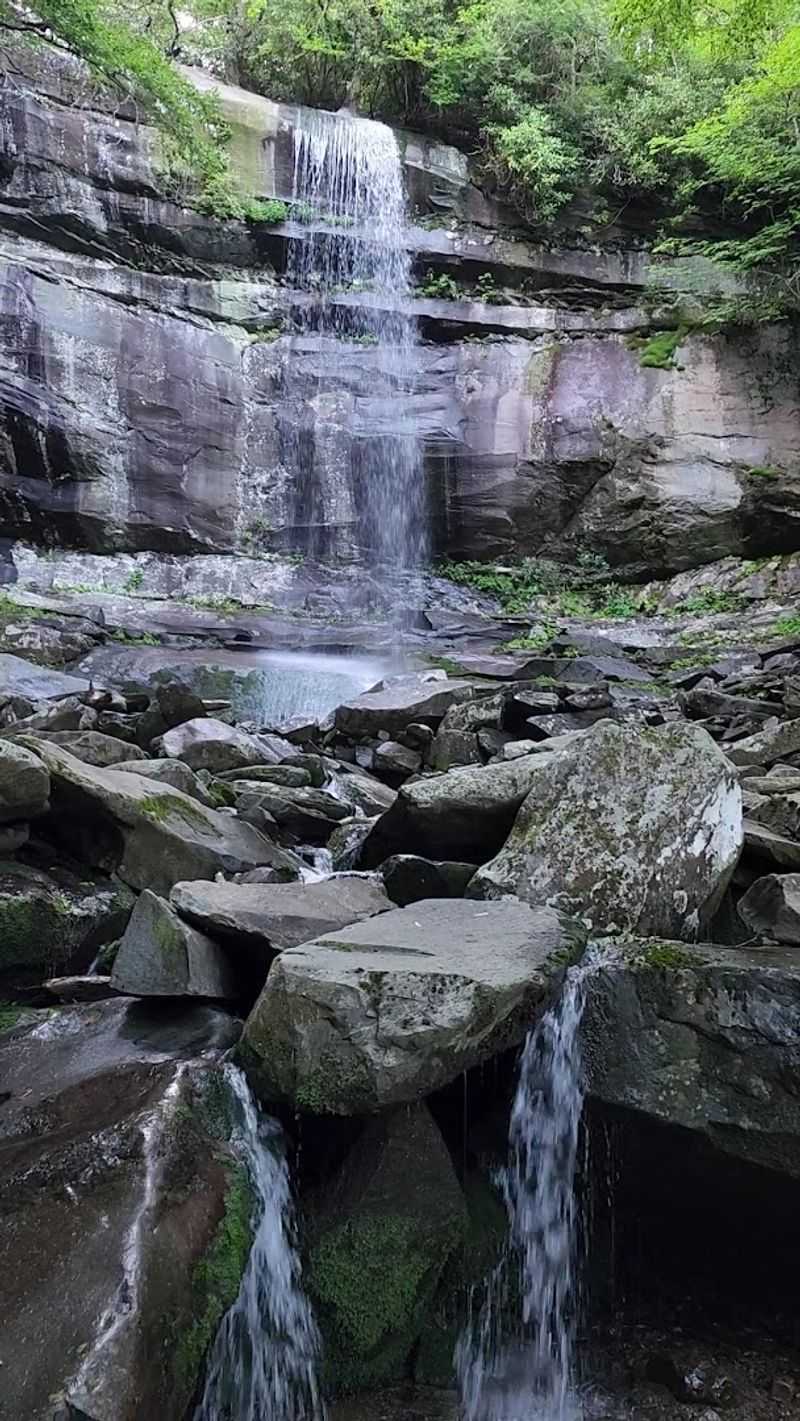
When afternoon sunlight hits the mist just right, this 80-foot waterfall creates the rainbows that give it its name, making the 5.4-mile round-trip effort totally worthwhile. The trail climbs steadily from the trailhead near Gatlinburg, gaining about 1,500 feet in elevation as it follows LeConte Creek through beautiful forest.
While it’s definitely more challenging than some hikes on this list, the grade stays manageable if you take your time and rest when needed.
Rainbow Falls plunges straight down over a rocky cliff, sending up clouds of mist that drift across the trail and pool below. The best rainbow displays happen during late morning through early afternoon when the sun angle is perfect, though the falls are stunning at any time of day.
Rocks around the viewing area can be treacherous, especially when wet, so stick to designated paths and resist the urge to climb for a better view.
This trail continues beyond the falls all the way to the summit of Mount LeConte, but most visitors turn around at the waterfall after enjoying a snack and some photos. Summer afternoons bring regular thunderstorms to the mountains, so starting early helps you finish before storms roll in.
The trailhead parking area fills quickly, so plan to arrive early or be prepared to park along the road and walk a bit.
8. Burgess Falls Trail – Burgess Falls State Park
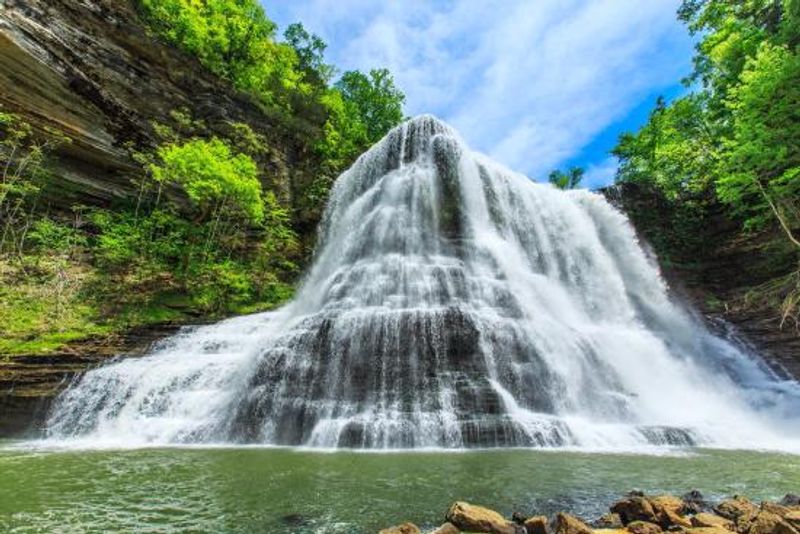
Four waterfalls in one easy hike? Burgess Falls delivers exactly that on a 1.5-mile paved and gravel trail that’s perfect for all skill levels.
The path follows the Falling Water River downstream, passing three smaller cascades before reaching the grand finale—a stunning 136-foot plunge into a rocky gorge. Each waterfall has its own personality and viewing area, so you can take your time enjoying them all without feeling rushed.
The main falls are absolutely spectacular, dropping straight down into a deep pool surrounded by limestone cliffs and lush vegetation. A large viewing platform gives you a safe vantage point to admire the falls and snap photos without getting too close to the edge.
The sound of water crashing down echoes through the gorge, creating a powerful natural symphony that makes you forget about everyday stress.
The trail is mostly flat until the final section, where stairs lead down to the lower viewing platform for the main falls—just remember you’ll need to climb back up those stairs on your way out. Kayakers and paddlers sometimes access the river below the falls, adding interesting color to the scene.
The park can get crowded on beautiful weekends, but the trail is wide enough that it never feels uncomfortably packed.
9. Cummins Falls Trail – Cummins Falls State Park
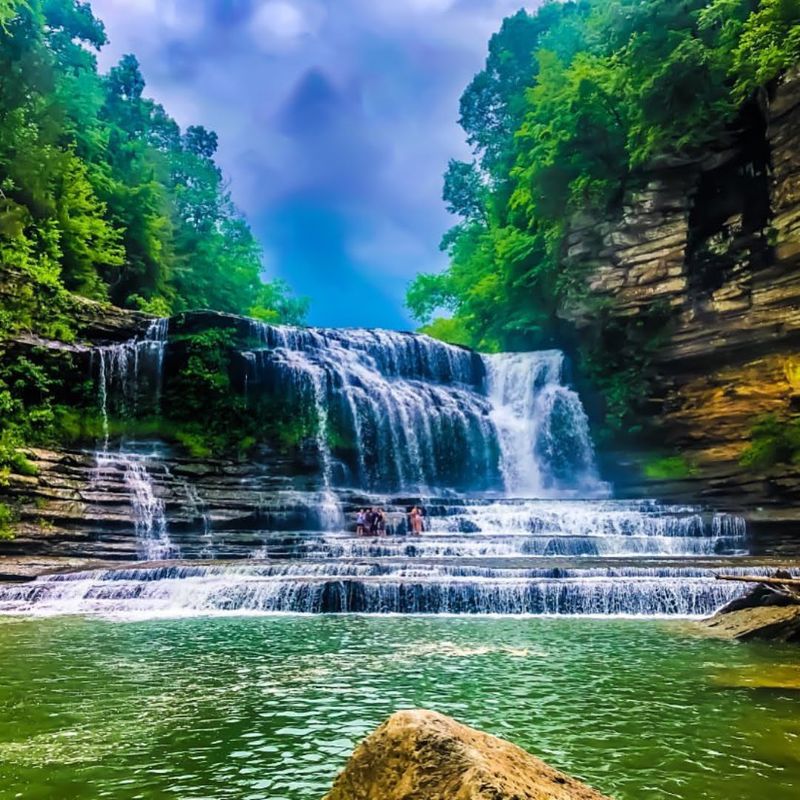
Tennessee’s eighth-largest waterfall by volume crashes 75 feet down into a gorgeous swimming hole that’s the main attraction for most visitors. The trail covers about 1.5 miles round trip and includes some steep, rocky sections plus a stream crossing that gets your feet wet.
This isn’t your typical easy stroll, but the payoff is huge—a natural water park where you can swim, climb on rocks, and cool off in the mist from the falls.
The pool at the base of Cummins Falls is large and deep enough for serious swimming, making this a favorite summer destination for locals and tourists alike. Water temperatures stay refreshingly cool even during the hottest months, though the initial plunge might make you gasp.
Flat rocks around the pool provide perfect spots for sunbathing and picnicking between swims.
Because of past safety incidents, the park now requires reservations during peak season and limits the number of visitors each day, so book ahead to avoid disappointment. The trail can be treacherous when wet, and the river crossing requires careful rock-hopping or wading through knee-deep water depending on recent rainfall.
Wear shoes you don’t mind getting wet and bring a dry bag for items you want to keep safe near the water.
10. Andrew Johnson National Historic Site Nature Trail – Greeneville
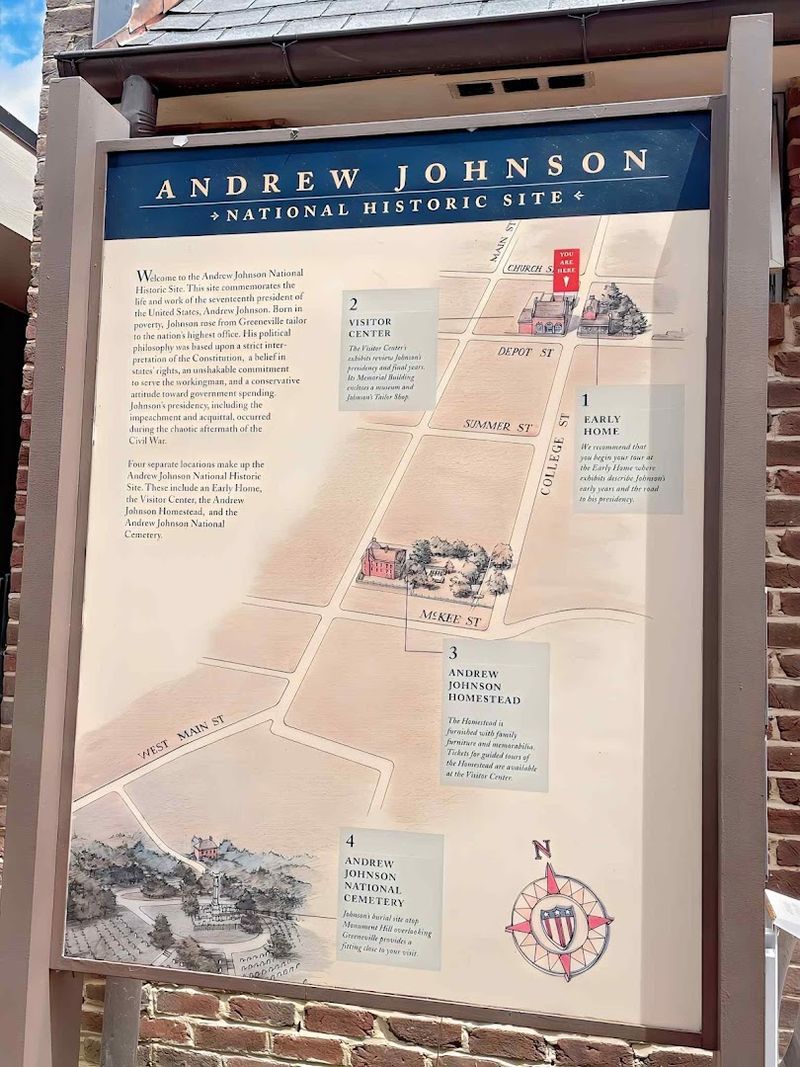
History and nature blend together on this gentle half-mile loop that winds through the grounds surrounding the 17th president’s homestead in downtown Greeneville. The paved trail is completely flat and accessible, making it perfect for a quick outdoor break while exploring the historic site.
Interpretive signs along the way share information about both the natural environment and the life of Andrew Johnson, who rose from poverty to become president after Lincoln’s assassination.
While this trail won’t give you waterfalls or mountain vistas, it offers a peaceful green space in the heart of town with mature trees providing plenty of shade. Benches placed along the route invite you to sit and reflect on the history that unfolded in this small East Tennessee community.
The trail connects to the visitor center and Johnson’s preserved tailor shop, making it easy to combine a short walk with a deeper exploration of American history.
Greeneville itself is worth exploring, with a charming downtown full of local shops and restaurants just steps from the historic site. The trail is perfect for families with young children or anyone looking for an easy outdoor experience without leaving town.
Visiting in spring brings blooming dogwoods and redbuds, while fall colors add beautiful contrast to the historic buildings.
11. Stone Door Trail – South Cumberland State Park
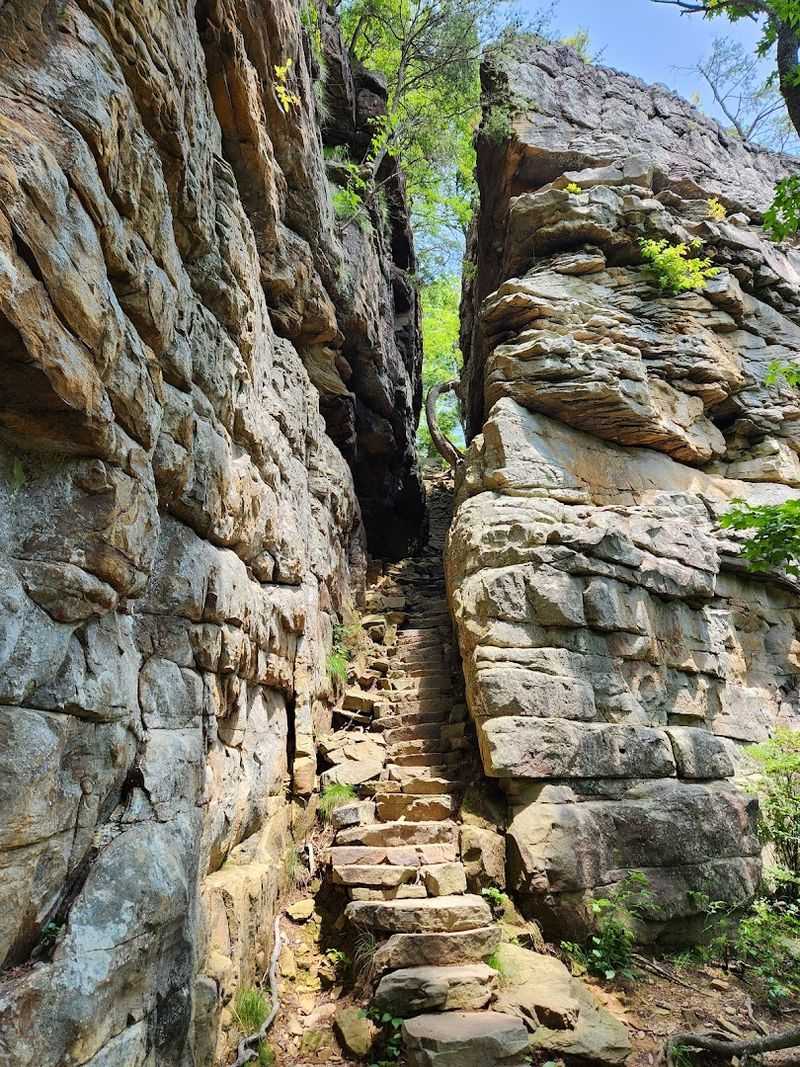
A giant crack in the earth opens up to reveal one of Tennessee’s most unique geological features on this quarter-mile trail that packs serious wow factor into minimal distance. The Stone Door is a massive natural opening in the cliff face that early settlers used as a passage from the plateau down to the gorge below.
Today, the short paved trail leads you right to the edge where you can peer through the 10-foot-wide crack and see the forest floor 100 feet below.
Beyond the Stone Door itself, the trail continues to stunning overlooks that give you sweeping views across the Cumberland Plateau. Rock outcroppings provide natural seating areas where you can sit and soak in the scenery without worrying about crowds—this area stays relatively quiet compared to more famous Tennessee attractions.
On clear days, you can see for miles across the forested valleys and ridges that define this part of the state.
The trail is short enough for young kids and older adults to enjoy without difficulty, though the cliff edges require constant supervision of children. Photographers love the dramatic rock formations and long-distance views, especially during golden hour when the light turns everything magical.
The Stone Door area serves as a trailhead for longer backcountry routes if you decide you want more adventure after the short walk.
12. Point Park Trail – Lookout Mountain Battlefield, Chattanooga
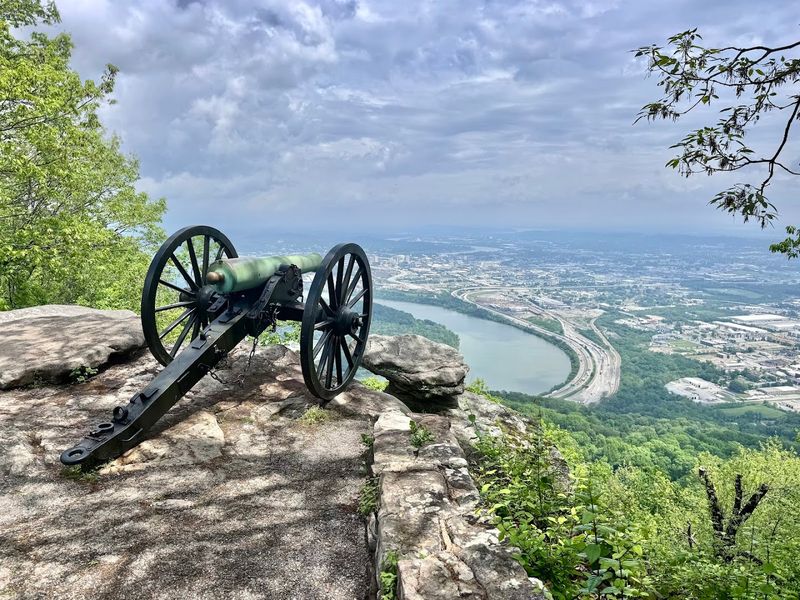
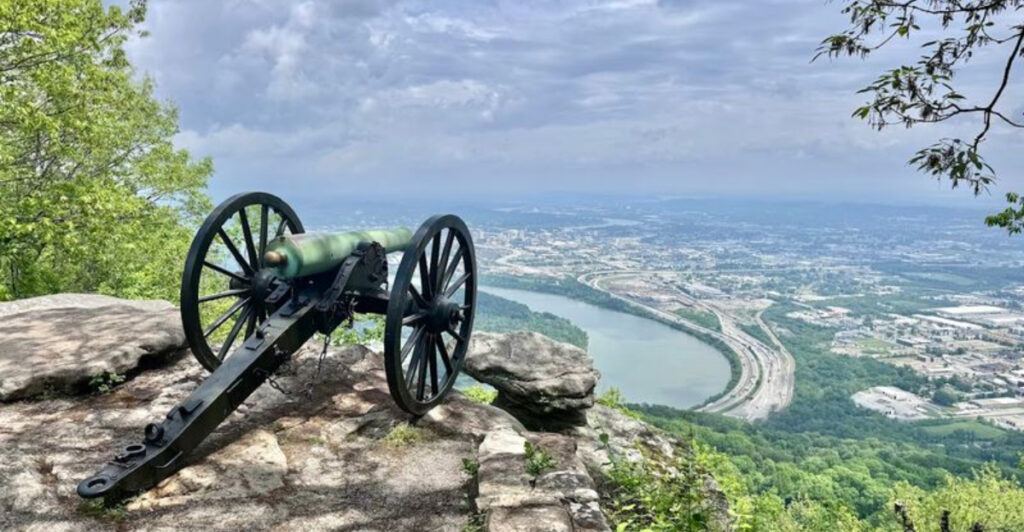
Perched atop Lookout Mountain, this paved trail loops through a historic Civil War battlefield while delivering panoramic views across Chattanooga and the Tennessee River Valley. The half-mile walk is completely flat and accessible, winding past monuments, cannons, and interpretive signs that tell the story of the Battle Above the Clouds.
Massive rock formations and carefully preserved fortifications add drama to the already impressive scenery.
The overlooks along the trail showcase why this mountain played such a strategic role during the Civil War—you can see for miles in every direction, with Chattanooga spread out below and mountains rolling off toward the horizon. On clear days, you can supposedly see seven states from certain points, though honestly, it’s hard to tell where one state ends and another begins from up here.
The views are spectacular regardless of how many states you can actually identify.
Point Park sits within the Chickamauga and Chattanooga National Military Park, and there’s an entrance fee unless you have a National Parks pass. The park is open year-round, and each season brings different atmospheric conditions that change the views dramatically.
Fall colors are particularly stunning from this elevation, while spring and summer offer lush green vistas. The nearby Incline Railway provides an alternative way to reach the mountain if you’d rather not drive the winding road.
Share this story