Tennessee is packed with wild spaces where deer, bears, birds, and even bison still roam surprisingly close to everyday neighborhoods. You do not need to trek deep into remote backcountry to catch sight of animals in their natural habitat.
From the edge of Memphis to the outskirts of Nashville, wildlife finds a way to thrive right beside schools, shops, and subdivisions, making it easy for families to experience nature without a long drive or complicated planning.
1. Cades Cove — Townsend
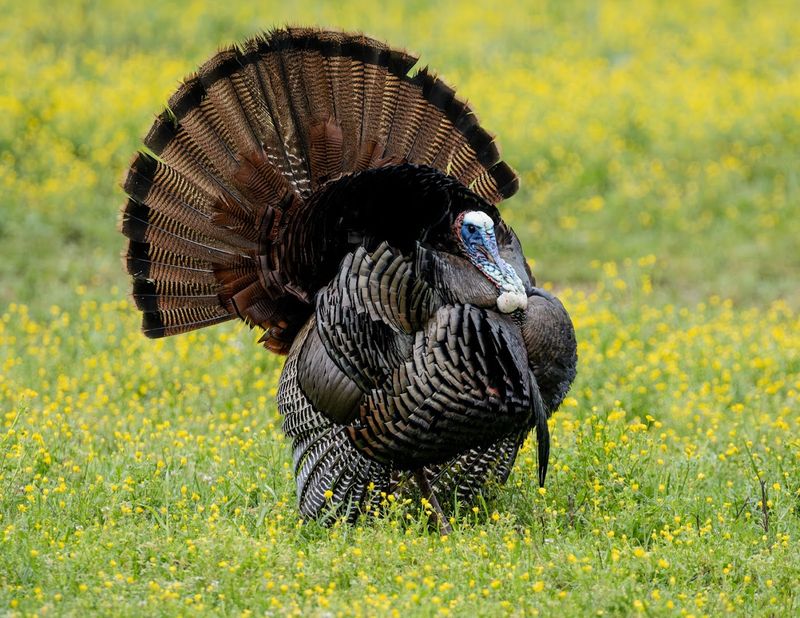
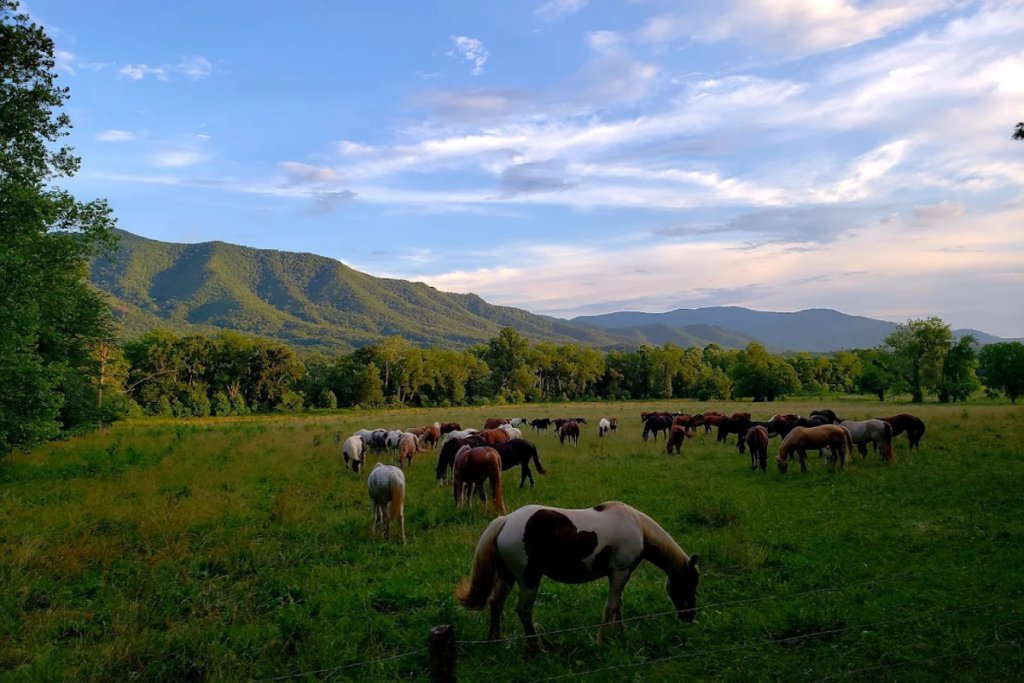
Cades Cove sits tucked against the edge of Townsend, a small town that feels like a gateway to something much bigger and wilder. The eleven-mile loop road winds through open meadows and old homesteads where white-tailed deer graze without much concern for the cars rolling slowly past. Black bears wander the edges of the fields, especially in early morning or late afternoon, and wild turkeys strut across the pavement like they own the place.
Coyotes appear less often but leave tracks and calls that remind you this valley is still very much theirs. The mix of forest and grassland creates perfect habitat for all kinds of animals, and the slow speed limit means you actually have time to spot them. Bikers and walkers share the road on Wednesday and Saturday mornings before vehicle traffic starts, which gives you an even quieter chance to watch wildlife move through the cove.
Townsend is only a few minutes away, so you can grab breakfast or fill up your gas tank before heading into the park. The town itself is low-key and laid-back, which matches the vibe of the cove perfectly. You will not find crowds like you might deeper in the Smokies, though weekends and fall foliage season do bring more visitors.
Bring binoculars if you have them, and keep your eyes on the tree line as much as the open fields. Bears often move along the forest edge, and you might catch a glimpse of a bobcat or fox if you are patient. The loop takes about two to four hours depending on how many times you stop, and you will want to stop often.
This is one of those places where slowing down actually makes the experience better, and the wildlife seems to know it too.
2. Shelby Farms Park — Memphis
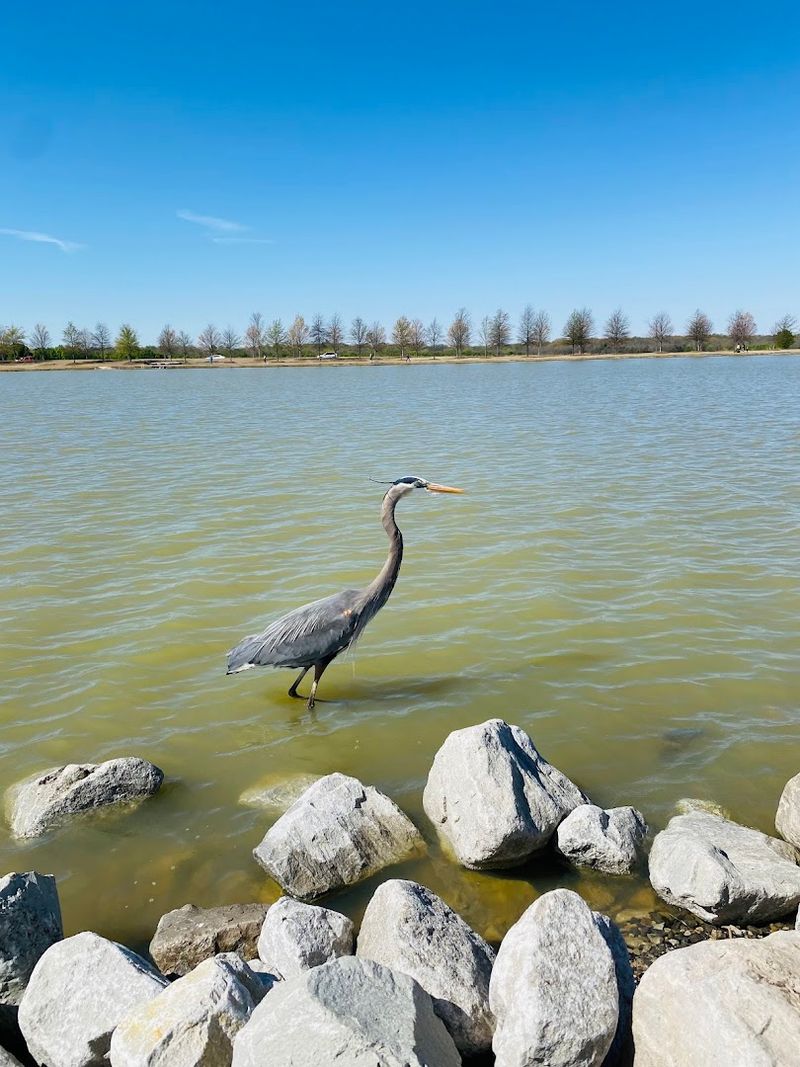
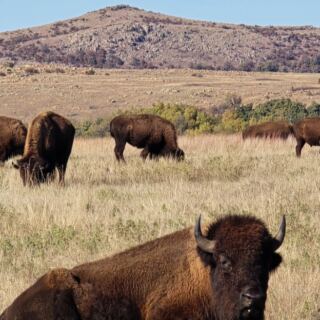
Shelby Farms Park sprawls across more than 4,500 acres right in the middle of Memphis, making it one of the largest urban parks in the country. The bison herd is the star attraction, a group of massive animals that roam a dedicated pasture where visitors can watch from viewing areas along the trail. Seeing bison against a backdrop of city buildings feels surreal, like two worlds colliding in the best possible way.
Beyond the bison, the park is full of lakes, wetlands, and wooded trails where herons, egrets, turtles, and songbirds thrive. Deer appear near the tree lines, and if you walk quietly along the water, you might spot beavers working near dusk. The mix of habitats attracts a surprising variety of wildlife, and the fact that it all exists within Memphis city limits makes it feel like a hidden gem most people overlook.
Trails range from paved loops to dirt paths that wind through forests and around ponds. You can rent bikes, kayaks, or paddleboards if you want to explore the water, and the park stays busy with runners, dog walkers, and families throughout the day. Wildlife does not seem bothered by the activity, which speaks to how well the park balances recreation with habitat protection.
Mornings are the best time to catch animals moving around, especially in the cooler months when activity picks up earlier in the day. Bring a camera with a decent zoom if you want to photograph the bison from a safe distance, and wear shoes that can handle mud if you plan to wander off the main paths.
3. Radnor Lake State Park — Nashville
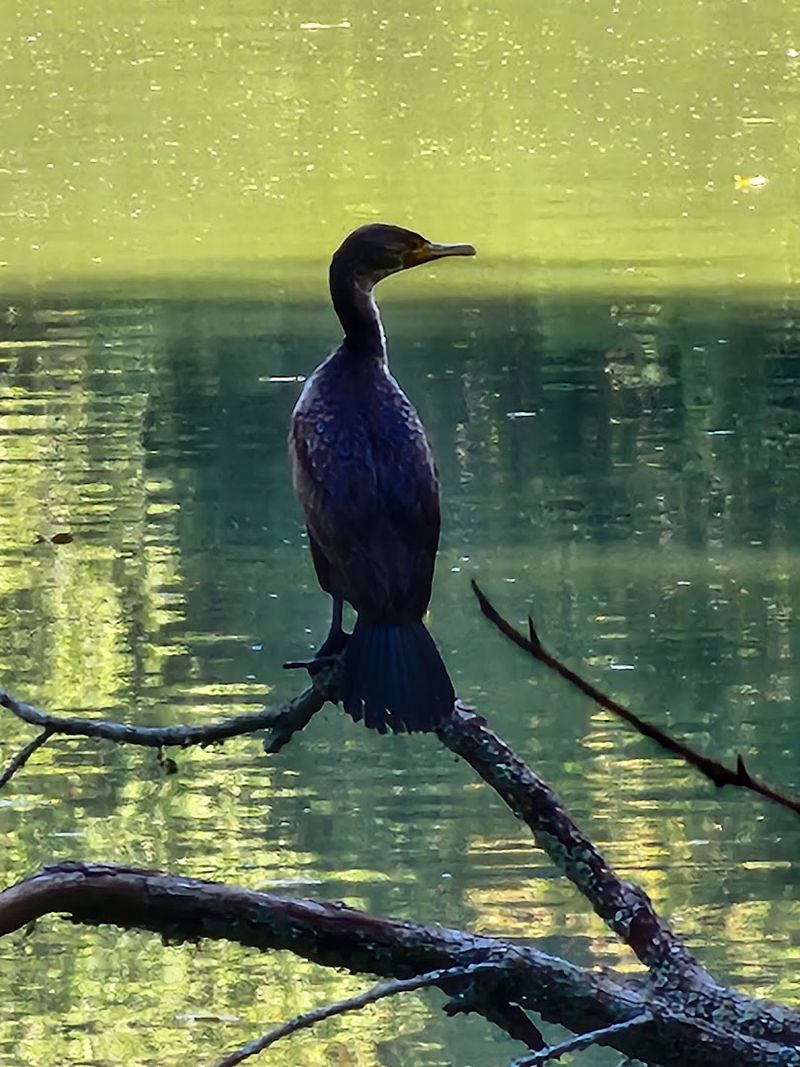
Radnor Lake hides in plain sight just a few miles from downtown Nashville, surrounded by neighborhoods and busy roads that fade away the moment you step onto the trail. The lake itself is off-limits to boats and fishing, which keeps it quiet and gives wildlife plenty of undisturbed space. Deer are so common here that spotting one feels more like a guarantee than a lucky break, and they often graze right beside the trail without much concern for hikers passing by.
Owls nest in the tall trees around the water, and if you visit near dawn or dusk, you might hear their calls echoing across the lake. Waterfowl gather in large numbers during migration seasons, and turtles line up on logs to soak up sun on warm afternoons. The mix of forest, water, and wetland creates ideal conditions for animals that need both cover and open space.
Trails loop around the lake and climb into the surrounding hills, giving you options for short walks or longer hikes depending on how much time you have. The main loop is paved and easy to navigate, which makes it popular with families and people looking for a gentle nature walk. The unpaved trails require more effort but reward you with quieter stretches and better chances to see animals that avoid the busier paths.
Radnor Lake does not allow pets, which helps keep wildlife calm and undisturbed. Parking can fill up fast on weekends, so arriving early or visiting on a weekday gives you a better experience. The park feels like a secret escape even though thousands of people live within a ten-minute drive, and that contrast is part of what makes it so special for watching Tennessee wildlife up close.
4. Bays Mountain Park — Kingsport
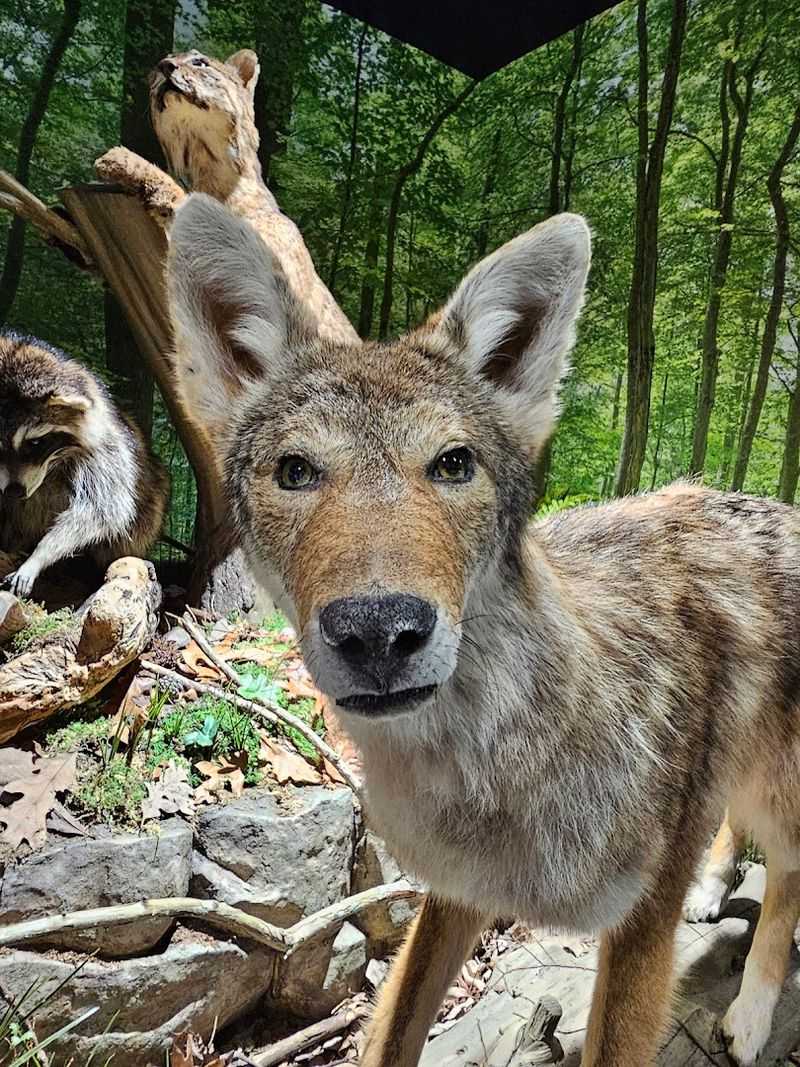
Bays Mountain Park rises above Kingsport with more than 3,500 acres of forest, trails, and a 44-acre lake that feels worlds away from the town below. The park runs a nature center with animal habitats where you can see river otters, raptors, and other native species up close, but the real magic happens when you wander the trails and catch glimpses of wild animals moving through their natural environment.
Deer, turkeys, and songbirds are common sights, and the mix of hardwood forest and lakefront habitat attracts a wide variety of species.
The lake sits calm and glassy most days, reflecting the surrounding ridges and offering peaceful spots to sit and watch for wildlife. Herons and ducks frequent the water, and turtles sun themselves on logs near the shore. The trails range from easy lakeside loops to challenging ridge climbs, so you can pick a route that matches your energy level and still have a good chance of spotting animals.
Bays Mountain also offers planetarium shows, boat tours, and educational programs that make it a great destination for families. The park stays open year-round, and each season brings different wildlife activity worth catching.
Fall and spring offer the most comfortable hiking weather, but winter can be surprisingly good for wildlife viewing when the leaves are down and animals are easier to spot. Bring layers if you plan to spend a few hours exploring, and pack water since some of the trails climb steeply enough to make you work.
Bays Mountain gives you a full nature experience without requiring a long drive from Kingsport, and the mix of wild spaces and structured programs makes it easy to tailor your visit to what you are looking for.
5. Reelfoot Lake State Park — Tiptonville
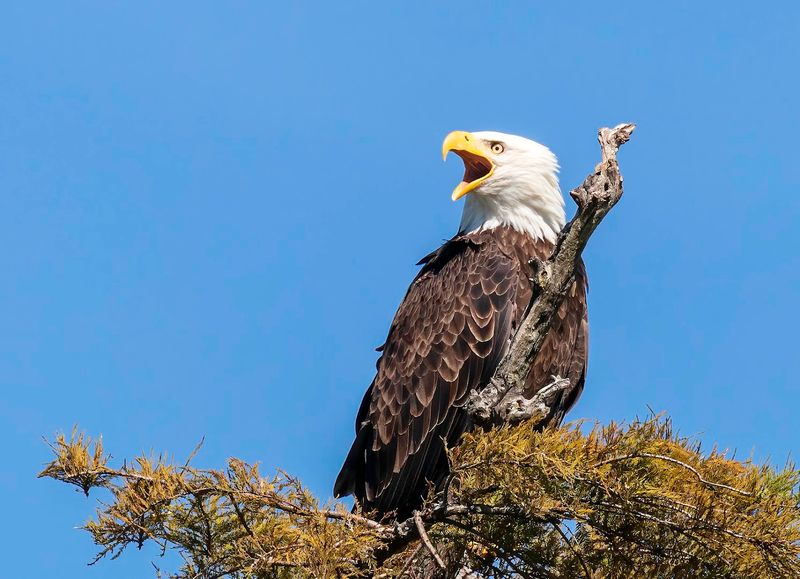
Reelfoot Lake formed after a series of earthquakes in the early 1800s, and the resulting landscape looks more like Louisiana bayou than typical Tennessee scenery. Cypress trees rise from shallow water, their knobby knees breaking the surface, and the whole area feels swampy, wild, and teeming with life. Tiptonville sits nearby, a small town that serves as a quiet base for exploring the lake and the wildlife that makes it famous.
Birdwatchers flock here year-round, but winter is the peak season when bald eagles arrive in impressive numbers. Watching dozens of eagles circle above the water or perch in the bare cypress trees is a sight that sticks with you long after you leave. Ducks, pelicans, herons, and egrets also crowd the lake, and more than 200 bird species have been recorded in the area.
The shallow water and abundant fish make it a perfect feeding ground for birds of all kinds.
Boat tours run regularly and give you access to parts of the lake you cannot reach on foot. The guides know where eagles tend to roost and where other wildlife is most active, so you get a much better experience than wandering around on your own. The park also has hiking trails and boardwalks that wind through the wetlands, offering solid views without needing a boat.
Sunrise and sunset are the best times to see wildlife moving around, and the light reflecting off the water makes for stunning photography. Bring binoculars and a camera with a good zoom lens if you want to capture the eagles or other birds. Reelfoot Lake feels remote and untamed even though Tiptonville is just a short drive away, and the combination of accessibility and wildness makes it a standout spot for Tennessee wildlife viewing.
6. Tennessee National Wildlife Refuge — Springville
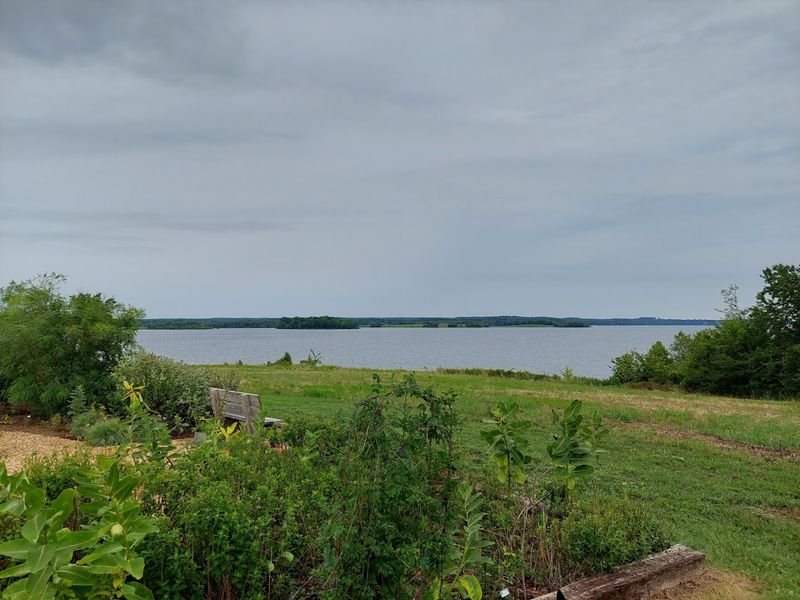
Tennessee National Wildlife Refuge stretches along the Tennessee River and covers more than 51,000 acres across three separate units, with the Big Sandy Unit near Springville offering some of the best access for casual visitors. The refuge was created to protect habitat for migrating waterfowl, and it does that job exceptionally well.
Ducks, geese, and other waterbirds gather here in huge numbers during migration seasons, and the mix of river, wetlands, and bottomland forest supports a wide range of other wildlife too.
Deer are common throughout the refuge, and you will often see them grazing near the roads or moving through the woods at dawn and dusk. Turkeys, beavers, and songbirds also call the area home, and the open water attracts bald eagles, osprey, and herons. The refuge feels expansive and wild, but the roads and trails make it easy to explore without needing specialized gear or backcountry skills.
Several driving routes wind through the refuge, with pull-offs and observation points where you can stop and scan for wildlife. Walking trails offer quieter experiences and take you deeper into the woods and wetlands where animals feel less pressured by human activity. The refuge does not get as much attention as some of Tennessee’s more famous parks, which means you often have large sections to yourself even on weekends.
Spring and fall bring the most dramatic wildlife activity, especially when waterfowl migration peaks. Winter can be excellent too, with bald eagles showing up along the river and fewer bugs to deal with. Bring insect repellent if you visit in warmer months, as mosquitoes and ticks are part of life in bottomland habitats.
The refuge manages the land specifically for wildlife, so you get a true sense of how animals use the space when humans step back and let nature take the lead.
7. Elk Viewing Tower — LaFollette
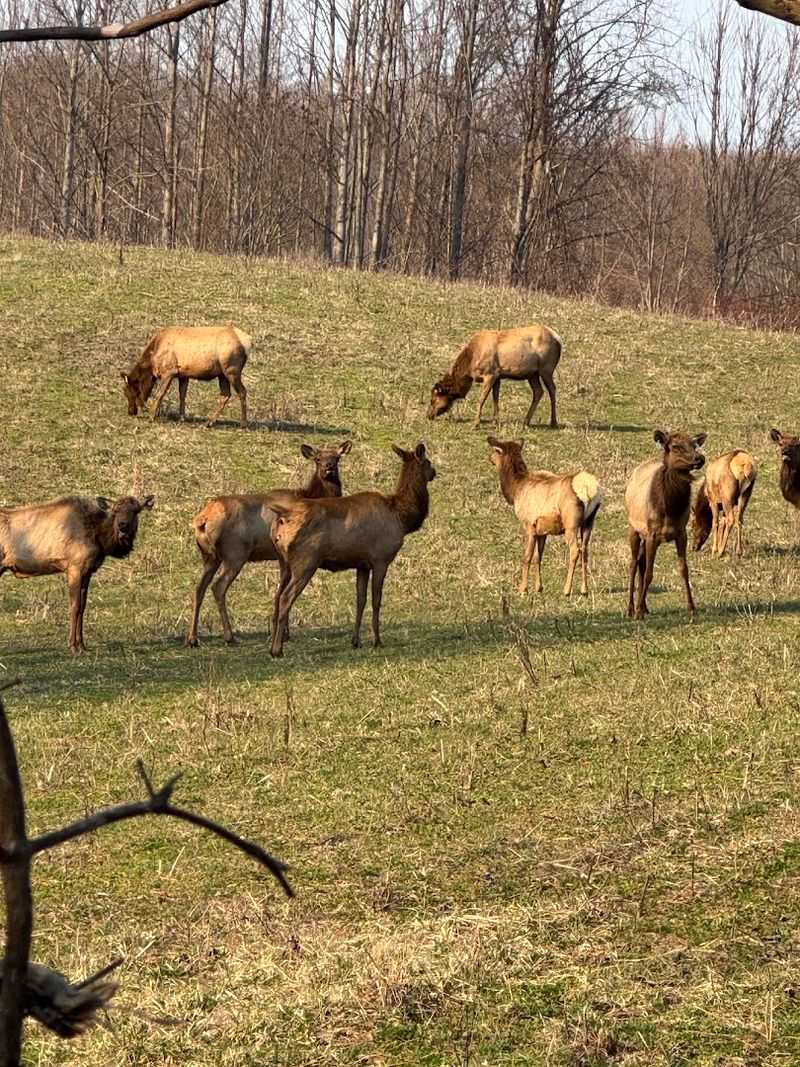
Elk disappeared from Tennessee more than 200 years ago, but a reintroduction effort in the early 2000s brought them back to the mountains of East Tennessee. The viewing tower near LaFollette gives you one of the best chances to see these massive animals without hiking deep into the backcountry. The tower overlooks open fields where elk graze, especially in early morning and late evening when they are most active.
Seeing an elk in person is impressive in a way that photos do not quite capture. Bulls can weigh more than 700 pounds, and their antlers span several feet during the fall rut when males compete for mates. The bugling calls they make during that time echo across the valley and sound like nothing else in Tennessee.
Cows and calves stick together in herds, and watching them move across the fields feels like stepping back in time to when these animals roamed freely across the state.
The viewing area is easy to reach and does not require any strenuous hiking, which makes it accessible for families and people who might not be up for a long trail. Binoculars help you get a closer look without disturbing the animals, and a spotting scope is even better if you have one. The tower provides a raised vantage point that lets you scan the entire field, and volunteers or rangers are often on hand to answer questions and help you spot elk.
Fall is the most exciting time to visit because of the rut, but elk are present year-round and worth looking for no matter the season. Arrive early or late in the day for the best viewing, and be patient since elk do not always show up on a schedule. LaFollette is a small town that does not get a lot of tourist traffic, so visiting the elk tower feels like discovering something most people do not know about yet.
8. Nickajack Lake — South Pittsburg
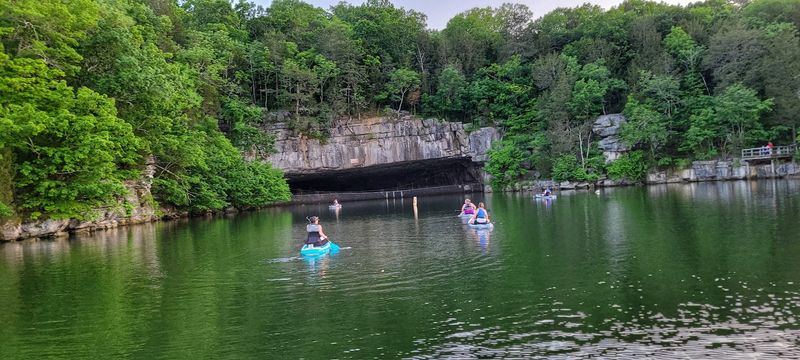
Nickajack Lake forms part of the Tennessee River as it winds through the mountains near South Pittsburg, and the mix of open water, rocky bluffs, and wooded shoreline creates habitat for a surprising variety of wildlife. The lake is probably best known for its bat population, with thousands of gray bats roosting in Nickajack Cave during the warmer months.
Watching them pour out of the cave at dusk is a spectacle that draws people from across the region, and the sheer number of bats filling the sky is something you will not forget.
Beyond the bats, the lake attracts waterfowl, herons, and osprey that fish the open water. Bald eagles appear during winter months, perching in tall trees along the shore and diving for fish. The surrounding woods hold deer, turkeys, and smaller mammals, and the rocky bluffs provide nesting sites for birds that prefer cliffs over trees.
The lake feels wild despite being surrounded by roads and small towns, and the wildlife does not seem to mind the proximity to people.
Boat access is easy, and paddling along the shoreline gives you a different perspective on the lake and its wildlife. Hiking trails near the dam and along the bluffs offer good viewing spots without requiring a boat. The area around Nickajack is less developed than some of Tennessee’s more famous lakes, which helps keep it quieter and more focused on nature than recreation.
Spring and summer are the best times to see the bats, while winter brings the eagles and better visibility through the bare trees. Bring a headlamp if you plan to watch the bats after dark, and wear sturdy shoes if you hike the trails since some sections cross rocky terrain. South Pittsburg is a small town with a few local restaurants and shops, so you can grab a meal before or after exploring the lake without needing to drive far.
9. Pickett CCC Memorial State Park — Jamestown
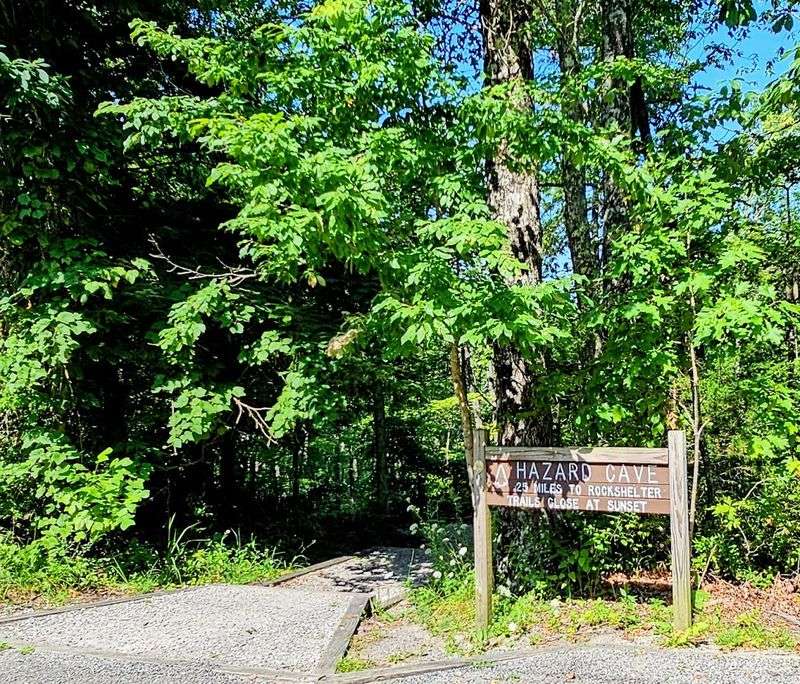
Pickett State Park sits near Jamestown in a landscape that feels untouched and ancient, with sandstone arches, natural bridges, and thick forests that seem to swallow sound. The park was developed by the Civilian Conservation Corps in the 1930s, and many of the original structures still stand, blending into the woods like they grew there naturally.
Wildlife thrives in this quiet corner of Tennessee, and the park’s remote location means animals move through campgrounds and along trails without much wariness.
Deer are common throughout the park, and you will often see them grazing near the cabins or crossing the roads at dawn. Turkeys roost in the trees and strut through clearings, and smaller animals like raccoons and opossums are active around campsites after dark. The mix of forest, rock formations, and small streams creates varied habitat that supports a wide range of species, and the park’s size keeps it from feeling crowded even during peak seasons.
Trails wind through the forest and past rock formations, with some routes leading to overlooks and others dropping into hollows where waterfalls trickle over mossy rocks. The terrain is rugged enough to feel adventurous but not so difficult that you need technical skills. Hiking here in fall is especially rewarding when the leaves turn and the forest floor crunches underfoot.
The park offers cabins, campsites, and a small lake where you can fish or paddle, and the lack of cell service forces you to disconnect in a way that feels refreshing. Bring food and supplies since Jamestown is the closest town and it is small, with limited options. Pickett feels like a place time forgot, and the wildlife seems to appreciate the quiet as much as visitors do.
10. Seven Islands State Birding Park — Kodak
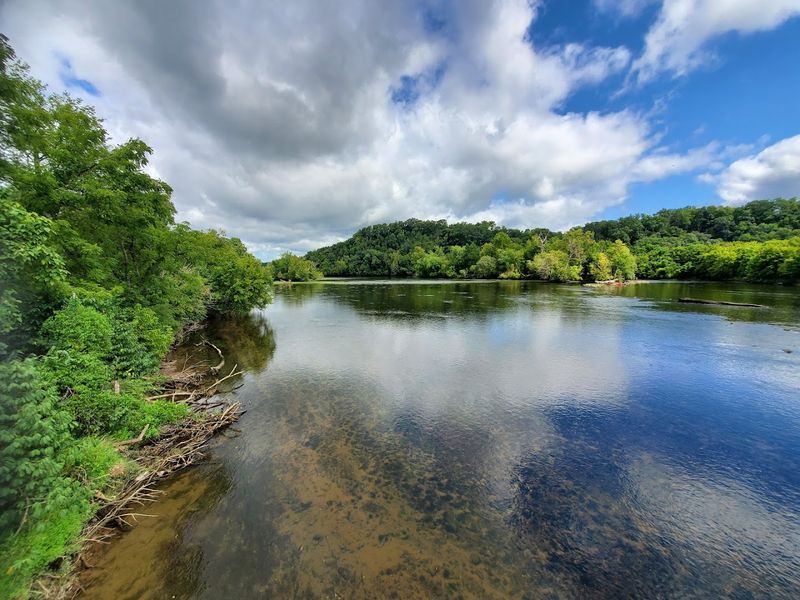
Seven Islands State Birding Park stretches along the French Broad River near Kodak, offering more than 400 acres of fields, forests, and riverfront that attract an impressive variety of bird species. The park was designed specifically with birders in mind, and the habitat management reflects that focus.
Open grasslands provide nesting sites for grassland birds that have become rare in Tennessee, while the river and wooded edges draw waterfowl, raptors, and songbirds.
More than 190 bird species have been recorded at Seven Islands, and serious birders travel from across the state to add to their lists here. Even if you are not a dedicated birder, the diversity of wildlife makes the park worth visiting. Deer graze in the fields, beavers work along the river, and turtles bask on logs near the water.
The mix of habitats packed into a relatively small area means you can see a lot without covering much ground.
Trails loop through different sections of the park, with some following the river and others cutting through grasslands and forests. The terrain is mostly flat and easy to walk, which makes it accessible for families and people who prefer shorter hikes. Benches and observation areas are scattered throughout, giving you spots to sit quietly and wait for wildlife to appear.
Spring and fall migration seasons bring the most bird activity, but the park stays interesting year-round. Winter can be surprisingly good for spotting birds that move south from colder regions, and the lack of leaves makes it easier to see species that hide in the canopy during summer. Bring binoculars and a field guide if you want to identify what you are seeing, and wear neutral-colored clothing to avoid spooking wildlife.
11. Warner Parks — Nashville
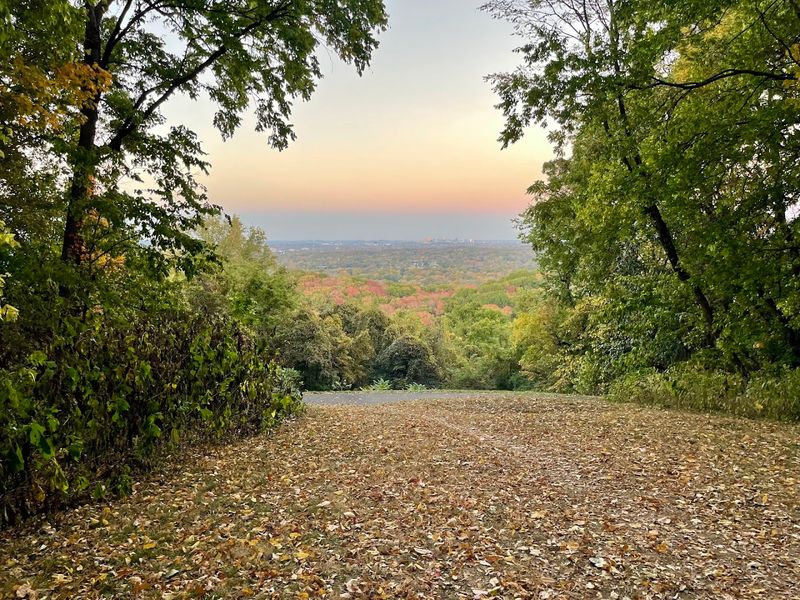
Percy Warner and Edwin Warner Parks sit on the western edge of Nashville, surrounded by neighborhoods and busy roads that vanish the moment you step into the trees. The parks cover more than 3,000 acres combined, with trails that wind through hardwood forests and open fields where wildlife moves freely. Deer are so common here that locals barely glance at them anymore, but visitors often stop in their tracks to watch them graze beside the trail or bound through the woods.
Wild turkeys roost in the trees and strut through clearings, and owls call from the canopy at dusk. Songbirds fill the woods with noise during spring and summer, and you might spot a red-tailed hawk circling overhead if you look up. The parks feel surprisingly wild considering how close they are to the city, and the fact that you can hike here after work or on a lunch break makes them a regular escape for people who live nearby.
Trails range from short nature walks to longer loops that climb into the hills and offer views over the surrounding landscape. The terrain is hilly enough to give you a workout but not so steep that it becomes exhausting. Paved roads wind through the parks too, popular with cyclists and runners who share the space with hikers and dog walkers.
The Warner Parks host events throughout the year, including trail races, nature programs, and outdoor concerts, but the parks are large enough that you can always find a quiet section even when something is happening. Early mornings are the best time to see wildlife before the trails get busy, and weekdays tend to be quieter than weekends.
The parks prove that Nashville has wild spaces worth protecting right in the middle of its growth, and the animals seem to agree.
12. Harrison Bay State Park — Harrison
Harrison Bay State Park sits on the shores of Chickamauga Lake just outside Chattanooga, offering a mix of water access, wooded trails, and open spaces where wildlife thrives. The park feels like a natural extension of the lake, with campgrounds and picnic areas tucked into the trees and trails that follow the shoreline. Deer wander through the campsites and along the roads, often appearing so close you could reach out and touch them if they would let you.
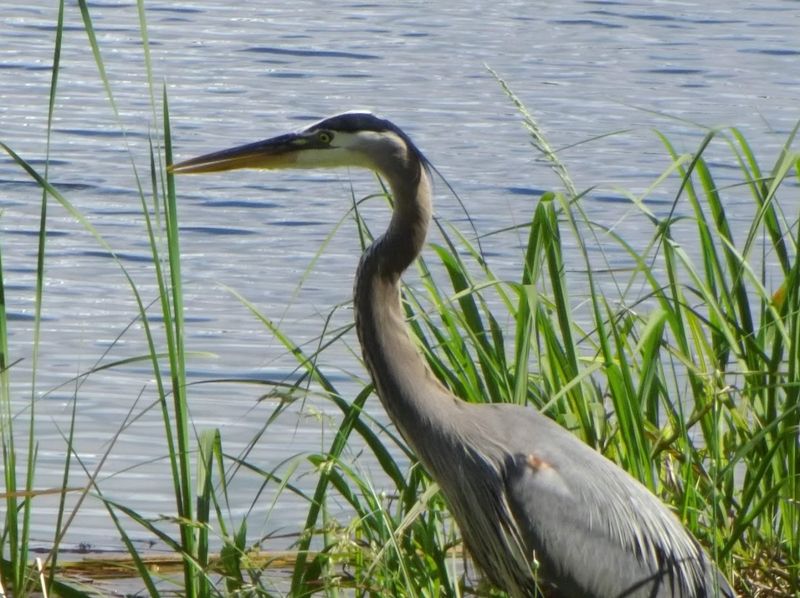
Herons and egrets wade in the shallow water near the shore, and ducks gather in sheltered coves where the lake stays calm. Waterfowl numbers increase during migration seasons, and bald eagles occasionally appear in winter to fish the open water. The wooded sections of the park hold turkeys, songbirds, and smaller mammals, and the mix of forest and water creates ideal habitat for animals that need both.
Trails wind through the park and along the lake, with some routes staying flat and easy while others climb into the hills for better views. The lakefront sections are especially peaceful early in the morning when the water is still and wildlife is most active. Fishing is popular here, and the park has boat ramps and a marina for people who want to explore the lake by water.
The park stays busy on summer weekends when families come to camp, swim, and picnic, but it never feels overcrowded. Weekdays and off-season visits offer quieter experiences and better chances to see wildlife without competing with crowds. Harrison Bay is close enough to Chattanooga that you can visit for a few hours without making it an all-day trip, and the easy access makes it a favorite for locals who want a quick nature fix.
13. Meeman-Shelby Forest State Park — Millington
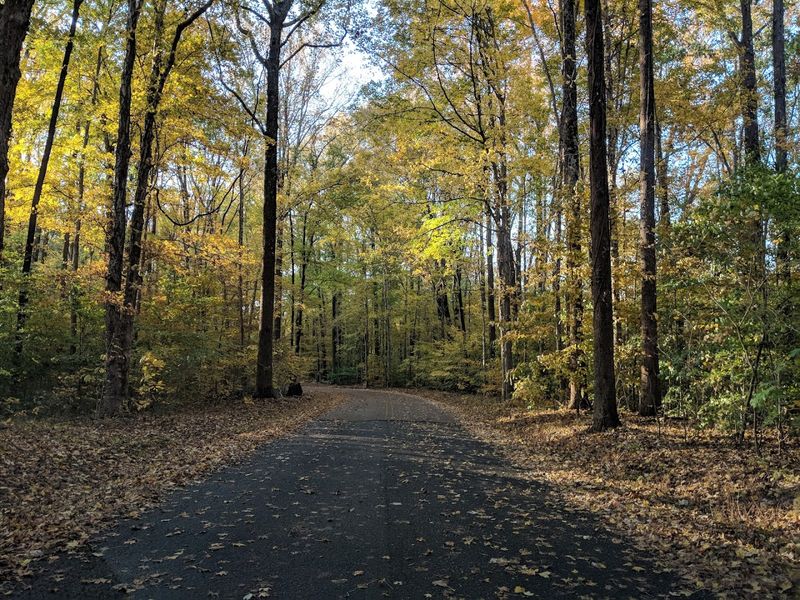
Meeman-Shelby Forest State Park sits along the Mississippi River north of Memphis near Millington, protecting more than 13,000 acres of bottomland hardwood forest that feels worlds away from the nearby city. The forest is dense and tangled, with towering trees, cypress swamps, and trails that wind through terrain that floods regularly and stays wild year-round. Deer are abundant throughout the park, and you will often see them crossing trails or grazing near the campgrounds.
The park is a hotspot for birdwatching, with more than 200 species recorded in the area. Woodpeckers hammer on dead trees, warblers flit through the canopy, and raptors circle overhead looking for prey. The proximity to the Mississippi River brings waterfowl and wading birds, and the mix of forest and wetland creates habitat for species that need both.
The park feels like a hidden pocket of wilderness that somehow survived surrounded by development.
Trails range from easy loops to longer routes that take you deeper into the forest and closer to the river bluffs. The terrain is mostly flat, but roots, mud, and occasional flooding can make some sections challenging depending on recent weather. Boardwalks and bridges help you cross the wettest areas, and the park maintains the trails well enough that you can explore without needing specialized gear.
Fall and spring offer the most comfortable hiking weather, but summer brings lush greenery and active wildlife despite the heat and humidity. Winter is quieter and lets you see deeper into the forest when the leaves are down. Bring insect repellent during warmer months since mosquitoes thrive in the bottomland environment.
Meeman-Shelby Forest is one of West Tennessee’s best wildlife-viewing spots, and the fact that it sits so close to Memphis makes it an easy escape for anyone looking to experience nature without a long drive.
Share this story