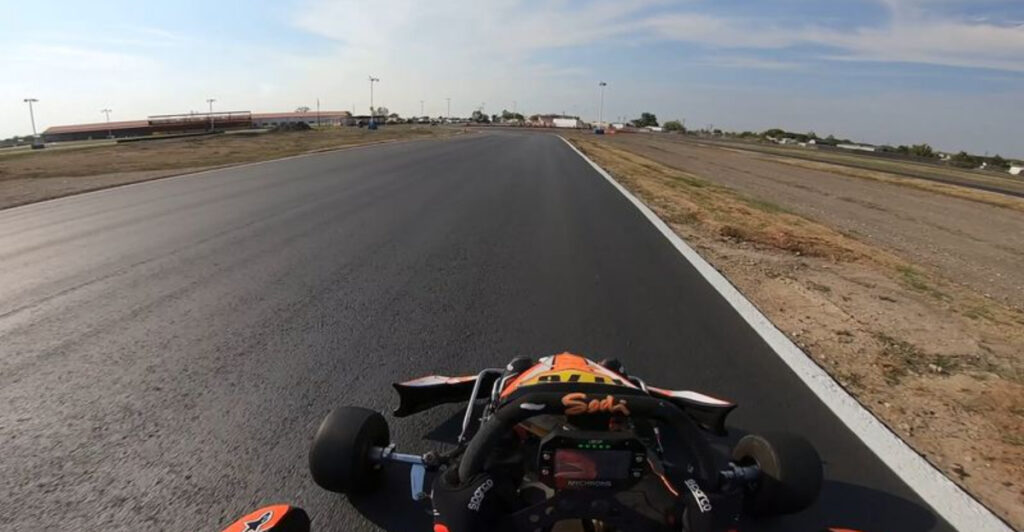
Most folks dream about racing like Lewis Hamilton or Max Verstappen, but Formula 1 seats are harder to snag than front-row concert tickets. Dallas Karting Complex in Caddo Mills offers the next best thing without needing a sponsor or a million-dollar budget. This outdoor track lets you experience genuine racing thrills with gas-powered karts that’ll make your heart pound and your hands grip the wheel like you’re fighting for pole position.
1. A Track Layout That Mimics Real Racing Circuits
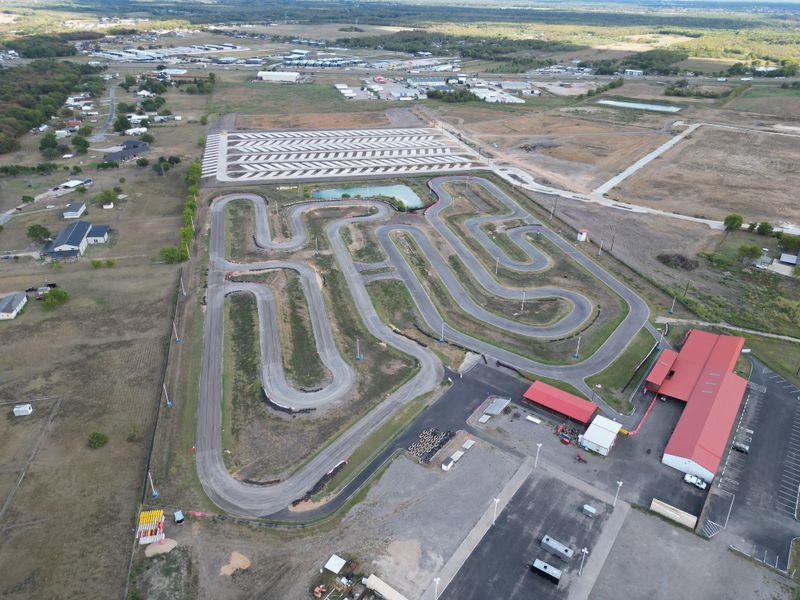
Professional race tracks aren’t just random squiggles on pavement. Dallas Karting Complex designed their course with actual racing principles in mind, featuring hairpin turns, sweeping curves, and straightaways that let you open up the throttle.
The track challenges you to master racing lines just like the pros do. You’ll learn when to brake before corners, where to accelerate coming out of turns, and how to carry speed through the technical sections. Every lap teaches you something new about vehicle control.
First-timers often hug the inside of every turn, but experienced racers know the fastest line sometimes means going wide before cutting in. The track layout rewards smart driving over aggressive moves. You’ll discover that smooth inputs beat jerky steering every single time.
Weather affects the track surface more than you’d expect. Recent rain can make the asphalt slippery, requiring gentler braking and smoother steering inputs. Dry days let you push harder, but you’ll still need to respect the physics of cornering at speed.
The facility runs both a North and South track configuration, giving racers variety depending on the day. Some sections feel like mini versions of famous Formula 1 corners. You’ll find yourself analyzing each turn, planning your approach, and shaving tenths of a second off your lap times with every session.
2. Gas-Powered Karts That Deliver Authentic Speed
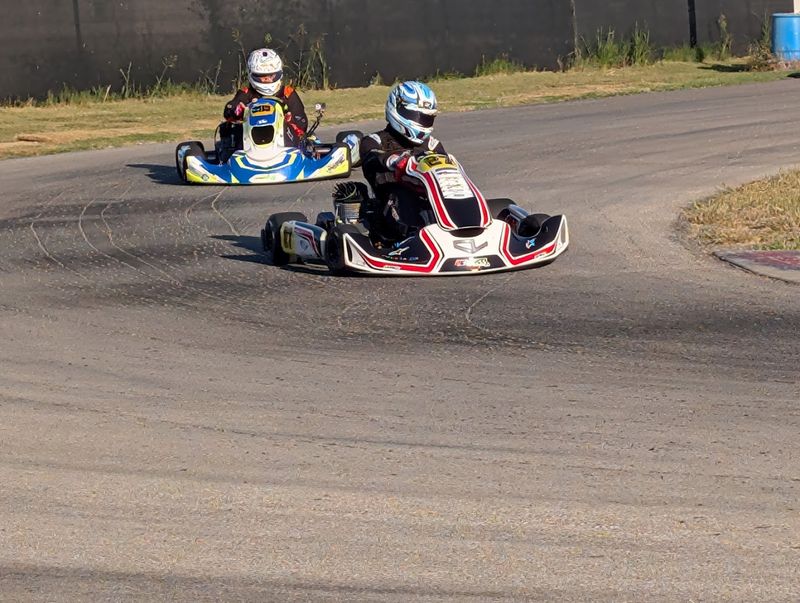
Electric karts have their place, but nothing beats the roar and rumble of a gas engine pushing you down the straightaway. Dallas Karting Complex runs real racing karts with combustion engines that deliver legitimate speed and acceleration.
Adult karts reach speeds that’ll surprise anyone expecting a leisurely cruise around the track. Your first lap might feel overwhelming as the acceleration pins you back in the seat. By your third race, you’ll be hunting for every bit of speed the machine can give you.
The GT karts represent the top tier of what’s available to the public here. These faster machines require you to complete three clean races without black flags before you can qualify. They’re significantly quicker than the standard adult karts and demand serious respect and skill to handle properly.
Braking takes practice because these karts don’t slow down like your car at home. Stomp the brake pedal too hard and you’ll spin out faster than you can say “rookie mistake.” Learning to gradually squeeze the brakes while downshifting your speed becomes an art form you’ll perfect over multiple sessions.
The mechanical nature of gas karts means you’re experiencing real motorsport fundamentals. You’ll hear the engine note change as you accelerate, feel the vibration through the chassis, and smell the racing fuel. It’s visceral and authentic in ways that sanitized entertainment experiences just can’t match.
3. Racing Simulators That Extend Your Track Time
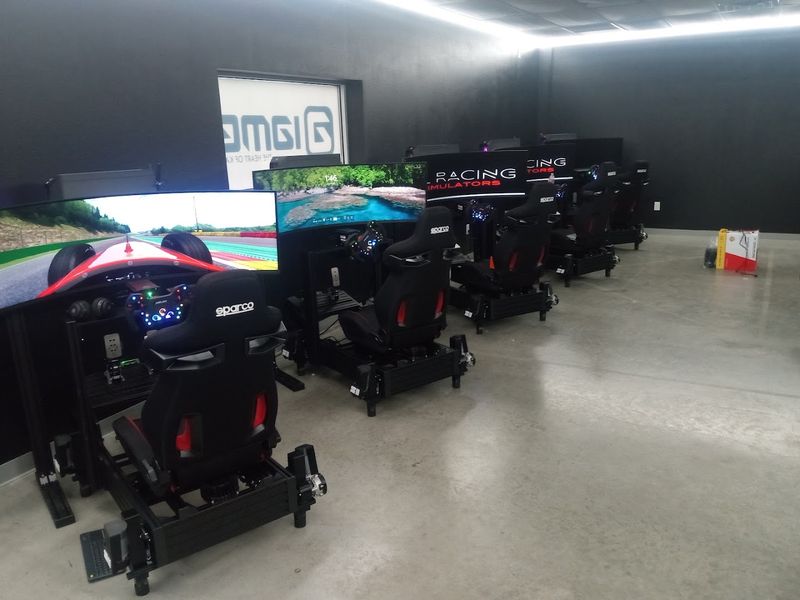
When you need a break from the Texas heat or want to race famous tracks around the world, the facility’s racing simulators deliver incredibly realistic experiences. These aren’t arcade games with cartoonish physics.
The sim rigs feature proper racing seats, force-feedback steering wheels, and pedal sets that mimic real driving dynamics. You’ll race on legendary circuits like Spa-Francorchamps or Monza without leaving Caddo Mills. The difficulty range accommodates everyone from absolute beginners to experienced sim racers.
One reviewer mentioned that only their friend with a home sim setup performed well while everyone else struggled. That’s actually part of the fun because it shows how challenging real racing simulation can be. You’ll gain massive appreciation for professional drivers who nail every apex at 200 mph.
The simulators complement your track experience by letting you practice racing lines and braking points in a consequence-free environment. Crash in the sim and you just hit restart. Crash on the real track and you’re explaining to the staff what happened.
Packages often bundle track time with simulator sessions, giving you variety throughout your visit. After three intense races outside, cooling down with 30 minutes of sim racing feels perfect. You’ll compare your real lap times with virtual ones and probably discover the computer makes racing look easier than it actually is.
4. A Qualification System That Rewards Skill Development
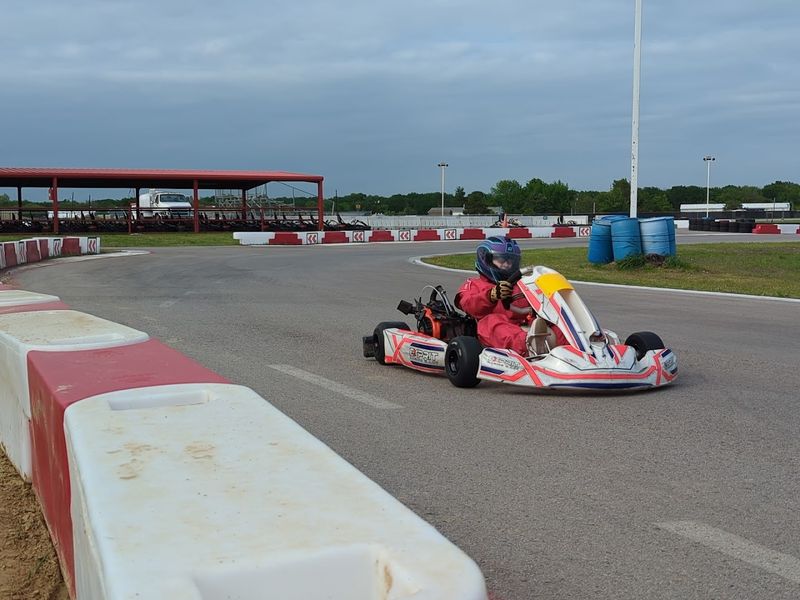
Dallas Karting Complex used to require sub-82-second lap times to qualify for GT karts, which kept the fastest machines reserved for genuinely skilled drivers. They’ve since updated the system to focus on three clean races without black flags, making the upgrade more accessible while still ensuring safety.
The new approach recognizes that some talented drivers might have physical limitations preventing them from hitting specific time targets. Consistency and rule-following now matter more than raw speed. You’ll need to prove you can race safely before unlocking the faster equipment.
Black flags come out when you’re driving dangerously, ignoring track rules, or causing problems for other racers. Aggressive bumping, cutting corners excessively, or deliberately blocking other drivers will get you flagged. The system encourages clean racing over win-at-all-costs mentality.
Some experienced racers feel frustrated that GT karts now share the smaller North track with standard adult karts. The speed differential between kart classes can create challenging situations when faster drivers catch slower traffic. It’s similar to Formula 1 cars lapping backmarkers, except everyone’s paying to be there.
The qualification process adds progression to your experience instead of making every visit identical. You’ll work toward that GT upgrade, feeling genuine accomplishment when you finally earn it. That first GT race after qualifying feels like a promotion you’ve genuinely earned through demonstrated ability and track awareness.
5. Real-Time Data That Tracks Your Racing Progress
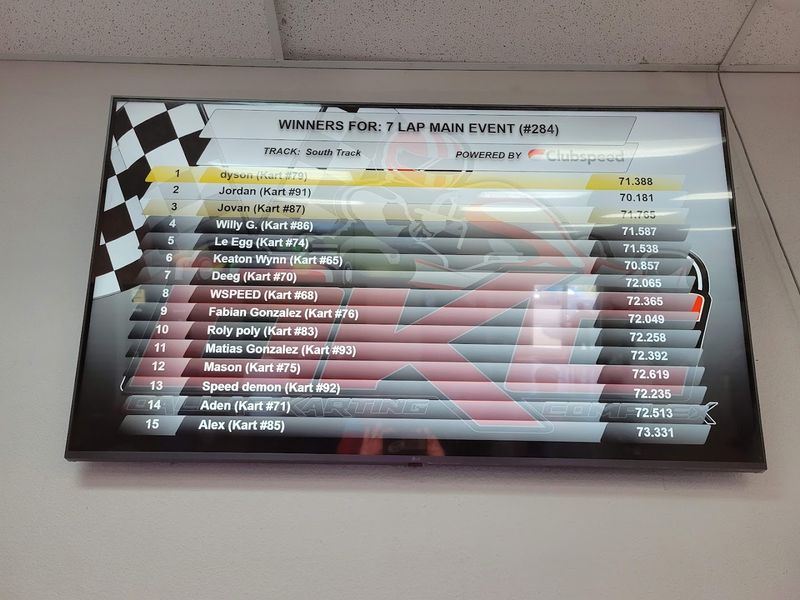
Modern racing revolves around data, and Dallas Karting Complex gives you detailed information about every single lap you complete. Your times post immediately after each race, letting you see exactly how you stacked up against other drivers.
You’ll receive an email with comprehensive race data after your session. This digital record shows your best lap, average speed, and how you improved throughout the race. Serious racers study this information between visits, identifying which sections of the track cost them time.
The immediate feedback transforms casual racing into genuine competition, even when you’re only competing against yourself. You’ll obsess over shaving two-tenths of a second off your personal best. That’s the same mindset professional drivers have when they’re chasing pole position.
One reviewer experienced a transmitter malfunction during their second race, which meant their lap times didn’t register despite actually racing. The staff couldn’t retroactively fix the data issue, which understandably frustrated them. These technical glitches happen rarely but highlight how much racers value having their performance recorded.
The data system works especially well for groups because you’ll have concrete proof of who really was fastest. No more arguments about who won because the numbers don’t lie. Friends turn into fierce competitors when lap times are on the line, making even casual visits feel like championship battles.
6. Family-Friendly Options for All Ages and Abilities
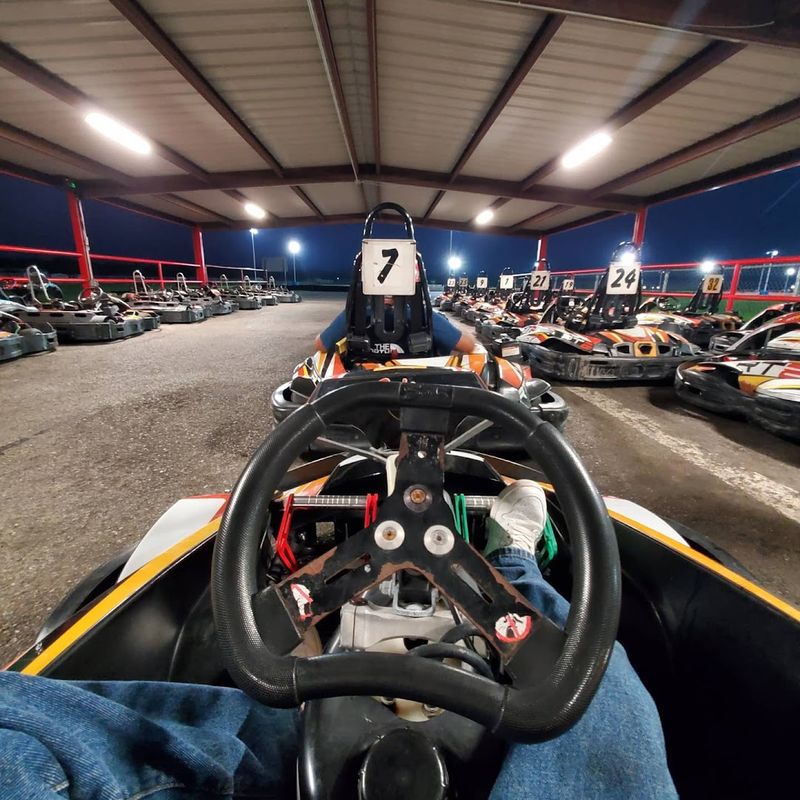
Not every family member needs to be a speed demon to enjoy Dallas Karting Complex. The facility offers two-seater karts where parents can ride with younger children who aren’t ready to drive solo yet.
Kids as young as six can participate in the experience, either driving junior karts or riding along with mom or dad. Watching your child’s face light up during their first racing experience creates memories that last way longer than the 10-minute session. Teenagers can drive the adult karts, gaining practical experience with vehicle control, spatial awareness, and decision-making at speed.
One parent noted how their almost-16-year-old benefited from practicing turns, braking, and vehicle handling in a controlled environment. While go-karts obviously differ from actual cars, the fundamental skills transfer surprisingly well. Learning to look ahead, judge distances, and manage speed all apply to future driving situations.
The facility stays busy with families who appreciate finding activities that genuinely engage everyone instead of just babysitting kids while adults have fun. Racing together creates shared experiences where parents and children compete on relatively equal footing. Your 12-year-old might actually beat you fair and square, which builds their confidence enormously.
Staff members reportedly show patience with younger racers and families, understanding that not everyone arrives with racing experience. They’ll explain the rules clearly and answer questions without making anyone feel stupid for asking basic things.
7. The Reality of Weather and Track Conditions
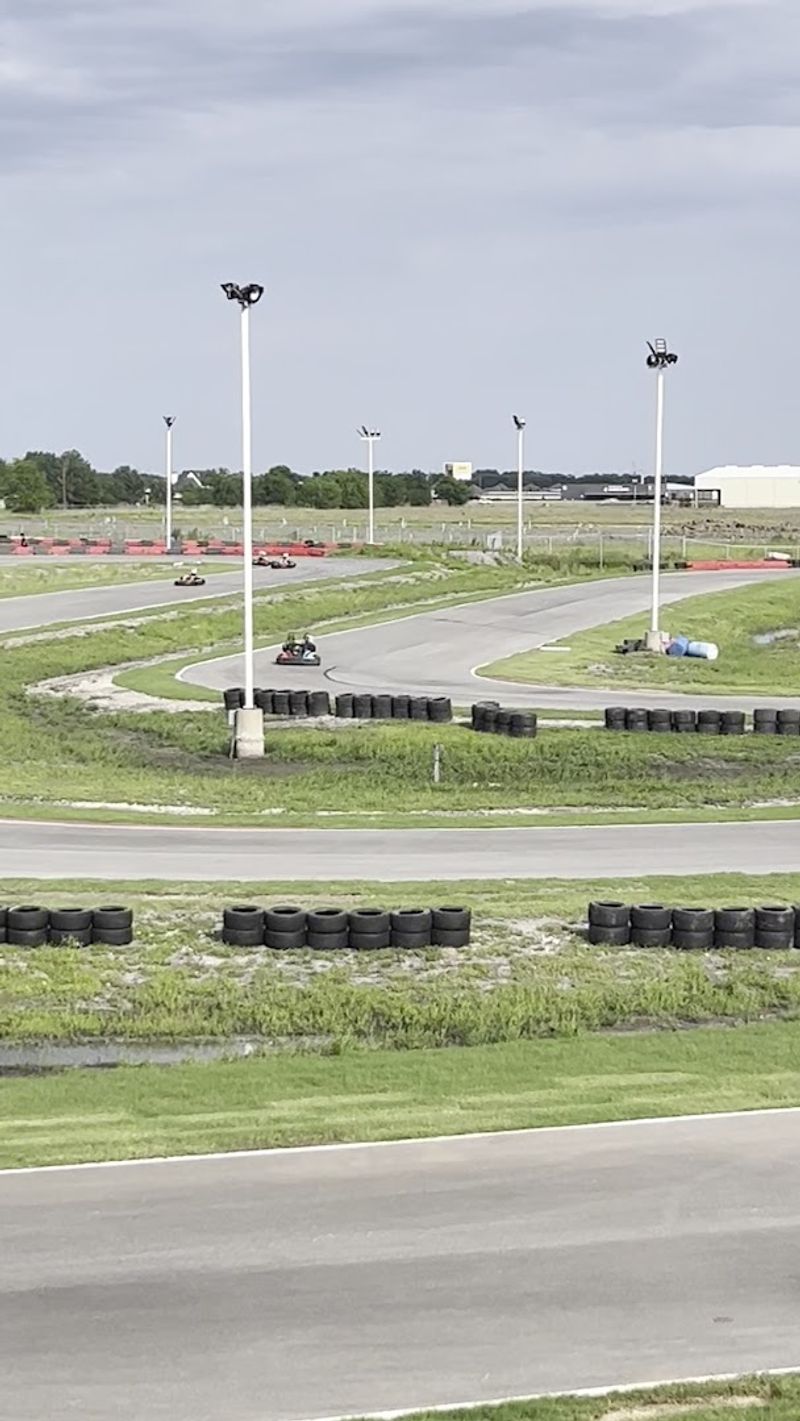
Texas weather doesn’t always cooperate with your racing plans, and outdoor tracks face challenges that indoor facilities avoid entirely. Rain transforms the track surface from grippy pavement into a skating rink that’ll humble even experienced drivers.
Several reviewers mentioned extremely slippery conditions that made racing difficult and sometimes frustrating. The karts don’t have the same traction control systems modern cars feature, so when grip disappears, you’re managing slides and spins constantly. Some people love this added challenge while others find it annoying.
Track maintenance affects your experience significantly too. One reviewer felt the track looked dirty compared to facilities they’d visited in Dubai, Tokyo, and Taipei. Outdoor venues naturally accumulate debris, rubber buildup, and weather-related grime that indoor tracks never deal with.
The trade-off is racing under open sky with fresh air instead of enclosed spaces.
Recent rain doesn’t just make things slippery during the storm. The track can remain tricky for hours afterward as moisture slowly evaporates and rubber gets laid down again. Your morning session might feel completely different from your afternoon races as conditions evolve.
Understanding that weather impacts your experience helps set realistic expectations. If you’re visiting during rainy season or after storms, accept that you’ll be racing in challenging conditions that actually teach you more about vehicle control than perfect sunny days ever could.
8. The Drive Is Part of the Adventure
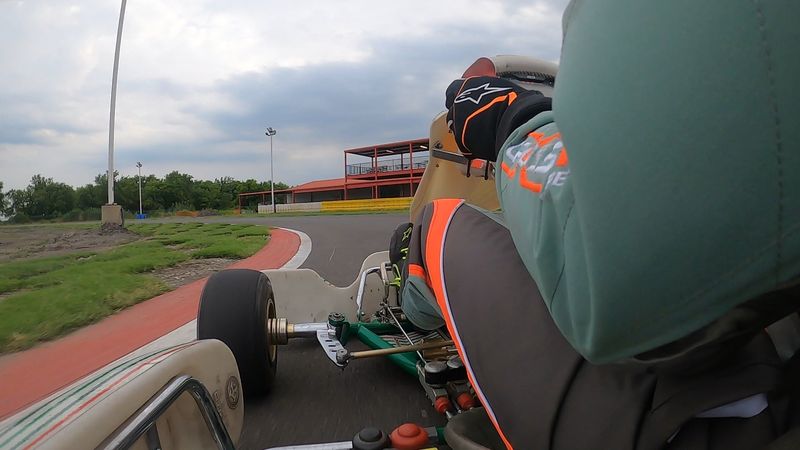
Dallas Karting Complex sits about an hour outside the city in Caddo Mills, which some people view as a drawback and others see as part of the experience. You’re not racing in some industrial park next to a highway.
Multiple reviewers specifically mentioned driving 50 minutes to an hour and a half to reach the facility, with most saying the journey was absolutely worth it. The rural location means you’re escaping the concrete jungle for legitimate countryside. Rolling past farms and open land builds anticipation for what’s waiting at the end of the road.
That distance naturally filters out casual visitors who want instant gratification. The crowd who makes the drive tends to be genuinely interested in racing rather than just killing an hour. You’ll find yourself surrounded by fellow enthusiasts who appreciate the experience.
Planning your visit requires more commitment than dropping by a suburban entertainment center. You’ll want to dedicate several hours to make the drive worthwhile, probably booking multiple races to maximize your time. Most people recommend the three-race package as the minimum to truly enjoy what the facility offers.
The location also means fewer crowds on random weekdays compared to city-center attractions. You might show up on a Monday afternoon and have minimal wait times, getting straight into races without the frustration of hour-long queues that plague popular venues.