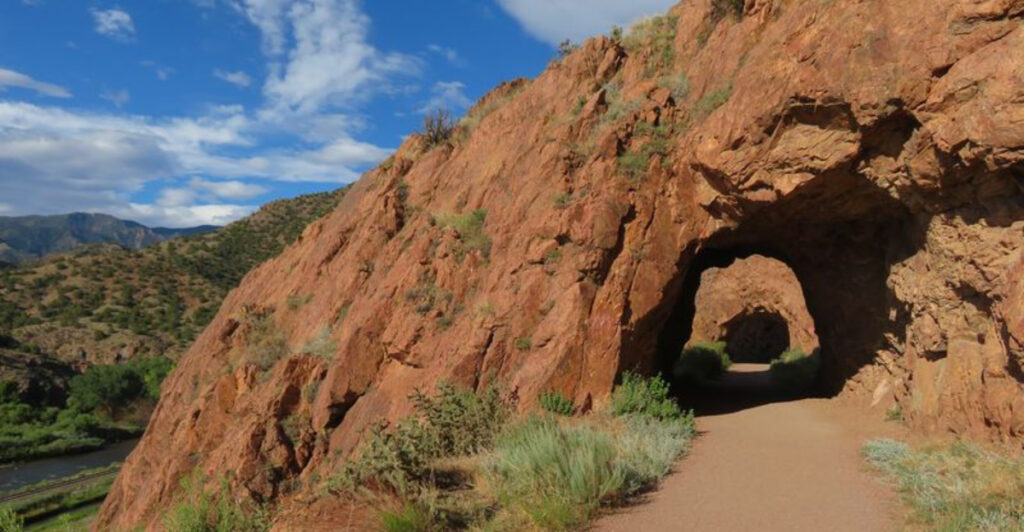
Some of Colorado’s best summer hikes stay surprisingly quiet, even when they offer scenery that rivals the state’s more famous trails. Tunnel Drive Trail in Cañon City follows the Arkansas River through towering canyon walls, leading hikers past historic railroad tunnels, dramatic rock formations, and sweeping views that feel far removed from the everyday.
The wide, relatively gentle path makes the route accessible for a variety of visitors, while the combination of river scenery and canyon landscapes creates an unforgettable outing. Whether you’re looking for a scenic stroll or a memorable day trip, this hidden Colorado trail delivers big rewards with surprisingly little effort.
A Steep Start, Then the Canyon Opens Up
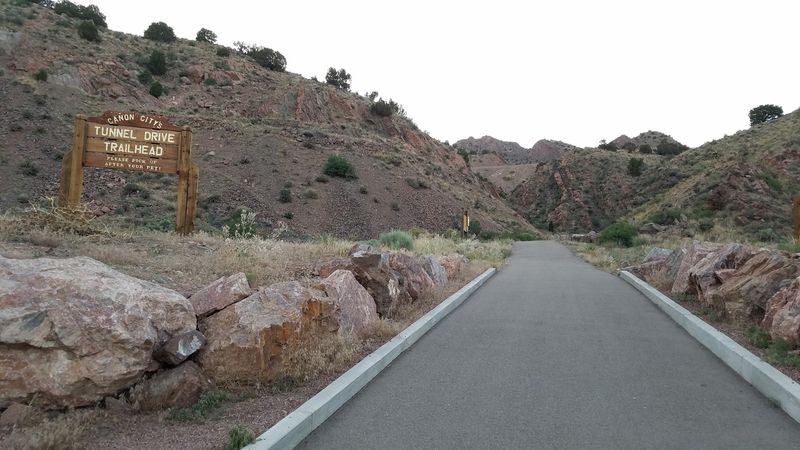
The opening move at Tunnel Drive Trail Head is not subtle. You arrive expecting a mellow riverside stroll, then the path immediately tips upward and reminds you that this route earns its easy reputation only after a short push.
That first paved climb is the reset button, shifting you from parking-lot mode into canyon mode in a matter of minutes.
Once the grade eases, the whole experience changes character. The trail straightens, the air feels wider, and the Arkansas River begins working quietly below, adding motion to an otherwise rugged scene of stone, scrub, and open sky.
Summer light sharpens every surface here, from pale gravel underfoot to the warmer bands of rock rising across the gorge.
That contrast is one of the trail’s smartest surprises. The entrance feels compact and practical, but the upper section suddenly gives you room, visibility, and a clean sense of direction.
You are no longer just heading up a path. You are tracing a shelf carved into the canyon wall. Because the climb comes first, the rest of the outing feels unusually generous.
Families, casual walkers, and new hikers can settle in once they reach the flatter stretch, and benches along the route make that transition even more forgiving. It is a thoughtful layout for a place that could have been much less welcoming.
In summer, that opening incline also serves as a useful warning. Sun exposure arrives early, shade is limited beyond the tunnels, and dry air can make a short walk feel bigger than the mileage suggests. Bring water, take the first hill at your own pace, and the trail quickly starts giving more than it asks.
Why the Tunnels Change the Whole Walk
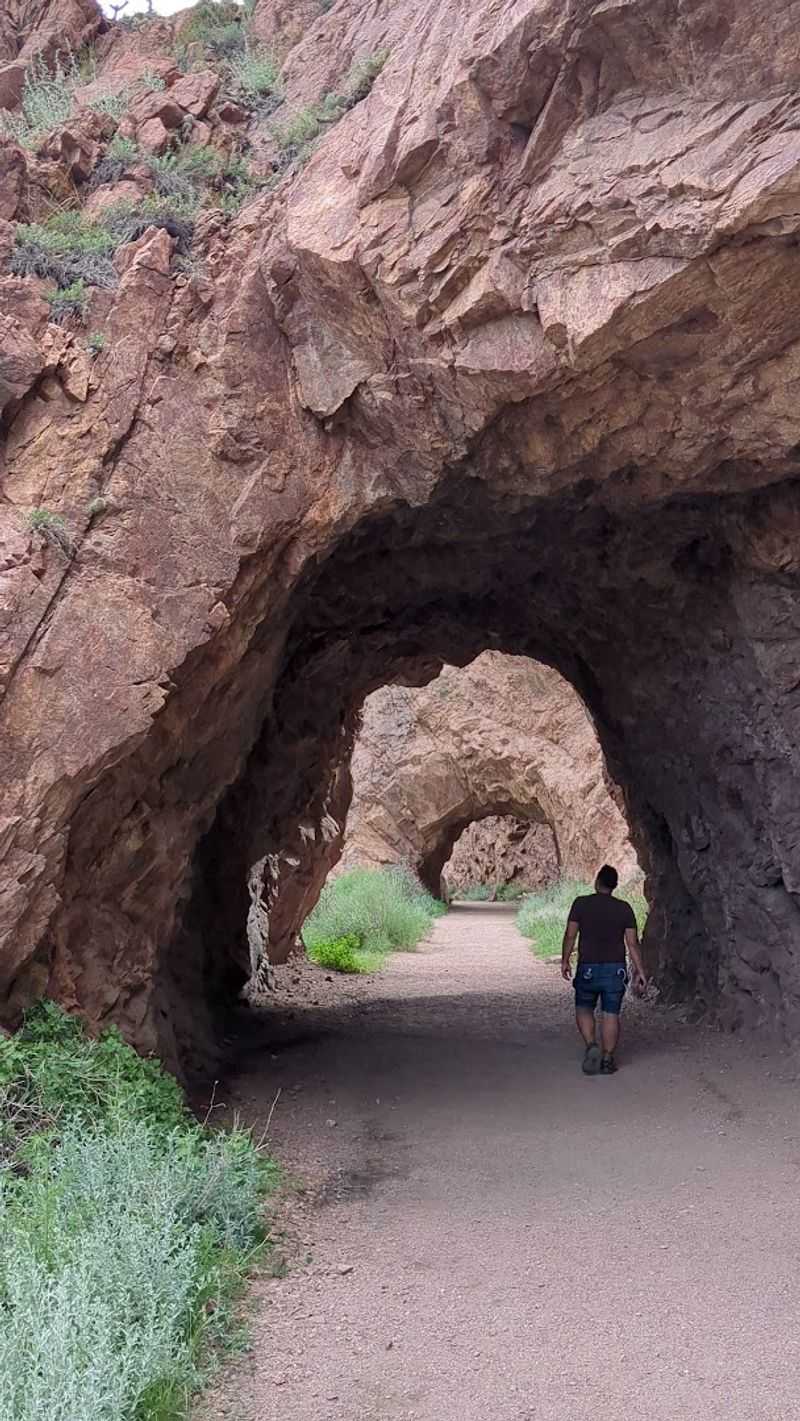
The signature attraction arrives early, and that is part of the trail’s charm. Within the first stretch, the route passes through a series of blasted rock tunnels that turn a simple out-and-back into something much more cinematic.
They are not polished attractions with dramatic lighting or signage doing the storytelling for you. They are raw, practical, and memorable because the stone itself does the work.
Walking into the first tunnel changes the temperature, the sound, and the rhythm of the hike. The bright canyon glare drops away, your footsteps echo differently, and the rough walls pull your attention close after all that open space.
In summer, those brief cool passages feel especially satisfying, almost like natural punctuation marks between big exterior views.
The tunnels matter for more than novelty. They give the trail a sense of sequence, which is rare on easier paths where scenery can flatten into one long panorama.
Here, the route alternates between enclosed rock cuts and wide overlooks, keeping the walk visually active even if your pace stays relaxed.
There is also a tactile quality to these sections that photographs never fully catch. Chisel marks, uneven edges, and layered color in the stone make the tunnels read as infrastructure and geology at the same time.
They are reminders that this shelf through the canyon did not happen by accident. If you are bringing kids, first-time hikers, or anyone who needs an early payoff, this is where the trail wins them over.
The tunnels arrive soon enough to feel accessible, but they still create that small thrill of discovery. By the time you step back into the sun, the walk already has a storyline.
Arkansas River Views Without the Full-Day Commitment
Plenty of Colorado trails ask for long mileage before they give you a truly satisfying view. Tunnel Drive takes a different approach.
Once you reach the main bench of the trail, the Arkansas River becomes a steady companion, and the landscape starts delivering almost immediately.
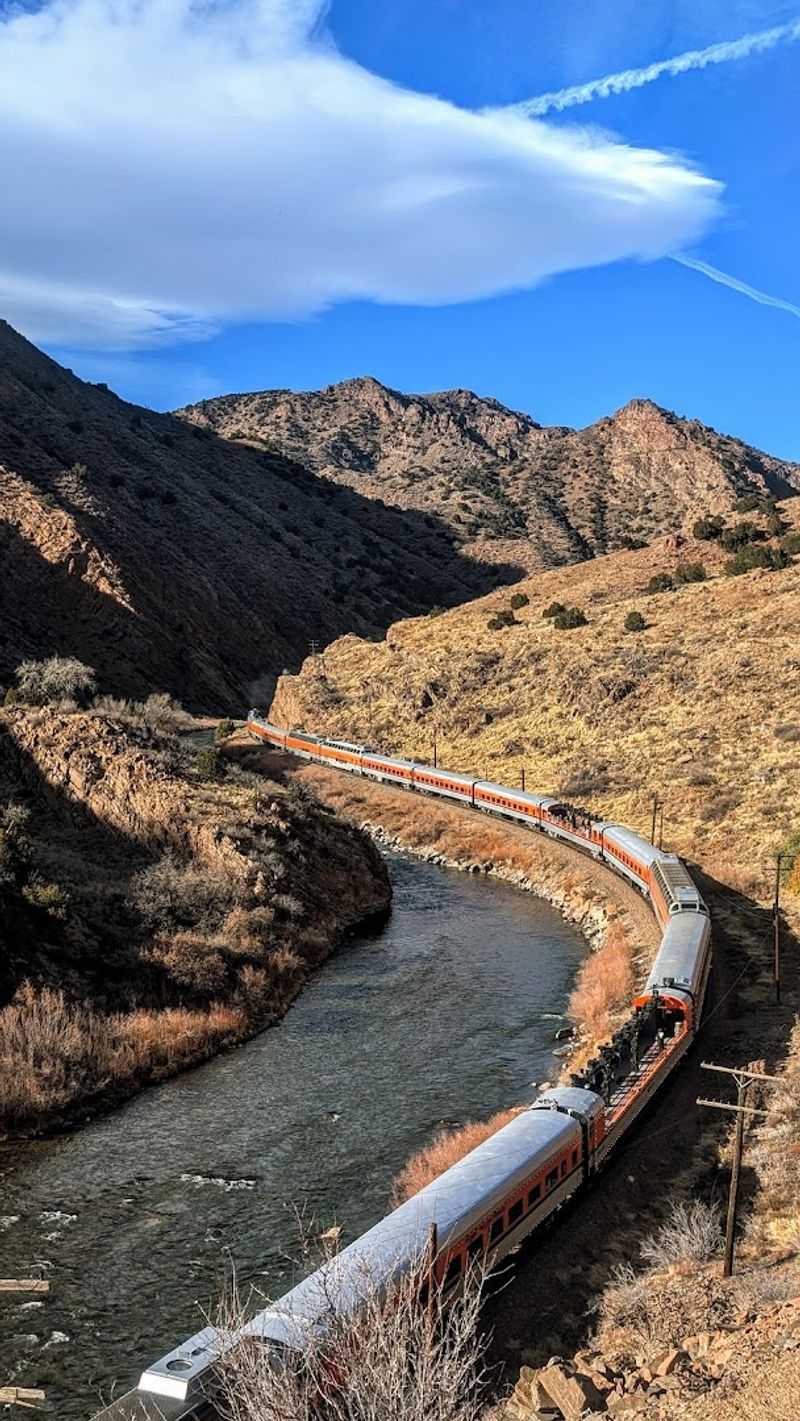
The river is not just a blue ribbon off in the distance. It creates movement in a scene dominated by rock, gravel, and sunlit slopes, and that movement keeps the canyon from feeling static.
Depending on timing, you might catch rafters below or the Royal Gorge Route train sliding through the corridor, which adds an unexpected layer of scale to the route.
That mix is part of what makes the hike so efficient. You get water, cliffs, rail history, and broad canyon geometry without needing technical footing or a huge time block.
For travelers passing through Cañon City, that matters. The trail can fit into a larger day and still feel like a real destination, not a quick filler stop.
Summer is when this payoff becomes especially noticeable. The river flashes brighter against the dry hills, the canyon walls show off stronger color variation, and the openness of the route makes every turn feel sun-washed and expansive.
Even a short walk here gives you enough visual range to feel like you covered more terrain than you actually did. Benches placed along the way reinforce that easygoing rhythm.
You can pause, watch the corridor below, and let the view work on its own terms instead of rushing toward a single summit moment. For anyone craving scenery without committing to a strenuous climb, this trail handles the assignment with unusual confidence.
Colorado Heat, Cactus Edges, and the Texture of Summer
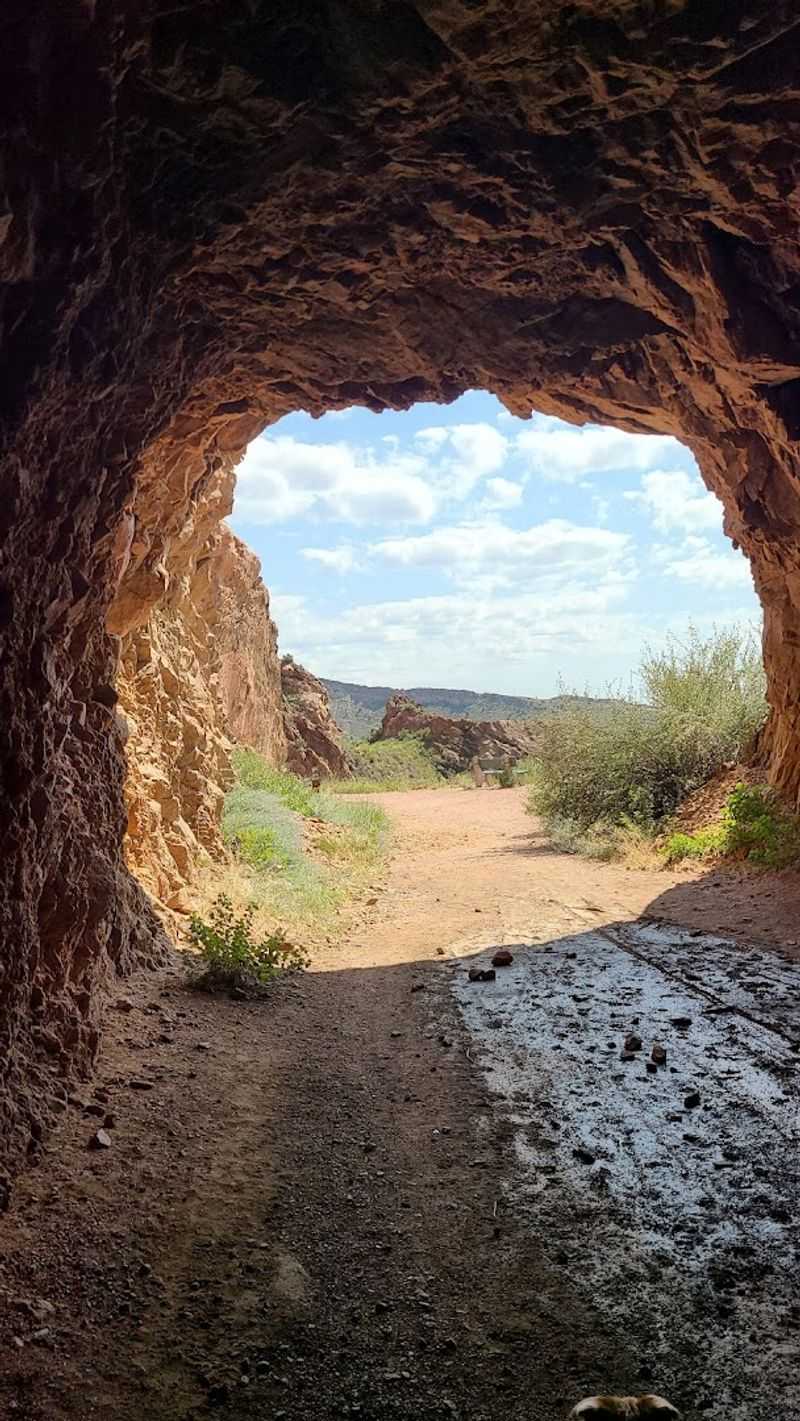
Summer gives Tunnel Drive Trail a very specific personality. This is not the leafy, shaded version of Colorado that visitors often picture first.
It is drier, brighter, and more exposed, with cactus lining sections of the trail and rock walls reflecting heat back into the corridor.
That setting is exactly why the hike stands out. The route shows off a side of Colorado that can surprise travelers who expect only pine forests and alpine lakes.
Here, the palette shifts toward sandy browns, muted greens, pinkish stone, and the occasional burst of wildflower color pushing through tough ground.
Those details change how you move through the trail. You pay more attention to where the sun sits, when the breeze cuts through a tunnel, and how quickly a water bottle starts to matter.
Hats, sunscreen, and an earlier start are not overplanning here. They are simple ways to turn a hot outing into a comfortable one.
The edges of the path deserve attention too. Cacti and loose rock mean the trail is best enjoyed with steady footing and a little awareness, especially if you have children or a curious dog on leash.
None of this makes the route difficult, but it does give the walk a sharper desert-canyon character than the easy rating might suggest.
In return, summer strips the scenery down to strong essentials. The sky looks bigger, the stone reads more clearly, and every patch of shade feels deliberate instead of taken for granted.
If you like trails with polished forest softness, this is not that. If you want a more rugged Colorado mood, where light and rock do most of the talking, Tunnel Drive is right in its element.
The Quiet Story Written Into the Rock
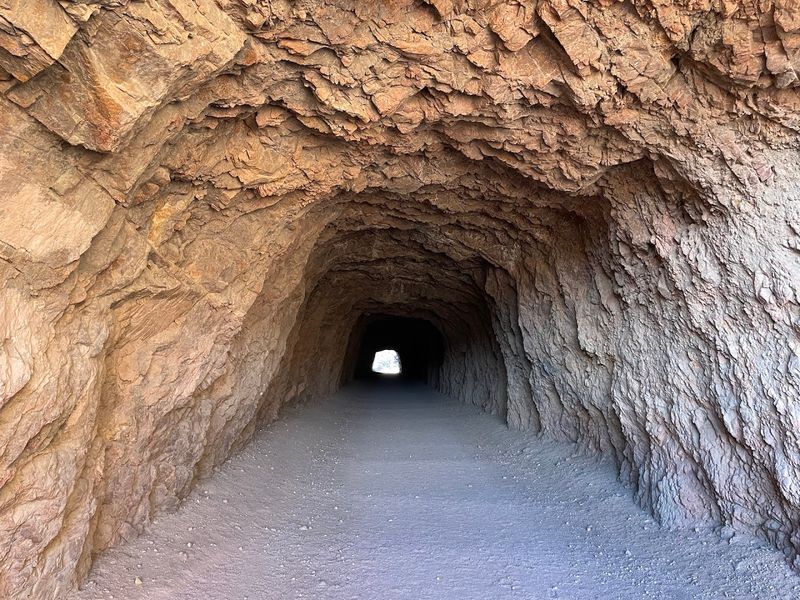
Beyond the obvious scenery, Tunnel Drive carries a harder-edged sense of history. The tunnels were cut through rock for transportation purposes, and you can still feel that utilitarian origin in the route’s layout.
Nothing about the trail reads decorative. It follows the canyon with the practical confidence of a corridor that was built to get somewhere.
That background gives the hike unusual depth for a relatively accessible outing. You are not only walking beside a river or admiring canyon walls.
You are moving through a path shaped by labor, engineering, and the demands of the landscape itself. The roughness of the tunnel interiors, the ledge-like line of the trail, and the relationship to nearby rail activity all reinforce that story without needing much explanation.
Geology adds another layer. The rock along the trail carries visible bands and color shifts that make the canyon walls feel active rather than uniform.
In bright summer light, those variations become easier to notice, especially where tunnel openings frame the stone in sharp contrast.
This combination of human work and ancient material is where the place gets its character. The route does not rely on alpine grandeur or distant peaks to hold your attention.
Instead, it keeps pulling your eye toward textures nearby: fractured surfaces, carved openings, exposed slopes, and the narrow shelf that lets you pass through it all.
That focus changes the pace of the walk. You can cover the trail quickly, but it rewards a slower approach, especially near the tunnel walls and bridge sections where construction choices become more visible.
Tunnel Drive is scenic, yes, but it is also quietly structural. The canyon is beautiful, and the route lets you see exactly how people found a way through it.
How to Time Tunnel Drive in Cañon City
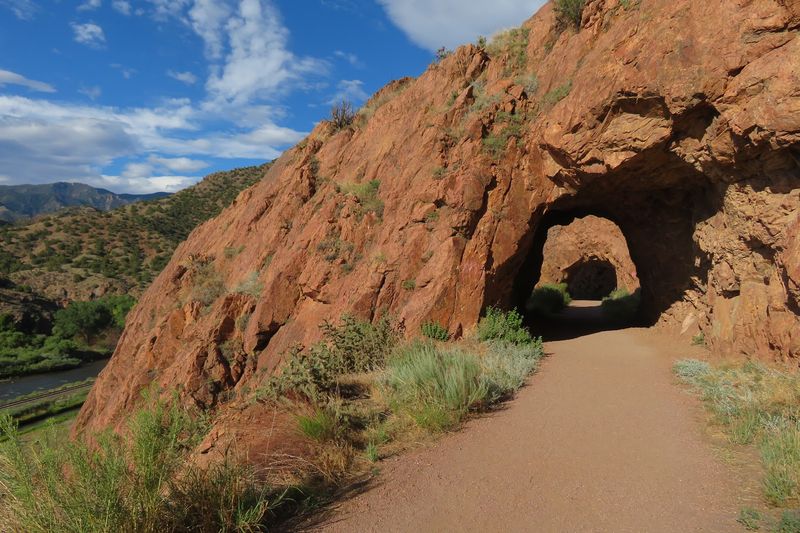
Timing has an outsized effect on this trail. Because much of the route is exposed, summer mornings tend to offer the most comfortable version of Tunnel Drive, with softer light on the canyon walls and less heat building off the rock.
Starting earlier also makes the first climb more manageable, especially if you are adjusting to elevation or traveling with kids.
Late afternoon can still be beautiful, but it asks a bit more from you. The sun can feel stronger on the open sections, and the dry air has a way of disguising how quickly you are losing water.
If the goal is a relaxed walk rather than a sweaty correction of poor planning, earlier is the easy call. The trail also works well because you can customize the distance.
Some walkers head in just far enough to enjoy the tunnels and river views before turning around, while others continue farther for a longer out-and-back.
That flexibility makes the route appealing for mixed-ability groups, where not everyone wants the same pace or mileage.
Bring more water than the distance seems to require. Wear shoes with decent grip for the opening slope and the occasional uneven patch, and keep in mind that shade becomes scarce beyond the tunnel sections. Benches help break up the walk, but they do not replace basic preparation.
If you want the trail at its most photogenic, aim for the hours when angled light brings out the canyon’s color variation instead of flattening it.
If you want the simplest family outing, go early, keep expectations loose, and let the tunnels be the milestone. Tunnel Drive rewards good timing with a calmer, cooler, and more spacious experience.
Why This Trail Stays Under Your Skin
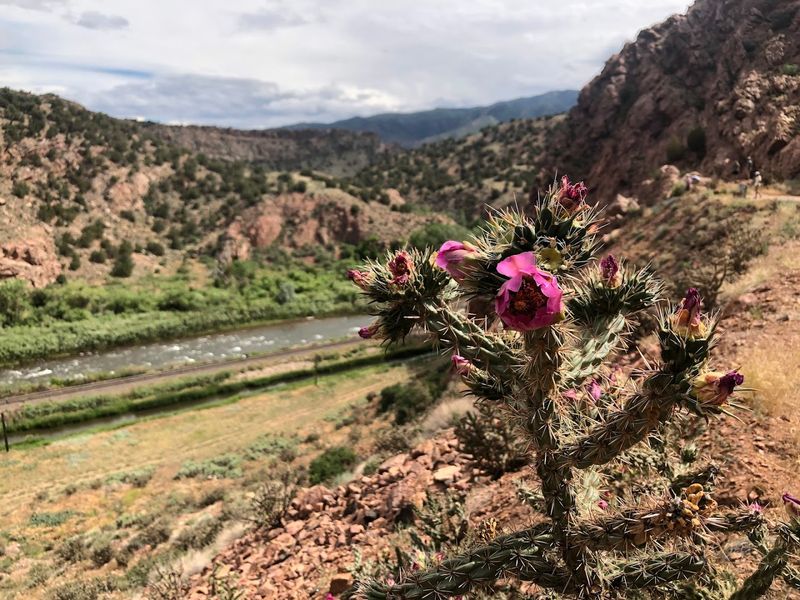
Some trails impress by escalating toward a huge finale. Tunnel Drive works differently. It front-loads interest with the climb and tunnels, then settles into a long, confident stretch of river views, benches, bridges, and canyon texture that never needs to shout for attention.
That structure is a big reason the place stands out. It gives you an immediate hook, then lets the rest of the experience breathe.
You are not chasing one postcard overlook or a summit photo. You are moving through a corridor where the details keep changing just enough to hold your focus.
There is also a rare practicality to it. The route is easy to reach, free to access, manageable for many skill levels after the opening incline, and scenic enough to satisfy people who normally want a much bigger adventure.
In a state full of ambitious hikes, that kind of balance is easy to underestimate. Summer sharpens every strength and every requirement.
The canyon looks bold, the river adds life to the dry landscape, and the tunnels provide those brief cool interruptions that make the exposed stretches more memorable. At the same time, the heat asks you to respect the setting rather than treating it like an effortless sidewalk stroll.
That tension is exactly what gives Tunnel Drive its personality. It is approachable without being bland, dramatic without being punishing, and distinctive without demanding a full expedition.
If your ideal outing is a walk where the scenery starts fast, the terrain stays readable, and the landscape shows off a tougher side of Colorado, this trail answers with remarkable precision. You leave with dusty shoes, better photos than expected, and a new appreciation for how much a short canyon route can pack into a summer afternoon.