Tennessee packs more variety into one state than most people realize. You can wake up in the Smoky Mountains, drive to underground caves by lunch, and end your day listening to live blues on a neon-lit street in Memphis.
From misty ridges and roaring waterfalls to whiskey distilleries and legendary music venues, this state rewards anyone willing to explore beyond the obvious stops.
1. Watch the sunrise from Clingmans Dome in the Great Smoky Mountains
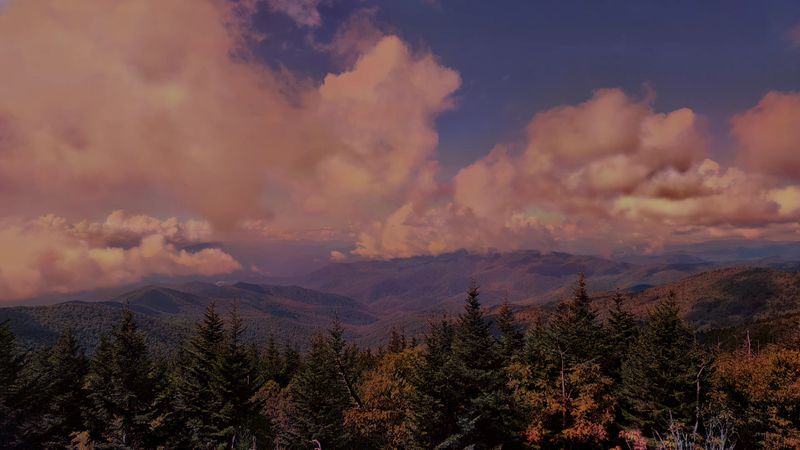
Standing at 6,643 feet, Clingmans Dome holds the title as the highest point in Tennessee and the third-highest mountain east of the Mississippi. Getting there before dawn means winding up a dark mountain road, but the payoff is worth every yawn.
The observation tower sits at the end of a steep half-mile paved trail. Early morning fog often fills the valleys below, creating layers of blue ridges that fade into the horizon. On clear days, you can see up to 100 miles in every direction.
Sunrise here feels different than anywhere else in the state. The air is crisp, even in summer, and the silence is broken only by birdsong and the occasional rustle of wildlife moving through the forest. Watching the first light touch the ancient peaks reminds you why the Smokies draw millions of visitors every year.
This spot also serves as a gateway to deeper exploration. The Appalachian Trail crosses right through here, and countless trails branch off into old-growth forests filled with salamanders, wildflowers, and black bears. The area carries centuries of Appalachian history, from Cherokee roots to early settlers who built lives in these rugged mountains.
Plan to arrive at least 30 minutes before sunrise to claim a good spot on the tower. Parking fills up fast during peak seasons, and the temperature can drop significantly at this elevation. Bring layers, a flashlight, and maybe a thermos of coffee.
Whether you are a serious hiker or just someone chasing a perfect view, Clingmans Dome delivers one of those moments that sticks with you long after you leave Tennessee.
2. Drive the Cades Cove Loop and look for wildlife
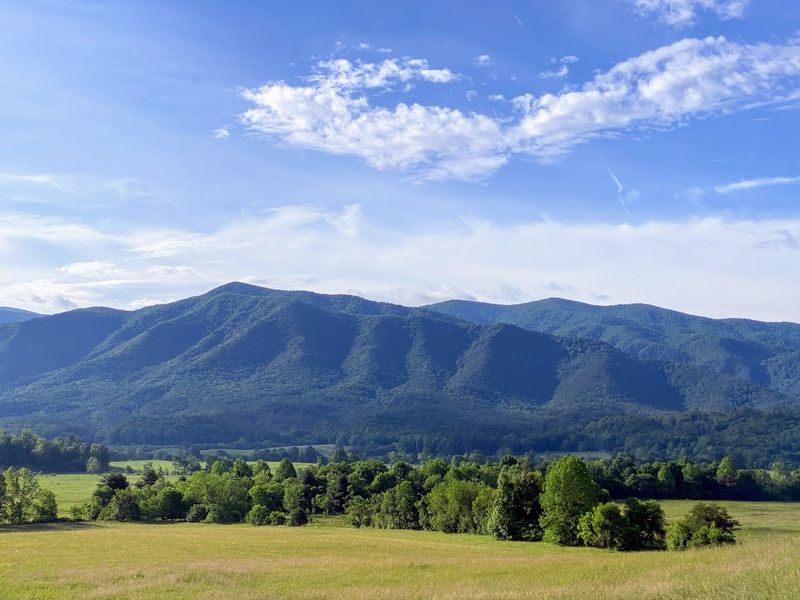
Cades Cove feels like stepping back in time. This 11-mile one-way loop winds through a wide valley surrounded by mountains, where white-tailed deer graze in open fields and black bears sometimes wander close enough to make your heart skip. The National Park Service manages this area carefully, preserving both its natural beauty and its human history.
Historic cabins, barns, and churches dot the landscape, remnants of a community that thrived here before the national park was established. You can pull over and walk through these structures, imagining what life was like for families who farmed this land generations ago. Each building tells a story of self-reliance and connection to the mountains.
Wildlife viewing is the main draw for most visitors. Early morning and late afternoon offer the best chances to spot animals. Deer are almost guaranteed, while bears, turkeys, coyotes, and even bobcats make occasional appearances.
Biking the loop has become increasingly popular, especially on Wednesday and Saturday mornings when the road closes to motor vehicles until 10 a.m. Pedaling through the valley at sunrise, with mountains rising on all sides and mist lifting off the fields, ranks among the most peaceful experiences in the Smokies.
Several side trails lead to waterfalls and additional historic sites. Abrams Falls is a favorite, though it requires a moderate hike to reach the cascades. The loop itself can take anywhere from two to four hours depending on how often you stop.
Traffic can crawl during peak season, but that slow pace actually works in your favor. You will have time to scan the tree line, watch for movement in the meadows, and soak in the scenery without feeling rushed.
3. Spend a full day at Dollywood in Pigeon Forge

Dollywood is not your average theme park. Sure, it has roller coasters that will make your stomach drop, but it also celebrates Appalachian culture in ways that feel genuine and heartfelt. Dolly Parton’s influence shows up everywhere, from the live bluegrass performances to the craftsmen demonstrating blacksmithing and glassblowing.
The coasters here compete with anything you will find at bigger parks. Lightning Rod launches you up a hill at ridiculous speed, while Wild Eagle soars above the Smoky Mountain foothills. Thrill-seekers will stay busy, but families with younger kids also find plenty to love.
Food deserves its own paragraph. The cinnamon bread has achieved legendary status for good reason—warm, gooey, and big enough to share if you are feeling generous. Beyond that, you will find Southern comfort food done right, from fried chicken to barbecue to funnel cakes that could feed a small army.
Live music happens throughout the day on multiple stages. These are not background tracks or recorded shows—real musicians playing banjos, fiddles, and guitars keep the park’s energy high. During certain seasons, the park hosts special events featuring gospel music or holiday performances that draw crowds from across the region.
The park also includes a working grist mill, a replica of Dolly’s childhood home, and a museum showcasing her remarkable career. These touches give Dollywood a sense of place that generic theme parks lack. You are not just riding rides; you are experiencing a slice of Tennessee mountain culture.
Plan to arrive when the gates open and stay until closing. One day feels tight for seeing everything, but you can hit the major coasters, catch a couple of shows, and still have time to wander through the craft areas and sample way too much cinnamon bread.
4. Tour Graceland in Memphis
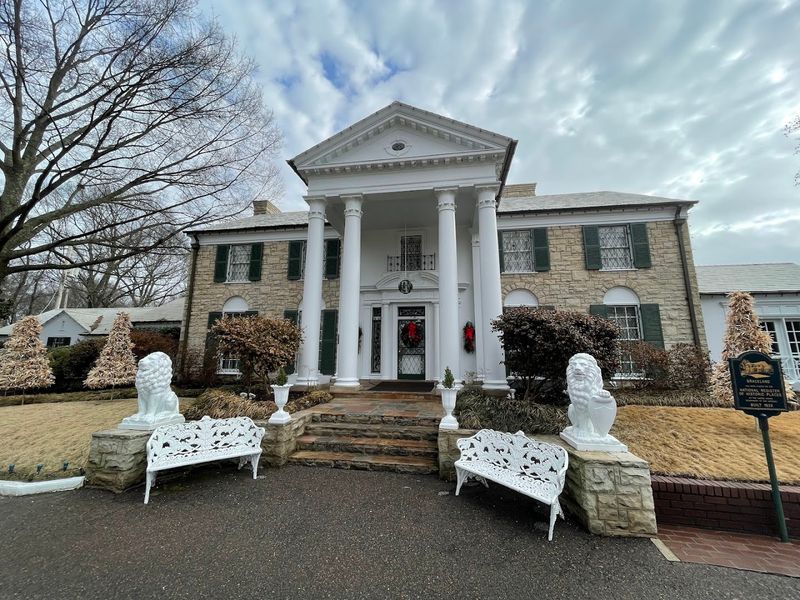
Graceland draws visitors from every corner of the planet, and once you walk through those famous music gates, you start to understand why. This is not just a mansion tour—it is a journey through the life of Elvis Presley, the kid from Tupelo who became the King of Rock and Roll and changed music forever.
The mansion itself surprises people. It is big but not massive, decorated in styles that range from elegant to wonderfully over-the-top. The Jungle Room, with its green shag carpet covering the ceiling and carved wooden furniture, has to be seen to be believed.
Every room holds stories, from the living room where Elvis relaxed with friends to the basement where he installed three TVs so he could watch multiple channels at once.
The tour includes the meditation garden where Elvis is laid to rest, along with his parents and grandmother. Fans from around the world leave flowers, notes, and mementos at the gravesite. The atmosphere here shifts from tourist attraction to something more reverent and personal.
Beyond the mansion, the complex includes multiple museums showcasing Elvis’s cars, planes, stage costumes, and gold records. The collection is staggering—jumpsuits covered in rhinestones, the pink Cadillac, the private jets with gold-plated seatbelts. Each artifact reinforces just how massive his success became.
Audio guides narrated by Elvis and Priscilla Presley accompany the tour, adding personal context to what you are seeing. You will hear stories about family gatherings, recording sessions, and the pressures of fame that Elvis navigated throughout his career.
Even if you are not a die-hard Elvis fan walking in, Graceland has a way of making you appreciate his impact on music and popular culture. This is Tennessee history, American history, and music history all rolled into one unforgettable stop.
5. Walk Beale Street after dark in Memphis
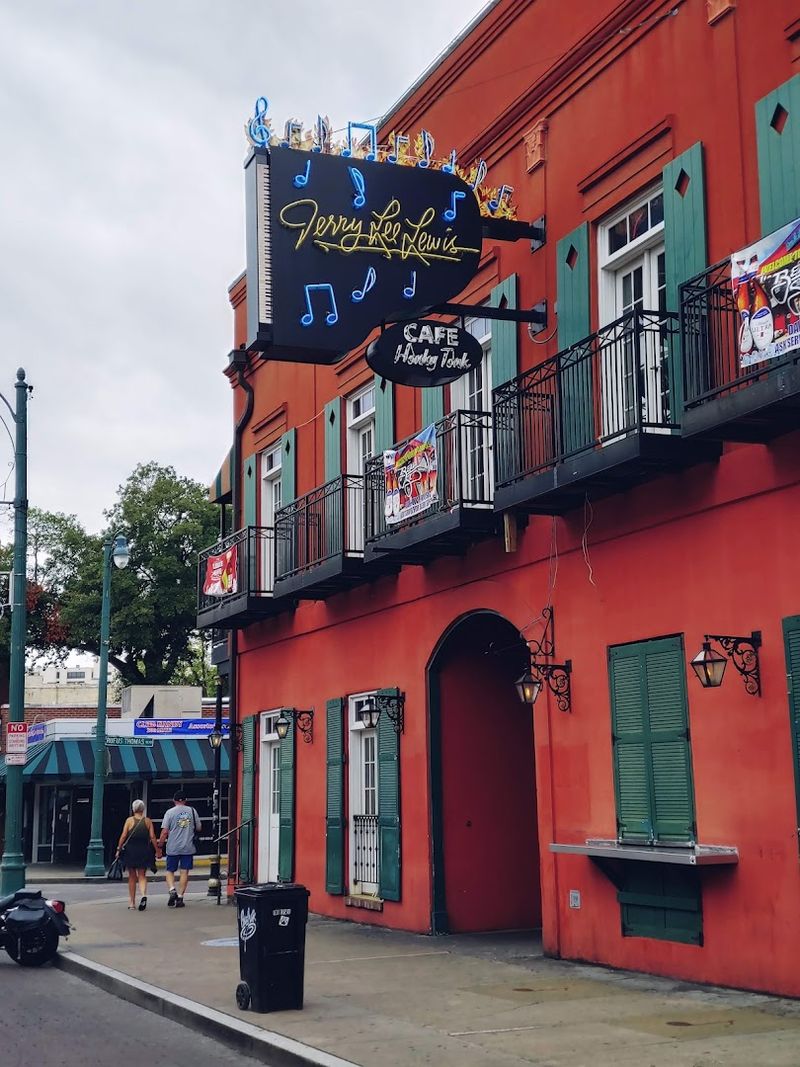
Beale Street after sunset transforms into something electric. Neon signs flicker to life, blues music pours out of every doorway, and the smell of barbecue smoke mixes with the energy of a street that has been the heart of Memphis music for over a century. This is where legends were born and where the blues still lives every single night.
The street stretches for several blocks, lined with clubs, restaurants, and bars that each bring their own flavor. Some venues feature established acts on proper stages, while others showcase up-and-coming musicians playing for tips and exposure. You can wander from spot to spot, catching a few songs here, grabbing a drink there, soaking in the atmosphere everywhere.
B.B. King’s Blues Club anchors the strip with live performances that honor the legacy of one of music’s true giants. Other spots like Rum Boogie Cafe and Blues City Cafe keep the tradition alive with nightly shows that range from traditional Delta blues to funk-infused modern takes on the genre.
Street performers add another layer to the experience. You will find guitarists, drummers, and singers setting up on corners, creating impromptu performances that can rival anything happening indoors. The whole street becomes a stage, and everyone walking through becomes part of the show.
Food options run deep. Memphis barbecue dominates, but you will also find everything from fried catfish to gourmet burgers. Many places stay open late, understanding that good music and good food go hand in hand after midnight.
Weekends bring the biggest crowds, but even weeknights maintain a lively energy. The mix of tourists, locals, and musicians creates a vibe that feels both welcoming and authentic.
6. See a show at the Grand Ole Opry in Nashville

The Grand Ole Opry is not just a concert venue—it is a living piece of American music history that has been broadcasting live since 1925. Walking into the Opry House feels like stepping onto hallowed ground where countless legends have stood before microphones and made country music what it is today.
Shows feature a rotating lineup of established stars, rising talents, and surprise guests who might drop in to perform a song or two. You never know exactly who will appear, which adds an element of excitement to every performance. The format moves quickly, with multiple artists taking turns throughout the evening, keeping the energy high and the variety strong.
The famous wooden circle at center stage came from the original Ryman Auditorium, where the Opry called home for decades. Standing in that circle represents a milestone for any country artist, a moment that signals arrival and respect within the industry. Watching performers step into that spotlight carries weight, even for audience members who are not die-hard country fans.
Tours of the venue run during the day, offering behind-the-scenes access to dressing rooms, backstage areas, and the stage itself. These tours provide context and history that deepen appreciation for what happens here night after night.
Even skeptics who claim they do not like country music often leave the Opry with a new perspective. The talent level is undeniable, the musicianship is top-tier, and the tradition is palpable.
7. Visit the National Civil Rights Museum in Memphis
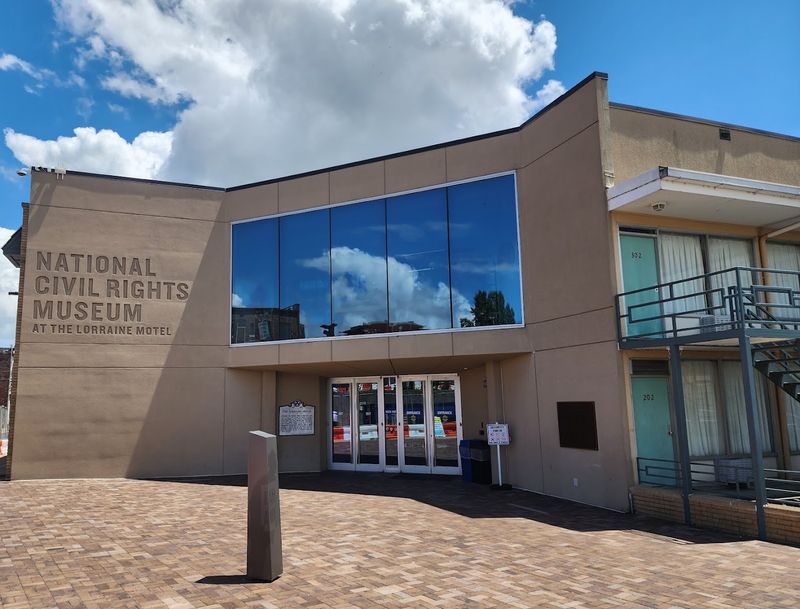
Built around the Lorraine Motel where Dr. Martin Luther King Jr. was assassinated in 1968, the National Civil Rights Museum stands as one of the most powerful and important institutions in Tennessee. This is not a museum you breeze through—it demands your attention, your reflection, and your emotional engagement.
The exhibits trace the American civil rights movement from slavery through Reconstruction, Jim Crow, and into the modern era. Interactive displays, historical artifacts, and multimedia presentations create an immersive experience that brings history to life. You will see the actual bus from the Montgomery Bus Boycott, sit at a lunch counter replica from the sit-in movement, and walk through detailed recreations of pivotal moments in the fight for equality.
The preserved motel rooms where Dr. King stayed remain frozen in time, offering a haunting glimpse into the final day of his life. Standing on the balcony where he was shot creates a profound connection to history that photographs and textbooks cannot replicate. The weight of that moment, and what it meant for the movement, settles over visitors in ways that feel both personal and universal.
The museum does not shy away from difficult truths. Exhibits address racial violence, systemic oppression, and ongoing struggles for justice with honesty and depth. Educational programming helps visitors of all ages understand the context and continuing relevance of civil rights issues.
Across the street, the museum complex includes the boarding house where James Earl Ray fired the fatal shot. This section examines the investigation, conspiracy theories, and legal aftermath that followed the assassination.
Plan to spend at least two to three hours here, though you could easily stay longer.
8. Tour the Jack Daniel’s Distillery in Lynchburg
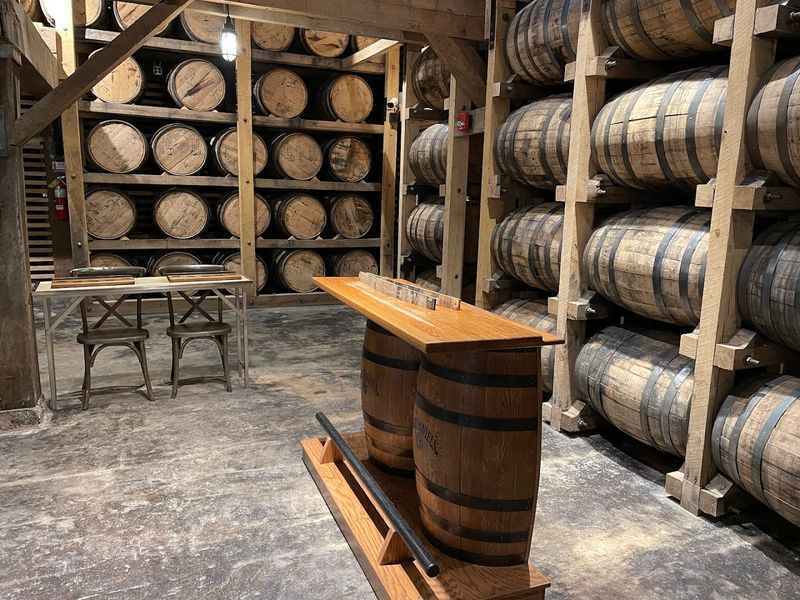
Lynchburg might be a tiny town, but it produces one of the world’s most recognizable whiskeys. The Jack Daniel’s Distillery offers daily tours that walk you through every step of the process, from the Cave Spring that provides iron-free water to the charcoal mellowing that makes Tennessee whiskey distinct from bourbon.
The distillery sits in a dry county, which creates an amusing contradiction—you are touring one of America’s most famous whiskey makers in a place where you cannot legally buy a bottle in stores. The irony is not lost on anyone, and guides often joke about it during tours.
Tours cover the history of Jack Daniel himself, a fascinating figure who started the distillery as a teenager and built it into a global brand. You will see the old office where he worked, learn about the cave spring that attracted him to this location, and hear stories about the stubbornness and innovation that defined his approach to whiskey making.
The production process unfolds across multiple buildings. You will watch corn, rye, and barley get mashed and fermented, see massive copper stills in action, and walk through warehouses stacked floor to ceiling with aging barrels. The smell alone—sweet, woody, and unmistakably whiskey—makes the tour memorable.
The charcoal mellowing step, called the Lincoln County Process, sets Tennessee whiskey apart. Every drop filters through 10 feet of sugar maple charcoal before going into barrels, smoothing out harsh flavors and creating the character Jack Daniel’s is known for.
Tours end with tastings for those 21 and older, offering samples of different expressions and limited releases. The visitor center sells bottles, including distillery-exclusive offerings you cannot find elsewhere.
9. Hike down to Cummins Falls near Cookeville
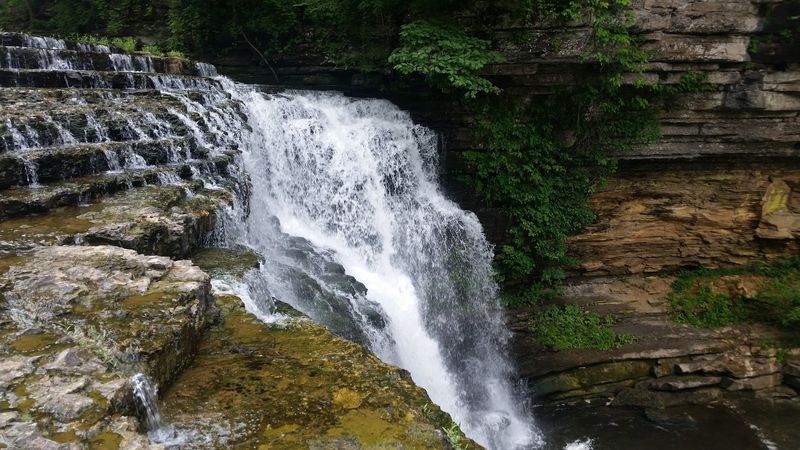
Cummins Falls does not make things easy on you, and that is part of what makes reaching it so rewarding. This 75-foot waterfall requires a moderately challenging hike that includes scrambling over rocks, wading through the Blackburn Fork State Scenic River, and navigating uneven terrain that keeps you fully engaged from trailhead to cascade.
Tennessee State Parks manages this area, and they are upfront about the adventure required. You will get wet, you will use your hands to steady yourself on boulders, and you might slip a time or two. Proper footwear with good grip is not optional—water shoes or hiking boots that can handle moisture work best.
The payoff hits you as you round the final bend and see the falls thundering into a wide pool surrounded by layered rock formations. The swimming hole at the base invites you to cool off after the hike, and on hot summer days, you will find plenty of people doing exactly that. The water stays refreshingly cold year-round, fed by the river that carves through this rugged gorge.
The hike covers roughly two miles round trip, but the terrain makes it feel longer. Budget at least two to three hours for the full experience, including time to swim and explore. Park rangers recommend visiting during weekdays or arriving early on weekends to avoid crowds, as parking fills up fast during peak season.
Safety is taken seriously here. The park requires permits during busy summer months to manage visitor numbers and protect both people and the natural environment. Check conditions before you go, as high water levels can close access to the falls.
This is the kind of Tennessee adventure that leaves you tired, soaked, and completely satisfied.
10. Explore the Lost Sea Adventure in Sweetwater
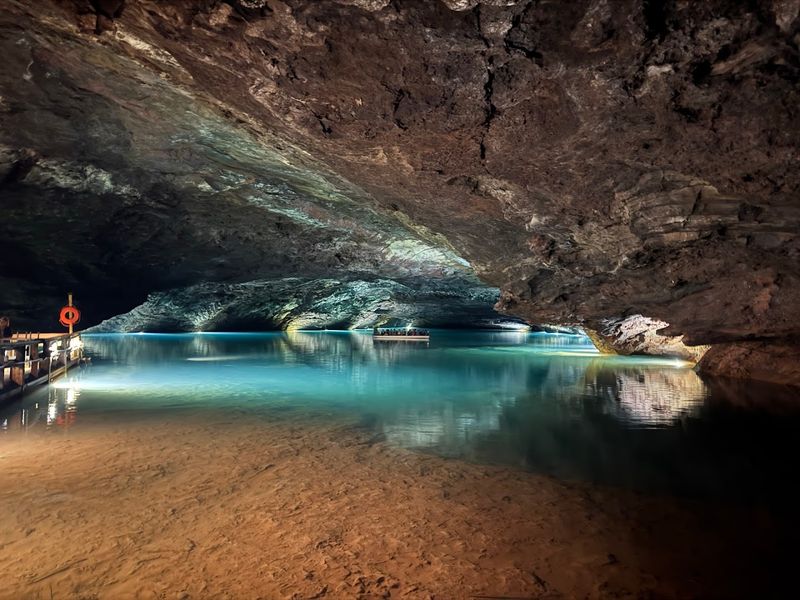
Riding a boat across an underground lake inside a mountain qualifies as one of the stranger experiences Tennessee offers. The Lost Sea holds the title as America’s largest underground lake, and exploring it feels like something out of an adventure novel rather than a typical tourist attraction.
The tour starts with a descent into Craighead Caverns, where guides lead you through passages filled with stalactites, stalagmites, and formations that have been growing for thousands of years. The cave maintains a constant 58 degrees year-round, so bringing a light jacket makes sense even on the hottest summer days.
After walking through several cavern rooms and hearing about the cave’s history—including its use by Cherokee people, Civil War soldiers, and Prohibition-era moonshiners—you reach the shoreline of the Lost Sea. The lake stretches into darkness beyond what lights can reach, covering over four acres that have been mapped, with additional unexplored sections that may extend much farther.
Glass-bottom boats carry visitors across the crystal-clear water, where you can see massive rainbow trout swimming below. These fish were stocked decades ago and have grown to impressive sizes in the constant environment. The guides explain the geology, the discovery of the lake, and the ongoing exploration efforts that continue to reveal new passages.
The cave system also includes the Council Room, a large chamber with exceptional acoustics where early visitors held dances and events. Standing in that space, imagining parties happening hundreds of feet underground, adds another layer of oddity to the whole experience.
Above ground, the property includes a nature trail and a small museum with artifacts found in the cave. The village of Sweetwater itself is quiet and unassuming, making the massive underground world beneath it even more surprising.
11. Go waterfall chasing at Fall Creek Falls State Park
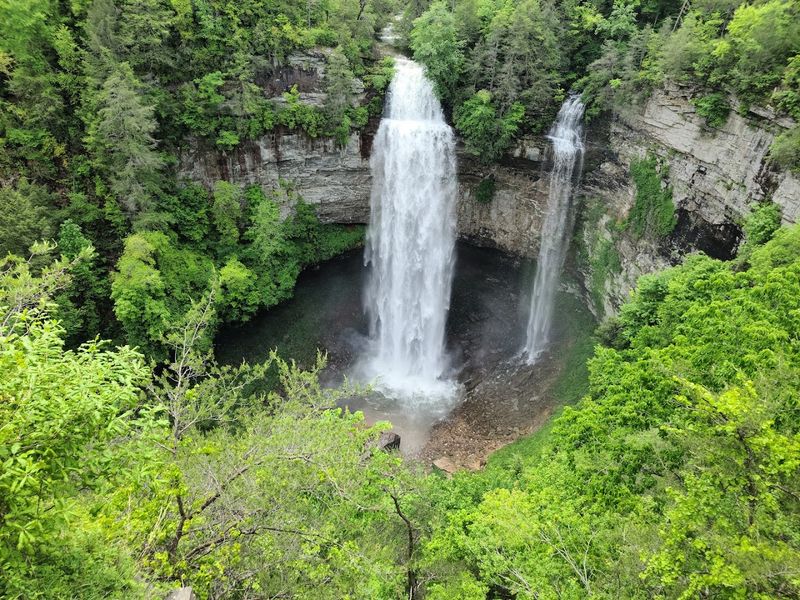
Fall Creek Falls drops 256 feet into a massive gorge, making it one of the tallest waterfalls east of the Mississippi River. That single waterfall would be enough to draw visitors, but the state park that shares its name packs in several more cascades, deep gorges, and overlooks that could keep you busy for days.
The park spreads across more than 26,000 acres of Cumberland Plateau terrain, offering everything from easy overlook walks to challenging backcountry trails. You can see the main falls from a paved overlook that requires minimal effort, or you can hike down to the base where the full scale of the drop becomes clear. Standing at the bottom, watching that much water thunder down, creates a perspective that photos cannot capture.
Beyond Fall Creek Falls, the park includes Cane Creek Falls, Cane Creek Cascades, Piney Falls, and several smaller cascades. Each waterfall has its own character—some wide and powerful, others narrow and delicate. Chasing all of them in a single day makes for an excellent adventure, though you will rack up serious mileage on your hiking boots.
The gorges here cut deep into the plateau, creating dramatic views and exposing layers of rock that tell geological stories stretching back millions of years. Overlooks positioned along the rim offer sweeping vistas across forested valleys, especially stunning during fall when the hardwoods explode in color.
The park also maintains a full-service resort inn, cabins, campgrounds, and even a golf course for visitors who want to extend their stay. The Nature Center provides educational programs about the park’s ecology, wildlife, and history.
Spring brings the highest water flows, making waterfalls especially impressive, while autumn offers the best foliage. Summer weekends draw crowds, but the park’s size means you can still find quiet trails and peaceful moments if you venture beyond the main attractions.
12. Walk across the Walnut Street Bridge in Chattanooga
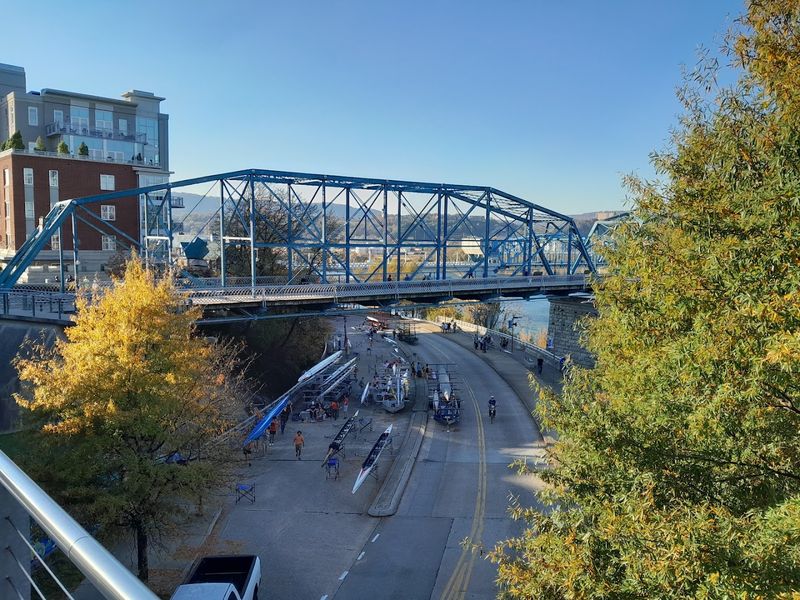
The Walnut Street Bridge stretches 2,376 feet across the Tennessee River, connecting downtown Chattanooga to the North Shore district. Built in 1890, it served car traffic until the 1970s, when structural issues forced its closure. Rather than tear it down, the city transformed it into one of the longest pedestrian bridges in the world, and it has become one of Chattanooga’s most beloved landmarks.
Walking across gives you unobstructed views of the river, the downtown skyline, and the surrounding mountains. The bridge sits low enough that you feel connected to the water, watching boats pass underneath and seeing fishermen casting lines from the banks. It is a simple pleasure, but sometimes the simple experiences stick with you longest.
The North Shore side offers a quirky, artsy neighborhood filled with local shops, coffee houses, and restaurants. Wandering these streets after crossing the bridge makes for a perfect afternoon, especially if you are in the mood to browse record stores, vintage shops, or galleries showcasing local artists.
The bridge also serves as a starting point for the Riverwalk, a paved trail system that follows the Tennessee River for miles in both directions. Runners, cyclists, and walkers use it daily, making it a hub of activity that reflects Chattanooga’s outdoor-oriented culture.
Events happen on and around the bridge throughout the year, from organized runs to festivals that celebrate the city’s history and creativity. The bridge itself has become a symbol of Chattanooga’s transformation from an industrial city struggling with pollution to a vibrant destination known for innovation and quality of life.
13. Ride the Lookout Mountain Incline Railway
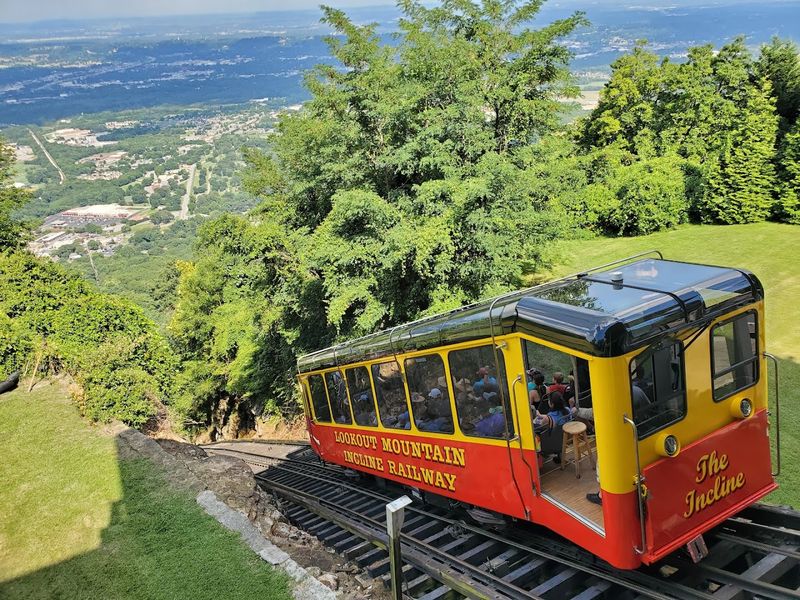
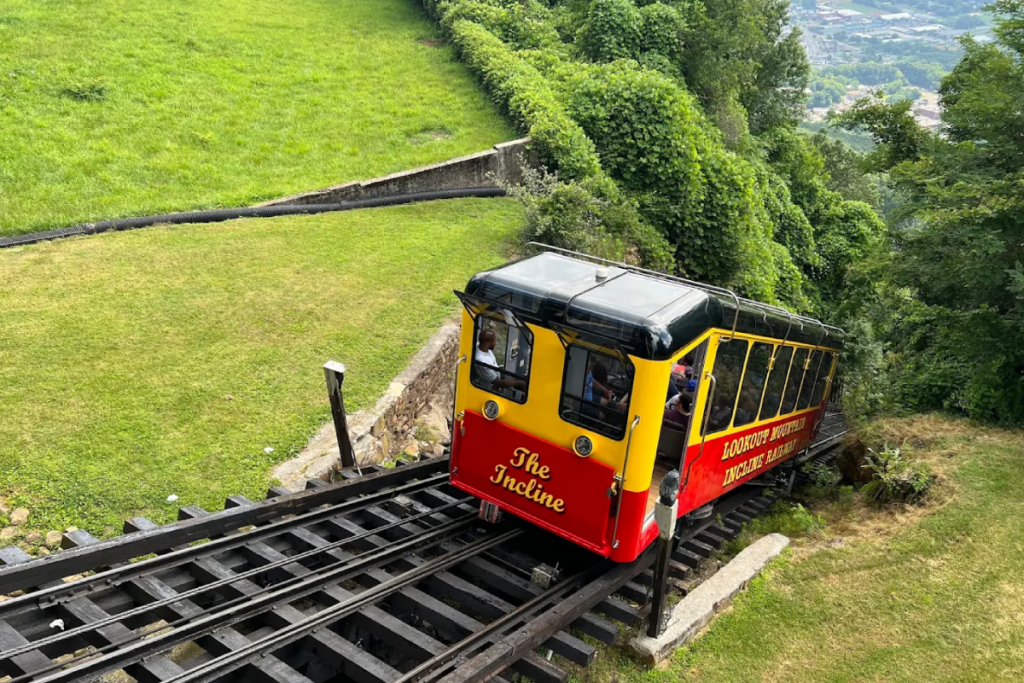
The Lookout Mountain Incline Railway climbs at a grade that reaches 72.7 percent, making it one of the steepest passenger railways in the world. Riding it feels slightly unnatural at first—your body expects to tip backward as the car angles up the mountainside, pulled by cables that have been hauling passengers since 1895.
The ride covers just under a mile but gains over 1,000 feet in elevation. Through the car’s windows, you watch Chattanooga spread out below, the Tennessee River winding through the valley, and the surrounding mountains creating layers of blue ridges in the distance. The view improves with every hundred feet gained.
At the top, you step out into a different world. The air feels cooler, the perspective shifts, and suddenly you are standing on Lookout Mountain with access to multiple attractions and trails. Rock City Gardens sits nearby, offering massive rock formations, gardens, and the famous See Seven States viewpoint.
Ruby Falls, an underground waterfall inside the mountain, provides another unique experience.
The Incline itself qualifies as touristy in the best possible way. It has been operating for over a century; it delivers exactly what it promises, and it does so with vintage charm that modern attractions cannot replicate. The cars retain their historic character while meeting modern safety standards, creating a ride that feels both nostalgic and thrilling.
Visitors can ride up and walk down via the trail that parallels the tracks, or ride both directions. The downhill trip offers a different perspective, and watching the next car climb toward you as you descend creates an interesting visual dynamic.
The Incline operates year-round, with each season offering different rewards. Fall foliage makes the ride spectacular, while summer evenings provide cooler temperatures and sunset views that stretch across multiple states.
This is classic Chattanooga, the kind of experience that has been delighting visitors for generations and shows no signs of losing its appeal. Sometimes the old attractions remain popular because they simply work.
14. Paddle or swim at Rock Island State Park
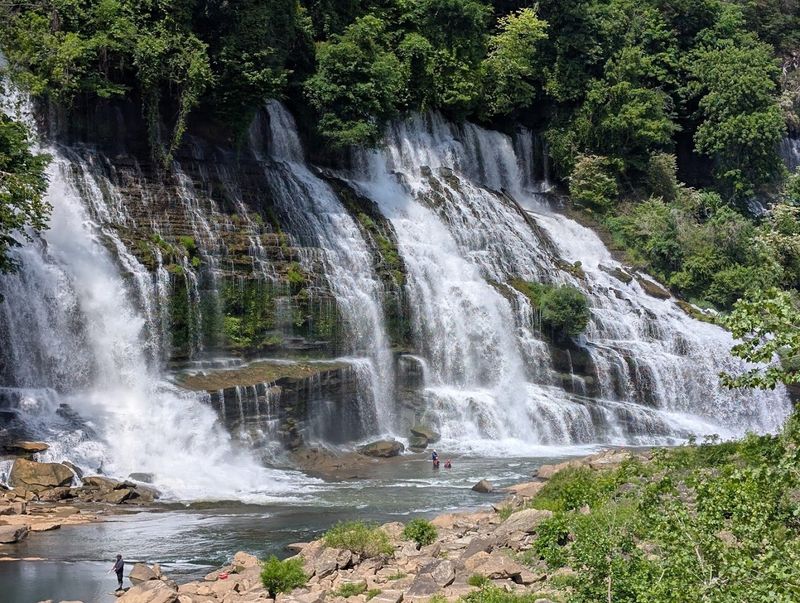
Rock Island State Park centers around the confluence of the Caney Fork River, Collins River, and Rocky River, creating a dramatic landscape of cascades, blue-green pools, and exposed rock formations that look like something from a movie set. The water here glows with an almost unreal color, especially when sunlight hits it just right.
Twin Falls serves as the park’s main attraction—a powerful double cascade that pounds into a large pool popular with swimmers and kayakers. The falls are not the tallest in Tennessee, but the volume of water and the surrounding rock amphitheater create a scene that feels cinematic. On summer weekends, you will find people jumping from rocks, floating in the pools, and soaking up the sun on the warm stone surfaces.
Paddling here ranges from mellow floats to serious whitewater, depending on where you put in and what water levels are running. The Caney Fork downstream of the dam offers excellent kayaking and canoeing, with Class II and III rapids that challenge intermediate paddlers without being overwhelming. Outfitters in the area provide rentals and shuttles for those who want to experience the river without bringing their own gear.
The park also preserves remnants of an old textile mill and dam that operated here in the early 1900s. Walking among these ruins adds a historical layer to the natural beauty, reminding visitors that this landscape has been valued and utilized for generations.
Hiking trails wind through the park, connecting different viewpoints and river access spots. Some trails are short and easy, perfect for families, while others require more effort and reward you with quieter sections of river and better wildlife viewing opportunities.
Rock Island sits about an hour east of Nashville, making it accessible for day trips but remote enough to maintain a wild feel. The combination of powerful water, striking geology, and recreational opportunities makes this one of Tennessee’s most photogenic and fun state parks.
15. Eat your way through a Tennessee barbecue road trip
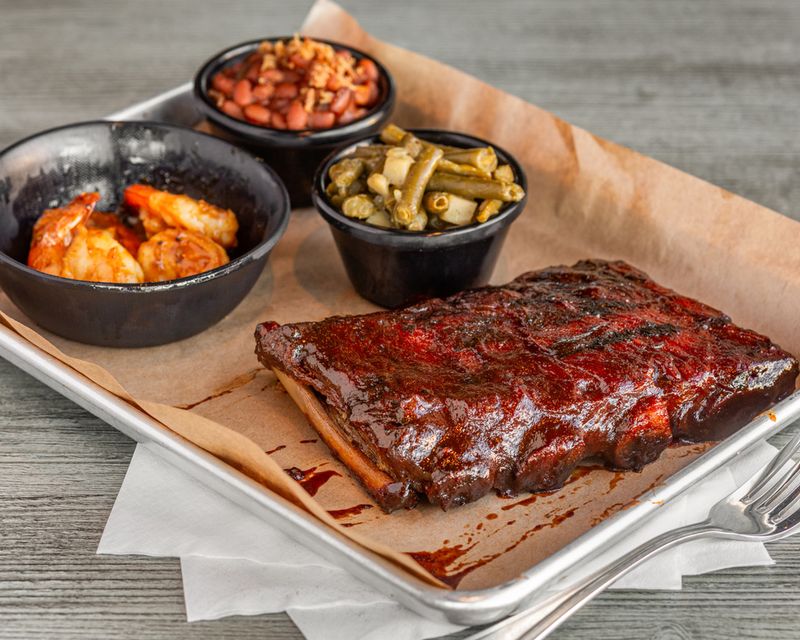
Tennessee barbecue does not follow a single style—it shifts as you drive across the state, with each region bringing its own approach to smoke, meat, and sauce. Starting in Memphis and working your way east creates a delicious education in regional differences and smoking techniques that have been perfected over generations.
Memphis owns the reputation for ribs, both wet and dry. The dry rub tradition here coats ribs in a spice blend before smoking, creating a crust that delivers flavor without drowning the meat in sauce. Wet ribs get mopped with sauce during cooking, resulting in sticky, messy, delicious racks that require extra napkins.
Pulled pork sandwiches also dominate Memphis menus, slow-smoked until the meat falls apart and served on white bread with coleslaw piled on top.
As you move into Middle Tennessee, the barbecue gets a little more varied. Nashville and surrounding areas feature everything from Texas-style brisket to whole hog barbecue, with pitmasters bringing influences from across the South. Sauce styles range from tomato-based to vinegar-forward to white sauces that show Alabama influence creeping across the border.
East Tennessee brings mountain flavors into the mix. Smaller towns hide smokehouses where locals have been perfecting their craft for decades, often in buildings that look like they might fall down but produce barbecue that makes you understand why people drive hours to get there. Pork remains king, but you will also find smoked chicken, turkey, and even bologna that somehow works when it has been kissed by hickory smoke.
Sides matter as much as the meat. Baked beans, coleslaw, mac and cheese, potato salad, and hush puppies round out plates across the state. Each restaurant has its own take, and debating which sides are best becomes part of the fun.
Planning a barbecue road trip means doing research, following local recommendations, and being willing to take chances on places that do not look like much from the outside. The best barbecue often hides in plain sight, served from small buildings with smoke rolling out the back and lines forming before they open.
Share this story