Tennessee holds more history than most people realize, tucked away in museums that go far beyond the usual tourist stops. From civil rights landmarks to secret wartime projects, these places tell the stories that textbooks often skip over. Some sit in small towns you might drive past without noticing, while others hide in plain sight in bigger cities.
If you want to understand the real Tennessee—the struggles, triumphs, and everyday lives that built this state—these 13 museums will take you there.
1. National Civil Rights Museum — Memphis
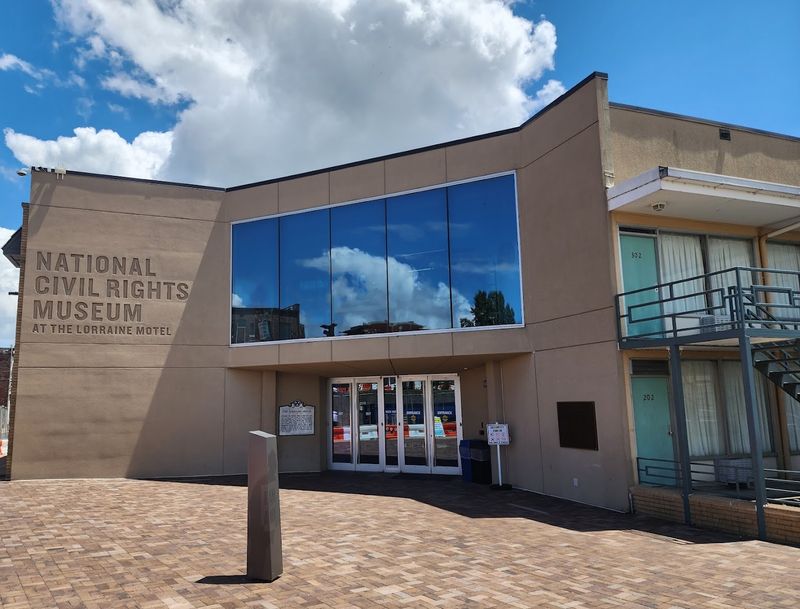
Standing on the site where Dr. Martin Luther King Jr. was assassinated, this museum doesn’t just display history—it places you inside it. The Lorraine Motel has been preserved as part of the building, and walking through those rooms creates an emotional connection that few museums can match. You see the balcony, the room, the moment frozen in time.
Inside, the exhibits trace the entire Civil Rights Movement from slavery through the present day. Interactive displays let you sit at a lunch counter, board a segregated bus, and hear firsthand accounts from people who lived through these events. The museum doesn’t soften the harsh realities or skip over uncomfortable truths.
What makes this place particularly powerful is how it connects national events to Tennessee’s specific role. Memphis was a crucial battleground for civil rights, and the museum shows how local activists, sanitation workers, and everyday citizens fought for change. The 1968 sanitation workers’ strike gets deep attention here, revealing the economic justice issues that brought Dr. King to Memphis in the first place.
Plan for at least three hours if you want to absorb everything properly. The exhibits are dense with information, videos, artifacts, and interactive elements that demand your attention. Some visitors find the experience emotionally draining, which speaks to how effectively the museum conveys the weight of this history.
Located in downtown Memphis, the museum attracts visitors from around the world, but it never feels like a typical tourist attraction. The building’s exterior alone—with its vintage motel sign and cars parked as they were in 1968—creates an eerie sense of stepping backward in time. This isn’t just Tennessee history or American history; it’s a place that forces you to confront how recent and relevant these struggles remain.
2. Tennessee State Museum — Nashville
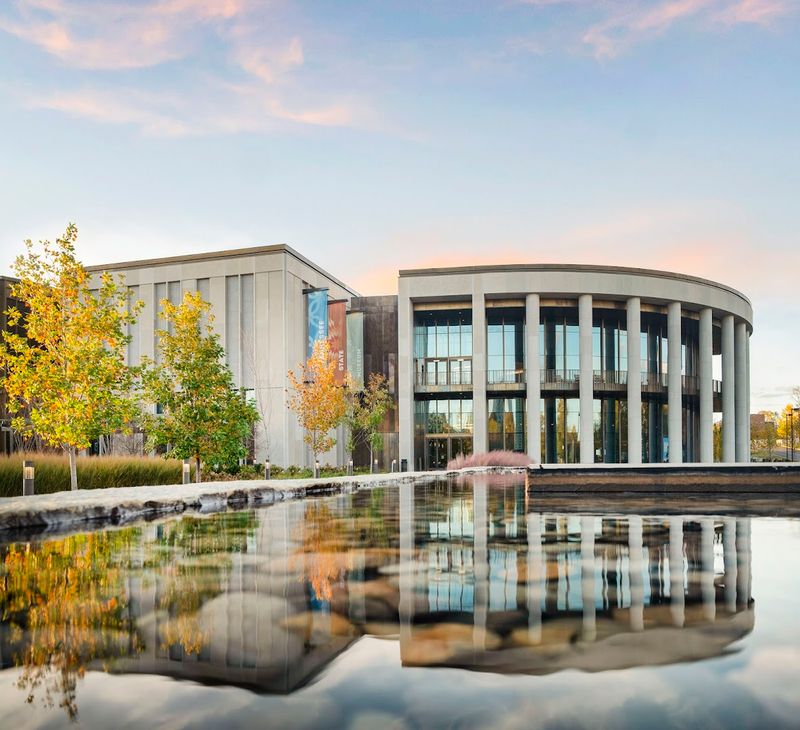
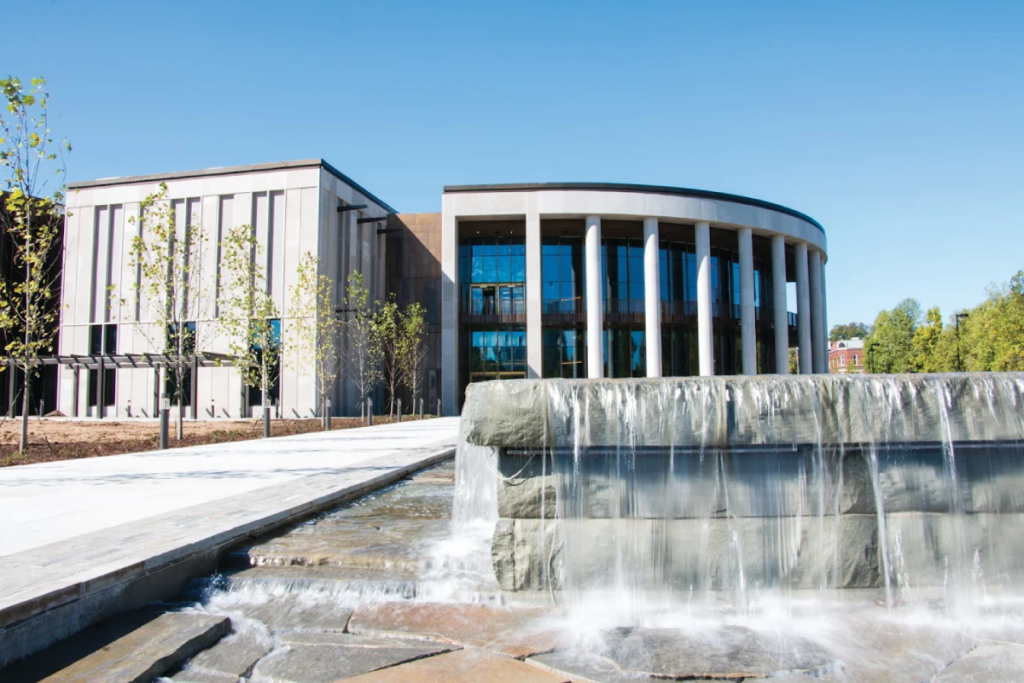
If you only visit one museum to understand Tennessee from top to bottom, make it this one. The Tennessee State Museum covers thousands of years, starting with the Indigenous peoples who lived here long before European contact and moving through every major chapter that shaped the state. It’s massive, it’s free, and it’s surprisingly engaging for a state-run institution.
The exhibits don’t follow the typical boring timeline format. Instead, they weave together stories of real Tennesseans—farmers, soldiers, musicians, politicians, enslaved people, and immigrants—showing how ordinary lives intersected with big historical moments. You’ll see everything from ancient pottery to Civil War uniforms to early country music instruments.
One standout section focuses on Tennessee’s role in westward expansion and frontier life. The displays include authentic log cabin interiors, hunting tools, and detailed explanations of how settlers and Native Americans clashed over land. It doesn’t romanticize pioneer life or ignore the violence that came with it.
The Civil War exhibits are particularly strong, showing Tennessee’s divided loyalties and the brutal battles fought across the state. You get perspectives from both Union and Confederate soldiers, as well as enslaved people who escaped to Union lines. The artifacts—weapons, letters, uniforms—make the conflict feel immediate and personal.
Located in downtown Nashville near the Bicentennial Capitol Mall, the museum opened its current building in 2018, so everything feels modern and well-designed. The layout flows logically, the lighting highlights artifacts without feeling harsh, and interactive screens add depth without overwhelming the physical objects.
Kids and adults both find plenty to hold their attention here, which isn’t always easy for a history museum covering such a broad span of time.
3. Tina Turner Museum at Flagg Grove School — Brownsville
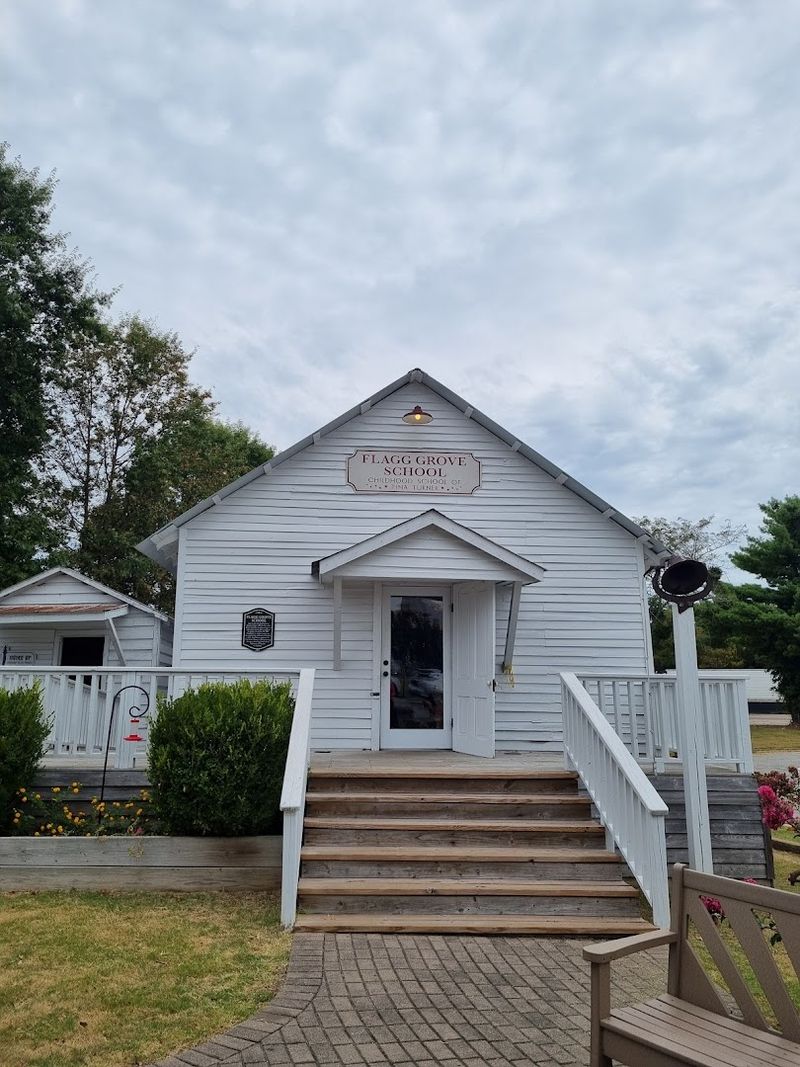
Before she became a global superstar, Tina Turner was Anna Mae Bullock, a young girl attending classes in this tiny one-room schoolhouse outside Brownsville. The building has been restored and turned into a museum that preserves both her early life and the rural African American experience in West Tennessee during the 1940s and 50s.
Walking into the schoolhouse feels like stepping into a time capsule. The desks, chalkboard, and wood stove are arranged as they would have been when Turner attended. Photos and artifacts tell the story of her childhood in Nutbush, a small community where cotton farming dominated life and opportunities were limited.
The museum doesn’t focus solely on Turner’s fame. Instead, it uses her story as a window into what life was like for Black families in the rural South during that era. You learn about the challenges of segregated education, the importance of church and community, and how music provided both escape and expression.
Displays include Turner’s costumes, awards, and memorabilia from her career, but the most moving elements are the personal items and photos from her Tennessee years. Seeing where she started makes her eventual success feel even more remarkable. The contrast between this humble schoolhouse and the stages she would eventually command is striking.
The museum is small—you can see everything in about 30 to 45 minutes—but it’s well curated and clearly maintained with care. It’s located within the West Tennessee Delta Heritage Center, so you can easily combine both visits. For music history fans and anyone interested in stories of perseverance, this place offers a unique perspective that you won’t find in Nashville’s bigger music museums.
The setting itself, surrounded by cotton fields and quiet country roads, reinforces the journey Turner made from here to worldwide fame.
4. Casey Jones Home & Railroad Museum — Jackson
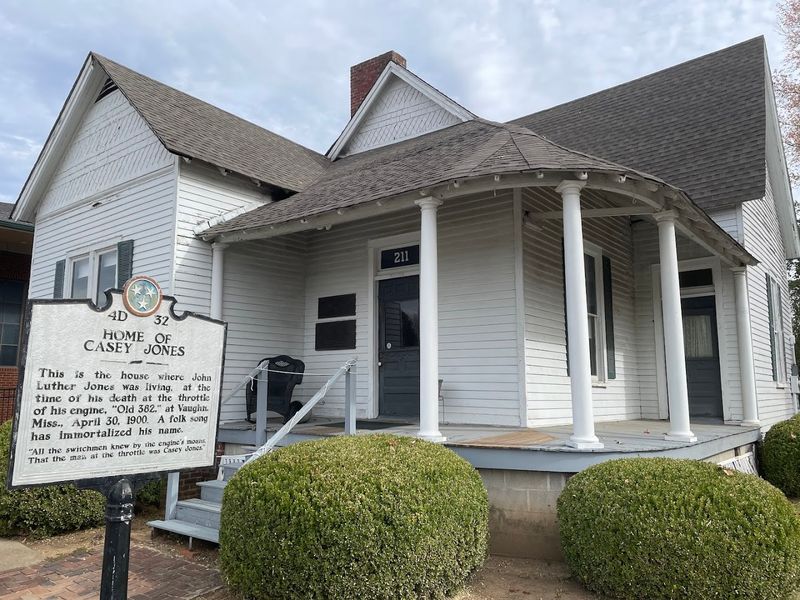
Casey Jones became a legend the night he died trying to save his passengers in a 1900 train wreck near Vaughan, Mississippi. This museum in Jackson preserves his actual home and tells the story behind the folk hero, separating fact from myth while celebrating the golden age of American railroading.
The house itself is a charming Victorian structure where Jones lived with his family. Walking through the rooms gives you a sense of middle-class life in turn-of-the-century Tennessee. Period furniture, family photos, and personal belongings make Jones feel like a real person rather than just a legend from a song.
Outside, the museum’s centerpiece is a massive 35-ton locomotive that dominates the grounds. You can climb into the cab and imagine what it took to operate these powerful machines. The size alone is impressive—seeing one up close makes you understand why railroad engineers commanded such respect and why train wrecks were so catastrophic.
Additional exhibits cover railroad history more broadly, including the role trains played in connecting rural areas, transporting goods, and shaping American commerce. Old railroad equipment, signal devices, and tools show the technical side of railroading. You’ll also find detailed accounts of the fatal wreck that killed Jones, including newspaper reports and eyewitness descriptions.
The museum does a nice job explaining why Jones became such a folk hero. His decision to stay at the controls and slow the train saved every passenger’s life, even though it cost him his own. That act of heroism, combined with the popularity of the ballad written about him, turned a railroad engineer into an American legend.
Located in Jackson’s Casey Jones Village, the museum is part of a larger complex that includes shops and restaurants. It’s a quick stop—most people spend about an hour here—but it’s well worth it for railroad enthusiasts or anyone curious about this slice of Tennessee history.
5. Alex Haley Museum and Interpretive Center — Henning
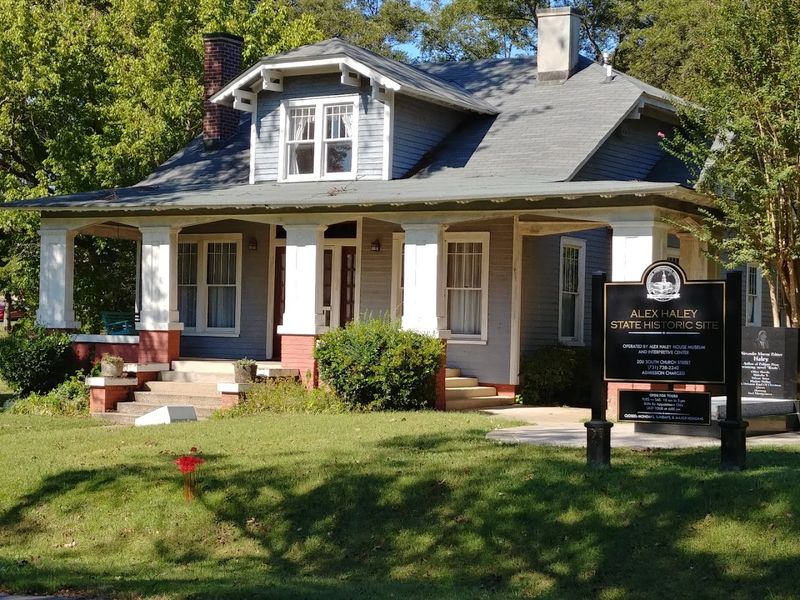
Alex Haley grew up in this house listening to his grandmother and great-aunts tell stories about their ancestors, stories that would eventually become the book Roots. The house has been preserved as a museum that honors both Haley’s literary legacy and the broader African American experience of tracing family history through slavery and beyond.
Walking through the rooms where Haley spent his childhood, you can almost hear those front porch conversations that inspired him. The house contains original furniture, family photographs, and personal items that bring the Haley family to life. Guided tours provide context about Haley’s upbringing and the strong women who shaped his understanding of his heritage.
The museum explores how Haley researched Roots, traveling to Africa and digging through archives to trace his family line back to Kunta Kinte. While some of Haley’s historical claims have been questioned over the years, the museum acknowledges these debates while celebrating the book’s massive cultural impact. Roots sparked a national conversation about slavery, family, and identity that continues today.
Beyond Haley himself, the museum addresses the challenges African Americans face when researching family history. Slavery deliberately broke family connections, and records were often nonexistent or destroyed. The exhibits show how oral history, church records, and DNA testing help people piece together their pasts.
Henning is a small town, and the museum reflects that intimate scale. This isn’t a flashy destination with crowds and gift shops; it’s a quiet, thoughtful place where you can spend time absorbing the stories without distraction. The staff members are knowledgeable and passionate about sharing Haley’s legacy.
For visitors interested in genealogy, literature, or African American history, this museum offers something special. It connects a specific Tennessee family to much larger questions about heritage, memory, and how we tell our stories. The house itself is beautifully maintained, and the surrounding neighborhood gives you a sense of the community that shaped Haley’s worldview.
6. West Tennessee Delta Heritage Center — Brownsville
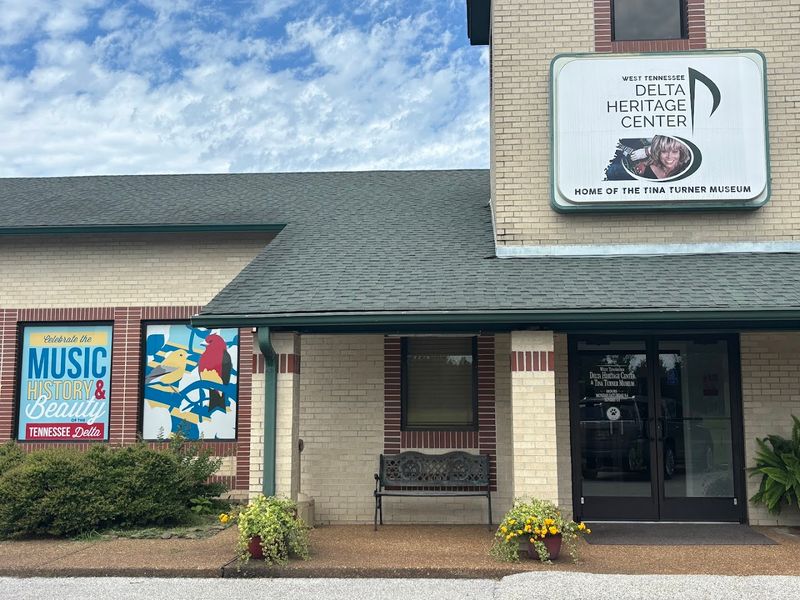
West Tennessee’s Delta region has a distinct culture shaped by cotton, the Mississippi River, blues music, and generations of hardship and creativity. This museum captures all of it, offering exhibits that explore everything from agriculture to music to the natural landscape that defines the area.
The center houses multiple museums under one roof, including the Tina Turner Museum mentioned earlier. But the broader Delta exhibits deserve their own attention. You’ll learn about cotton farming’s brutal economics, the sharecropping system that trapped families in poverty, and the slow mechanization that changed rural life forever.
Blues music gets significant space here, which makes sense given the Delta’s role in creating this uniquely American art form. Exhibits trace how enslaved people’s work songs evolved into blues, how the music spread north during the Great Migration, and which West Tennessee musicians shaped the genre. Listening stations let you hear recordings from Delta blues legends.
The Hatchie River receives attention as one of the region’s most important natural features. Exhibits explain the river’s ecology, its role in transportation and commerce, and ongoing conservation efforts. For a museum focused on human history, the environmental component adds valuable context about how landscape shapes culture.
What sets this center apart is its refusal to sanitize the Delta’s difficult history. The exhibits don’t shy away from discussing racial violence, economic exploitation, and environmental damage. At the same time, they celebrate the resilience, artistry, and community strength that emerged from these struggles.
The building itself is modern and well-designed, with plenty of natural light and thoughtful layouts. Interactive elements keep kids engaged while adults appreciate the depth of research behind each exhibit. Located in downtown Brownsville, the center serves as an anchor for understanding West Tennessee’s distinct identity.
Plan to spend at least two hours here if you want to see everything properly, especially if you’re combining your visit with the Tina Turner Museum.
7. Oaklands Mansion — Murfreesboro
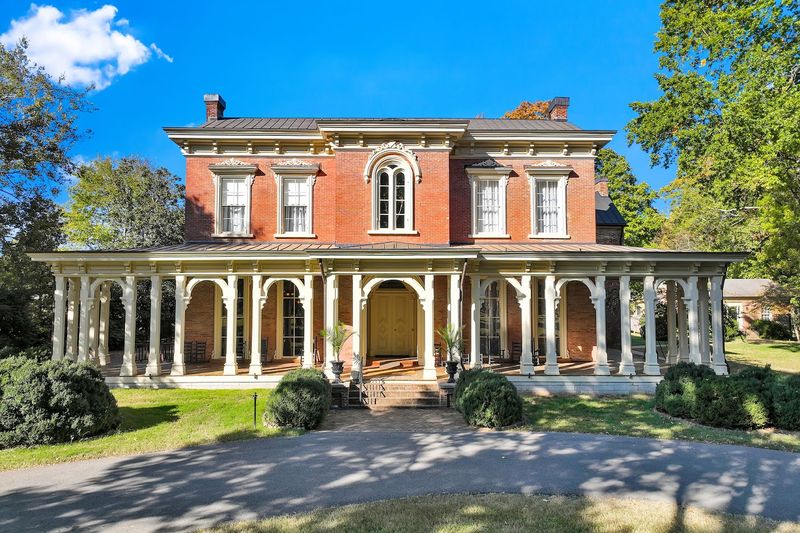
Built in stages between 1815 and 1860, Oaklands Mansion shows how a simple farmhouse grew into an elegant plantation estate as its owners’ wealth increased. The house survived the Civil War and now serves as a museum that explores antebellum life, wartime occupation, and the complex social structures of Middle Tennessee.
Tours guide you through beautifully preserved rooms filled with period furniture, decorative arts, and personal items belonging to the Maney family who built the house. Each room represents a different era of expansion, showing how architectural styles and living standards evolved. The contrast between the original simple rooms and later grand additions is striking.
Oaklands’ Civil War history is particularly significant. Murfreesboro changed hands multiple times during the conflict, and the mansion served as headquarters for both Confederate and Union officers at different points. Bullet holes in the walls and documented accounts of military occupation remind visitors that war touched even the most refined households.
The museum doesn’t romanticize plantation life. Exhibits acknowledge that enslaved people made the Maney family’s wealth possible, and recent additions explore the lives of those who worked the property. Archaeological investigations on the grounds have uncovered artifacts from slave quarters, adding physical evidence to historical records.
The mansion’s gardens and grounds are impressive in their own right. Heritage trees, period plantings, and walking paths make the property feel like a retreat from modern Murfreesboro, which has grown considerably since the 1800s. The grounds host events throughout the year, including Civil War reenactments and historical demonstrations.
Located just off the Murfreesboro town square, Oaklands offers a detailed look at how wealthy Tennesseans lived before and during the Civil War. The house itself is architecturally significant, and the guided tours provide context that helps visitors understand the social, economic, and political forces that shaped Middle Tennessee.
It’s a must-visit for anyone interested in antebellum history or Civil War studies, offering perspectives that go beyond battlefield stories.
8. President James K. Polk Home and Museum — Columbia
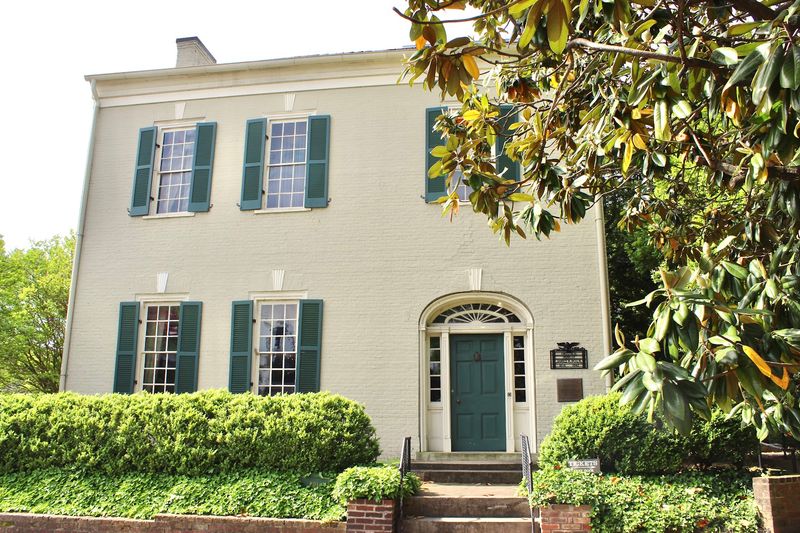
James K. Polk isn’t the most famous president, but his single term in office dramatically expanded American territory through the Mexican-American War and the Oregon Treaty. This Columbia house, where Polk lived as a young man, is the only surviving residence associated with him outside the White House, making it a rare window into his life and times.
The house dates to the early 1800s and has been restored to reflect the period when Polk’s family lived here. Period furniture, some original to the Polk family, fills the rooms. Personal items including clothing, letters, and political documents help visitors understand Polk as a real person rather than just a historical figure.
Guided tours emphasize Polk’s political career, explaining how a Tennessee politician rose to the presidency and pursued an aggressive expansion agenda. Whether you view Polk as a visionary who fulfilled America’s Manifest Destiny or a warmonger who stole Mexican territory depends on your perspective, and the museum presents enough information to let visitors form their own opinions.
The museum also explores Polk’s wife, Sarah Childress Polk, who was unusually involved in his political career for a 19th-century First Lady. She served as his advisor, managed correspondence, and hosted influential Washington figures. Her intelligence and political savvy made her a true partner in Polk’s presidency.
Beyond the Polk family specifically, the house offers insights into upper-middle-class life in antebellum Tennessee. The architecture, furnishings, and daily life details show how successful families lived in this era. The contrast between this comfortable but not extravagant home and the plantation mansions of the wealthiest Tennesseans is instructive.
Columbia’s downtown location makes the museum easy to visit, and the staff members are knowledgeable about both Polk’s presidency and Tennessee history. For visitors interested in American expansion, 19th-century politics, or presidential history, this museum provides depth that you won’t find in general history books. It’s a focused, well-maintained site that punches above its weight in historical significance.
9. Historic Rugby — Rugby
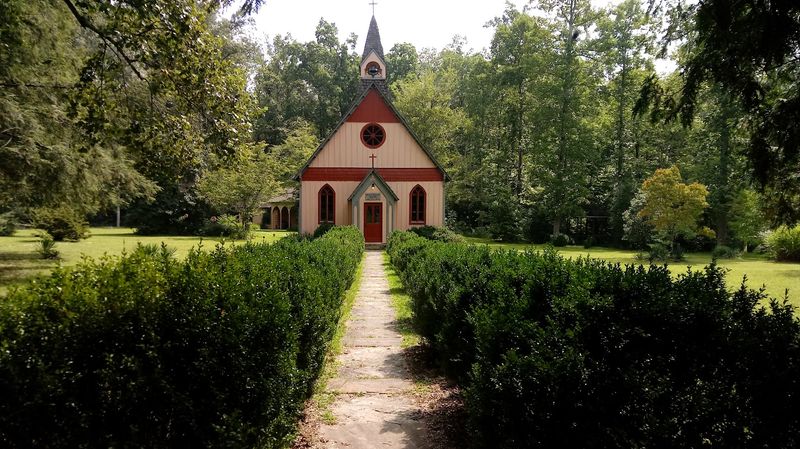
In 1880, British author and social reformer Thomas Hughes founded Rugby as a utopian colony where younger sons of English gentry could build new lives without the rigid class restrictions of Britain. The experiment ultimately failed, but the village survived, and today it’s one of Tennessee’s most unusual historical sites—a preserved Victorian community tucked into the Cumberland Plateau.
Walking through Rugby feels like entering another world. The original Victorian buildings still stand, including Hughes’ house, a boarding house, a schoolhouse, and the impressively stocked Hughes Public Library. The architecture is distinctly English, which looks wonderfully out of place in the Tennessee mountains.
The library deserves special mention. It contains over 7,000 volumes, many original to the colony, including rare Victorian-era books that were cutting-edge literature when Rugby was founded. The collection reflects Hughes’ belief that culture and education were essential to building a better society.
Seeing these books in their original setting makes you understand the colonists’ idealism and ambition.
Tours explain why Rugby was founded, who came here, and why the colony struggled. The settlers faced harsh winters, poor soil, disease, and the reality that most of them had no practical farming or building skills. Many left within a few years.
Those who stayed adapted, and a small community persisted even after the utopian dream faded.
The village’s setting is breathtaking. Surrounded by forest and situated on the plateau’s edge, Rugby offers hiking trails, scenic overlooks, and a sense of isolation that helps you imagine what early colonists experienced. The natural beauty makes the site feel almost magical, especially in fall when the leaves change.
Rugby hosts special events throughout the year, including Victorian teas, historic craft demonstrations, and literary festivals. The bed-and-breakfast lodgings let you stay overnight in restored historic buildings, which adds to the immersive experience. For anyone interested in utopian experiments, Victorian culture, or just unusual Tennessee history, Rugby is absolutely worth the trip to this remote corner of the state.
10. Sutton Homestead — Granville
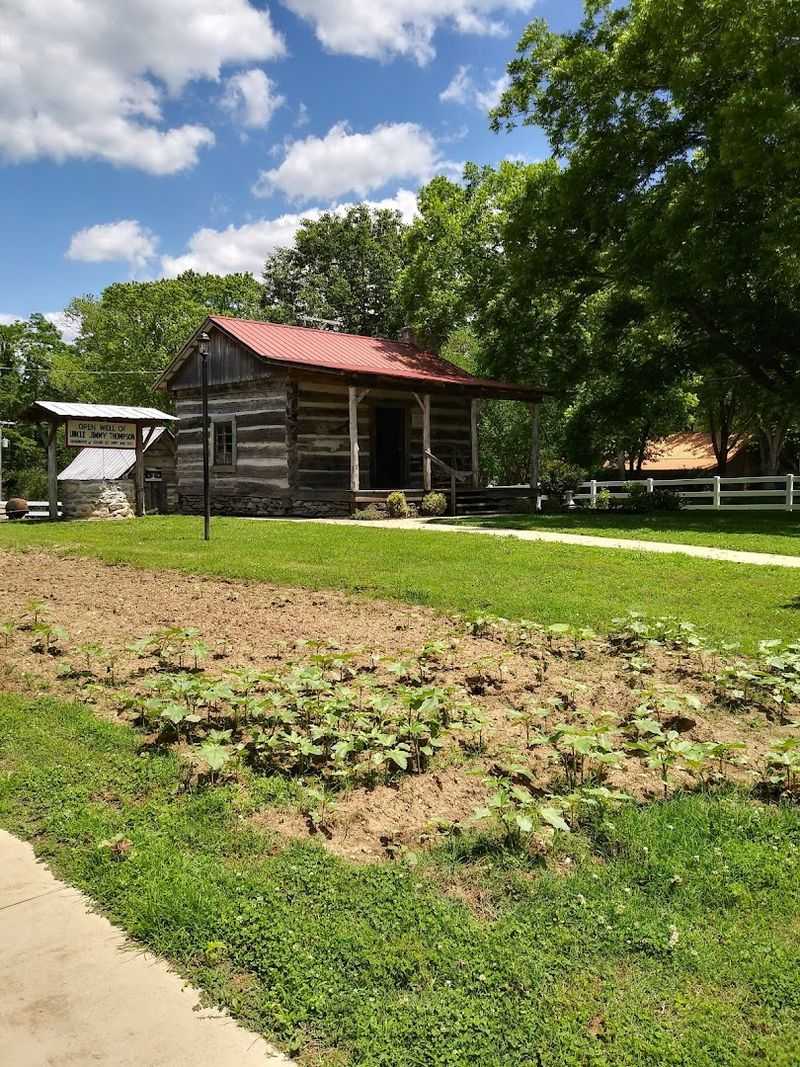
The Sutton Homestead preserves a working farm that dates back generations, offering visitors a hands-on look at rural Tennessee life before modern conveniences changed everything. Unlike museums that simply display old tools behind glass, this site lets you see traditional farming methods, heritage crafts, and sustainable living practices in action.
The property includes original log structures, barns, gardens, and outbuildings that show how families lived off the land. Depending on when you visit, you might see demonstrations of blacksmithing, weaving, soap making, or food preservation. These aren’t performances for tourists—they’re practical skills being kept alive by people who value traditional knowledge.
What makes the Sutton Homestead particularly interesting is its focus on Appalachian culture and self-sufficiency. The farm grows heritage vegetables, raises traditional livestock breeds, and uses techniques passed down through generations. You learn how people made do with what they had, wasting nothing and finding creative solutions to everyday problems.
The site hosts workshops throughout the year where visitors can learn skills like basket weaving, natural dyeing, or heritage cooking. These programs attract both curious tourists and serious students of traditional crafts. The instructors know their subjects deeply and share information generously.
Children especially enjoy the farm animals and the chance to see how families lived without electricity, running water, or grocery stores. For kids raised in cities or suburbs, the homestead provides a tangible connection to the past that history books can’t match. Touching tools, smelling wood smoke, and tasting food cooked over an open fire creates memories that stick.
Located in Jackson County near the Kentucky border, the Sutton Homestead requires some effort to reach, but that remoteness is part of its appeal. The setting feels genuinely rural, surrounded by hills and farmland that haven’t changed much in a century. For visitors interested in Appalachian heritage, sustainable living, or traditional crafts, this site offers authentic experiences that are increasingly rare.
It’s a working preservation of Tennessee’s agricultural past, not just a static museum.
11. Museum of Appalachia — Clinton
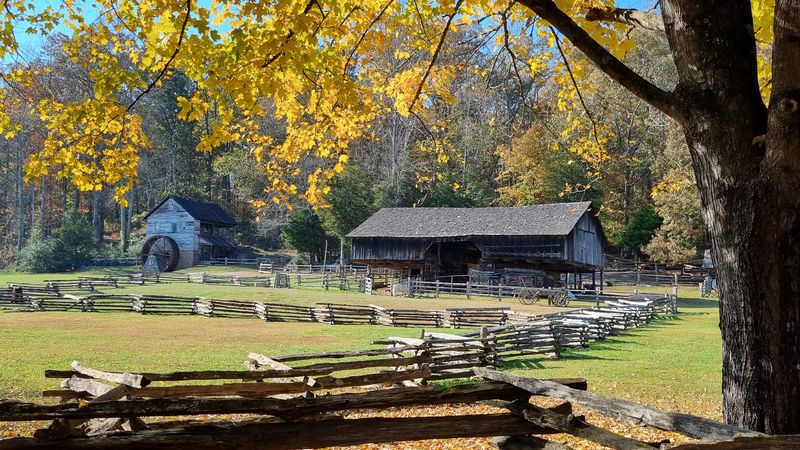
With more than 250,000 artifacts spread across 65 acres, the Museum of Appalachia is less a traditional museum and more a preserved mountain village. Founder John Rice Irwin spent decades collecting tools, furniture, clothing, photographs, and entire buildings from across Appalachia, creating what may be the most comprehensive collection of mountain culture anywhere.
The site includes over 30 historic log structures moved here from across the region. You can walk through authentic cabins, barns, schoolhouses, and churches, each filled with period-appropriate items. These aren’t reconstructions or replicas—they’re actual buildings where real families lived, worked, and worshiped generations ago.
What sets this museum apart is the sheer volume and variety of artifacts. Every building is packed with objects: hand tools, musical instruments, quilts, toys, farming equipment, and household items. The collection could easily feel overwhelming, but the abundance itself tells a story about mountain resourcefulness and the material culture that sustained isolated communities.
The museum’s approach to interpretation is old-school and personal. Many items have handwritten labels explaining their use and the people who owned them. Irwin’s voice comes through in these descriptions, sharing stories he collected along with the objects.
It feels less like a professional institution and more like someone’s incredibly thorough family collection.
Live demonstrations happen regularly, especially during the museum’s famous Fall Homecoming festival. You can watch blacksmiths, weavers, musicians, and craftspeople practicing traditional skills. The museum also hosts one of the best old-time music events in the region, attracting musicians who keep Appalachian musical traditions alive.
Located in Clinton, just outside Knoxville, the museum requires several hours to explore properly. The outdoor setting means you’ll do a lot of walking, so wear comfortable shoes and check the weather. For anyone interested in Appalachian culture, folk art, traditional crafts, or rural history, this place is absolutely essential.
It’s not polished or modern, but that’s exactly what makes it valuable—it preserves a way of life that’s rapidly disappearing.
12. Green McAdoo Cultural Center — Clinton
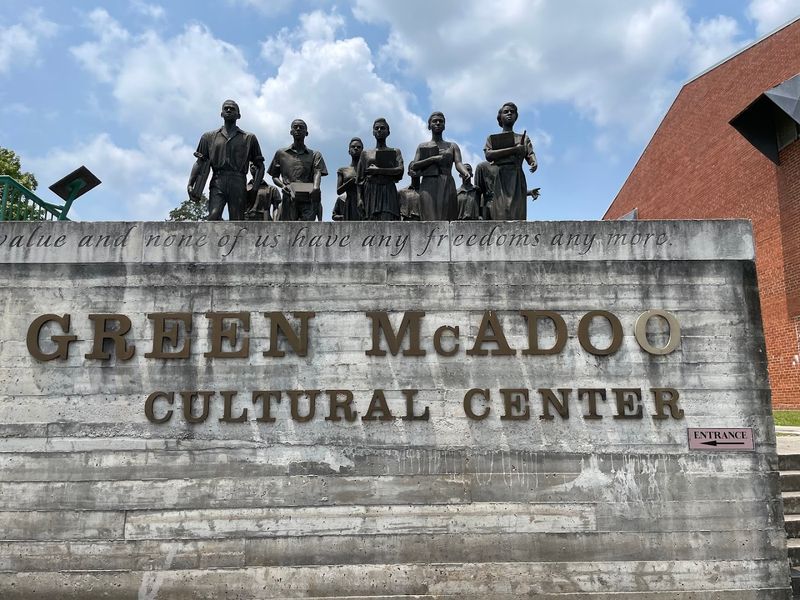
In 1956, twelve Black students integrated Clinton High School, becoming the first group to desegregate a public school in the South following Brown v. Board of Education. Their courage triggered violent opposition, death threats, and a bombing that destroyed the school.
The Green McAdoo Cultural Center preserves this crucial but often overlooked chapter of Civil Rights history.
The center tells the Clinton 12’s story through photographs, newspaper clippings, oral histories, and artifacts from the integration crisis. You learn each student’s name, see their faces, and understand what they endured. These weren’t activists seeking confrontation—they were teenagers who simply wanted an education and found themselves at the center of a national crisis.
Exhibits detail the community’s response, which included both violent resistance and quiet support. The Ku Klux Klan held rallies, white students harassed the Black students, and segregationists bombed the school. But some white residents, teachers, and students also showed courage by refusing to join the violence and treating the Clinton 12 with decency.
The center also explores the aftermath and long-term effects. Several of the Clinton 12 went on to successful careers, but the trauma of those years stayed with them. The museum includes recent interviews where survivors reflect on their experiences and the ongoing struggle for racial justice.
What makes this museum particularly valuable is how it highlights a Civil Rights story that deserves much wider recognition. Little Rock’s Central High School integration gets far more attention, but Clinton’s desegregation happened first and faced similar violence. By preserving this history, the center ensures that the Clinton 12’s bravery isn’t forgotten.
The building itself is named for Green McAdoo, the principal of the Black school that closed when integration occurred. The center serves as both a museum and a community space, hosting educational programs and events that connect past struggles to present challenges. For visitors interested in Civil Rights history, this museum offers an essential Tennessee story that textbooks often miss.
13. American Museum of Science and Energy — Oak Ridge

Oak Ridge didn’t exist before World War II. The government built it in secret as part of the Manhattan Project, bringing thousands of workers to Tennessee to enrich uranium for the atomic bomb. The American Museum of Science and Energy tells this extraordinary story, exploring both the scientific breakthroughs and the ethical questions that still surround nuclear weapons.
The museum explains the Manhattan Project in accessible terms, showing how scientists figured out uranium enrichment and what role Oak Ridge played in the greater effort. Interactive exhibits let you understand nuclear fission, see replicas of early equipment, and learn about the massive scale of the operation. Oak Ridge processed the uranium used in the Hiroshima bomb.
Beyond the bomb itself, the museum explores Oak Ridge’s unique social history. The city was built practically overnight, with housing, schools, stores, and infrastructure created for workers who didn’t know what they were building. Secrecy was absolute—even spouses couldn’t discuss their work.
The exhibits include photographs, personal accounts, and artifacts from this strange, isolated wartime community.
The museum doesn’t ignore the moral dimensions of nuclear weapons. Exhibits address the devastation in Hiroshima and Nagasaki, the arms race that followed, and ongoing debates about nuclear proliferation. You’re encouraged to think critically about scientific progress, military necessity, and human costs.
Oak Ridge continued as a major scientific research center after the war, and the museum covers this legacy too. Exhibits on nuclear energy, medical isotopes, and other peaceful applications show how the technology developed for destruction found other uses. The museum maintains connections to Oak Ridge National Laboratory, one of the nation’s premier research facilities.
The building itself is modern and well-designed, with hands-on exhibits that make complex science understandable. Kids enjoy the interactive elements while adults appreciate the historical depth. Located in Oak Ridge, the museum is part of a larger Manhattan Project National Historical Park that includes other sites around the city.
For anyone interested in World War II history, scientific advancement, or Tennessee’s role in world-changing events, this museum offers a fascinating and thought-provoking experience.