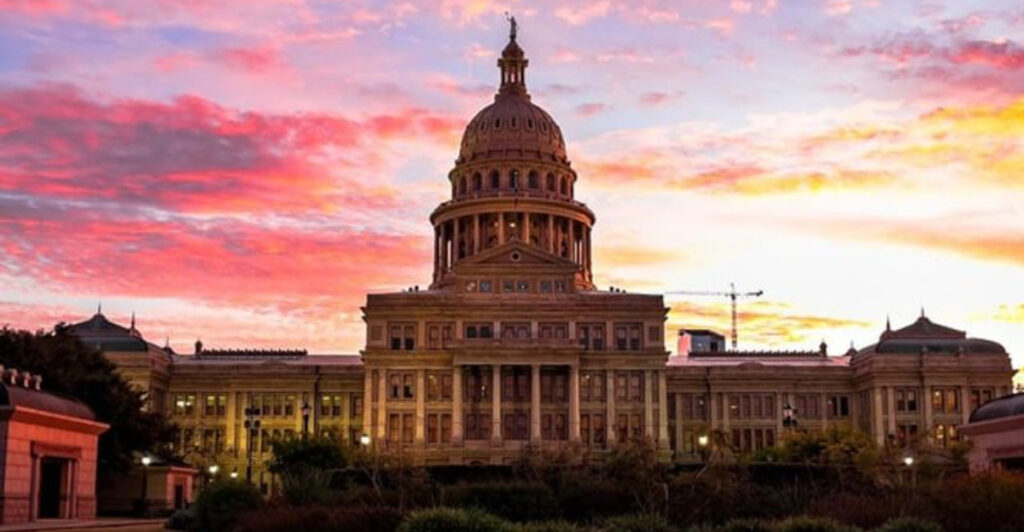
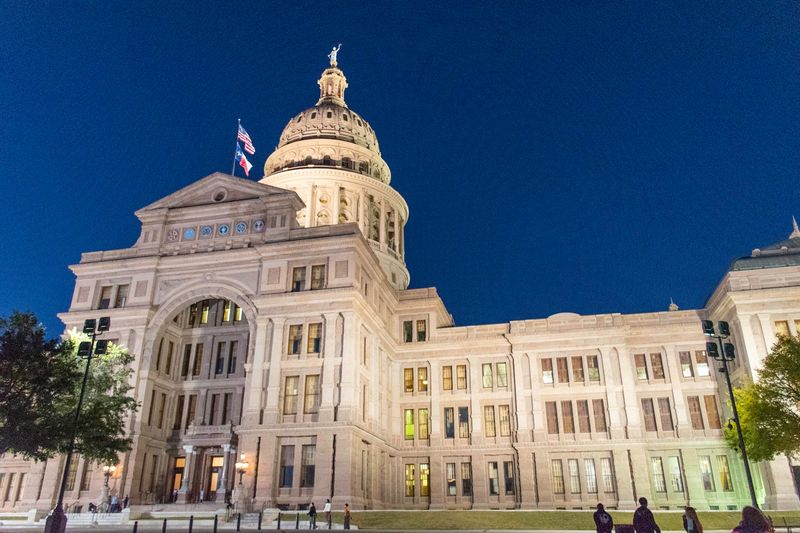
Standing tall in the heart of Austin, the Texas State Capitol is a jaw-dropping monument to both history and architecture. Built in the late 1880s for a staggering price tag of over $3 million—which translates to roughly $100 million today—this Renaissance Revival masterpiece still commands attention from every angle. Whether you’re a history buff, an architecture fan, or just someone who loves exploring iconic landmarks, this building and its sprawling grounds offer something special that feels uniquely Texan.
1. The Pink Granite That Traveled 75 Miles By Oxcart
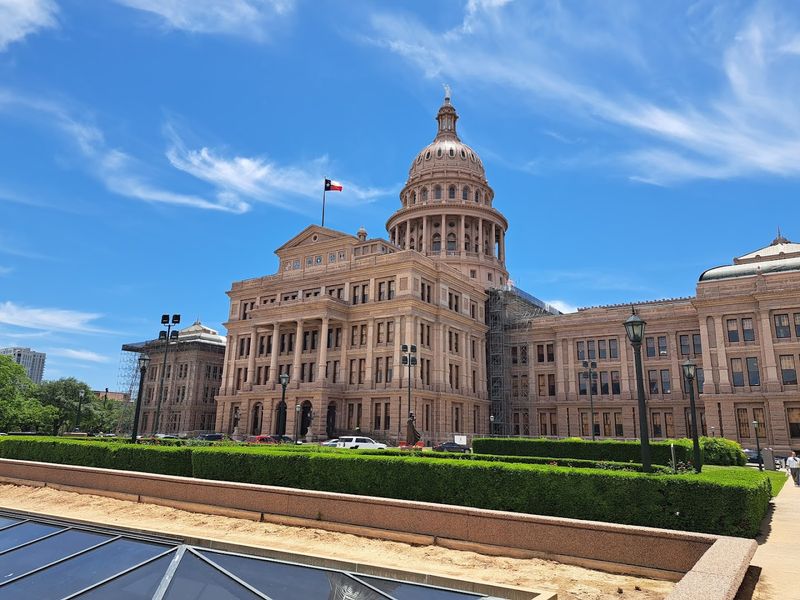
Forget boring gray stone. The Texas Capitol shines in what’s officially called “Sunset Red” granite, quarried from Granite Mountain near Marble Falls. Getting those massive blocks to Austin wasn’t exactly a quick trip—oxcarts hauled the stone 75 miles over rough terrain, one slow load at a time.
The choice of Texas granite wasn’t just about looks. Originally, the builders planned to use limestone, but it started deteriorating almost immediately during construction. State officials scrambled for a solution and landed on granite from the Hill Country, which turned out to be both tougher and way more striking.
Today, that rosy hue gives the building a warmth you don’t see in most government structures. When sunlight hits the facade just right, especially during golden hour, the whole building seems to glow. Visitors often comment on how different it looks compared to the stark white capitols in other states.
Walking up close, you can run your hands along the stone and feel the texture of something that’s been standing strong for over 130 years. The granite has held up beautifully, barely showing its age despite more than a century of Texas weather. It’s a reminder that sometimes the more expensive choice really does pay off in the long run, especially when you’re building something meant to last generations.
2. Taller Than The US Capitol By Seven Feet
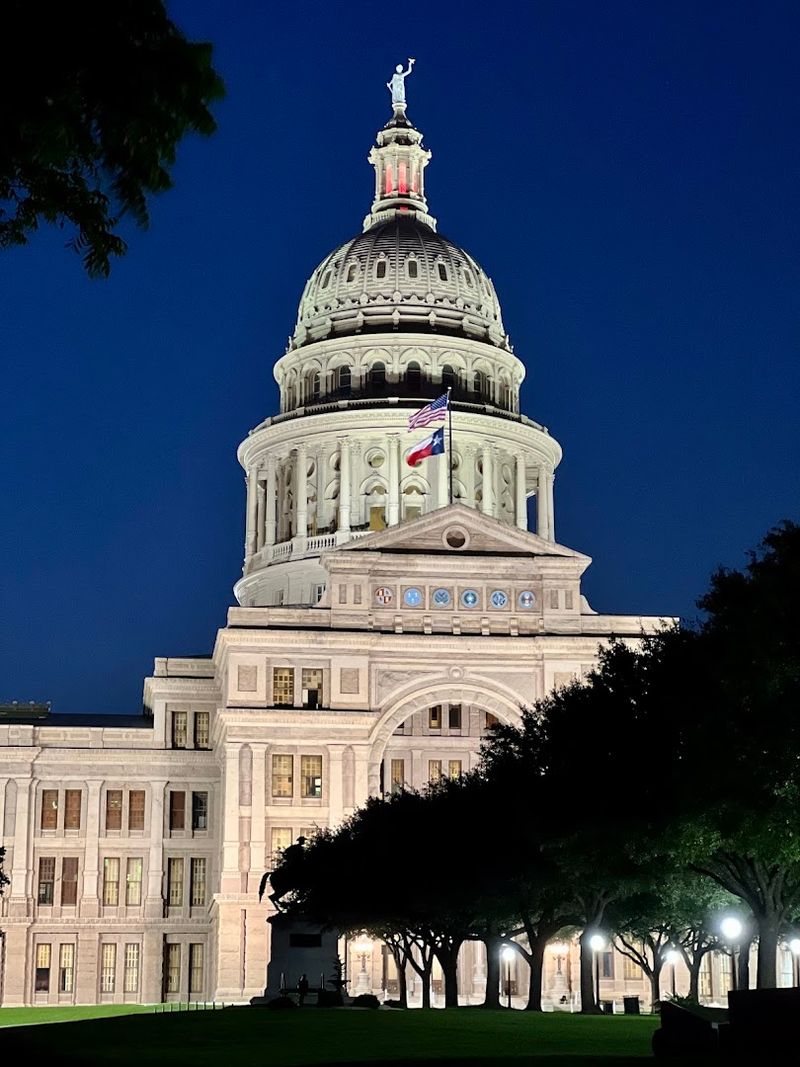
Texans don’t do anything small, and the state capitol is proof. At 302 feet tall, it stands seven feet taller than the United States Capitol in Washington, D.C. That wasn’t an accident—lawmakers wanted a building that would make a statement about Texas pride and independence.
The dome itself is an engineering marvel for its time. Topped with a zinc statue called the Goddess of Liberty, the structure required innovative construction techniques that pushed the limits of 1880s building technology. Workers had to figure out how to support all that weight while creating the soaring interior space that makes the rotunda so breathtaking.
Standing on the Capitol grounds and looking up, you really get a sense of the scale. The building dominates the Austin skyline in a way that few structures can, visible from multiple points around downtown. On clear days, that dome catches the light and becomes a beacon you can spot from surprisingly far away.
Inside, the height becomes even more impressive. Looking up from the rotunda floor to the star at the dome’s peak creates a dizzying sense of space that makes you feel tiny in the best way. The acoustics are wild too—whisper on one side of the rotunda and someone on the opposite side can hear you clearly, a quirky feature that tour guides love demonstrating to surprised visitors.
3. The Rotunda Floor’s Hidden Mosaic Messages
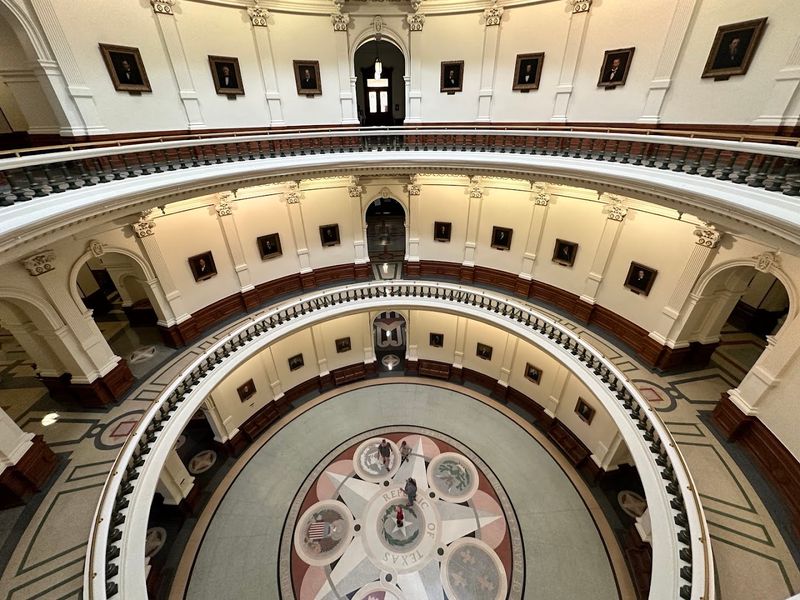
Most people walk right over one of the Capitol’s coolest features without even realizing it. The rotunda floor features an elaborate terrazzo mosaic that took Italian artisans months to complete, and it’s packed with symbolism that tells Texas’s entire story in stone and tile.
Six different national seals are built into the design, representing every government that has flown a flag over Texas: Spain, France, Mexico, the Republic of Texas, the Confederate States, and the United States. Each seal is meticulously detailed, with tiny tiles creating images that remain sharp and clear despite more than a century of foot traffic.
The craftsmanship is insane when you actually stop to look at it. Individual tiles are smaller than your fingernail in some spots, fitted together with precision that would be challenging even with modern tools. The color palette uses natural stone in shades of cream, rust, forest green, and deep burgundy to create depth and dimension.
Tour guides often point out that the floor has been walked on by millions of visitors, countless legislators, and every Texas governor since 1888, yet it still looks remarkably pristine. The terrazzo technique, which involves setting marble chips in concrete and then polishing the surface smooth, has proven nearly indestructible. Next time you’re in the rotunda, take a minute to actually look down—you’ll spot details you never noticed before, guaranteed.
4. Portraits That Watch You From Every Angle
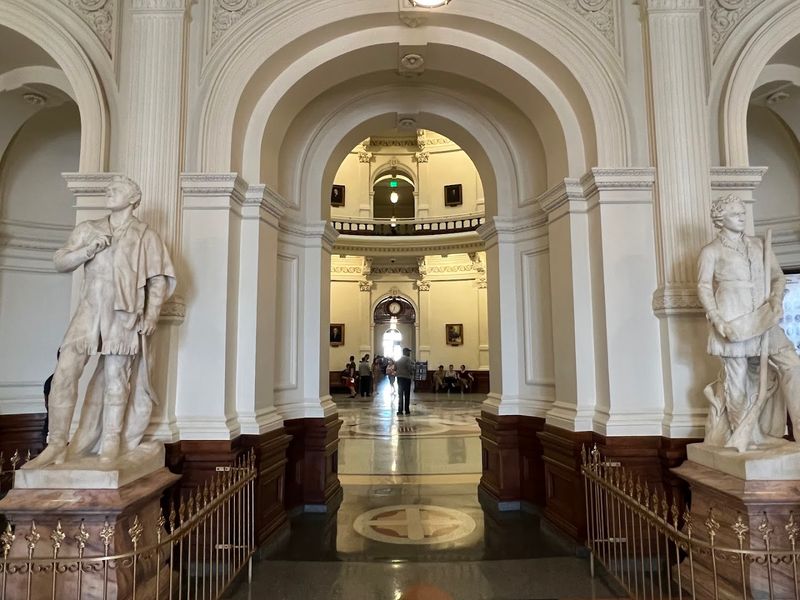
The Capitol’s walls are basically a who’s-who of Texas history, covered with portraits of governors, heroes, and significant figures who shaped the state. But these aren’t just any paintings—many were commissioned from renowned artists and are worth serious money today, both historically and monetarily.
Sam Houston’s portrait is probably the most recognized, showing the legendary leader in a pose that captures both his commanding presence and his complicated legacy. Stephen F. Austin, the “Father of Texas,” gets prominent placement too, along with dozens of governors whose names you might not remember from history class but whose decisions still impact Texas today.
What’s fascinating is how the artistic styles vary depending on when each portrait was painted. Earlier ones from the late 1800s have that formal, almost stiff quality typical of the era, while more recent additions show governors in relaxed poses that feel more approachable. The contrast creates an unintentional timeline of how portraiture itself has evolved.
Some visitors swear certain portraits’ eyes follow them as they walk past—a creepy optical illusion that’s actually a sign of skilled painting technique. The artists positioned the subjects’ gazes in ways that create that effect, making the halls feel inhabited even when they’re quiet. Walking these corridors alone after most tourists have left creates an eerie sense of being watched by history itself, which sounds dramatic but honestly captures the vibe perfectly.
5. The Underground Extension Nobody Sees From Outside
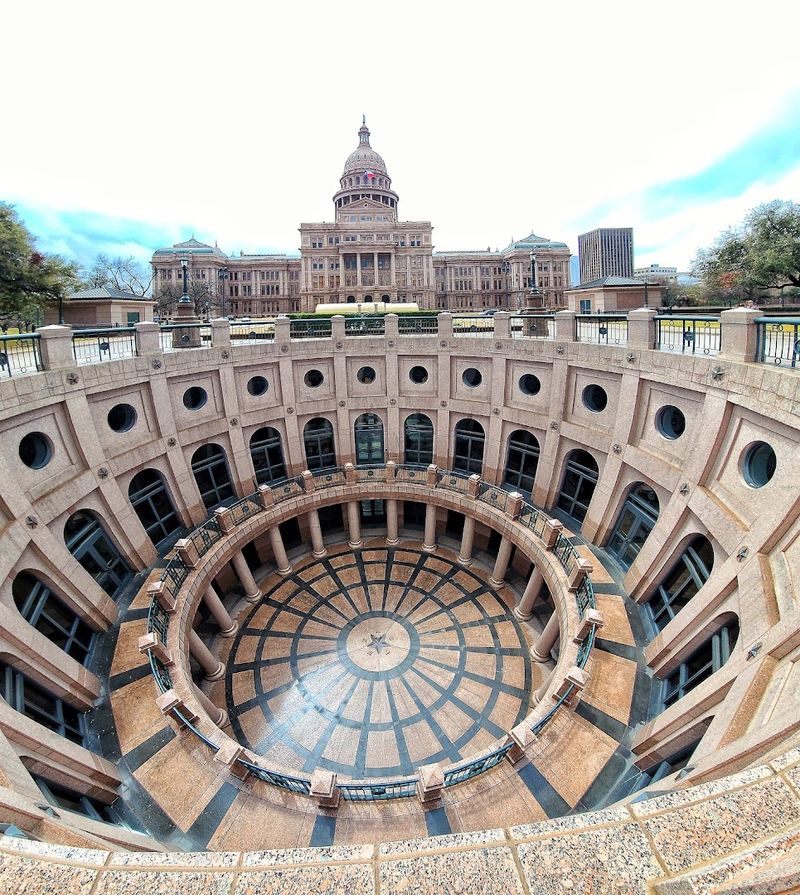
Here’s something that blows people’s minds: the Capitol has a massive four-story underground extension that’s actually bigger than the historic building above it. Completed in 1993, this addition added roughly 667,000 square feet of space without touching the original structure’s exterior or disrupting the grounds’ historic character.
The extension burrows deep beneath the north lawn, housing committee rooms, offices, a cafeteria, gift shops, and even an auditorium. Natural light floods in through a series of skylights and an open rotunda design that prevents the space from feeling like a basement. The architecture is deliberately modern, creating an interesting contrast when you move between the 1888 building and the 1993 addition.
Connecting tunnels link the old and new sections, and the transition is surprisingly seamless once you know where you’re going. First-time visitors often get turned around because the layout isn’t immediately intuitive—you might enter on what feels like ground level and then realize you’re actually several floors underground.
The extension solved a major space crunch without compromising the Capitol’s iconic appearance or the surrounding grounds that Austinites treasure. It’s a clever solution that other states have studied when facing similar preservation versus modernization challenges. Most tourists never even realize it exists unless they take a tour or need to visit specific offices, making it one of Austin’s best-kept architectural secrets hiding in plain sight beneath everyone’s feet.
6. Twenty-Two Acres Of Monuments And Texas Live Oaks
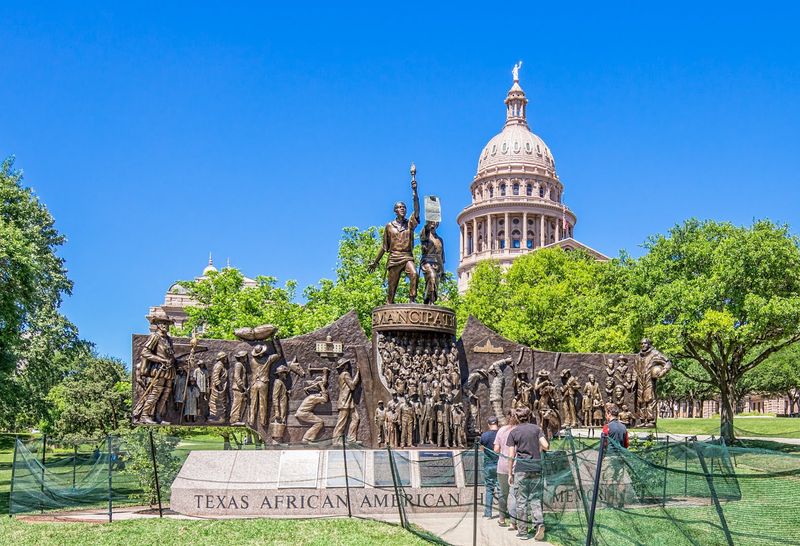
The Capitol building gets most of the attention, but the 22 acres surrounding it deserve equal time. These grounds function as both a historical park and a peaceful green space right in downtown Austin, filled with monuments, century-old live oaks, and enough room to actually breathe despite being in the middle of a busy city.
Monument-wise, you’ll find tributes to everyone from Confederate soldiers to firefighters to the Ten Commandments, creating a landscape that reflects Texas’s complicated and multifaceted history. The African American History Memorial, added in 2016, stands out as a powerful and moving addition that addresses parts of Texas history that went unacknowledged for far too long.
The live oak trees are characters in their own right, some planted when the Capitol first opened. Their massive, spreading branches create natural shade canopies that make the grounds usable even during brutal Texas summers. Squirrels have basically taken over, becoming so friendly and bold that they’ll practically pose for photos—multiple reviews mention how cute and entertaining they are.
People use these grounds for everything: tourists snapping photos, office workers eating lunch on the grass, wedding parties getting portraits, protesters exercising their First Amendment rights, and locals just passing through on walks. The landscaping stays immaculate year-round thanks to dedicated groundskeepers who clearly take pride in their work. It’s one of the few places in Austin where you can experience both history and nature without fighting crowds or paying admission.
7. Free Tours Led By Guides Who Actually Know Their Stuff
One of the best deals in Austin is something most locals don’t even take advantage of: completely free guided tours of the Capitol led by knowledgeable guides who genuinely love what they do. No reservations needed, no tickets to buy, just show up during operating hours and join the next available tour.
The guides vary in style—some are more theatrical and entertaining, others are straightforward historians—but reviews consistently praise their expertise and enthusiasm. They’ll share stories you won’t find on information plaques, point out architectural details you’d otherwise miss, and answer questions about everything from the building’s construction to how Texas government actually works.
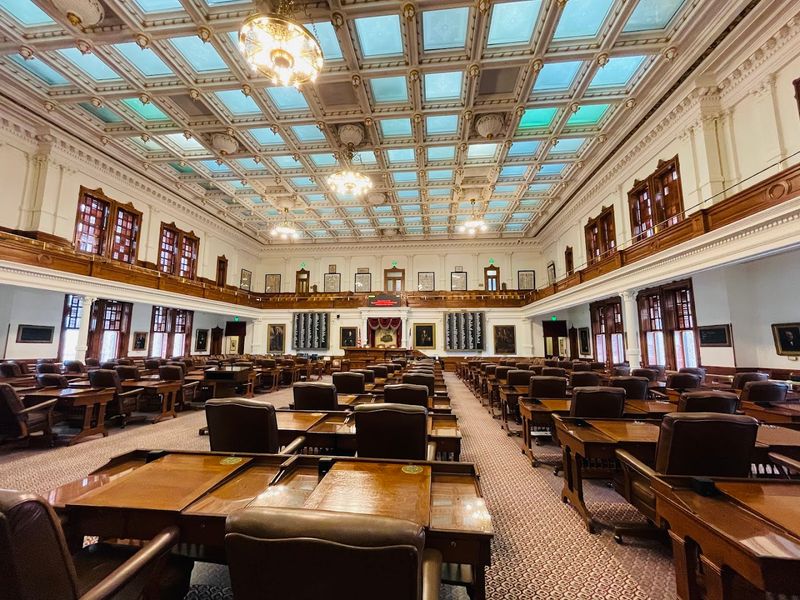
Tours typically last 30 to 45 minutes and cover both the historic building and the underground extension, ending at a gift shop where you can grab Texas-themed souvenirs if that’s your thing. You’ll see the House and Senate chambers, learn about the artwork and symbolism throughout the building, and get access to areas you might not find on your own.
Self-guided exploration is also totally fine if you prefer going at your own pace. Free maps are available at the visitor center, and informational displays throughout the building provide context and history. Security is present but not intrusive—just a quick bag check at the entrance and you’re in.
The whole experience feels surprisingly accessible for a working government building, especially compared to capitol tours in other states that require advance booking or have limited availability.
8. Still A Working Government Building With Real History Being Made
Unlike some historic buildings that are basically museums, the Texas Capitol is still very much an active workplace where actual government business happens daily. The state legislature meets here during sessions, committees hold hearings, and elected officials maintain offices throughout the building and underground extension.
During legislative sessions, which happen in odd-numbered years, the building takes on a completely different energy. Lobbyists, journalists, activists, and concerned citizens fill the halls, and you might witness democracy in action—sometimes messy, often fascinating, always real. Even when the legislature isn’t in session, staff members keep the wheels of state government turning behind those historic doors.
This working status means access can occasionally be limited to certain areas, and you might encounter security measures that seem stricter during high-profile legislative debates or protests. But it also means you’re walking through a building where consequential decisions affecting millions of Texans are made regularly, which adds weight to the experience that pure tourist attractions can’t match.
The building has witnessed everything from fistfights between legislators to groundbreaking civil rights debates to routine budget discussions that determine funding for schools and roads. That ongoing history—the fact that new chapters are still being written here—makes visiting feel less like looking at the past and more like standing at the intersection of Texas’s history and its future. It’s a living monument that costs nothing to visit but offers something genuinely priceless: a direct connection to how Texas governs itself and the complex, ongoing story of what it means to be Texan.