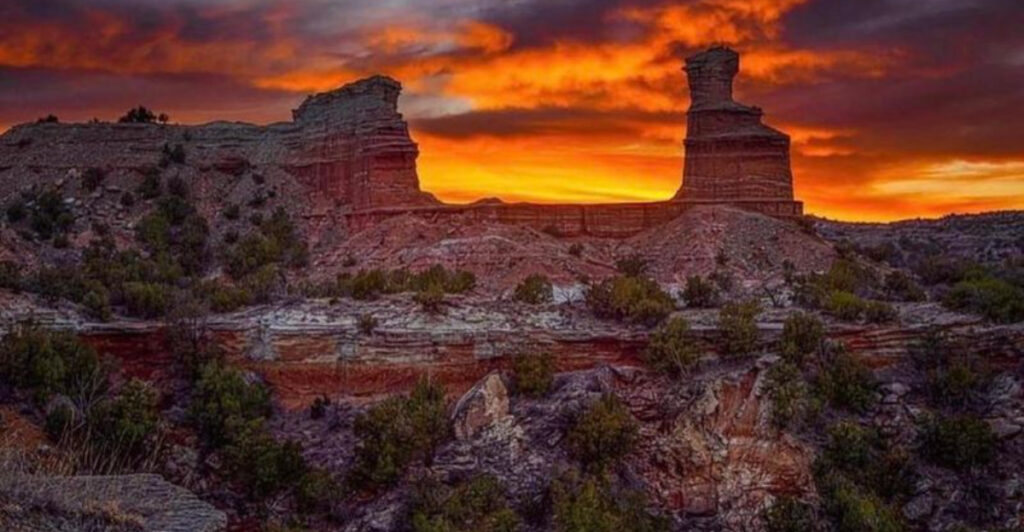
Palo Duro Canyon State Park stretches across the Texas Panhandle like nature’s own masterpiece, with layers of red, orange, and yellow rock stacked 800 feet high. As the second-largest canyon in the United States, this hidden gem offers something the Grand Canyon can’t—the chance to drive right down into the heart of the gorge and explore its colorful walls up close. Whether you’re hiking past wildflowers, camping under a blanket of stars, or simply soaking in views that look like they’ve been painted by hand, Palo Duro proves that Texas holds some of the most stunning landscapes in the country.
1. Layers Of Color That Change With The Light
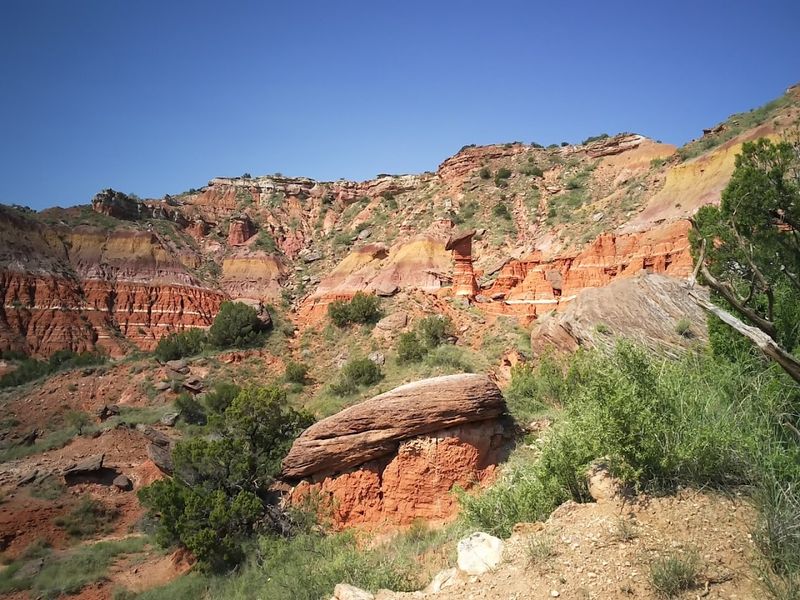
Walk into Palo Duro Canyon and you’ll swear someone took a giant paintbrush to the cliffs. The rock formations here display bands of crimson, burnt orange, soft yellow, and even hints of purple that shift as the sun moves across the sky. These striations aren’t just pretty—they tell millions of years of geological history, each layer representing a different era when ancient seas, rivers, and deserts covered this land.
The best time to catch these colors at their most intense is during the golden hours of sunrise and sunset. Early morning light makes the reds glow like embers, while late afternoon sun brings out warmer tones that seem almost unreal. Even on overcast days, the canyon maintains its vibrant character, with softer hues that create a dreamlike atmosphere.
Photographers absolutely love this place because the changing light offers endless opportunities for stunning shots. You don’t need professional equipment to capture the beauty—even smartphone cameras can grab images that look magazine-worthy. The contrast between the colorful walls and the deep blue Texas sky creates natural compositions that practically frame themselves.
Unlike other canyons where you’re stuck viewing from the rim, Palo Duro lets you get right up close to these painted walls. You can touch the ancient rock, examine the textures, and really appreciate how wind and water carved these masterpieces over countless centuries. It’s geology class meets art gallery, and admission costs just eight dollars per adult.
2. The Iconic Lighthouse Trail Experience
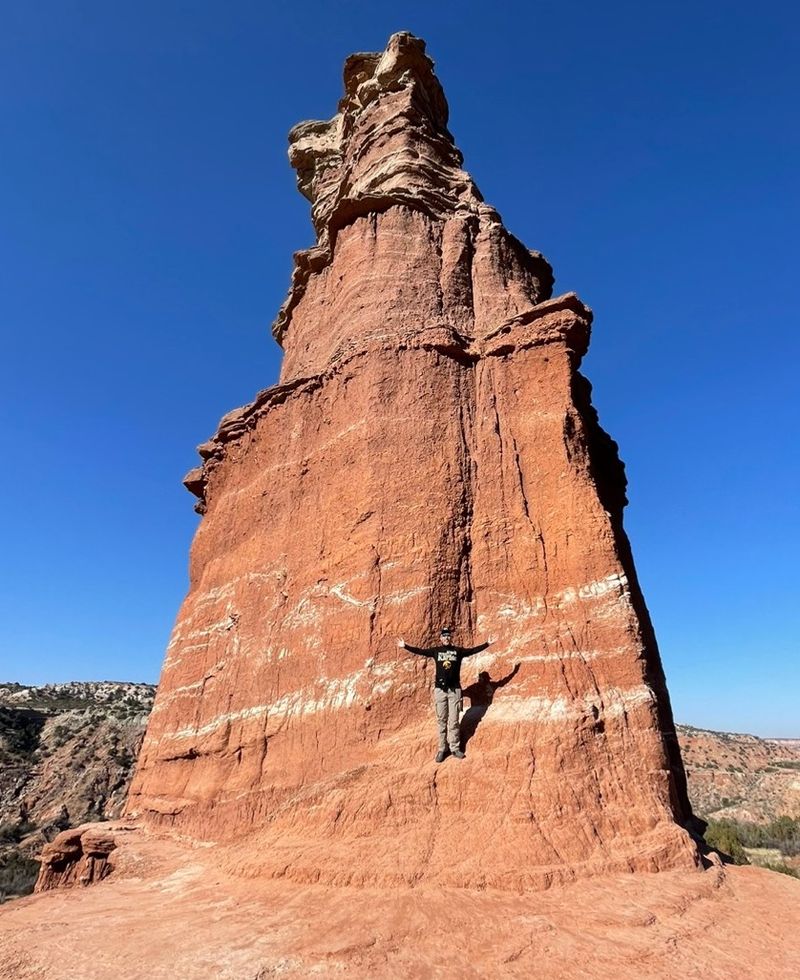
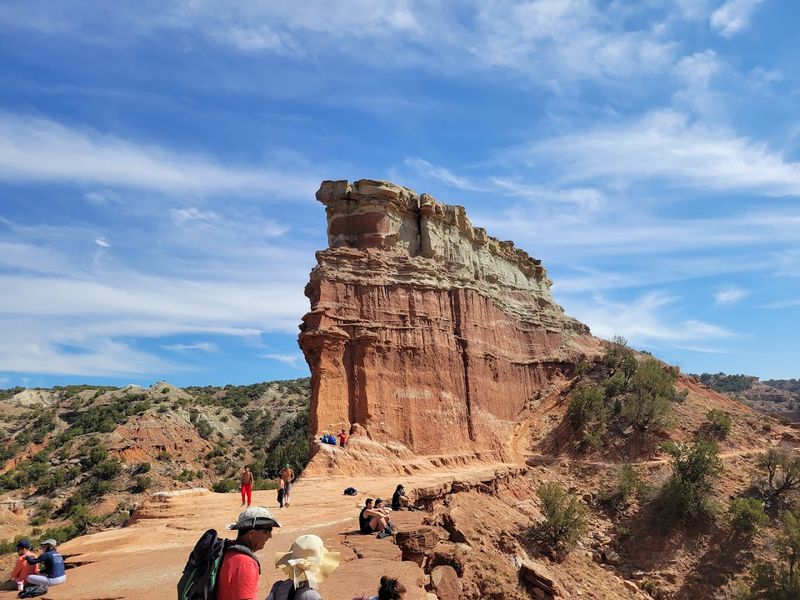
The Lighthouse stands as Palo Duro’s most famous landmark, and hiking to it feels like a pilgrimage every Texas outdoor enthusiast should make at least once. This distinctive rock pillar rises from the canyon floor like a natural monument, visible from various points throughout the park but best appreciated up close after the 5.6-mile round-trip trek. The trail itself winds through classic canyon scenery, passing colorful formations and desert vegetation before reaching the final challenging climb.
Start this hike early in the morning, ideally when the gates open at 7:30 AM, to avoid the brutal Texas heat. Summer temperatures can soar past 100 degrees, and there’s absolutely zero shade along the entire route. Bring at least two liters of water per person—the park has signs reminding hikers to stay hydrated, and they’re not kidding around.
The first portion of the trail rolls gently across relatively flat terrain, perfect for warming up and snapping photos of the surrounding cliffs. Multiple rest stops with benches dot the path, giving you legitimate excuses to catch your breath while pretending you’re just admiring the view. As you approach the Lighthouse, the trail gets significantly steeper, requiring some scrambling over rocks and pulling yourself up using handholds.
Once you reach the top, the 360-degree views make every drop of sweat worthwhile. You can see for miles across the canyon, with those painted cliffs stretching in every direction. Many hikers report feeling a genuine sense of accomplishment standing next to this geological wonder, and the photos you’ll take here will make your friends seriously jealous.
3. Drive Down Into The Canyon Itself
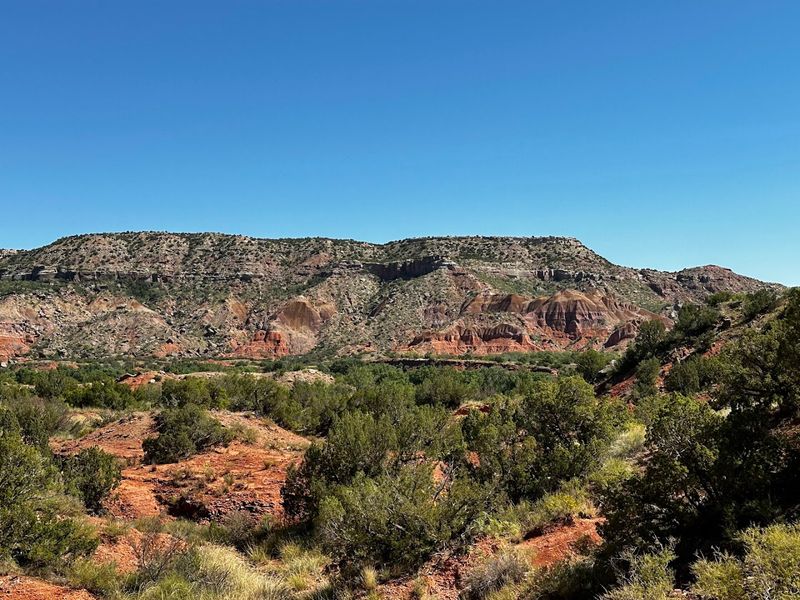
Most canyons force you to peer down from the rim like you’re looking at a painting behind glass, but Palo Duro invites you to step right into the frame. The park road spirals down into the canyon in a series of curves that reveal new perspectives around every bend. Driving this route feels like descending into another world, with towering cliffs rising on both sides and the landscape opening up as you reach the canyon floor.
The descent covers several miles and drops 800 feet in elevation, but the well-maintained road makes it accessible for any vehicle. You’ll want to take your time on the way down, pulling over at the numerous overlooks to snap photos and simply absorb the scale of what surrounds you. Each viewpoint offers a different angle on the canyon’s colorful geology, and the changing perspectives never get old.
Once you reach the bottom, the park opens up into a surprisingly spacious valley with camping areas, trailheads, and facilities spread throughout. The trading post sits down here too, and according to visitors, it offers better souvenirs and friendlier service than the gift shop at the entrance. You can easily spend hours just driving the various loops, stopping wherever something catches your eye.
This accessibility makes Palo Duro special for people who might not be up for strenuous hiking but still want to experience canyon beauty firsthand. Families with young kids, older visitors, and anyone with mobility limitations can still enjoy spectacular scenery without leaving their vehicle. It’s democracy in action—natural wonders available to everyone, not just the athletically gifted.
4. Camping Options For Every Style
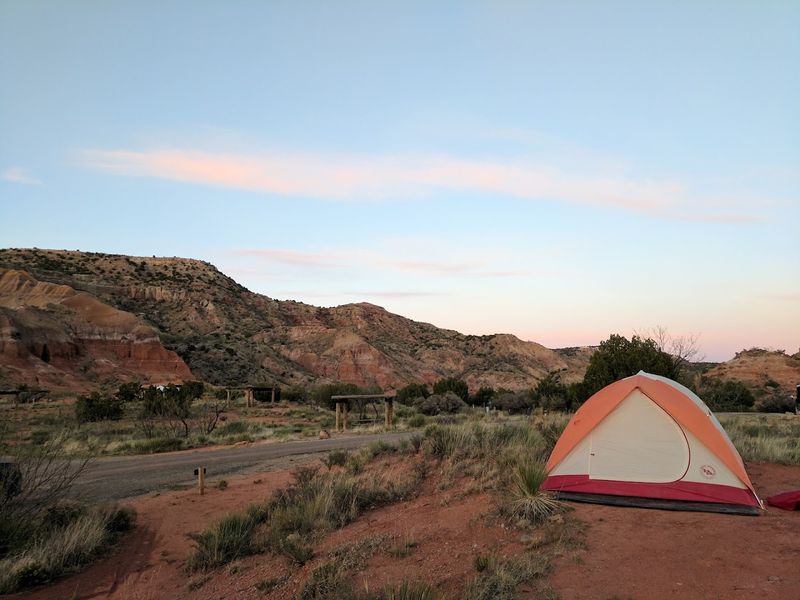
Spending a night in Palo Duro transforms a day trip into an immersive adventure where you can watch the canyon’s colors shift from sunrise to starlit darkness. The park offers multiple camping areas scattered throughout the canyon floor, each with its own character and amenities. Some sites come equipped with shelters, while others provide basic tent pads where you can sleep directly under the stars.
Hackberry campground gets mentioned frequently in reviews, particularly the outer loop sites that offer river access. Site 16 apparently ranks as a local favorite, though you’ll need to book well in advance during peak seasons to snag it. Fortress Cliff camping area provides a different experience with portable toilets on-site and permanent facilities within walking distance, all clean and well-maintained according to recent visitors.
For those who prefer a roof over their heads, the park rents cabins perched on the canyon rim with views that’ll make you forget about checking your phone. These book up months ahead, especially for weekends and holidays, so plan accordingly. The cabins provide a comfortable middle ground between roughing it and hotel luxury.
What makes camping here truly special is the way the canyon comes alive at different times of day. Morning light paints the eastern walls in warm tones while you’re making coffee. Afternoon heat might drive you to shade, but evening brings relief and spectacular sunsets.
Night reveals stars in quantities city dwellers forget exist, with the dark canyon walls creating a natural amphitheater for celestial viewing.
5. Trails For Every Fitness Level
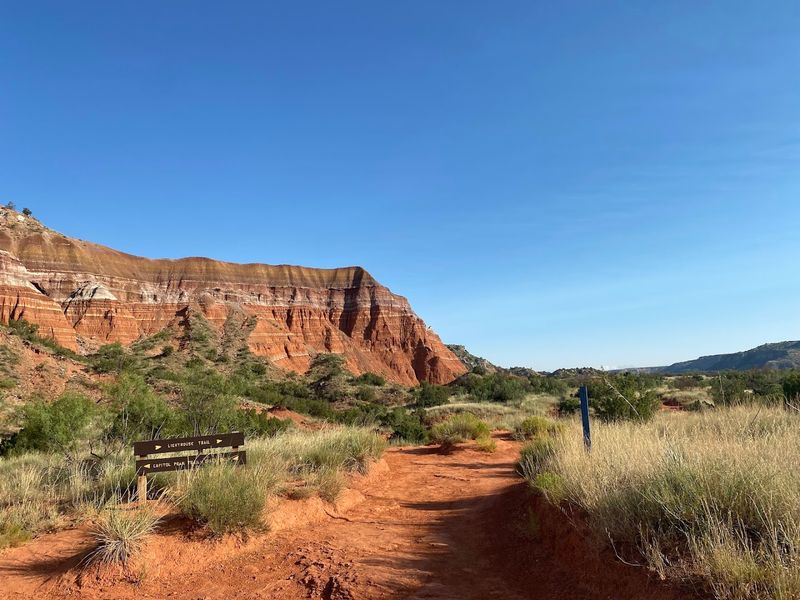
Palo Duro spreads over 30,000 acres with more than 30 miles of trails threading through the landscape, meaning you could visit a dozen times and still find new routes to explore. The park thoughtfully offers everything from short nature walks perfect for families with small children to challenging backcountry treks that’ll test experienced hikers. Trail markers and maps keep navigation simple, so you can focus on the scenery instead of worrying about getting lost.
Big Cave Trail makes an excellent choice for beginners or anyone wanting a quick adventure without major time commitment. The short hike leads to a modest cave formation that’s fun to explore, and kindergarteners have been spotted tackling it successfully. Don’t expect massive caverns, but it provides a nice introduction to canyon hiking with enough challenge to feel like an accomplishment.
Upper Comanche Trail and Givens Spur Trail earn consistent praise from reviewers for their spectacular views and moderate difficulty levels. These routes take you higher into the canyon walls where you can look down on the park below. The elevation gain provides a workout without being punishing, and the payoff views justify every step.
Serious hikers should check out the Rojo Grande, Sunflower, and Juniper trails for longer adventures that penetrate deeper into the canyon’s remote areas. These paths see fewer visitors, offering a more solitary experience with nature. The well-maintained trails and clear marking mean even less-traveled routes remain safe and easy to follow, though you should always carry plenty of water and let someone know your plans.
6. Wildlife And Desert Flora Up Close
Beyond the geological drama, Palo Duro hosts a thriving ecosystem adapted to the harsh Panhandle climate. Mule deer wander through camping areas with surprising boldness, often grazing near tents in the early morning hours. Roadrunners dart across trails with their distinctive gait, while various lizard species bask on sun-warmed rocks throughout the day.
Patient observers might spot bobcats, coyotes, or even the occasional wild turkey.
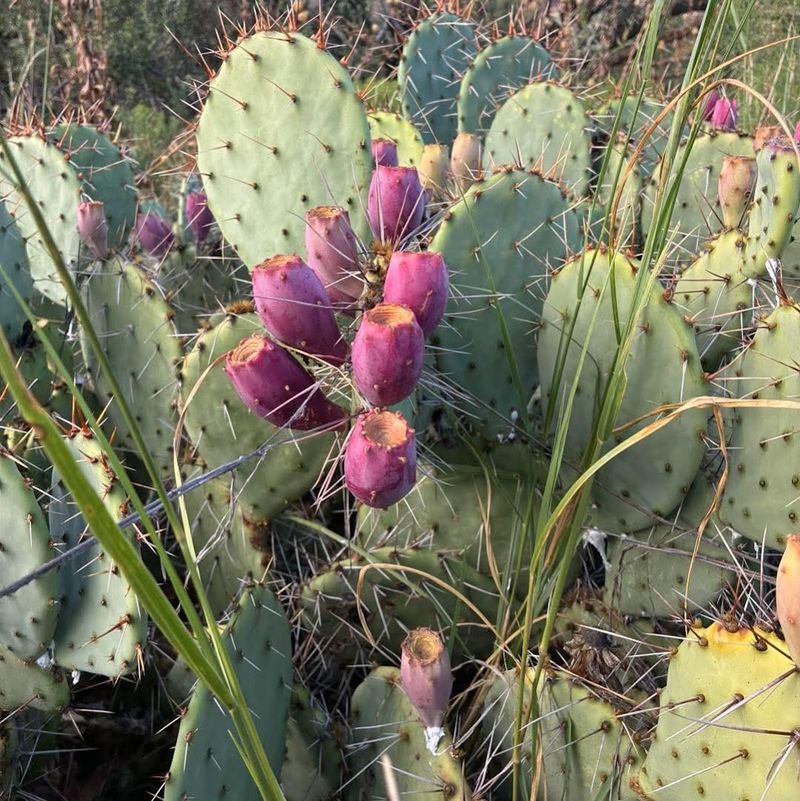
The plant life here deserves attention too, especially in spring when wildflowers explode across the canyon floor in waves of color. Bluebonnets, Indian paintbrush, and dozens of other species carpet the ground between the more permanent residents like prickly pear cactus and hardy shrubs. These desert plants have evolved fascinating survival strategies, from waxy coatings that reduce water loss to root systems that spread wide to capture every precious drop of rain.
Cacti come in surprising variety here, not just the stereotypical tall saguaros from cartoon deserts. You’ll encounter barrel cacti, cholla, and several prickly pear varieties, each with its own shape and flowering pattern. Spring brings cactus blooms in vibrant yellows, pinks, and reds that add even more color to an already vivid landscape.
Taking time to notice these smaller details enriches the Palo Duro experience beyond just the big scenic views. Watching a roadrunner hunt lizards or discovering a cactus flower hidden among the spines connects you to the living canyon in ways that photos of rock formations can’t quite capture. It’s a reminder that this painted landscape isn’t just beautiful—it’s alive.
7. The Historic CCC Architecture
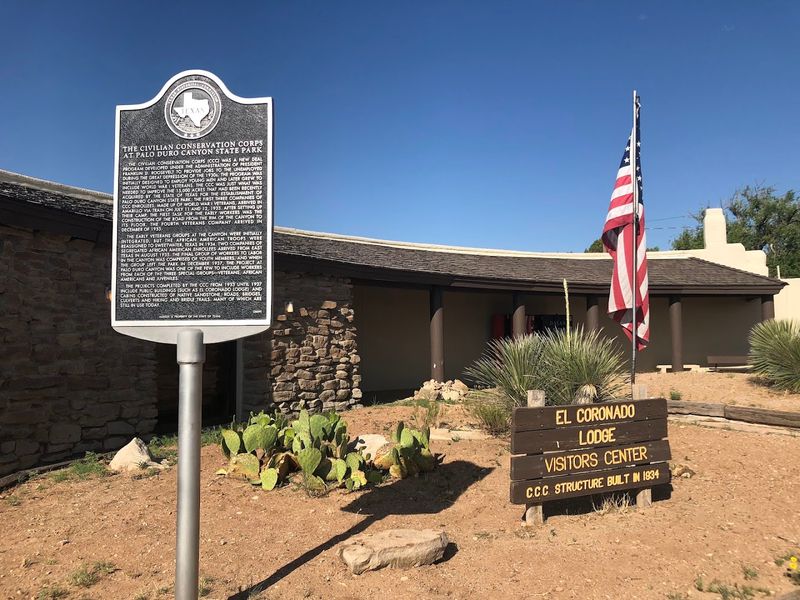
During the Great Depression, young men enrolled in the Civilian Conservation Corps transformed Palo Duro from raw wilderness into an accessible state park, and their handiwork still stands today. These workers constructed buildings, roads, and facilities using native stone and timber, creating structures that blend seamlessly with the natural landscape. The craftsmanship on display reflects an era when government projects emphasized both function and beauty, with attention to detail that modern construction rarely matches.
The Visitor Center showcases some of the finest CCC architecture in the park, with its stone walls and rustic design feeling perfectly at home among the canyon cliffs. Inside, you’ll find informative exhibits about the canyon’s geology, history, and ecology, plus artwork including beautiful pottery pieces available for purchase. The building itself tells a story about American history and the young men who built parks across the country during hard times.
Other CCC structures dot the park, from stone shelters at overlooks to the amphitheater that hosts the outdoor musical “TEXAS” during summer months. These buildings have weathered decades of harsh Panhandle weather while maintaining their structural integrity and aesthetic appeal. Walking past them, you can almost imagine the CCC crews working in the Texas heat, shaping stone and timber into lasting monuments.
The preservation of these historic structures adds another layer to Palo Duro’s appeal. You’re not just visiting a natural wonder—you’re walking through living history where human effort and natural beauty combine. The CCC legacy reminds us that public lands require both protection and thoughtful development to serve generations of visitors while maintaining their essential wild character.
8. Practical Tips For Your Visit
Planning ahead makes the difference between a good Palo Duro visit and a great one, starting with your arrival strategy. The park opens at 7:30 AM, and showing up right when the gates swing open gives you cooler temperatures for hiking plus better parking at popular trailheads. If you arrive on Sunday, note that some buildings don’t open until 1:00 PM, so plan accordingly.
Buying your entrance pass online before you arrive saves time at the gate—it’s eight dollars per adult and well worth every penny.
Water cannot be emphasized enough. The canyon’s beauty might distract you from the fact that you’re hiking in Texas desert conditions where dehydration sneaks up fast. Carry at least two liters per person for any substantial hike, and consider bringing electrolyte supplements for longer treks.
The trading post at the canyon bottom sells drinks and snacks, but don’t count on it as your primary hydration source.
Wind can be fierce in the canyon, with gusts sometimes reaching 45-65 mph according to visitor reports. Bring a bandana or face covering to protect against blowing sand, and secure anything in your campsite that might blow away. On particularly windy days, you might want to skip exposed trails and stick to protected areas or simply enjoy the scenic drive.
The park accepts credit cards, which is convenient, but cell service can be spotty throughout the canyon. Download maps and any information you need before arriving. Keep a first aid kit in your vehicle, wear sturdy shoes with good grip for any hiking, and remember that dogs aren’t allowed in park buildings.
With these basics covered, you’re set for an amazing adventure in one of Texas’s most spectacular natural treasures.