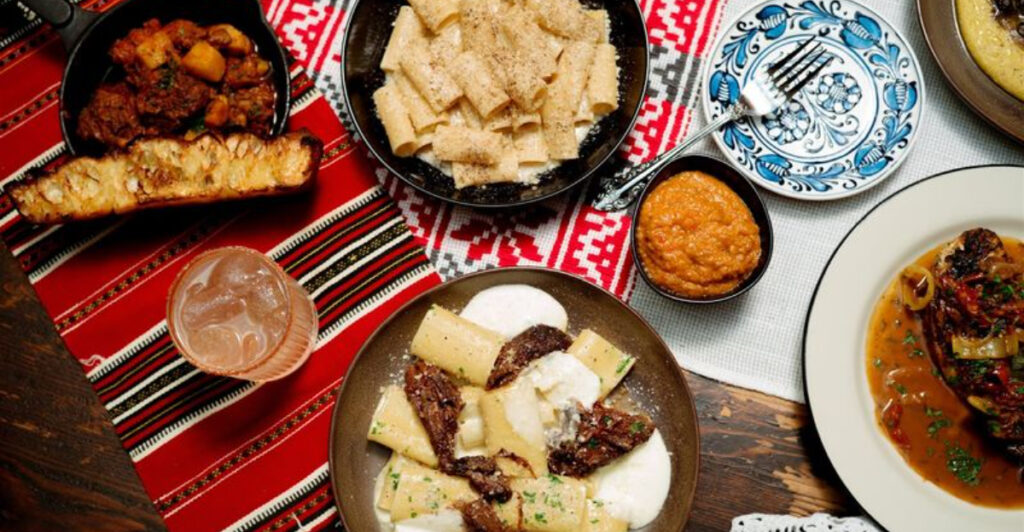
On John R Road in Hazel Park, Michigan, Bar Gabi is bringing something refreshingly different to the Detroit metro dining scene. This intimate bistro blends handmade pasta, bold Romanian flavors, and a deeply personal sense of hospitality that makes every meal feel thoughtfully crafted.
Chef Gabriel Botezan and co-owner Gabriela bring their passion to the table in a way that shows, from the warm dining room to the carefully built plates coming out of the kitchen. With a near-perfect 4.9-star rating and a reputation that keeps growing, Bar Gabi has quickly become the kind of place food lovers whisper about before everyone else catches on.
Whether Romanian cuisine feels familiar or completely new, this Hazel Park gem offers a dining experience that is memorable, comforting, and genuinely hard to find anywhere else.
A Hazel Park Address That Punches Way Above Its Weight
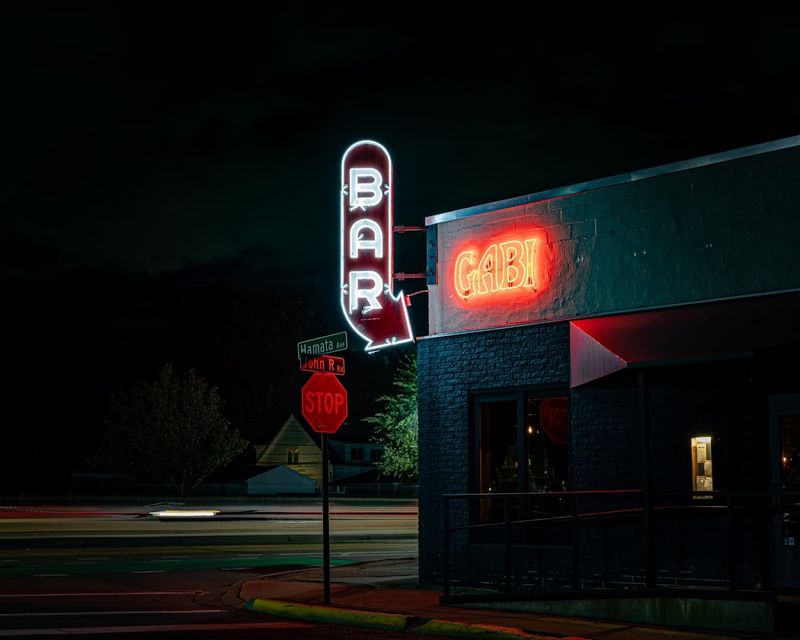
Not every groundbreaking restaurant sits in a trendy downtown district. Bar Gabi occupies a storefront on John R Road in Hazel Park, Michigan, a working-class suburb just north of Detroit that has quietly developed a reputation for serious food.
The address alone surprises first-timers who might expect something more polished or high-profile from a restaurant generating this level of buzz.
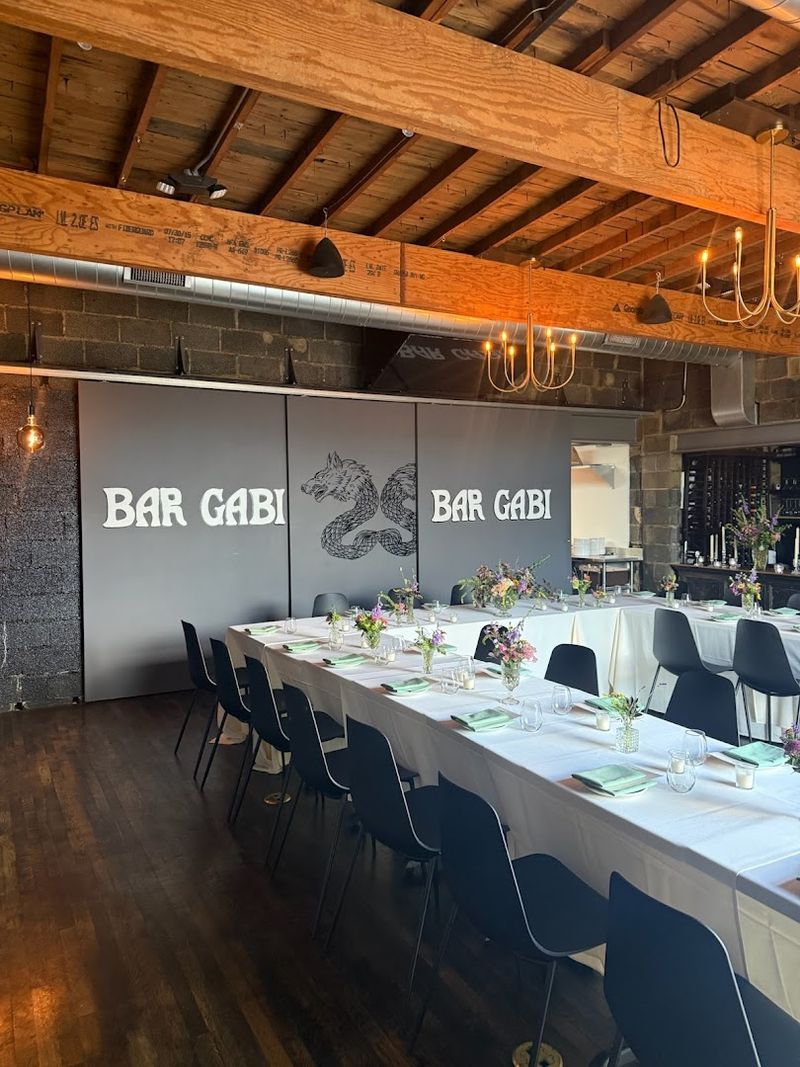
Step inside and the exterior modesty disappears completely. The dining room runs dark and warm, with lighting calibrated to make every table feel like its own private corner.
The layout encourages conversation without being cramped, and the energy shifts between lively and intimate depending on the night and the crowd. It is the kind of space that makes a Tuesday dinner feel like an occasion.
Parking is tight, partly because the restaurant shares a strip with neighboring businesses and partly because Bar Gabi tends to fill up. Coming early or planning ahead with a reservation smooths out that friction considerably.
The neighborhood itself adds to the experience rather than detracting from it. Hazel Park has shed its underdog status in recent years, and Bar Gabi fits right into that upward momentum without feeling self-congratulatory about it.
Operating only on Wednesdays from 5 to 10 PM, the restaurant runs a tightly controlled schedule that keeps quality high and demand higher. That single-night-per-week format has become part of the appeal.
Diners plan around it, make reservations in advance, and treat the evening as something worth organizing a week for. The location and hours together create a sense of discovery that a restaurant open seven nights simply cannot manufacture.
Chef Gabriel Botezan and the Kitchen Behind the Menu
Gabriel Botezan is not a newcomer to the Detroit dining scene. Before Bar Gabi, he drew serious attention at Frame, where a special dinner dubbed the Gabe of Thrones event left attendees talking for months afterward.
That pedigree matters because it explains the level of technical confidence visible across every section of the current menu. His cooking does not feel like a debut.
It feels like someone operating at full creative stride.
Alongside Gabriela, who co-owns and manages the front of house, Gabriel runs Bar Gabi as a genuine husband-and-wife operation. Both are from Romania, and that background is not used as a marketing angle so much as a lived culinary foundation.
The dishes reflect actual familiarity with Romanian home cooking, regional ingredients, and flavor traditions that go back generations. That depth is hard to fake and easy to taste.
The menu rotates regularly, which keeps regulars engaged and prevents the kitchen from coasting on familiar hits. A braised short rib rigatoni appeared as a monthly pasta special and became an immediate crowd favorite.
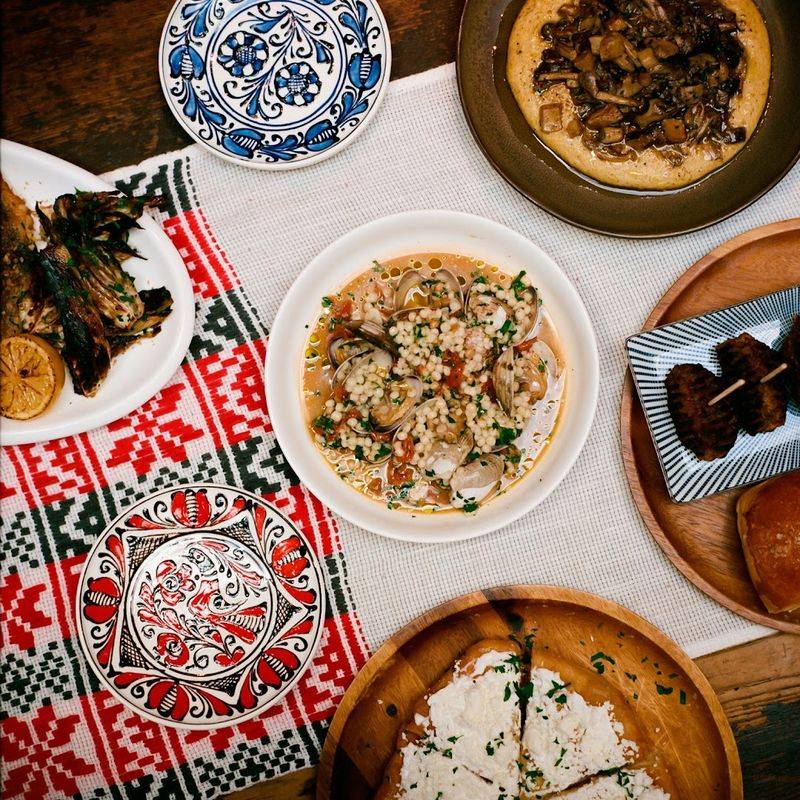
The Saramura de Peste, a traditional Romanian fish dish, has been prepared with enough precision to earn clean plates every time it runs. Transylvanian goulash with braised beef demonstrates the same careful approach to slow cooking that defines Romanian cuisine at its best.
Gabriela’s presence on the floor adds a layer of hospitality that goes beyond standard restaurant service. She has been known to personally visit tables, engage with guests about specific dishes, and bring a warmth that makes the whole operation feel less like a business transaction and more like being welcomed into someone’s home.
That combination of skill and sincerity is what separates Bar Gabi from restaurants that simply have a good menu.
Handmade Pasta With a Romanian Soul
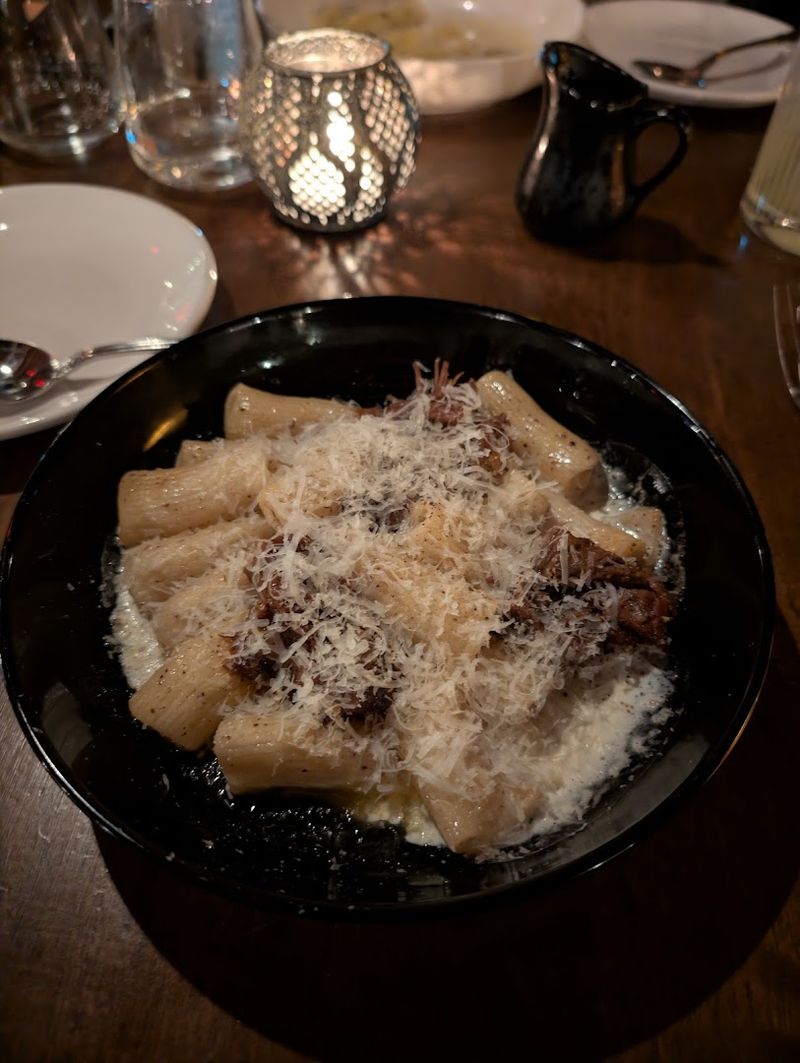
Pasta is not the first thing most diners associate with Romanian cuisine, but Bar Gabi has found a compelling intersection between Italian pasta technique and Eastern European flavor profiles. The braised short rib rigatoni is the clearest example of how that fusion works in practice.
Thick, toothsome rigatoni holds a deeply reduced braising liquid that carries the concentrated flavor of slow-cooked beef without turning heavy or one-dimensional.
The pasta itself is made in-house, and that detail matters more than it might sound. Handmade pasta absorbs sauce differently than dried, commercially produced alternatives.
The texture is softer at the edges and firmer at the core, creating a bite that carries the sauce rather than just sitting underneath it. That structural quality is what makes the dish feel cohesive rather than like two separate components served together.
Romanian cooking has always valued slow preparation and layered seasoning, and those principles translate naturally into pasta cookery. The braising liquid for the short rib develops over hours, building complexity through reduction and fat integration.
By the time it reaches the plate, the sauce has a richness that does not rely on cream or butter shortcuts. It earns its depth through time and technique.
The rotating menu means pasta specials change month to month, giving regulars a reason to return and keeping the kitchen from settling into repetition. Whatever form the pasta takes on a given visit, the handmade foundation remains consistent.
For diners accustomed to restaurant pasta that arrives from a commercial supplier, the difference at Bar Gabi registers immediately. The noodles feel intentional rather than incidental, which shifts the entire experience of eating them.
Romanian Classics Reimagined Without Losing Their Roots
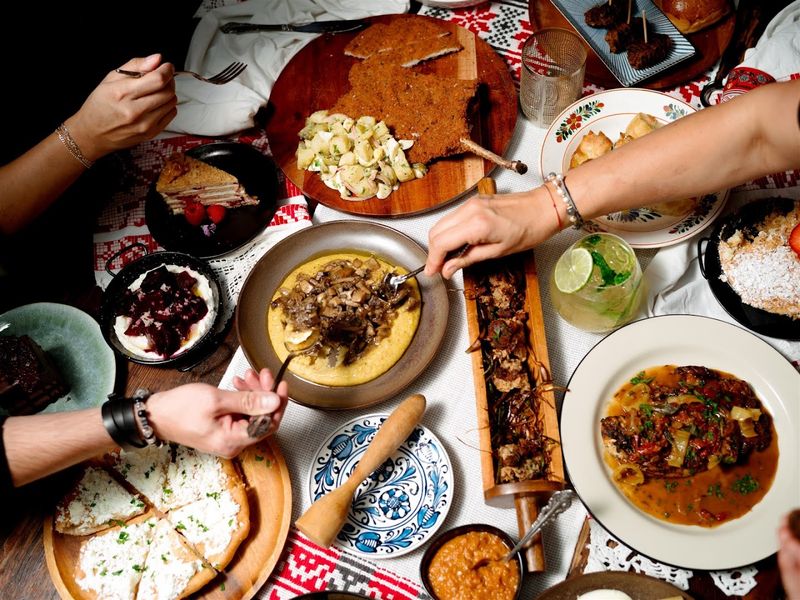
Mititei, langos, Transylvanian goulash, schnitzel, Ceafa de Porc — the Bar Gabi menu reads like a tour through Romanian culinary geography. These are not obscure dishes invented for novelty.
They are foundational preparations that Romanians grow up eating, and the fact that they appear on a Michigan restaurant menu with this level of care is significant for the local Romanian community and intriguing for diners encountering them for the first time.
Langos, a deep-fried dough popular across Eastern Europe, arrives as a starter that consistently earns strong reactions. The dough is soft inside and crisp at the edges, with toppings that complement rather than overwhelm the base.
Mititei, the grilled ground meat rolls seasoned with garlic and spices, carry the smoky depth that makes them a Romanian street food staple. At Bar Gabi, they are elevated in presentation without being stripped of their original character.
The beet and feta appetizer with horseradish has emerged as a standout across multiple visits. Earthy roasted beets, creamy feta, and sharp horseradish create a combination that works because the flavors push against each other productively.
It is not a subtle dish, and it does not try to be. The Ceafa de Porc, a grilled pork neck cut rarely seen on American menus, arrives tender and rich, finished with a garlic sauce that amplifies the meat’s natural savoriness.
Where some restaurants use ethnic cuisine as a loose inspiration and then drift toward crowd-pleasing approximations, Bar Gabi holds its ground. The flavors are specific, the preparations are deliberate, and the sourcing suggests genuine investment in getting the details right.
For Romanian diners, the food triggers recognition. For everyone else, it opens a window into a culinary tradition that deserves far more attention in American dining.
Cocktails and Desserts That Close the Loop
A restaurant menu is only as complete as its beginning and its end, and Bar Gabi handles both with the same attention it gives to the main courses. The cocktail list leans creative without becoming gimmicky.
The Hugo Spritz, a light elderflower-based drink, has been described as refreshing and well-balanced, a smart counterpoint to the richer flavors that come later in the meal. The Gin Garden offers a botanical alternative for guests who prefer something more herbal and dry.
The House Dirty Martini has developed a following of its own. Made with precision and served cold, it delivers the briny sharpness that martini drinkers expect without any of the sloppiness that mars lesser versions.
The Wolf and Amber, a bourbon old fashioned, runs balanced and not overly sweet — a distinction worth noting for anyone who has encountered the aggressively sugared versions that appear at chain restaurants and supper clubs alike.
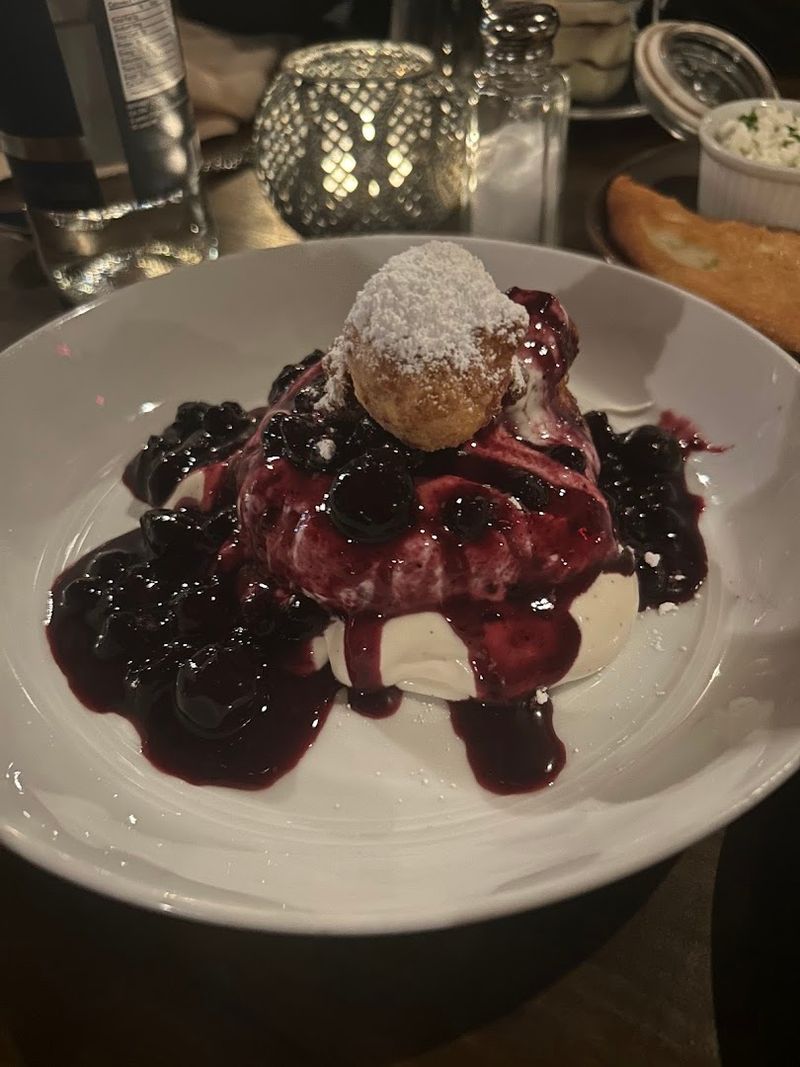
Dessert at Bar Gabi is not an afterthought. The honeycake has become something of a signature, drawing specific requests and prompting at least one diner to ask for a second order to take home.
Dense, layered, and moderately sweet, it ends a meal with exactly the right weight. The homemade donuts filled with farmer’s cheese and served alongside creme fraiche and fresh berries offer a lighter alternative that still feels indulgent without being excessive.
The kitchen’s approach to dessert mirrors its approach to everything else: traditional technique applied with current sensibility. Nothing on the dessert menu is designed to photograph dramatically or shock the palate.
Instead, each option is built to satisfy completely, which is the harder and more honest goal. The cocktail-to-dessert arc at Bar Gabi gives a full meal genuine narrative shape.
Service That Makes the Whole Experience Stick
Front-of-house performance at Bar Gabi operates at a level that complements the kitchen rather than simply supporting it. Servers like Chris and Leah have been mentioned repeatedly not because they follow a service script, but because they demonstrate actual knowledge of the menu and genuine interest in the guest experience.
Chris, in particular, has been credited with steering diners toward dishes that became highlights of the evening, including the octopus special and specific cocktail pairings that elevated the overall meal.
That kind of server competence is not accidental. A menu that rotates monthly requires staff who engage with new dishes regularly, understand the flavor logic behind each preparation, and can explain those choices to diners who might be unfamiliar with Romanian ingredients or cooking methods.
At Bar Gabi, that educational layer happens naturally within the conversation rather than feeling like a rehearsed pitch.
Gabriela’s involvement on the floor reinforces everything the servers do. She has been known to come out personally when guests ask to speak with management, not to handle complaints but to connect over positive experiences and specific dishes.
That accessibility from an owner carries real weight in a dining environment where the kitchen and front of house often feel entirely separate from each other.
One particularly memorable moment involved a server bringing a small portion of an unchosen dessert to a couple celebrating a significant personal milestone, along with a congratulatory message written in chocolate. That level of attentiveness goes beyond standard hospitality training.
It reflects a restaurant culture where the staff genuinely pays attention to the people at the tables. Bar Gabi’s service does not just support the food — it gives the whole evening a personality that guests carry home with them.
Why Bar Gabi Belongs on Michigan’s Serious Dining Map
Michigan has no shortage of restaurants with interesting concepts, but Bar Gabi operates at a level of consistency and originality that places it in a much shorter category. The combination of handmade pasta, traditional Romanian preparations, rotating seasonal specials, and owner-led hospitality creates a dining experience that cannot be easily replicated by following a formula.
Every component of the evening feels considered rather than assembled.
The Wednesday-only schedule forces a kind of intentionality on both sides of the table. The kitchen prepares for one service night per week, which concentrates energy and maintains quality control in a way that a seven-night operation rarely can sustain.
Diners who show up have specifically planned to be there, which shifts the atmosphere toward something more engaged and celebratory than a casual midweek dinner elsewhere.
With Michelin expanding its coverage to the Detroit metro area, Bar Gabi has entered conversations about which Michigan restaurants deserve that kind of recognition. The technical skill, the sourcing quality, the service depth, and the culinary identity all point toward a restaurant that is operating with serious ambition.
Whether or not an inspector shows up, the standards are already in place.
For anyone exploring Michigan’s dining scene beyond the obvious downtown Detroit anchors, Bar Gabi at 23839 John R Road in Hazel Park represents exactly the kind of discovery that makes regional food culture worth paying attention to.
It is a restaurant built around specific knowledge, personal heritage, and professional pride — three things that no amount of marketing budget can substitute for. Book a Wednesday, arrive hungry, and let the menu do the rest.