Across the Lone Star State, not every community is booming with new residents and growing businesses. Some Texas towns are quietly losing population while homeowners face rising property tax bills that make it harder to stay. When fewer people live in a city but the costs of running it don’t drop at the same rate, the burden often falls on those who remain.
These seven communities show what happens when shrinking numbers meet stubborn tax pressure, creating challenges that affect real families trying to make ends meet.
1. Big Spring
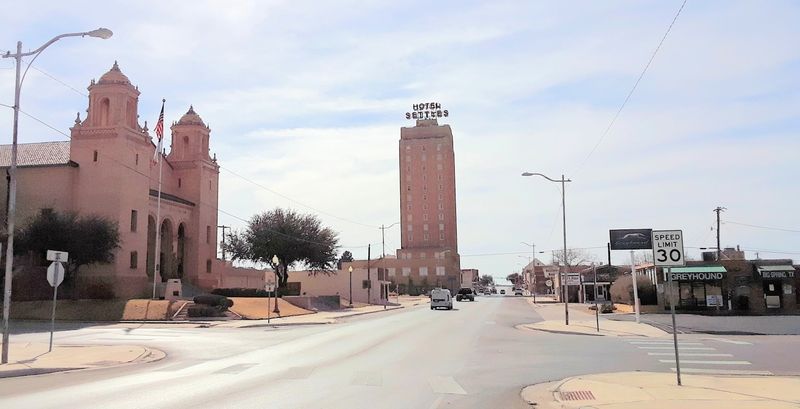
West Texas hasn’t been kind to every oil town, and the numbers here tell a sobering story. Between 2020 and 2025, census estimates show the population dropped from around 26,321 down to 22,290—a loss of more than 15 percent in just five years. That’s one of the steepest declines you’ll find anywhere in the state, and it leaves the folks who stay behind shouldering more of the load.
Property taxes don’t shrink just because your neighbor moved away. City services still need funding, roads still need repairs, and schools still operate even with fewer students in the classrooms. When the tax base erodes this quickly, homeowners often see their bills climb or stay stubbornly high, even if their property values haven’t kept pace with other parts of Texas.
Big Spring has long relied on oil and agriculture, industries that can be unpredictable and cyclical. When jobs dry up or young families leave for opportunities elsewhere, the community feels it in every corner. Local government budgets get squeezed, and the temptation to raise rates or fees becomes harder to resist.
For retirees on fixed incomes or working families already stretched thin, rising property taxes can feel like a slow squeeze. You might own your home outright, but the annual tax bill keeps climbing, forcing tough decisions about whether to stay or sell. It’s a common story in smaller Texas cities that have lost their economic anchors.
The challenge here isn’t just about numbers on a census report. It’s about real people watching their town shrink while their financial obligations don’t. Community leaders face tough choices about how to maintain services without overburdening the residents who remain loyal to Big Spring.
Balancing those priorities gets harder every year the population trend continues downward, and homeowners feel the pinch more acutely with each tax season that rolls around.
2. Beaumont
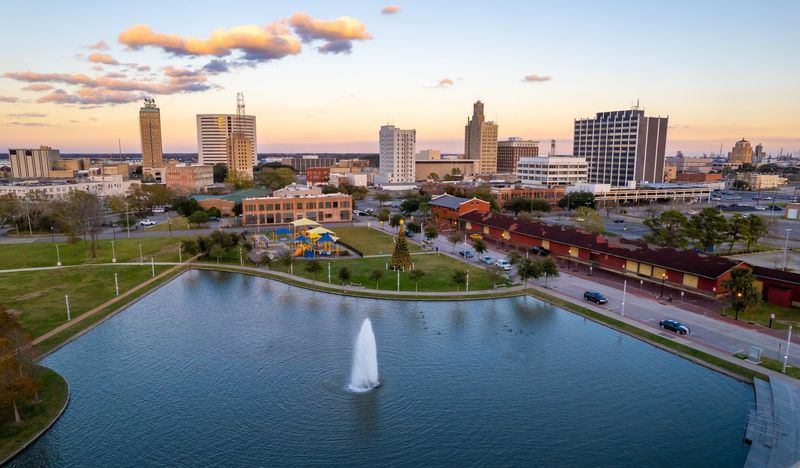
Southeast Texas oil country has seen better days, and Beaumont’s recent trajectory reflects that reality. Census data shows the city slipped from 115,070 residents in 2020 down to 112,967 by 2025. That might not sound dramatic compared to smaller towns, but for a regional hub that once thrived on petrochemical jobs, any decline signals deeper trouble brewing beneath the surface.
What makes the situation trickier here is that city tax revenues have grown even as the population shrunk. Local reporting has documented this pattern, where fewer residents somehow generate more tax dollars. That math only works one way: the people still living in Beaumont are paying more per capita to keep the city running.
Refineries and chemical plants still dot the landscape, but they don’t employ the armies of workers they once did. Automation and industry consolidation mean fewer good-paying jobs for local families, and younger generations often leave for Houston or other metro areas with more opportunities. The ones who stay—whether by choice or necessity—face a property tax environment that hasn’t adjusted downward to match the population trend.
Homeowners here deal with a double frustration. Property values haven’t exploded like in Austin or Dallas, so you’re not building equity at the same pace as other Texans. Yet your tax bill keeps climbing because the city needs revenue to maintain infrastructure built for a larger population.
That gap between what your home is worth and what you pay in taxes each year grows more uncomfortable over time.
Hurricane damage over the years hasn’t helped either, adding infrastructure repair costs that get passed along to taxpayers. When a city loses residents but gains expensive recovery projects, the financial pressure lands squarely on homeowners who can least afford it. Beaumont’s challenge is figuring out how to right-size its budget and tax structure while still providing the services residents expect and deserve from a city of its size and history.
3. Port Arthur
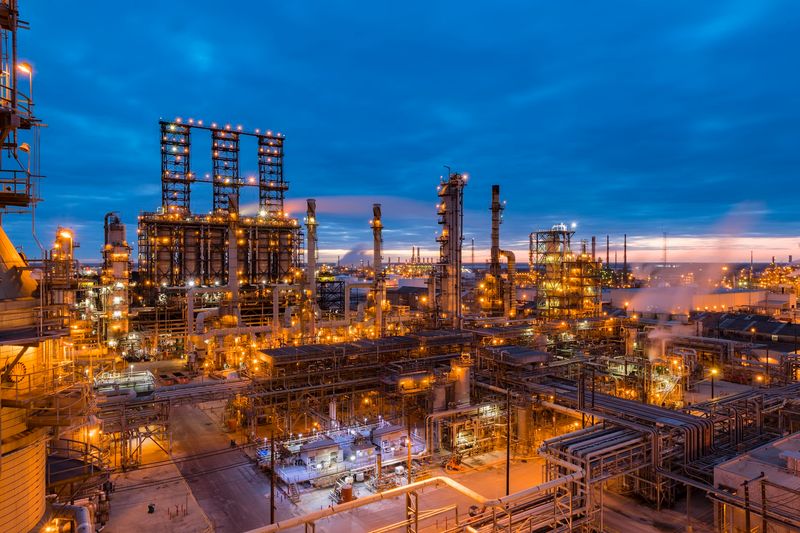
Sitting at the southern edge of the Golden Triangle, this refinery city has wrestled with population concerns for decades. Port Arthur’s long-term trend shows a community that has steadily lost residents even as the petrochemical industry that defines it has grown more profitable and technologically advanced. Fewer workers are needed to run modern refineries, and that shift has hollowed out neighborhoods that once bustled with activity.
Property tax pressure here isn’t just a recent phenomenon. Reporting shows that per-capita property taxes in Port Arthur rose sharply between 2003 and 2023, meaning each remaining resident shoulders a growing share of the city’s financial burden. When your population shrinks but your infrastructure costs don’t, the math gets ugly fast for homeowners trying to make their budgets work.
The city faces unique challenges that make this situation even tougher. Hurricane exposure means expensive flood mitigation projects and recovery costs that get folded into city budgets. Aging infrastructure needs constant attention, and when there are fewer taxpayers to split those bills, the individual burden climbs higher.
Homeowners here often feel trapped between rising tax assessments and property values that haven’t kept pace with other Texas markets.
Many residents have deep roots in Port Arthur, with families that have lived here for generations. Walking away from your hometown isn’t easy, especially when your home equity is tied up in a market that doesn’t offer the same appreciation as metro areas. But staying means accepting property tax bills that consume a larger chunk of household budgets each year, creating financial stress that compounds over time.
Local officials have tried various strategies to attract new residents and businesses, but competing with Houston’s job market and amenities is an uphill battle. The city needs a larger tax base to spread costs around, but population trends keep moving in the wrong direction. For homeowners who remain, that means continuing to pay more while getting less, a frustrating reality that defines daily life in this corner of Southeast Texas.
4. Kingsville
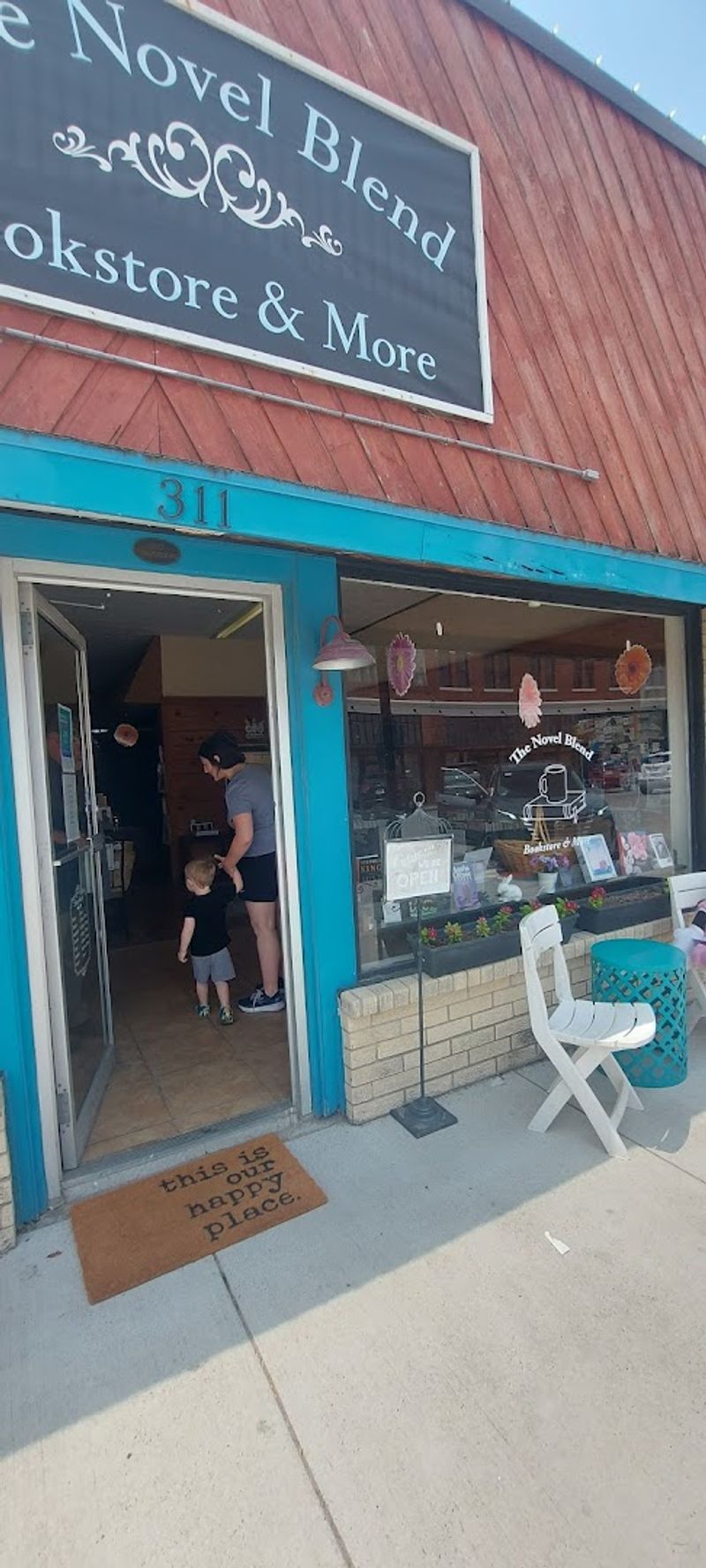
South Texas ranch country meets college town here, creating an interesting mix that hasn’t been enough to stop the population slide. Census estimates show Kingsville down about 1.9 percent between 2020 and 2024, a modest decline that still matters when you’re already a smaller city. Texas A&M University-Kingsville provides some stability, but university towns don’t automatically translate to growing populations when the surrounding economy struggles.
Median incomes here run lower than state averages, and homeowner costs still take a meaningful bite out of household budgets. When property taxes represent a larger percentage of what families earn, every rate increase or assessment jump hits harder. You might own a home valued at $120,000, but if your tax bill climbs to $3,000 or $4,000 annually, that’s real money for families living paycheck to paycheck.
The ranching economy that built this region has changed dramatically over the decades. Consolidation means fewer family ranches and more corporate operations that employ fewer people. Young graduates from the university often leave for opportunities in Corpus Christi, San Antonio, or even further afield, taking their earning potential and future tax contributions with them.
That brain drain makes it harder for Kingsville to grow its tax base organically.
Property tax pressure in communities like this isn’t always about skyrocketing rates. Sometimes it’s about stagnant incomes meeting steady tax increases that outpace wage growth. A two or three percent annual tax increase might not sound dramatic, but over a decade it adds up to a burden that low- and middle-income homeowners struggle to absorb without making sacrifices elsewhere in their budgets.
Kingsville’s challenge is maintaining city services and infrastructure with a tax base that isn’t expanding and a population that keeps shrinking slightly each year. Every family that moves away means one less household contributing to the local economy and tax revenue. The ones who stay face the mathematical reality that their share of the city’s costs keeps growing, creating pressure that makes it harder to build wealth or plan for retirement in a community they love.
5. Wichita Falls

North Texas near the Oklahoma border, this military-influenced city has watched its population drift downward for years. Census estimates show the decline from 104,553 in 2010 down to 101,951 by 2025, a slow but steady erosion that adds up to thousands of residents gone. Sheppard Air Force Base provides some economic stability, but it hasn’t been enough to reverse the overall trend of families choosing other Texas cities for their futures.
Recent years have shown slight dips that compound the longer-term pattern. When your city peaks and then slowly deflates over fifteen years, it creates budget challenges that get harder to solve with each passing tax cycle. Infrastructure built for 105,000 people still needs maintenance when only 102,000 remain, and that difference matters more than you might think for city finances and homeowner tax bills.
The economy here mixes military employment, healthcare, and some manufacturing, but it hasn’t generated the explosive growth seen in metro areas like Fort Worth or Austin. Young people graduate high school and often leave for college towns or bigger cities with more career options. Retirees stay, but they’re on fixed incomes that make rising property taxes especially painful to absorb year after year.
Homeowners here face a frustrating disconnect between property values and tax bills. Your home might be worth $180,000 in a market that hasn’t appreciated much over the past decade, but your annual tax bill keeps climbing because the city needs revenue to function. That squeeze gets tighter when your income hasn’t grown much either, forcing tough choices about home repairs, healthcare costs, or other essential expenses.
Wichita Falls isn’t collapsing or abandoned—it still functions as a regional center for North Texas. But the slow population decline creates a ratchet effect where each year brings slightly fewer taxpayers to share the burden. City leaders try to balance budgets without raising rates too aggressively, but the math only works so many ways when your population base keeps shrinking.
Homeowners feel that tension every time they open their annual tax assessment, wondering how much longer they can afford to stay in a community that keeps asking more while offering less.
6. Borger
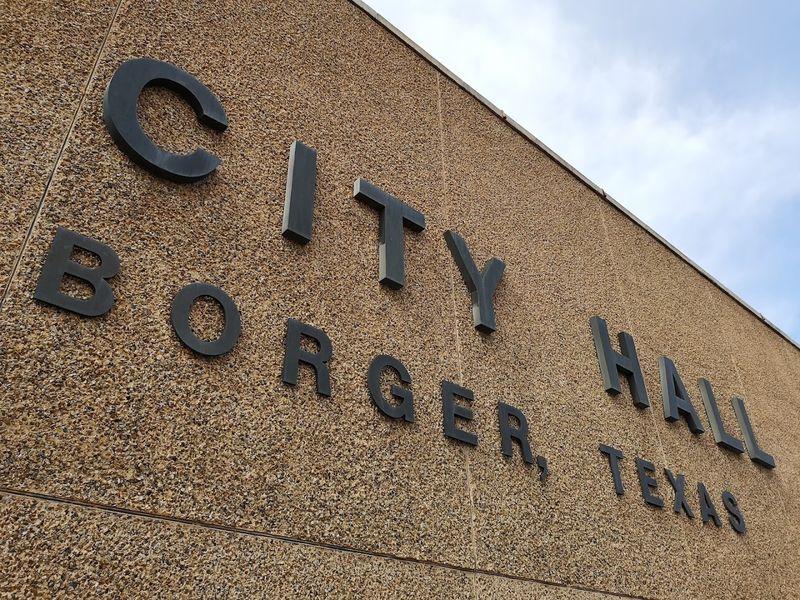
Up in the Panhandle where the wind never stops and the plains stretch forever, this small refinery town has lost residents at a pace that worries local officials. Census estimates show Borger declining from 12,558 in 2020 down to 11,842 by 2025, a drop of 5.7 percent in just five years. For a town this size, losing more than 700 people represents a significant chunk of your community and tax base walking out the door.
The refinery that anchors the local economy still operates, but like most modern industrial facilities, it needs fewer workers than it did decades ago. Technology and automation have eliminated jobs that once supported middle-class families, and those lost paychecks mean lost tax revenue and lost economic activity throughout the community. When the grocery store, the hardware shop, and the local restaurants all feel the pinch of fewer customers, the whole town suffers.
Property taxes in small towns like Borger can feel especially burdensome because there’s nowhere to hide. You don’t have the economic diversity of a larger city to spread costs around. When population declines, the remaining homeowners absorb more of the burden almost immediately.
City budgets can’t shrink as fast as populations do—you still need police, fire protection, street maintenance, and all the other services that make a town functional.
Homeowners here often own properties worth $80,000 to $120,000, modest values that reflect the local economy. But even a $2,000 annual tax bill represents a meaningful expense when household incomes are equally modest. Retirees on Social Security and working families with tight budgets both feel the squeeze when rates climb or assessments increase, forcing decisions about whether staying in Borger makes financial sense long-term.
The town’s challenge is existential in some ways. How do you attract new residents when job opportunities are limited and younger generations see more promising futures elsewhere? Without population growth, the tax base can’t expand, which means existing homeowners keep paying more to maintain what’s left.
It’s a cycle that’s hard to break without major economic development or industry diversification, neither of which seems likely in the near future for this Panhandle community.
7. Pampa
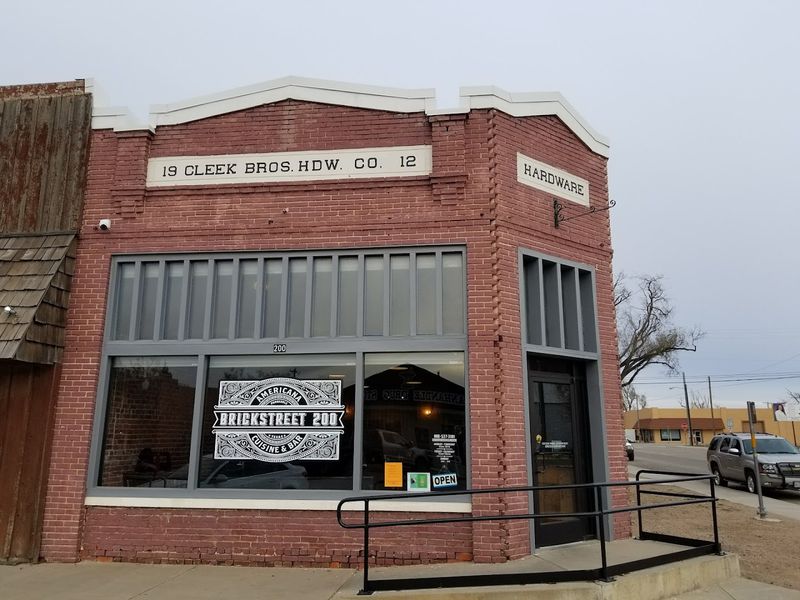
Another Panhandle community feeling the demographic squeeze, this town has watched its population tick downward even though the decline isn’t as dramatic as some other entries on this list. Census estimates show Pampa slipping from 16,870 in 2020 to 16,487 by 2024, a loss of a few hundred residents that still matters when you’re already a small town trying to maintain services and infrastructure for everyone who remains.
Home values here run low compared to most of Texas—you can buy a house for $90,000 or less in many neighborhoods. But homeowner costs still take a meaningful percentage of household budgets because property taxes, insurance, and utilities don’t scale down proportionally with home values. A $2,500 annual tax bill on a $95,000 house represents a higher effective rate than a $7,500 bill on a $300,000 house in the suburbs, and it hurts more when your income is lower to begin with.
The economy here mixes agriculture, some energy sector jobs, and local services, but none of those sectors are booming in ways that attract new residents. Young people leave for college and often don’t return, drawn to cities with more career options and amenities. The population that remains skews older, with more retirees on fixed incomes who feel every dollar of property tax increase more acutely than working families might.
Property tax pressure in towns like Pampa isn’t always about massive rate hikes. Sometimes it’s just the steady drumbeat of annual increases that outpace income growth for residents who don’t have much cushion in their budgets. When your Social Security check or modest wages stay flat while your tax bill climbs three or four percent each year, the math eventually stops working.
You start making hard choices about home repairs, healthcare, or whether you can afford to stay in the community you’ve called home for decades.
Pampa faces the same challenge as other small Panhandle towns: how do you reverse population decline without major economic catalysts? Wind energy has brought some development to the region, but it doesn’t create the volume of jobs needed to stabilize or grow small-town populations. Meanwhile, homeowners who stay loyal to Pampa keep shouldering more of the financial burden, creating pressure that makes it harder to imagine a bright future for this corner of Texas.