Texas hides some of the most breathtaking natural wonders you’ll ever see, and most people drive right past them without knowing they exist. From crystal-clear swimming holes tucked into limestone canyons to butterfly gardens that transport you to the rainforest, these spots offer experiences that rival anything you’d find in a national park. We’re sharing eight incredible destinations across the state that locals have quietly enjoyed for years, and once you visit, you’ll understand why they feel almost too good to share.
1. Krause Springs
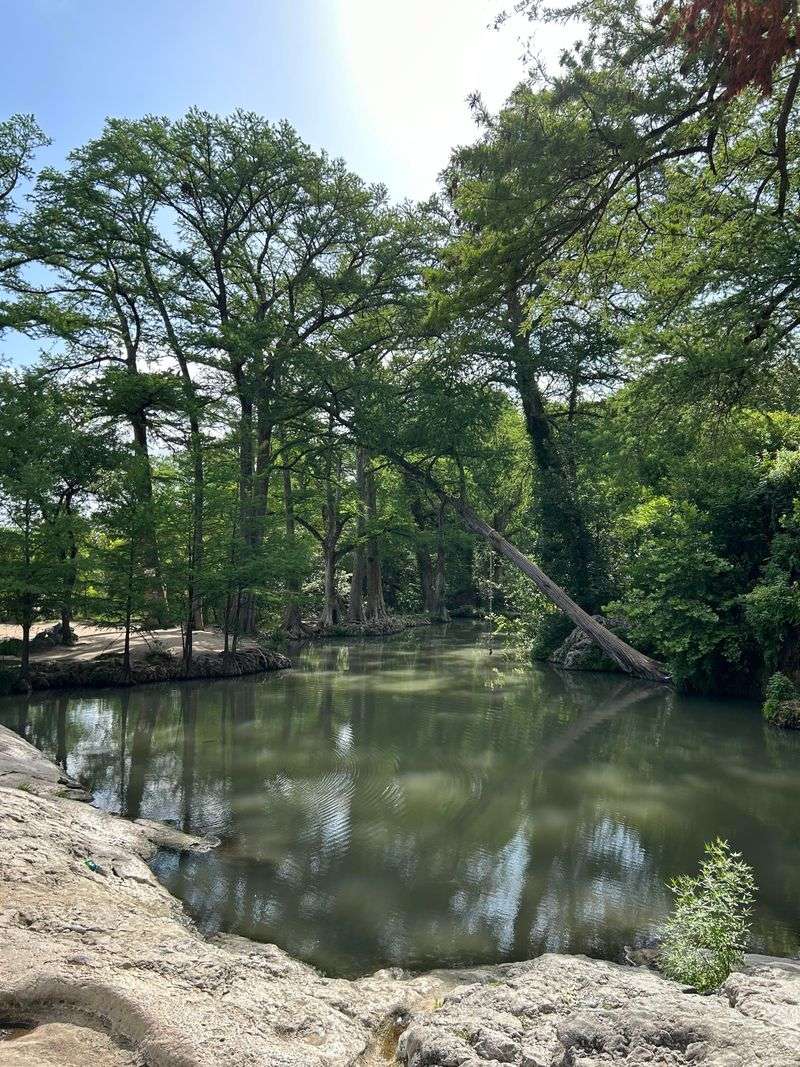
About thirty miles west of Austin, a family-owned property has been welcoming swimmers since the 1950s, though the springs themselves have been flowing for thousands of years. The Krause family maintains over thirty acres of gardens, camping areas, and multiple spring-fed pools that stay a refreshing 68-72 degrees year-round. What makes this place so special is how it combines the wild beauty of natural springs with thoughtful touches like stone pathways, picnic tables tucked under ancient oaks, and a man-made pool that catches the waterfall runoff.
The main attraction is the natural pool at the base of a multi-tiered waterfall that tumbles down moss-covered rocks. On hot summer days, the mist from the falls creates a cooling effect that makes the whole area feel like you’ve stepped into a different climate zone. The water is so clear you can watch small fish darting between the rocks, and the mineral content gives everything an almost magical sparkle in the sunlight.
Beyond the main pool, you’ll find smaller soaking spots scattered throughout the property, each with its own character. Some are shaded by towering cypress trees, while others sit in sunny clearings perfect for warming up between dips. The camping area offers both tent sites and RV hookups if you want to make a weekend of it, and there’s nothing quite like waking up to the sound of flowing water and birds singing in the canopy above.
Weekends can get crowded during peak summer months, so arriving early or visiting on weekdays gives you a better chance of finding your own quiet corner. The property has a small admission fee that helps maintain the grounds and facilities, and they ask visitors to pack out all trash to keep the springs pristine. Swimming suits are required, and glass containers aren’t allowed near the water for safety reasons.
Whether you’re looking for a quick afternoon escape or planning a full camping trip, this hidden gem delivers an experience that feels worlds away from city life while remaining surprisingly accessible.
2. Cockrell Butterfly Center

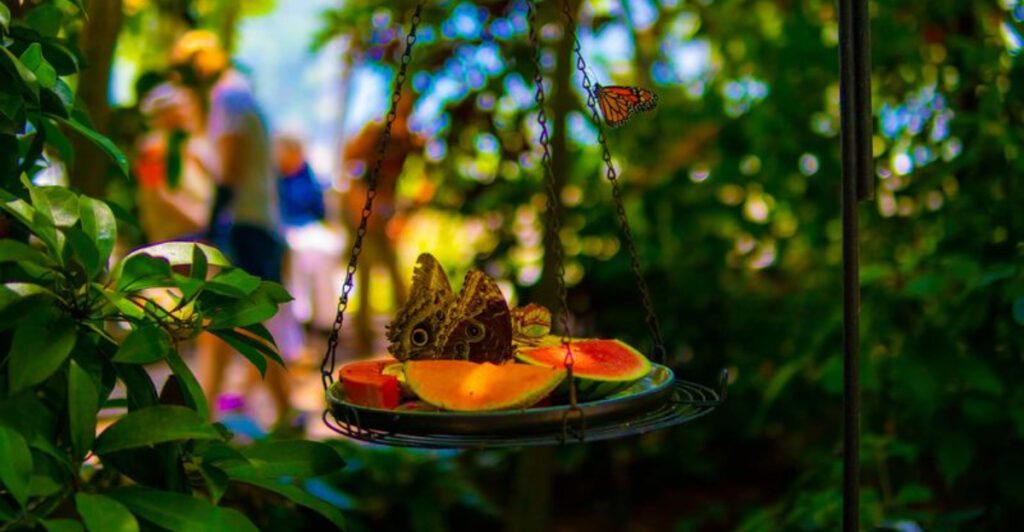
Standing three stories tall in the heart of Houston’s Museum District, a glass pyramid houses one of the most unexpected tropical experiences in Texas. Step through the climate-controlled doors and you’ll immediately feel the humidity rise as you enter a carefully maintained rainforest ecosystem complete with flowing waterfalls, exotic plants from around the world, and hundreds of live butterflies representing dozens of species. The temperature stays around 80 degrees with high humidity, creating the perfect environment for these delicate creatures to thrive.
Butterflies land on shoulders, hover near colorful clothing, and flutter past your face as you wind through the three-level habitat. The center receives regular shipments of chrysalises from butterfly farms worldwide, and you can often watch newly emerged butterflies taking their first flights in a special viewing area. Educational stations throughout the exhibit explain butterfly lifecycles, migration patterns, and the critical role these pollinators play in ecosystems globally.
The architectural design maximizes natural light while maintaining the precise climate butterflies need, and the waterfall serves both aesthetic and practical purposes by keeping humidity levels stable. Tropical plants bloom year-round, providing nectar sources and creating photo opportunities at every turn. Kids especially love the emergence window where they might spot a butterfly breaking free from its chrysalis, a process that can take several hours but often happens multiple times per day.
Beyond the butterfly habitat, the center includes exhibits on insect diversity, featuring everything from giant walking sticks to jewel-toned beetles. The lower level houses displays on butterfly conservation efforts and the threats these species face from habitat loss and climate change. Photography is encouraged, though flash can startle the butterflies, so natural light works best for capturing their iridescent wings.
Plan to spend at least an hour wandering the pathways, and don’t be surprised if you find yourself returning multiple times throughout the year as different species rotate through the collection. The experience offers a genuine escape into nature without leaving the city limits.
3. Chalk Bluff
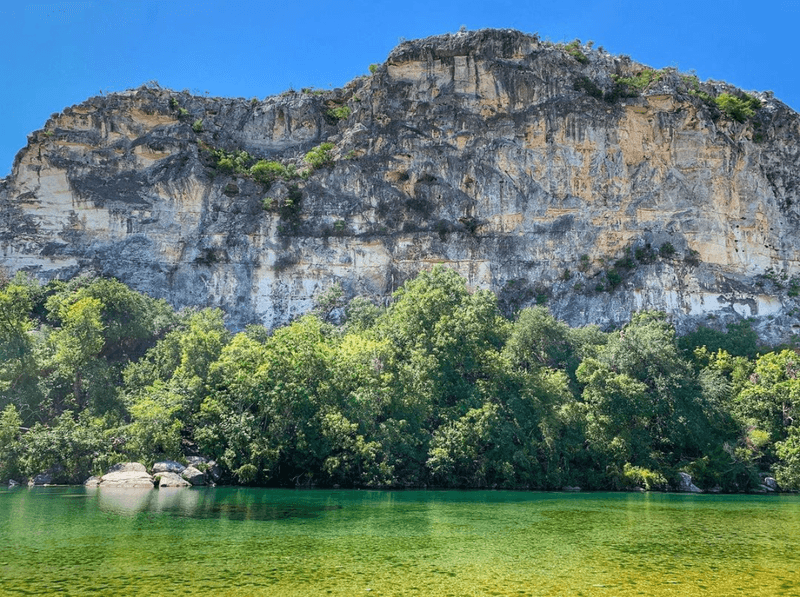
Where the Frio River curves through Uvalde County, dramatic white limestone cliffs rise straight up from water so clear you can count pebbles on the bottom even in the deepest spots. This swimming area has become legendary among those who know about it, offering a combination of stunning geology and perfect swimming conditions that’s hard to match anywhere else in the state. The cliffs create natural diving platforms at various heights, though you’ll want to check water levels before jumping since depth can vary seasonally.
The river maintains a consistent cool temperature thanks to spring-fed sources upstream, making it incredibly refreshing even during the hottest parts of summer. Cypress trees line portions of the bank, providing shaded areas for setting up camp chairs and coolers between swimming sessions. The limestone formations aren’t just beautiful—they’ve been carved by thousands of years of water flow, creating smooth surfaces, small caves, and interesting geological features that geology enthusiasts love to explore.
Access requires a bit of local knowledge since this isn’t a developed park with marked parking and facilities. Most visitors park along the roadside and walk down to the river, carrying their gear for the day. There are no lifeguards, restrooms, or concession stands, which is part of what keeps this spot feeling wild and unspoiled.
The trade-off for these amenities is an authentic natural experience where you’re responsible for your own safety and cleanup.
Water shoes are highly recommended since the rocky bottom can be sharp in places, and the current can pick up after heavy rains upstream. Families with young children should stay in the shallower areas near the banks where the water moves more slowly. Tubing is popular here, with many people parking a vehicle downstream and floating the stretch between access points.
The cliffs provide excellent spots for photography, especially in late afternoon when the sun hits the white stone and creates dramatic lighting. Respect for the natural environment is crucial—pack out everything you bring in, and be mindful that this special place stays beautiful because visitors treat it with care.
4. Lagoon Fest
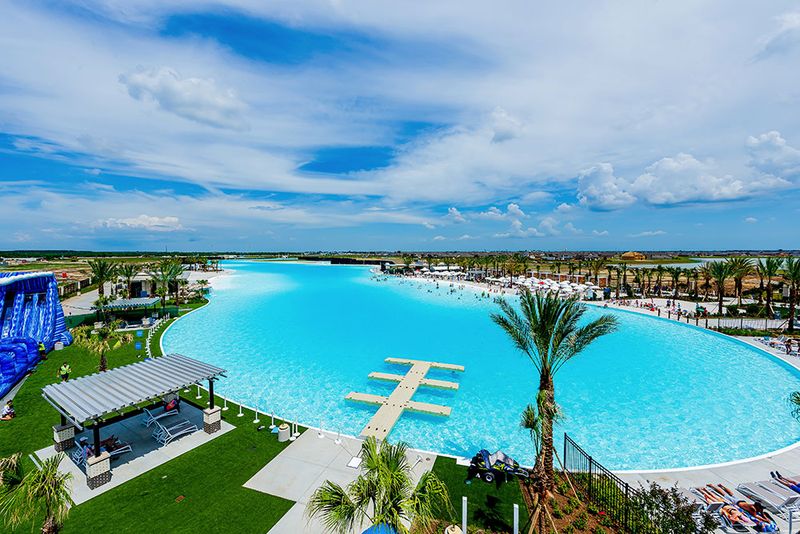
In Conroe, about forty miles north of Houston, a development company created something that seems impossible for Texas—a massive lagoon with Caribbean-blue water and white sand beaches that could pass for a tropical resort. The seven-acre Crystal Lagoon uses patented technology to filter and maintain water clarity while using significantly less chemicals than traditional pools, creating a swimming environment that feels more like the ocean than a typical neighborhood amenity. The water stays a brilliant turquoise color that photographs almost unbelievably well.
The lagoon reaches depths of up to eight feet in some areas while maintaining shallow wading zones perfect for younger swimmers. White sand beaches line the perimeter, complete with palm trees, lounge chairs, and cabanas that can be rented for the day. The whole setup feels like a vacation destination dropped into suburban Texas, and on busy days, the energy matches any popular beach town with music, activities, and a festive atmosphere.
Water activities include kayaking, paddleboarding, and swimming, with equipment rentals available on-site. The beach volleyball courts stay busy, and the surrounding lawn areas work well for picnics or just relaxing between dips in the water. Special events throughout the year include outdoor movies on the beach, live music performances, and holiday celebrations that draw crowds from across the Houston metro area.
Access to the lagoon is primarily for residents of the surrounding community and their guests, though some events open to the public on a limited basis. The facility includes changing rooms, showers, and a snack bar serving typical beach fare. Lifeguards are on duty during operating hours, and safety rules are strictly enforced to keep the environment family-friendly.
The water temperature is maintained for comfortable swimming most of the year, though it can feel cool during winter months.
Photography restrictions apply in certain areas to protect resident privacy, but the designated public zones offer plenty of Instagram-worthy backdrops. The contrast between this tropical oasis and the typical Texas landscape makes it feel almost surreal, especially on those scorching summer days when the blue water beckons. Whether you’re a resident with regular access or visiting for a special event, the lagoon delivers an experience that’s become increasingly popular as more communities adopt similar amenities.
5. Tonkawa Falls
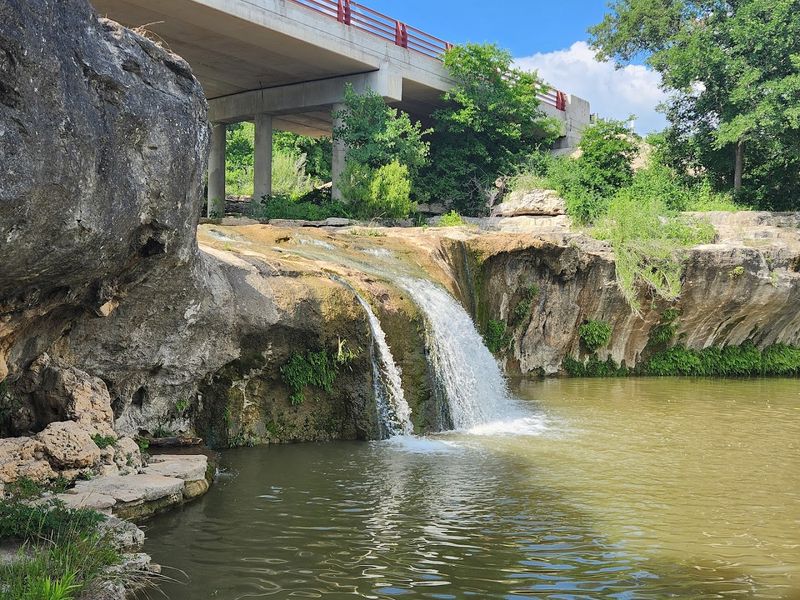
Hidden in a private campground near Crawford, a seasonal waterfall creates one of the most photogenic swimming spots in Central Texas when conditions are right. The falls flow strongest after good rains, sending water tumbling over limestone ledges into a clear pool below that’s perfect for cooling off on hot days. During dry periods, the falls can slow to a trickle or stop completely, but the swimming hole itself is spring-fed and maintains water year-round.
The surrounding area features typical Hill Country vegetation—juniper, oak, and various wildflowers that bloom in spring and early summer. The rocks around the falls have been smoothed by thousands of years of water flow, creating natural slides and sitting areas where you can relax while the water rushes past. The pool depth varies depending on recent rainfall, but there are usually both shallow wading areas and deeper spots suitable for swimming.
Access requires paying a day-use fee or staying at the campground, which offers tent sites, RV hookups, and cabin rentals. The property is privately owned and well-maintained, with the owners taking pride in keeping the natural features pristine while providing basic amenities like restrooms and picnic tables. Unlike some more remote swimming holes, this one offers the convenience of nearby facilities without sacrificing the natural beauty that makes it special.
The best time to visit is typically spring through early summer when rainfall keeps the falls flowing strongly and temperatures make swimming appealing. Fall can also be beautiful as the leaves change color, though water levels may be lower. Summer weekends can get busy with families and groups, so weekday visits or early morning arrivals give you a better chance of finding a quiet spot.
The campground also features hiking trails, fishing ponds, and other recreational activities if you want to make a full day or weekend of your visit.
Photography enthusiasts love this spot, especially when the falls are running at full force and creating mist that catches the sunlight. The limestone formations provide interesting foreground elements, and the lush vegetation frames shots beautifully. Water shoes are recommended since the rocky bottom can be uneven, and always check current conditions before planning your trip since the falls’ appearance changes dramatically based on recent weather.
This gem proves that some of Texas’s best natural features are still being discovered and shared by those willing to venture slightly off the beaten path.
6. Blue Hole
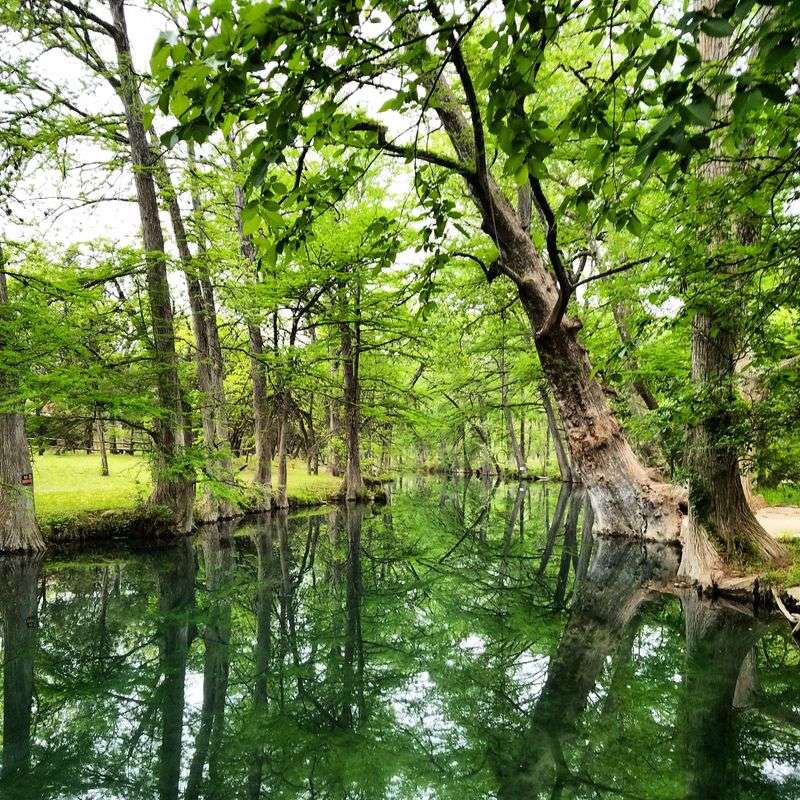
Just outside Wimberley, a spring-fed swimming hole has been a local favorite for generations, offering crystal-clear water that stays cool even during the hottest months. The Blue Hole earns its name from the deep blue-green color created by the spring’s depth and the way sunlight filters through the water. Towering cypress trees line the banks, their roots creating interesting formations underwater and their branches providing the anchor points for the rope swings that have become a signature feature.
The swimming area includes both shallow sections where kids can play safely and deeper spots where confident swimmers can dive from the surrounding rocks or swing from the ropes. The spring maintains a consistent temperature around 70 degrees, which feels incredibly refreshing in summer but might be too cold for extended swimming during cooler months. The water clarity is remarkable—you can easily see fish swimming below and watch sunlight create dancing patterns on the rocky bottom.
Access to Blue Hole is managed through the city of Wimberley, which implemented a reservation system to prevent overcrowding and protect the natural environment. During peak season, spots fill up quickly, sometimes weeks in advance, so planning ahead is essential if you want to visit during summer weekends. The reservation system limits daily visitors, which means those who do get in can actually enjoy the space without fighting for every square foot of water.
The surrounding park includes picnic areas, restrooms, and a small beach area where you can set up chairs and coolers for the day. Rules are strictly enforced—no glass containers, no alcohol, and no pets—to keep the environment safe and clean for everyone. Lifeguards are not provided, so swimming is at your own risk, and parents need to supervise children closely, especially around the deeper areas and rope swings.
The cypress trees create a canopy that provides natural shade over much of the swimming area, making it comfortable even on the hottest days. Wildlife is abundant, with turtles often sunning on logs, birds nesting in the trees, and occasional sightings of river otters playing in the water. The combination of natural beauty, convenient access, and thoughtful management has kept this spot special despite increasing popularity.
Whether you’re swinging from the rope into the cool water or just floating on your back watching the clouds through the cypress branches, Blue Hole delivers a quintessential Texas swimming experience.
7. Old Baldy
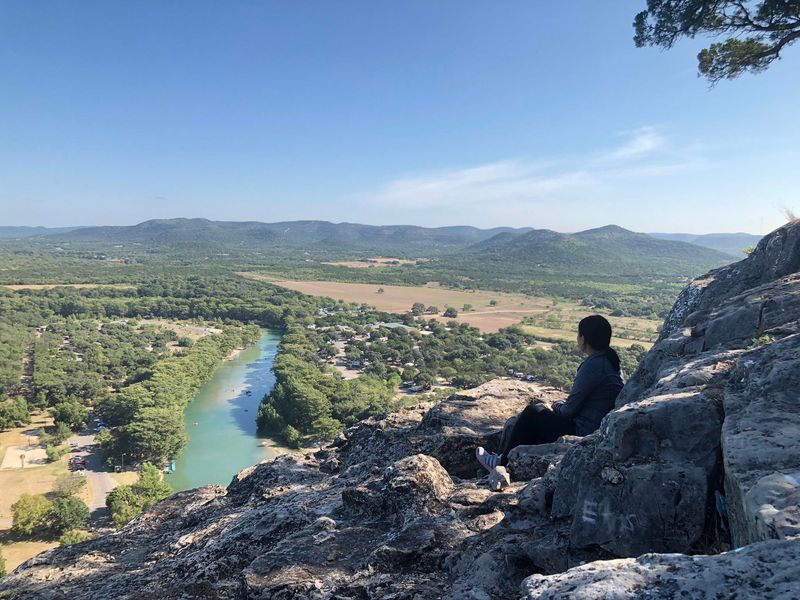
Wimberley’s most famous hiking destination packs impressive views into a relatively short climb that rewards effort without requiring extreme fitness levels. The trail to the summit of Old Baldy covers roughly a mile round trip but gains about 200 feet in elevation, enough to get your blood pumping while remaining accessible to most hikers who take their time. The “bald” refers to the exposed limestone cap at the summit, which offers unobstructed 360-degree views across the Hill Country.
The trailhead starts near the Wimberley Community Center, and the path quickly transitions from developed areas into natural terrain. Rocky sections require attention to foot placement, and the incline can be challenging in spots, but the trail is well-maintained and clearly marked. Live oaks provide intermittent shade along the way, though the upper portions become increasingly exposed as you near the summit.
From the top, you can see across Wimberley and out to the surrounding hills and valleys that define this part of Texas. Cypress Creek winds through the landscape below, and on clear days, you can identify various landmarks including the Blue Hole area and several of the town’s distinctive features. Sunrise and sunset offer particularly beautiful lighting, though you’ll want to bring a flashlight if you plan to descend after dark.
The summit itself features flat limestone surfaces perfect for sitting and taking in the views, and it’s become a popular spot for proposals, small gatherings, and quiet contemplation. Wildflowers bloom along the trail in spring, adding pops of color to the typical Hill Country palette of greens and grays. Birds are active throughout the day, and you might spot deer, armadillos, or other wildlife along the path.
This hike works well as a quick morning activity before the day heats up or as an evening adventure to catch the sunset. Bring water, wear sturdy shoes with good traction, and watch for loose rocks, especially on the descent. The trail can be slippery when wet, and summer temperatures can make the exposed upper sections uncomfortably hot during midday hours.
Despite being one of Wimberley’s most popular hikes, you can often find moments of solitude, especially on weekday mornings. The combination of accessibility, beautiful views, and relatively short distance makes Old Baldy a perfect introduction to Hill Country hiking for visitors and a reliable favorite for locals who return again and again.
8. Hamilton Pool Preserve
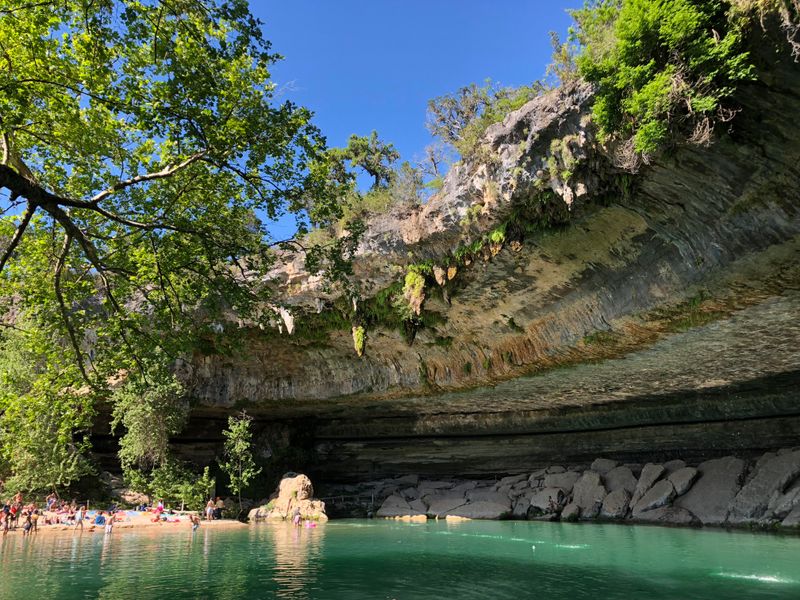
About twenty-three miles west of Austin, a collapsed underground grotto created one of the most photographed natural swimming holes in the entire state. The pool sits beneath a massive limestone overhang where a fifty-foot waterfall spills over the edge when conditions allow, creating a scene that looks more like a fantasy movie set than a real place in Texas. The jade-green water, the cave-like ceiling, and the lush vegetation growing from every crack in the rocks combine to create an almost otherworldly atmosphere.
The preserve formed thousands of years ago when the dome of an underground river collapsed, exposing the pool and creating the natural grotto. Stalactites still cling to the ceiling, and the limestone walls show the layers of geological history that went into creating this unique feature. Ferns, moss, and other moisture-loving plants thrive in the humid microclimate, adding to the tropical feel despite the Texas location.
Swimming is allowed when bacterial levels are safe, though the pool is periodically closed for water quality concerns, especially after heavy rains. Even when swimming is prohibited, the preserve remains open for viewing and hiking, and many visitors find the scenery alone worth the trip. The waterfall doesn’t flow year-round—it depends on rainfall and the water table level—but when it’s running, the effect is spectacular.
Access requires reservations through the Travis County park system, and spots fill up extremely quickly during peak season. The preserve limits daily visitors to protect the fragile ecosystem, which means you need to plan well in advance for summer weekends. A short trail leads from the parking area down to the pool, with stairs and pathways that have been improved over the years to handle visitor traffic while minimizing environmental impact.
The surrounding preserve includes additional trails through the Hill Country landscape, offering opportunities to see native plants, birds, and other wildlife. The Pedernales River runs nearby, and the area’s biodiversity makes it interesting for nature enthusiasts beyond just the swimming hole. Photography rules are relaxed, and the unique lighting conditions inside the grotto create challenges and opportunities for capturing the scene.
The best photos often come from experimenting with different angles and times of day as the sun moves across the opening above. This natural wonder has become iconic for good reason—it represents the kind of hidden beauty that makes exploring Texas endlessly rewarding for those willing to seek out its secret spots.