Not every college town comes with sky-high rents and an overwhelming cost of living. Across Indiana, several university communities continue to offer an appealing mix of affordable housing, lively downtowns, local restaurants, cultural attractions, and the youthful energy that makes college towns so enjoyable.
Whether you’re a student, a young professional, a retiree, or simply considering a move, these destinations prove you don’t have to sacrifice character or convenience to stay within your budget. From walkable neighborhoods to vibrant Main Streets, these 10 Indiana college towns show that affordable living is still within reach.
1. Bloomington
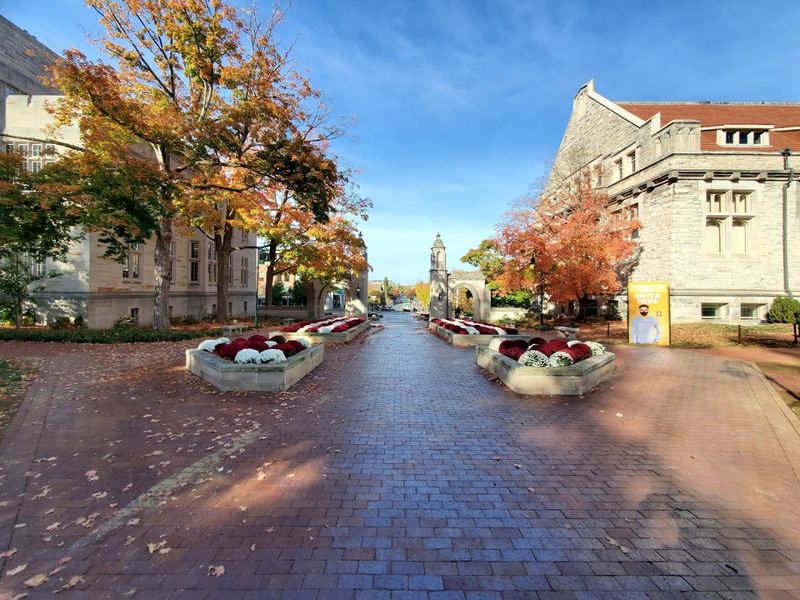
Bloomington has the kind of college-town rhythm people picture when they imagine Indiana at its most lively. Indiana University gives the city a constant pulse, but the place does not read like a campus bubble cut off from regular life.
You get the Big Ten backdrop, plenty of familiar student energy, and enough local businesses downtown to make daily routines more interesting than a chain-store loop.
One of the biggest draws here is variety packed into a manageable footprint. Independent bookstores, record shops, coffee spots, casual restaurants, and late-night food counters sit close enough together that an ordinary afternoon can turn into a full evening without much planning.
The arts side of town also adds depth, with galleries, performance spaces, and music venues helping the city stay active beyond football weekends and the academic calendar.
Bloomington also has an outdoorsy edge that balances the urban buzz. Griffy Lake Nature Preserve gives you a quick escape when sidewalks and study spaces start to blur together, and that easy access matters more than people expect.
A town feels more livable when you can switch from a café table to a wooded trail in the same day without driving forever or spending much money to do it.
Affordability is the reason Bloomington lands on this list instead of just coasting on charm. Compared with many better-known university cities, living here can still feel attainable, especially if you value walkability, shared housing options, and everyday entertainment that does not require a major splurge.
For anyone chasing the classic college-town mix of energy, culture, and practical costs, Bloomington stays in the conversation for good reason.
2. Muncie
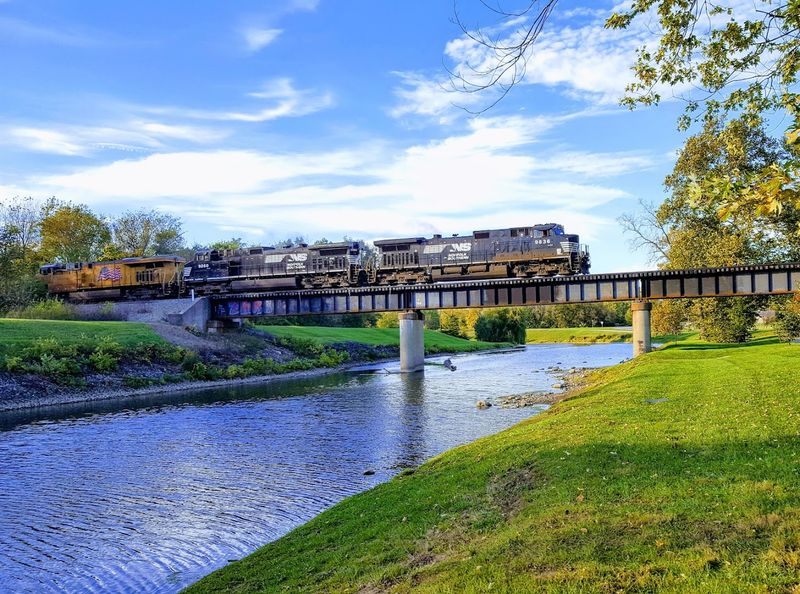
Muncie has a straightforward appeal that works in its favor. Ball State University brings movement, events, and a steady student presence, while the rest of the city keeps things grounded with practical prices and a more relaxed pace than bigger college markets.
That combination can be especially attractive if you want access to campus life without signing up for constant traffic, inflated rent, or a social scene that never turns down the volume.
Downtown Muncie has seen the kind of local energy that makes a place more enjoyable to use, not just pass through. Restaurants, galleries, small shops, and community events give the city a center that feels active without trying too hard.
On a normal week, you can grab coffee, catch an art show, browse local storefronts, and still end the day feeling like you spent sensibly rather than turning every outing into a budget problem.
The affordability angle stands out here because it touches more than just rent. Day-to-day costs tend to feel manageable, and that matters whether you are a student stretching every paycheck, a young professional testing out a lower-cost city, or a family looking for a place with a built-in community.
College towns often sell excitement first and practicality second, but Muncie makes a decent case that you do not always have to choose between the two.
There is also something useful about Muncie being comfortable in its own scale. It offers campus access, local culture, and a welcoming sense of routine without the pressure of constant reinvention.
If your ideal college town includes attainable housing, familiar neighborhood spots, and enough activity to keep weekends interesting, Muncie deserves a serious look instead of getting skipped for flashier names.
3. West Lafayette
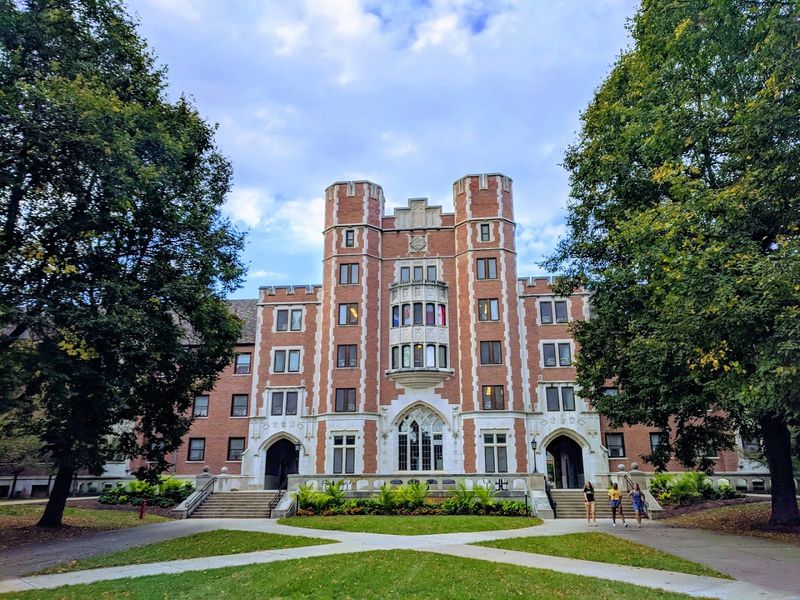
West Lafayette carries a bigger reputation than many towns on this list, yet it still manages to stay in the affordability conversation. Purdue University gives the city an international flavor, with research energy, campus events, and a steady flow of students from all over.
Even with that global profile, the town can feel surprisingly practical compared with other major university hubs that charge premium prices for every square foot and cup of coffee.
Daily life works well here because so much is close together. Walkable neighborhoods, local restaurants, and easy campus access make it possible to build a routine that depends less on long drives and more on simple convenience.
That matters in budget terms too, since a place that lets you walk to class, dinner, parks, or a weekend event often saves money in ways that do not show up on a rent listing.
The riverfront parks help soften the academic intensity. When a town is built around innovation and education, it can risk feeling all work and no room to breathe, but West Lafayette balances that with outdoor spaces and an easy path into community activities throughout the year.
University lectures, performances, and seasonal events keep the calendar full, so entertainment does not always require hunting for something far outside town.
For many people, West Lafayette works because it delivers a polished college-town experience without fully tipping into elite-city pricing. You get strong campus culture, recognizable school spirit, and neighborhoods that function well for students and long-term residents alike.
It is not the cheapest place in Indiana, but compared with many nationally known college towns, West Lafayette still offers a more approachable version of university-centered living.
4. South Bend
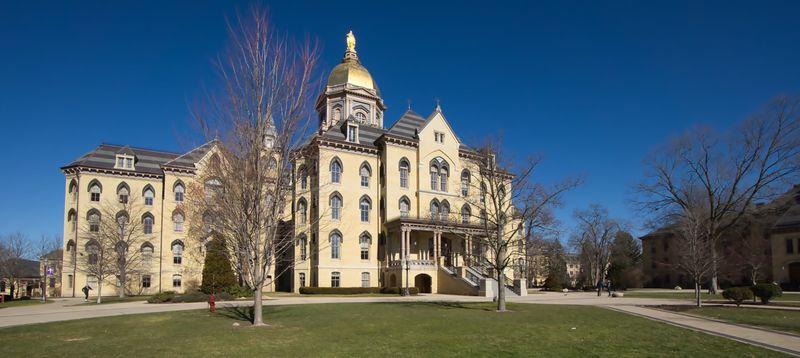
South Bend brings a larger-city edge to this list, but it still makes sense for budget-conscious readers who want college-town energy with more layers. The University of Notre Dame gives the area national visibility, strong traditions, and a calendar packed with events that ripple beyond campus.
Yet South Bend is not defined by one institution alone, which helps the city feel broader and more usable for people who want culture, neighborhoods, and everyday life outside the university orbit.
One of the strongest points here is the mix of old and new. Historic architecture gives certain streets real character, while downtown revitalization has added fresh momentum through restaurants, gathering spaces, and updated public areas.
Riverfront parks, museums, and sporting events widen the appeal, so a free afternoon can go in several directions depending on your mood, your budget, and how much energy you have left after work or class.
Affordability matters more in a city with this much going on because it changes the experience from occasional to regular. When living costs stay lower than many comparable places, local entertainment and neighborhood routines become easier to enjoy without constant tradeoffs.
That can mean saying yes to a game, a museum stop, or dinner out more often, rather than treating every outing like a mini financial decision.
South Bend is a practical pick for anyone who wants college traditions but also wants room to spread into city life. It offers a little more scale than the classic small-campus town, along with enough reinvestment and local activity to keep things moving.
If you are after a place where affordability meets history, school spirit, and a stronger urban menu of options, South Bend earns its spot.
5. Terre Haute
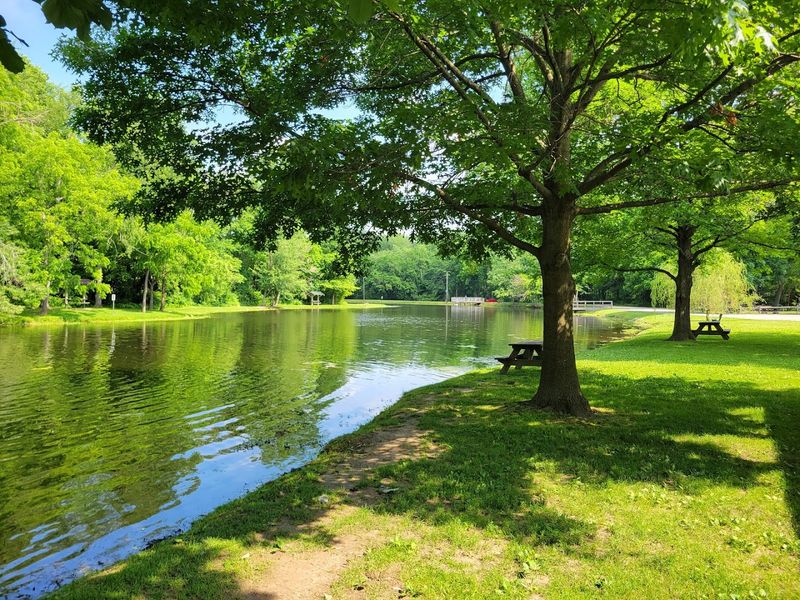
Terre Haute often gets overlooked in statewide conversations, which is exactly why it deserves more attention here. With Indiana State University and Rose-Hulman Institute of Technology in the area, the city has a strong student presence and a built-in stream of campus activity.
At the same time, housing and daily expenses tend to stay accessible, giving Terre Haute an edge for people who care less about hype and more about how far their money actually goes.
There is a grounded quality to the city that can be refreshing. Parks, arts venues, and community festivals add life beyond classrooms, but nothing feels overproduced or engineered for tourists first.
Instead, the appeal comes from ordinary usability – places to meet friends, events that break up the week, and neighborhoods where routine errands do not turn into a drawn-out production every time you leave the house.
That practicality extends to the college-town experience itself. Not every university city needs a huge skyline, nonstop nightlife, or luxury apartments wrapped in student branding.
Terre Haute offers a version that is easier to maintain on a real-world budget, which can matter just as much as trendier features when you are looking for somewhere to live rather than somewhere to post about for one weekend.
The city also benefits from serving more than one academic crowd, which broadens the local mix a bit. You get a blend of students, faculty, families, and long-term residents that helps the community feel stable instead of seasonal.
For anyone searching for a town where college energy exists alongside lower housing costs, familiar neighborhood patterns, and a friendly local pace, Terre Haute makes a solid, sensible choice.
6. Valparaiso
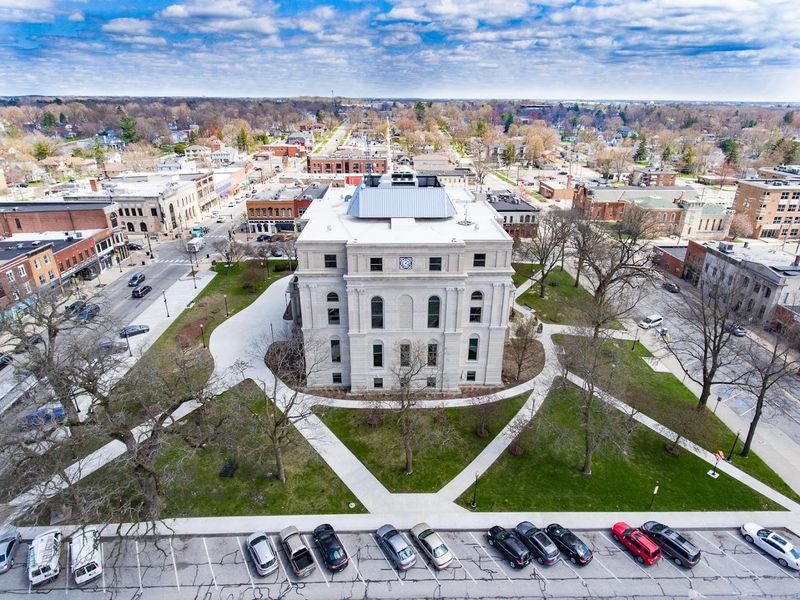
Valparaiso, or Valpo if you want to sound like you know the place, has a polished small-city setup that makes daily life easy to like. Valparaiso University anchors the town, but the broader appeal comes from how well the downtown and surrounding neighborhoods function together.
It is the kind of place where local businesses actually shape the experience, instead of serving as background decoration next to a campus that does all the heavy lifting.
The walkable downtown is a major asset. Locally owned shops, restaurants, cafés, and public gathering spots create the sort of center that invites repeat visits rather than one-time curiosity.
That matters when you are trying to gauge livability, because a town becomes more affordable in practical terms when entertainment, errands, and simple social plans can happen close to home without a long drive or a big spend.
Valpo also benefits from a strong community streak. Parks and neighborhood events help connect residents beyond the university setting, giving the city more staying power than a place built only around academic schedules.
Students can find a welcoming environment, but long-term residents are not treated like extras in a campus production, and that balance often makes a college town more stable and more comfortable to live in year-round.
In cost terms, Valparaiso offers a manageable alternative to more expensive college communities in the broader region. It is not trying to compete through sheer size or nonstop spectacle, and that restraint works in its favor.
If you want a college-centered city with an active downtown, a friendly local network, and living costs that still feel within reach, Valpo brings a lot to the table without making everyday life unnecessarily expensive.
7. Richmond
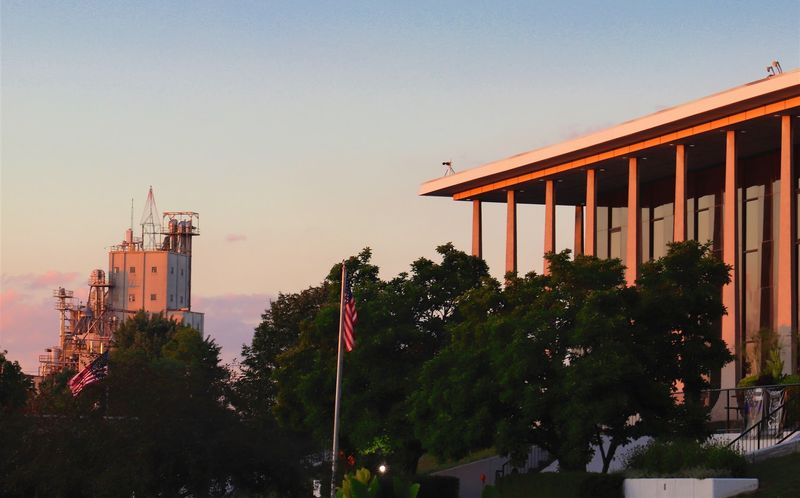
Richmond offers a quieter version of college-town living, and that is part of the appeal. Earlham College gives the city academic presence, but the overall experience leans more small-city than nonstop campus spectacle.
For plenty of people, that is a smart trade: you still get intellectual energy and local events, yet the pace remains calm enough that ordinary life can stay simple, affordable, and easy to navigate.
The historic architecture adds real texture to Richmond. Streets with older buildings, established neighborhoods, museums, and public parks create a setting that feels rooted rather than assembled overnight for new development brochures.
Local festivals add another layer, giving the calendar a few extra bright spots without turning the city into a place that needs constant reinvention to hold your attention.
Richmond’s affordability is one of its clearest strengths. Compared with larger Midwestern cities, everyday costs can stay more comfortable, which opens up breathing room for students, young professionals, retirees, and families alike.
That room matters, because a city becomes far more enjoyable when housing, meals out, and basic routines do not eat up so much of your budget that you stop participating in the place around you.
There is also value in Richmond’s scale. You can access culture, green space, and college-town character without feeling overwhelmed by sprawl or competition for every apartment and parking space.
It is a practical choice for anyone who wants a welcoming community with visible history, useful amenities, and a campus presence that adds flavor without dominating everything. Richmond may not shout for attention, but it makes a convincing case once you look closer.
8. Indianapolis
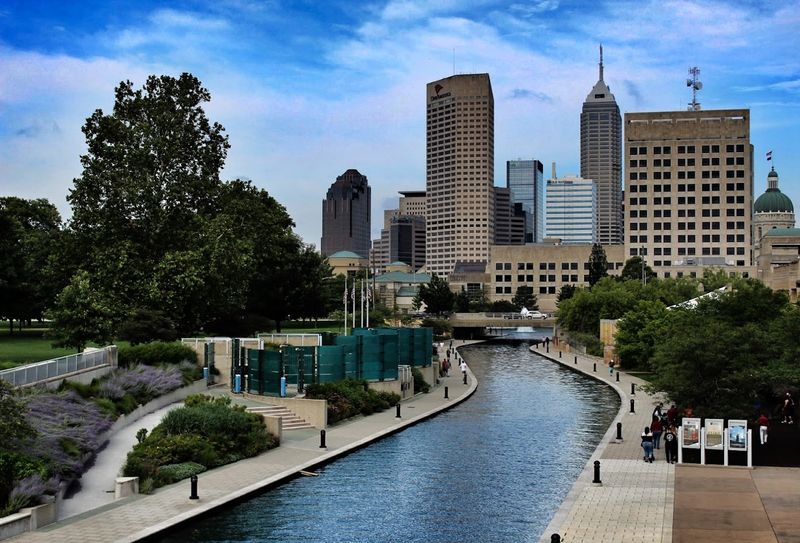
Indianapolis proves that this list does not have to stop at small towns. As Indiana’s capital, it delivers a bigger menu of neighborhoods, entertainment, and career options, yet it can still be more accessible than many major cities with strong university footprints.
Butler University, Marian University, the University of Indianapolis, and the institutions that followed IUPUI all contribute to a student presence that adds energy without reducing the city to a one-campus identity.
The appeal here is range. On any given week, you can tap into professional sports, museums, live entertainment, coffee shops, bookstores, and restaurant districts that vary widely from one neighborhood to the next.
That variety matters when you are trying to build a lifestyle on a realistic budget, because a city with many options usually gives you more control over how much you spend and where you spend it.
Indianapolis also works for people who want college-town benefits without actual small-town limitations. University events, student-friendly business districts, and walkable pockets create that familiar academic-city crossover, but the broader urban setting means you are not relying on one downtown strip for everything.
If one area is too pricey or too crowded, another neighborhood may fit better, which can make the city feel more adaptable than smaller college markets.
Affordability in a city this size is always relative, but Indianapolis still stands out as a practical choice by big-city standards. You can find culture, school spirit, and neighborhood character without automatically entering coastal-level cost territory.
For anyone who wants the buzz of student life mixed with museums, sports, and a wider housing landscape, Indianapolis offers an accessible version of urban college living that remains hard to ignore.
9. Hanover
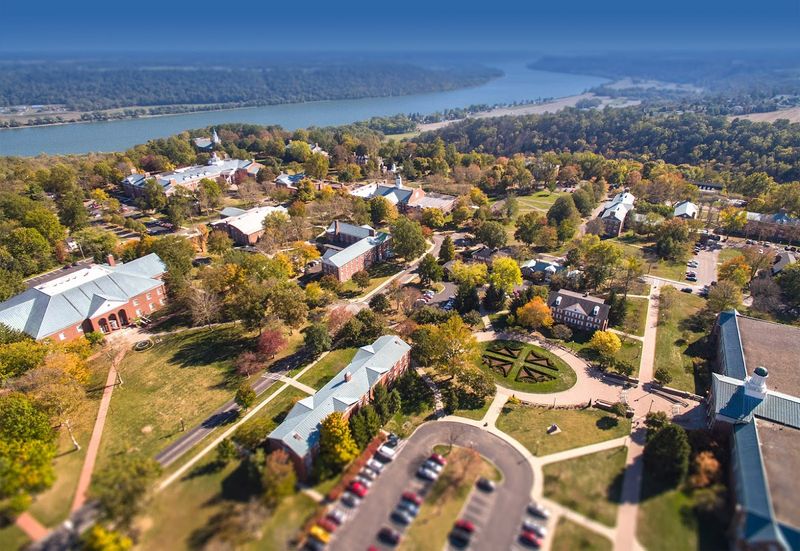
Hanover shifts the mood of this list in the best way. Set along the Ohio River and home to Hanover College, it trades urban bustle for scenery, quiet streets, and a close-knit campus community.
If your ideal college town includes room to think, lower living costs, and a backdrop that does not need much help from flashy development, Hanover brings a very different but very appealing kind of value.
The natural setting does a lot of work here. River views, rolling terrain, and easy outdoor recreation give the town a pace that invites slower routines and simpler weekends.
That can be especially attractive if crowded downtown districts, endless parking hunts, and overscheduled social calendars are not your thing. In Hanover, daily life leans toward peaceful rather than hectic, but it still benefits from the presence of an established college nearby.
The town’s historic character adds another reason it stands out. Older buildings and a compact community shape a place that feels rooted in its setting instead of copied from a generic college-town formula.
For students or residents who appreciate a smaller-scale environment, that intimacy can make local life easier to navigate, more familiar, and often less expensive than living in a larger city where every convenience comes with a bigger bill.
Hanover is not chasing the same crowd as Bloomington or Indianapolis, and that is exactly why it belongs here. It offers a picturesque, lower-cost version of college-town living where nature and campus life sit close together.
If you want affordability without giving up charm, and you prefer river views and community ties over nonstop noise, Hanover makes a strong case for going smaller and living more simply.
10. Crawfordsville
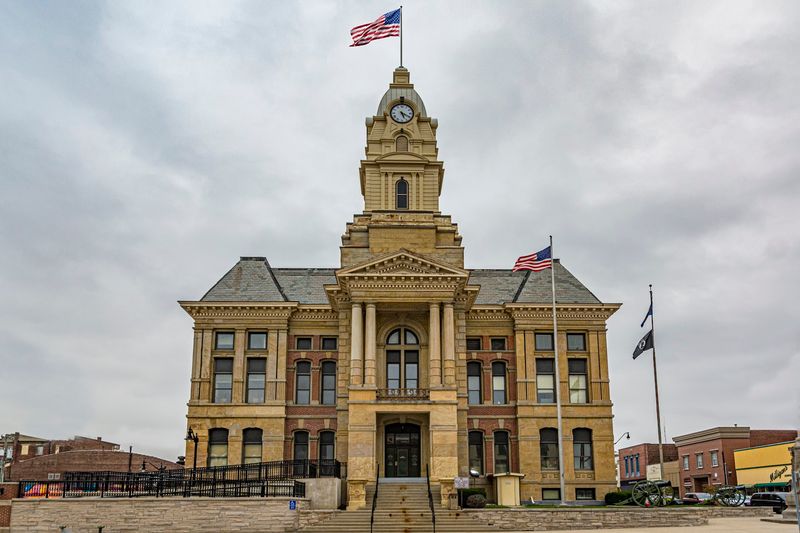
Crawfordsville closes this list with a town that knows exactly what it is. Home to Wabash College, it combines academic heritage, a walkable downtown, and a cost of living that stays friendlier than many larger college communities.
That mix matters because it gives you more than just a campus to live near – it gives you a town where daily errands, weekend plans, and housing costs can all stay manageable.
Nicknamed the Athens of Indiana, Crawfordsville has a historic streak that gives the place extra personality. Local shops, parks, and cultural attractions help round out the college presence, so the town does not depend on one audience to stay active.
Instead, it offers the kind of compact center where grabbing coffee, browsing storefronts, or catching a local event can become part of your regular routine rather than an occasional outing.
The walkability is a real advantage here. In smaller towns, being able to reach downtown without much hassle can make the difference between a place that sounds nice on paper and one that actually works every day.
Pair that with affordable housing and a friendly community, and Crawfordsville starts to look less like a backup option and more like a smart pick for students, faculty, or anyone drawn to classic college-town structure without inflated prices.
Crawfordsville will not overwhelm you with scale, and that is part of its strength. It offers history, local character, and the grounding presence of a respected liberal arts college in a package that remains approachable.
For readers who want Indiana college-town life with lower costs, easier routines, and a downtown that still has its own identity, Crawfordsville is an easy town to keep on the shortlist.
Share this story