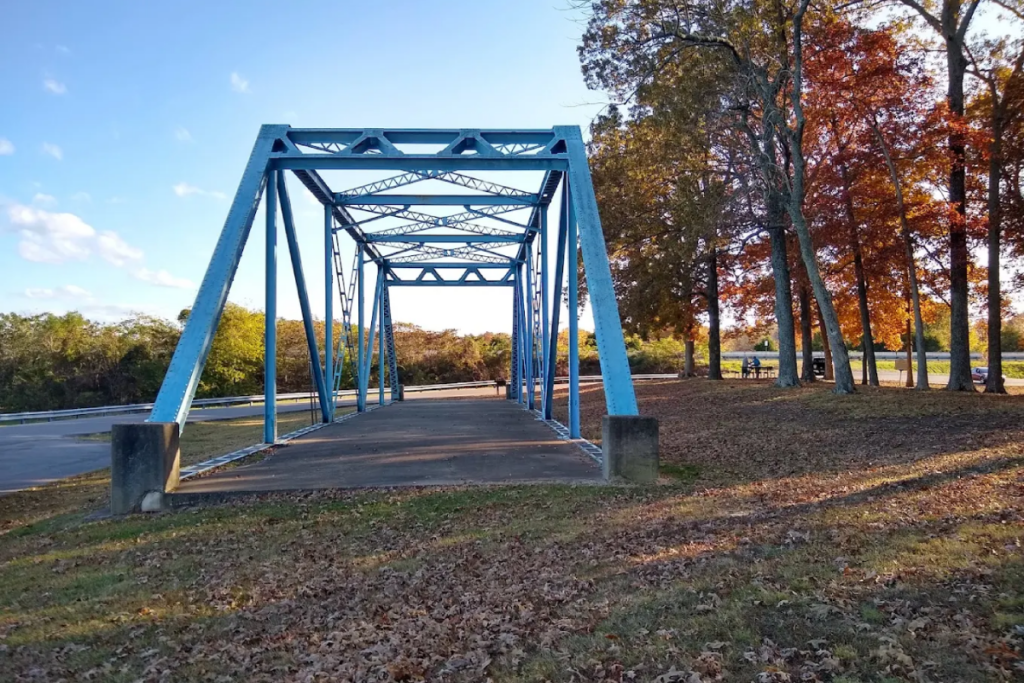
Tennessee stretches across three distinct regions, each offering its own flavor of adventure, history, and natural beauty. From the misty peaks of the Smokies in the east to the rolling hills of Middle Tennessee and the wide-open waters of the west, there’s no shortage of places to explore without needing an overnight bag.
These day trips prove you don’t have to travel far to experience something memorable, whether you’re chasing waterfalls, soaking up music history, or wandering through charming small towns that feel like stepping back in time.
1. Gatlinburg and Great Smoky Mountains National Park
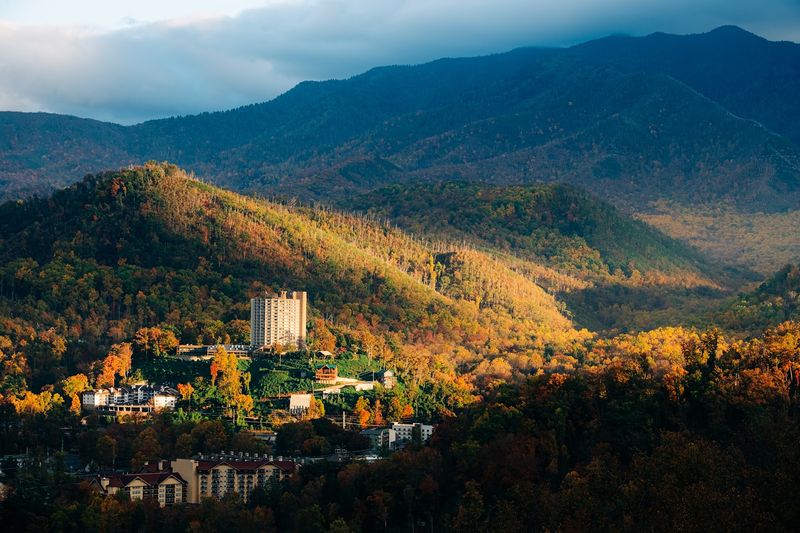
Gatlinburg sits right at the doorstep of America’s most-visited national park, making it one of those rare places where you can grab pancakes at a quirky diner and be hiking past waterfalls within twenty minutes. The town itself leans into its touristy side with arcades, candy shops, and attractions that kids love, but the real draw is what’s waiting just beyond the main strip.
Once you enter the Smokies, everything shifts—suddenly it’s all about quiet forest trails, rushing streams, and mountain views that stretch for miles.
Cades Cove is a must if you want wildlife sightings and a loop drive that feels like a step back into pioneer days. The eleven-mile road winds past old cabins, churches, and meadows where deer, turkeys, and even black bears make regular appearances. It’s popular, so arriving early helps you beat the crowds and catch the morning light filtering through the trees.
If waterfalls are your thing, head to Laurel Falls or Grotto Falls, both easy enough for families but still rewarding. Grotto Falls even lets you walk behind the cascade, which is a fun photo op and a cool escape on a hot day. For a more challenging hike, Alum Cave Trail takes you up steep terrain with rocky bluffs and views that make the effort worthwhile.
Back in Gatlinburg, the SkyBridge gives you a suspended walkway high above the valley, and the Roaring Fork Motor Nature Trail offers a peaceful driving route with historic buildings and more waterfall stops. Pack snacks, wear layers, and bring a camera—this trip delivers on every front, whether you’re chasing adventure or just soaking in mountain air.
2. Jonesborough
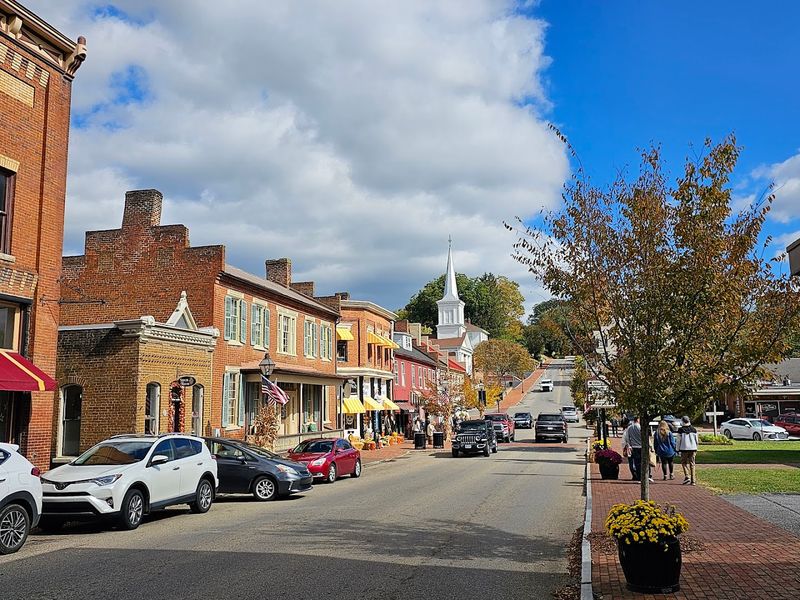
Jonesborough holds the title of Tennessee’s oldest town, and walking its streets feels like flipping through a well-loved history book. The downtown area is compact but packed with character—brick buildings, wide sidewalks, and storefronts that haven’t been swallowed up by chain brands.
Antique shops and local boutiques line the main drag, and it’s the kind of place where you can spend an hour just browsing old furniture, vintage signs, and quirky finds without feeling rushed.
This town is also the birthplace of the National Storytelling Festival, held every October, which draws thousands of visitors who come to hear tales told the old-fashioned way. Even if you’re not visiting during festival season, the storytelling vibe lingers year-round. You’ll find plaques, murals, and references to the tradition scattered throughout town, and locals are usually happy to share a story or two if you strike up a conversation.
For lunch, stop by one of the cafés or bakeries tucked into historic buildings—many serve Southern comfort food with a side of small-town hospitality. The Jonesborough Repertory Theatre offers live performances if you’re visiting on a weekend, and the Chester Inn Museum gives a deeper look into the town’s past without being too heavy on the textbook feel.
Stroll down to the train depot or take a self-guided walking tour using the markers placed around town. The whole experience is low-key but rich, perfect for a slower-paced day where you’re not racing from one attraction to the next.
3. Chattanooga
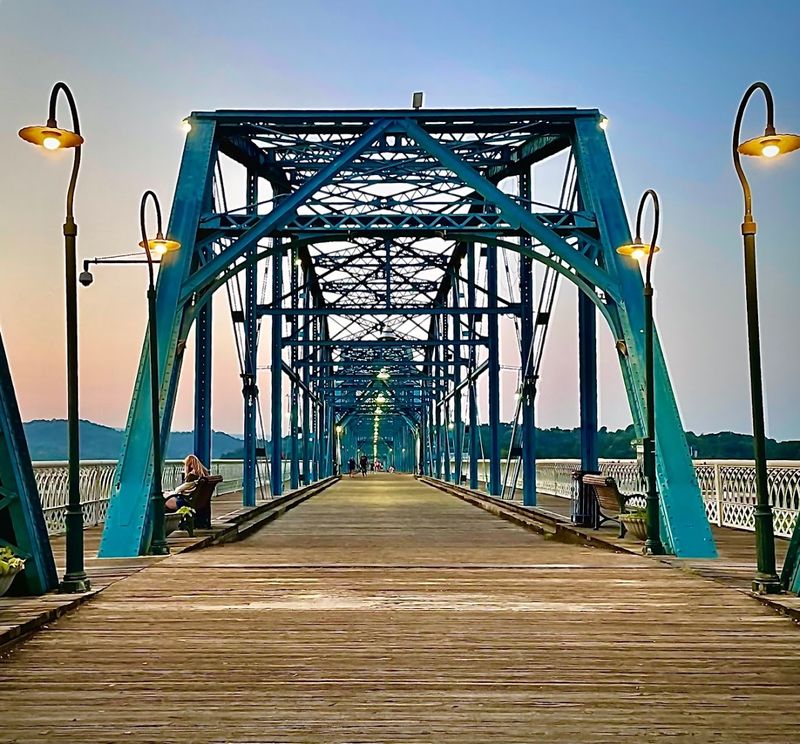
Chattanooga has reinvented itself over the years, transforming from an industrial city into one of Tennessee’s top spots for outdoor adventure, culture, and good food. The riverfront is where a lot of the action happens, with walking paths, parks, and the iconic Walnut Street Bridge—a pedestrian-only span that stretches across the Tennessee River and offers killer views in both directions. Cross it at sunset if you can, when the light hits the water just right and the city skyline glows.
Lookout Mountain looms over the city and offers multiple ways to explore. Rock City has been a classic roadside attraction for decades, with its quirky rock formations, gardens, and the famous “See Seven States” overlook. Ruby Falls takes you underground to see a towering waterfall inside a cavern, complete with dramatic lighting that makes the whole experience feel like something out of a movie.
The Incline Railway, one of the steepest passenger railways in the world, hauls you up the mountain at a steep angle that’s equal parts thrilling and scenic.
Back downtown, the Tennessee Aquarium is one of the best freshwater aquariums around, with exhibits that walk you through river ecosystems from the Appalachians to the Gulf of Mexico. The Bluff View Art District adds a dose of culture, with galleries, sculpture gardens, and riverside cafés where you can grab a coffee and soak in the artsy vibe.
For lunch or dinner, the Southside and downtown areas are loaded with local restaurants, breweries, and food trucks. Chattanooga’s compact layout makes it easy to hit multiple spots in one day without spending half your time in the car, which is a rare perk for a city with this much to offer.
4. Knoxville
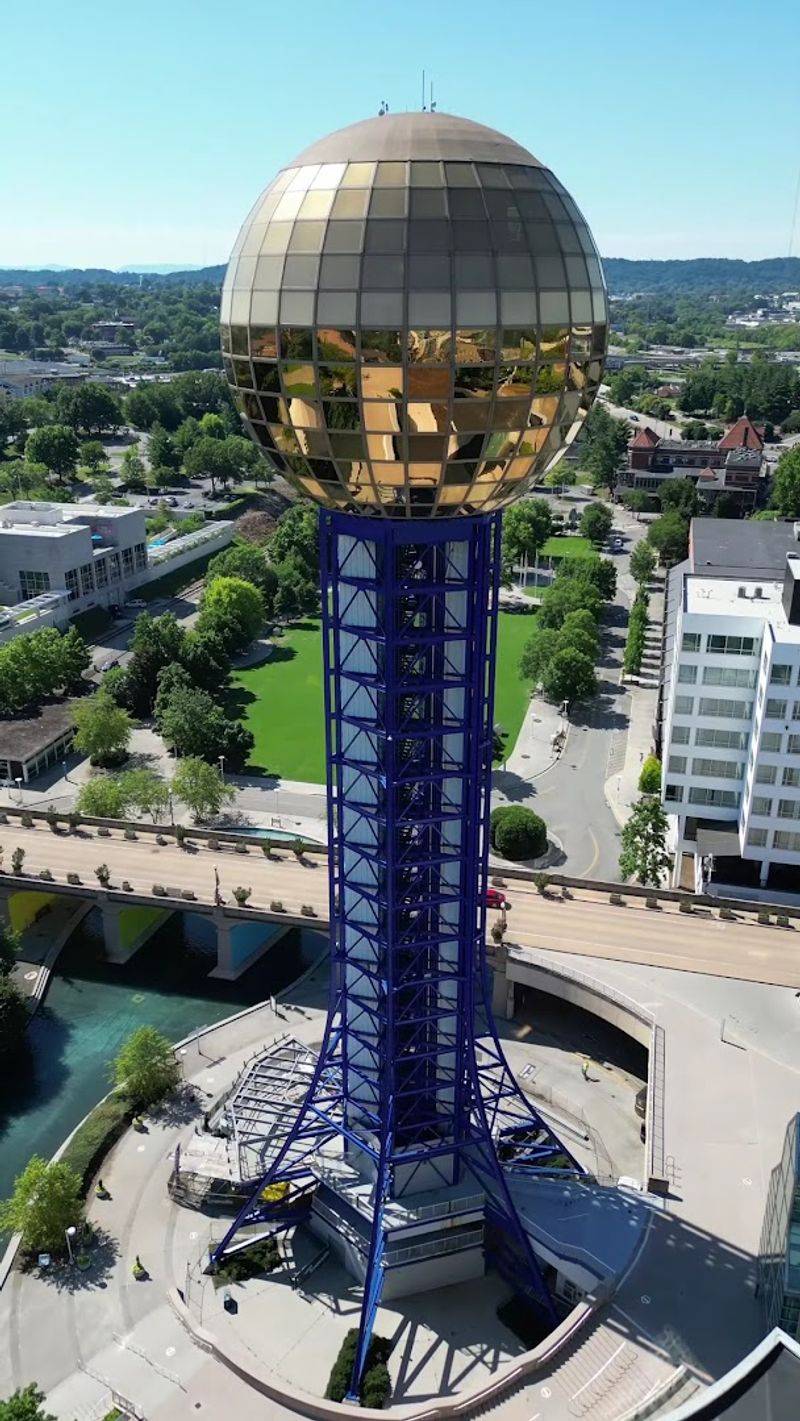
Knoxville sits along the Tennessee River and serves as a gateway to the Smokies, but it’s worth a full day on its own. Market Square is the heart of downtown, a pedestrian-friendly plaza surrounded by restaurants, shops, and seasonal events like farmers markets and live music. Grab a seat at one of the outdoor cafés and watch the city go by—it’s a people-watching paradise, especially on weekends when locals flood the square.
The Sunsphere, a leftover from the 1982 World’s Fair, still stands tall and offers a free observation deck with 360-degree views of the city and surrounding mountains. It’s a quick stop but worth it for the perspective, especially if you’re trying to get your bearings or snap some photos. Nearby, World’s Fair Park has fountains, green space, and a relaxed vibe that’s perfect for a midday break.
Ijams Nature Center is one of Knoxville’s best-kept secrets, offering trails, boardwalks, and river access just minutes from downtown. You can hike, kayak, or simply wander the grounds, and the Navitat zipline canopy tour adds an adrenaline option if you’re feeling adventurous. The nature center strikes a nice balance between accessible and wild, making it a solid choice for families or anyone wanting a nature fix without a long drive.
For food, the Old City neighborhood delivers with breweries, BBQ joints, and quirky eateries that range from tacos to Thai. Knoxville doesn’t always get the same attention as Nashville or Memphis, but it punches above its weight when it comes to walkability, outdoor access, and a laid-back energy that makes a day trip feel easy and rewarding.
5. Cumberland Gap National Historical Park
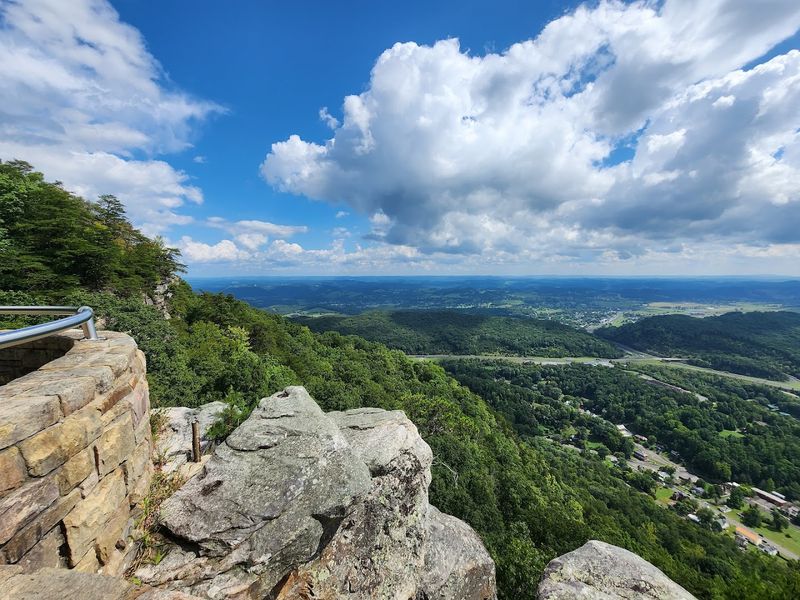
Cumberland Gap sits at the point where Tennessee, Kentucky, and Virginia meet, and for centuries it served as a natural passageway through the Appalachian Mountains. Native Americans used it first, then pioneers followed, carving a path westward that helped shape the nation’s expansion.
Today, the park preserves that history while offering some of the best mountain views and hiking in the region, all without the crowds you’d find in the Smokies.
The Pinnacle Overlook is the park’s main attraction, a scenic viewpoint that sits at 2,440 feet and looks out over three states. The hike to reach it is moderate, about four miles round trip, with a steady climb that rewards you with sweeping views of ridges, valleys, and the historic gap itself. On clear days, the sight is spectacular, and even on misty mornings, the atmosphere feels appropriately frontier-like.
If you’re not up for a long hike, the gap itself is accessible by car, and there’s a visitor center with exhibits on the area’s history, from Daniel Boone to Civil War skirmishes. The park also has shorter trails, including the Tri-State Trail, which lets you stand in three states at once—a fun, quick stop that’s especially popular with kids.
Sand Cave is another highlight, a massive rock shelter formed by erosion that creates a natural amphitheater. The trail to reach it is easy and shaded, making it a good option if you’re visiting in summer heat. Cumberland Gap doesn’t have the flashy attractions of other parks, but that’s part of its appeal—it’s quieter, more contemplative, and steeped in a sense of history that you can almost feel as you walk the same paths that pioneers once traveled.
6. Franklin
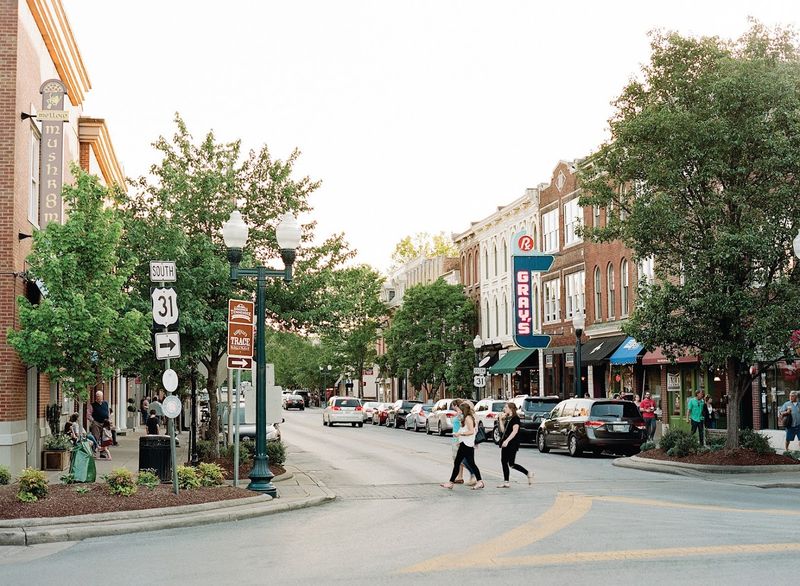
Franklin sits just south of Nashville but feels worlds apart, with a downtown that’s managed to preserve its historic charm while adding modern shops, restaurants, and galleries. Main Street is the star here, a walkable stretch lined with brick buildings, iron lampposts, and storefronts that range from antique stores to upscale boutiques.
It’s the kind of place where you can spend hours just popping in and out of shops, grabbing coffee, and soaking in the small-town vibe without feeling like you’re on a tourist treadmill.
The town’s Civil War history runs deep—Franklin was the site of one of the bloodiest battles of the war, and several historic sites preserve that legacy. The Carter House and Carnton Plantation both offer tours that walk you through the battle’s impact on the town and the families who lived through it. The stories are heavy but told with care, and the preserved buildings give a tangible sense of what happened here in 1864.
For lunch, Franklin delivers with Southern comfort food, farm-to-table cafés, and bakeries that serve up biscuits and pies worth writing home about. The town square often hosts live music, seasonal markets, and community events, adding to the lively but relaxed atmosphere. If you’re visiting in fall, the Main Street Festival draws huge crowds with artisan vendors, food trucks, and entertainment.
Franklin also has a growing arts scene, with galleries and studios scattered throughout downtown. The Franklin Theatre, a restored 1937 movie house, still shows films and hosts live performances, adding a vintage touch to your visit. Whether you’re into history, shopping, or just enjoying a well-preserved small town, Franklin checks all the boxes for a satisfying day trip.
7. Murfreesboro

Murfreesboro sits about halfway between Nashville and Chattanooga, making it an easy stop for history buffs or anyone looking for a low-key day trip. The city’s main draw is Stones River National Battlefield, one of the most significant Civil War sites in the South. The battle fought here in late 1862 was brutal and costly, and the park preserves the landscape where it unfolded, with trails, monuments, and a visitor center that does a solid job of explaining what happened and why it mattered.
Walking the battlefield gives you a sense of scale—the open fields, tree lines, and river crossings help you picture the chaos and strategy that played out over three days of fighting. The Hazen Brigade Monument, erected in 1863, is the oldest Civil War monument still standing in its original location, a quiet but powerful reminder of the soldiers who fought here.
The park is peaceful now, with well-marked trails and interpretive signs that guide you through key moments of the battle.
Downtown Murfreesboro has a historic square with local shops, cafés, and a courthouse that dates back to the 1850s. It’s not as polished as Franklin or as bustling as Nashville, but that’s part of its appeal—it feels authentic and lived-in, with a mix of college-town energy from nearby MTSU and small-town Southern hospitality.
For food, you’ll find everything from barbecue to Thai, with a handful of local spots that have been around for decades. Murfreesboro doesn’t demand a full day, but it offers enough history, good food, and easy access to make it a solid choice if you’re in the area or looking for something off the usual tourist path.
8. Tullahoma

Tullahoma flies under the radar for most travelers, but it’s a surprisingly fun mix of natural beauty, whiskey history, and aviation heritage. The town itself is small and unassuming, but venture just outside and you’ll find Machine Falls, a scenic waterfall that’s easy to reach and perfect for a quick hike or photo stop. The falls tumble over layered rock formations, and the surrounding area offers trails that wind through the woods, giving you a taste of Middle Tennessee’s quieter side.
Cascade Hollow Distilling Co., home of George Dickel whiskey, sits nearby and offers tours that walk you through the distilling process, the history of Tennessee whiskey, and tastings that let you sample the final product. The distillery is tucked into a hollow with a creek running through it, and the setting feels more rustic and authentic than some of the bigger-name operations.
Even if you’re not a whiskey drinker, the tour is interesting and the property itself is worth the visit.
Tullahoma also has ties to aviation history, with the Arnold Engineering Development Complex playing a major role in aerospace testing. The Beechcraft Heritage Museum in town celebrates that legacy with vintage aircraft and exhibits that appeal to history and aviation fans. It’s a niche stop, but if you’re into planes or engineering, it’s a cool detour.
For food, Tullahoma has a handful of local diners and barbecue spots that serve up solid Southern fare without any pretense. The town doesn’t demand a full day, but paired with nearby waterfalls and the distillery, it makes for a well-rounded trip that combines nature, history, and a little bit of Tennessee tradition in a low-key, accessible package.
9. Cookeville and Cummins Falls State Park
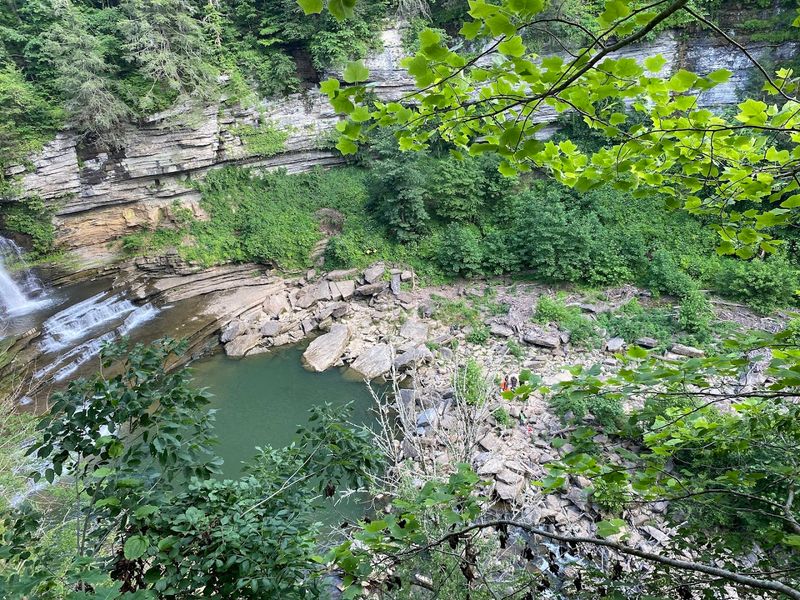
Cookeville sits in the Upper Cumberland region and serves as a gateway to some of Middle Tennessee’s best outdoor spots, with Cummins Falls State Park leading the charge. The falls are one of the tallest in the state, dropping 75 feet into a wide, swimmable pool that’s become a favorite for locals and visitors willing to make the trek.
Getting there requires a moderate hike—about a mile and a half—that involves creek crossings, rocky terrain, and a bit of scrambling, but the payoff is worth it, especially on a hot summer day when you can cool off in the clear water.
The park gets busy on weekends, so arriving early is key if you want to snag a good spot and avoid the crowds. The hike isn’t overly difficult, but it’s not a casual stroll either, so wear sturdy shoes and be prepared to get your feet wet. Once you reach the falls, the scene is stunning—water cascading over layered rock, surrounded by cliffs and greenery, with plenty of space to swim, wade, or just sit and take it all in.
Back in Cookeville, the town itself offers a solid lunch stop with local diners, cafés, and a downtown area that’s small but pleasant to walk around. Tennessee Tech University gives the town a bit of college-town energy, and there are a few shops and coffee spots worth checking out if you have extra time.
Cookeville doesn’t have the same tourist infrastructure as Gatlinburg or Chattanooga, but that’s part of the appeal—it feels more local and less polished, with Cummins Falls serving as the main attraction and the town providing a low-key base for refueling and exploring the surrounding area.
10. Lynchburg
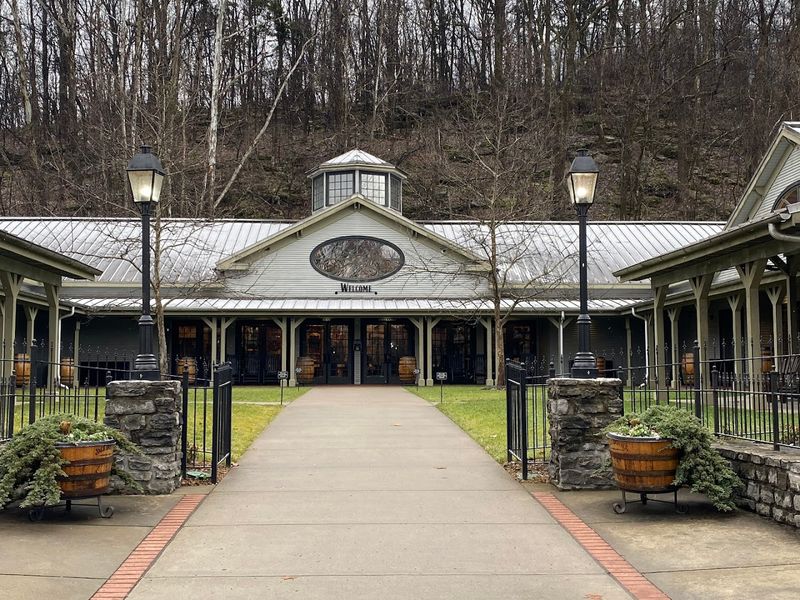
Lynchburg is famous for one thing—Jack Daniel’s—but the town itself is worth the trip even if you’re not a whiskey fan. The courthouse square feels frozen in time, with a classic Southern layout, brick storefronts, and a pace that moves about as slow as molasses. It’s tiny, with a population that hovers around 6,000, but it’s packed with charm and a sense of history that makes you feel like you’ve stepped into an old postcard.
The Jack Daniel’s Distillery is the obvious main event, offering tours that walk you through the whiskey-making process, from the natural spring water that feeds the operation to the charcoal mellowing that gives Jack Daniel’s its signature smoothness. Even though Lynchburg is in a dry county, the distillery can offer tastings, which is a fun quirk that always surprises first-time visitors.
After the tour, head to the town square for lunch at Miss Mary Bobo’s Boarding House, a family-style restaurant that serves up Southern classics like fried chicken, cornbread, and sweet tea. Reservations are a must, and the communal dining setup means you’ll be sharing a table with strangers, which somehow adds to the experience. The food is home-cooked and generous, the kind of meal that leaves you full and happy.
Wander the square after lunch and poke into the small shops selling everything from handmade crafts to Jack Daniel’s-branded merchandise. Lynchburg doesn’t take long to explore, but it’s one of those places that feels quintessentially Tennessee—small, friendly, and rooted in tradition, with just enough quirkiness to keep things interesting.
11. Memphis
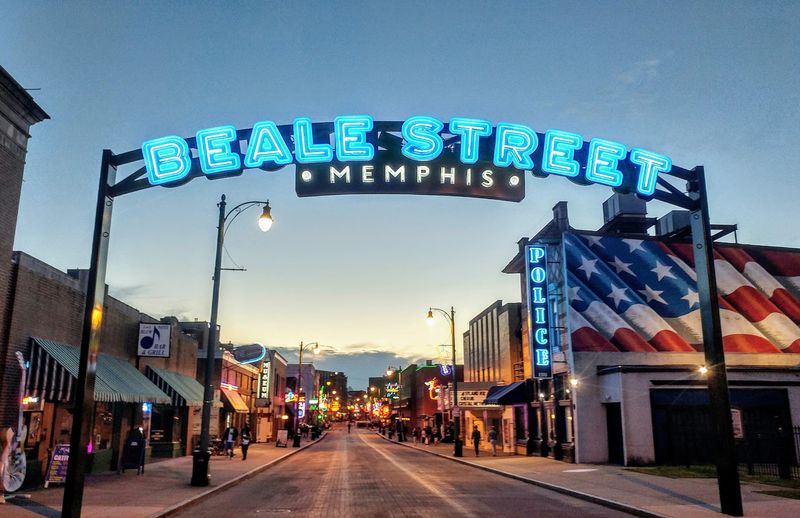
Memphis is big, bold, and unapologetically itself—a city where music history, soul food, and Mississippi River culture collide in the best possible way. Beale Street is the heartbeat, a neon-lit stretch of bars, clubs, and restaurants where blues music pours out of every doorway and the energy never really stops. Even during the day, there’s something magnetic about walking past the historic storefronts and imagining the legends who played here, from B.B.King to Muddy Waters.
Graceland, Elvis Presley’s former home, is a pilgrimage site for fans and a fascinating look at 1970s excess even if you’re not. The mansion tour takes you through the jungle room, trophy building, and meditation garden where Elvis is buried, and the whole experience feels part museum, part time capsule. It’s kitschy and reverent all at once, which somehow fits perfectly with Memphis’s vibe.
The National Civil Rights Museum, built around the Lorraine Motel where Dr. Martin Luther King Jr. was assassinated, is one of the most powerful museums in the South. The exhibits walk you through the history of the civil rights movement with artifacts, videos, and immersive displays that don’t shy away from the hard truths. It’s heavy, but essential, and the museum does an incredible job of honoring the past while connecting it to the present.
For food, Memphis is barbecue royalty—Central BBQ, Gus’s Fried Chicken, and The Rendezvous are all worth the wait. The riverfront offers walking paths and views of the mighty Mississippi, and if you time it right, you can catch a sunset that turns the whole river gold. Memphis demands more than a day, but even a single visit gives you a taste of what makes this city so singular.
12. Reelfoot Lake State Park
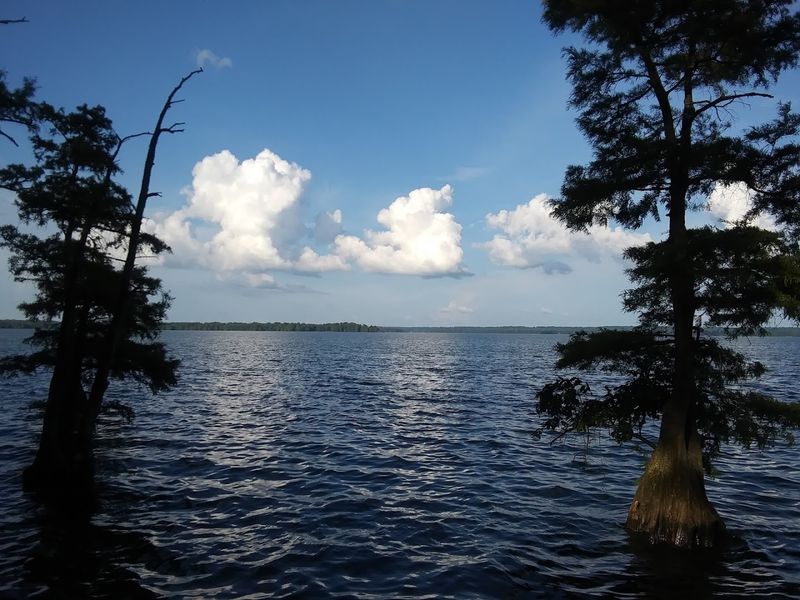
Reelfoot Lake is one of Tennessee’s strangest and most beautiful natural features, formed by a series of earthquakes in the early 1800s that caused the Mississippi River to flow backward and flood the area. The result is a shallow, cypress-studded lake that feels more like a Louisiana bayou than something you’d expect to find in West Tennessee.
The trees rise straight out of the water, their knobby knees breaking the surface and creating a landscape that’s both eerie and enchanting, especially at sunrise when mist hangs low over the water.
The lake is a haven for wildlife, particularly bald eagles, which migrate here in the winter months and draw birdwatchers from all over. The state park offers guided eagle tours by boat, giving you a front-row seat to watch these massive birds hunt, perch, and soar over the water. Even outside of eagle season, the lake is full of life—herons, egrets, pelicans, and plenty of fish that make it a popular spot for anglers.
Hiking trails wind through the park, including a boardwalk that takes you out over the water and through the cypress forest. The trail is easy and accessible, making it a good choice for families or anyone who wants to experience the lake up close without getting in a boat. The visitor center offers exhibits on the lake’s formation and ecology, along with a short film that’s worth watching before you head out.
Reelfoot Lake doesn’t have the tourist infrastructure of more popular parks, which means it stays quiet and uncrowded even on weekends. Bring a camera, pack a picnic, and give yourself time to just sit and watch the light change on the water—it’s that kind of place.
13. Paris Landing and Kentucky Lake
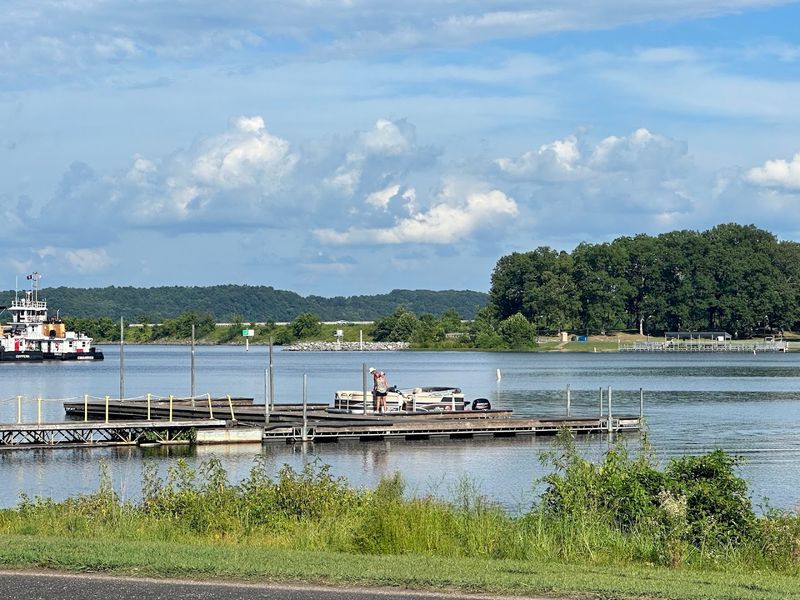
Paris Landing sits on the western shore of Kentucky Lake, one of the largest man-made lakes in the country, and it’s the kind of place where summer days stretch long and lazy.
The state park offers a marina, boat ramps, and plenty of waterfront access, making it a go-to for boating, fishing, and anyone who just wants to spend a day on the water. The lake itself is massive, with over 2,000 miles of shoreline, so even on busy weekends, you can find a quiet cove or stretch of beach to call your own.
The park has a lodge and restaurant right on the water, and while it’s not fancy, the views from the dining room are hard to beat—especially at sunset when the sky turns shades of pink and orange over the lake. The food is solid comfort fare, and there’s something satisfying about eating fried catfish while looking out over the water you just spent the day exploring.
If you’re not into boating, the park has hiking trails, picnic areas, and a public beach where you can swim or just lounge in the sun. The trails are easy and shaded, winding through woods and along the shoreline, and they’re a nice way to stretch your legs between water activities. The park also has a golf course if that’s your thing, though most visitors come for the lake.
Paris Landing doesn’t have the dramatic scenery of the Smokies or the historic pull of a place like Lynchburg, but it offers something just as valuable—space, water, and a chance to slow down and enjoy a classic Tennessee lake day without any pressure to check off a list of must-see attractions.
14. Pinson Mounds State Archaeological Park
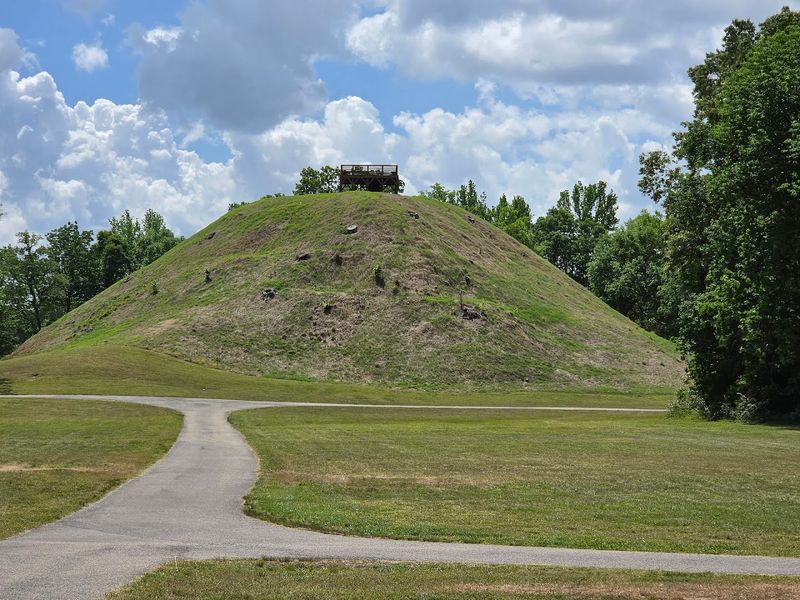
Pinson Mounds is one of those places that quietly holds centuries of history beneath its rolling hills and open fields. The park protects a complex of Native American mounds built by the Middle Woodland people over 2,000 years ago, making it one of the largest and best-preserved ceremonial sites in the United States.
Walking among the mounds, some as tall as 72 feet, you get a sense of the scale and sophistication of the cultures that once thrived here, long before European contact.
The park’s museum does an excellent job of explaining the archaeology and significance of the site without overwhelming you with academic jargon. Exhibits include artifacts found during excavations—pottery, tools, ornaments—and displays that reconstruct what life might have looked like for the people who built these impressive earthworks. The museum also has a short film that sets the stage before you head out to explore the trails.
The mounds themselves are connected by a network of trails that wind through forests and open fields, with interpretive signs marking key features. Sauls Mound, the tallest in the complex, is the centerpiece, and climbing to the top gives you a view over the surrounding landscape that helps you appreciate the effort and planning that went into constructing these structures. The trails are easy and well-maintained, making the park accessible for all ages and fitness levels.
Pinson Mounds doesn’t have the flash of more popular attractions, but it offers something deeper—a chance to connect with a part of Tennessee’s history that often gets overlooked. It’s quiet, contemplative, and perfect for anyone interested in archaeology, history, or just spending a peaceful day outdoors in a place that feels timeless.
15. Collierville
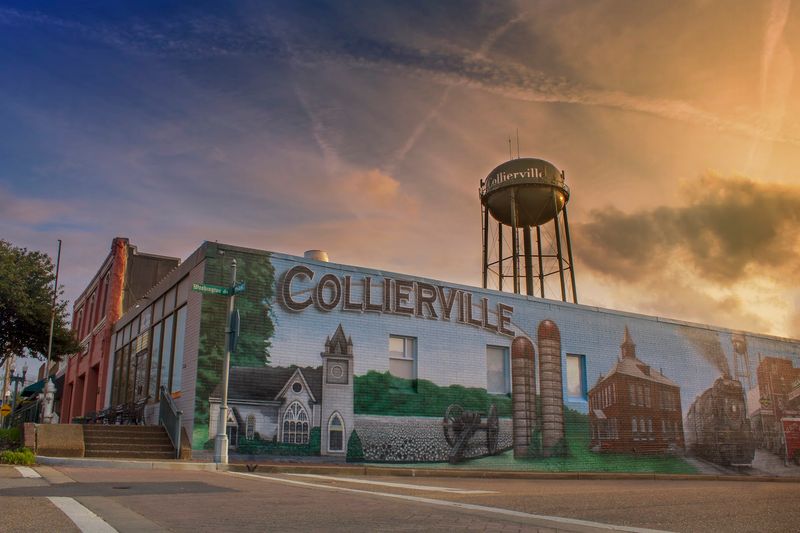
Collierville sits just east of Memphis but feels like a different world—polished, peaceful, and picture-perfect in a way that makes it easy to spend a few hours just wandering and soaking in the small-town atmosphere.
The town square is the main attraction, a beautifully preserved collection of brick buildings, wide sidewalks, and green spaces that look like they’ve been plucked from a postcard. Boutiques, antique stores, and gift shops line the square, offering everything from home décor to handmade jewelry, and the vibe is upscale but welcoming.
The square also has a handful of excellent restaurants, ranging from Southern comfort food to farm-to-table fare, and outdoor seating makes it easy to linger over lunch or coffee while watching the town go by. Collierville has a strong sense of community, and you’ll often see locals chatting on benches, kids playing in the park, and seasonal events like farmers markets and concerts that draw crowds from across the region.
History buffs will appreciate the town’s Civil War connections—Collierville was the site of a battle in 1863, and there are markers and plaques around town that tell the story. The town depot, now a museum, offers exhibits on local history, including the railroad’s role in the town’s development and the impact of the Civil War on the area.
Collierville doesn’t demand a full day, but it’s a perfect half-day trip if you’re in the Memphis area and want a break from the city’s hustle. The square is walkable, the shopping is enjoyable without being overwhelming, and the whole town has a charm that feels genuine rather than manufactured. It’s the kind of place that makes you slow down, take a breath, and appreciate the simpler side of Tennessee.