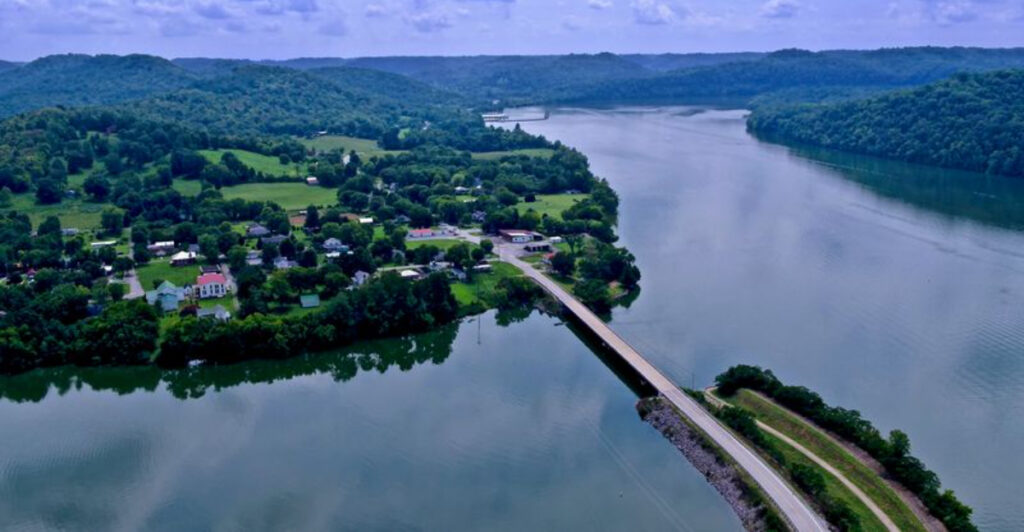
Gatlinburg draws millions of visitors every year with its mountain views and tourist attractions, but the crowds can be overwhelming. Tennessee hides dozens of smaller towns that offer the same scenic beauty, historic charm, and local flavor without the traffic jams and packed sidewalks.
These eight destinations give you a chance to experience authentic Tennessee culture, explore unique shops and restaurants, and actually enjoy your vacation without fighting for parking or waiting in long lines.
1. Jonesborough
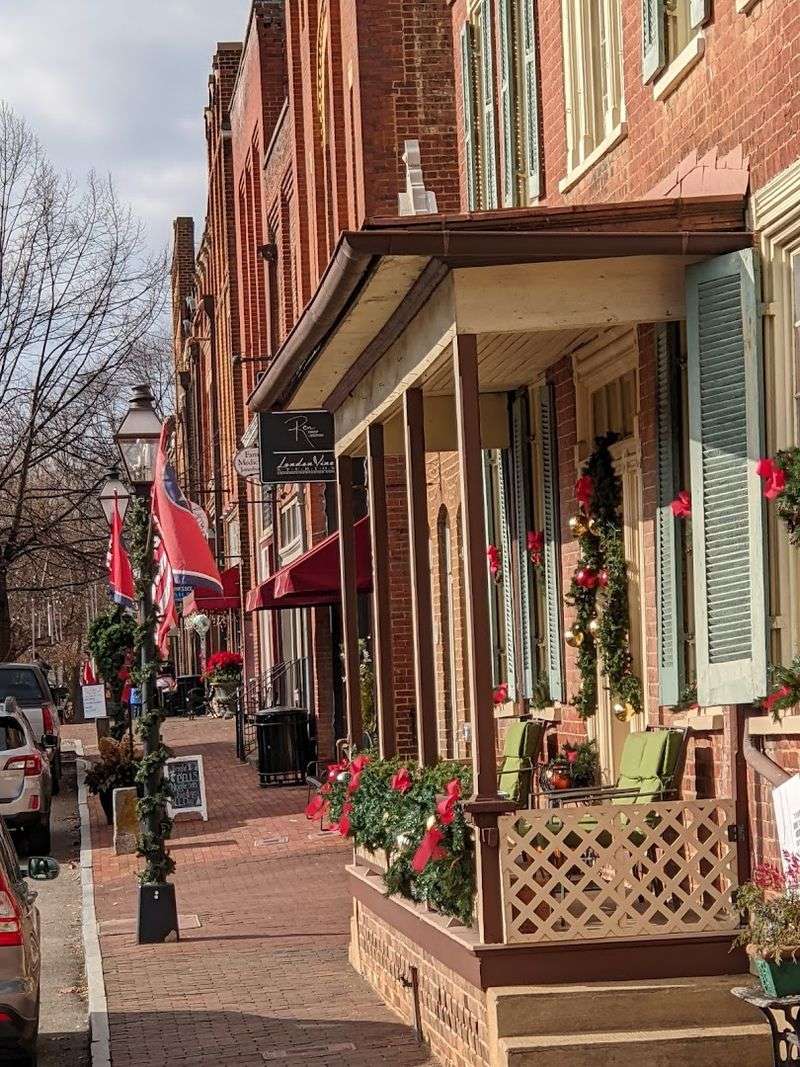
Walking through Tennessee’s oldest town feels like stepping onto a movie set, except everything here is genuine. Jonesborough earned its place in history books back in 1779, and the buildings lining Main Street have stories that stretch back just as far.
You can spend hours wandering past brick storefronts, antique shops, and cafes that occupy structures older than your great-great-grandparents.
The National Storytelling Festival puts this town on the map every October, drawing folks who appreciate the art of a well-told tale. Even outside festival season, the storytelling tradition lives on through local events and the International Storytelling Center.
Street musicians often play on corners, adding soundtrack to your exploration.
Local restaurants serve Southern comfort food that tastes like someone’s grandmother made it, because often that’s exactly who developed the recipes. The town’s compact size means you can explore most of it on foot in an afternoon.
Historic homes with plaques explaining their significance dot the residential streets just off the main drag.
Jonesborough doesn’t try to be flashy or modern. The appeal comes from preservation done right, where history enhances rather than suffocates the present.
Small galleries showcase regional artists, and the used bookstores could keep a reader busy for days. You won’t find chain restaurants or big box stores interrupting the 18th-century architecture, which makes the whole experience feel refreshingly authentic and unhurried.
2. Bell Buckle
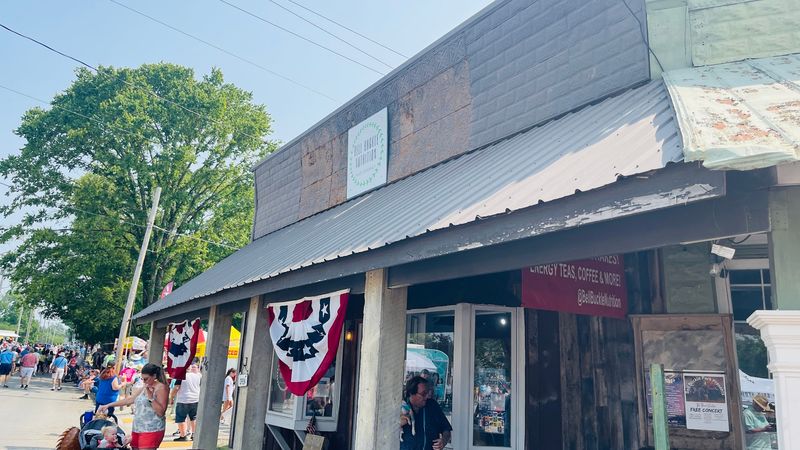
Population barely cracks 500 in this tiny hamlet, but personality? Bell Buckle has that in abundance.
The town square measures just a few blocks, yet it packs in enough quirky shops and local character to fill a much larger place. Antique hunters consider this spot a goldmine, with multiple stores offering everything from vintage furniture to rare collectibles.
Moon Pie enthusiasts make pilgrimages here for the RC Cola and Moon Pie Festival each June. Yes, that’s a real thing, and yes, it’s as delightfully weird as it sounds.
The Bell Buckle Cafe serves meals that locals swear by, the kind of home cooking that makes you understand why people retire to small Southern towns.
The town got its unusual name from either a bell-shaped buckle found in a creek or a corrupted Native American phrase, depending on which local storyteller you ask. Either way, the name sticks in your memory.
Webb School, a prestigious prep academy, adds an educational backbone to the community and beautiful historic campus buildings to admire.
Shopping here means supporting actual small businesses run by owners who remember your face on a second visit. Craft stores sell handmade items from regional artisans, not mass-produced tourist trinkets.
The pace runs so slow you can actually hear birds chirping and neighbors greeting each other by name. Bell Buckle proves you don’t need size to have soul, and sometimes the smallest towns leave the biggest impressions on travelers seeking something genuine.
3. Lynchburg
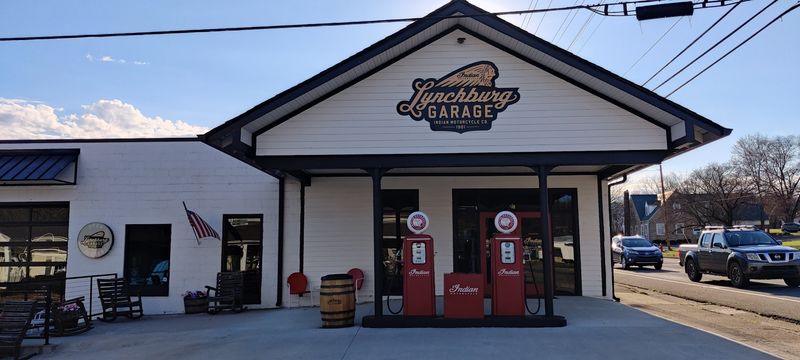
Jack Daniel’s Distillery dominates this Moore County seat, but reducing Lynchburg to just whiskey misses half the story. The town square looks frozen in time, with a courthouse at the center and old-fashioned storefronts selling everything from handmade crafts to locally produced foods.
Moore County stays dry, which creates the amusing irony of the world’s most famous whiskey being made where you can’t legally buy it by the drink.
Distillery tours attract visitors from around the globe, walking them through the process that makes Tennessee whiskey distinct from bourbon. The rickyard where sugar maple wood becomes charcoal for filtering sits right there for everyone to see.
Tour guides share stories about Mr. Jack himself with enough detail to make the founder feel like a real person rather than a logo.
Beyond the distillery, the town offers genuine small-town Tennessee living. Miss Mary Bobo’s Boarding House serves family-style Southern meals that require reservations but deliver an experience worth planning ahead for.
The town square hosts craft vendors and seasonal events that draw locals and visitors into the same spaces.
Lynchburg’s population hovers around 6,000 people, small enough that community still means something tangible. The surrounding countryside rolls with green hills and farm fields that remind you Tennessee does rural beauty as well as mountain scenery.
Antique shops, a hardware store that’s been operating for generations, and cafes where regulars have their own tables create an atmosphere that feels lived-in rather than created for tourists, even though tourists certainly visit in healthy numbers.
4. Townsend
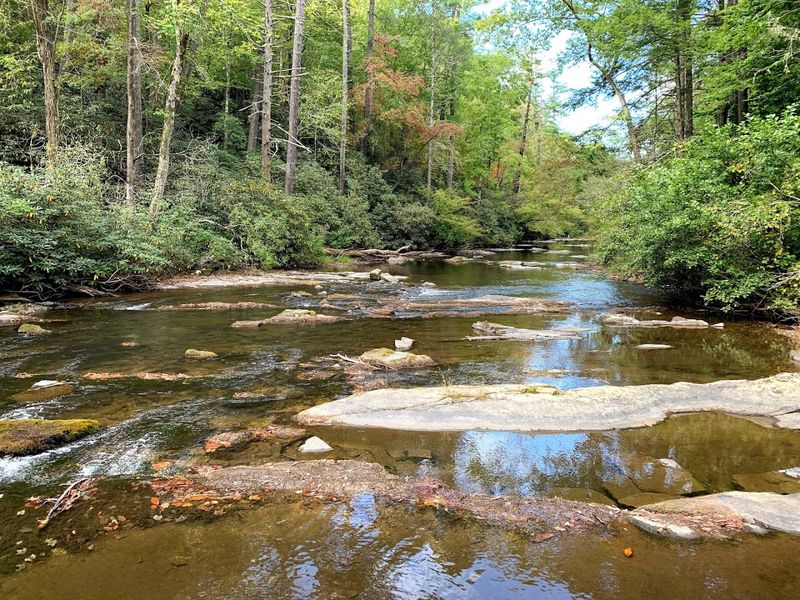
Locals call Townsend the “peaceful side of the Smokies,” and that’s not marketing speak. This gateway to Great Smoky Mountains National Park offers the same mountain access as Gatlinburg but trades neon lights and go-kart tracks for riverside trails and quiet country roads.
The Little River runs right through town, providing a constant soundtrack of moving water.
Cades Cove, one of the park’s most popular destinations, sits just minutes away via a back entrance that sees far less traffic than the main Gatlinburg routes. Wildlife spotting happens regularly here, with deer, turkeys, and black bears making appearances that feel more natural than zoo-like.
The Townsend Wye, where rivers converge, creates a swimming and tubing spot that locals guard like a secret even though it’s technically public.
Accommodations run toward cabins and mom-and-pop motels rather than high-rise hotels. Several outfitters offer guided fishing trips on streams that still hold native brook trout.
The town celebrates its logging heritage with a museum and annual festivals, acknowledging the industry that built the community before the national park changed everything.
Restaurants serve catfish, trout, and barbecue without pretension or inflated prices. You can drive the entire main road in under five minutes, but the surrounding area offers days worth of hiking, cycling, and exploring.
Fall foliage rivals anywhere in the state, with maples and oaks putting on color shows that justify the drive alone. Townsend gives you the Smoky Mountain experience without making you feel like you’re at a theme park, which matters more than most people realize until they’ve fought Gatlinburg traffic.
5. Dandridge
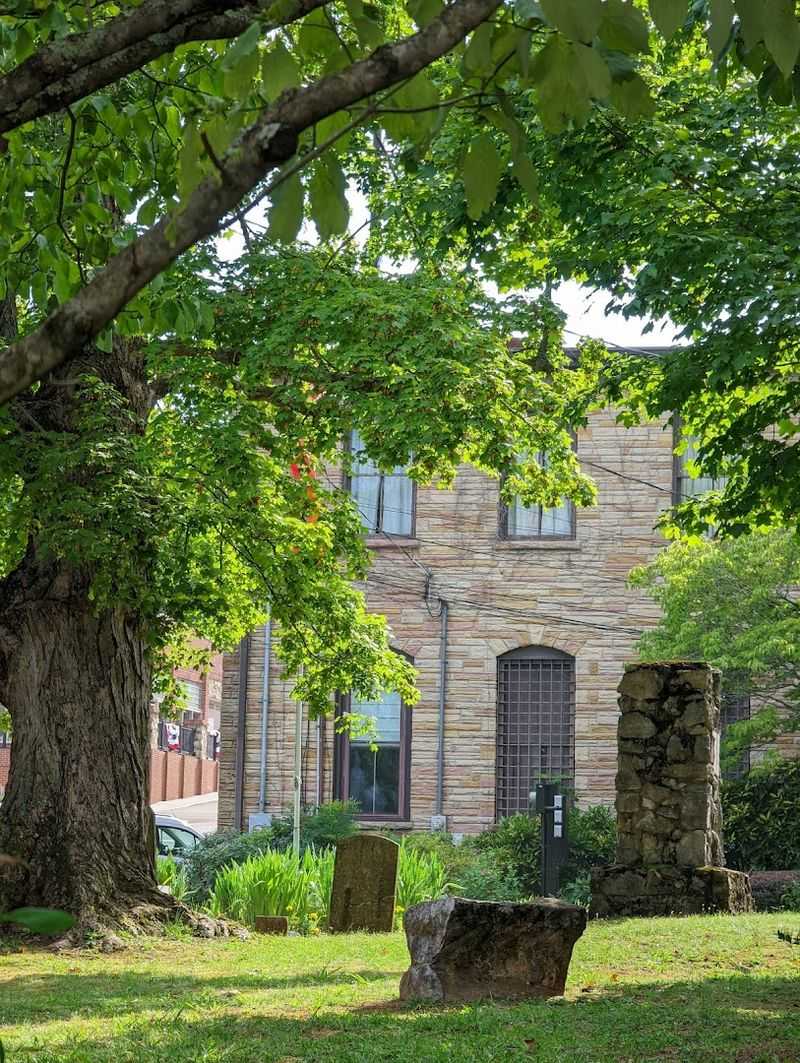
Tennessee’s second-oldest town sits right on Douglas Lake, combining historic architecture with waterfront recreation in a package that feels almost too good to be true. The courthouse square maintains its 1800s character while serving as a functional community center where real county business still happens.
Jefferson County named the town after Martha Dandridge Washington, making it possibly the only town in America named for a First Lady.
Douglas Lake wasn’t always here; the TVA created it in the 1940s when they dammed the French Broad River. The lake transformed Dandridge from a quiet agricultural town into a destination for boating, fishing, and lakeside relaxation.
Marinas dot the shoreline, offering boat rentals and fishing guide services for people chasing striped bass and walleye.
The downtown historic district earned National Register status, protecting buildings that showcase Federal and Victorian architecture. Small museums document local history, including the town’s near-destruction when the lake formed and how residents fought to save the historic core.
Antique shops operate in century-old buildings, creating that pleasing collision of old structures housing old stuff.
Local restaurants cook Southern staples with lake views thrown in for free. The slower pace here allows for actual conversation with shop owners and restaurant servers who aren’t rushing to flip tables.
Nearby Cherokee Lake adds even more water recreation options, while the Smoky Mountains create a scenic backdrop to the east. Dandridge proves that lakeside charm and historic preservation can coexist beautifully, offering visitors a chance to enjoy both water sports and heritage tourism without choosing one over the other or dealing with massive crowds.
6. Granville
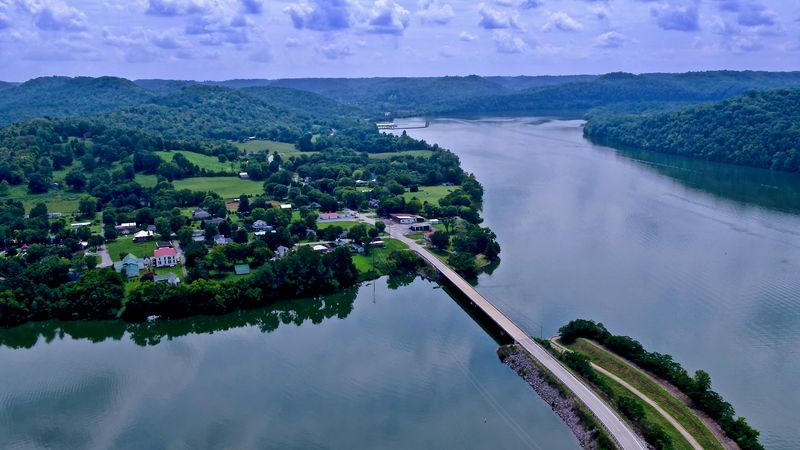
Blink while driving through Jackson County and you might miss Granville entirely, which would be a shame because this tiny community captures rural Tennessee at its most authentic. The population barely reaches 300 people, and the town consists of little more than a few blocks of weathered buildings that have seen better decades.
But that worn character is precisely the appeal for people tired of polished tourist destinations.
The Granville Museum operates in an old general store, preserving artifacts and stories from when the town thrived as a trade center. Volunteers run the place, sharing tales about local history with anyone interested enough to stop.
The surrounding countryside offers scenic drives through farmland and forests that show what Middle Tennessee looked like before suburban sprawl.
Several antique and craft shops occupy old buildings, selling items that range from genuine collectibles to handmade quilts and woodwork. You won’t find crowds here, even during peak tourist season, because Granville doesn’t advertise or try to compete with bigger destinations.
The Cordell Hull Birthplace sits nearby, honoring the longtime Secretary of State and Nobel Peace Prize winner who grew up in these hills.
Visiting Granville means accepting a place on its own terms rather than expecting it to perform for tourists. There’s no main attraction, no must-see landmark, no famous restaurant everyone talks about.
Instead, you get an honest look at small-town Tennessee life, where buildings sag a bit and time moves slower and that’s considered a feature rather than a bug. For travelers seeking authenticity over entertainment, this quiet hamlet delivers exactly what it promises without fanfare or exaggeration.
7. Paris
Yes, Tennessee has a Paris, and yes, it comes complete with an Eiffel Tower. The 60-foot replica stands in Memorial Park, topped with a red bucket as a cowboy hat because this is Tennessee, after all.
The town embraces its French namesake without taking itself too seriously, which creates a fun atmosphere that balances small-town charm with just enough kitsch to stay interesting.
Kentucky Lake forms the western boundary, putting Paris in prime position for fishing, boating, and water recreation. Paris Landing State Park offers camping, hiking, and a golf course with lake views that distract from your terrible swing.
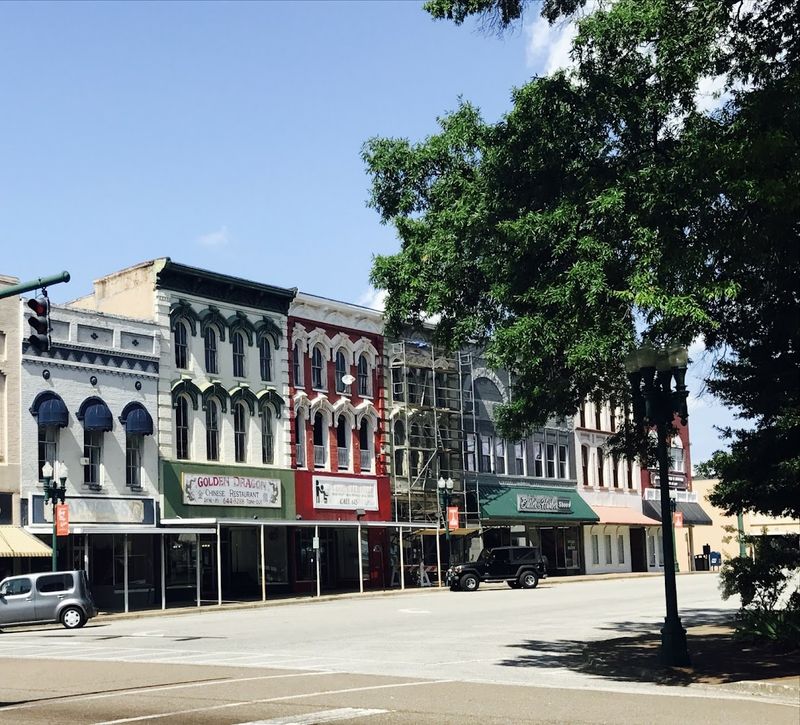
The downtown square maintains its historic character with local shops, cafes, and the Henry County Courthouse anchoring the center.
The town hosts the World’s Biggest Fish Fry every April, frying up thousands of pounds of catfish for visitors who come from surrounding states. It’s exactly the kind of regional festival that feels genuinely fun rather than manufactured for tourist dollars.
Local restaurants serve Southern cooking year-round, with catfish and hush puppies appearing on most menus as expected staples.
Paris doesn’t pretend to be anything it isn’t. The Eiffel Tower is smaller and quirkier than the original, the pace is slower than big cities, and entertainment runs more toward fishing and festivals than nightclubs and concerts.
For people who appreciate a town with a sense of humor about itself and easy access to outdoor recreation, Paris hits the sweet spot. The combination of lake access, historic downtown, and that wonderfully absurd Eiffel Tower creates a destination that’s memorable without being overwhelming, relaxing without being boring.
8. Greeneville
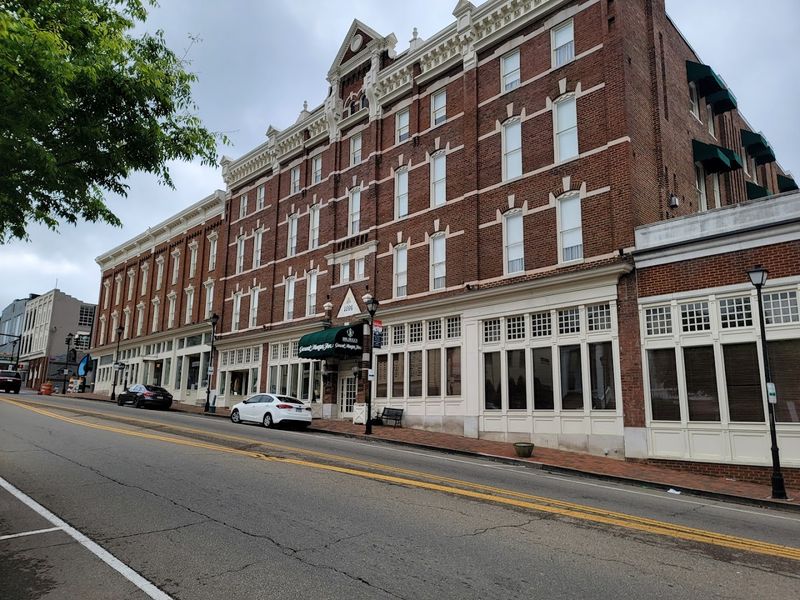
Andrew Johnson’s hometown wears its presidential connection proudly, with the 17th president’s tailor shop, home, and burial site all preserved as a National Historic Site. But Greeneville offers more than presidential history, serving as Greene County’s seat with a vibrant downtown that balances heritage preservation with contemporary businesses.
The town dates back to 1783, making it one of Tennessee’s oldest settlements and giving it architectural depth that newer places simply can’t match.
Main Street showcases restored 19th-century buildings housing restaurants, galleries, and shops that actually serve local needs rather than existing solely for tourists. Tusculum University, one of the oldest colleges in Tennessee, adds an educational and cultural dimension to the community.
The General Morgan Inn operates in a historic building, offering accommodations that put you right in the heart of the action.
The Greeneville area produces burley tobacco, and the agricultural heritage shows in farmers markets and local food culture. Several antique stores reward serious collectors, while craft breweries represent the town’s modern additions.
The Niswonger Performing Arts Center brings in regional and national acts, giving this town of 15,000 cultural offerings you’d expect in much larger cities.
Outdoor recreation happens at nearby Cherokee National Forest, with hiking and camping just a short drive from downtown. The town doesn’t rely on gimmicks or manufactured attractions; instead, it offers genuine historic significance combined with a living community that happens to welcome visitors.
Walking tours cover Civil War history, Victorian architecture, and the Johnson sites, providing context that makes the preserved buildings more meaningful than just pretty facades. Greeneville succeeds by being a real town first and a tourist destination second, which ironically makes it more appealing to travelers seeking authentic experiences.