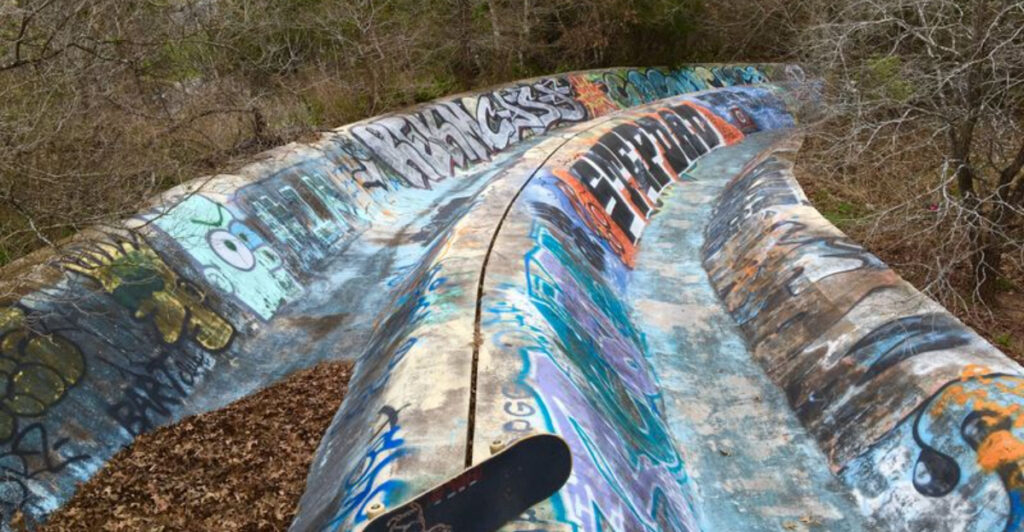
Texas was once home to some of the most magical amusement parks in the South, but many of them closed their gates decades ago. Today, these forgotten playgrounds sit quietly, their rusting rides and empty pathways drawing urban explorers, history buffs, and anyone with a taste for nostalgia. Whether you’re curious about what happened to these once-thriving attractions or you’re planning your own adventure to see what remains, these nine spots tell fascinating stories about Texas entertainment history.
1. Aquarena Springs (San Marcos)
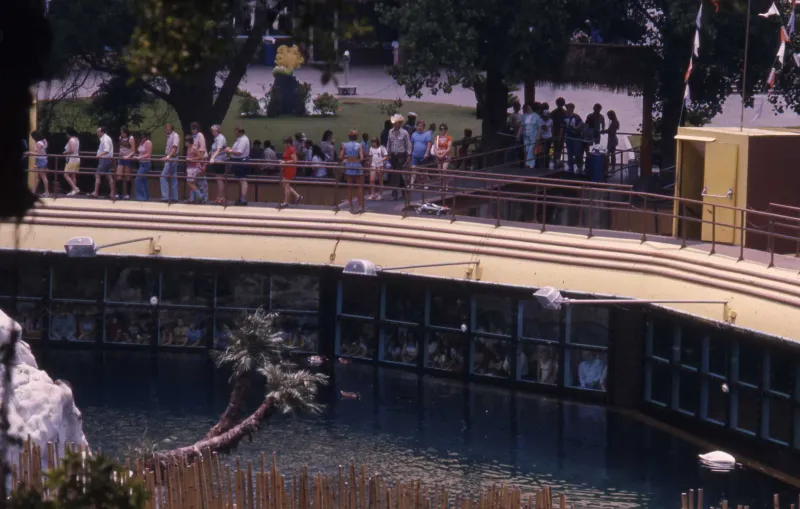
Glass-bottom boats once glided across crystal-clear spring waters while audiences watched mermaids perform underwater ballet shows in submerged theaters. Aquarena Springs opened in 1951 and quickly became one of Central Texas’s most unusual attractions, blending natural beauty with kitschy entertainment that defined mid-century American tourism. Families drove from across the state to witness Ralph the Swimming Pig and other aquatic performers doing tricks beneath the surface.
The park sat atop the San Marcos Springs, which pump out millions of gallons of pure water daily at a constant 72 degrees. This natural wonder made it perfect for year-round swimming and viewing attractions. The park featured a sky ride, Swiss-themed village, and submarine theater where visitors sat below water level to watch the shows through thick glass windows.
Texas State University purchased the property in 1994 and transformed it into an environmental research center. Most of the amusement park structures were removed to protect the endangered species living in the springs. However, you can still visit the Meadows Center for Water and the Environment, which offers glass-bottom boat tours that echo the park’s glory days.
The spring-fed lake remains stunning, and the educational tours teach visitors about the unique ecosystem thriving below the surface. You’ll see the same clear waters that delighted generations of Texans, though the mermaids and pigs have long since retired. The site now focuses on conservation, but old-timers still share stories about the park’s heyday.
Walking the grounds today feels like stepping between two worlds—the preserved natural habitat and the ghostly memory of carnival music and splashing performers. The transformation from tourist trap to research facility shows how Texas values both its entertainment history and environmental future. Some original structures remain hidden in the surrounding area, waiting for curious explorers to discover them.
2. Joyland Park (Lubbock)
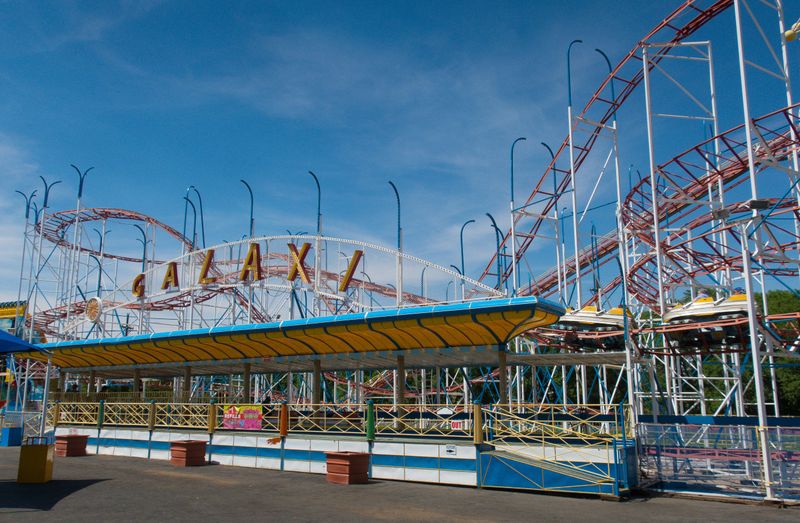
Out on the windswept plains of West Texas, a small amusement park brought big-city thrills to Lubbock families for nearly four decades. Joyland opened in 1947 on a dusty lot that would eventually grow into 12 acres of rides, games, and summertime memories. The wooden roller coaster’s distinctive clatter could be heard across Mackenzie Park, calling kids from miles around.
Unlike the massive theme parks in Houston or Dallas, Joyland stayed neighborhood-sized and family-run throughout its existence. The park featured classic attractions like a carousel with hand-painted horses, bumper cars that sparked and crashed, and a Ferris wheel that offered views across the flat Panhandle landscape. Local teenagers worked the game booths and ride controls, making it a true community gathering spot.
The Galaxi roller coaster became the park’s signature attraction after its installation in 1973. This compact steel coaster twisted and turned in ways that felt enormous to young riders experiencing their first taste of speed and drops. The screams from that ride mixed with calliope music from the carousel created the soundtrack of countless summer evenings.
Financial troubles forced Joyland to close permanently in 1986, leaving the rides standing silent in Mackenzie Park. For years, the rusting attractions remained visible to park visitors, slowly deteriorating under the harsh West Texas sun and wind. The city eventually removed most structures, though foundations and remnants still peek through the grass.
Urban explorers and former patrons occasionally visit the site, sharing memories of first dates, birthday parties, and simpler times. Some Lubbock residents remember when the park lights twinkled against the dark prairie sky. The empty space now serves as a reminder of how entertainment options changed, with families choosing video arcades and shopping malls over traditional amusement parks.
Still, the memories remain vivid for those who rode those rides.
3. Astroworld (Houston)
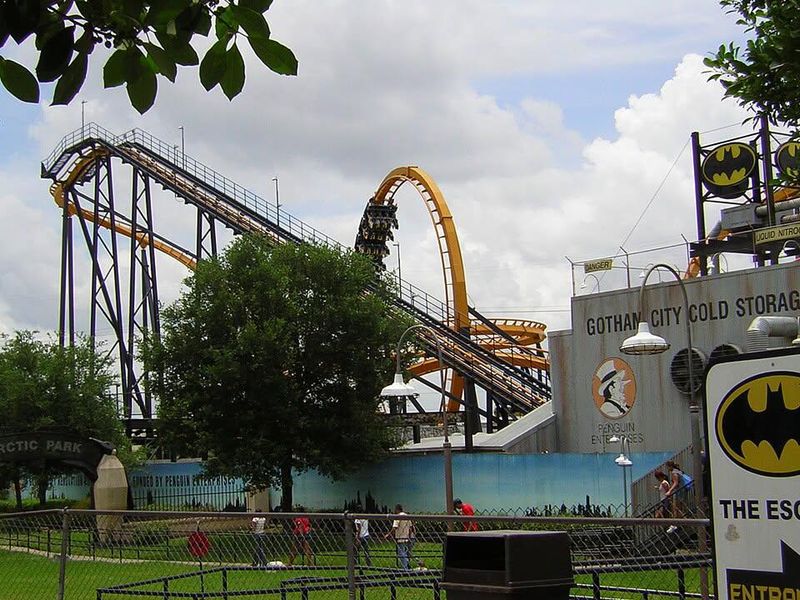
When Six Flags Astroworld opened in 1968, it brought world-class thrills to Houston on a scale Texas had never seen before. Judge Roy Scream’s wooden coaster roared, the Texas Cyclone twisted riders through impossible angles, and the park’s space-age theme perfectly matched Houston’s identity as home to NASA’s mission control. For 37 years, generations of Texans made pilgrimages to this 104-acre wonderland.
The park sat just south of downtown Houston, visible from major highways with its towering rides beckoning travelers. Six Flags built Astroworld to complement the nearby Astrodome, creating an entertainment complex that put Houston on the national map. The original attractions included Alpine Sleighs, a sky ride, and themed areas representing different parts of the world and outer space.
Throughout the 1970s and 1980s, Astroworld added increasingly intense roller coasters that attracted thrill-seekers from across the South. The Texas Cyclone, which opened in 1976, became legendary among coaster enthusiasts for its brutal first drop and relentless pacing. Ultra Twister, Greezed Lightnin’, and later the XLR-8 suspended coaster kept the park competitive with newer attractions opening nationwide.
Six Flags shocked Houston when they announced Astroworld’s closure in 2005, citing the property’s value for real estate development. The final operating day drew massive crowds of tearful visitors wanting one last ride. Within months, demolition crews dismantled every ride, building, and landmark, erasing decades of memories from the Houston landscape.
Today, an empty parking lot occupies the former park site, though plans for development have stalled repeatedly. Former employees and guests maintain active online communities, sharing photos, videos, and stories about their favorite attractions. The Texas Cyclone’s legacy lives on—Six Flags relocated parts of it to other parks.
Houston residents still feel the loss deeply, and many consider Astroworld’s closure one of the city’s greatest cultural losses.
4. Cascade Caverns (Boerne)
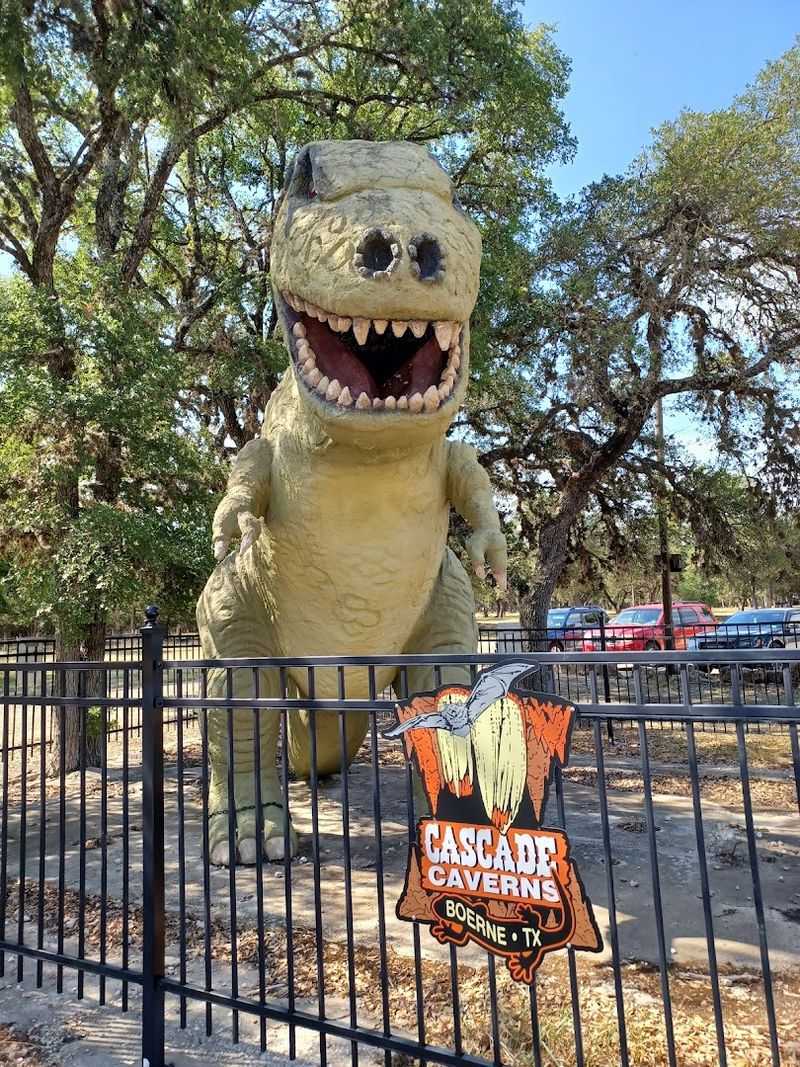
Twenty miles northwest of San Antonio, a natural wonder became an unlikely amusement destination when developers added carnival attractions to an already spectacular cave system. Cascade Caverns first opened for tours in the 1930s, showcasing stunning underground formations and a rare 100-foot underground waterfall. But during the 1950s and 1960s, the owners tried transforming the property into a full-fledged amusement park to compete with other Texas attractions.
The caverns themselves are genuinely impressive, featuring massive chambers decorated with stalactites, stalagmites, and flowstone formations built over millions of years. Cool air flows through the passages, offering relief from brutal Hill Country summers. Early visitors descended into the earth on guided tours, marveling at the underground waterfall that gives the cave its name.
Surface attractions included a small train ride, miniature golf course, petting zoo, and various carnival games scattered across the property. The owners hoped combining natural beauty with family entertainment would draw crowds away from San Antonio and Austin. Picnic areas nestled among live oak trees provided spots for families to spend entire days exploring both above and below ground.
The amusement additions never quite caught on, and most were removed by the 1980s as the owners refocused on the cave tours that remained the main draw. Cascade Caverns still operates today as a cave tour destination, though at reduced hours and with a more rustic feel than polished commercial operations. The property maintains its vintage charm, with old signage and structures giving it a frozen-in-time quality.
Visitors today can still tour the spectacular caverns and see remnants of the attempted amusement park scattered around the grounds. Crumbling concrete pads mark where rides once stood, and faded paint on old buildings hints at the property’s more ambitious past. The cave remains magnificent, and the quiet grounds let you imagine what this hybrid attraction must have been like during its busiest years.
It’s a reminder that not every Texas amusement venture succeeded, but the natural wonders endure.
5. FunPlex / Fame City (Houston)
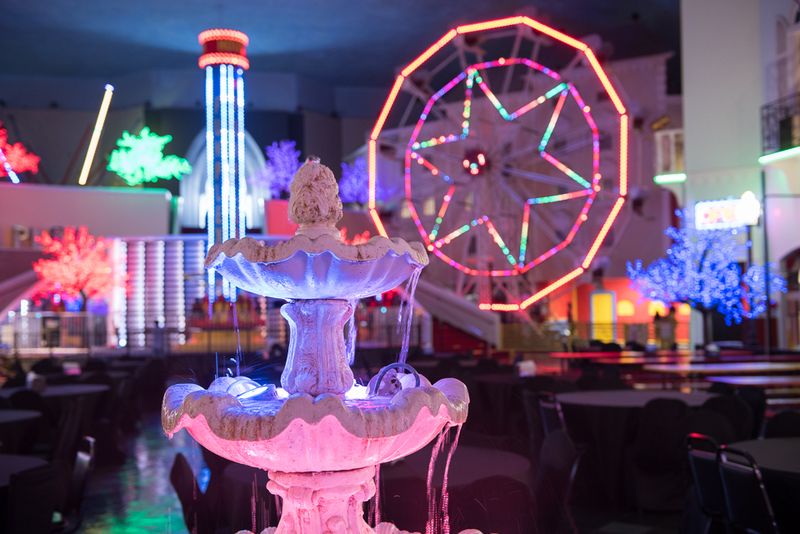
Before Dave & Buster’s and Main Event dominated the entertainment complex scene, Houston had FunPlex, a sprawling indoor-outdoor facility that pioneered the “everything under one roof” concept for Texas families. The complex featured go-kart tracks, miniature golf, batting cages, a massive arcade, laser tag, and even bumper boats. Opening in the late 1980s, it quickly became the go-to spot for birthday parties and weekend family outings.
The facility later rebranded as Fame City, attempting to refresh its image and compete with newer entertainment venues popping up around Houston. Neon lights, loud music, and the constant ding of arcade games created an atmosphere of controlled chaos that kids absolutely loved. Parents appreciated having multiple activities in one location, making it easier to entertain children of different ages simultaneously.
Go-kart racing was the main attraction, with multiple tracks offering different difficulty levels and speed options. The outdoor track let older kids and adults push faster karts around banking turns, while a gentler indoor track accommodated younger drivers. The smell of exhaust mixed with pizza from the snack bar became the signature scent of countless birthday celebrations.
Laser tag arenas featured elaborate set designs with ramps, barriers, and glowing targets that made players feel like they’d stepped into a science fiction movie. Teams battled through fog-filled rooms while electronic music pounded from speakers. The arcade section housed hundreds of games, from classic titles to the latest releases, with ticket-redemption games that let kids accumulate prizes.
The complex struggled financially in the 2000s as competition increased and the facilities showed their age. Eventually, it closed permanently, with the building sitting vacant for years before demolition. Former patrons remember the unique thrill of racing go-karts indoors while rain pounded the roof outside.
The concept lives on in modern entertainment complexes, but FunPlex/Fame City veterans insist nothing quite matches the original Houston version’s particular brand of organized mayhem and neon-soaked nostalgia.
6. Forest Park Miniature Railroad & Amusement Area (Fort Worth)
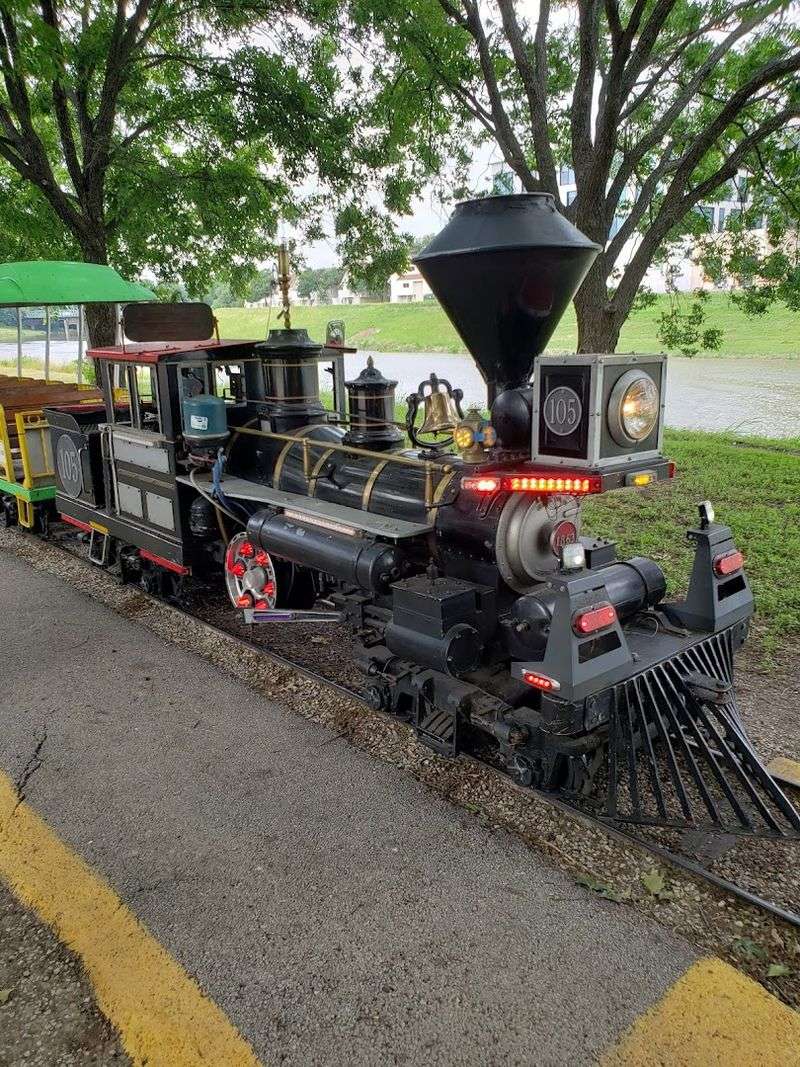
Tucked into Fort Worth’s Forest Park since 1964, a miniature railroad carried generations of North Texas families on gentle journeys through oak-shaded landscapes. The quarter-scale train chugged along narrow-gauge tracks, crossing bridges and passing through tunnels while delighted children waved at picnickers. Surrounding the railroad, a collection of classic kiddie rides created a modest but beloved amusement area that felt frozen in a simpler era.
The train itself was the star attraction, with its steam-engine styling and authentic railroad details capturing imaginations. Engineers in striped caps operated the controls while passengers settled into open-air cars perfect for enjoying mild Texas evenings. The route wound through some of Forest Park’s prettiest sections, offering views of Trinity Park and glimpses of the nearby zoo.
Additional rides included a carousel with brightly painted horses, a small Ferris wheel, and various spinning rides scaled for younger children. These attractions never tried competing with major theme parks—instead, they offered affordable, accessible fun for families who wanted a few hours of entertainment without the overwhelming crowds and expense of larger venues. The area maintained a neighborhood feel where local kids celebrated birthdays and families created traditions.
Financial difficulties and aging equipment led to the amusement area’s closure in the early 2000s, though the miniature railroad continued operating separately for several more years. Eventually, even the beloved train made its final run, leaving only memories and faded photographs. The city removed most structures, returning the land to parkland, though train track remnants occasionally surface when landscaping crews work the area.
Fort Worth residents who grew up riding that train speak about it with genuine affection, remembering how the simple pleasure of a miniature railroad journey felt magical to young eyes. Some former riders bring their own children to Forest Park, pointing out where the tracks once ran and the carousel once spun. The park remains beautiful and well-used, but older visitors notice the absence of those cheerful attractions.
It represents a type of small-scale, community-focused amusement that’s largely disappeared from American life.
7. Aqua Thrill Way (Austin)
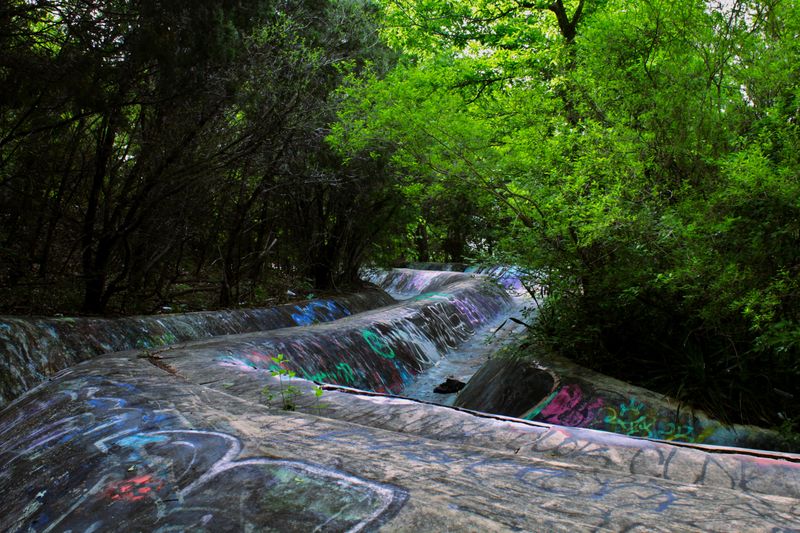
Before Schlitterbahn and Typhoon Texas brought elaborate water parks to Central Texas, Austin had Aqua Thrill Way, a pioneering water attraction that opened in the early 1960s. Located in what was then the outskirts of Austin, the park featured some of the first water slides in Texas, along with a wave pool, lazy river, and various aquatic attractions that seemed incredibly futuristic to visitors accustomed to traditional swimming pools and natural swimming holes.
The slides were simple by modern standards—basically fiberglass chutes that sent riders splashing into pools below—but they felt revolutionary to Austinites who’d never experienced anything like them. Lines formed early on hot summer days as families sought relief from temperatures that regularly topped 100 degrees. The wave pool generated artificial surf that let landlocked Texans experience ocean-like conditions without driving to the Gulf Coast.
Aqua Thrill Way attracted families from across Central Texas throughout the 1960s and into the 1970s. The park maintained a casual, laid-back atmosphere that matched Austin’s personality before the city’s explosive growth transformed it. Lifeguards in red swimsuits watched over the attractions while rock music played from speakers mounted on poles around the facility.
Competition from newer, larger water parks eventually made Aqua Thrill Way seem outdated and small. The facility struggled to fund necessary upgrades and repairs, and attendance declined as families chose more modern alternatives. The park closed in the early 1980s, with the property later redeveloped for commercial use.
All traces of the water attractions vanished beneath parking lots and strip malls.
Old-time Austinites occasionally share stories about Aqua Thrill Way, remembering sunburned shoulders, chlorine-bleached hair, and the particular thrill of those early water slides. Some recall the park’s closure as symbolic of Austin’s transition from small city to major metropolis. The site now shows no evidence of its aquatic past, but for those who experienced it, Aqua Thrill Way represents a lost piece of Austin’s pre-boom identity.
It was simpler entertainment for simpler times, before water parks became elaborate themed destinations.
8. Busch Gardens (Houston)
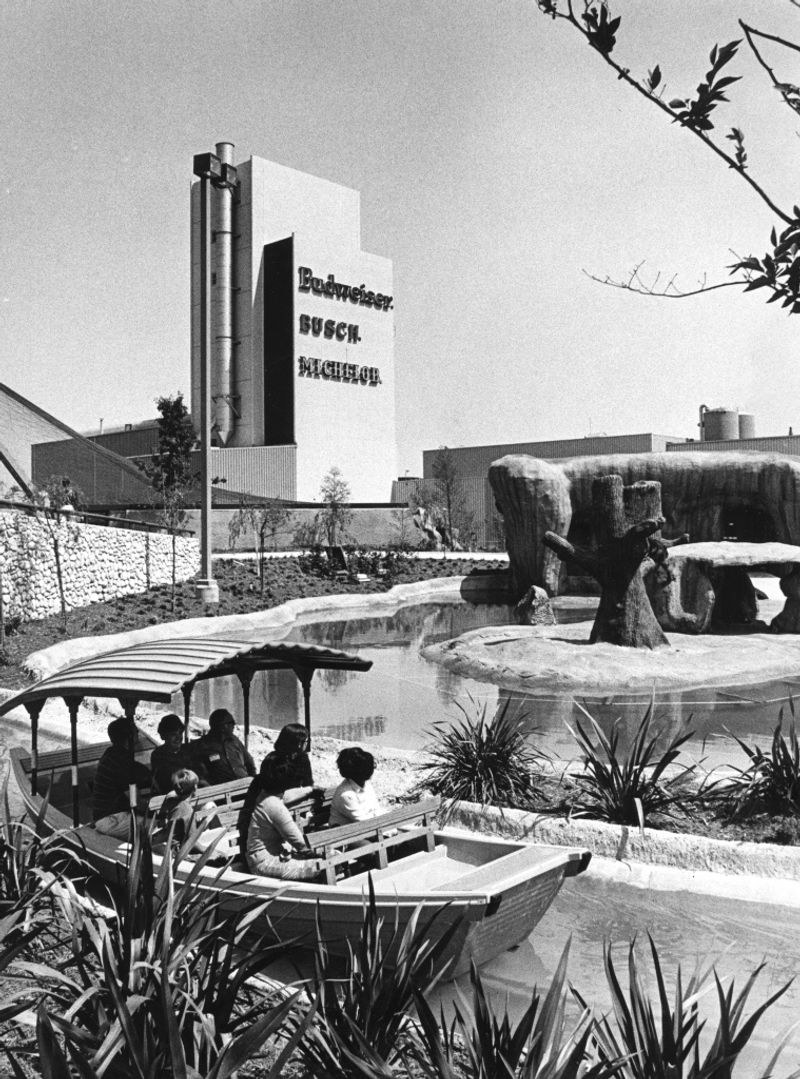
Most people associate Busch Gardens with Tampa or Williamsburg, but Houston briefly hosted its own version of the brewery company’s themed attraction. Anheuser-Busch opened the Houston location in 1971 as a promotional venue showcasing their brewing process while offering entertainment and beautifully landscaped gardens. The concept combined free brewery tours with live shows, animal exhibits, and European-themed architecture that transported visitors from Houston’s urban sprawl to a romanticized Old World setting.
The Houston facility never grew as large as its Florida and Virginia counterparts, operating more as an elaborate hospitality center than a full-scale theme park. Visitors could tour the working brewery, watch beer production from viewing galleries, and sample products in an elaborate tasting room. The surrounding gardens featured elaborate landscaping, fountains, and shaded walkways that provided pleasant strolling even during Houston’s oppressive summer heat.
Entertainment offerings included bird shows featuring trained macaws and cockatoos, musical performances in a Bavarian-style beer garden, and various cultural demonstrations meant to evoke European village life. The brewery tour concluded with complimentary beer samples for adults and soft drinks for children, making it a popular destination for families and tour groups. The facility maintained impeccable cleanliness and professional operations that reflected Anheuser-Busch’s corporate standards.
Unlike the other Busch Gardens locations, the Houston site never added major thrill rides or expanded into a full theme park. This limited scope ultimately led to its closure in the mid-1980s when the company decided to concentrate resources on its more successful Florida and Virginia properties. The Houston brewery continued operating separately for years, but the gardens and entertainment components disappeared.
The property has changed hands multiple times since, with various commercial and industrial uses replacing the carefully maintained gardens and entertainment venues. Older Houstonians remember the attraction fondly as an unexpected oasis of culture and greenery in an industrial area. The Houston Busch Gardens represented an interesting experiment in corporate hospitality that never quite found its footing in the Texas market, despite offering quality experiences.
9. Kiddie Acres (Austin)
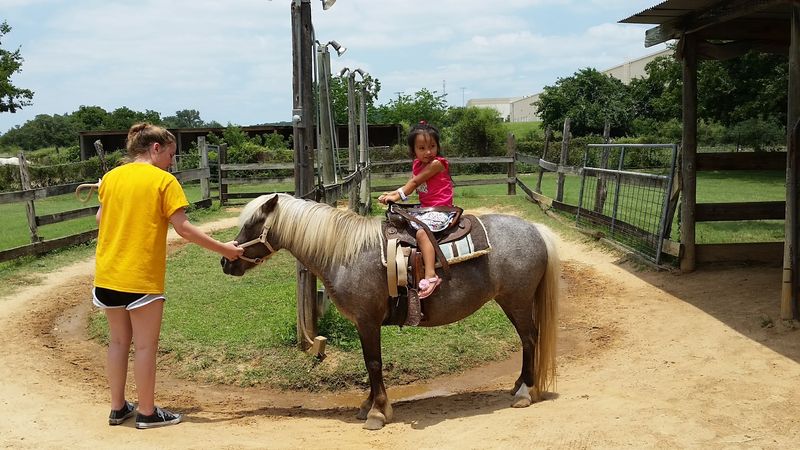
At the corner of Burnet Road and Koenig Lane, a tiny amusement park brought joy to Austin’s youngest residents for more than three decades. Kiddie Acres opened in 1951 as a simple collection of pint-sized rides designed specifically for children too small for regular amusement park attractions. The scale was perfect for preschoolers and early elementary kids who wanted to experience the thrill of carnival rides without the intimidation of adult-sized equipment.
The park’s signature attraction was a miniature roller coaster that gave young riders their first taste of drops and turns on a track that stood only about six feet tall at its highest point. Other rides included tiny cars that traveled on circular tracks, a small Ferris wheel, a carousel with gentle horses, and various spinning rides that moved slowly enough for parents to keep nervous children calm. Everything was brightly painted in primary colors that photographs from the era show have faded but never quite lost their cheerful appeal.
Admission prices remained remarkably affordable throughout Kiddie Acres’ existence, making it accessible to working-class Austin families who couldn’t afford trips to larger parks. The park operated seasonally, opening on spring weekends and running daily through summer before closing during fall and winter months. Generations of Austin children celebrated birthdays there, often returning years later with their own kids to share the experience.
Urban development pressure eventually doomed the little park. The property occupied increasingly valuable real estate as Austin grew and Burnet Road transformed from a quiet highway to a major commercial corridor. Kiddie Acres closed permanently in 1985, with the land quickly redeveloped for retail use.
A shopping center now sits where those tiny rides once entertained Austin’s children.
Former patrons remember Kiddie Acres with extraordinary fondness, often describing it as the perfect first amusement park experience. The modest scale meant children felt confident and capable rather than overwhelmed or frightened. Some Austin residents still drive past the shopping center and point out to their grandchildren where the park once stood, keeping memories alive through storytelling.
It represents neighborhood-scale entertainment that’s vanished from most American cities.