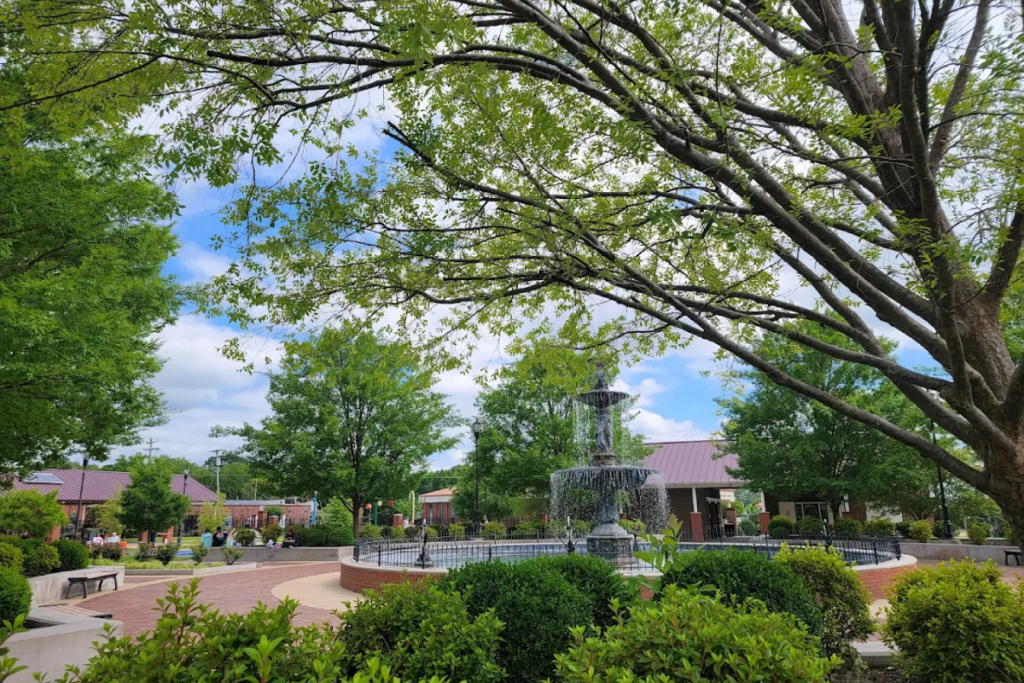
Tennessee is famous for Nashville, Memphis, and the Smokies, but some of its best stories are tucked away in small towns that rarely make travel headlines. These places have historic downtowns, quirky festivals, outdoor adventures, and charm that could easily compete with better-known spots across the country.
If you’re looking for a weekend escape or just curious about what Tennessee has beyond the big cities, these towns are worth your time.
1. Jonesborough
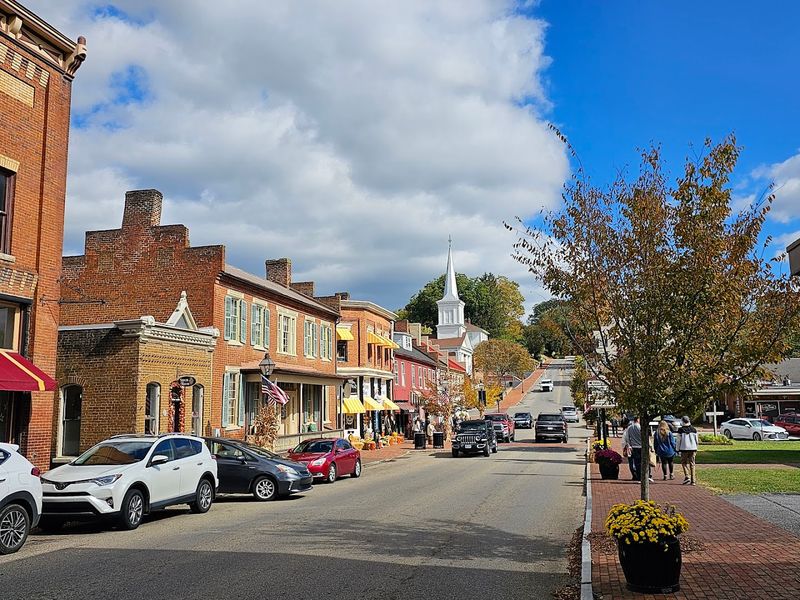
Walking through Jonesborough feels like flipping through a history book, except the pages are brick buildings, tree-lined streets, and actual places you can touch. This is Tennessee’s oldest town, founded in 1779, and it wears that title proudly. The downtown area is compact, walkable, and packed with shops, galleries, and cafes that feel personal rather than touristy.
What really sets Jonesborough apart is its storytelling culture. Every October, the National Storytelling Festival draws thousands of people from across the country to hear tales told the old-fashioned way—no screens, no special effects, just voices and imagination. Even outside festival season, storytelling events happen year-round, making this town a living celebration of oral tradition.
The architecture here is stunning without trying too hard. You’ll see Federal-style buildings, Victorian homes, and preserved structures that date back centuries. Many of them house antique stores, bookshops, and locally owned restaurants where the staff knows regulars by name.
If you’re into history, the Chester Inn Museum and the Jonesborough History Museum offer deep looks into the town’s past, including its role in early Tennessee statehood. The town also has a strong arts scene, with galleries featuring local painters, potters, and craftspeople.
Jonesborough doesn’t shout for attention, but it should. It has the kind of authenticity that’s hard to find anymore—a place where history isn’t just preserved but actively lived. Whether you’re browsing shops, grabbing coffee, or just sitting on a bench watching the world go by, this town feels like a discovery worth sharing.
2. Dandridge
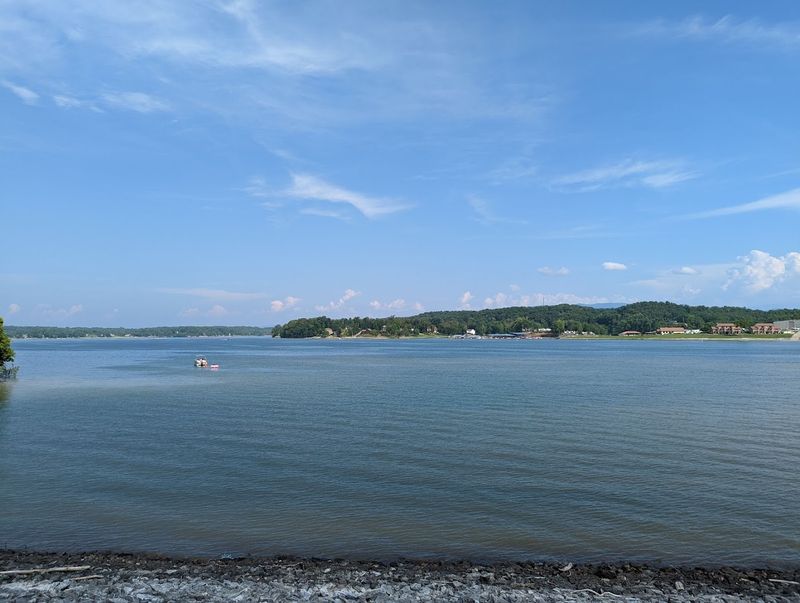
Dandridge sits quietly along Douglas Lake, offering mountain views, water access, and a historic town square that feels frozen in a better era. It’s one of East Tennessee’s oldest towns, and unlike many lake destinations that got bulldozed for resort development, Dandridge kept its character intact. The result is a small-town vibe with big scenery.
The courthouse square is the heart of things, surrounded by local shops, cafes, and buildings that date back to the 1800s. It’s not flashy, but it’s real. You can grab lunch, browse antiques, or just enjoy the slower pace without feeling like you’re on a tourist treadmill.
Douglas Lake is the main attraction for outdoor lovers. Fishing, boating, and kayaking are popular here, and the lake’s size means you can usually find a quiet cove even on busy weekends. The surrounding Smoky Mountain foothills add to the scenery, making Dandridge feel more scenic than your average lake town.
History buffs will appreciate the town’s connection to early Tennessee, including its role during the Civil War and its designation as Tennessee’s second-oldest town. The Jefferson County Museum offers a closer look at local history, including Native American artifacts and pioneer life exhibits.
What makes Dandridge special is how it balances lake recreation with small-town charm. You’re not choosing between nature and culture—you get both. It’s close enough to Gatlinburg and Pigeon Forge for a day trip, but far enough away to avoid the crowds and traffic.
If you’re looking for a lake town that hasn’t been overrun by chain hotels and mini-golf courses, Dandridge is worth the visit.
3. Leiper’s Fork
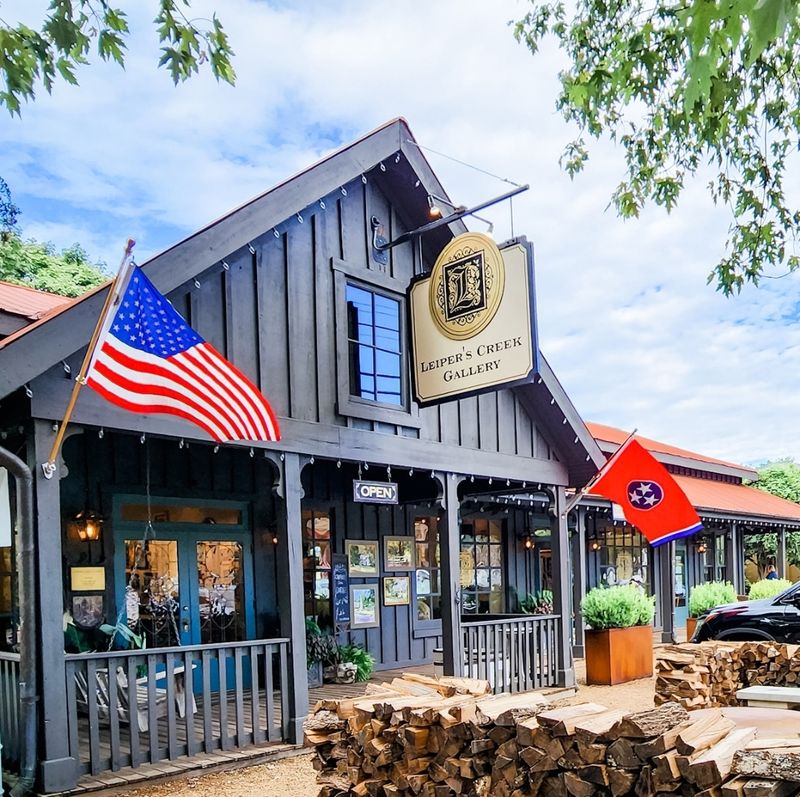
Leiper’s Fork is tiny, but it punches way above its weight when it comes to personality. Located just outside Franklin, this unincorporated community has become a magnet for artists, musicians, and anyone looking for a slower, more creative way of life. The main stretch is barely a few blocks long, but it’s packed with galleries, live music venues, and shops that feel curated rather than commercial.
Music is everywhere here. Puckett’s Grocery & Restaurant hosts live performances almost daily, drawing local and touring musicians who play everything from bluegrass to country to singer-songwriter sets. The vibe is casual—no velvet ropes or cover charges, just good music in a laid-back setting.
Art galleries line the streets, showcasing work from local painters, sculptors, and photographers. Many of the artists live nearby, so you’ll often see them in their studios or chatting with visitors. It’s the kind of place where you can buy original art without feeling intimidated or priced out.
The surrounding countryside is gorgeous. Rolling hills, horse farms, and winding backroads make Leiper’s Fork a favorite for cyclists and Sunday drivers. It’s rural without being isolated, offering easy access to Nashville while maintaining a distinctly different pace.
Food here leans Southern and local. Besides Puckett’s, you’ll find farm-to-table spots, bakeries, and cafes that prioritize quality over quantity. The town also hosts seasonal events like antique fairs and outdoor markets that draw crowds from across the region.
Leiper’s Fork doesn’t advertise much, but word of mouth keeps it busy. It’s the kind of place that feels like a secret until you realize everyone cool already knows about it.
4. Granville
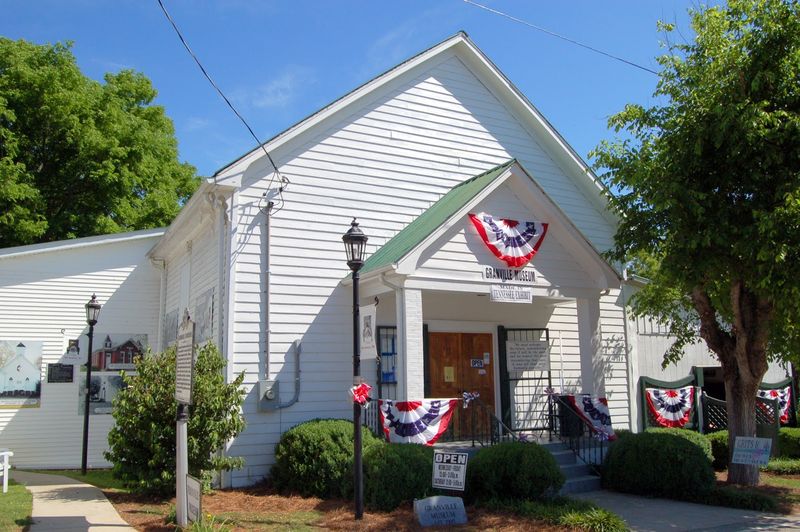
Granville feels like a place where time decided to take a break. Nestled along the Cumberland River, this tiny town has preserved its 19th-century character so well that walking through it feels like stepping onto a movie set—except everything here is real. The pace is slow, the scenery is beautiful, and the sense of history is everywhere.
The town’s main attractions include the Sutton-Granville Museum and the Granville Museum, both housed in historic buildings that tell the story of early Tennessee settlement and river life. These aren’t big, flashy museums—they’re intimate collections of artifacts, photographs, and stories that give you a genuine feel for what life was like here a century ago.
Granville hosts old-fashioned events throughout the year, including craft fairs, historical reenactments, and seasonal celebrations. These aren’t tourist traps—they’re community gatherings that happen to be open to visitors. You’ll see locals in period dress, kids running around, and vendors selling handmade goods.
The Cumberland River provides plenty of outdoor opportunities. Fishing, kayaking, and hiking are all popular here, and the river views are stunning without being overdeveloped. Nearby Cordell Hull Lake offers additional water access for boating and swimming.
What makes Granville special is its authenticity. There are no chain stores, no corporate development, and no attempts to turn the town into something it’s not. It’s simply a quiet, beautiful place that has held onto its identity while the rest of the world rushed forward.
If you’re looking for a day trip that combines history, nature, and peace, Granville delivers. It’s not trying to impress anyone, which is exactly why it’s so impressive.
5. Paris
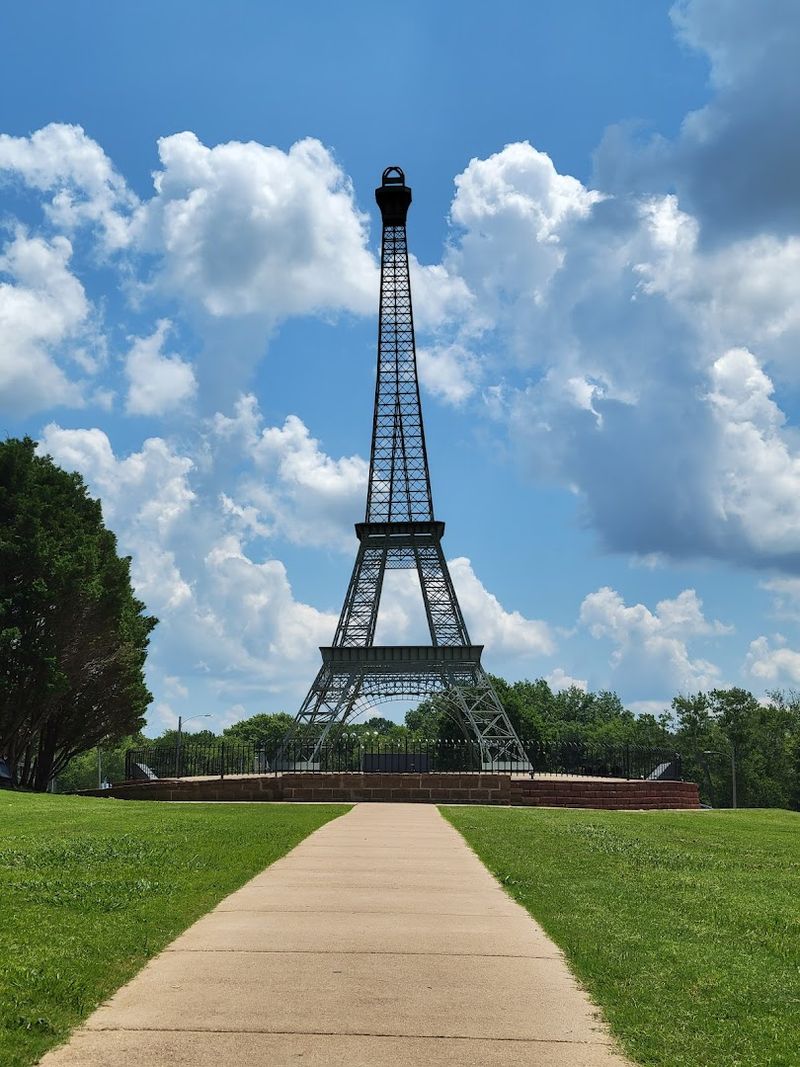
Paris, Tennessee, has its own Eiffel Tower, and yes, it’s exactly as quirky as it sounds. The 60-foot replica stands in Memorial Park, complete with a red beret on top, and it’s become the town’s unofficial mascot. But Paris has more going for it than a playful nod to its French namesake—it’s a charming small town with a solid downtown, interesting history, and easy access to Kentucky Lake.
The downtown area is worth exploring. Historic buildings house antique shops, local boutiques, and restaurants that serve everything from Southern comfort food to barbecue. The courthouse square has that classic Tennessee small-town feel, with benches, shade trees, and local businesses that have been around for decades.
Kentucky Lake is just a short drive away, making Paris a convenient base for fishing, boating, and camping. The lake is massive, offering endless opportunities for water recreation without the crowds you’d find at more famous spots. Paris Landing State Park is nearby, with cabins, trails, and a marina if you want to spend more time on the water.
Paris also has a surprising number of festivals and events. The World’s Biggest Fish Fry happens every spring, drawing thousands of visitors for fried catfish, live music, and carnival rides. It’s been a tradition since the 1950s and remains one of Tennessee’s most popular small-town festivals.
The town’s personality is easygoing and welcoming. People here are proud of their community but not overly serious about it. The Eiffel Tower is a perfect example—it’s fun, slightly absurd, and completely endearing.
Paris deserves more attention not because it’s trying to be something it’s not, but because it’s comfortable being exactly what it is.
6. Hohenwald
Hohenwald is unusual in the best way. This small Lewis County town is home to the Elephant Sanctuary, a 2,700-acre refuge for retired circus and zoo elephants. You can’t visit the sanctuary—it’s designed to give elephants privacy and peace—but knowing it’s there adds a layer of intrigue to the town.
Hohenwald has embraced its elephant connection without turning it into a gimmick, and that restraint is refreshing.
Beyond the elephants, Hohenwald is a gateway to outdoor adventure. The Natchez Trace Parkway runs nearby, offering scenic drives, hiking trails, and historical sites along one of America’s oldest roads. Meriwether Lewis Park, where the famous explorer is buried, is just outside town and includes a museum, monument, and campground.
The town itself is quiet and unassuming. Downtown has a few local shops, cafes, and restaurants, but this isn’t a place you come to for nightlife or shopping sprees. It’s a place you come to slow down, breathe, and maybe explore some backroads.
Hohenwald’s location near the Buffalo River and David Crockett State Park makes it a solid base for outdoor enthusiasts. Canoeing, fishing, and hiking are all easily accessible, and the scenery is classic Middle Tennessee—rolling hills, forests, and rivers that haven’t been overdeveloped.
The town’s German heritage is still visible in some of the architecture and local culture, though it’s subtle. Hohenwald doesn’t lean hard into its history, but you’ll notice it if you pay attention.
7. Greeneville
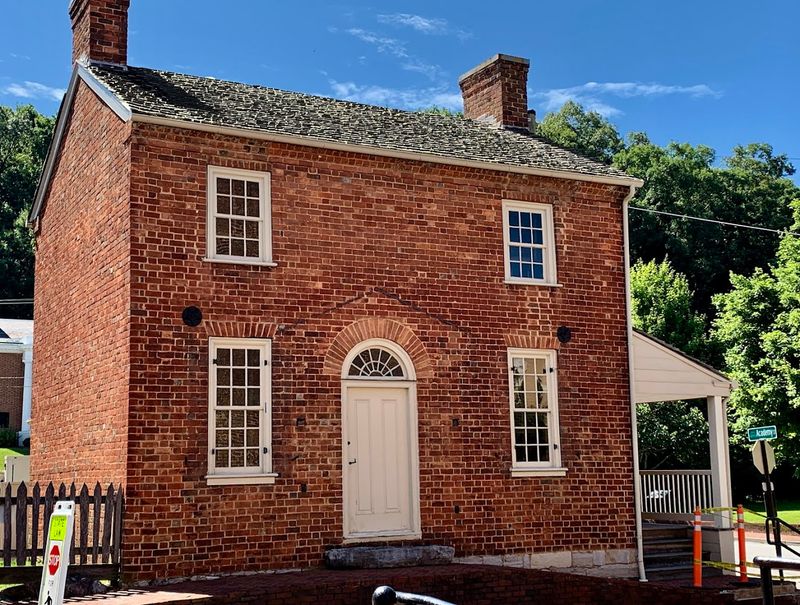
Greeneville has a presidential claim to fame: it’s where Andrew Johnson, the 17th president, lived and worked before and after his time in office. The Andrew Johnson National Historic Site includes his tailor shop, home, and gravesite, offering a detailed look at a complicated figure in American history. Whether you’re a history buff or just curious, the site is well-preserved and worth visiting.
But Greeneville is more than one president’s legacy. The downtown area is handsome and walkable, with local restaurants, coffee shops, and stores that reflect genuine community investment. You’ll find farm-to-table dining, craft beer spots, and bakeries that take pride in what they serve.
The town sits in the foothills of the Appalachian Mountains, giving it a scenic backdrop that adds to its appeal. Cherokee National Forest is nearby, offering hiking, camping, and fishing for anyone looking to get outside. The Nolichucky River is popular for whitewater rafting and tubing, especially in warmer months.
Greeneville also has a strong local food scene. The Farmers Market runs seasonally, featuring produce, baked goods, and crafts from nearby farms and artisans. Several restaurants focus on locally sourced ingredients, making this a surprisingly good town for food lovers.
The town’s size makes it easy to explore on foot. You can hit the main attractions, grab lunch, and still have time to wander without feeling rushed. Greeneville doesn’t overwhelm you with options—it offers just enough to make a visit satisfying.
What stands out about Greeneville is its balance. It has history without being a museum town, outdoor access without being remote, and local flavor without trying too hard. It’s a place that feels lived-in and welcoming, not just preserved for tourists.
8. Bell Buckle
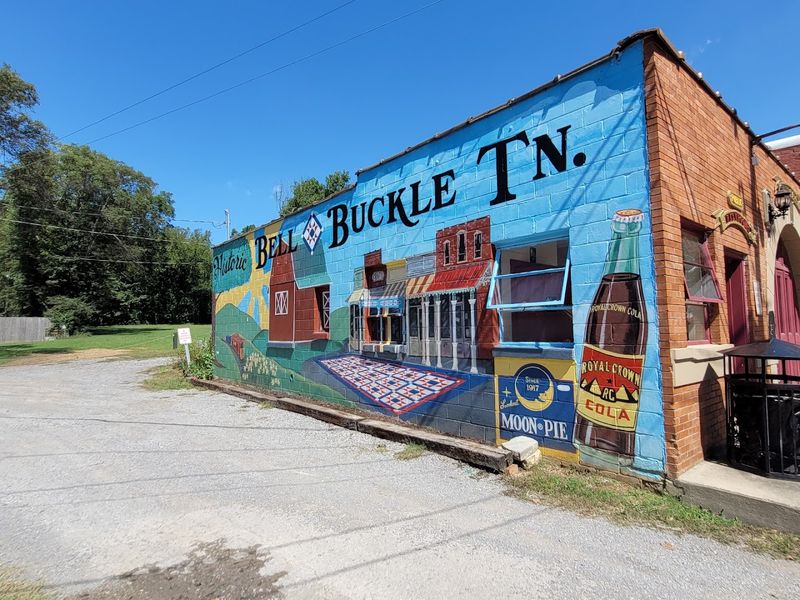
Bell Buckle is small, quirky, and proudly so. This tiny Bedford County town has a main street that looks like it was designed for a postcard, complete with antique shops, local cafes, and buildings that haven’t changed much in decades. It’s the kind of place where everyone waves, and stopping to chat is the norm, not the exception.
Antiques are a big draw here. The town has earned a reputation as an antique hunter’s paradise, with multiple shops offering everything from furniture to vintage clothing to collectibles. Whether you’re a serious collector or just browsing, you’ll find something interesting.
Bell Buckle is also known for its festivals. The RC Cola and Moon Pie Festival happens every June, celebrating two Southern staples with music, food, and a 10-mile road race. It’s quirky, fun, and draws thousands of visitors who come for the nostalgia and stay for the small-town atmosphere.
Food here leans Southern and homestyle. The Bell Buckle Cafe is a local institution, serving breakfast and lunch that’s simple, delicious, and affordable. Other spots include bakeries, ice cream shops, and cafes that prioritize quality and friendliness over speed.
What makes Bell Buckle special is its refusal to change just for the sake of growth. It’s stayed small, stayed quirky, and stayed true to itself. There’s no pressure to see everything or do everything—you just enjoy what’s there and appreciate the simplicity.
Bell Buckle feels like a place that belongs in a movie, except it’s real, welcoming, and waiting for more people to discover it.
9. Savannah
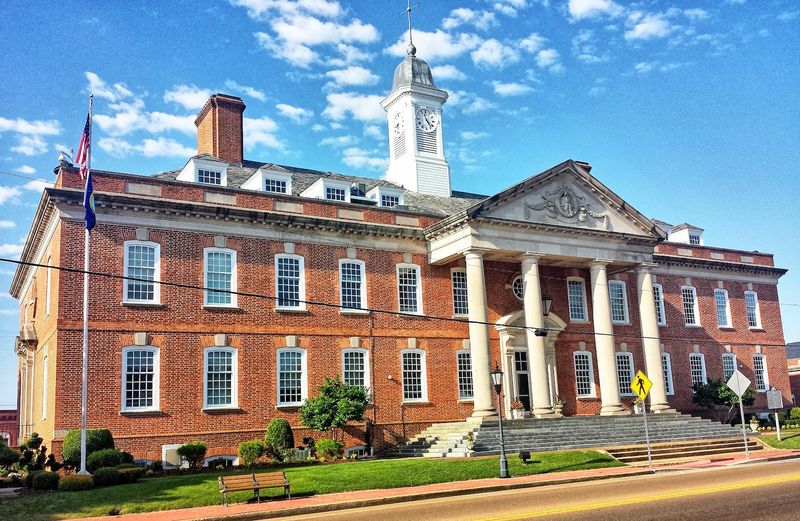
Savannah sits along the Tennessee River, offering a blend of river-town history, outdoor access, and small-town charm that’s easy to overlook if you’re speeding down Highway 64. But slowing down here is worth it. The town has a compact downtown, riverfront views, and a laid-back vibe that makes it a solid stop for anyone exploring West Tennessee.
The Tennessee River is the main attraction. Fishing, boating, and kayaking are popular, and Pickwick Lake is just downstream, offering even more water recreation opportunities. The area is known for bass fishing, and you’ll see plenty of anglers launching boats early in the morning.
Downtown Savannah has a historic courthouse square surrounded by local shops, restaurants, and buildings that reflect the town’s 19th-century roots. It’s not a shopping destination, but it’s pleasant to walk around and grab a meal. The Cherry Mansion, where Union General Ulysses S. Grant stayed during the Civil War, is a notable historic site, though it’s a private residence and not open for tours.
Shiloh National Military Park is just a few miles away, making Savannah a convenient base for Civil War history buffs. The park preserves one of the war’s bloodiest battlefields and includes a museum, monuments, and miles of trails.
Savannah’s personality is easygoing and unpretentious. It’s not trying to be a tourist hub—it’s just a river town with good access to outdoor activities and enough local character to make a visit enjoyable. You won’t find chain restaurants dominating the landscape, which is a plus.
If you’re passing through West Tennessee or looking for a quiet river town with history and outdoor options, Savannah delivers without overpromising.
10. Pulaski
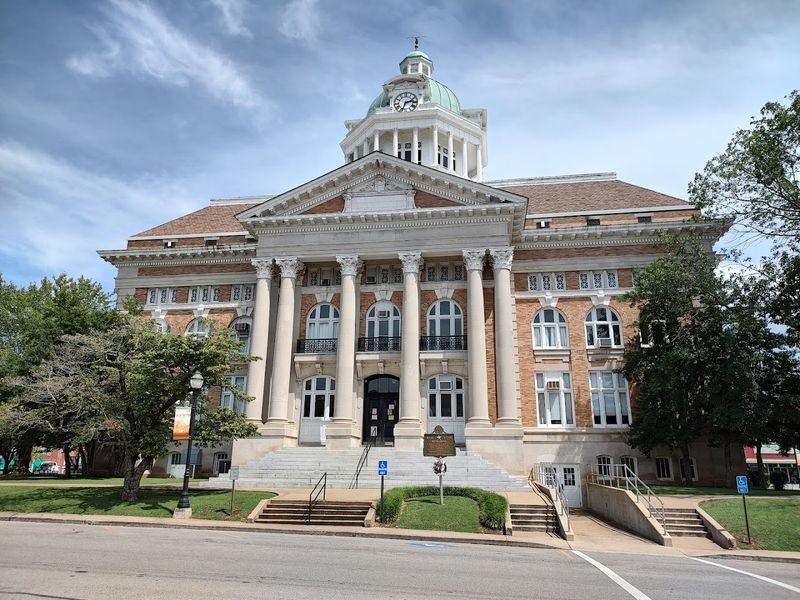
Pulaski has a classic Tennessee courthouse square that feels like the center of everything. The Giles County Courthouse anchors the downtown, surrounded by local shops, restaurants, and historic buildings that give the town a timeless quality. It’s not flashy, but it’s solid—the kind of place where you can spend a few hours and leave feeling like you actually experienced something real.
The town’s history is complicated. Pulaski is where the Ku Klux Klan was founded after the Civil War, a dark chapter that the town has worked to acknowledge and move beyond. The Giles County Historical Society offers exhibits that address this history honestly, along with broader stories about the area’s settlement and development.
Downtown Pulaski has seen a resurgence in recent years, with new restaurants and shops opening alongside longtime businesses. You’ll find Southern food, barbecue, and cafes that focus on local ingredients and hospitality. The town also has a growing arts scene, with galleries and performance spaces hosting local and regional artists.
Outdoor access is solid here. The town is near the Elk River, which offers canoeing, fishing, and scenic views. David Crockett State Park is a short drive away, providing camping, hiking, and more water access.
Pulaski’s pace is slower than nearby cities, but that’s part of the appeal. People here take time to talk, to sit on the courthouse lawn, and to enjoy the town without rushing. It’s a place that values community over commerce, and that’s increasingly rare.
What makes Pulaski worth attention is its willingness to be itself—flaws, history, and all—while still moving forward. It’s a town that respects its past without being trapped by it, and that’s something worth recognizing.