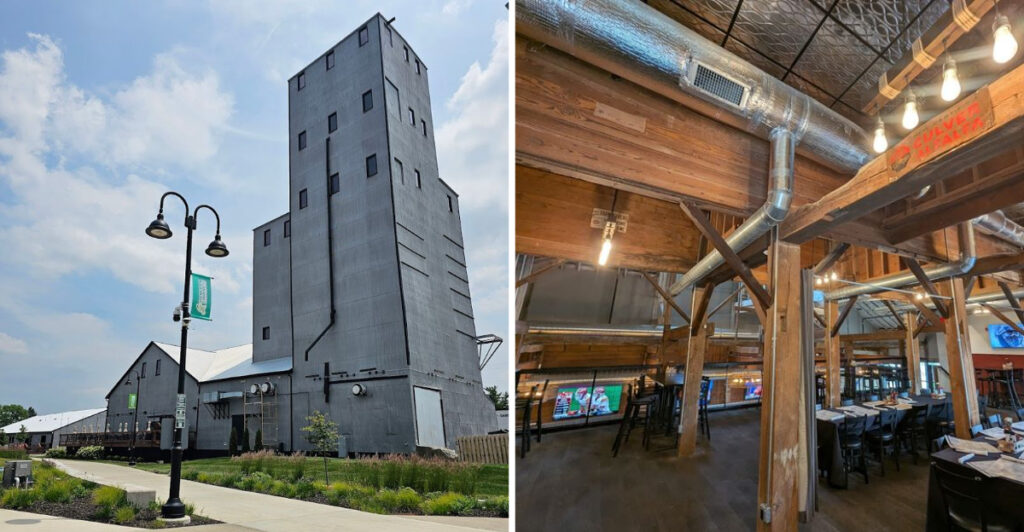
Most memorable restaurants earn their reputation through the food alone. The Depot Restaurant in Greenfield adds something far more unusual: the chance to dine inside a towering grain elevator that has stood since 1906. Rising 112 feet above the surrounding landscape, this beautifully repurposed landmark blends Indiana history with a warm, inviting dining experience unlike anything else in the state.
Original industrial features, soaring spaces, and thoughtfully restored architecture create an atmosphere that’s every bit as impressive as the menu. Whether you’re a history enthusiast, an architecture lover, or simply searching for a one-of-a-kind place to eat, this remarkable Indiana restaurant is well worth the trip.
A Skyline-Worthy Entrance on Mill Street
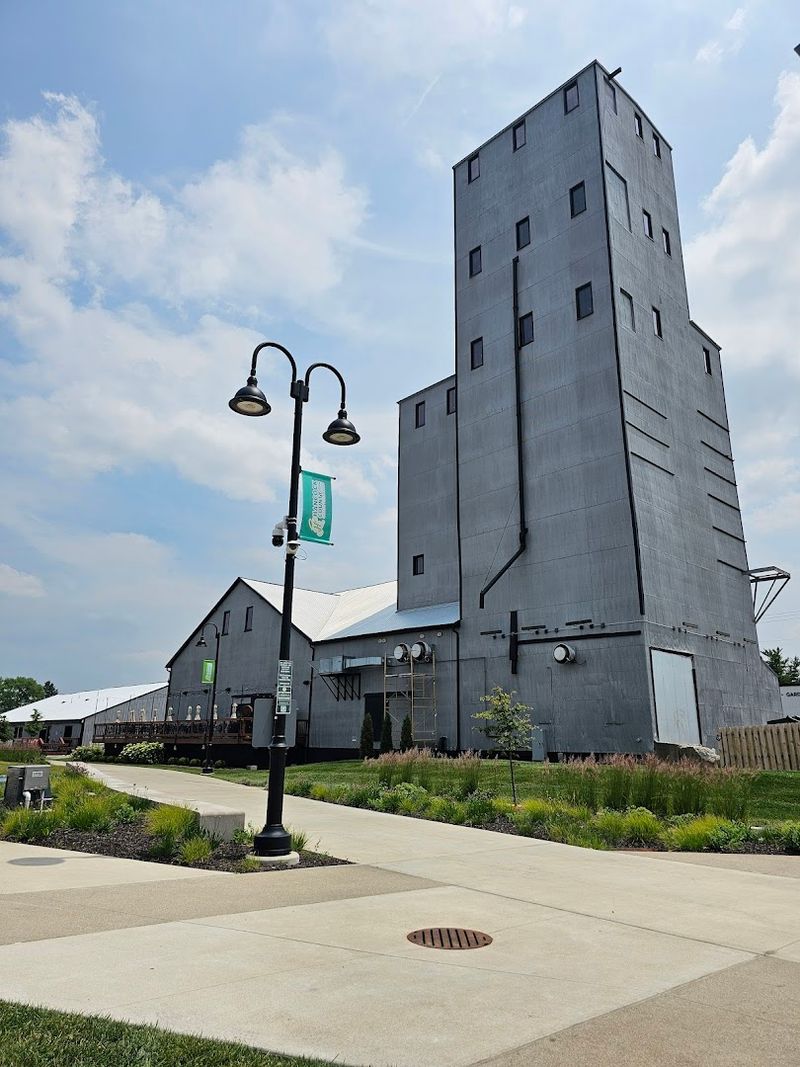
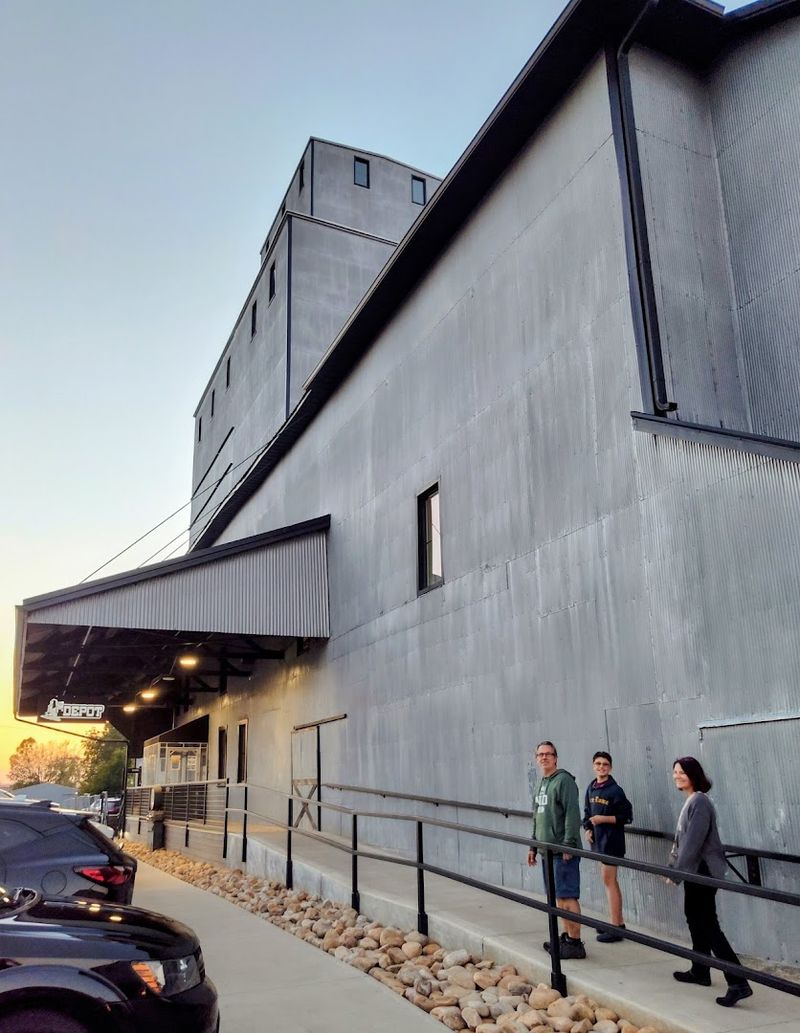
The first striking thing about The Depot is not a sign, a patio umbrella, or a trendy facade. It is the grain elevator itself, rising with the kind of vertical force that instantly changes the scale of the block around it.
At 112 feet tall, the structure reads less like a restaurant building and more like a landmark that happened to start serving lunch and dinner.
That height gives the place an unusual advantage before you even step inside. West Mill Street has the easy pace of a Hancock County downtown edge, but The Depot interrupts that calm with a silhouette that feels almost cinematic against the Indiana sky.
You do not need a history lecture to understand that this was built for work, storage, and movement long before it became a spot for burgers, drinks, and weekend meals.
The exterior matters because it sets up the whole experience correctly. This is not a restaurant trying to imitate rustic industrial style with reclaimed wood and a few decorative gears on the wall.
The bones are the attraction, and the scale of those bones gives the building an authority that newer dining spaces rarely match.
Even better, the outside keeps a little mystery intact. Several diners have noted that the exterior does not fully prepare you for what happens indoors, and that contrast works in The Depot’s favor.
You arrive expecting a cool old building, then start noticing the sheer mass, the converted purpose, and the way a former piece of agricultural infrastructure now anchors one of Greenfield’s most unusual restaurant addresses.
Inside the Elevator: Where Industry Turns Into Dining Room Drama
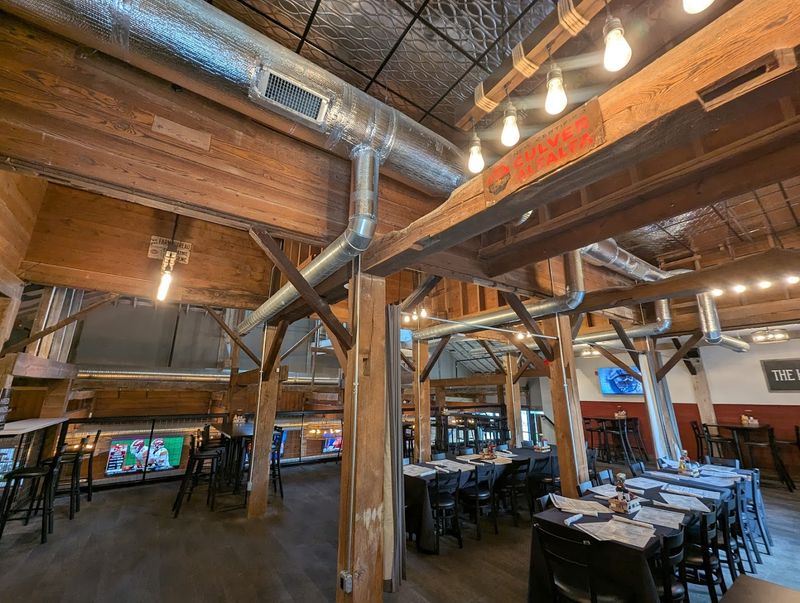
Once inside The Depot, the conversion becomes the real story. The building does not hide its past under polished sameness, and that choice gives the dining room a sense of drama that standard casual restaurants cannot fake.
Vertical space, structural heft, and restored industrial textures do most of the talking before the menu even arrives.
This is where the project becomes more than a novelty address. The interior remodel has been described as beautiful, clean, and thoughtfully done, and the strongest detail is how the design seems to respect the grain elevator rather than overwrite it.
Instead of flattening the building into generic comfort, the space lets the original character stay visible, which creates a stronger connection between the restaurant and the site itself.
There are also memorable details that reward a slower look around. Vintage equipment on display adds context without turning the place into a museum, and the glass floor feature gives diners a literal peek into the structure’s past life.
That kind of detail changes the pace of a meal because the room keeps offering another angle, another texture, another clue about what stood here before the tables and bar service arrived.
The effect is especially strong for first-timers. A burger or sandwich in an ordinary room is just a meal, but the same plate inside a repurposed grain elevator immediately has a different setting and rhythm.
The Depot understands that architecture can carry part of the experience, and in Greenfield, that towering shell is not background decoration. It is the main stage, with every table placed inside the story.
Burgers, Tots, and the Menu That Drives the Crowd
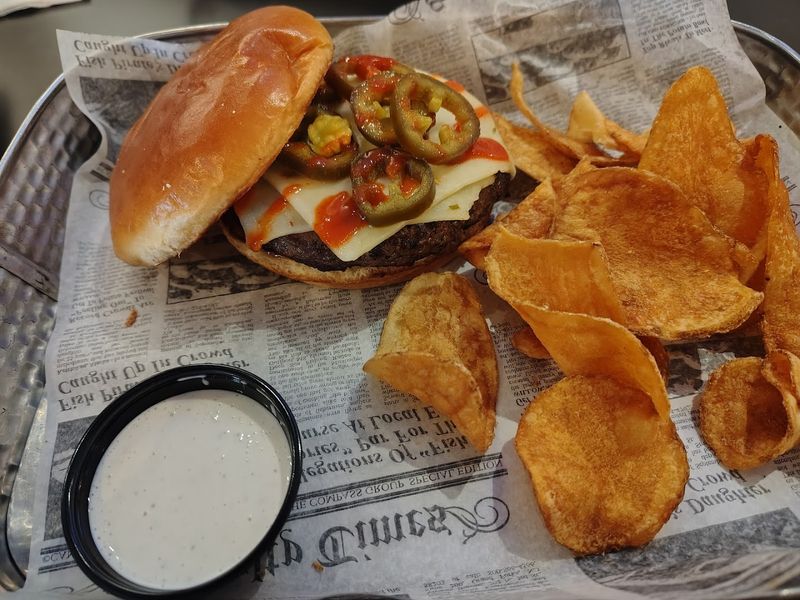
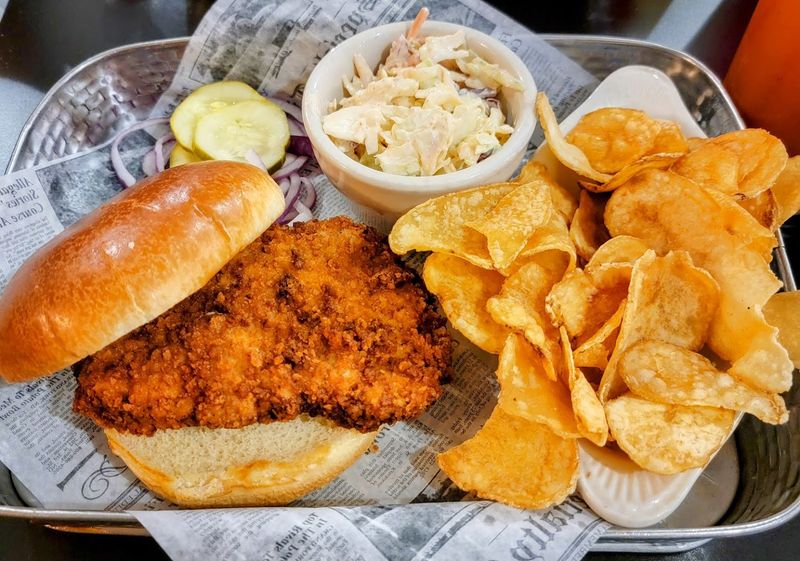
The Depot’s menu leans into familiar American restaurant territory, but it does so with enough signature items to create clear targets for a first visit. Burgers show up again and again in the conversation around this place, especially the smash burger, the 1906 burger, and other stacked options that suit the building’s bold scale.
Wings, clubs, pulled pork, fish and chips, sandwiches, and steak round out a lineup designed for broad appeal rather than narrow culinary theater.
That approach helps explain why the restaurant draws both curious first-timers and regular local traffic. Diners love giant tater tots, loaded tots, mac and cheese, wings, and several burger combinations as standout orders, while drinks also get their share of attention.
A menu like this works best when a group wants options without overthinking the decision, and The Depot clearly understands that balance.
At the same time, the menu is designed for broad appeal rather than a single standout specialty. Burgers, steaks, sandwiches, wings, and hearty comfort-food favorites give diners plenty of options, making it easy for different tastes to find something satisfying.
That variety suggests the main draw here is the complete experience—a memorable historic setting paired with a crowd-pleasing menu that offers something for nearly everyone.
Still, the menu fits the setting better than a more precious concept would. In a converted grain elevator, a substantial burger, a basket of tots, or a hearty sandwich makes more sense than delicate small plates chasing trend points.
The Depot succeeds when it lets the building set the tone and backs it up with food that is casual, crowd-friendly, and made to match the room’s oversized personality.
Details That Keep Your Eyes Moving
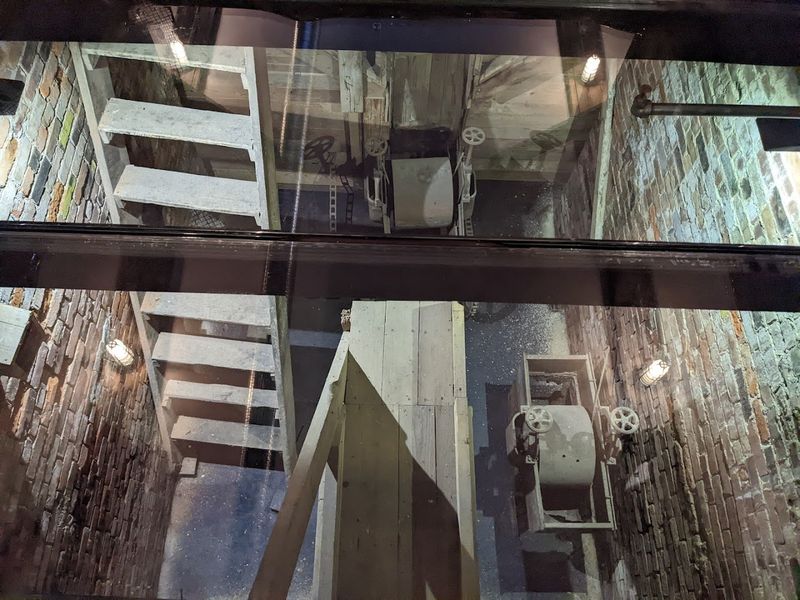
The smartest part of The Depot may be how it gives diners more to notice than just the main room. Plenty of converted buildings rely on one big reveal and then flatten out, but this one keeps visual interest alive through smaller industrial details that reinforce the original purpose of the structure.
That layering matters because it turns a meal into a longer look rather than a quick glance and a photo. Among the most memorable features is the display of vintage equipment, which adds texture without making the restaurant feel stiff or overly curated.
You are reminded that grain once moved through this site with mechanical urgency, and now the same shell hosts conversation, drinks, and plates landing on tables. The contrast is strong, but it does not feel forced.
The glass floor element is another detail that sharpens the experience. It creates a literal sightline into the building’s history, giving the structure depth in a way that framed photos on a wall never could.
In a dining culture full of lookalike interiors, that single feature gives The Depot a point of difference that is specific, visual, and tied directly to the building rather than borrowed from a design catalog.
Even the overall cleanliness and upkeep matter here. When a historic industrial building is maintained well, every exposed beam, metal surface, and salvaged feature reads as intentional instead of dusty or neglected.
The Depot benefits from that care, because the room can stay rugged without becoming rough. You get a sense of age, utility, and reinvention all at once, which is exactly what a place like this should deliver.
How The Depot Fits Greenfield, Indiana
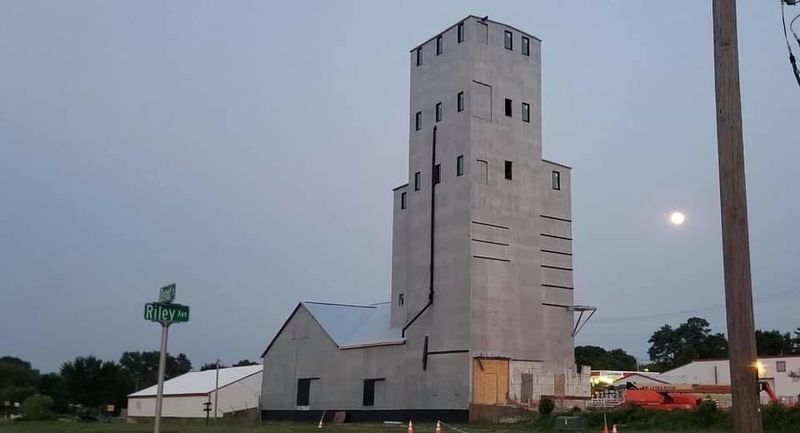
The Depot works especially well because it does not feel dropped into Greenfield as an outsider concept. It is a restaurant with a strong visual identity, but it still reads as part of the town’s texture rather than a disconnected destination built only for novelty seekers.
That local fit gives the place more staying power than a one-time curiosity stop. Greenfield is the kind of city where a structure like this can carry both memory and reinvention at the same time.
A former grain elevator belongs to the agricultural and rail-shaped logic of Indiana life, so converting it into a restaurant creates continuity instead of contradiction.
The project preserves a recognizable form while giving it a new public use, which is exactly the kind of adaptive reuse that makes a community feel more layered.
The location also helps. Diners mention the nearby park area, the patio, and the ease of pairing a visit with the surrounding neighborhood, which gives the restaurant a more grounded presence than a highway interchange stop.
You are not only eating inside an unusual building. You are doing it in a place where the building still makes sense as part of the local landscape.
That matters for travelers as much as locals. If you are passing through Hancock County, The Depot offers a direct way to experience a piece of Greenfield that is specific to this town and this address.
If you already live nearby, the restaurant gives an old structure renewed daily life instead of leaving it as a backdrop. In either case, the Indiana setting is not interchangeable. The Depot belongs here, and the place gains power from that connection.
When to Go and How to Time It Right
The best strategy for The Depot starts with timing, because this is not always a walk-right-in kind of place. The restaurant opens at 11 AM Monday through Saturday, shifts to a 10 AM start on Sunday, and stays open into the evening, but demand can build quickly during popular meal windows.
Several diners describe waits that stretch well beyond a casual drop-in expectation, especially on busy nights. That makes lunch, late afternoon, or an earlier dinner a smart move if your main goal is to explore the building without a crowded-room rush.
A mid-afternoon visit can give you more time to notice the interior features, settle into the scale of the space, and actually look around instead of moving straight from check-in to table turnover. If the patio is open and the weather cooperates, that adds another option for a more relaxed pace.
Reservations appear especially useful when the restaurant is running strong, since some diners were able to bypass longer waits that surprised walk-ins. That practical detail matters more here than at a generic chain because the building itself is part of the draw.
When a place functions as both restaurant and visual attraction, arrival patterns can be less predictable than the surrounding town might suggest.
Service experiences vary, so going in with a little patience is wise during peak periods. On a quieter visit, the room, menu, and setting have more space to shine.
On a packed evening, the payoff may be the energy, music, and full-house buzz that make the converted elevator feel even more alive. Either way, timing shapes the experience more than many first-time visitors probably expect.
The Sharp Reason This Place Stands Out
The clearest reason The Depot stands out is simple: most restaurants can upgrade a menu, refresh a bar program, or change the playlist, but almost none can offer a 1906 grain elevator as the setting.
That gives this Greenfield address a built-in distinction that trends cannot manufacture. The meal may bring you in, but the structure is what separates the stop from countless other regional dining rooms.
There is also a refreshing directness to the concept. The Depot is not trying to disguise itself as fine dining, and it is not leaning on vague rustic branding that could be copied anywhere.
It is a restaurant inside a massive industrial survivor, serving approachable food in a room where the architecture does the heavy lifting and the history remains visible.
That combination creates a more specific kind of outing. You can come here for a smash burger, pulled pork, wings, drinks, brunch-hour timing on Sunday, or dinner after a day on the road, but the visit carries an extra layer because the building changes your sense of place.
Even diners with mixed opinions on individual dishes still point to the interior and renovation as the element that commands attention.
In practical terms, The Depot is the sort of restaurant that gives Greenfield a conversation piece with real scale. In editorial terms, it is a successful example of a place where architecture is not decoration but identity.
If you are choosing between an ordinary meal and one served inside a towering piece of Indiana’s industrial past, this decision is easy. The Depot offers the rarer table.