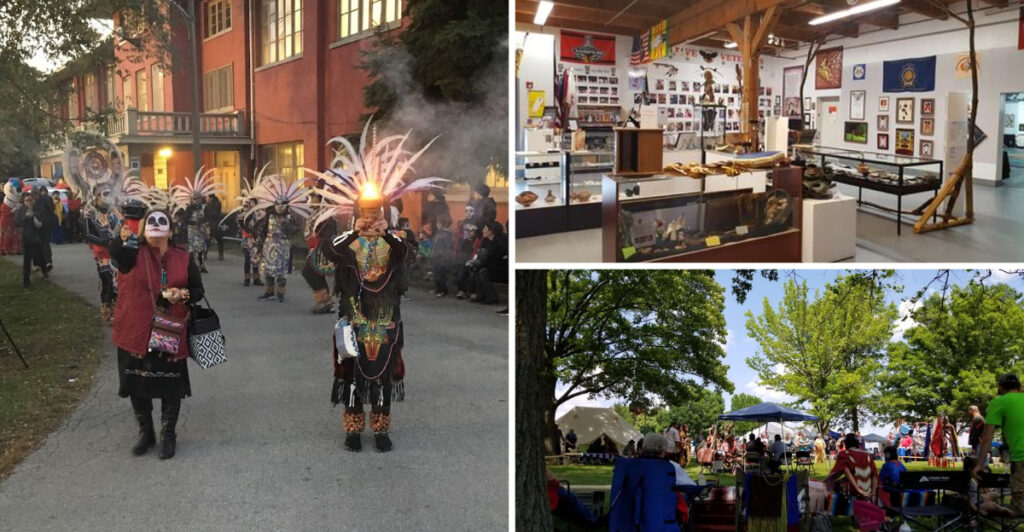
Throughout the year, communities across Illinois come together to honor and celebrate the rich cultures, traditions, and heritage of Native American nations through vibrant powwows and cultural gatherings. These events showcase traditional dancing, drumming, singing, handcrafted art, storytelling, and Indigenous cuisine while creating opportunities for education, cultural exchange, and community connection.
Some have welcomed visitors for generations, while others offer more intimate experiences that highlight local traditions and contemporary Native voices. Whether you’re attending your first powwow or returning to a longtime favorite, these 11 Illinois events provide meaningful opportunities to learn, celebrate, and respectfully experience Indigenous culture.
1. Potawatomi Trails Traditional Social Pow Wow (Zion)
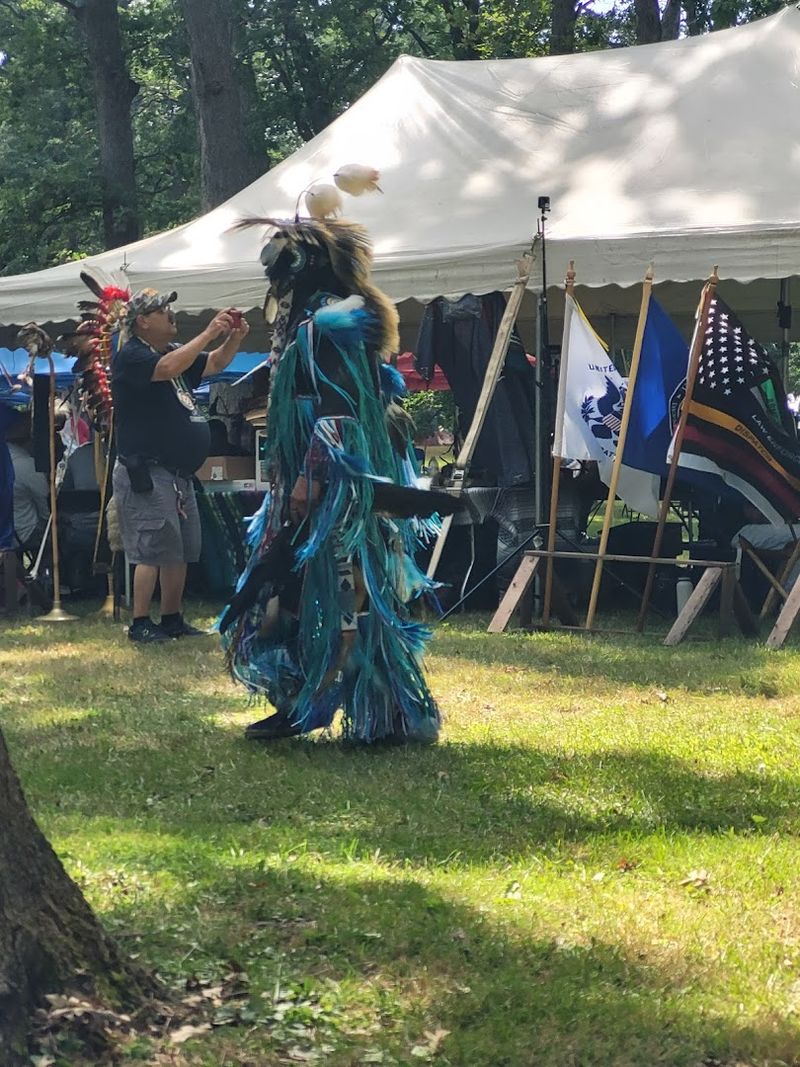
Up in Zion, the Potawatomi Trails Traditional Social Pow Wow stands out as one of northern Illinois’ long-running Native gatherings, and that history gives the event a grounded, steady rhythm. You are not walking into a flashy spectacle built for quick photos.
You are stepping into a community-centered space where intertribal dancing, drumming, and cultural sharing take priority from start to finish.
The setting often adds to the appeal. Outdoor powwows have a different pace, and here that open-air format pairs well with dance presentations, Native arts and crafts, and family-friendly activities that make the day easy to settle into.
Instead of racing from one attraction to the next, you can slow down, watch the circle, listen closely to the songs, and notice how much care goes into every part of the gathering.
Visitors who come with curiosity and respect usually find plenty to appreciate. Cultural demonstrations and vendor areas can offer a closer look at creative traditions, while the social powwow format keeps the experience welcoming rather than intimidating for newcomers.
It is a smart pick for anyone in the Chicago region who wants a substantial event without driving deep into another part of the state.
There is also real value in the event’s emphasis on preservation and respectful sharing. That focus gives the day more depth than a typical summer festival, especially when you take time to observe, learn, and support Native makers.
If you are building an Illinois powwow itinerary, Zion earns a spot near the top because it combines longevity, accessibility, and a strong sense of community in one memorable gathering.
2. 67th Annual O-Sa-Wan Pow Wow (Big Rock)
Big Rock brings major summer powwow energy with the 67th Annual O-Sa-Wan Pow Wow, a gathering that has the kind of reputation people notice across the Midwest.
Hosted by the O-Sa-Wan Native American Educational Association, it is known for bringing together dancers, drum groups, artists, and vendors in a way that feels full without tipping into chaos. You get scale here, but also structure.
Grand Entries are usually one of the clear highlights, especially for first-time visitors who want a strong introduction to the powwow circle.
Traditional singing and dancing give the event its heartbeat, while Native food and a broad vendor marketplace add plenty to explore between scheduled activity. That balance matters because it lets you stay engaged all day instead of treating the gathering like a quick stop.
The marketplace is often one of the biggest draws at established powwows like this one. When numerous artists and vendors are on site, you have more opportunities to browse jewelry, textiles, beadwork, artwork, and other handmade goods while supporting Native businesses directly.
Add in drum groups from around the region, and the event starts to read less like a local outing and more like a signature Illinois cultural gathering.
If you are choosing only one or two larger powwows for the season, O-Sa-Wan deserves strong consideration. Its long run suggests continuity, and its mix of performances, food, education, and shopping makes it accessible to both regular attendees and curious newcomers.
Big Rock may look quiet on the map, but during this event it becomes one of the state’s most compelling places to experience Native celebration, skill, and community all at once.
3. Summer Youth Powwow (Schaumburg)
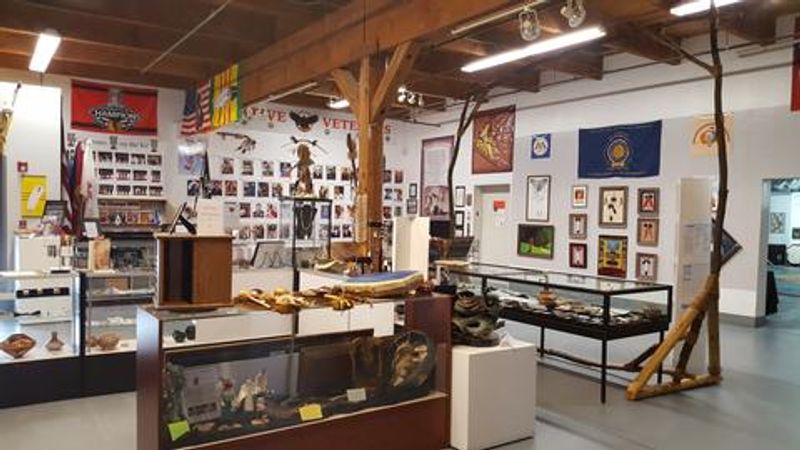
Schaumburg’s Summer Youth Powwow offers a slightly different angle, and that is exactly why it belongs on this list. Instead of centering primarily on size or long tradition, this event puts Indigenous youth and cultural learning front and center.
For visitors, that can make the day especially engaging because the energy is active, welcoming, and clearly shaped around participation, education, and community pride.
Traditional dancing and drumming give the event its core, but the youth focus changes the mood in a good way. You may see more opportunities for younger attendees to connect with cultural practices, storytelling, and exhibits that explain heritage in direct, accessible terms.
That makes this gathering a strong option for families who want children to experience Native culture in a setting designed to include them rather than simply entertain them.
The educational side matters here. Powwows can be visually striking, but this one also creates space for understanding, which helps visitors move beyond surface impressions.
Storytelling, community participation, and youth-centered programming can encourage better listening and better questions, especially for people attending one of these events for the first time and wanting to approach it respectfully.
If your usual festival calendar leans toward food tents and generic stage acts, this event offers something sharper and more memorable.
The family-oriented atmosphere, combined with dancing, drumming, and cultural exhibits, gives Schaumburg a powwow that is both lively and thoughtful.
It is a smart stop for anyone who wants to see Native traditions celebrated in a way that highlights the next generation while still welcoming the broader public into a shared learning space.
4. 28th Annual Honoring The Mounds Gathering (Rockford)
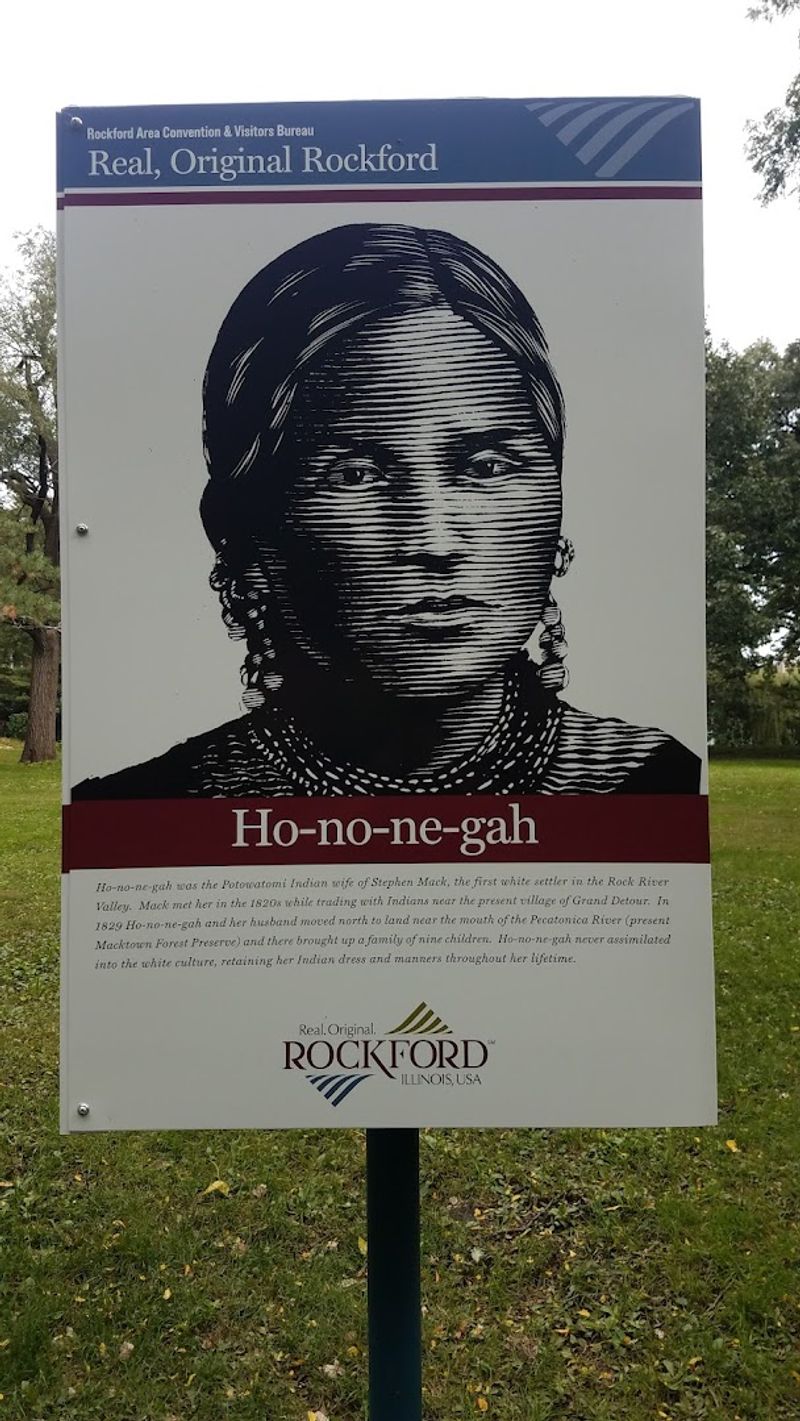
Rockford’s 28th Annual Honoring The Mounds Gathering carries a title that already points you toward its deeper purpose. This is not simply a busy weekend event with dancing and vendors layered on top.
It is a gathering shaped around honoring Indigenous history while opening space for community connection, cultural exchange, and public learning through intertribal dance, drum groups, demonstrations, and artisan presentations.
The mix of programming gives the day a nice range. You can spend time watching dancers and listening to drums, then shift toward educational areas or vendor spaces that highlight Native craftsmanship and creative work.
That broader layout helps the event appeal to different kinds of visitors, whether you are focused on performance, history, shopping from Native artists, or simply understanding the gathering’s cultural context more clearly.
Rockford also benefits from hosting an event with real continuity. A long-running annual gathering often develops a familiar rhythm that regular attendees trust, and newcomers can sense that steadiness quickly.
Rather than chasing novelty, this kind of event tends to build its identity through consistency, respectful organization, and a stronger connection between ceremony, education, and public engagement.
For anyone exploring Illinois powwows beyond the Chicago area, Honoring The Mounds is a strong addition to the calendar. The educational programming gives the event extra substance, while the dancing, drumming, and artisan presence keep it vivid and active throughout the day.
You leave with more than snapshots and snacks. You leave with a better understanding of how Native traditions continue to be shared, protected, and presented within a living community setting.
5. Indian Market Days at Cahokia Mounds State Historic Site (Collinsville)
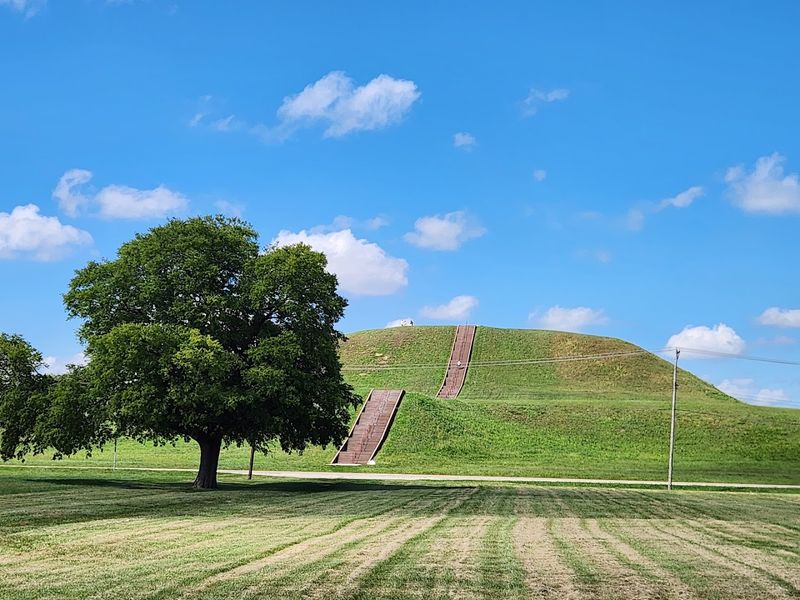
Not every standout Native gathering in Illinois follows a competitive powwow format, and Indian Market Days at Cahokia Mounds proves that quickly. Set at one of North America’s most significant archaeological sites, this annual event carries a striking sense of place before the program even begins.
When Native artists, storytellers, musicians, and demonstrators gather in that setting, the result can be especially memorable for visitors interested in history as well as living culture.
The emphasis here is broader than dance alone. You are likely to find Native artists, traditional crafts, demonstrations, storytelling, music, and educational programs that encourage slower looking and closer listening.
That makes the event a great fit for people who enjoy cultural festivals but prefer a little more room for conversation, browsing, and reflection instead of focusing mainly on an arena-style performance schedule.
Cahokia Mounds also changes the emotional scale of the day. The site itself reminds visitors that Indigenous history in this region runs deep, and market-style programming can create useful opportunities to connect present-day Native creativity with that long timeline.
Supporting artists and attending demonstrations within that landscape gives the gathering an added layer of meaning without turning it into a lecture.
If you are building an Illinois summer itinerary around Native cultural events, this one brings a different strength to the list. It may not function as a standard powwow, but it absolutely belongs in the same conversation because of its educational value, artist presence, and historic location.
Collinsville offers a chance to spend time with Indigenous arts and stories in a setting that already carries national significance. That combination can make Indian Market Days one of the state’s most rewarding and thought-provoking Native cultural events of the season.
6. American Indian Center (AIC) Powwow (Chicago)
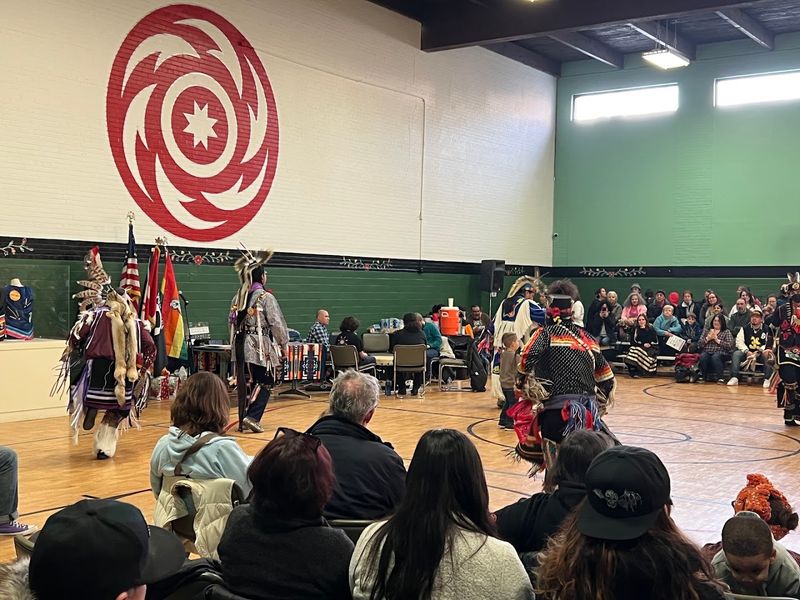
Chicago gives Illinois powwow season a powerful urban anchor through the American Indian Center Powwow. Because the American Indian Center is one of the nation’s oldest urban Native organizations, the event carries an importance that goes beyond a packed schedule.
You are seeing a gathering connected to a long-standing institution that has served Native community life in the city for generations.
The program often centers on traditional dance competitions, drumming, Native artists, food vendors, and cultural education, which means there is plenty happening at any given hour. In a city known for major festivals, this powwow offers a different kind of draw.
The focus is not trendiness or spectacle. It is community gathering, regional tribal connection, and the continued visibility of Indigenous culture in a major metropolitan setting.
That urban setting is part of the event’s appeal. For many visitors, especially those already spending time in Chicago, the AIC Powwow is one of the easiest and most meaningful ways to engage with Native cultural celebration without leaving the city.
The diversity of attendees can also deepen the experience, since tribes from across the region come together in one place for dance, song, art, food, and conversation.
If you are building a list based on significance as much as enjoyment, this one belongs near the front. The combination of traditional performance, educational opportunity, and institutional history gives the gathering real weight.
At the same time, it remains welcoming enough for first-time visitors who are ready to listen, observe respectfully, and support Native artists and vendors. Chicago has no shortage of summer events, but this is one of the few that combines cultural depth, community presence, and memorable pageantry so effectively.
7. Gichigamiin Indigenous Nations Museum Event (Evanston)
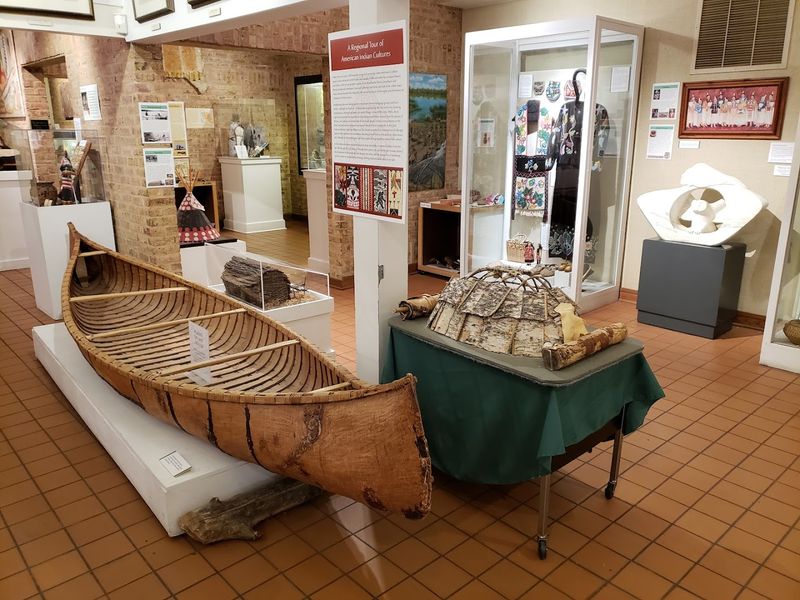
Evanston adds an educational twist to Illinois’ Native events calendar through the Gichigamiin Indigenous Nations Museum gathering. When a powwow-style event is linked to a museum, you can expect the cultural interpretation to be more intentionally layered.
That is part of the appeal here. Traditional dance performances and drumming are paired with storytelling, exhibits, and artisan displays that help connect the celebration to larger Indigenous histories and living cultures.
The museum setting can make the experience especially approachable for visitors who want context along with movement and music. Instead of absorbing everything at a distance, you may have more ways to engage with educational materials and curated presentations while still enjoying the energy of the gathering.
That combination often works well for mixed groups, where some people come for the performances and others are eager to dig into the learning side.
Native artisans are another important piece of the event. Artist booths and handcrafted goods can add direct, personal texture to the day, giving you a chance to support Native makers while seeing contemporary creativity alongside tradition-focused programming.
That pairing matters because it shows Indigenous culture as ongoing and evolving rather than frozen in a historic frame.
If your ideal event has both rhythm and substance, Evanston’s museum gathering deserves a closer look. It highlights Indigenous history and contemporary culture in one accessible setting and welcomes visitors from many backgrounds without flattening the event into a generic public festival.
You get performance, education, and artistry moving together instead of competing for attention. That makes this one particularly appealing for anyone who wants a thoughtful entry point into Illinois powwow season with plenty to watch, learn, and appreciate over the course of an afternoon.
8. University of Illinois Powwows (Champaign-Urbana)
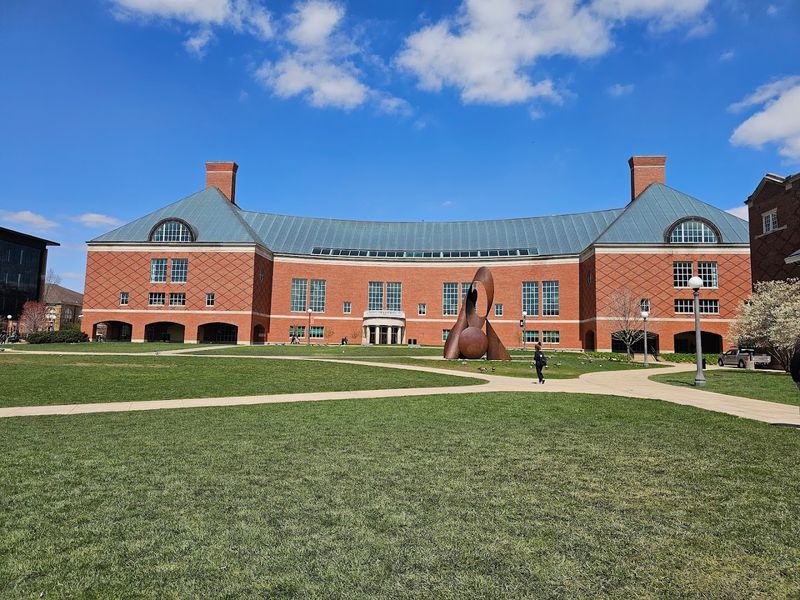
College campuses are not always the first places people imagine for a powwow, but the University of Illinois has a long tradition that makes Champaign-Urbana an important stop. University-hosted gatherings can bring together students, tribal communities, dancers, singers, and visitors in a setting built for both celebration and education.
That combination gives the event a distinct character, with community energy meeting the openness of a campus audience.
Intertribal dancing and cultural performances usually provide the center of the day, while educational exhibits help round out the experience for people who want more context. On a campus, those exhibits can feel especially natural rather than tacked on.
You might move from watching dancers and listening to singers to exploring displays or conversations that connect Native traditions to student life, regional communities, and contemporary Indigenous presence.
The student element can also make the event feel fresh. Powwows rooted in university settings often bring younger audiences into direct contact with Native celebration and community in ways that feel immediate rather than abstract.
That matters because it turns the gathering into more than a calendar event. It becomes a shared public space where culture, learning, and visibility intersect in practical ways.
For travelers or locals in central Illinois, these powwows offer an accessible and meaningful way to experience Native traditions without heading toward a major metro or a remote festival ground.
Champaign-Urbana’s academic setting gives the gathering a slightly different texture from many summer events across the state, yet the core elements of dance, music, artistry, and community remain firmly in place.
If you like cultural events with strong educational value and a lively cross-section of attendees, the University of Illinois powwows deserve your attention.
9. Community Powwow at Dvorak Park (Chicago)
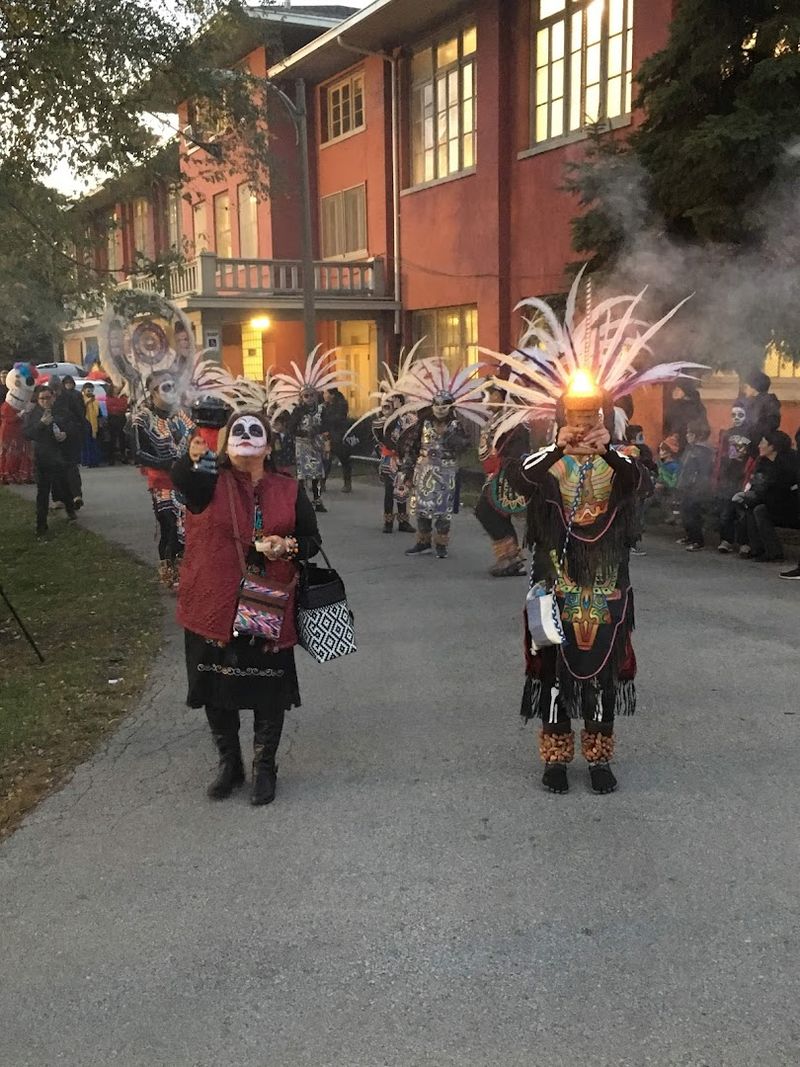
Some powwows draw you in with size, while others win on accessibility, and the Community Powwow at Dvorak Park does the second beautifully.
Set in a neighborhood park in Chicago, this gathering offers a direct, welcoming way to experience Native culture within the everyday life of the city. You do not need a long drive or a full weekend plan. You just need time, curiosity, and a respectful attitude.
Traditional dancing and live drumming give the event its center, but the park setting keeps things approachable for families and first-time visitors.
Artisan vendors, cultural education, and family activities help create a day that can feel open and active without becoming overwhelming.
That matters in an urban environment, where people often discover events casually and decide within minutes whether they want to stay. Here, there is enough happening to hold attention.
The neighborhood aspect also adds value. A community powwow in a public park introduces Indigenous traditions to a broad audience that may not otherwise seek out a Native cultural gathering on its own.
That can make the educational component especially important, since people are learning through direct experience rather than reading about Native culture from a distance. The result is local, public, and refreshingly grounded.
If you are looking for a Chicago event that brings together culture, music, visual detail, and genuine community presence, Dvorak Park is an easy one to recommend. It offers the vitality of a powwow in a setting that feels integrated into city life rather than separated from it.
For visitors and residents alike, that creates an experience with immediacy and relevance. You get dance, drums, artistry, and learning in one compact, accessible format that fits neatly into a summer day.
10. Taylorville Black Horse Veterans Pow Wow (Taylorville)
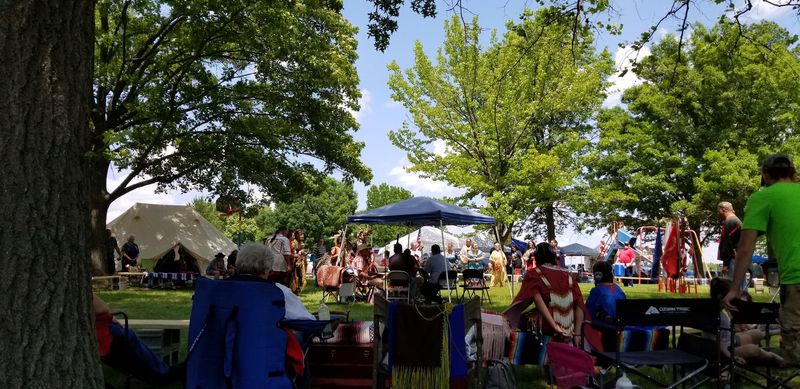
Taylorville’s Black Horse Veterans Pow Wow brings a clear focus that sets it apart immediately. This gathering is dedicated to honoring Native American veterans and active-duty service members, so the event carries both celebratory energy and a visible sense of respect.
When Grand Entries, honor dances, drum groups, and traditional regalia are framed around military recognition, the powwow takes on a distinct and memorable tone.
That purpose gives visitors an extra layer to pay attention to throughout the day. Beyond the visual power of dance and regalia, you may notice ceremonial moments and veteran tributes that shape the gathering in meaningful ways.
It is a reminder that Native service and community leadership are deeply connected themes, and the powwow creates space to recognize both through public celebration rather than private symbolism alone.
Native vendors also help round out the experience. While the event’s veterans focus is central, the presence of artists and community businesses keeps the day broad enough for families, travelers, and first-time attendees.
You can spend time watching the arena, listening to the drums, and then shift toward vendor areas that support Native makers and add a practical, communal dimension to the gathering.
For anyone interested in Illinois powwows with a strong honoring component, Taylorville deserves serious attention. The event balances pageantry with purpose in a way that can leave a lasting impression even on visitors who know little about powwow traditions beforehand.
It offers more than a general cultural festival and more than a military tribute event. Instead, it weaves Native celebration, service recognition, and community gathering into one experience that is respectful, vivid, and clearly rooted in shared values.
11. Prophetstown Pow Wow (Prophetstown)
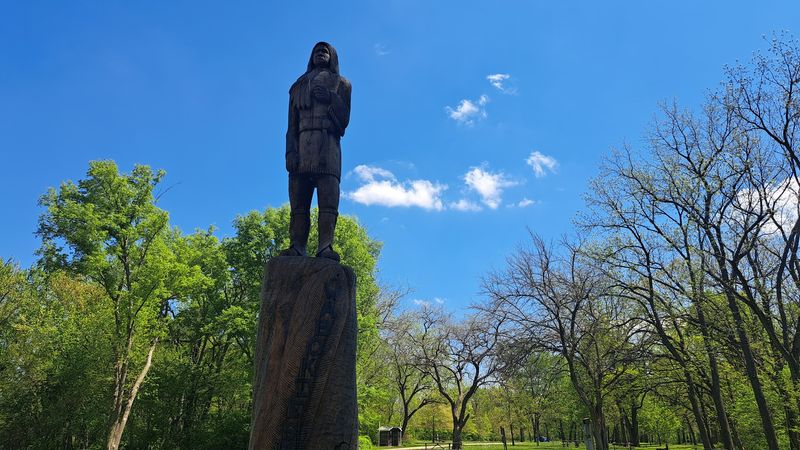
Prophetstown State Park gives this final pick a setting that already works in its favor. Open space, summer weather, and a popular annual schedule help make the Prophetstown Pow Wow one of the easier Illinois gatherings for newcomers to picture themselves attending.
Once you add traditional dancing, strong drum groups, arts and crafts, food vendors, and family activities, the event has all the ingredients for a full, lively day.
The appeal is not limited to entertainment value, though there is plenty to watch. Cultural demonstrations and artisan booths can give the gathering more texture, helping visitors move between spectacle and learning without much effort.
That rhythm is useful, especially if you are attending with a mixed group where some people want to stay close to the arena while others prefer browsing, eating, or asking questions at a gentler pace.
State park events also tend to feel broadly accessible, and that can help Prophetstown draw both regular powwow attendees and people who are simply exploring summer options in Illinois.
The public setting lowers the barrier for first-timers, while the powwow programming provides enough substance for those looking for a more meaningful cultural event than a standard outdoor fair. The result is approachable but not watered down.
If you want one gathering that combines music, dance, visual detail, food, and a sense of community in a scenic setting, Prophetstown is a compelling choice. It welcomes visitors while centering Indigenous traditions in a visible, celebratory way, and that balance matters.
You leave with more than a pleasant afternoon in the park. You leave with a clearer sense of how powwows bring people together through movement, sound, artistry, and shared public space across Illinois each summer.