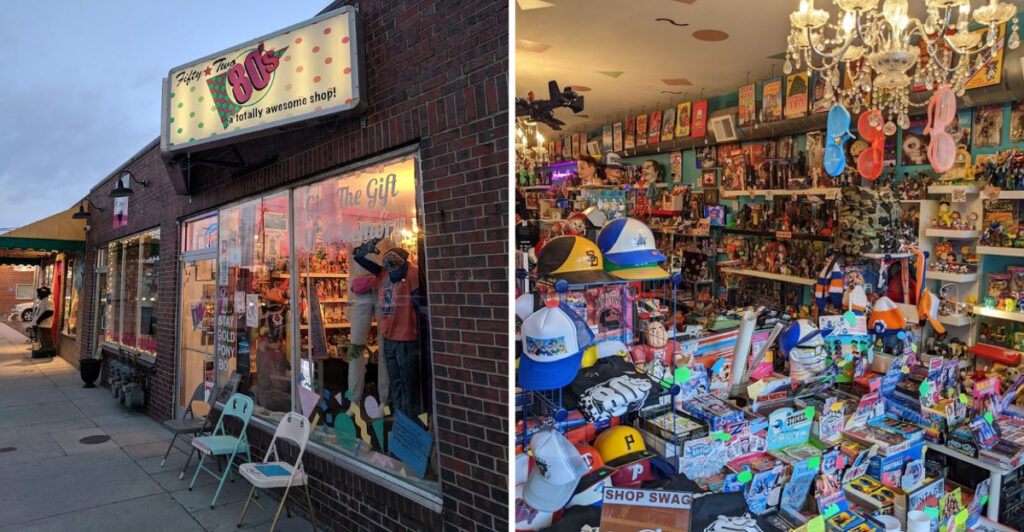
The quickest way to revisit the 1980s—and a good portion of the pop culture that followed—might just be walking through the front door of Fifty Two 80’s: A Totally Awesome Shop in Denver. Every corner is packed with the toys, action figures, lunch boxes, arcade memorabilia, trading cards, candy, VHS treasures, and pop culture collectibles that defined an unforgettable decade.
Instead of feeling like a museum, the shop invites visitors to browse, reminisce, and rediscover the characters and brands they grew up with. Whether you’re hunting for a rare collectible or simply chasing a wave of nostalgia, this one-of-a-kind Denver store delivers an experience that’s as fun as it is unforgettable.
A Neon Jolt on South Broadway
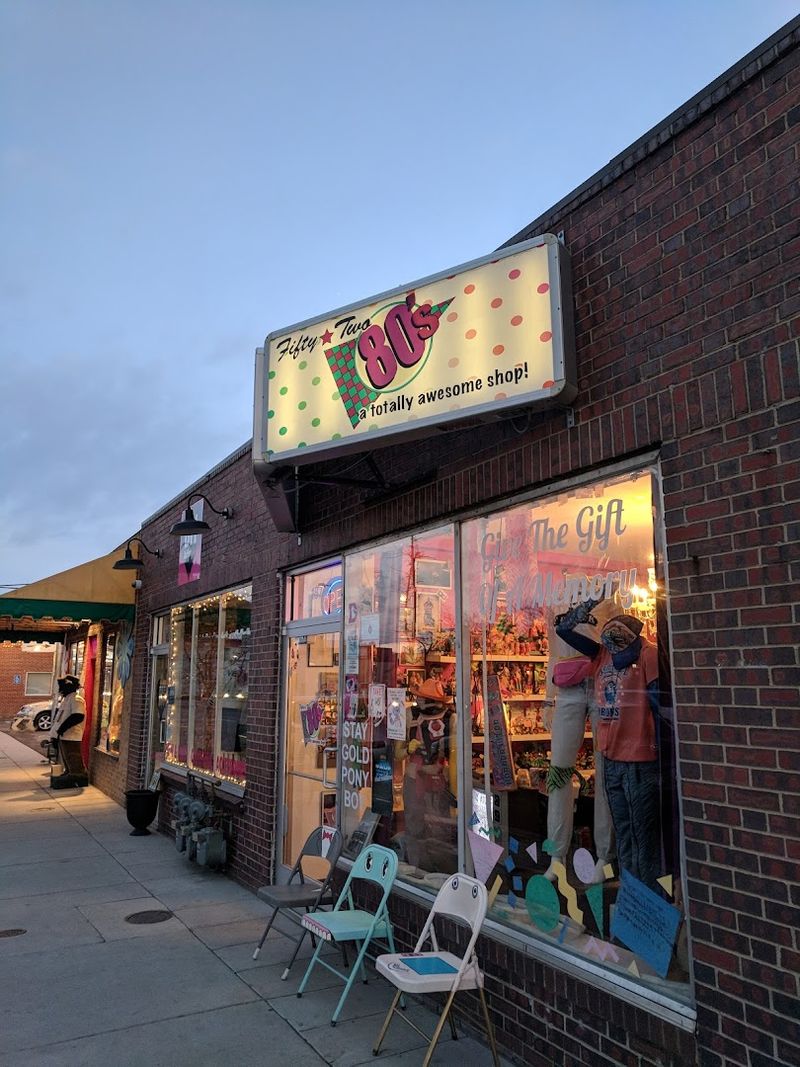
South Broadway already rewards anyone willing to browse with curiosity, but this shop announces itself with a different frequency. Fifty Two 80’s A Totally Awesome Shop looks like the kind of place that understands exactly why old objects still spark excitement, then builds an entire visit around that feeling.
Before you even start scanning shelves, the setup signals that this is not a random resale stop with a few dated toys pushed into a corner.
Inside, the visual density does the heavy lifting. Color stacks on color, packaging art competes with posters and figures, and nearly every direction offers a recognizable shape from childhood television, mall arcades, Saturday morning cartoons, or card shop glass cases.
Instead of feeling chaotic, the packed presentation creates momentum, because your eyes keep hopping from one era marker to the next without settling for long.
That quick pulse matters on South Broadway, where plenty of businesses lean on style alone. Here, the style is backed by category depth, and even a short walk around reveals a real devotion to collectible culture rather than surface-level retro branding.
You are not being asked to admire a theme. You are being invited to dig. The best entry point is to slow down after that initial rush and notice how much of the store’s appeal comes from contrast.
Bright, playful characters sit near more niche pieces, familiar mass-market icons share space with stranger relics, and the mix keeps the room from turning predictable.
Every shelf hints that the next turn may deliver a wildly specific find. That is why the opening impression lands so hard. This place does not simply present old merchandise.
It stages a miniature world where Denver street energy gives way to plastic, paper, color, and pure collector bait in a matter of steps.
Where the Trading Cards Steal the Show
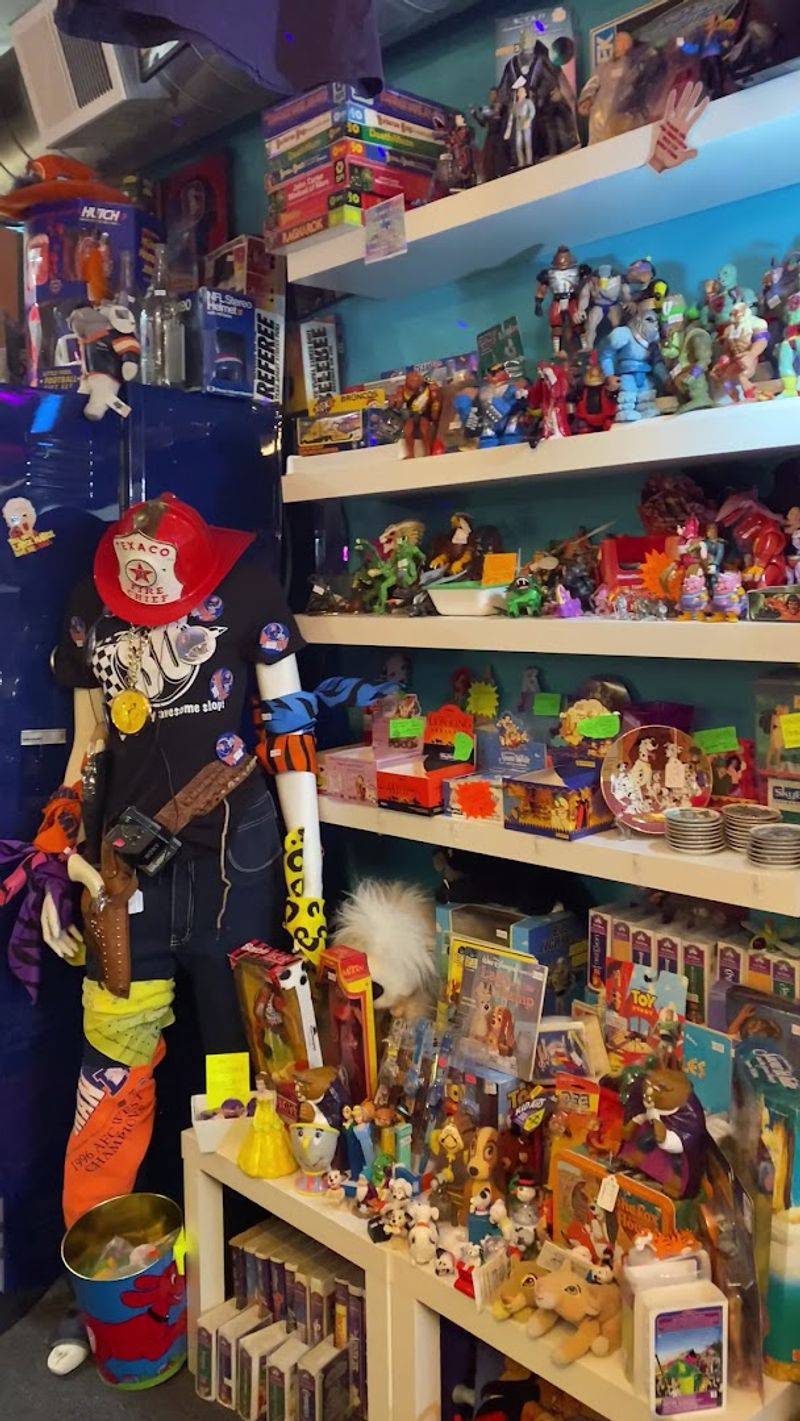
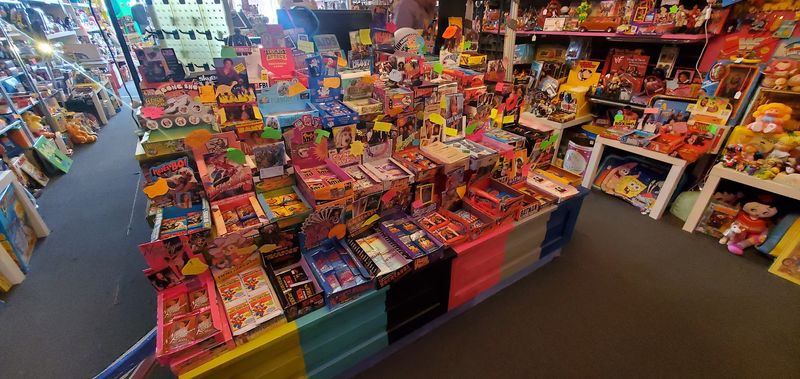
For all the eye-catching toys and wall decor, one of the sharpest reasons to visit sits in smaller packages. Fifty Two 80’s has built a reputation for trading cards, especially the kind that trigger instant recognition the second you spot a logo, wrapper, or character lineup from decades ago.
Sports cards are not the headline here. The fun comes from entertainment cards, oddball packs, and the thrill of seeing old wax waiting in plain view.
That detail changes the experience of browsing. Cards are compact, affordable entry points into collecting, but they also carry some of the strongest time-travel power in the room because packaging design did so much cultural work in the 1980s and 1990s.
A single unopened pack can summon toy aisles, after-school bike rides, convenience-store counters, and the stubborn rectangle of gum that somehow became part of the ritual.
What makes this section of the shop compelling is range. You might come in expecting a few mainstream franchises and quickly realize the inventory also leans into obscurities, movie tie-ins, cartoon properties, and the kinds of licensed sets that disappeared from everyday life years ago.
That makes the display interesting even if you are not actively buying, because card culture here reads like a paper archive of pop entertainment.
The compact format also keeps the hunt moving. A figure or playset may ask for a serious decision, but cards invite a faster scan, a double take, then the sudden urge to keep looking for one more favorite.
That energy builds across the room, especially when cards are surrounded by related toys and memorabilia. If the store has a heartbeat, this might be it. The trading card selection turns nostalgia into something tactile, specific, and wonderfully easy to carry back out onto Broadway.
Toy Shelves That Reward Slow Looking
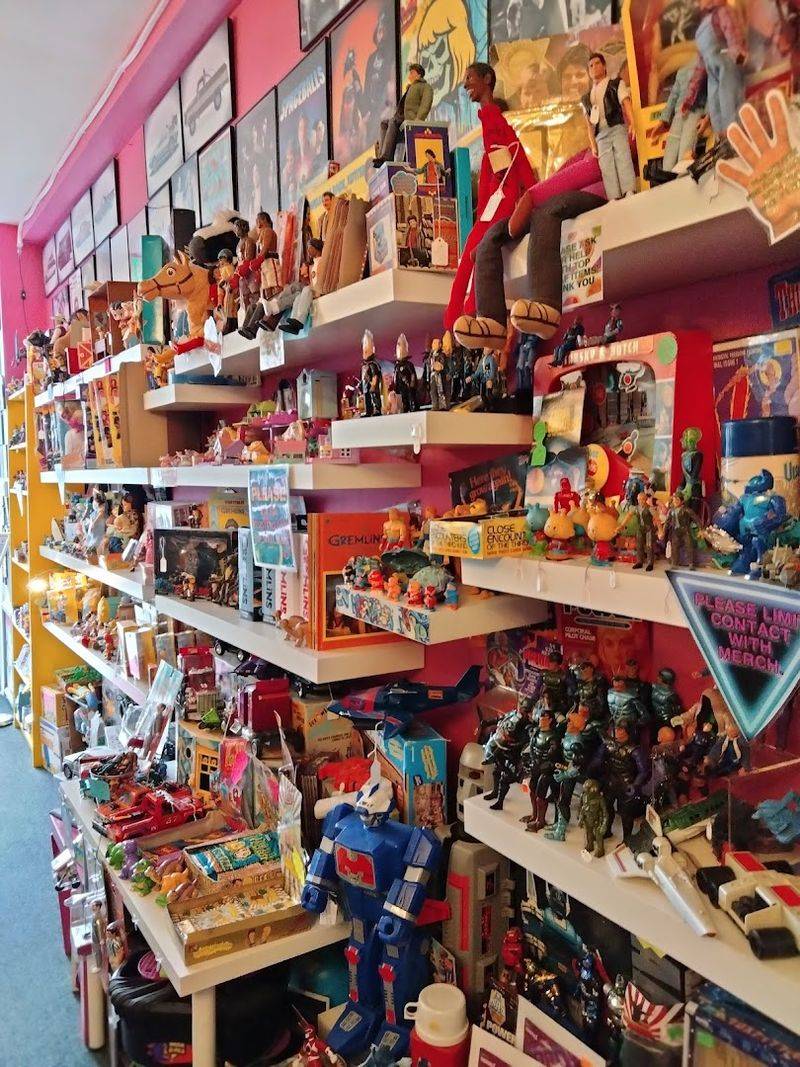
Some stores reveal themselves immediately, while others get better the longer you stay in one spot. This one belongs to the second group.
After the first burst of recognition settles, the toy selection starts showing its real strength, because the shelves are loaded with enough variety that a quick pass will miss half the good stuff.
Action figures, dolls, plush characters, and boxed oddities work together like a visual collage of childhood obsessions. The appeal is not tied to one franchise or one collector lane.
Instead, the inventory reflects how people actually grew up, bouncing between blockbuster properties, grocery-store impulse buys, cartoon tie-ins, and the random treasures that used to dominate bedroom floors.
That breadth gives the store a different rhythm than a laser-focused specialty retailer. You are not moving through a museum-like chronology or a perfectly minimalist showcase.
You are tracking memory by object type, character design, and packaging art, which makes every shelf feel like a conversation between fandoms rather than a sealed category.
It also helps that the store appears comfortable mixing the iconic with the slightly obscure. A big-name figure may pull you in, then a nearby toy you had not thought about in years steals the real attention.
Those secondary discoveries often become the strongest part of a visit, because they catch you off guard and reset what you thought you were looking for.
On a practical level, that means patience pays off. The shop is compact, but the density turns square footage into a kind of treasure map, especially for anyone who likes scanning details instead of rushing toward one display case.
Browse once for the obvious stars, then circle back for the sleeper finds. The second lap is where this place really opens up.
The Denver, Colorado Appeal of a Local Collection
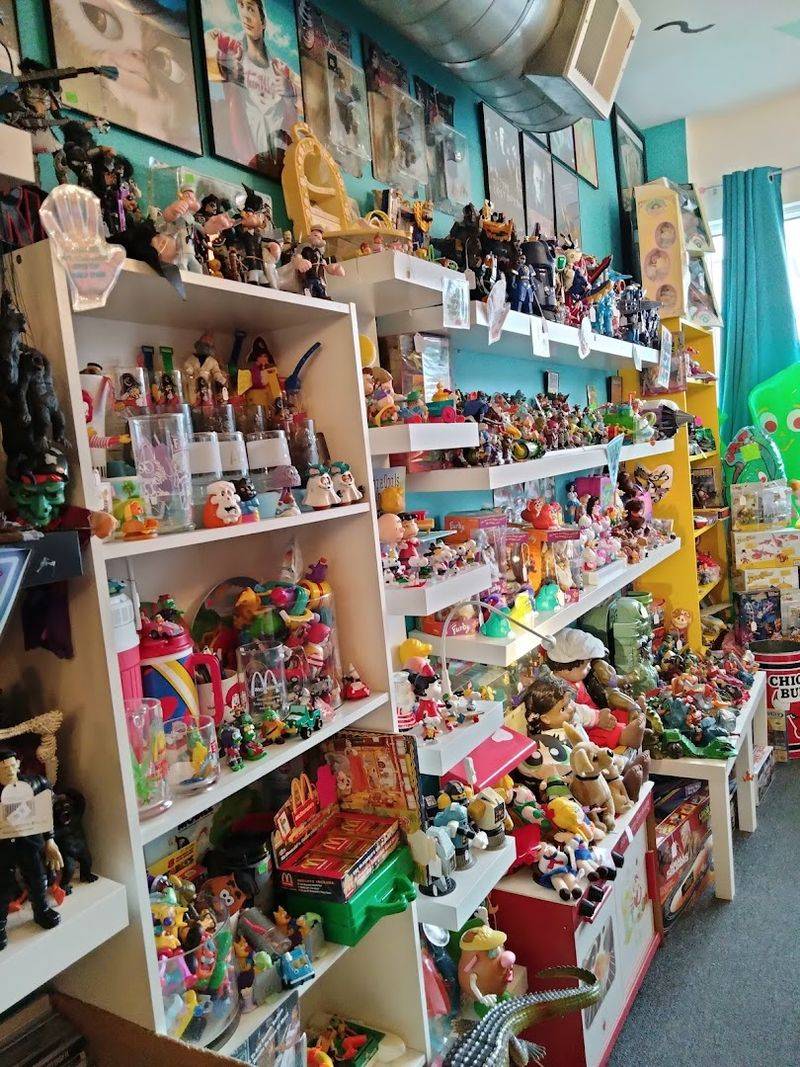
Part of the shop’s charm comes from where it sits and how naturally it fits the stretch around it. South Broadway is one of Denver’s best corridors for browsing with no strict agenda, and this store taps into that wandering energy better than a destination built only for checklist tourism.
You can step in casually, yet the inventory encourages the kind of focused attention that turns a quick stop into real time spent.
There is also a local quality to the experience that matters. A collectibles store on this block does not need polished theme-park production to stand out, because the neighborhood already favors personality, independent retail, and spaces that reward curiosity over convenience.
Fifty Two 80’s benefits from that context. It reads less like a corporate nostalgia concept and more like a place woven into the character of South Broadway itself.
That Denver, Colorado setting also broadens who the shop works for. Serious collectors can treat it as a targeted stop, while casual shoppers, gift hunters, and out-of-town browsers can fold it into a wider day of bookstores, vintage shopping, records, food, and street-level exploring.
The location helps translate niche inventory into an experience that feels accessible rather than closed-off. You can sense that difference in how the store invites browsing.
Nothing about the concept requires insider knowledge to be enjoyable, but deeper familiarity is rewarded once you start spotting particular lines, characters, or card sets. That balance is hard to fake and easy to appreciate.
In another part of town, the same merchandise might register as pure collector stock. Here, it becomes part of a broader Denver retail culture that still leaves room for eccentric specialties, strong visual identity, and the kind of place you tell people about after one unexpectedly long stop.
Small Space, Big Sensory Payoff
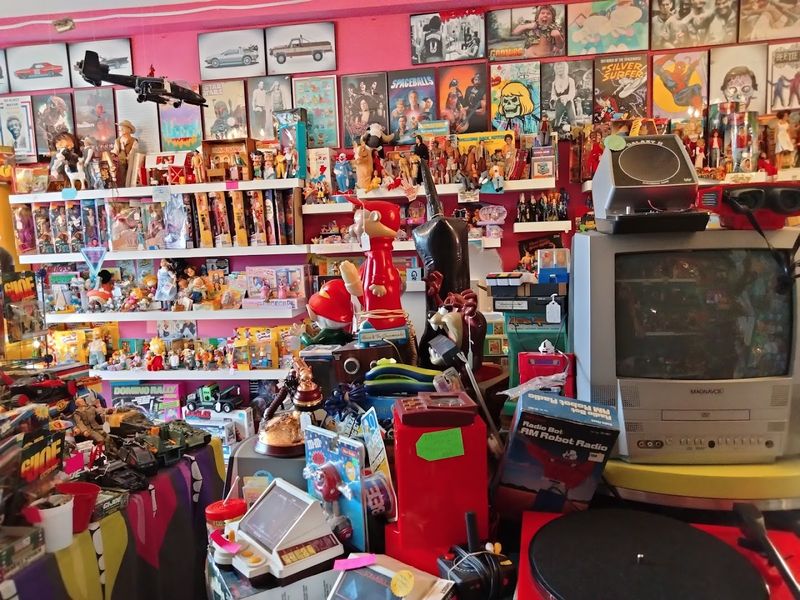
The clever part of this shop is that scale never limits the experience. By ordinary retail standards, it is a relatively compact space, yet it manages to generate the layered stimulation of a much larger destination because nearly every surface contributes to the mood.
Visual texture, old packaging, stacked displays, and retro media cues keep the room active without pushing it into clutter fatigue.
That sensory payoff matters for a nostalgia-driven concept. Memory is rarely tidy, and this store understands that old pop culture often returns as a flood of colors, logos, sounds, and side details rather than one clean image.
A toy alone can be fun. A toy next to card packs, posters, old media formats, candy, and familiar branding suddenly becomes a doorway into an entire time period.
Several details help that effect along. Vintage-style electronics, framed graphics, and the general density of character art build a backdrop that supports the merchandise instead of competing with it.
The room gives your eyes enough to process that even nonbuyers can enjoy simply walking the perimeter and letting each display trigger a new connection.
Because the store is packed, pacing becomes part of the pleasure. You naturally slow down, angle around corners, look above eye level, then backtrack after noticing an overlooked item on a lower shelf.
That stop-start rhythm turns browsing into participation rather than passive shopping. There is also an advantage to how tactile the inventory seems, even when pieces are displayed carefully.
The whole setup reminds you that these were once everyday objects in bedrooms, dens, backpacks, and toy chests, not sterile museum specimens.
That grounded quality keeps the shop lively. It is rich in collector appeal, but the overall effect is still playful, immediate, and built for discovery rather than distance.
How to Browse Without Missing the Good Stuff
The smartest way to experience Fifty Two 80’s is to resist the urge to treat it like a fast novelty stop. The store rewards attention, not speed, because the inventory is dense enough that your first glance will naturally gravitate toward the loudest, brightest, most instantly recognizable pieces.
Those are fun, but they are only part of the story. Start with a full lap to understand the layout and the broad mix of collectibles.
Once the room makes sense, go back and narrow your focus by category, whether that means trading cards, action figures, plush, dolls, posters, or giftable smaller items.
That second pass changes everything. You stop reacting only to nostalgia bombs and begin noticing the clever spread of niche material tucked between bigger names.
If you are shopping with someone, splitting up briefly can actually improve the experience. One person may catch overlooked pieces at knee level or on higher shelves while the other zeroes in on a specific franchise or era, then you can compare finds after a few minutes.
In a compact store, that method works surprisingly well and keeps the search lively instead of repetitive. Timing matters too. Since the shop is closed at the start of the week and opens midday on its operating days, this is better approached as a deliberate afternoon stop than an early errand.
Building it into a slower South Broadway outing makes practical sense, especially if you prefer enough time to browse without watching the clock.
Most of all, leave room for unpredictability. The fun here is not only checking off the item you hoped to find. It is getting sidetracked by a character, package, or card set you had completely forgotten, then realizing that the detour became the best part of the visit.
Why This Shop Lands Harder Than Generic Retro Retail
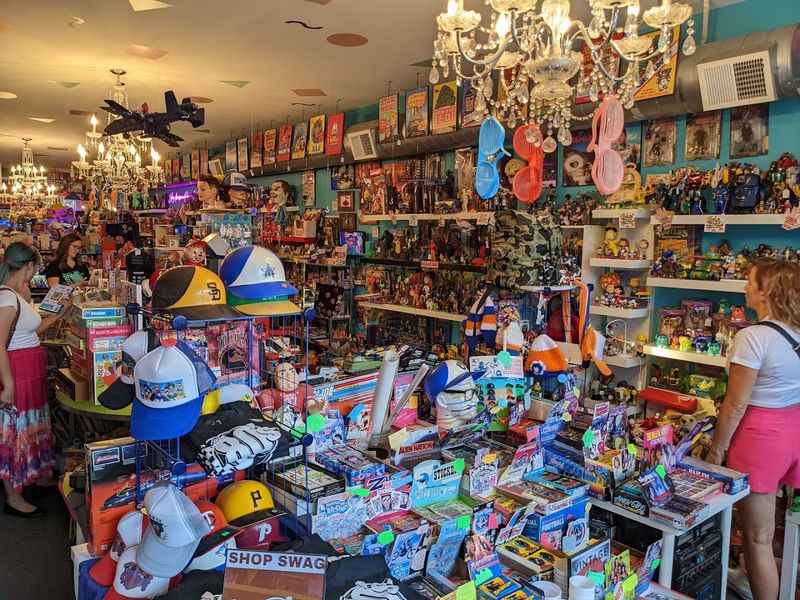
Plenty of places sell old stuff. Far fewer can turn old stuff into a distinct editorial-grade experience, and that is where Fifty Two 80’s separates itself.
The shop does not rely on vague retro styling or one or two familiar brands pasted across the walls. It succeeds because the inventory is specific, the displays are loaded with visual cues, and the whole room understands how nostalgia actually works.
Nostalgia is strongest when it gets granular. It is the forgotten card pack, the side character, the toy line that never made the top tier, the exact kind of packaging that used to hang in a toy aisle and disappear into daily life without ceremony.
This store leans into that level of detail. You are not only revisiting the decade in broad strokes. You are confronting the smaller artifacts that made it personal.
That is also why the place works for more than one audience. Hardcore collectors can appreciate rarity, condition, and category depth.
Casual browsers can simply enjoy the visual overload and surprise recognition. Shoppers looking for gifts get the added advantage of finding objects that feel far more considered than standard souvenir fare.
Even the mood avoids the trap that drags down themed retail. Nothing here suggests a forced costume party version of the past.
Instead, the store reads as informed, playful, and confident in its niche, with enough variety to keep the concept from hardening into repetition. Every display seems to know exactly who it is for.
That clarity is the final takeaway. In a city full of interesting stops, this one offers a form of entertainment, browsing, and collecting that is immediately legible yet full of side paths.
For anyone drawn to vintage pop culture, South Broadway’s loudest little time capsule earns its spot the hard way, shelf by shelf.