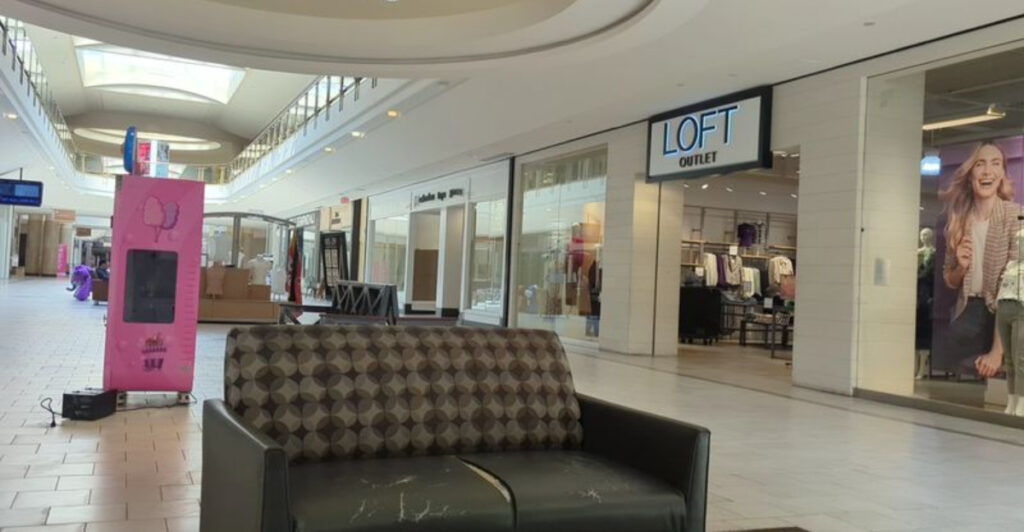
The weirdest thing about a zombie mall is not always the emptiness. Sometimes it is the stuff that still looks almost normal. A shiny railing. A directory frame.
A corridor built for Saturday crowds now holding the kind of quiet you usually find in a closed school over summer break. Livingston Mall, sitting off Eisenhower Parkway in Essex County, has become one of those places New Jersey people talk about in a half-curious, half-sad way.
It is not just another fading shopping center. It is a whole suburban memory caught mid-disappearing act, with the bones of a 1970s retail palace still showing through.
The escalators, anchor-store shells, and long interior walkways all seem to be telling the same story: this was once where people came to spend an afternoon. Now it feels more like a museum exhibit about how we used to shop.
The Livingston Mall That Now Feels Frozen Between Eras
Walk around Livingston Mall in your imagination and you can almost hear two different decades arguing with each other. One is the old mall era, when an enclosed shopping center could be an all-day plan.
The other is the present, where people buy sneakers on their phones, grab coffee from a drive-thru, and only go to a mall if it offers something worth leaving the couch for. Livingston Mall sits right in the middle of that tug-of-war.
Opened in 1972, it once served Essex County and nearby suburban shoppers as the kind of place where errands, teen hangouts, department-store browsing, and rainy-day wandering all blended into one very New Jersey afternoon.
At its peak, the mall was expected to draw up to 200,000 shoppers a week and employ as many as 3,000 people, which is hard to square with the stillness people associate with it now.
The setting adds to the strange feeling. This is not some remote ruin tucked behind trees.
It is in Livingston, near South Orange Avenue and Eisenhower Parkway, surrounded by the normal rhythm of suburban North Jersey. Cars still pass.
Nearby shopping centers still buzz. Life goes on around it, which makes the mall’s faded condition feel even more dramatic.
A zombie mall in the middle of nowhere can seem expected. A zombie mall in a busy Essex County suburb feels like running into an old classmate who somehow never changed clothes after 1988.
That is the odd magic here. Livingston Mall does not feel erased. It feels paused, as if the last big shopping weekend ended and nobody came back to reset the scene.
How a 1970s Shopping Landmark Became New Jersey’s Latest Zombie Mall
The mall did not fall into this condition overnight, and that is what makes its story feel so familiar to anyone who grew up around North Jersey retail.
Livingston Mall opened during the great suburban shopping boom, when enclosed malls were replacing downtown department-store trips as the easier, cleaner, climate-controlled way to spend money.
It had the ingredients that made a mall feel important in that era: big anchors, wide corridors, plenty of parking, and a location built for families who had shifted their routines away from older urban shopping districts.
In its stronger years, names like Bamberger’s, Sears, Lord & Taylor, and eventually Macy’s gave the mall the kind of anchor power that smaller stores depended on.
Then the pressure started coming from every direction. The Mall at Short Hills, only about 4 miles away, became the glossier luxury magnet.
Big-box stores pulled shoppers toward simpler, single-stop errands. Online shopping turned the casual mall trip into something less necessary.
Downtowns and walkable main streets in places like Westfield, Ridgewood, Newark, and Jersey City also regained energy, giving shoppers other places to spend an afternoon. For Livingston Mall, it was not one dramatic collapse.
It was more like a slow leak. A store closes, then another. A hallway feels quieter. A food-court table stays empty.
The holiday season loses its sparkle. Eventually, the mall that once looked like the future starts to look like a very specific past, complete with the awkward charm of an old family photo where everyone is wearing something they thought would age well.
Empty Storefronts and Quiet Corridors Give the Mall Its Abandoned Museum Mood
The reason Livingston Mall has caught so much attention is not just that it is struggling. Plenty of malls struggle.
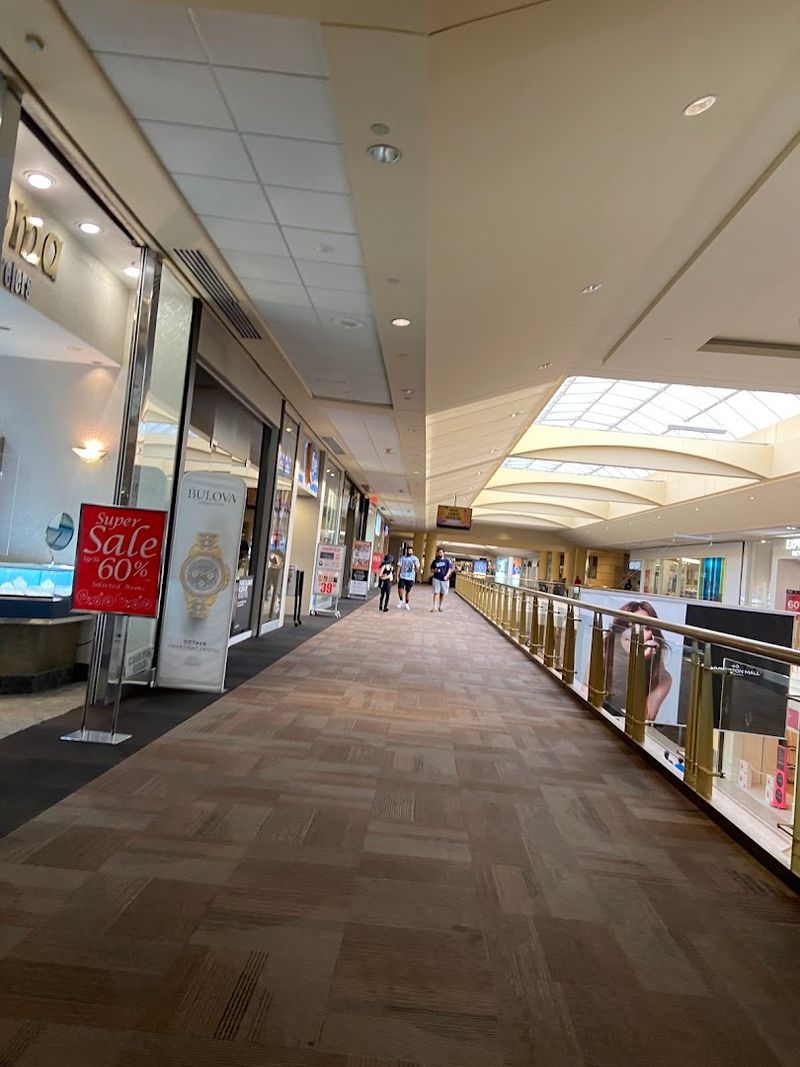
This one has the particular mood of a place that still has recognizable mall DNA but has lost the ordinary chaos that made it feel alive. Empty storefronts do something strange to a shopping center.
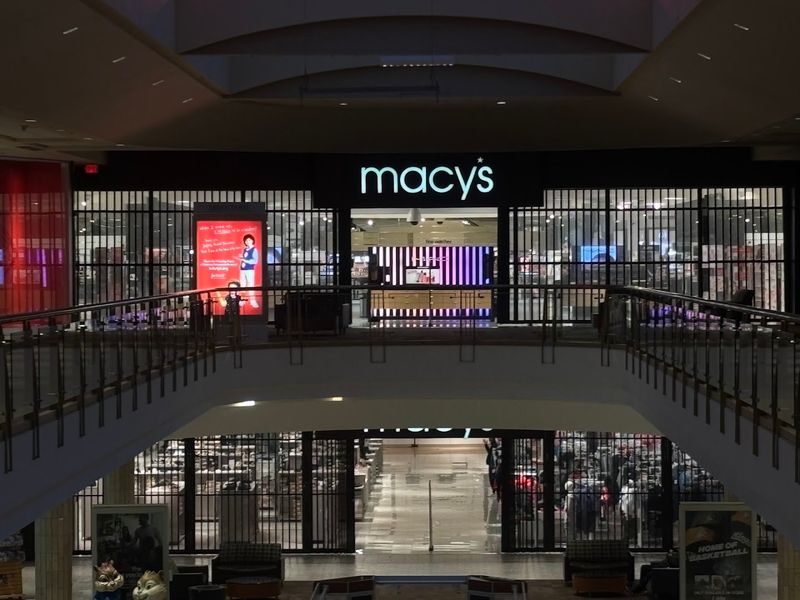
They turn what used to be background scenery into the main attraction. A closed gate is no longer just a closed gate. It becomes a display case. A vacant department-store entrance starts to feel like a stage set.
The corridor itself becomes the exhibit. That is where the “abandoned museum” feeling comes from.
Livingston Mall was built for movement, noise, and small decisions: should we go to Macy’s first, stop for a snack, check Barnes & Noble, meet by the fountain, circle back to the sale rack? Strip away the crowds, and those same spaces feel theatrical.
The scale becomes obvious. So do the leftovers of another shopping era.
The mall’s decline has been tied to shuttered anchors, declining patronage, growing maintenance issues, e-commerce, changing consumer habits, and the lasting effects of the pandemic, all of which pushed the township to classify the site as an area in need of redevelopment in October 2024. What remains is a kind of accidental time capsule.
It is not polished nostalgia, and it is not the cute retro you find in a themed diner. It is more unsettling than that.
It is the ordinary past, still standing at full size, with the volume turned way down. For people who remember Livingston Mall in its busier years, that can feel less like sightseeing and more like walking through a half-forgotten part of their own calendar.
Macy’s Exit and Barnes and Noble’s Move Mark the End of an Era
Anchor stores are the heartbeat of an old-school mall, and Livingston Mall has been losing that heartbeat one thump at a time. Sears, one of the classic names people associate with 20th-century mall life, closed in 2020.
Lord & Taylor also shut down in 2020, removing another department-store name that once gave the property a sense of status and routine. Macy’s, which carried the legacy of the old Bamberger’s presence, became one of the final major symbols of the mall’s earlier identity before announcing its own Livingston Mall closure for 2026.
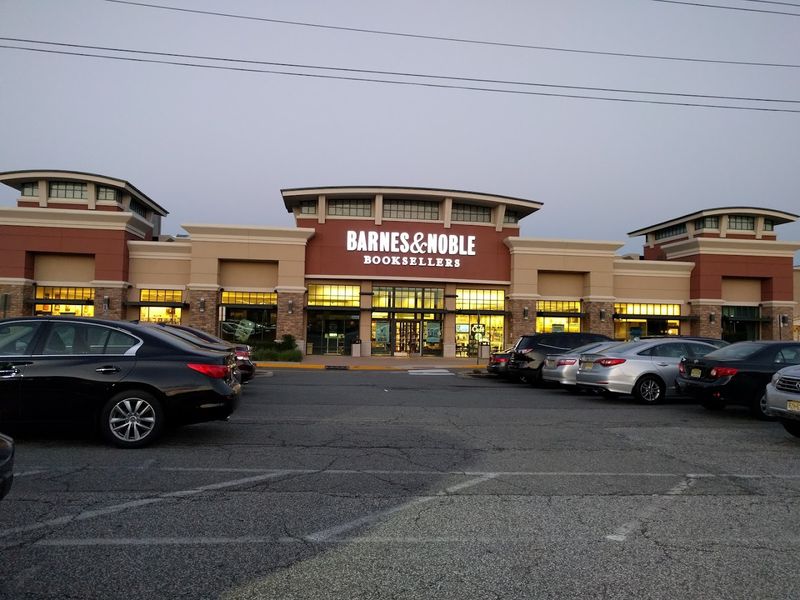
That leaves Barnes & Noble as the especially poignant piece of the story. Bookstores have a different emotional pull than most chains.
People remember browsing there after school, killing time before a movie, buying summer reading books, grabbing calendars in January, or wandering through the magazine racks with no plan at all.
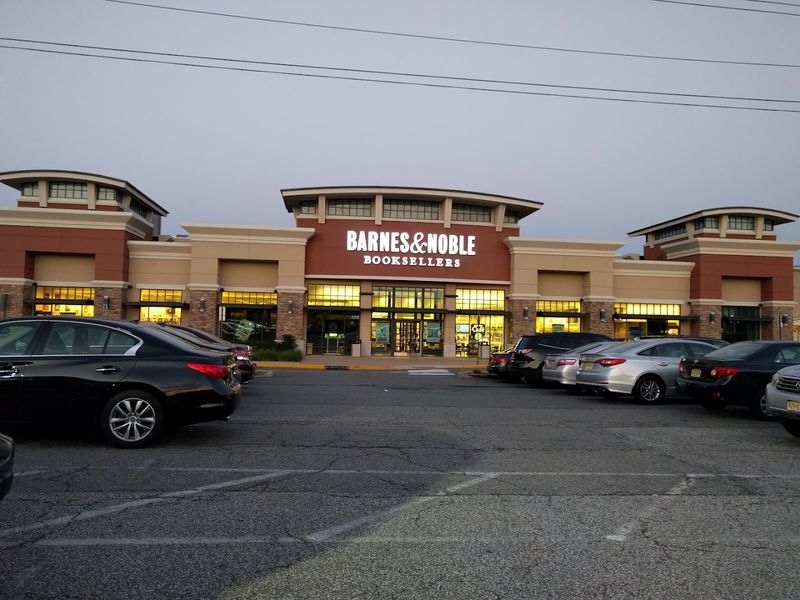
Barnes & Noble’s planned move from Livingston Mall to a new location at 530 West Mount Pleasant Avenue, with nearly 25,000 square feet in the Livingston Shopping Center, signals more than a tenant relocation.
It shifts one of the mall’s last remaining reasons for casual visits into a more active retail setting nearby. That is why these exits feel bigger than standard retail news.
When a small shop closes, a mall loses a piece. When anchors leave, the whole map stops making sense.
Corridors that once led somewhere now lead to locked doors, blank walls, or memories of stores that defined family errands for decades. Livingston Mall’s eeriness comes from that unfinished feeling.
The building is still readable as a mall, but the old logic of the place has mostly slipped away.
Why Urban Explorers Are Being Warned to Stay Away
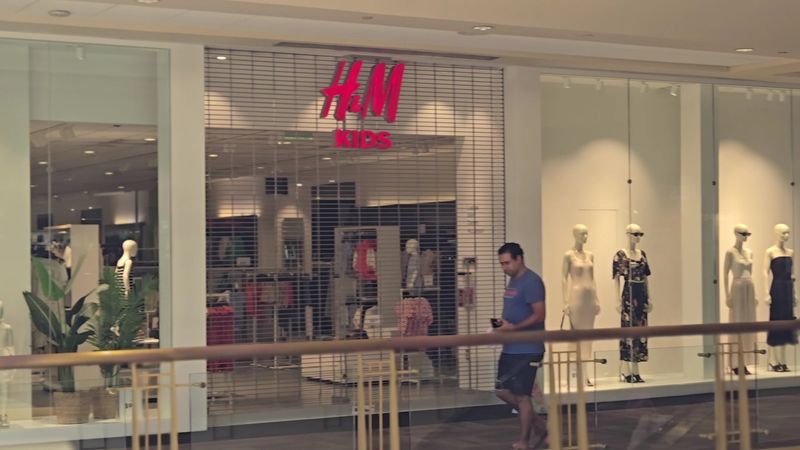
Here is where the spooky-mall fascination needs a little Jersey common sense. Livingston Mall may look like the kind of place social media wants to turn into an adventure, but it is not a playground, a movie set, or a free-for-all photo studio.
As the mall’s “zombie” reputation spread online, Livingston police warned people to stay away from the largely vacant property, citing rising interest tied to its social media presence.
The department warned that there would be “zero tolerance” for anyone visiting the property with criminal intent and said violations could lead to prosecution and a permanent arrest record.
That warning matters because dying malls attract a very specific kind of curiosity. People want to see the old signs, the quiet escalators, the sealed-off spaces, the evidence of a public place that suddenly feels private and forbidden.
The problem is that vacant commercial properties can be unpredictable. Maintenance issues, closed areas, unsecured materials, dark corners, alarms, and active redevelopment conditions are not part of the fun, even if they make good thumbnails online.
There is also the simple fact that trespassing is trespassing, whether the backdrop looks cinematic or not. The better way to understand Livingston Mall is to treat it as a local landmark in transition, not a dare.
Its story is interesting enough without sneaking into places where people do not belong. The eerie part is already there in the history, the closures, the changing retail landscape, and the way a once-busy suburban hub became a symbol of something ending.
No broken door or blurry after-hours video improves that story.
What Redevelopment Could Mean for This Once-Busy Essex County Landmark
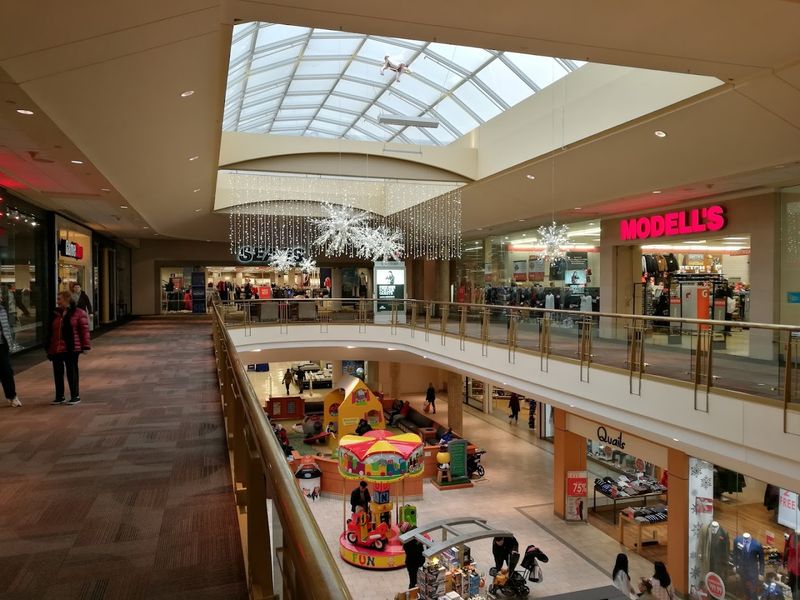
The next version of Livingston Mall will probably not look like the old version wearing a fresh coat of paint. The township has been moving through a formal redevelopment process, and the official language already points toward something more controlled, mixed, and community-shaped than a simple mall revival.
In October 2024, Livingston designated the mall property as an area in need of redevelopment, and a 2025 redevelopment ordinance approved a plan prepared by Topology for Block 6002, Lots 1 and 1.01.
That ordinance calls for controls on layout, buffers, surrounding-property impacts, size, scale, location, and architectural appearance, which is municipal-speak for trying not to let a huge site remake itself carelessly.
The first major piece focuses on the former Sears site at the northern end of the property. Township materials describe a plan for 376 housing units on roughly the northern 16 acres, including one- and two-bedroom apartments and a maximum of 81 townhouses, with 20 percent of units set aside as affordable housing.
The larger conversation concerns the remaining 43 acres, where Livingston has invited public input through a community visioning process meant to imagine what the property could become over the next 50 years. That is the part that makes Livingston Mall more than a ghost story.
It is a case study in what happens when a suburban landmark outlives the shopping habits that created it. The old mall belonged to a world of anchor stores and weekend wandering.
Whatever comes next will belong to a different Livingston, one still deciding how much of that old retail memory should remain visible beneath the new plan.