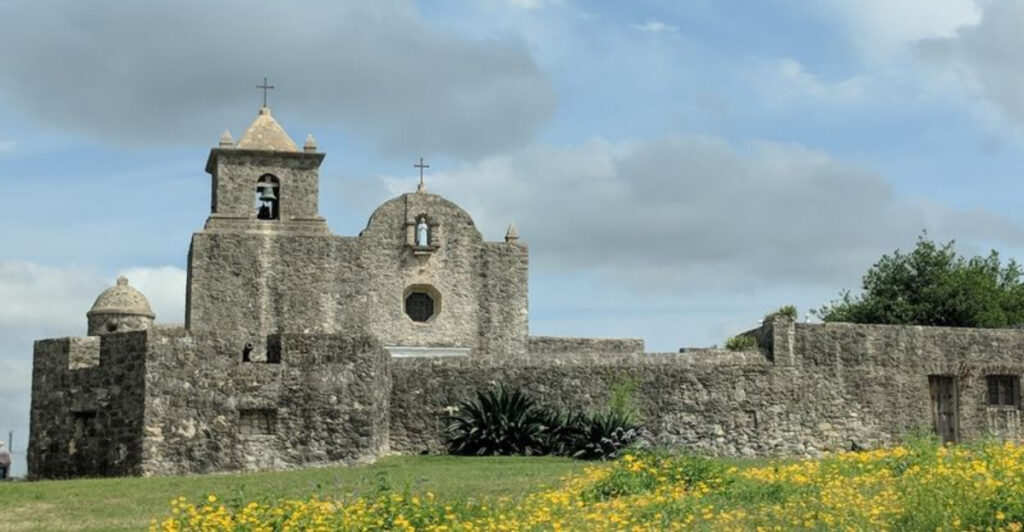
Texas holds countless small towns where history still lives in old buildings, quiet streets, and stories passed down through generations. You can explore these places without spending much money, making them ideal for a day trip when you want something different from the usual weekend routine. Each town offers its own character, from German heritage to Wild West legends, and most attractions either cost very little or nothing at all.
Pack some snacks, fill up the tank, and get ready to discover corners of Texas that feel like stepping back in time.
1. Comfort
About an hour northwest of San Antonio, this little town keeps its German roots alive through architecture that dates back to the 1800s. Walking down High Street feels like flipping through a history book, with limestone buildings that German settlers constructed when they first arrived. The best part?
Most of what you’ll want to see costs absolutely nothing.
Start at Bat Alley, where Mexican free-tailed bats emerge at dusk during warmer months. Bring a blanket, find a spot on the ground, and watch thousands of them swirl into the sky. It’s free entertainment that never gets old, and kids find it absolutely fascinating.
The town square area invites slow exploration. Pop into antique shops where prices stay reasonable, or just admire the old storefronts from outside. Several buildings still have their original facades, and you can spot German inscriptions if you look closely.
For lunch, grab supplies at a local market and picnic in one of the shaded parks. This saves money while letting you soak up the peaceful atmosphere. If you prefer to eat out, small cafes offer sandwiches and comfort food without the tourist markup you’d find in bigger destinations.
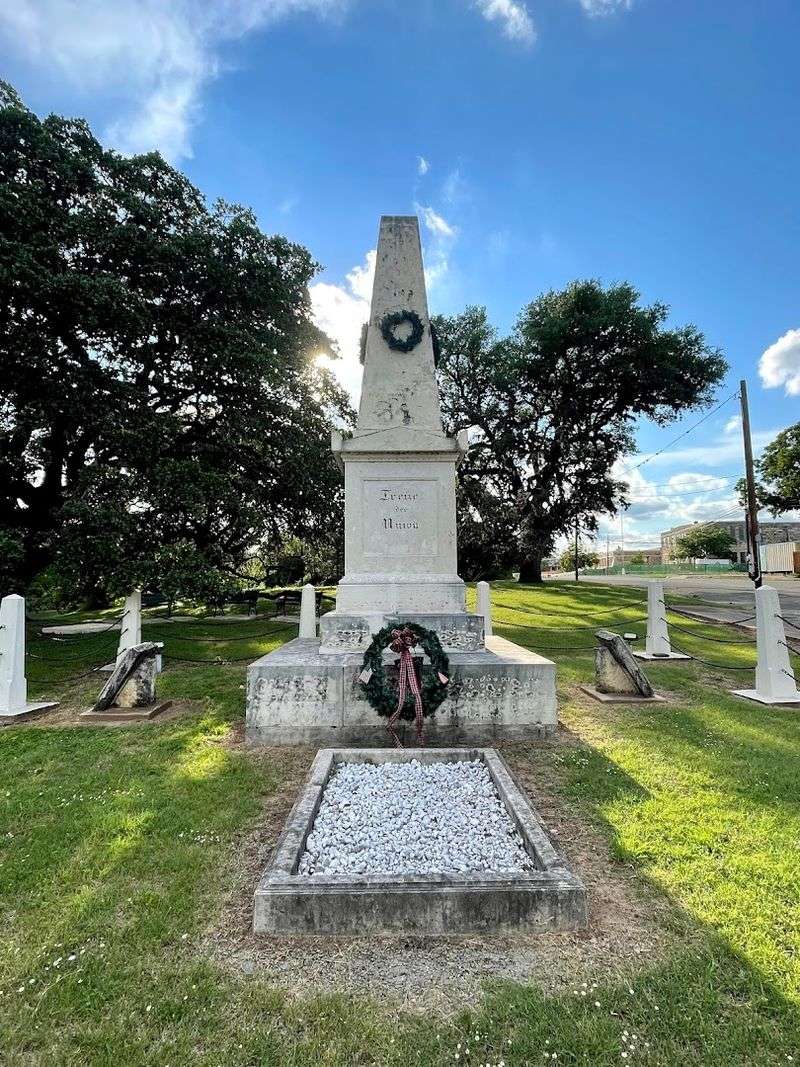
History buffs should visit the Treue der Union Monument, which honors German Texans who opposed secession during the Civil War. It’s a sobering piece of history that adds depth to your understanding of the area. The monument sits right in town, easy to find and free to visit.
Before heading home, browse the pottery studios and small galleries that dot the area. Artists have discovered this town, keeping prices accessible while offering quality work. You might find a handmade mug or piece of art that becomes your favorite souvenir, something with actual meaning instead of generic gift shop stuff.
2. Bastrop
Thirty miles east of Austin, this town survived devastating wildfires in 2011 and came back stronger, with locals determined to preserve what makes their community special. The downtown area showcases buildings from the mid-1800s, many painted in cheerful colors that photograph beautifully. You can spend hours here without opening your wallet much.
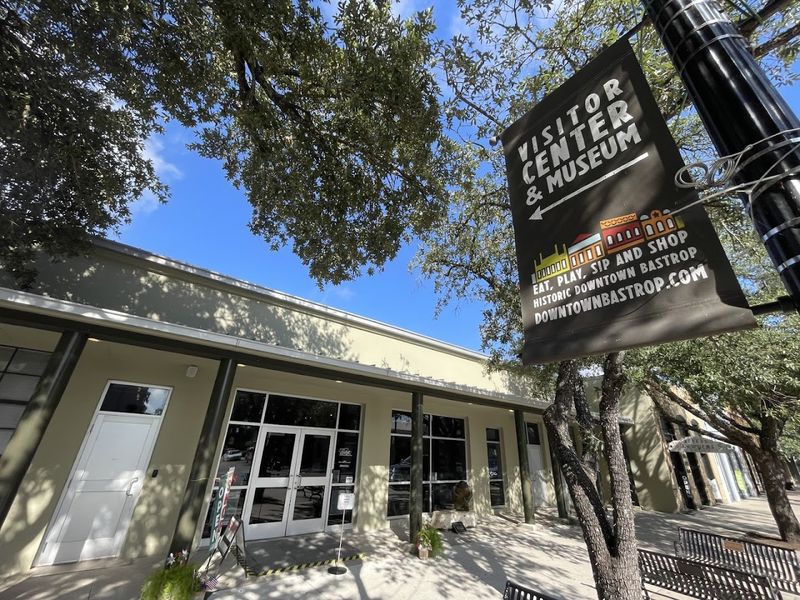
Start your visit at the Bastrop County Museum, housed in an old firehouse. Admission runs just a few dollars, and exhibits cover everything from Native American history to the impact of those recent fires. Local volunteers often staff the place, and they love sharing stories that don’t make it into the official displays.
Main Street deserves a slow stroll. Historic opera house, old courthouse, buildings with cast-iron facades—the architecture alone makes the trip worthwhile. Several antique malls let you browse for free, and prices stay reasonable if something catches your eye.
Pack a lunch and head to Fisherman’s Park along the Colorado River. Massive trees provide shade, and the river offers a pretty backdrop for your meal. Kids can explore while you relax, and the whole experience costs nothing but gas money to get there.
If you time your visit right, check the schedule for free concerts or events in the downtown area. Small towns like this often host music on weekends, especially during pleasant weather. Bring lawn chairs and enjoy local talent without ticket prices.
For a small adventure, drive through the Lost Pines area just outside town. These loblolly pines grow far from where you’d typically find them, creating scenery that doesn’t look like typical Texas. The scenic drive costs nothing, and several pullouts let you stop for photos or short walks among the trees that give this region its distinctive character.
3. Round Top
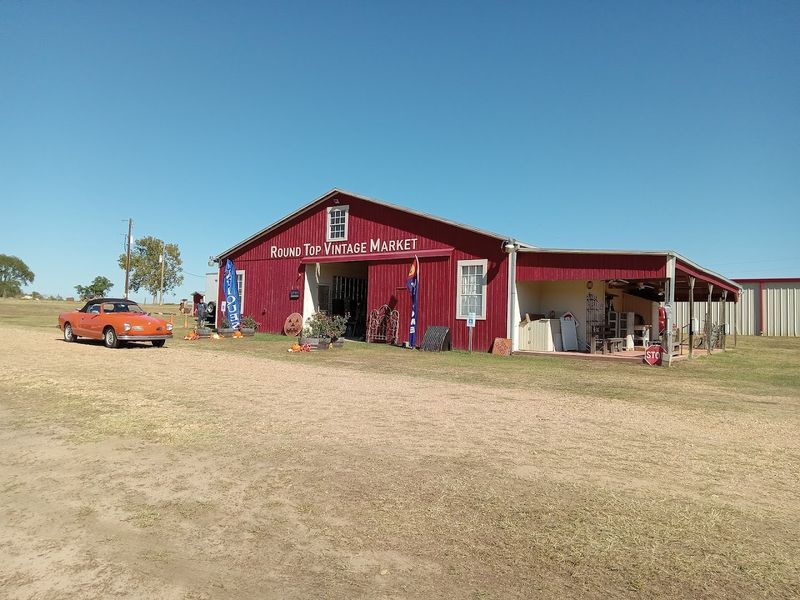
Population barely breaks 100 in this tiny community between Houston and Austin, but twice a year it explodes with visitors during the famous antiques fair. Visit during the off-season, though, and you’ll find a sleepy town where history whispers rather than shouts. The entire downtown spans just a few blocks, making it perfect for a relaxed morning of exploration.
Henkel Square Museum preserves several historic buildings moved to one location, creating a little village of Texas history. Admission stays low, and you can wander through a one-room schoolhouse, dogtrot cabin, and other structures that show how settlers lived. Docents share stories that bring the buildings to life beyond what you’d learn from plaques alone.
The 1850s Round Top General Store still operates, selling everything from local honey to handmade goods. Even if you don’t buy anything, stepping inside feels like time travel. Old wooden floors creak underfoot, and the smell of the place—part hardware store, part country market—creates instant nostalgia.
Several churches in town date back to the 1800s, and their simple beauty reflects the communities that built them. St. Martin’s Lutheran Church, with its white steeple, looks like something from a postcard. Most stay unlocked during daylight hours, inviting quiet visits that cost nothing.
For lunch, bring your own food and find a shady spot under one of the massive live oaks that dot the area. These trees have witnessed generations of Texas history, and sitting beneath them while eating a sandwich feels more satisfying than any restaurant meal.
Browse the small shops that operate year-round, many run by artists and craftspeople who’ve settled here. Prices vary, but the quality stays high, and talking with the owners adds personal connection to anything you might purchase. The whole town radiates creativity without the pretension you sometimes find in artist communities.
4. Goliad
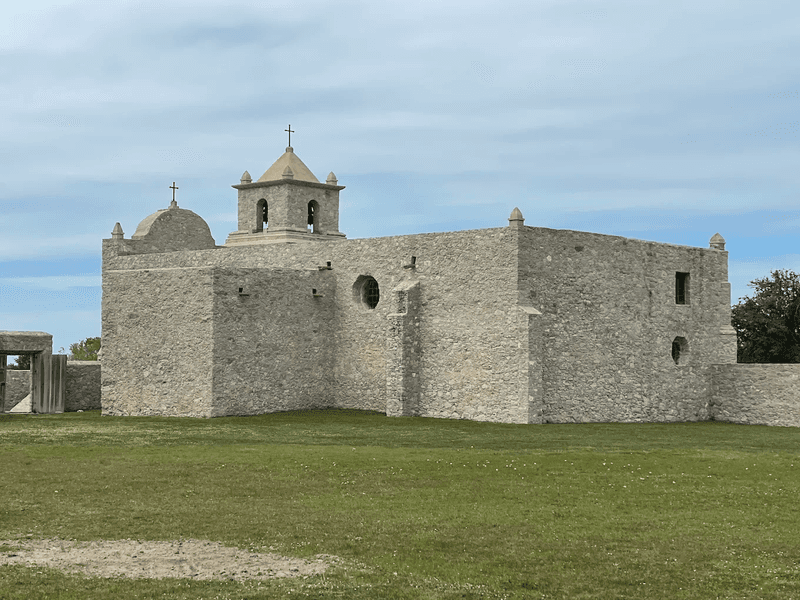
Where Texas independence turned tragic, this town carries heavy history within its quiet streets. The Goliad Massacre, where over 340 Texian soldiers were executed by Mexican forces, happened here in 1836. That dark chapter shapes the town’s identity, but there’s also beauty in how the community preserves and honors that past without letting it become the only story.
Presidio La Bahia stands as the main attraction, the oldest fort in the western United States still at its original location. Admission runs under ten dollars, and what you get for that small price is remarkable. Thick stone walls surround a chapel, barracks, and museum exhibits that explain centuries of conflict and survival.
Standing in the courtyard, you can almost hear echoes of soldiers who lived and died here.
The Goliad State Park and Historic Site offers another layer of history. Mission Espíritu Santo sits within the park, its reconstruction showing how Spanish missions operated in Texas. Park entry costs just a few dollars per person, and you can easily spend half a day exploring the mission and walking trails along the San Antonio River.
Downtown Goliad moves at a pace that feels almost abandoned until you realize people still live and work here—they just don’t rush. The courthouse square features the usual Texas town layout, with local businesses occupying buildings that have stood for generations. Stop at the market square monument, where Colonel Fannin and his men were executed, a sobering reminder that freedom came at tremendous cost.
Pack a picnic and use one of the shaded areas in the state park. This saves money while giving you time to absorb the peaceful setting that contrasts so sharply with the violence that occurred here. The river provides a calming presence, birds call from the trees, and history feels tangible in a way that no textbook can convey.
5. Rockport
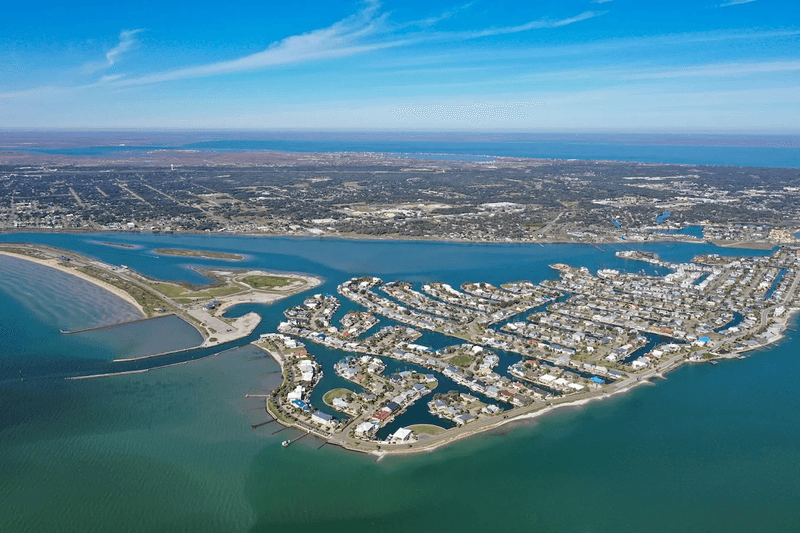
Right on the Gulf Coast, this fishing village offers beach access and maritime history without the crowds and prices of South Padre or Galveston. Hurricane Harvey hit hard in 2017, but the town rebuilt, and locals remain as welcoming as ever. You can enjoy coastal beauty here while keeping your budget intact.
Start at the Texas Maritime Museum, where admission costs less than a movie ticket. Exhibits cover shipwrecks, fishing industry history, and coastal ecology. The boat-building displays fascinate anyone interested in craftsmanship, showing how wooden vessels were constructed before modern materials took over.
The harbor area invites wandering. Watch shrimping boats come and go, pelicans diving for fish, and locals casting lines from the pier. If you bring your own fishing gear, you can join them—no expensive charter needed.
The pier itself costs nothing to walk, and the view stretches across Aransas Bay toward the barrier islands.
For beach time, head to any of the public access points along the coast. Rockport Beach Park charges a small parking fee, but you get clean facilities and calm waters protected by a seawall. Kids can wade safely while you relax in a beach chair, and the whole day costs less than one meal at a tourist-trap restaurant.
Pack your lunch or grab supplies at a local grocery store. Eating at one of the picnic areas near the water saves money while providing better atmosphere than most restaurants. Watching boats sail past while you eat a sandwich beats staring at restaurant walls any day.
Bird watchers should bring binoculars. The area hosts incredible variety, especially during migration seasons. Whooping cranes winter nearby, and spotting one of these endangered birds costs nothing but patience.
Even casual observers enjoy seeing the abundance of coastal species that make this area their home year-round or during seasonal visits.
6. Fredericksburg
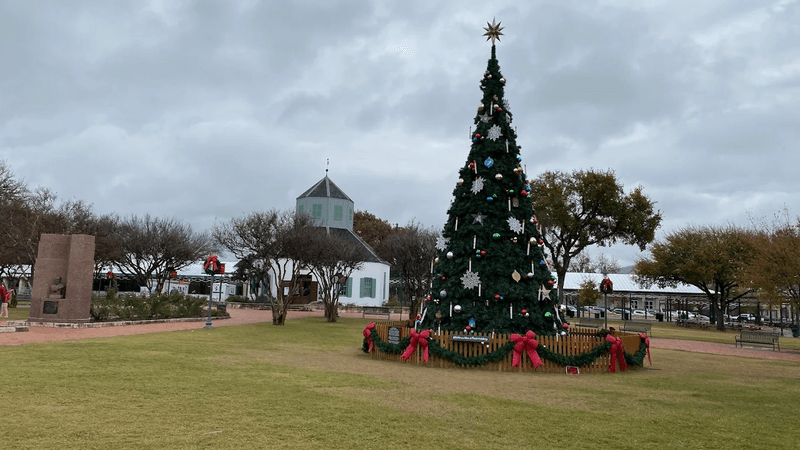
German heritage saturates every corner of this Hill Country town, from the architecture to the food to the festivals that draw crowds throughout the year. Yes, it’s become popular, which means some things cost more than they used to, but plenty of budget-friendly options remain if you know where to look. The town’s beauty and history make it worth navigating the tourist elements.
Main Street stretches for blocks, lined with buildings that date back to the 1800s. Many now house shops and galleries, but the facades remain authentic. Window shopping costs nothing, and the architecture alone deserves your attention.
Look for the Sunday Houses—tiny second homes that German farmers built for weekend trips to town—scattered throughout residential areas.
The Pioneer Museum complex charges modest admission and offers genuine insight into settler life. Original buildings, including a church and schoolhouse, show how German immigrants adapted to Texas conditions. Docents share stories that textbooks skip, adding personal dimension to the historical facts.
For free entertainment, visit the Marktplatz area where the Vereins Kirche replica stands. This octagonal building serves as a symbol of the town, and the surrounding square hosts events and provides a central gathering spot. Bring lunch from a grocery store and eat at the picnic tables, watching the town flow around you.
Skip the crowded wine-tasting rooms and instead drive the scenic roads outside town. Wildflowers bloom spectacularly in spring, painting the hillsides in colors that change by the week. Pull over at any of the numerous roadside parks for photos and short walks that cost nothing but offer memories worth more than expensive tours.
If you must shop, focus on the antique stores and consignment shops rather than the boutiques selling new merchandise at premium prices. You’ll find better deals and more interesting items with actual history attached to them, things that tell stories rather than just filling space on a shelf back home.
7. Independence
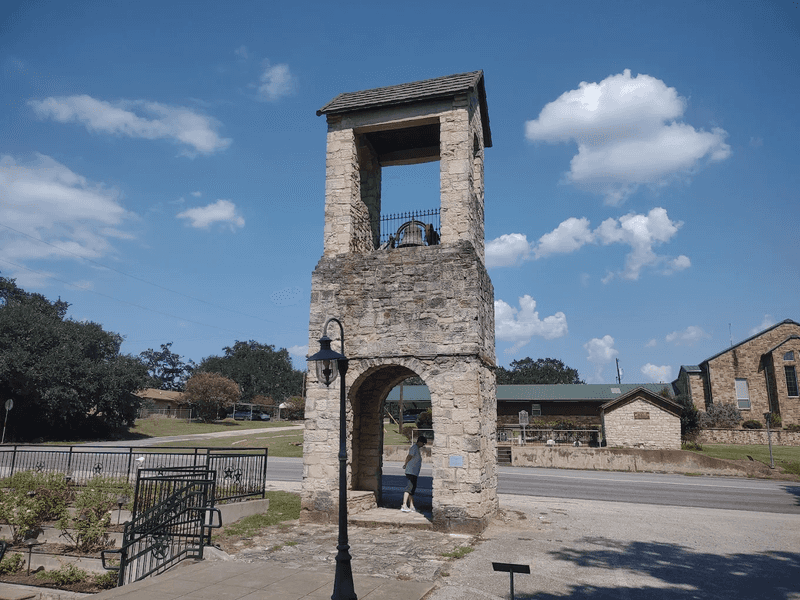
Most Texans drive right past this tiny community between Houston and Austin without realizing its massive role in state history. Sam Houston lived here. Texas Declaration of Independence was signed nearby.
Baylor University started here before moving to Waco. For a place so small you can see the whole thing in an hour, the historical weight feels enormous.
Independence Baptist Church still stands, its simple white structure looking much as it did in the 1800s. Sam Houston was baptized in a creek nearby, a conversion that surprised many who knew his rough reputation. The church welcomes visitors during daylight hours, and stepping inside connects you to a moment when one of Texas’s most important figures made a personal decision that would shape his later years.
The Texas Baptist Historical Center Museum occupies an old building near the church. Admission runs just a few dollars, and exhibits cover religious history in Texas along with the broader story of how this community influenced the state. Volunteers staff the place, and they love talking about local history with anyone who shows genuine interest.
Ruins of old Baylor University buildings scatter around the area, marked but not preserved in any fancy way. Crumbling foundations and a few walls remain, enough to spark imagination about what education looked like in frontier Texas. Walking among these ruins costs nothing and offers a tangible connection to the past that polished museums can’t quite replicate.
Bring a picnic and use the small park area near the historical sites. Massive trees provide shade, and the quiet atmosphere invites reflection on how much has changed since this place mattered more to Texas than it does now. There’s something poignant about a town that played such a crucial role but now barely exists on modern maps.
The whole visit takes maybe two hours, making it perfect for a morning stop on the way to somewhere else or as the centerpiece of a day spent exploring several small towns in the region.
8. Palestine
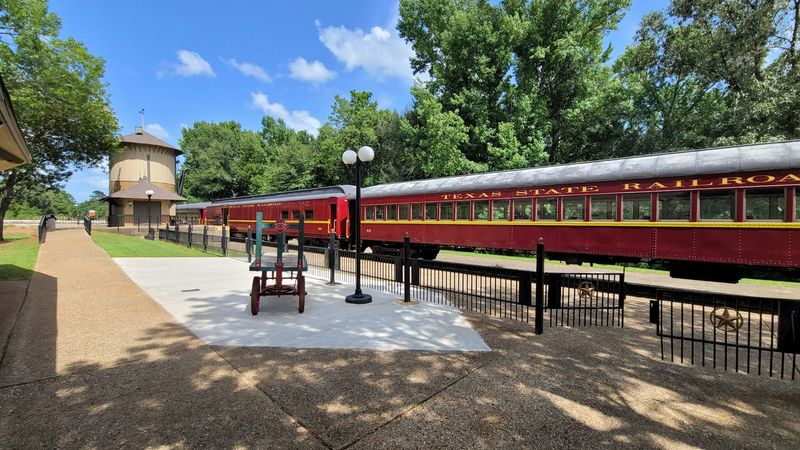
Deep in East Texas piney woods, this town built its fortune on railroads and still celebrates that heritage today. The Texas State Railroad operates vintage trains from here, offering scenic rides through forests that look nothing like what most people picture when they think of Texas. Beyond the railroad, the whole downtown area preserves Victorian-era architecture that makes you feel like you’ve stepped into another century.
The railroad ride itself costs money, but you can enjoy the depot and surrounding area for free. The station building showcases beautiful architecture, and watching the steam locomotive prepare for departure costs nothing. If trains fascinate you or your kids, just hanging around the depot provides entertainment without buying tickets for the full excursion.
Downtown Palestine deserves several hours of wandering. The historic district contains dozens of buildings from the late 1800s, many restored and occupied by antique shops, cafes, and small businesses. The Carnegie Library, built in 1905, still operates and welcomes visitors to admire its classical architecture.
Walking tours are self-guided and free—just pick up a map at any downtown business.
The Museum for East Texas Culture charges minimal admission and covers everything from Native American history to the oil boom era. Local artifacts and photographs tell stories specific to this region, different from the cowboy-and-cattle narrative that dominates other parts of Texas. The museum occupies a historic building, adding another layer of interest to your visit.
For lunch, skip the sit-down restaurants and grab sandwiches from a local deli or grocery store. Find a bench in one of the small parks downtown and enjoy your meal while watching the town go about its business. Small-town East Texas moves at a different pace, and taking time to observe that rhythm adds value to your visit.
If you visit in spring, the dogwood trees bloom throughout the area, creating a canopy of white flowers that draws photographers from across the state. The annual Dogwood Trails celebration happens in late March or early April, but you can enjoy the blooms without attending the official events or paying for special tours.
9. Gruene
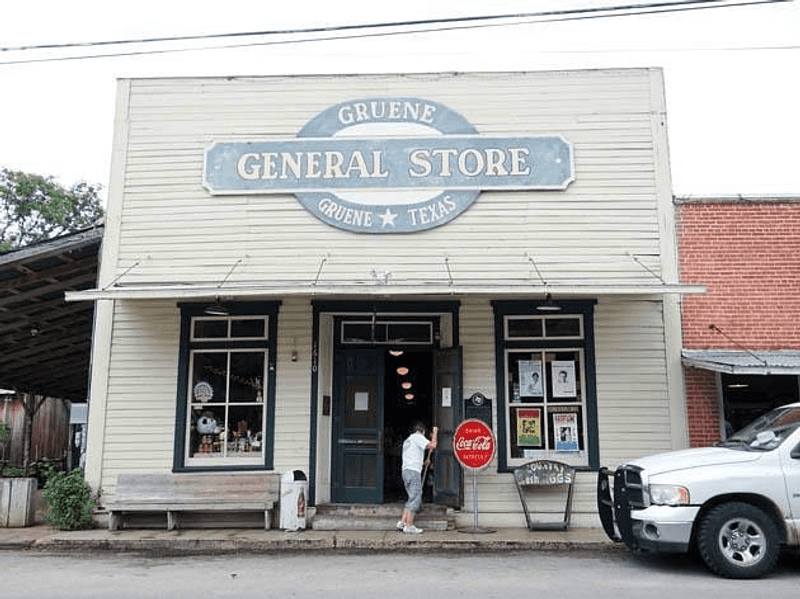
Technically a district of New Braunfels now, this place maintains its own identity fiercely. The whole town consists of maybe a dozen buildings clustered along the Guadalupe River, but what buildings they are. Gruene Hall, Texas’s oldest continually operating dance hall, anchors everything, its weathered exterior and spring-loaded dance floor attracting music lovers from across the state.
Visiting Gruene Hall during the day costs nothing. Walk in, look around, soak up the atmosphere of a place where countless boots have scuffed the floors since 1878. Posters and photos cover the walls, documenting decades of performers who’ve played here.
If you come back at night for a show, tickets stay reasonably priced compared to big-city venues, and the experience beats anything you’d find in a modern concert hall.
The whole town measures maybe three blocks, making it perfect for a quick visit. Old general store, antique shops, and a few restaurants occupy historic buildings that have been carefully preserved. Everything feels authentic rather than recreated, which matters when so many Texas towns have bulldozed their history for parking lots.
Walk down to the Guadalupe River access point for free entertainment. In summer, tubers float past constantly, creating a parade of people enjoying the cool water. You can wade in without paying—the river belongs to everyone.
Bring old shoes for the rocky bottom and spend an hour cooling off without spending money on tube rental or admission to a water park.
For food, the restaurants here charge tourist prices, so consider eating before you arrive or bringing snacks. The atmosphere makes up for the cost if you do eat here, but budget-conscious visitors should plan accordingly. A snow cone from the stand near the dance hall costs less than a full meal and tastes perfect on a hot day.
Visit on a weekday if possible. Weekends bring crowds that overwhelm the tiny area, making it hard to appreciate the historic character. Weekday mornings offer the best experience—quiet enough to imagine what this place was like when it actually functioned as a working town rather than a tourist destination.
10. Marfa
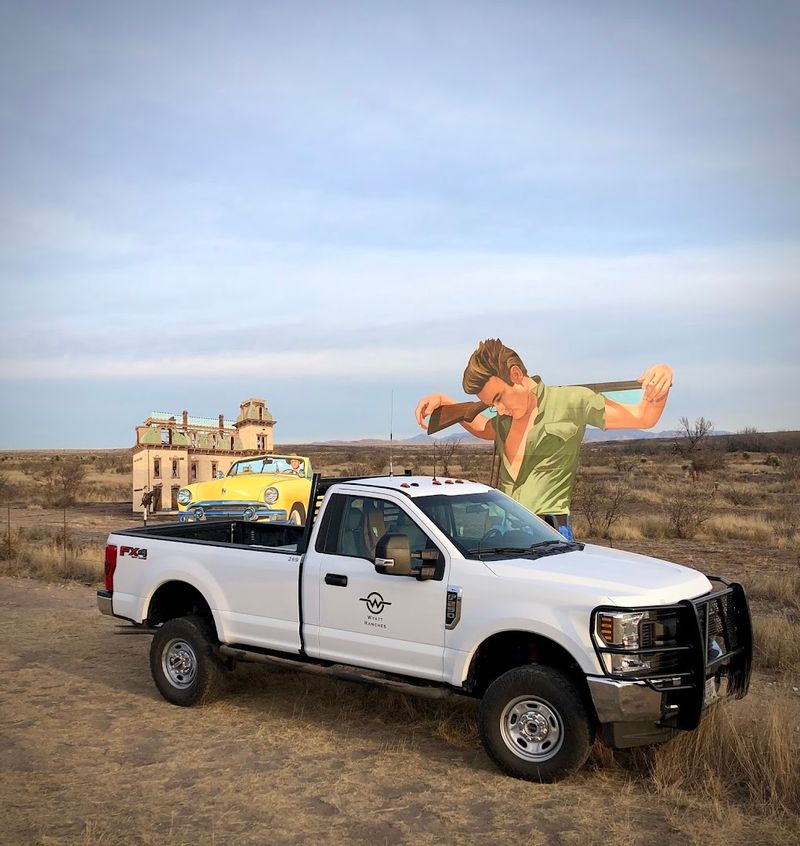
Way out in West Texas, closer to Mexico than to any major city, this tiny town became an unlikely art destination. Donald Judd, the minimalist sculptor, moved here in the 1970s and transformed old military buildings into art installations. Now galleries and artists coexist with ranchers and longtime residents, creating a cultural mix that feels completely unique in Texas.
The Chinati Foundation offers tours of Judd’s permanent installations, but admission costs real money. However, you can see plenty of art around town for free. Sculptures dot various locations, the Prada Marfa installation sits a few miles outside town, and simply walking the streets reveals artistic touches everywhere.
Old buildings painted in unexpected colors, creative window displays, random art pieces—Marfa itself functions as a gallery.
The Marfa lights viewing area costs nothing and provides one of Texas’s most mysterious attractions. These unexplained lights appear in the distance on many nights, and people have been trying to figure out what causes them for over a century. Bring lawn chairs, show up after dark, and watch.
You might see them, you might not, but the attempt costs only your time.
Downtown Marfa spans just a few blocks, but those blocks contain interesting architecture from different eras. The Presidio County Courthouse dominates the square, its classical revival style looking almost comical in such a remote location. Old storefronts mix with newer galleries and cafes, creating visual interest as you wander.
For budget eating, hit the food trucks that park around town. You’ll find better prices and often better food than in the sit-down restaurants that cater to art tourists. Local Mexican food trucks especially offer authentic meals at working-person prices rather than gallery-hopper rates.
The surrounding desert landscape provides free entertainment for anyone who appreciates vast spaces and big sky. Drive the back roads, pull over at random spots, and just look. This is Texas at its most empty and most beautiful, where you can see for miles in every direction and feel very small in a way that cities never allow.
11. Salado
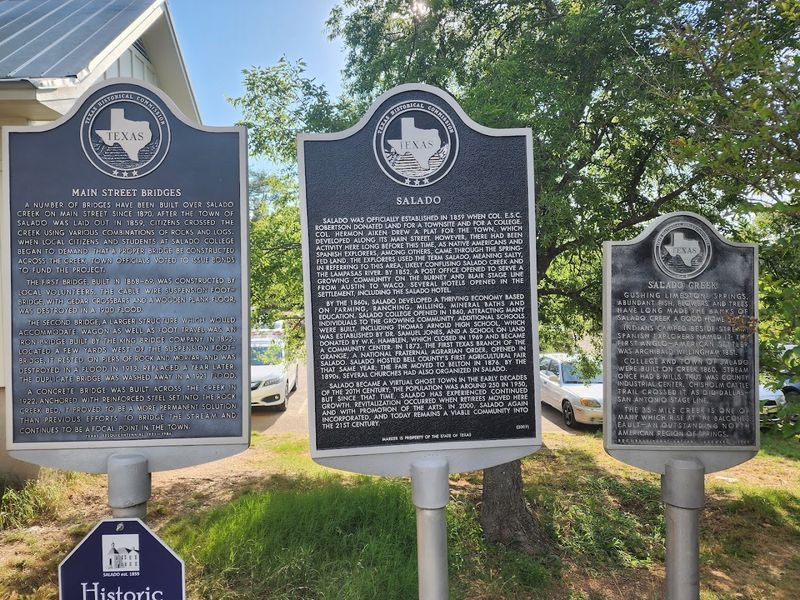
Right off Interstate 35 between Austin and Waco, this artists’ village somehow maintains its charm despite easy highway access. Salado Creek runs through the middle of town, and massive live oak trees create a canopy over much of the historic district. Artists and craftspeople have claimed this place, filling old buildings with galleries, studios, and shops that actually sell quality work rather than tourist junk.
Start at Salado Creek, where several spots let you access the water for free. In summer, locals wade in to cool off, and the sound of flowing water provides a peaceful soundtrack to your visit. Small waterfalls and limestone outcroppings make it pretty enough for photos, and kids can explore while you relax in the shade.
Main Street and its side streets contain dozens of galleries and shops. Many artists work on-site, so you might see pottery being thrown or paintings being created. Even if you’re not buying, most welcome browsers, and watching skilled craftspeople work provides entertainment that costs nothing.
Prices vary wildly—some pieces cost thousands, others just a few dollars.
The Salado Museum occupies the old Salado College building and charges no admission. Exhibits cover local history from Native American inhabitants through frontier days to the present. It’s small but well-curated, with artifacts that tell specific stories rather than just filling display cases.
Several historic buildings scattered around town offer photo opportunities. The Stagecoach Inn dates to the 1860s and still operates as a restaurant, though eating there will stretch your budget. Just admiring the limestone construction and imagining stagecoaches pulling up front costs nothing and feeds the imagination.
Pack a lunch and use one of the shaded spots near the creek. Salado gets hot in summer, but the trees and water make it bearable. Watching the creek flow while eating a sandwich beats any restaurant meal for pure relaxation.
The whole town moves slowly, and fighting that pace misses the point entirely—this is a place for unwinding, not rushing.
12. Wimberley
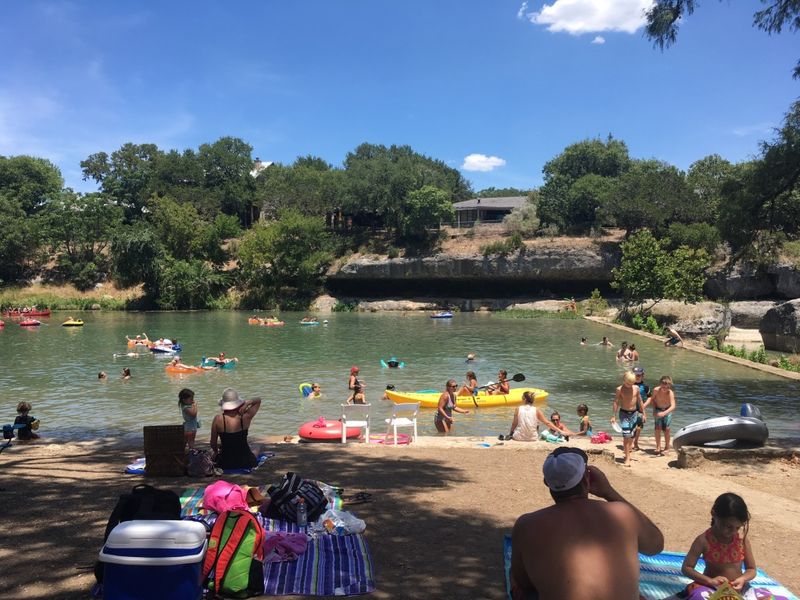
Nestled in the Hill Country between Austin and San Antonio, this little town centers around the Blanco River and Cypress Creek, both of which provide free swimming holes that locals guard jealously. Artists discovered Wimberley decades ago, and galleries now mix with old-time businesses in the small downtown area. It’s become popular, but midweek visits still feel peaceful.
Blue Hole Regional Park charges a small fee for swimming access, but the experience beats any water park. Clear water, rope swings, cypress trees leaning over the swimming area—it’s the Texas swimming hole of everyone’s imagination. Get there early on summer weekends because they limit capacity.
Weekdays offer better chances of getting in without waiting.
The town square hosts a market on the first Saturday of each month from April through December. Vendors sell everything from produce to handmade crafts, and browsing costs nothing. Even if you don’t come on market day, the square area offers pleasant wandering with its collection of old buildings and small shops.
Cypress Creek runs through town, and several access points let you wade or sit by the water for free. Locals know all the best spots, but visitors can find them too with a little exploring. Bring water shoes for the rocky bottom and spend an afternoon cooling off without spending money on admission or entertainment.
The old-fashioned downtown area spans just a few blocks but packs in antique stores, galleries, and small restaurants. Prices in the galleries run high for serious art, but plenty of affordable items exist too. The antique stores offer better deals, especially if you’re willing to dig through the less-organized shops where treasures hide among the junk.
For budget eating, grab supplies at the grocery store and picnic near one of the creeks. Restaurant prices in Wimberley reflect its popularity with weekenders from Austin and San Antonio, so brown-bagging saves significant money. The natural beauty provides better atmosphere than any restaurant could manufacture anyway, and eating outside means kids can burn energy before the drive home.
13. Jefferson
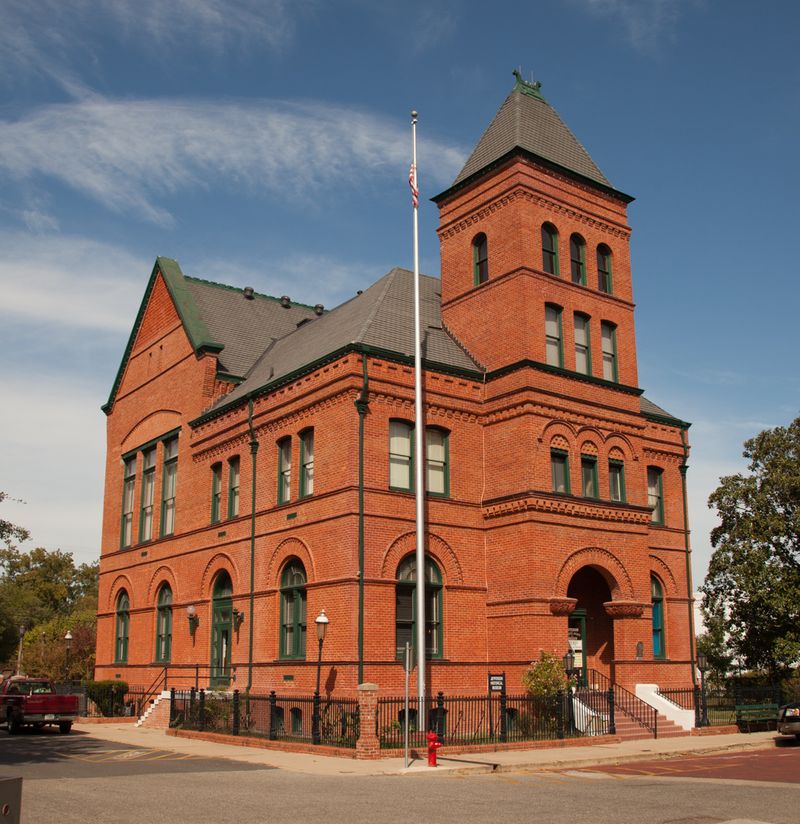
Up in Northeast Texas near the Louisiana border, this riverboat town peaked in the 1870s when it served as a major port on the Big Cypress Bayou. When the railroad bypassed Jefferson, the town essentially froze in time. Now that history draws visitors who want to see what a prosperous Texas town looked like 150 years ago, complete with Victorian homes and brick commercial buildings.
The entire downtown area functions as a living museum. Block after block of buildings from the 1800s remain, many still serving their original purposes or adapted to new uses. Walking tours are self-guided and free—just park and wander.
The architecture alone justifies the trip, with details like cast-iron storefronts and ornate trim that modern construction never bothers with.
Several historic homes offer tours, but admission adds up if you visit multiple properties. Pick one that interests you most, or skip the interior tours entirely and just admire the exteriors. The homes along streets like Alley and Austin showcase Victorian architecture at its most elaborate, and you can see plenty from the sidewalk.
The Jefferson Historical Museum charges minimal admission and covers everything from the town’s riverboat heyday to its decline and preservation. Artifacts include period clothing, furniture, and photographs that show how dramatically the town has changed—or rather, hasn’t changed—over the decades. The building itself dates to 1888, adding historical context to the exhibits.
Caddo Lake State Park sits just outside town, offering hiking trails and water access for a small parking fee. The lake’s cypress trees draped with Spanish moss create scenery unlike anywhere else in Texas, feeling more like Louisiana than the Lone Star State. Bring lunch and use the picnic areas, spending a few hours exploring before heading back to town.
Jefferson’s location makes it a bit of a drive from major cities, but that isolation helped preserve it. The trip takes commitment, so plan to spend most of a day here rather than rushing through. The town rewards slow exploration and attention to details that quick visitors miss entirely.