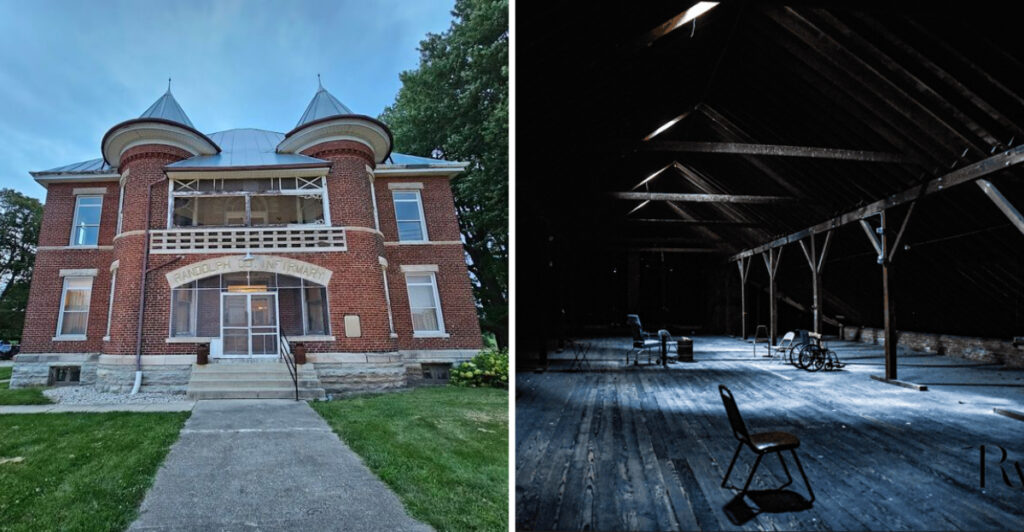
Some historic buildings carry an atmosphere that’s impossible to ignore. The Official Randolph County Asylum/Infirmary in Winchester is one of those places, drawing history enthusiasts, paranormal investigators, and curious visitors with its imposing brick architecture and long, fascinating past.
Once home to the county’s poor farm, asylum, and infirmary, the property has become widely known for reported ghostly encounters, guided investigations, and stories that have earned it a reputation as one of the Midwest’s most haunted locations. Whether you’re interested in local history or the unexplained, this unforgettable Indiana landmark offers an experience that’s equal parts educational and eerie.
A Brick Giant Rising Off US-27
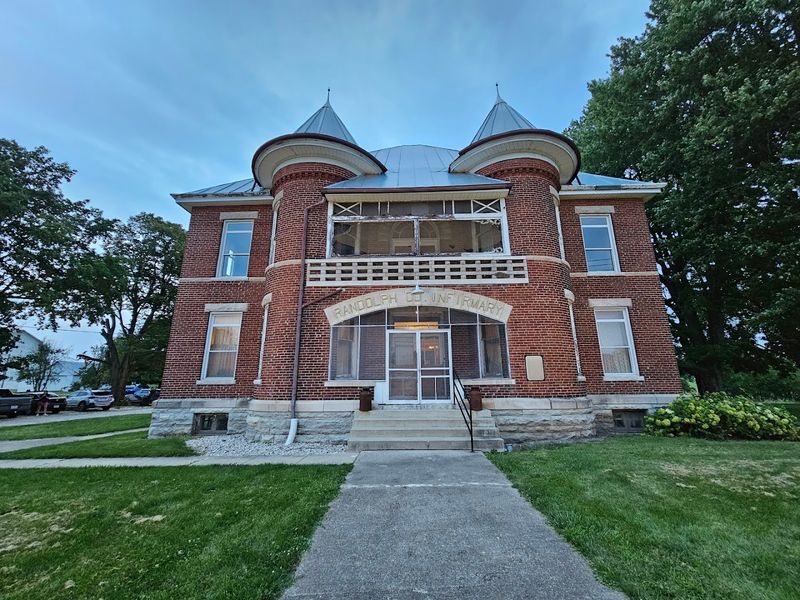
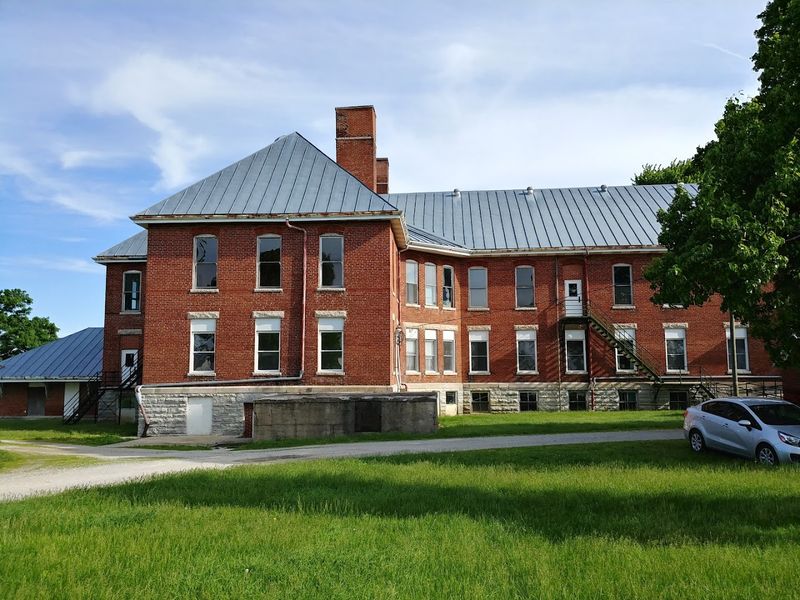
The first striking thing about the Official Randolph County Asylum/Infirmary is its scale. This is not a tiny roadside oddity with a spooky sign out front.
It rises from the property with the kind of solid, institutional heft that immediately explains why photographers, history fans, and paranormal groups keep circling back to Winchester.
From the outside, the brickwork does a lot of the storytelling before a guide ever says a word. The long facade, tall windows, and sturdy foundation create a severe silhouette that looks especially dramatic under gray Indiana skies.
Even in daylight, the building has a stern, watchful presence that separates it from the usual haunted attraction aesthetic.
That visual power matters because the site is first and foremost a real historic structure, not a fabricated fright setup. You are looking at a former county institution with all the weight that implies.
Its appearance carries traces of hardship, utility, endurance, and the practical design choices of another era. The surrounding area adds to the effect.
Positioned along US-27, the property feels accessible, yet still slightly removed from the everyday rhythm of chain stores and ordinary errands. That tension between convenience and isolation gives the approach a memorable edge.
There is also an important difference between abandoned-looking and neglected. The building shows age, wear, and roughness, but it is clearly being treated as a place worth preserving.
That distinction changes the tone completely, because you are not just staring at ruins. You are encountering a landmark that still has caretakers, stories, and a purpose.
Before you even get inside, the asylum makes a clear promise. This will not be a polished museum piece, and it will not be a fake haunted house either. It is a huge, weathered Indiana relic that looks exactly as unsettling and fascinating as you hoped.
Inside the Rooms Where the Building Gets Personal
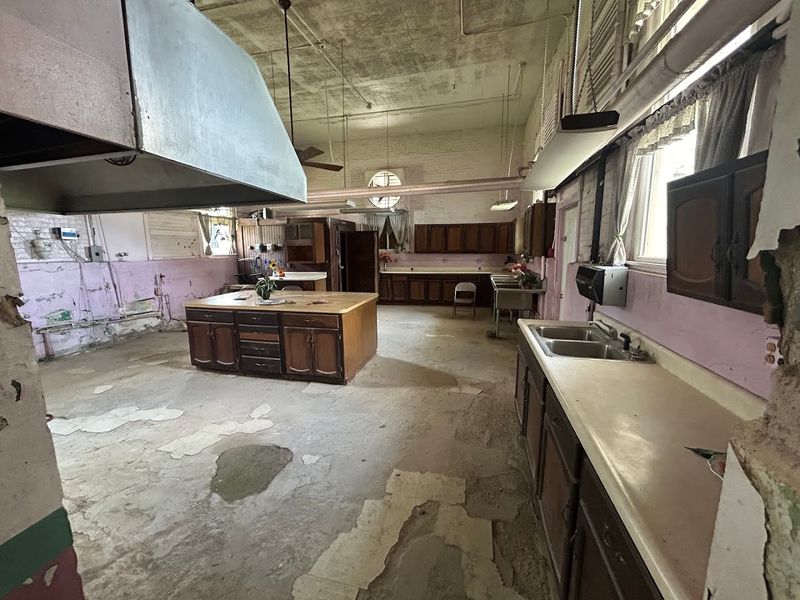
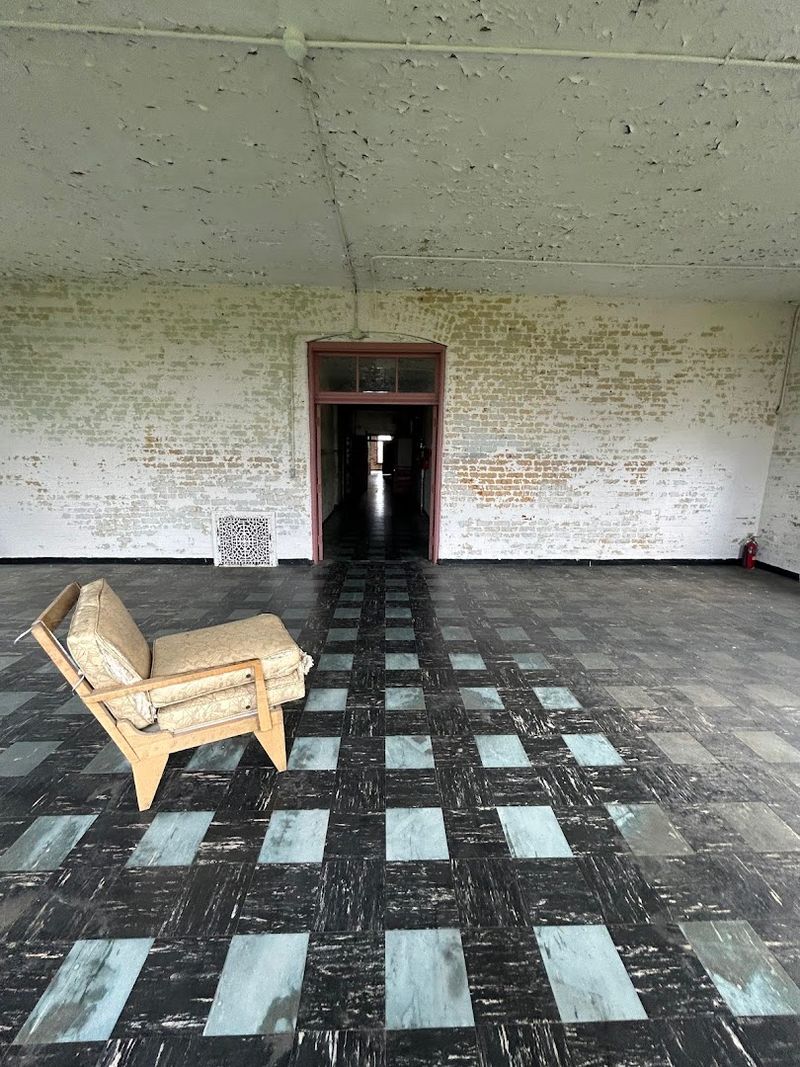
Once inside, the scale of the Official Randolph County Asylum/Infirmary shifts from impressive to intimate. Long corridors and institutional rooms give way to spaces that read less like a movie set and more like a lived-in historical shell. That mix is where the building gets under your skin.
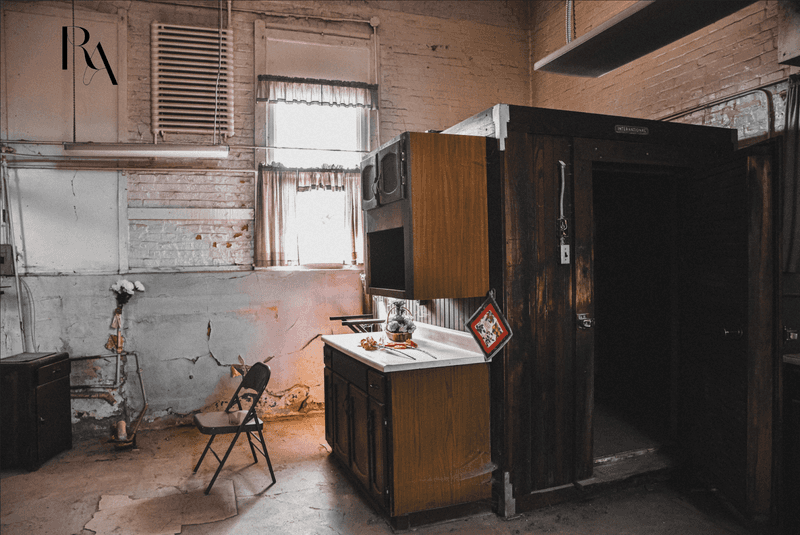
Some rooms carry a plain, functional look that reflects the site’s original purpose. Others feel unexpectedly domestic, with parlors, bedrooms, and common areas that soften the harsher image many people attach to the word asylum.
The contrast keeps the interior from becoming visually monotonous, because each turn suggests a slightly different chapter of use.
This matters for more than mood. A building tied to county care work would have held multiple roles, and the layout helps communicate that complexity better than any dramatic narration could.
Instead of one uniform setting, you move through spaces that hint at administration, residence, treatment, work, waiting, and daily survival.
The condition of the interior adds texture without turning into theatrical decay. You notice aged surfaces, wear patterns, old fixtures, and the stubborn physical evidence of time.
The roughness is part of the draw, but so is the fact that the place remains navigable and active for tours and investigations.
That balance helps the site appeal to different kinds of visitors. Paranormal enthusiasts can focus on the tension of quiet hallways and shadowy corners, while architecture lovers and local historians have plenty to study in the bones of the building.
Even skeptics tend to find enough visual substance here to stay engaged. The best interior spaces are the ones that refuse to flatten into a single mood.
One room can feel austere, the next almost cozy, and the next deeply unsettling simply because it is so still. That variety is the real engine of the experience, and it keeps the building from ever becoming predictable.
Why This Indiana Landmark Draws Paranormal Investigators
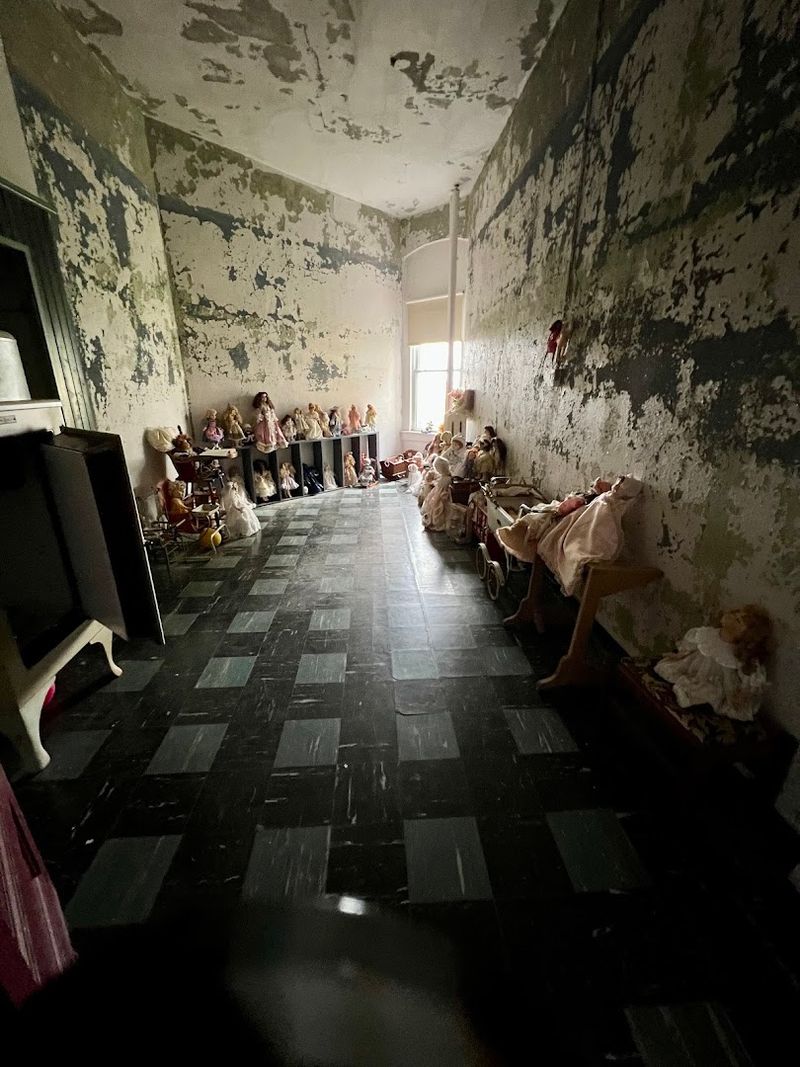
The Official Randolph County Asylum/Infirmary has become a magnet for paranormal groups for a simple reason: the experience is built around real access to a large, complicated historic site.
This is not a quick walk-through with a few staged effects and an exit through the gift counter. Tours and investigations take advantage of the building’s size, layout, and long after-dark atmosphere.
Open around the clock, the property naturally fits the rhythms of ghost hunting. Evening tours, private investigations, and extended stays allow visitors to settle in rather than rush through.
That slower pace changes everything, because old buildings reveal more when there is enough time for silence, stillness, and attention.
The place also appears to attract people who want both history and suspense, not just one or the other. Accounts tied to the site often mention guides who explain the structure’s background before turning guests loose to explore more independently.
That combination gives the paranormal side a stronger foundation, since the building never gets reduced to a pile of scary rumors.
Just as important, the site is not sold as a guaranteed supernatural performance. Weather, noise, nerves, and expectation all shape a night inside any old structure.
That uncertainty is part of the appeal, especially for experienced investigators who prefer environments with authentic variables over choreographed shocks.
The infirmary also has practical advantages that make long sessions more manageable. People have noted usable facilities, heated areas in the main building during colder months, and enough room for groups to spread out.
Those details may sound ordinary, but they directly affect whether an overnight visit remains compelling instead of becoming miserable.
If you are drawn to places where the setting itself does most of the work, this one makes sense immediately. The hallways are long, the rooms are layered, and the quiet can stretch. Whether anything unexplained happens or not, the building gives paranormal investigation a serious stage.
The Human History Behind the Chills
The most compelling thing about the Official Randolph County Asylum/Infirmary is that the spooky reputation sits on top of a deeper human story.
Buildings like this existed to handle poverty, illness, aging, mental health struggles, and county responsibility in a very different era. Even before the paranormal angle enters the picture, that history gives the place real gravity.
The architecture reflects that institutional past with blunt honesty. Nothing about the layout suggests comfort as a primary design goal, yet parts of the building also point to daily routines, social spaces, and the practical realities of long-term residence.
That tension makes the site more affecting than a simple haunted label ever could. Preservation efforts matter here because they keep the structure from being stripped of context. When old county properties disappear, local memory often goes with them.
Saving a place like this means keeping visible evidence of how communities once handled care, hardship, and people who did not fit neatly into ordinary domestic life.
That is one reason the building appeals well beyond ghost hunters. Historians, photographers, and regional explorers can read the infirmary as a physical record of social policy, architecture, and changing attitudes toward public welfare.
The rooms are not valuable only for what might haunt them. They matter because people actually depended on a place like this.
Even the language around the site invites careful attention. Terms such as asylum and infirmary carry different meanings across time, and modern visitors often arrive with assumptions shaped by horror movies more than local history.
Being in the building complicates those assumptions fast, because the setting is harsher, sadder, and more layered than pop culture usually allows.
That background changes the entire visit. Instead of chasing only a thrill, you are also moving through a surviving piece of Randolph County’s civic past.
The unease comes not just from dark hallways, but from the knowledge that this structure once stood at the intersection of need, fear, care, and social judgment.
What a Night Visit in Winchester, Indiana Actually Delivers
Night is when the Official Randolph County Asylum/Infirmary becomes less about architecture alone and more about pacing. During the day, your eye can roam across brick, windows, room layouts, and preserved details.
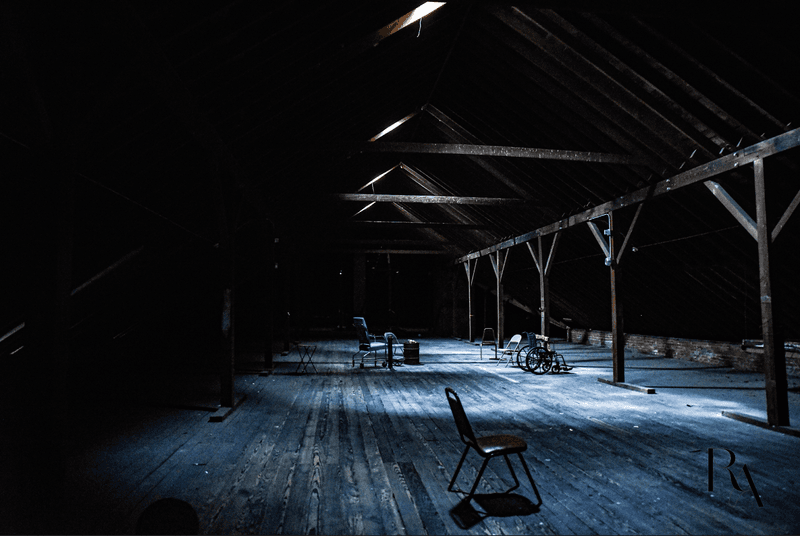
After dark, the same spaces narrow into cones of flashlight light, muffled footsteps, and long pauses that make the building seem even larger.
A good night visit is not all jumpy tension from start to finish. It tends to unfold in waves. There are stretches of conversation, setup, and orientation, followed by quieter pockets where every creak, draft, and distant shift of sound gets amplified by the age of the structure.
That rhythm works especially well here because the site is so expansive. Groups can spread into different rooms and floors without the whole experience collapsing into one crowded cluster.
The result is a more personal sense of exploration, which is crucial in a place that depends on silence and attention more than spectacle.
Season also changes the feel. In colder months, the contrast between heated areas and chillier sections of the building can heighten the physical awareness of moving through the space.
Summer and shoulder seasons may make lingering easier, especially for people who want to take photos, run equipment, or simply sit with the building’s ambient sounds.
If you are planning a visit, the smartest approach is to treat the night as a long-form experience rather than a quick adrenaline hit. Bring patience, layers, and realistic expectations. The building rewards time better than speed.
There is also a practical lesson tucked inside the haunted reputation. This is an active historic destination with organized access, not a place to wander into casually because a map listing made it look abandoned.
Once that is understood, the night opens up properly, and Winchester’s most talked-about landmark can be experienced on its own terms.
Guides, Storytelling, and the Building’s Unscripted Energy
One of the strongest assets at the Official Randolph County Asylum/Infirmary is not a prop, a rumor, or a staged scare. It is interpretation.
A building this large and loaded with history can become overwhelming fast unless someone helps frame what you are seeing, why certain rooms matter, and how the property evolved over time.
That is where guides make a noticeable difference. The site has earned praise not only for paranormal intrigue, but also for staff members who can explain the structure with clarity and personality.
A good guide gives the building shape, turning a maze of old rooms into a sequence of stories, functions, and visual clues.
This matters because spooky places often fail when they lean too hard on mystery and not enough on context. Here, the historical rundown appears to be part of the appeal rather than an obligation to sit through before the fun starts.
That approach strengthens the whole experience, since every hallway and doorway carries more meaning once you know how the building served the county.
There is also a welcome looseness to the atmosphere described by returning guests. The experience can be informative without becoming stiff, and eerie without becoming corny.
That balance is harder to achieve than it sounds, especially in a setting that attracts everyone from first-time curiosity seekers to seasoned paranormal investigators.
Because of that, the building retains an unscripted quality. You are not being pushed from one mandatory scare point to the next.
Instead, the combination of historical storytelling and open exploration lets the place create its own momentum. For many historic landmarks, interpretation is a side feature. At Randolph County’s asylum and infirmary, it is one of the reasons the destination holds together so well.
The stories do not replace the architecture, and the architecture does not drown out the stories. Each one sharpens the other, room by room, as the night moves forward.
Why This Midwest Landmark Hits Harder Than a Typical Haunted Stop
Plenty of places in the Midwest advertise haunted history, but the Official Randolph County Asylum/Infirmary stands apart because it functions on several levels at once.
It is visually commanding, historically weighty, operationally accessible, and flexible enough to serve ghost hunters, photographers, preservation fans, and plain old curious travelers.
Very few sites manage that combination without flattening into gimmick. The building also benefits from being genuinely large and structurally expressive. You do not have to be told how to react to it.
The mass of the brick exterior, the institutional layout, and the worn interior surfaces create their own tension without any exaggerated narration.
Then there is the location factor. Winchester is not trying to pass itself off as a polished horror capital, which helps the asylum feel more grounded and more surprising.
Finding a place with this much presence along a highway in eastern Indiana adds a layer of discovery that urban haunted attractions rarely match.
Its reputation has clearly spread beyond local curiosity, yet the property still reads like a community-rooted preservation effort rather than a corporate fright machine. That difference shapes the entire tone of a visit.
You are stepping into a landmark with caretakers, regular programming, and a visible stake in keeping the structure alive.
It is also a place that accommodates skepticism better than many haunted destinations do. If paranormal investigation is not your thing, the architecture and county history still justify the trip.
If the supernatural angle is exactly why you came, the building offers the long-form access and atmosphere that make that pursuit meaningful. In the end, the Randolph County Asylum/Infirmary stands out because it never has to choose one identity.
It is a historic landmark, a preservation project, a late-night destination, and one of Indiana’s most talked-about eerie sites all at once. That layered identity is exactly why it ranks among the Midwest’s most unforgettable haunted places.