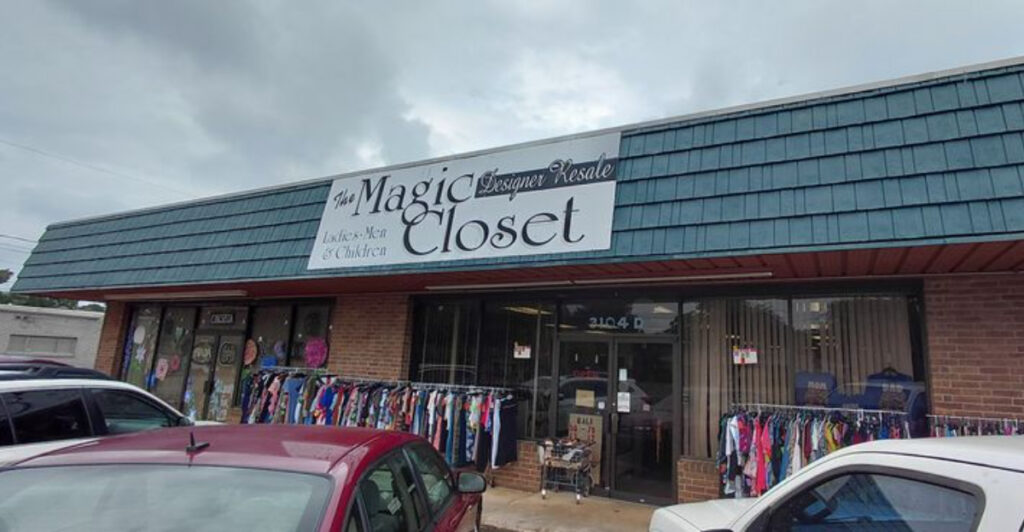
On Gilmer Road in Longview, Magic Closet offers a thrift shop experience that feels more like a treasure hunt than a quick shopping stop.This consignment treasure trove has built a loyal following among East Texans who know that the best finds require a little patience and a keen eye. Whether you’re hunting for designer denim at a fraction of retail prices or stocking up on seasonal wardrobes without breaking the bank, this unassuming storefront delivers surprises around every rack.
1. Name Brand Bargains That Actually Make Sense
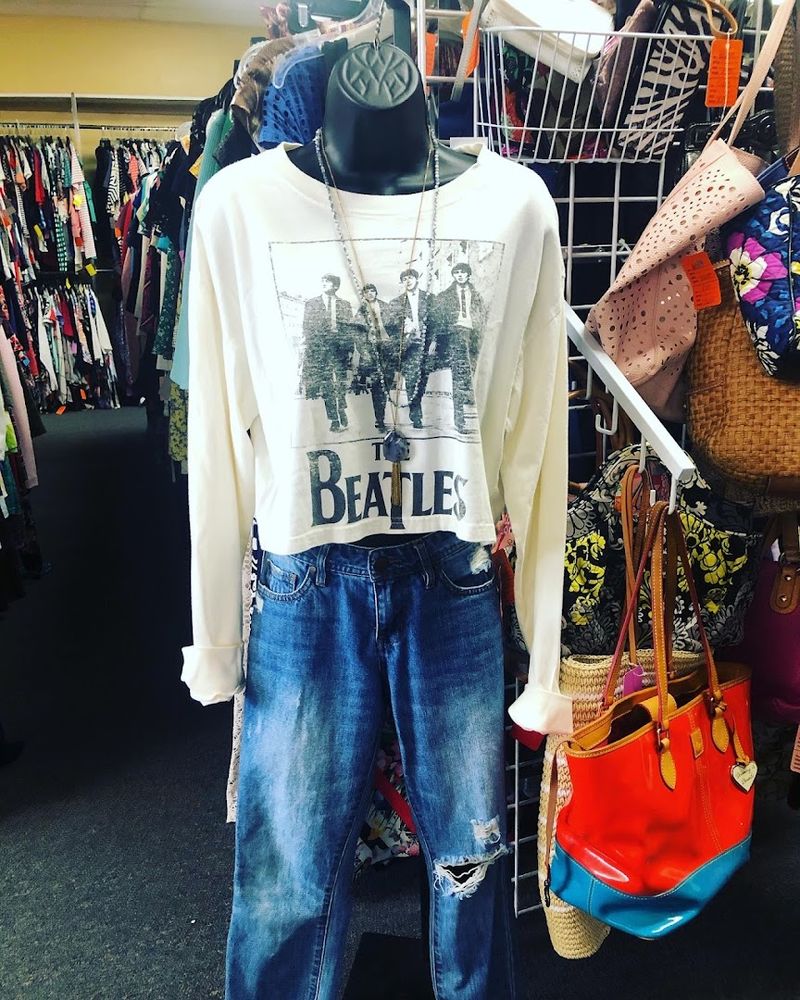
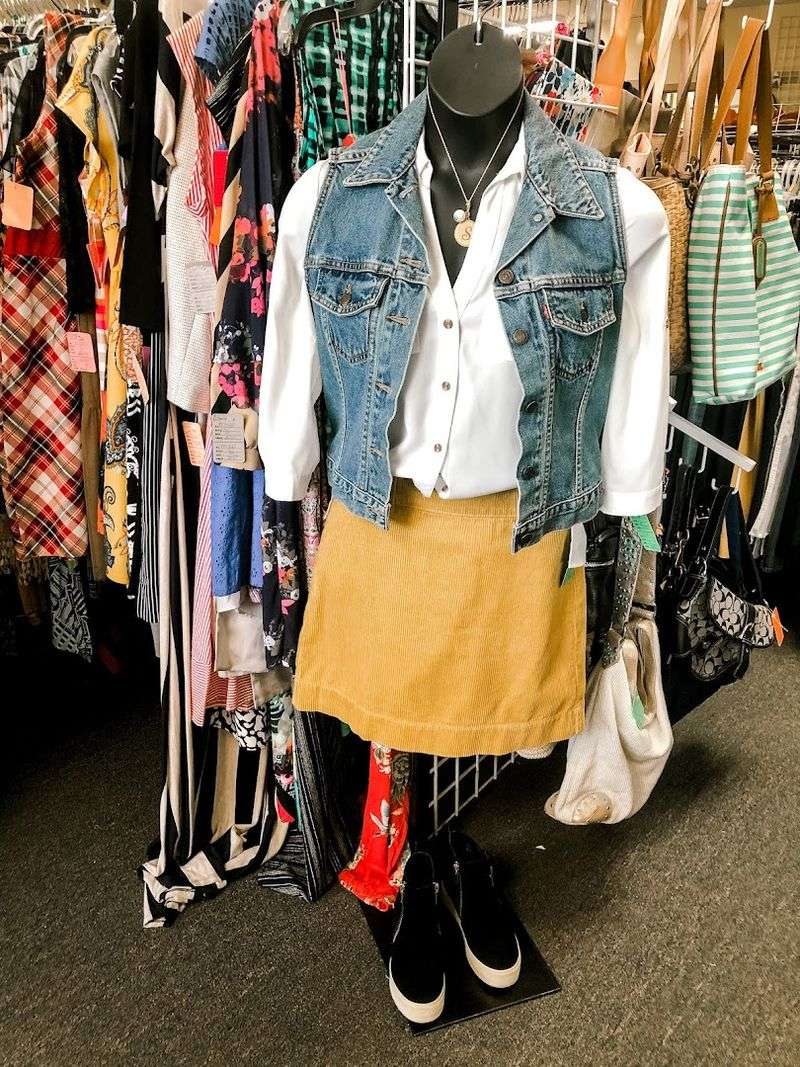
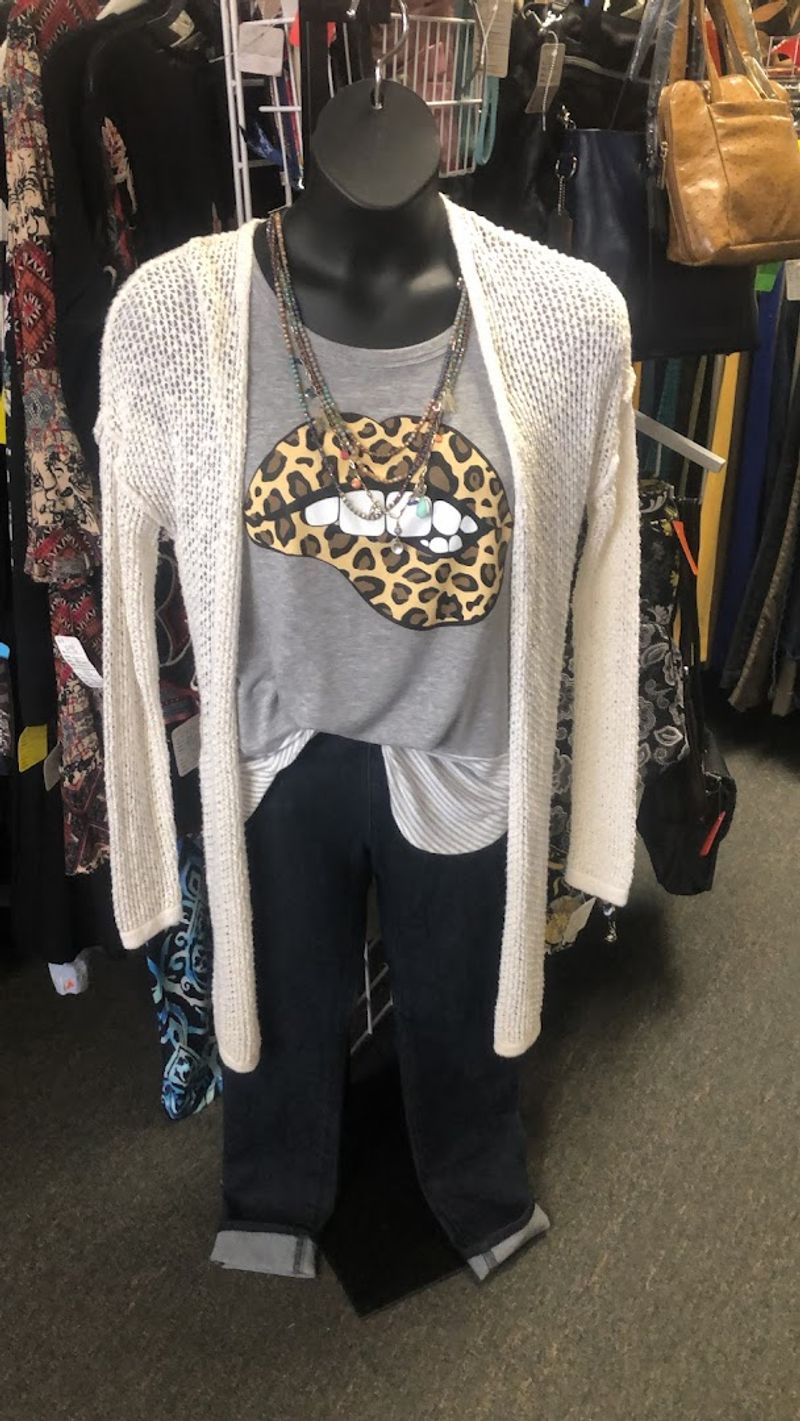
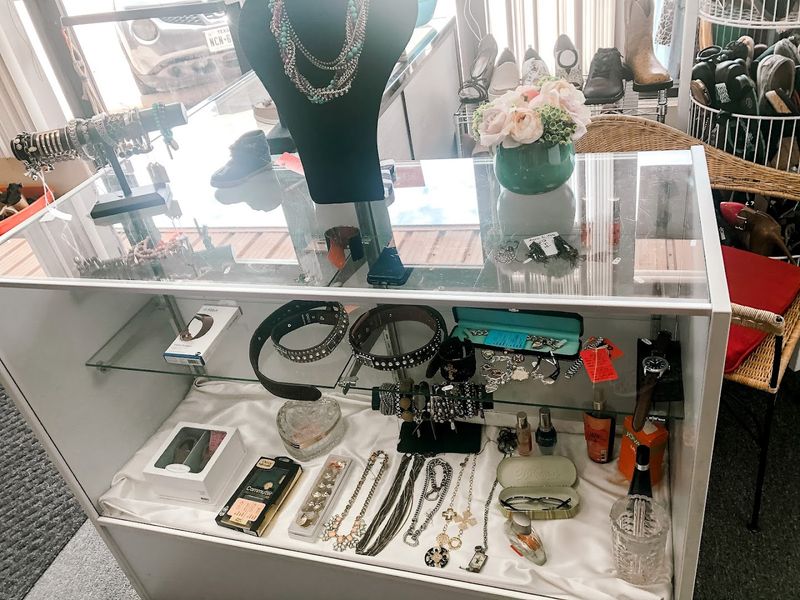
Walk into most consignment shops and you’ll find a random jumble of whatever people brought in last week. Magic Closet operates differently. Shoppers consistently mention finding Lucky Brand jeans, Coach accessories, and other recognizable labels without having to dig through mountains of fast fashion rejects.
The selection process matters here. Staff curate what makes it to the sales floor, which means you’re not wasting time sorting through stained t-shirts or worn-out sneakers. One customer snagged a cardigan, two sweaters, a blouse, Lucky Brand jeans, flare pants, and a skirt for under twenty bucks—that’s the kind of haul that keeps people coming back.
Prices can run higher than your typical Goodwill, but there’s a reason for that. Quality control means better condition, better brands, and clothing that actually lasts. When you factor in the regular sales and color-coded discount tags, the value proposition makes sense.
Families especially appreciate the name-brand children’s clothing. Kids outgrow everything in what feels like minutes, so paying full retail feels wasteful. Magic Closet stocks gently used kids’ gear that holds up through active play and multiple wash cycles.
The store rotates inventory regularly, so frequent visitors develop a habit of checking in weekly. That’s when the real treasures surface—brand-new items with original tags still attached, donated or consigned by someone who never got around to wearing them.
2. Color-Coded Sales That Reward the Patient Hunter
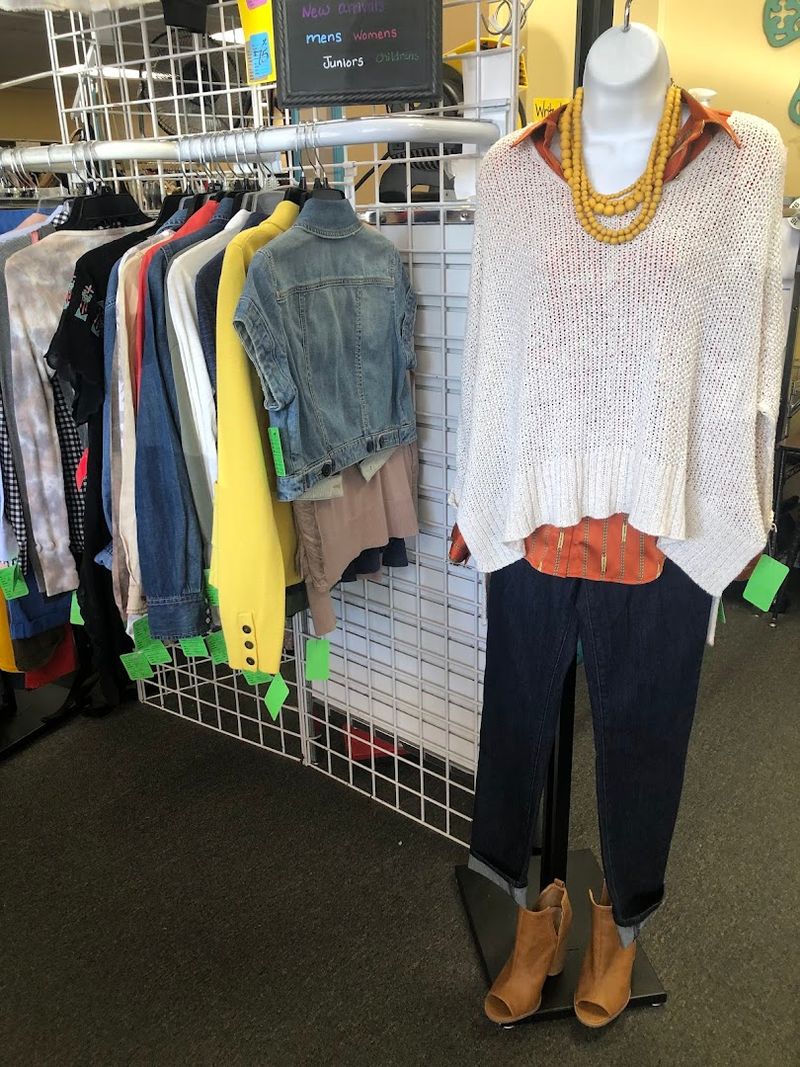
Here’s where Magic Closet separates casual browsers from serious bargain hunters. The color-coded tag system rotates discounts throughout the week, with different hues marking merchandise for 50% off, 75% off, or even fixed prices like one or three dollars.
Regulars know to check the wall when they walk in. That’s where the current sale colors get posted, and it changes which sections of the store become goldmines on any given day.
This system rewards people who shop strategically rather than impulsively. Spot something you like but the tag color isn’t on sale yet? Make a mental note and come back in a few days when that color drops to clearance pricing.
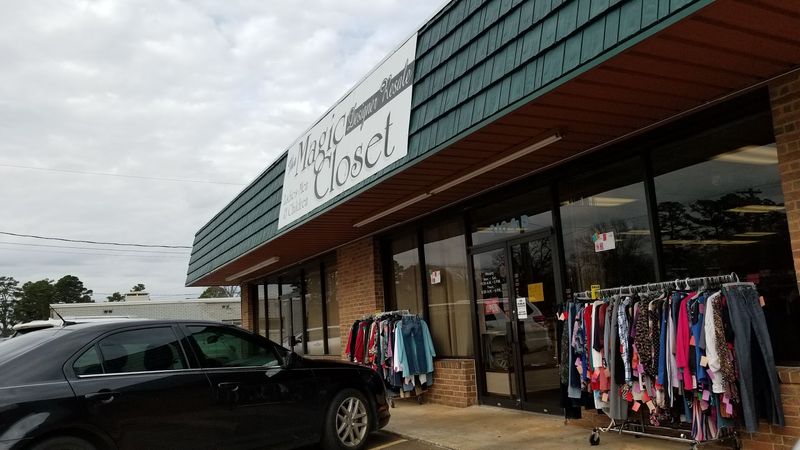
The outdoor racks deserve special mention. These areas often hold overflow inventory or seasonal transitions, and they’re where the deepest discounts tend to cluster. One reviewer called them “hidden treasures,” which isn’t an exaggeration if you’re willing to spend time browsing.
Timing your visits around these sales makes a massive difference in your final total. That same twenty-dollar haul mentioned earlier? It might have cost sixty or seventy without hitting the right color tags.
Smart shoppers follow Magic Closet’s social media to track when their favorite colors go on markdown.
The tag system also keeps inventory moving, which means fresh merchandise cycles through regularly. Unlike stores where the same tired items sit for months, Magic Closet’s sales strategy ensures constant turnover and new discoveries.
3. That Signature Fragrance Everyone Mentions

Step through the door and you’ll immediately notice something unusual for a secondhand shop: it smells good. Really good. Multiple reviews specifically call out the pleasant fragrance that greets customers, which stands in stark contrast to the musty odor that plagues many thrift stores.
This isn’t accidental. The owners clearly prioritize creating an inviting shopping environment, and scent plays a huge role in that experience. When you’re browsing used clothing, knowing everything has been cleaned and cared for properly makes all the difference.
Some shoppers have complained about pricing being steep for used items, but they still acknowledge the fresh-smelling inventory. That clean scent signals quality control—these clothes aren’t just thrown on racks straight from donation bags.
The fragrance extends to the clothing itself. Customers who’ve made purchases report that items still smell pleasant when they get them home, which means proper storage and care between consignment and sale. Nobody wants to buy a great jacket only to discover it reeks of mothballs or cigarette smoke.
For people sensitive to smells, this attention to detail matters immensely. Thrift shopping can trigger headaches or allergies when stores don’t maintain proper ventilation or cleaning protocols. Magic Closet’s commitment to a fresh environment makes the treasure hunt actually enjoyable rather than something you endure for savings.
Christian music playing in the background adds to the welcoming vibe, creating an atmosphere that feels more boutique than bargain basement.
4. Consignment That Splits Profits With You
Magic Closet operates on a straightforward consignment model: bring in your gently used clothing, and if it sells, you get half the profit. This arrangement appeals to people looking to recoup some value from closets bursting with barely worn items.
The shop accepts seasonal clothing Wednesday through Saturday, which helps them maintain current inventory. Bringing winter coats in July won’t work—they’re curating for what customers actually want to buy right now.
Quality standards matter here. Not everything you bring will make the cut, but items that don’t get accepted go to Hope’s Closet as donations rather than being returned to you. This saves everyone time and benefits a local charity in the process.
The sixty-day window gives your items time to sell, though some reviewers have expressed confusion about policies regarding picking up unsold merchandise. Reading the consignment contract carefully prevents misunderstandings about what happens after that timeframe expires.
For families cycling through kids’ clothing at lightning speed, consignment offers a practical solution. Outgrown items in good condition can fund the next size up, creating a sustainable rotation that doesn’t drain your wallet.
Some customers have reported frustration when high-value items like Jordan sneakers or designer jeans didn’t appear in their account. Clear communication with staff about expectations and checking your account regularly helps avoid disappointment. The system works well when both parties understand the terms upfront.
5. Hours That Work for Working People
Magic Closet keeps consistent hours that make planning visits straightforward: 10:30 AM to 5:00 PM Monday through Saturday, closed Sundays. This schedule works well for people who can shop during lunch breaks or early afternoons.
The 10:30 opening gives staff time to prepare the floor, restock from consignments, and organize new inventory before customers arrive. Early birds hoping to catch fresh merchandise might aim for late morning when everything’s freshly arranged.
That 5:00 PM closing time has sparked some controversy. Multiple reviewers mentioned feeling rushed when arriving close to closing, with staff announcing the impending closure or even asking customers to wrap up before the official time.
If you want the full browsing experience without pressure, arrive well before 4:00 PM. Thrift shopping requires time to properly hunt through racks, and nobody enjoys feeling hurried when they’re trying to evaluate whether something fits their style and budget.
The Sunday closure aligns with the shop’s Christian values, reflected in the music selection and overall atmosphere. For six-day-a-week shoppers, this means planning weekend trips for Saturdays instead.
Longview locals appreciate the reliability—the store maintains these hours consistently, so you’re not showing up to find unexpected closures or shortened days. That predictability matters when you’re incorporating thrift shopping into your regular routine rather than treating it as a once-in-a-while adventure.
6. Customer Service That Splits Opinion
Reviews paint a wildly inconsistent picture of the customer service experience at Magic Closet. Some shoppers rave about the helpful, funny staff who make visits genuinely enjoyable. Others describe feeling unwelcome or treated like a burden.
One customer specifically praised the lady behind the counter for being helpful and keeping everyone laughing throughout their visit. That kind of warm interaction transforms routine shopping into something memorable, building the loyal customer base that keeps any small business thriving.
On the flip side, multiple reviews mention staff seeming annoyed with customers, whether they’re calling about consignment accounts or browsing near closing time. One person was told they were talking too loudly on their phone during checkout—an interaction that ended a years-long customer relationship.
The inconsistency suggests that your experience might depend heavily on which staff members are working when you visit. Some employees clearly excel at hospitality, while others may be having off days or simply aren’t natural people-persons.
For a shop with Christian music and values, the negative service experiences feel particularly jarring to customers who expected warmth and grace. Several reviews specifically mention this disconnect between the atmosphere the store projects and how they felt treated.
If you encounter less-than-stellar service, consider whether it’s worth trying again on a different day. The positive reviews are enthusiastic enough to suggest that good experiences do happen regularly—they just might not be universal.
7. Space That Feels Packed or Cozy Depending on Your Perspective
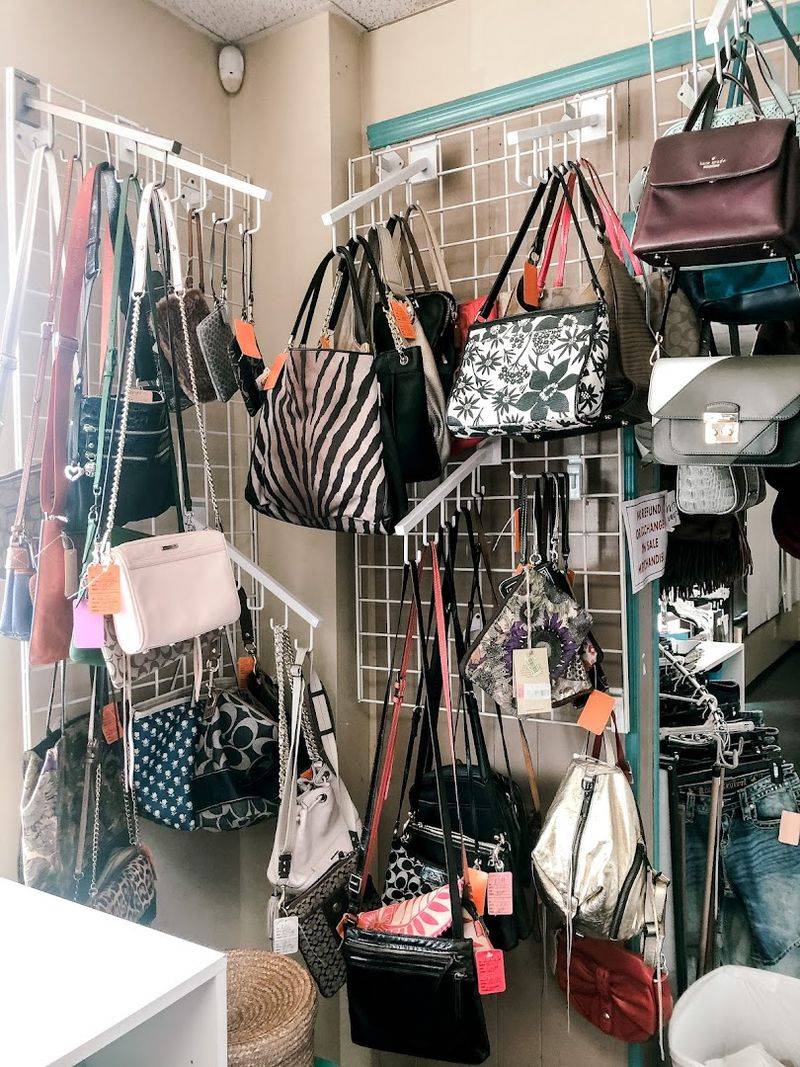
One person’s “crammed” is another person’s “well-stocked,” and Magic Closet definitely maximizes every square foot of retail space. The shop packs substantial inventory into what isn’t an enormous building, which creates different reactions depending on your shopping style.
Treasure hunters love dense inventory. More merchandise means more potential finds, and the thrill comes from discovering that perfect piece buried among the racks. These shoppers don’t mind tight quarters because they’re focused on the hunt itself.
Others find the packed layout overwhelming or difficult to navigate. One reviewer specifically mentioned the cramped conditions making shopping challenging, combined with complaints about lighting that made evaluating clothing colors and conditions harder.
The reality is that consignment shops face a constant balancing act. Too sparse and customers complain about limited selection; too packed and people feel claustrophobic. Magic Closet clearly leans toward maximizing inventory, which serves their frequent-visitor model well.
The organized approach helps mitigate the density. Clothing gets sorted by type, size, and season rather than randomly jammed onto racks. This structure means you can navigate efficiently to your section without wandering aimlessly through departments that don’t interest you.
If crowds and tight spaces trigger anxiety, visit during weekday mid-mornings when traffic tends to be lighter. You’ll have more breathing room to browse and won’t feel rushed by other shoppers trying to access the same racks.
8. The Social Media Strategy for Smart Shoppers
Here’s an insider trick that separates casual shoppers from the people who score the best deals: follow Magic Closet on Facebook and Instagram. The store actively uses social media to announce new inventory hitting the floor, upcoming sales, and special promotions.
This strategy serves both the business and customers well. The shop generates excitement about fresh merchandise, while followers get advance notice about when to visit for the best selection. It’s particularly useful for people shopping for specific items like kids’ seasonal clothing or particular brands.
Checking the social feeds before making the drive to Gilmer Road saves wasted trips. If you’re hunting for winter coats and the latest posts show summer dresses, you’ll know to wait a few weeks for seasonal inventory to rotate.
The store also uses these platforms to clarify policies, announce hour changes, or address customer concerns. Following along keeps you informed about any operational updates that might affect your shopping plans.
Engaged followers sometimes get first dibs on particularly desirable items. When the store posts about high-end brands or unusual finds, savvy shoppers head over quickly before someone else snatches them up.
This digital connection also helps build community among regular customers. People comment on posts sharing their recent finds or asking about specific items, creating a network of thrift enthusiasts who trade tips and celebrate good scores. For a local consignment shop competing against big-box retailers and online shopping, this social media presence keeps them relevant and top-of-mind.