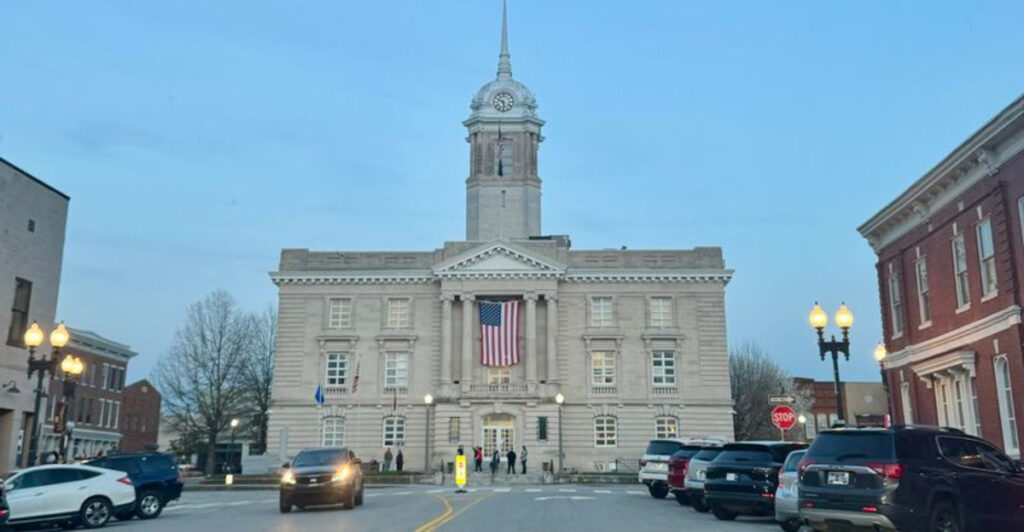
Tennessee’s small towns hold a special kind of magic that big cities just can’t replicate. Walking down their historic main streets feels like stepping into a storybook where every storefront has character and every corner reveals something unexpected.
From antique shops tucked into century-old buildings to local cafes serving up Southern hospitality with every meal, these charming downtowns invite you to slow down and savor the moment. Whether you’re hunting for unique treasures, grabbing a scoop of homemade ice cream, or simply enjoying the architecture, these ten Tennessee towns offer main streets worth visiting again and again.
1. Jonesborough
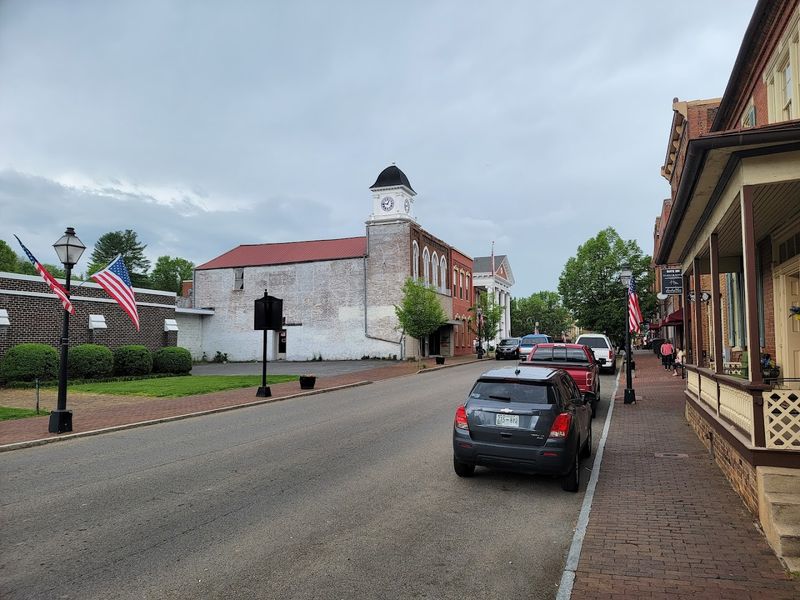
America’s oldest town in Tennessee doesn’t just rest on its laurels. Jonesborough’s main street bursts with color, personality, and stories that date back to 1779.
Walking these sidewalks means passing buildings that witnessed the birth of the state itself.
The storefronts here aren’t corporate chains but locally owned shops where proprietors actually remember your name. You’ll find everything from handcrafted pottery to rare books, each store reflecting the passion of its owner.
The Chester Inn Museum anchors one end of the street, while cozy cafes and restaurants line the route between.
What really sets this main street apart is the International Storytelling Center, which draws visitors from around the world. Even if there’s no festival happening, the spirit of storytelling permeates every conversation you’ll overhear at the coffee shop or bookstore.
Street benches invite you to sit and people-watch, something that never gets old here.
Architecture buffs will notice the careful preservation work that keeps historical integrity intact while allowing businesses to thrive. The brick facades, original windows, and period details transport you backward in time without sacrificing modern convenience.
Come during fall when the surrounding mountains paint the backdrop in brilliant oranges and reds.
2. Bell Buckle
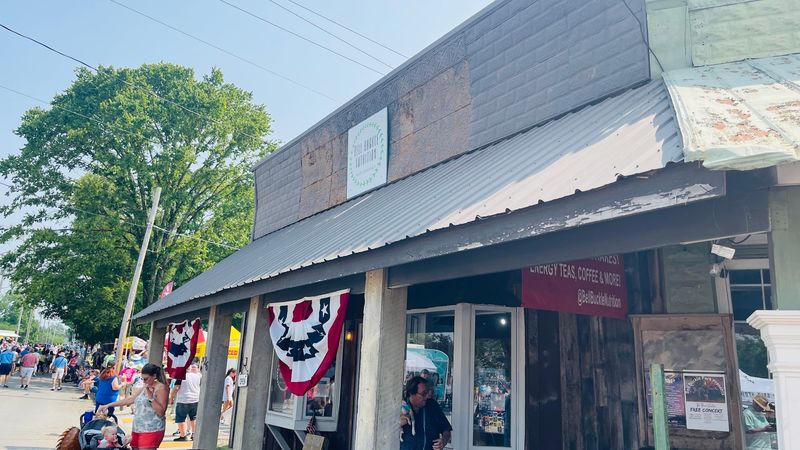
Tiny but mighty, Bell Buckle packs more charm per square foot than towns ten times its size. This village of fewer than 600 residents maintains a main street that feels like it was designed specifically for leisurely strolls.
The pace here isn’t just slow—it’s deliberately unhurried, inviting you to linger over every detail.
Antique lovers consider this place hallowed ground. Multiple shops overflow with vintage treasures, from Depression-era glassware to mid-century furniture that your grandparents probably owned.
The Bell Buckle Cafe serves up country cooking that tastes exactly like Sunday dinner at your Southern relatives’ house, assuming they’re excellent cooks.
What makes wandering here special is the sense of discovery around every corner. A tiny bookshop tucked between larger stores might contain that first edition you’ve been hunting for years.
The local craft vendors don’t just sell products—they’ll tell you the story behind each handmade item.
The town celebrates its quirky side with annual events like the RC Cola and Moon Pie Festival, which perfectly captures the playful spirit that defines the community. Even on ordinary weekdays, there’s something delightfully unexpected about this place.
The wooden porches and shaded walkways make summer visits surprisingly comfortable despite Tennessee’s heat.
3. Lynchburg
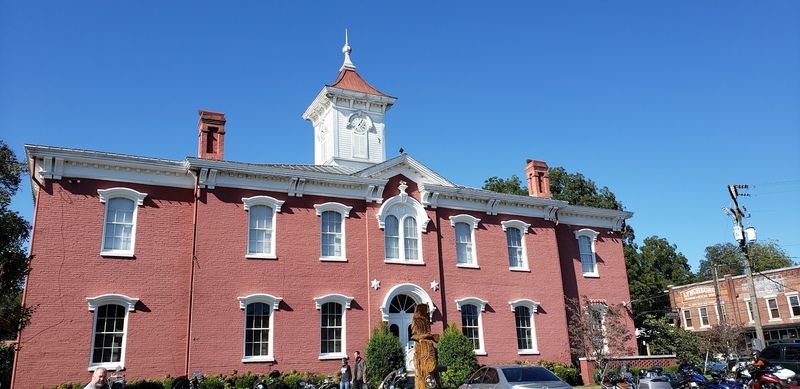
Everyone knows Lynchburg for one famous whiskey, but the town square offers so much more than distillery tours. The courthouse anchors the center like it has since the 1800s, surrounded by shops and restaurants that cater to both tourists and locals with equal enthusiasm.
Walking these streets means experiencing authentic small-town Tennessee that happens to host millions of visitors annually.
The red brick buildings house everything from old-fashioned general stores to boutiques selling handcrafted goods. Miss Mary Bobo’s Boarding House serves traditional Southern meals family-style, where strangers become friends over fried chicken and stories.
The experience feels genuinely communal rather than staged for tourists.
Beyond the obvious whiskey connection, Lynchburg maintains its identity as a working town where real people live and work. The hardware store actually serves locals, not just visitors looking for souvenirs.
You’ll see farmers in overalls shopping alongside tourists in distillery merchandise.
The square’s layout encourages circular strolling, with each side offering different attractions. Benches positioned strategically let you rest while soaking in the atmosphere.
Despite being in a dry county—yes, really—the town doesn’t lack for personality or things to do. Photography enthusiasts find endless subjects in the well-preserved architecture and genuine moments of small-town life happening all around.
4. Dandridge
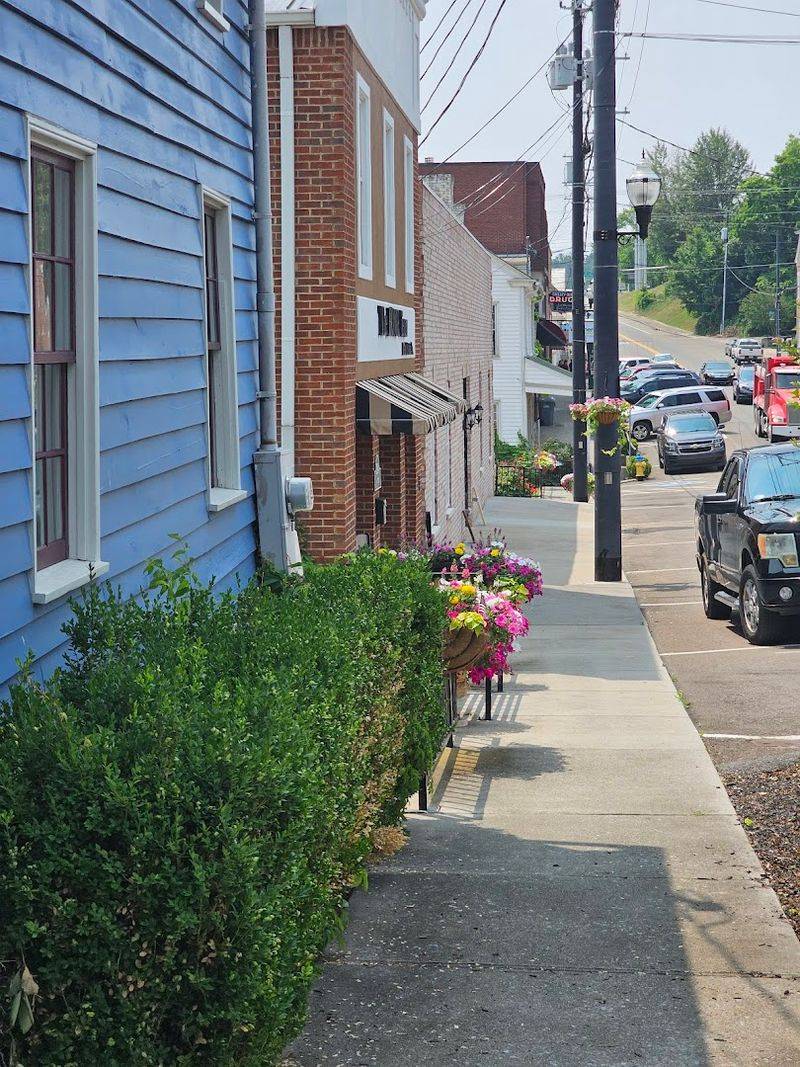
Perched near Douglas Lake, Dandridge claims the distinction of being Tennessee’s second-oldest town. Its main street showcases this heritage through buildings that have weathered centuries while adapting to modern needs.
The proximity to water gives this downtown a different feel from landlocked counterparts—there’s a breeziness to the atmosphere that matches the lake views.
Antique shops dominate the retail landscape, but these aren’t dusty repositories of forgotten junk. Curated collections reflect serious knowledge and passion for preservation.
The courthouse, dating to the early 1900s, stands as a testament to classical architecture that modern buildings rarely attempt. Walking past it feels like touching living history.
Local restaurants serve everything from classic Southern comfort food to surprisingly sophisticated cuisine. The variety means you could visit multiple times without repeating a meal.
Shop owners often sit outside their stores, ready to chat about the town’s history or recommend hidden gems only locals know about.
What Dandridge does exceptionally well is balance tourism with authenticity. The town welcomes visitors without pandering to them or losing its essential character.
Streets remain walkable and human-scaled rather than dominated by parking lots. The surrounding mountains provide a dramatic backdrop that changes with seasons and weather, making each visit visually distinct from the last.
5. Columbia
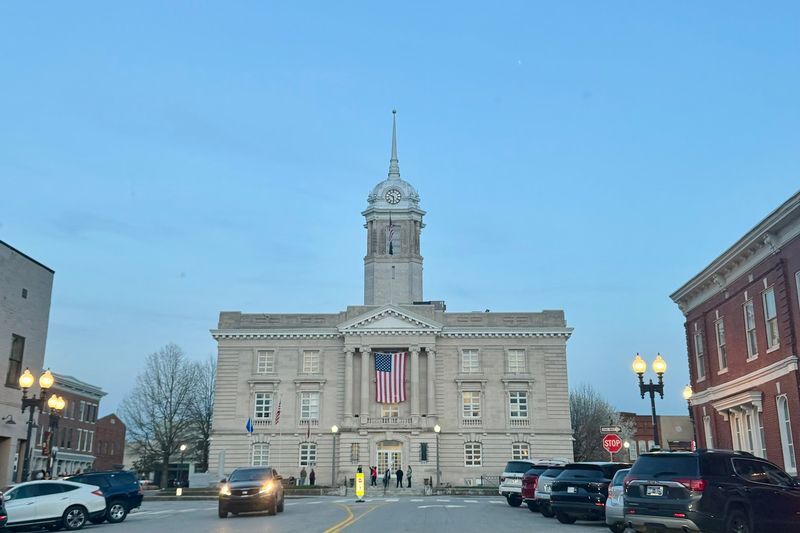
Columbia wears its history with pride but doesn’t live in the past. The town square radiates outward from a magnificent courthouse that commands attention without overwhelming the surrounding businesses.
This is where Mule Day happens each spring, a tradition so uniquely Tennessee that it defies easy explanation to outsiders.
The main street shopping experience here mixes practical with pleasurable. You’ll find working businesses serving community needs alongside boutiques and specialty shops catering to visitors.
Antique stores offer serious inventory for collectors, not just touristy knickknacks. Several restaurants serve elevated Southern cuisine that respects tradition while adding creative touches.
Architecture enthusiasts notice the variety of building styles representing different eras of prosperity and growth. Some structures date to the antebellum period, while others showcase Victorian or early 20th-century commercial design.
The preservation efforts here focus on maintaining character rather than creating a theme-park version of history.
Walking these sidewalks means encountering genuine community life. You’ll see locals conducting business, meeting friends for coffee, and going about their daily routines.
The atmosphere welcomes outsiders without performing for them. Several murals add color and artistic interest to building facades, telling stories about local heritage and culture.
The street layout encourages exploration, with interesting discoveries waiting just around corners or down side streets branching off the main thoroughfare.
6. Greeneville
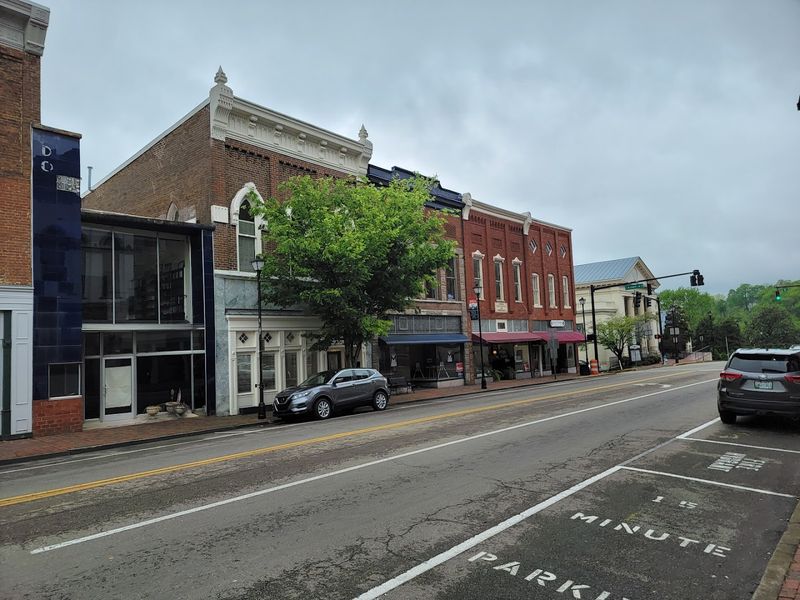
Presidential history meets small-town charm in Greeneville, where Andrew Johnson’s legacy intertwines with modern community life. The main street feels substantial without being overwhelming, offering enough variety to satisfy a full day of exploration.
Tree-lined sidewalks provide welcome shade during summer months when Tennessee heat can make walking less pleasant elsewhere.
The downtown district showcases careful restoration work that honors historical integrity while supporting contemporary businesses. Coffee shops occupy buildings that once housed completely different enterprises, their exposed brick and original details now considered desirable features.
Local boutiques offer clothing and gifts you won’t find in chain stores, each reflecting the owner’s particular vision and taste.
What distinguishes Greeneville is the palpable sense of civic pride. Residents clearly care about their downtown and actively support local businesses.
You’ll notice this in the well-maintained storefronts, clean sidewalks, and thriving rather than struggling retail landscape. The Andrew Johnson National Historic Site draws history buffs, but the surrounding downtown rewards casual wanderers equally well.
Restaurants range from classic meat-and-three Southern diners to more contemporary options serving farm-to-table fare. The variety means different visits can have completely different flavors.
Evening walks reveal a different character as businesses close and the architecture becomes more prominent. The lighting design highlights historical features without feeling overly staged or artificial.
7. Paris

Yes, Paris has its own Eiffel Tower, and no, it doesn’t feel gimmicky when you see it in person. The 60-foot replica adds whimsy to a downtown that balances playfulness with serious respect for its heritage.
The courthouse square follows the classic Tennessee pattern, with streets radiating outward and businesses clustered around the governmental center.
Shopping here means discovering stores that serve both practical and recreational purposes. The hardware store stocks what locals actually need, while gift shops offer souvenirs that don’t insult your intelligence.
Several antique stores contain impressive inventory that rewards serious browsing. You might spend an hour in one shop and barely scratch the surface of what’s available.
Dining options reflect the town’s personality—friendly, unpretentious, and committed to doing things right. Whether you want a quick lunch or a leisurely dinner, you’ll find options that deliver quality without attitude.
The local coffee culture has developed nicely, with spots that understand how to create welcoming spaces for lingering conversations.
Walking these streets reveals layers of history through architecture that spans multiple generations. Some buildings show their age proudly, while others have been updated with sensitivity to original design.
The overall effect creates visual interest without chaos. The community calendar stays full with events that draw people downtown regularly, keeping the area vital rather than merely preserved.
8. Granville
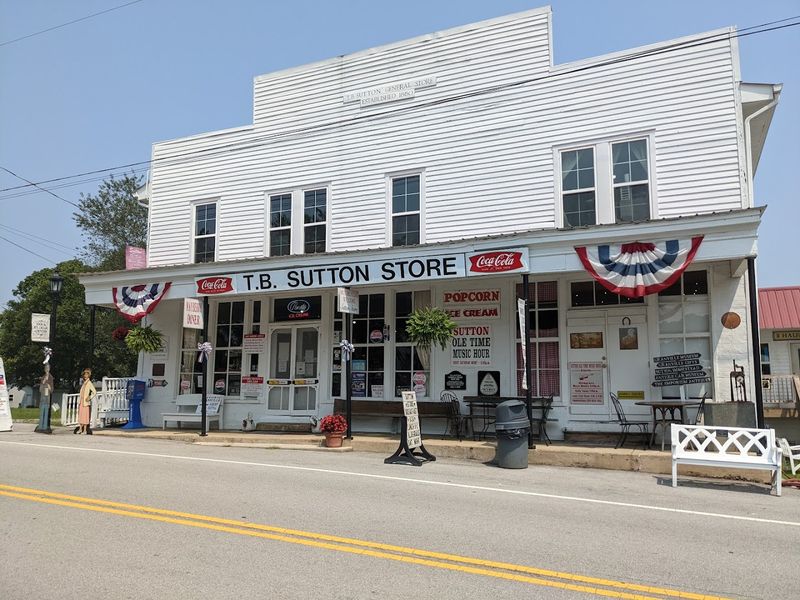
Blink and you might miss Granville, but that would be a genuine loss. This tiny community maintains a main street that feels frozen in time without being a museum piece.
The pace here makes other small towns seem rushed by comparison. Coming here means accepting that you’ll slow down whether you planned to or not.
The historic Granville Museum occupies a former hotel and general store, preserving artifacts and stories from when this was a bustling crossroads. Walking through connects you to rural Tennessee life from generations past.
The few shops operating today emphasize handmade goods and local crafts, with owners who have time for actual conversations rather than rushed transactions.
What Granville offers is authenticity without pretense. There’s no marketing department crafting the town’s image—what you see is simply what exists.
The buildings show honest wear from decades of use and weather. Paint peels in places, wood ages naturally, and the overall effect is more beautiful than any staged restoration could achieve.
Visitors often report feeling like they’ve stepped into a different era, but locals will tell you this is just regular life here. The surrounding countryside provides stunning views, especially during fall when colors explode across the hillsides.
Coming here requires intentionality—it’s not a place you stumble upon accidentally. That selectivity helps preserve the quiet character that makes it special.
9. Pulaski
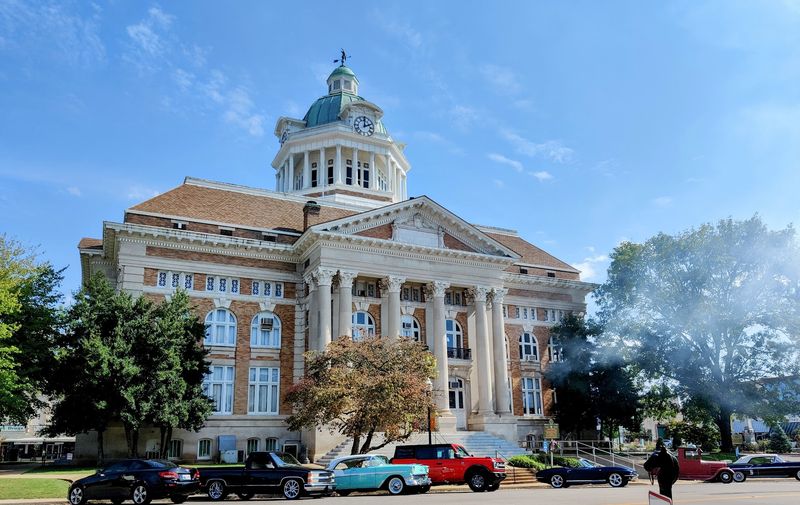
Pulaski’s main street surrounds a courthouse square that has witnessed the full complexity of Tennessee history, both proud moments and painful ones. The town confronts its past honestly while building a future focused on community and inclusion.
Walking here means experiencing a downtown in active transition, honoring heritage while embracing change.
The commercial buildings showcase impressive architectural details from the late 19th and early 20th centuries. Decorative brickwork, original storefronts, and period signage create visual interest at every turn.
Several shops focus on antiques and collectibles, offering inventory that ranges from affordable trinkets to serious investment pieces. Local restaurants serve classic Southern cooking that satisfies without trying to be fancy.
What makes strolling here worthwhile is the genuine sense of community you’ll encounter. Locals gather on the square for events, conversations, and everyday errands.
The atmosphere welcomes strangers without making a fuss about them. You’re simply another person enjoying the downtown, not a tourist to be managed or sold to aggressively.
The town has worked to revitalize its downtown in recent years, with visible results in occupied storefronts and well-maintained buildings. Public art installations add contemporary elements without overwhelming the historical character.
The square hosts regular farmers markets and community events that bring energy and life to the streets. Benches and green spaces invite lingering, making this a place for being rather than just passing through.
10. Townsend
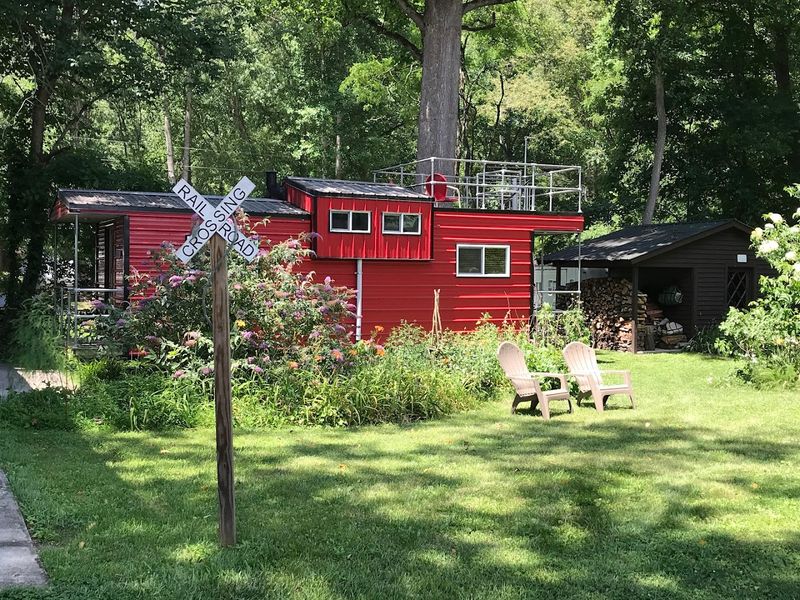
Calling itself the Peaceful Side of the Smokies, Townsend delivers on that promise with a main street that emphasizes tranquility over tourist traps. The town serves as a gateway to Cades Cove and the national park, but maintains its own identity rather than existing solely as a launching point.
Mountains dominate the skyline in every direction, creating a dramatic natural frame for the modest downtown.
Shops here cater to outdoor enthusiasts and craft lovers equally well. You’ll find quality gear for hiking and fishing alongside galleries featuring work by local artisans.
The restaurants understand that people come here to relax, so service remains unhurried and menus focus on comfort rather than complexity. Several spots offer outdoor seating where you can enjoy meals while watching the mountains change colors as the sun moves.
What Townsend avoids is the aggressive commercialization that plagues some gateway towns near popular attractions. The businesses here feel appropriately scaled to the community and landscape.
There’s no artificial village or manufactured charm—just real shops serving real needs for both locals and visitors. The Little River runs through town, adding the soundtrack of moving water to your stroll.
Fall brings spectacular color to the surrounding peaks, making this an especially rewarding time for walking the main street. Even in peak season, the town maintains its peaceful character.
The combination of mountain scenery and accessible downtown makes Townsend feel like a discovery worth returning to repeatedly.