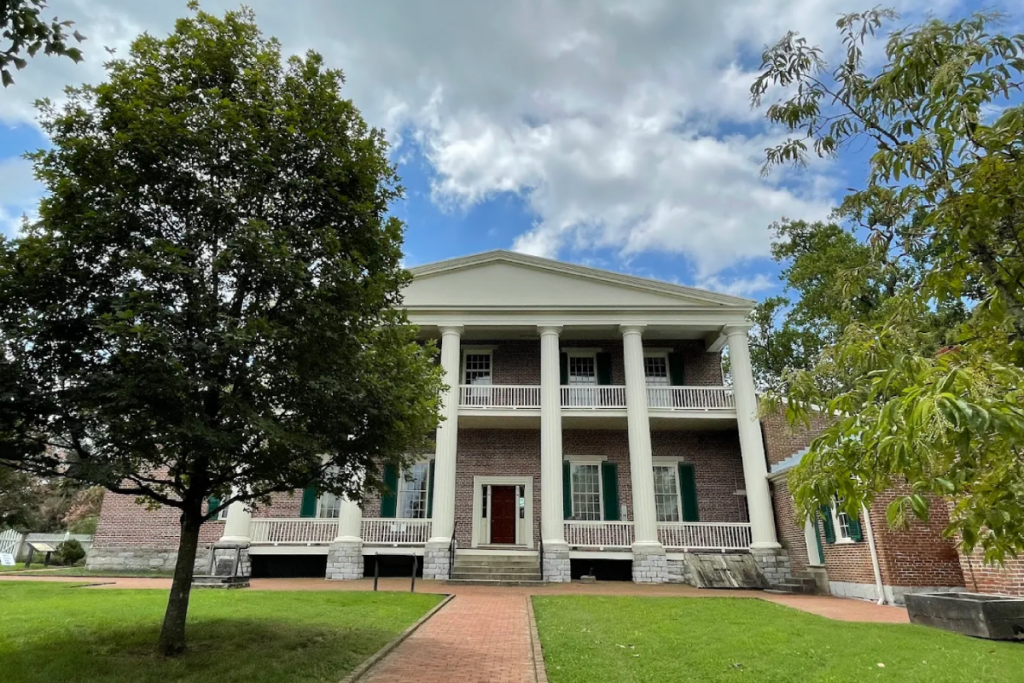
Just outside Nashville sits a place where American history still feels personal. Andrew Jackson’s Hermitage is more than a preserved mansion—it’s where one of the country’s most famous generals lived, loved, and shaped the course of a young nation.
Walking these grounds connects you to the War of 1812, presidential power, and the complex realities of early 19th-century life in Tennessee.
The Tennessee Estate Where Andrew Jackson’s Story Still Feels Close
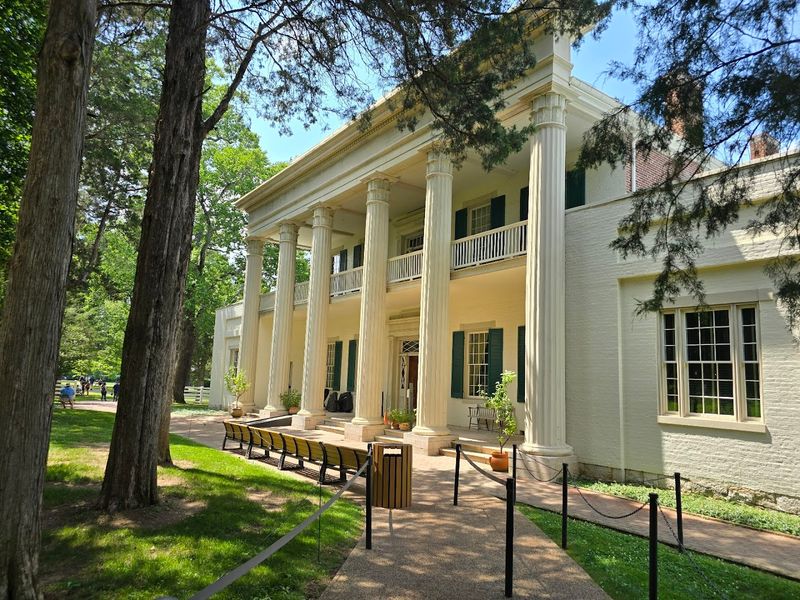
Standing on the grounds of the Hermitage, you get the sense that Andrew Jackson might still be around somewhere, checking on the fields or heading back from a ride. The estate stretches across more than 500 acres of rolling Tennessee land, and even though it’s been nearly two centuries since Jackson called it home, the place hasn’t lost its presence. The mansion, the outbuildings, the gardens—they all speak to a life lived large and loud.
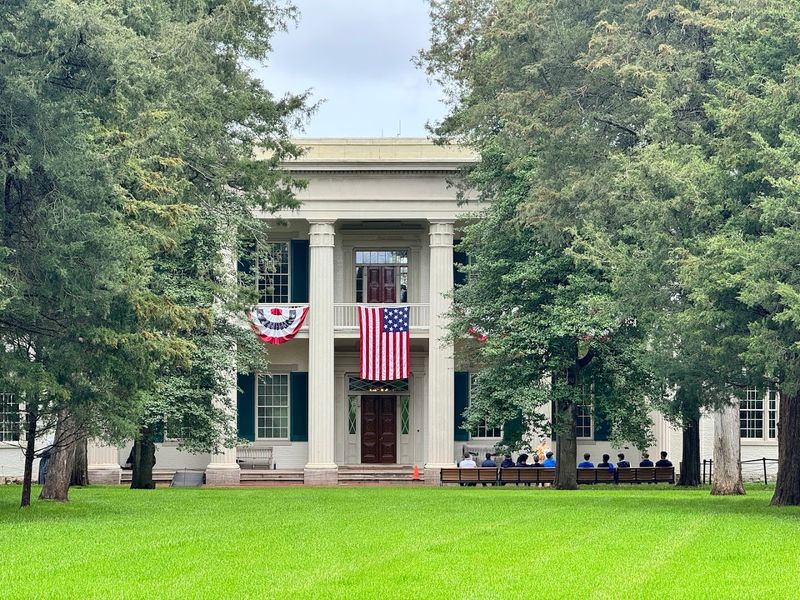
Jackson bought this land in 1804, long before he became president. Back then, it was a working plantation, and he built it into something that reflected both his ambition and his vision of what success looked like. The Greek Revival mansion you see today wasn’t the original structure—it was rebuilt after a fire in 1834, but Jackson made sure it was grander the second time around.
White columns, sweeping porches, and enough elegance to host dignitaries and politicians who came calling.
What makes the Hermitage feel different from other historic sites is how much of Jackson’s actual life is still visible here. You’re not just looking at recreations or placards—you’re walking where he walked, seeing the rooms where he made decisions that changed the country. The staff and volunteers do a solid job of keeping things authentic without making it feel like a dusty textbook.
The estate also doesn’t shy away from the harder truths. This was a plantation, and enslaved people built and maintained it. Their stories are woven into the site now, with exhibits and preserved cabins that help visitors understand the full picture.
It’s history that matters, told in a place where it actually happened, and that’s what keeps people coming back.
Walk Through the Home That Shaped One of America’s Most Famous Generals
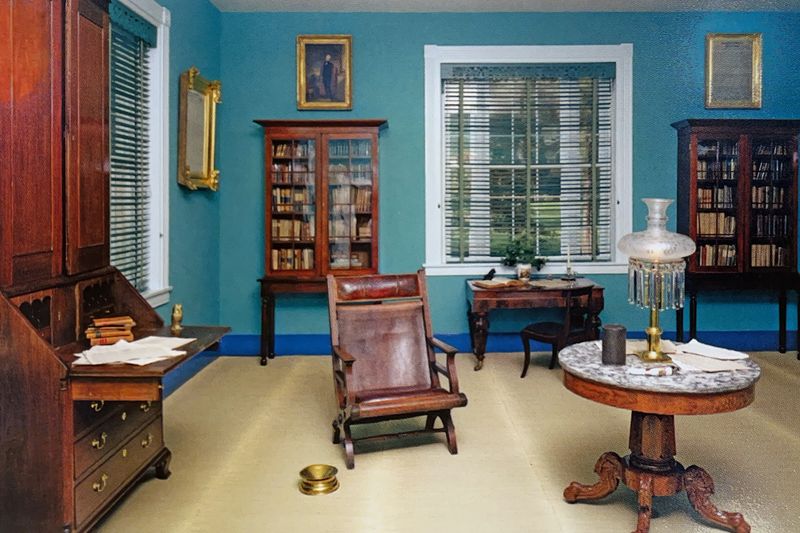
Stepping inside the Hermitage mansion is like opening a time capsule that someone actually bothered to keep in perfect condition. The wallpaper alone will stop you in your tracks—original patterns from the 1830s still clinging to the walls, faded but intact, telling you more about taste and craftsmanship than any museum label could. Jackson’s personal belongings are everywhere: his desk, his bed, his books, even his military sword.
It’s not a replica experience. It’s the real thing.
Guided tours move through the home at a steady pace, and the docents know their stuff. They’ll point out the study where Jackson handled presidential business after leaving office, the dining room where he entertained guests, and the bedroom where both he and his beloved wife Rachel spent their final days.
The house isn’t huge by modern standards, but it’s grand in the way that mattered back then—high ceilings, elegant furnishings, and a sense of formality that reminds you this was the home of a man who commanded armies and ran a country.
Photography isn’t allowed inside unless you spring for the VIP tour, which gives you more time and access. Regular tours are shorter, around 25 minutes, but they pack in a lot of context. You’ll hear about Jackson’s temper, his loyalty, his grief over Rachel’s death, and the political battles he fought from this very house.
The guides don’t sugarcoat his flaws, and that honesty makes the experience more meaningful.
Walking through these rooms, you start to understand how place and personality intersect. Jackson wasn’t just visiting Tennessee—he was rooted here. The Hermitage was his refuge, his power base, and his legacy.
Seeing it up close makes the man and his era feel a lot less distant.
See How the War of 1812 Turned Andrew Jackson Into a National Figure
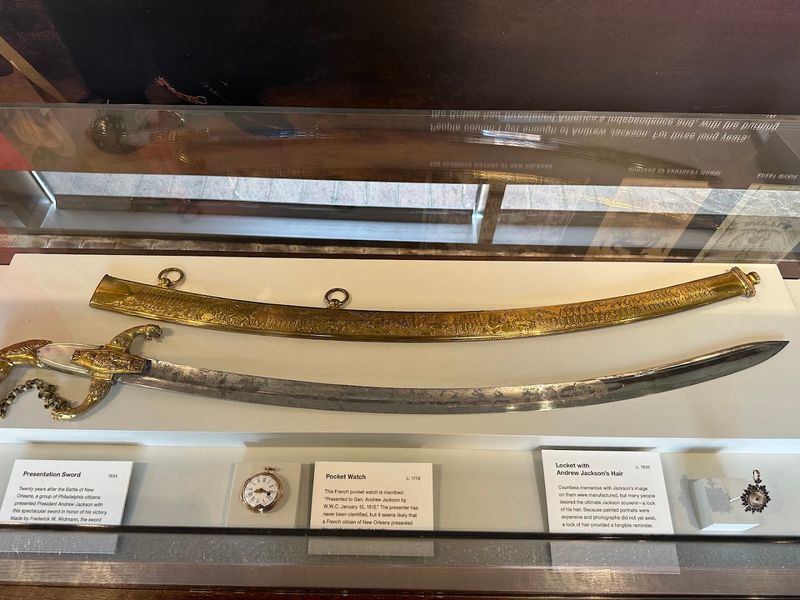
Before Andrew Jackson became president, he became a hero. The War of 1812 was the turning point, and the Hermitage does a great job of showing you exactly how a Tennessee planter and militia leader transformed into one of the most famous military figures in American history. The museum exhibits dedicate serious space to this chapter, and if you’re into military history, you’ll want to linger here.
Jackson’s victory at the Battle of New Orleans in January 1815 made him a household name. British forces had been advancing, and Jackson—leading a scrappy mix of soldiers, pirates, free Black men, and local volunteers—pulled off a stunning defensive win. The battle happened after the peace treaty had technically been signed, but news traveled slowly back then.
What mattered was that Jackson had defended American soil, and the country celebrated him for it.
The Hermitage brings this moment to life with artifacts, maps, and storytelling that connects the dots between Jackson’s military career and his later political power. You’ll see uniforms, weapons, letters he wrote during the campaign, and context about how the war shaped his reputation. The exhibits also touch on his earlier military actions, including his controversial campaigns against Native American tribes, which were brutal and had lasting consequences that the site doesn’t ignore.
Understanding Jackson’s war record is key to understanding why people followed him, feared him, and ultimately elected him. He was decisive, aggressive, and willing to take risks that others wouldn’t. Those traits made him an effective general and a polarizing president.
The Hermitage gives you the background to see both sides, and it’s one of the most compelling parts of the visit. History is rarely simple, and Jackson’s story proves it.
Explore the Grounds That Reveal More Than Just Presidential History
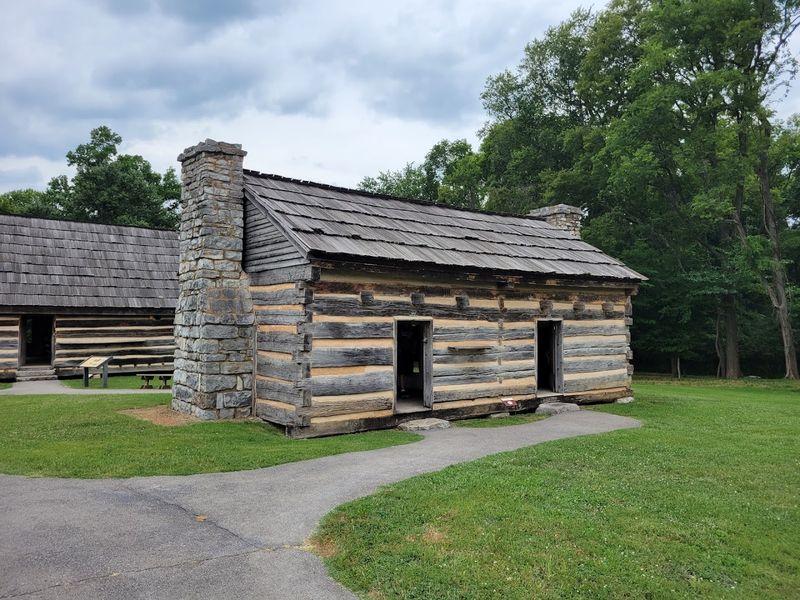
Once you finish the mansion tour, the real exploring begins. The Hermitage grounds stretch out in every direction, and there’s a lot more to see than just the big house. You can wander at your own pace, following paths that lead to gardens, cabins, a smokehouse, and even Jackson’s tomb.
It’s peaceful out here, but it’s also where some of the most important stories live.
The enslaved people who worked this land didn’t live in the mansion—they lived in small cabins scattered across the property. Several of those cabins have been preserved, and walking through them is a sobering experience. These weren’t just workers; they were people with names, families, and lives that were controlled by someone else.
The site has done more in recent years to honor their stories, including identifying burial sites and adding interpretive signs that explain who they were and what their daily lives looked like.
There’s also a formal garden area that Rachel Jackson loved, and it’s been restored to reflect how it would have looked during her lifetime. Flowers, pathways, and a quiet atmosphere make it a nice spot to pause. Jackson and Rachel are both buried here, in a corner of the garden beneath a small dome structure.
Visitors often stop to pay respects, and it’s one of the most visited parts of the property.
If you’re up for it, there’s a wagon tour that takes you around the larger estate, giving you a sense of just how big the operation was. The grounds are well-maintained, though some visitors have noted that certain areas could use a bit more attention. Still, it’s a beautiful place to walk, think, and take in the full scope of what life was like here two hundred years ago.
Step Inside the Museum Exhibits That Bring the Era Into Focus
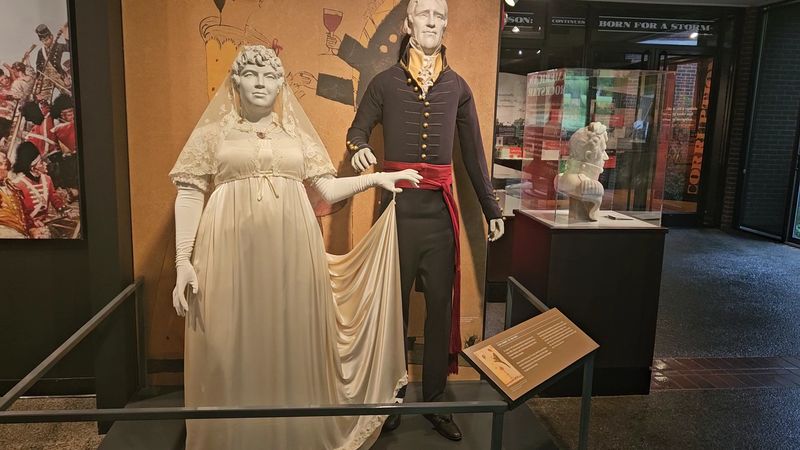
Before you even get to the mansion, you’ll start your visit in the museum building, and it’s worth giving yourself plenty of time here. The exhibits are well-designed, informative, and they set the stage for everything else you’re about to see. There’s a short film that introduces Jackson’s life, his presidency, and the historical context of his time.
It’s not flashy, but it’s effective, and it helps you understand what you’re walking into.
The museum covers a lot of ground—literally and figuratively. You’ll learn about Jackson’s early years, his military career, his complicated marriage to Rachel, and his two terms as president. There are personal items on display, including clothing, letters, and household objects that belonged to the Jackson family.
You’ll also find exhibits about the people who were enslaved here, with names, photographs when available, and details about their work and lives.
One of the strengths of the museum is that it doesn’t present Jackson as a simple hero or villain. He was both loved and hated in his time, and his policies—especially the Indian Removal Act—had devastating consequences. The exhibits acknowledge that complexity, and they give space to the voices and experiences of people who suffered because of decisions he made.
That kind of honesty makes the history feel more real and more relevant.
Interactive elements and touchscreens let you dig deeper into specific topics if you’re interested, and there’s enough variety to keep both adults and kids engaged. The museum is also climate-controlled, which is a nice break if you’re visiting in the heat of a Tennessee summer.
Plan to spend at least an hour here before heading out to the mansion and grounds—it really does make the rest of the visit richer.
Take Time for the Gardens, Gravesite, and Quiet Corners of the Property
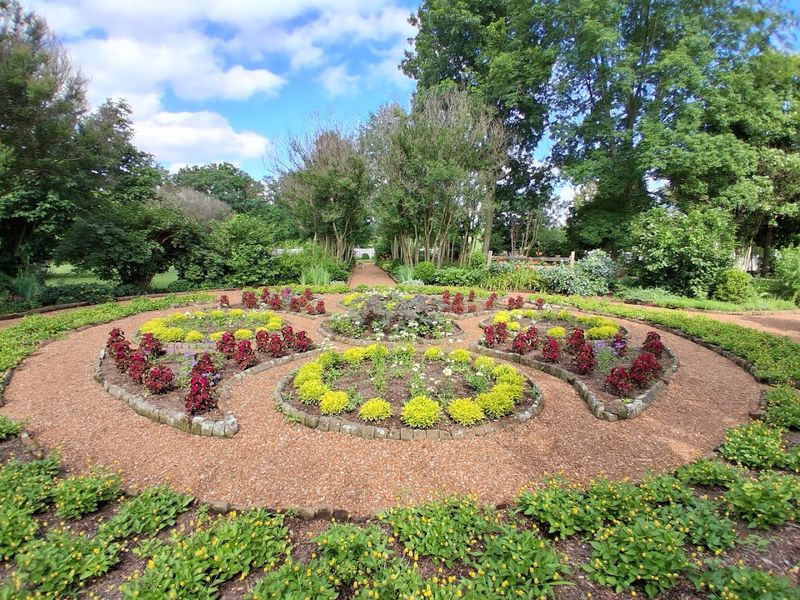
Not everything at the Hermitage is about war and politics. Some of the most memorable moments happen in the quieter corners of the property, where you can slow down and take in the beauty of the place. The gardens are a highlight, especially if you visit in spring or early summer when everything is in bloom.
Rachel Jackson loved gardening, and the site has worked hard to restore the formal garden to reflect her tastes and the style of the era.
The pathways wind through flower beds, boxwood hedges, and shaded spots that feel like they’ve been there forever. It’s easy to imagine Rachel spending time here, away from the noise and pressure of political life. The garden isn’t massive, but it’s thoughtfully laid out, and it offers a nice contrast to the more intense historical exhibits elsewhere on the property.
At the center of the garden area is the tomb where both Andrew and Rachel Jackson are buried. It’s a simple structure with a domed roof, and visitors are welcome to walk up and pay their respects. Rachel died just before Jackson’s first inauguration, and he never really got over it.
He wore a locket with her portrait for the rest of his life, and he made sure they’d be buried together here at the Hermitage. Standing at the gravesite, that devotion feels real.
There are benches scattered around the property if you want to sit and take a break. The grounds are big enough that you won’t feel crowded, even on busy days. Some visitors bring picnics or just take their time walking the trails.
It’s a place that rewards patience, and if you’re willing to wander a bit, you’ll find corners of the estate that feel almost untouched by time.
Know What to Expect Before Visiting Andrew Jackson’s Hermitage
Planning ahead makes any visit better, and the Hermitage is no exception. The site is open seven days a week from 8:30 in the morning until 5:00 in the afternoon, so you’ve got a solid window to work with. Admission runs around $28 for adults, which covers the museum, mansion tour, and access to the grounds.
Kids get in for less, and there are sometimes discounts for military families or groups, so check the website before you go.
Most people spend between two and four hours here, depending on how deep they want to go. If you’re just doing the mansion tour and a quick walk around, two hours is enough. If you want to see everything—museum exhibits, wagon tour, gardens, cabins, and the full grounds—plan for closer to four.
There’s a small cafe attached to the gift shop where you can grab lunch or a snack, and reviewers say the food is decent and reasonably priced.
Wear comfortable shoes. The property is large, and you’ll be doing a fair amount of walking, some of it on uneven terrain or gravel paths. The mansion tour involves stairs, so keep that in mind if mobility is a concern.
Photography is allowed on the grounds but not inside the mansion unless you book the VIP tour, which costs extra but gives you more time, more access, and the ability to take photos indoors.
The staff and volunteers generally get high marks for being friendly and knowledgeable. Some visitors have mentioned that tour guides can feel a bit rushed, especially during busy times, but most people leave impressed with how much they learned. If you have specific questions, don’t hesitate to ask—the guides are usually happy to go deeper if time allows.
The Hermitage is located at 4580 Rachels Lane in Hermitage, Tennessee, about 15 minutes east of downtown Nashville. Parking is free and plentiful.