Texas stretches wide enough to hold entire countries, yet some of its best adventures hide just a short drive away. You don’t need a fat wallet or a week off work to feel like you’ve escaped the everyday grind. These nine destinations prove that memorable getaways come cheap when you know where to look, offering everything from prehistoric footprints to peaceful waterways without draining your bank account.
1. Fort Worth Water Gardens (Fort Worth)
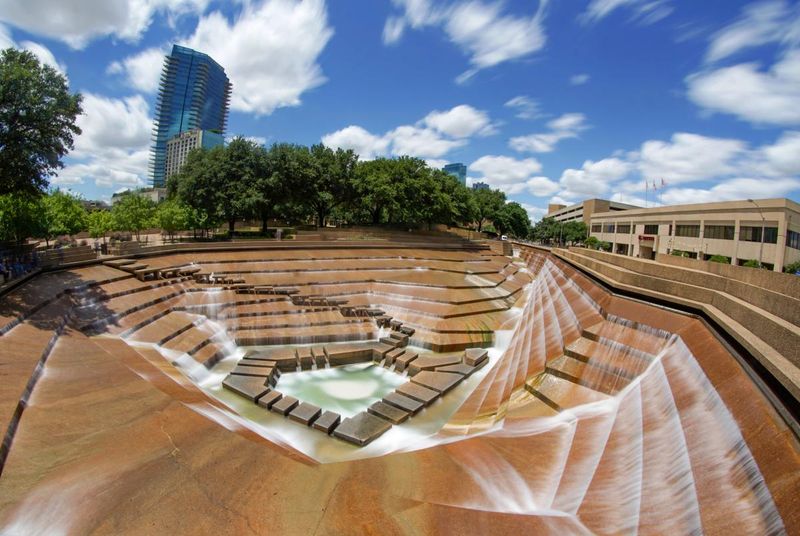
Concrete and water don’t usually scream “vacation,” but this downtown oasis flips that script entirely. Built in the 1970s, these water gardens drop you into a cooling maze of cascades and pools that feel miles away from the city streets surrounding them. The active pool features water tumbling down terraced steps, creating a roar that drowns out traffic noise completely.
Three distinct sections give you different vibes to explore. The aerating pool shoots fountains skyward in choreographed patterns, while the quiet pool offers still, reflective surfaces perfect for contemplation. But the real showstopper sits in that active pool, where you can walk down stairs right into the heart of the waterfalls.
Parking runs about $10 for the day, and admission costs absolutely nothing. Bring a packed lunch to enjoy in the surrounding Philip Johnson-designed park, where benches and shaded spots make eating outside feel fancy. The whole setup covers 4.3 acres, so you’ve got room to wander without bumping into crowds.
Summer visits mean relief from blistering heat, as mist from the waterfalls cools the air by several degrees. Photography buffs love the dramatic angles and play of light through water, especially during golden hour. Families appreciate that kids can explore safely while burning energy in a controlled environment.
Plan two to three hours here, though you might stretch it longer if you’re the type who loses track of time near moving water. The geometric brutalist architecture makes this spot Instagram-worthy without trying too hard. Best of all, you’ll leave feeling refreshed rather than drained, which beats most vacation spots charging ten times more.
2. San Antonio Missions National Historical Park (San Antonio)
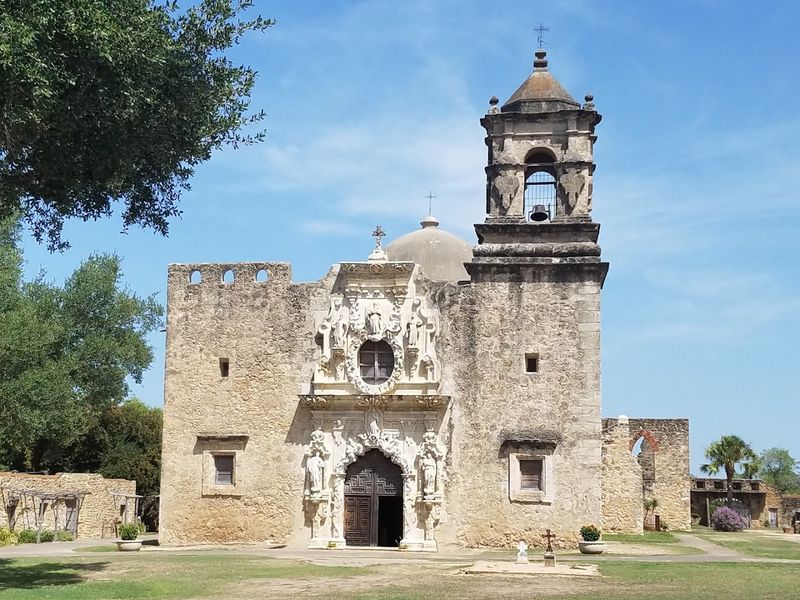
Four Spanish colonial missions line the San Antonio River like pearls on a string, each one telling stories from the 1700s. Mission San José earns its “Queen of the Missions” nickname with intricate stone carvings that somehow survived three centuries. Walking through these complexes feels like stepping sideways through time, minus the theme park fakeness.
The park stretches nine miles along the river, connecting all four missions through bike trails and walking paths. You can drive between them if your feet protest, but the trail system lets you experience the landscape as missionaries and indigenous peoples once did. Each mission maintained its own fields, workshops, and community spaces, creating self-sufficient villages that shaped early Texas culture.
Admission runs free, making this one of the best bargains in the state. Parking at each mission costs nothing either, though spots fill up on weekends. Bring water and snacks, as services get sparse between locations, especially if you’re hiking or biking the full route.
Mission Concepción still holds the oldest unrestored stone church in America, its frescoes faded but still visible on interior walls. At Mission San Juan, the acequia system still channels water like it did 250 years ago. These aren’t just buildings behind velvet ropes; you can walk through courtyards, climb stairs, and touch history directly.
Rangers offer free guided tours that unpack layers of history most visitors miss. The blend of Spanish, indigenous, and Mexican influences created something uniquely Texan, visible in everything from architectural details to farming techniques. Budget three to four hours if you’re hitting all four missions, or pick one or two for a shorter visit that still delivers substance.
3. Pedernales Falls State Park (Johnson City)
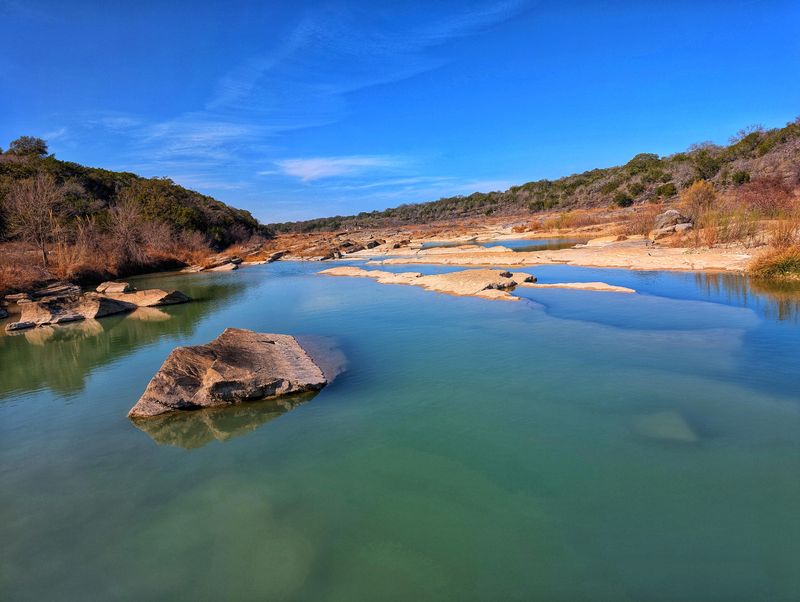
The Pedernales River carves through layered limestone like a sculptor working in slow motion, creating stepped waterfalls that stretch hundreds of feet wide. When water levels cooperate, you get a dramatic show of whitewater rushing over ancient rock. During drier spells, the exposed riverbed becomes a geological classroom where you can read millions of years in stone.
Eight miles of trails loop through Hill Country terrain, offering everything from easy riverside strolls to challenging climbs with panoramic views. The Wolf Mountain Trail rewards your effort with vistas stretching across rolling hills covered in juniper and oak. Spring brings wildflowers that carpet the hillsides in bluebonnets, paintbrush, and other native blooms.
Park entry costs $6 per person over 13, keeping your budget intact while accessing over 5,000 acres of protected land. Swimming gets tricky depending on conditions, as currents can turn dangerous quickly. Rangers post warnings when water levels make swimming unsafe, so check before planning any aquatic adventures.
Bird watchers bring binoculars hoping to spot golden-cheeked warblers or black-capped vireos, both endangered species that nest in the park. Deer, armadillos, and wild turkeys make regular appearances, especially during quieter morning hours. The wildlife viewing alone justifies the drive from Austin or San Antonio, both about an hour away.
Picnic areas with grills let you turn lunch into an event without spending restaurant money. Primitive camping runs cheap if you want to extend your day trip into an overnight adventure. The combination of geological drama, hiking options, and Hill Country scenery creates a mini-vacation vibe that doesn’t require maxing out credit cards or burning vacation days from work.
4. Caddo Lake State Park (Karnack)
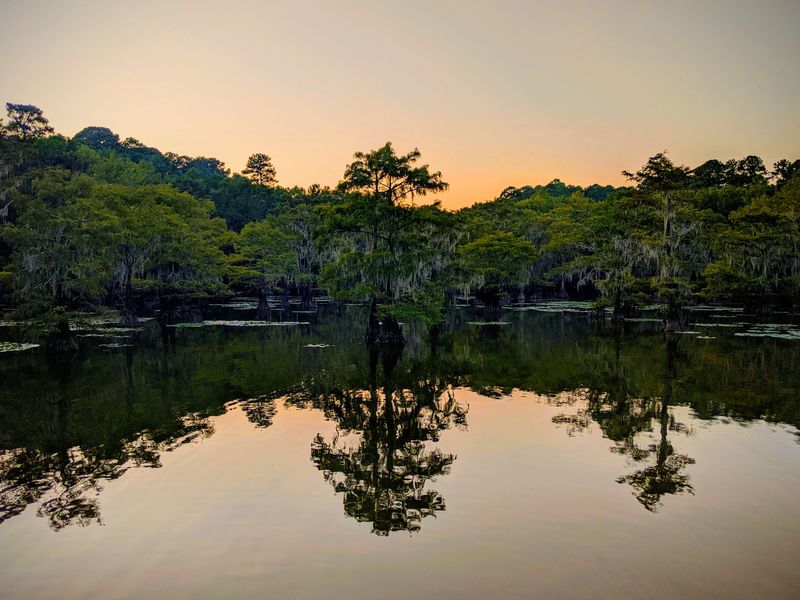
Bald cypress trees draped in Spanish moss rise from dark water like something from a Southern Gothic novel. Caddo Lake straddles the Texas-Louisiana border, creating the only naturally formed lake in Texas and one of the most hauntingly beautiful landscapes in the state. Paddling through the maze of sloughs and bayous feels like exploring a forgotten world.
Renting a canoe or kayak costs around $20 for a few hours, keeping you well under budget while accessing areas unreachable by foot. The water trails wind through channels barely wider than your boat, surrounded by cypress knees and lily pads. Navigation requires attention, as the maze-like waterways can confuse even experienced paddlers.
Park admission runs $5 per person, and the facilities include screened shelters, hiking trails, and fishing spots. Anglers chase largemouth bass, crappie, and catfish in waters that produce trophy catches regularly. The fishing pier gives non-boaters access to good spots without needing watercraft.
Wildlife watching here borders on surreal, with alligators sunning on logs, herons stalking through shallows, and turtles stacked like pancakes on fallen branches. Over 200 bird species pass through during migration seasons, making this a hotspot for serious birders. The biodiversity rivals much more famous wetlands, yet crowds stay manageable even on nice weekends.
Morning mist creates an ethereal atmosphere that photographers chase relentlessly. The stillness of early hours amplifies every sound, from fish jumping to birds calling across the water. Local legend claims the lake holds mysteries beyond its ecological treasures, adding a layer of mystique to your exploration.
Pack bug spray because mosquitoes consider this paradise too. Plan half a day minimum, though you could easily spend longer losing yourself in the channels and soaking up the otherworldly scenery that makes Caddo Lake unforgettable.
5. Enchanted Rock State Natural Area (Fredericksburg)
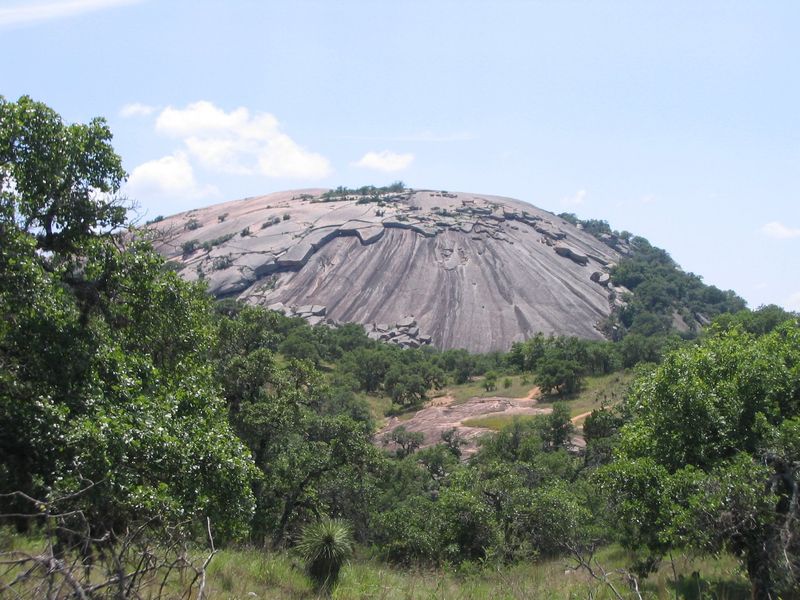
A pink granite dome rises 425 feet above the Hill Country like a bald mountain dropped from the sky. Enchanted Rock draws climbers, hikers, and geology nerds who appreciate that this massive batholith formed over a billion years ago. The hike to the summit follows a steep but manageable trail that rewards you with 360-degree views stretching for miles.
Park entry costs $8 per person for day use, though the park often hits capacity on weekends and holidays. Arriving early becomes crucial, as rangers close the gates once parking fills. Weekdays offer better chances of getting in without waiting, plus you’ll share the trails with fewer people.
The main trail to the top covers less than a mile but gains elevation quickly. Wear shoes with good grip, as the smooth granite gets slippery despite looking textured. Rock climbers tackle more technical routes on the dome’s faces, while casual visitors stick to the summit trail and surrounding paths.
Vernal pools dot the rock surface, creating temporary ecosystems that support fairy shrimp and other specialized creatures. These pools form in depressions where rainwater collects, then disappear during dry spells. The rock itself glows differently depending on the light, shifting from pale pink in the morning to warm peach near sunset.
That changing color makes even a short visit feel memorable.
Beyond the summit, trails loop through oak woodlands, boulder fields, and quiet picnic areas where deer sometimes wander past. The park also offers primitive camping for visitors who want stars instead of streetlights. After dark, the sky turns wide and brilliant, with very little city glow blocking the view.
Bring plenty of water, sunscreen, and patience. Enchanted Rock is popular for a reason, but once you reach the top, the crowds feel smaller than the view.
6. Dinosaur Valley State Park (Glen Rose)
Real dinosaur tracks pressed into limestone riverbed 113 million years ago sit right where you can touch them. Acrocanthosaurus and Sauroposeidon left their prints in what was once muddy shoreline, creating a fossil record that survived everything time threw at it. When the Paluxy River runs low, these tracks emerge from the water like messages from the Cretaceous period.
Park admission costs $7 per person over 13, granting access to tracks, trails, and swimming areas. The best track viewing happens during summer when water levels drop, though you’ll need water shoes to wade through the river. Rangers mark the clearest prints with signs, but dozens more hide in plain sight once you know what to look for.
Beyond the famous tracks, the park offers hiking trails through Texas woodland and limestone bluffs. The park covers 1,500 acres along the river, giving you space to explore without tripping over crowds. Mountain biking trails add another activity option, with routes ranging from easy to challenging.
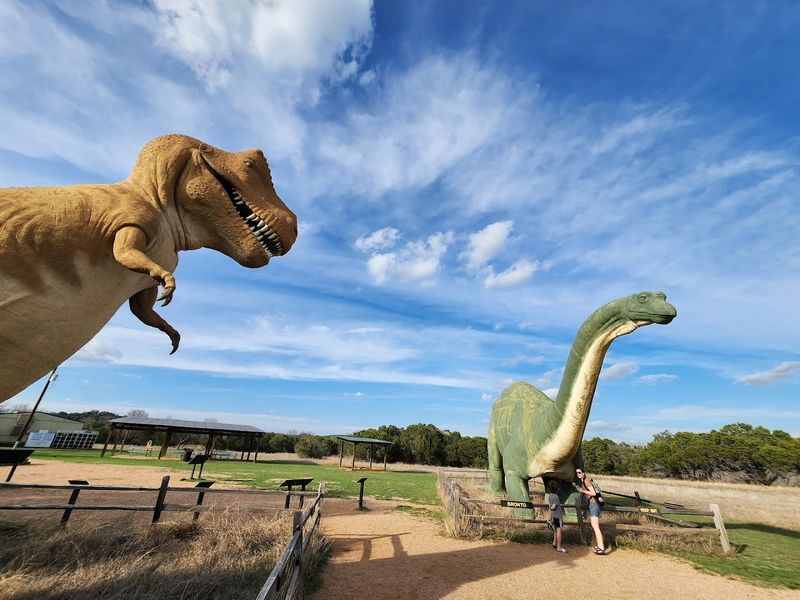
Life-size dinosaur statues greet visitors near the entrance, creating photo opportunities that kids especially love. These fiberglass models came from the 1964 World’s Fair, adding a retro charm to the prehistoric theme. Swimming in the Paluxy River provides relief from Texas heat, with shallow areas safe for families.
The science center explains the geology and paleontology in terms anyone can understand. Learning how these tracks formed and survived makes seeing them more meaningful than just checking off a tourist attraction. The combination of actual fossils, outdoor recreation, and educational content creates value that far exceeds the modest admission price.
Plan three to four hours to see tracks, hike a trail, and maybe cool off in the river. Bring lunch and make a day of it, as the small nearby town of Glen Rose offers limited dining options.
7. Brazos Bend State Park (Needville)
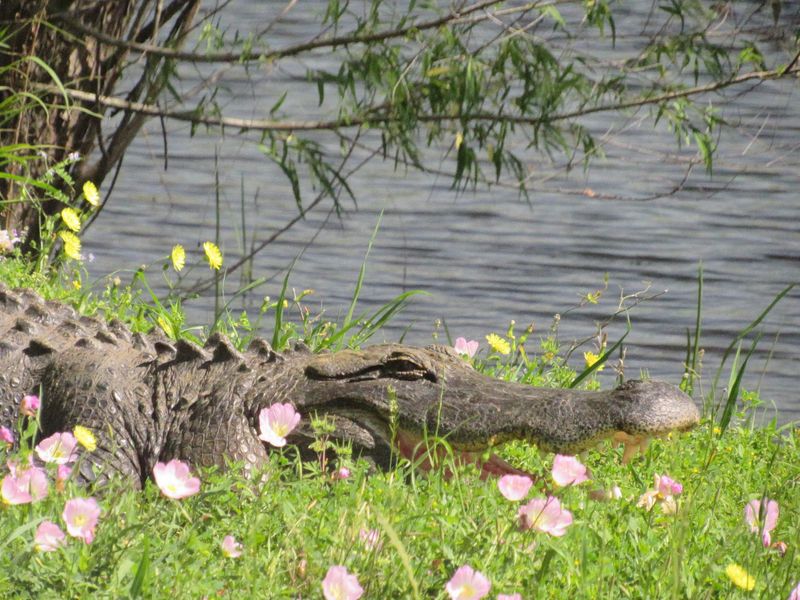
Alligators lounge beside trails like they own the place, because frankly, they do. Brazos Bend State Park protects 5,000 acres of coastal prairie and wetlands just an hour from Houston, creating a wildlife sanctuary that feels worlds away from city sprawl. The gator population here numbers in the hundreds, making sightings practically guaranteed rather than lucky breaks.
Entry costs $7 per person, and that fee covers access to 37 miles of trails, fishing piers, and some of the best wildlife viewing in Texas. Forty Acre Lake serves as the main attraction, ringed by trails that bring you close to alligators, birds, and other wetland creatures. Wooden platforms and observation decks let you watch safely while gators sun themselves mere feet away.
Bird diversity rivals anywhere in the state, with roseate spoonbills, herons, egrets, and ibis making regular appearances. Over 300 bird species have been recorded here, drawing ornithologists and casual bird watchers alike. The park’s location along the Gulf Coast migration route means spring and fall bring waves of migrating species.
The George Observatory sits within park boundaries, offering public stargazing events on Saturday nights. For just a few dollars more, you can peer through research-grade telescopes at planets, nebulae, and distant galaxies. The combination of daytime wildlife watching and nighttime astronomy creates a full-day experience that covers multiple interests.
Photography opportunities abound, from gators reflected in still water to colorful birds fishing in shallows. The flat terrain makes trails accessible for most fitness levels, though heat and humidity can challenge visitors unaccustomed to Gulf Coast conditions. Bring water, sunscreen, and respect for the gators, who have right of way on all trails.
Budget four to five hours minimum, more if you’re staying for the observatory program. The park delivers a nature immersion experience that city dwellers especially appreciate, proving wilderness exists closer than most people realize.
8. Dallas Arboretum and Botanical Garden (Dallas)
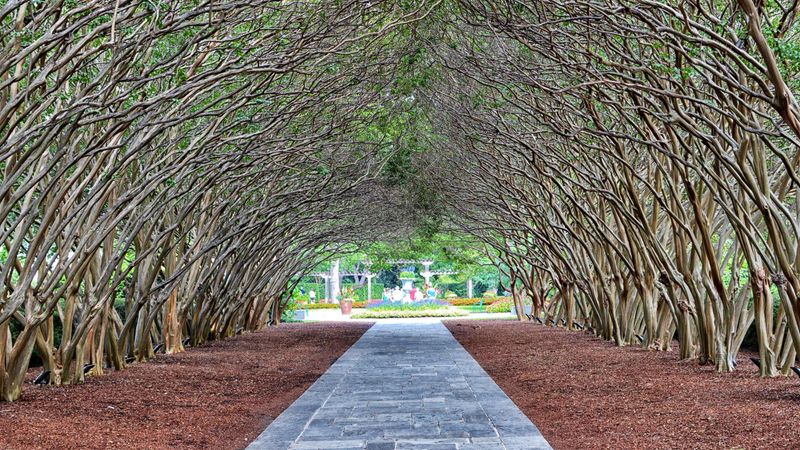
Sixty-six acres of manicured gardens cascade down hillsides toward White Rock Lake, creating a horticultural showcase that changes with every season. Spring brings half a million tulips and azaleas in a color explosion that pulls visitors from across the region. Summer features tropical plants and children’s garden activities, while fall transforms the grounds with pumpkin displays and chrysanthemums numbering in the thousands.
Admission runs $17 for adults, pushing your budget limit but delivering value through sheer variety and beauty. Students and military personnel get discounts, and children under two enter free. The price includes access to all gardens, special exhibits, and most seasonal events, making it reasonable for what you receive.
Themed gardens range from formal European styles to native Texas landscapes, each maintained to magazine-cover perfection. The Rory Meyers Children’s Garden alone justifies the visit for families, with interactive exhibits teaching plant science through play. Water features, climbing structures, and hands-on activities keep kids engaged while parents appreciate the thoughtful design.
The Lay Ornamental Garden features classical European design with fountains and symmetrical plantings. Palmer Fern Dell creates a shaded retreat filled with ferns and shade-loving plants. Each garden area offers distinct experiences, preventing the visual fatigue that sometimes hits at large botanical gardens.
Concerts, festivals, and special events fill the calendar year-round, often included with admission. Pack a picnic or grab lunch at the on-site café, though outside food is allowed in designated areas. The combination of lake views, professional landscaping, and seasonal displays creates an upscale experience without requiring country club membership.
Photography rules allow personal use but restrict professional shoots without permits. The grounds stay immaculate thanks to a small army of gardeners and volunteers who clearly take pride in their work. Plan three to four hours to see everything without rushing, more during peak bloom seasons when crowds and photo opportunities both multiply.
9. Space Center Houston (Houston)
NASA’s official visitor center sits on 250 acres adjacent to Johnson Space Center, where astronauts train and mission control operates. Admission costs $30 for adults, stretching your budget but offering access to genuine space artifacts, behind-the-scenes tram tours, and exhibits that make rocket science approachable. Discounts for military, seniors, and kids help families stay closer to the $50 target.
The tram tour takes you inside the actual working NASA facility, stopping at historic Mission Control and the astronaut training facility. Seeing where Apollo 11 was monitored from and where current astronauts prepare for International Space Station missions creates connections that museum-only experiences can’t match. The tour guides, many with NASA backgrounds themselves, share insider stories that bring the space program to life.
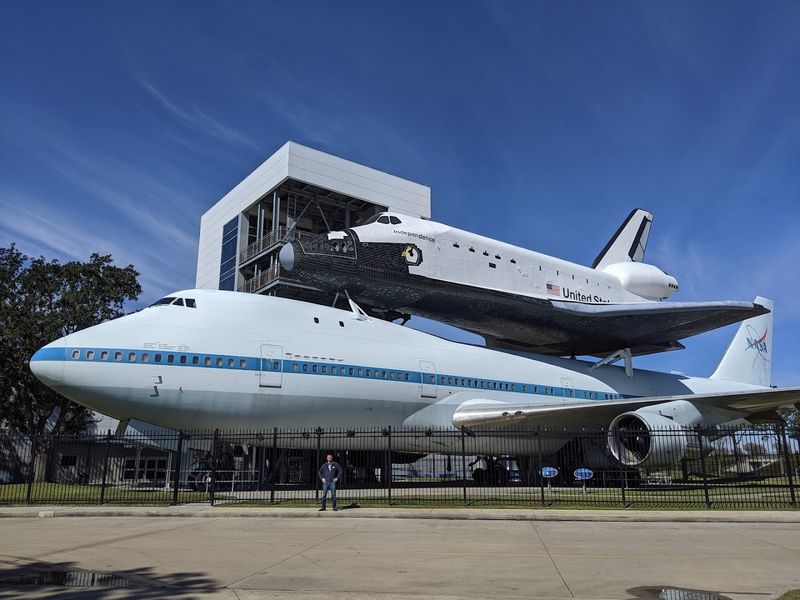
Starship Gallery houses the largest collection of moon rocks and lunar samples available for public viewing. You can touch a piece of moon rock, stand beneath a Saturn V rocket, and walk through Skylab training modules. Independence Plaza features a shuttle replica mounted on the original NASA 905 shuttle carrier aircraft, creating a photo opportunity that looks impossible but actually happened.
Interactive exhibits let you dock a space shuttle simulator, experience astronaut training challenges, and understand the physics of spaceflight. The presentations avoid talking down to visitors while keeping concepts accessible to non-scientists. Kids especially love the hands-on elements, though adults often get just as absorbed.
Food options on-site run typical theme park prices, so consider eating before or after to save money. The gift shop sells everything from freeze-dried ice cream to mission patches, tempting but not mandatory. The experience itself provides enough value that souvenirs become optional extras rather than essential purchases.
Plan four to five hours minimum, as there’s genuinely too much to see in less time. The combination of real NASA access, authentic artifacts, and educational depth makes this worth the splurge if space exploration interests you even slightly.