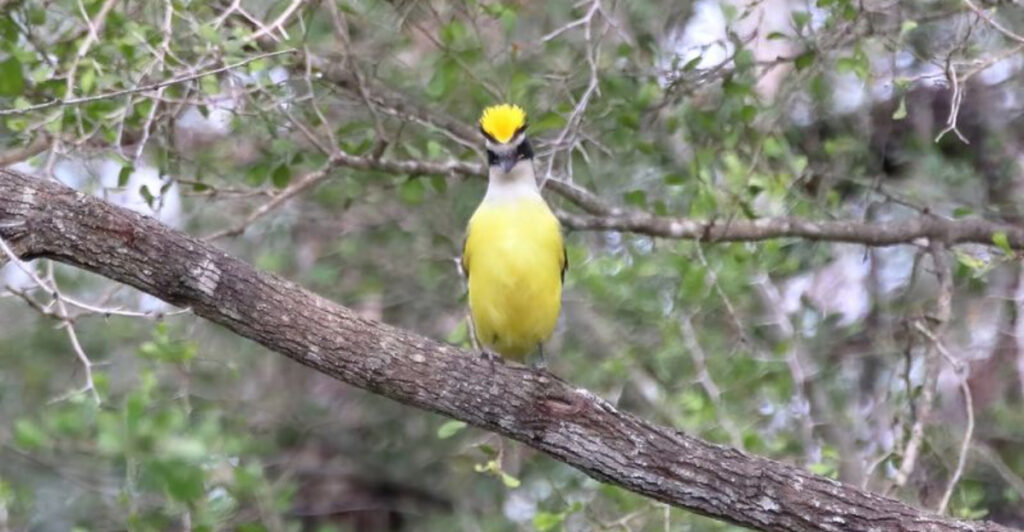
Every summer, something magical happens along the Rio Grande in South Texas. Bentsen-Rio Grande Valley State Park transforms into one of the most exciting birdwatching destinations in the entire country. Hundreds of rare species flock to this 760-acre preserve, making July the perfect time to witness nature’s greatest show with your own eyes.
1. Green Jays Steal the Show at Feeding Stations
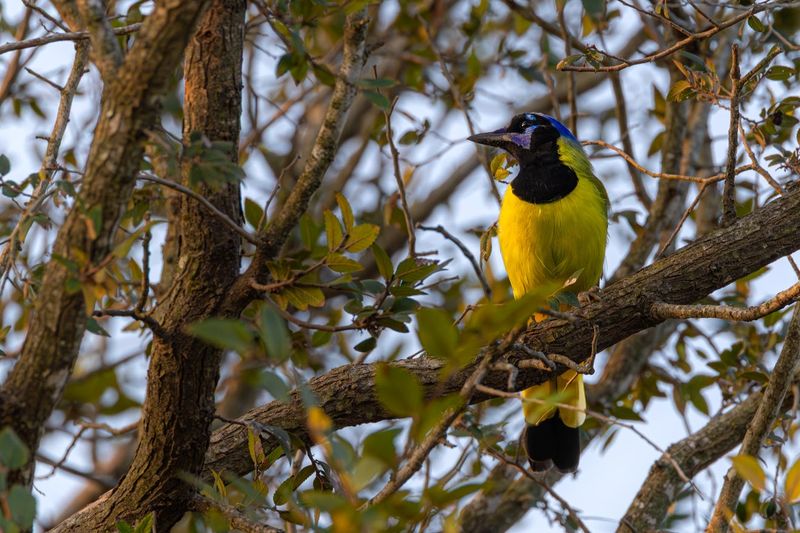
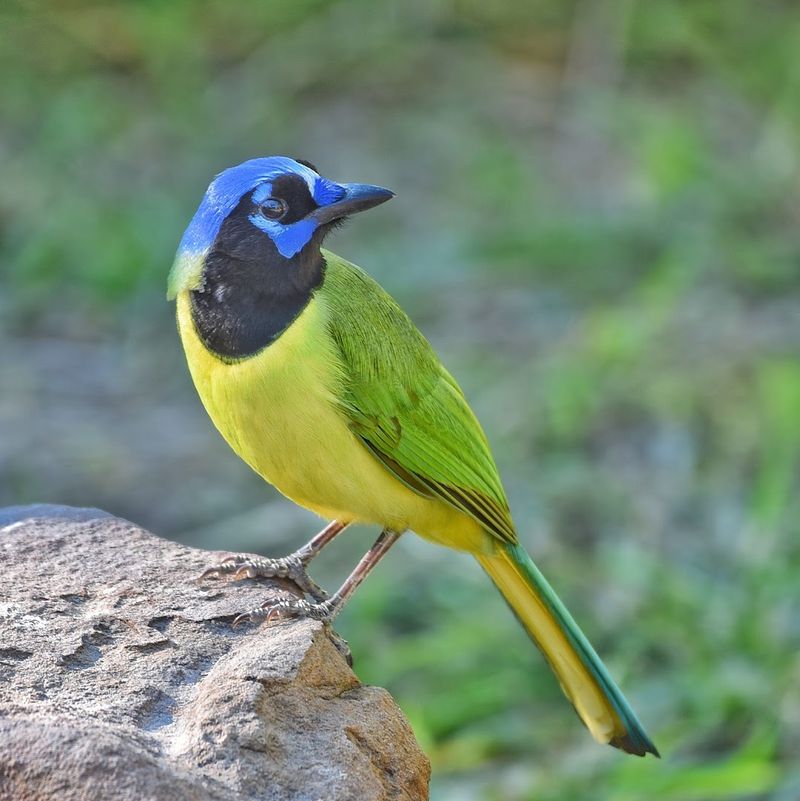
Walk up to any feeding station at Bentsen and you’ll probably hear them before you see them. Green Jays are loud, social, and absolutely stunning with their electric blue heads and lime-green bodies. They’re one of the park’s signature species, and July brings peak activity as parents teach their young the ropes.
The viewing area behind the visitor center gift shop offers front-row seats to their antics. You can stand just feet away from the glass and watch these tropical beauties crack open seeds and squabble over territory. Bring your camera with a decent zoom lens because the lighting through those windows is perfect for photography.
These birds don’t migrate far, so Bentsen is one of the few places in the United States where you can reliably spot them. They’re curious, bold, and often the first birds to arrive when fresh seed gets scattered. Early morning visits around 7 AM give you the best chance to see multiple family groups interacting.
Rangers and volunteers near the feeding stations are usually happy to point out individual birds and share fun facts. Some regulars can even identify specific jays by their markings. It’s that kind of place where the staff genuinely loves what they do and wants you to experience the magic too.
2. Hawk Tower Offers Unbeatable Migration Views
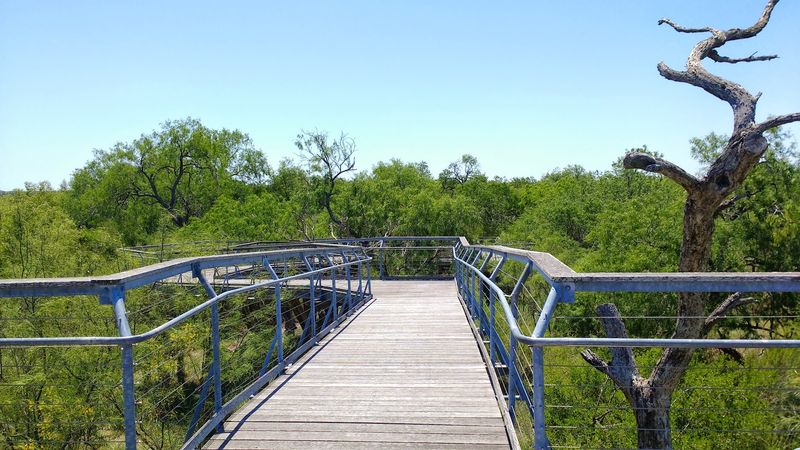
Climbing the Hawk Tower feels like ascending into another world entirely. At several stories high, this observation platform puts you eye-level with raptors riding thermals across the Valley. July marks the beginning of fall migration patterns, and hawks start their southern journey earlier than most people realize.
Gray Hawks are park celebrities, often spotted from the tower perched majestically on dead snags. Their sleek gray plumage and piercing eyes make them look like feathered royalty surveying their kingdom. Visitors have captured incredible photos of these birds right from the tower deck, sometimes close enough to see individual feather details.
The tower isn’t just about hawks though. From up there, you can scan the entire canopy for movement and color. Parrots, orioles, and even the occasional caracara make appearances.
The 360-degree view lets you appreciate how this riparian forest creates a green corridor through otherwise dry South Texas landscape.
Bring water because the climb gets your heart pumping, especially in July heat. But the breeze at the top makes it worthwhile, and the shade structure provides relief. Many birders spend an hour or more up there, simply watching the sky and listening to the symphony of calls rising from below.
3. Tram Tours Reveal Hidden Birding Hotspots
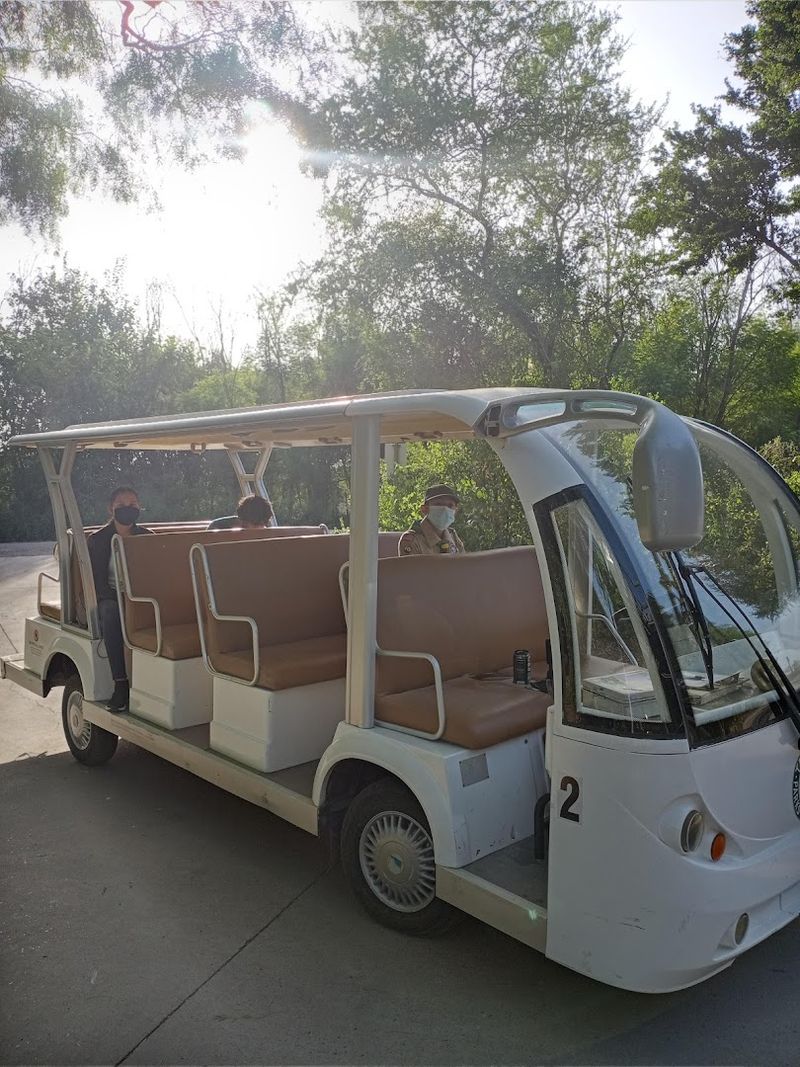
Forget everything you think you know about tour trams. The free hourly tram at Bentsen isn’t some cheesy tourist trap—it’s your secret weapon for covering serious ground without melting in the Texas sun. The drivers are typically nature experts who’ve spent years learning every bird call and animal track in the park.
Ranger Roy, mentioned in visitor reviews, represents the caliber of guides you’ll encounter. These folks don’t just drive; they stop when something interesting appears, share local ecological knowledge, and genuinely want you to see cool stuff. July rides often include spotting javelinas cooling off in shaded areas and wild turkeys leading their poults through the underbrush.
The tram accesses areas that would take considerable walking to reach otherwise. Since vehicles aren’t allowed beyond the parking area, this service becomes essential for visitors with mobility concerns or anyone wanting to maximize their birding time. You can hop off at any stop, explore trails, then catch the next tram an hour later.
Pro tip from regulars: take the full loop first thing in the morning to scout locations. The driver will point out where birds are most active that day. Then you can return on foot or by bike to those specific spots and spend quality time observing without rushing.
4. Rio Grande Trails Lead to Waterbird Wonderlands
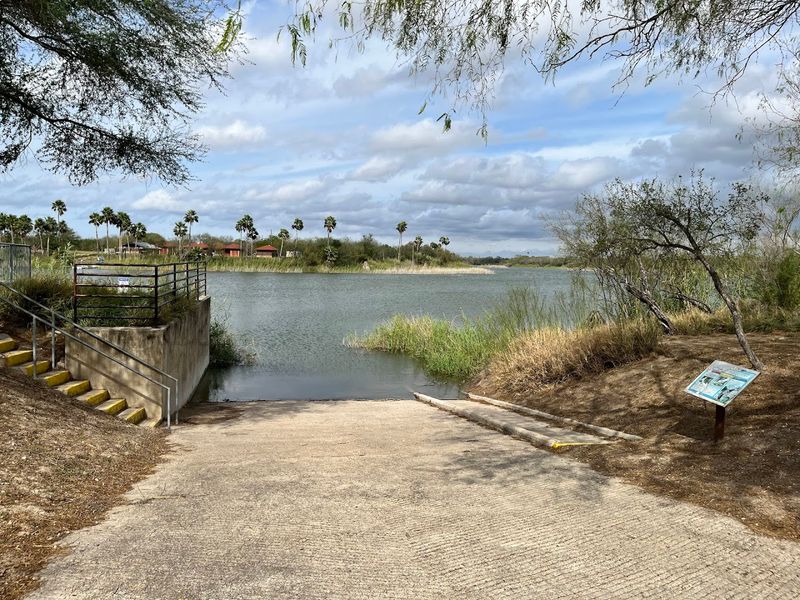
The trails hugging the Rio Grande offer something completely different from the woodland paths. Water attracts different species entirely, and July brings herons, egrets, and kingfishers in abundance. The fishing ramp trail is particularly productive, giving you access to riverbank viewing spots where patient observers get rewarded.
You’ll notice the temperature difference immediately when you approach the water. The river creates its own microclimate, slightly cooler and more humid than the surrounding areas. This attracts not just birds but also dragonflies, butterflies, and other insects that birds love to eat.
Some sections of the Rio Grande here are closed off from current flow, creating calm pools perfect for wading birds. Great Blue Herons stand statue-still in the shallows, waiting to spear fish. Green Herons, much smaller and more secretive, hide among the reeds and roots along the bank.
The trail is paved and accessible, making it suitable for almost everyone. Bring your binoculars and move slowly—sudden movements send birds flying. Early morning and late afternoon are prime times when waterbirds are most actively feeding.
You might even spot a bobcat coming down to drink if you’re exceptionally lucky and quiet.
5. Bike Rentals Make Exploring 760 Acres Manageable
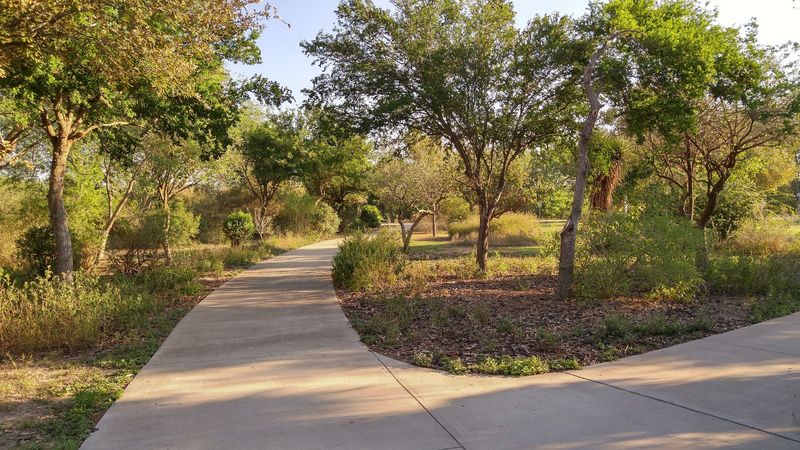
Walking 760 acres in July heat sounds miserable, right? That’s where bike rentals change everything. For a reasonable fee and a ten-dollar deposit, you can cruise the paved roads connecting all the trails, covering five times the distance you could on foot while actually enjoying yourself.
The main roads are smooth and flat, perfect for casual riders who haven’t been on a bike in years. You can load a backpack with water, snacks, and binoculars, then pedal from one birding blind to another at your own pace. When you spot something interesting, just pull over and investigate.
Cyclists consistently mention the freedom bikes provide in visitor reviews. You’re not tied to the hourly tram schedule, and you can explore side trails that catch your attention. The rental facility at the visitor center keeps bikes well-maintained, though flats can happen on longer rides through areas with thorny vegetation nearby.
Families particularly love this option because kids can burn energy while adults bird-watch. The roads are safe with no vehicle traffic, so parents don’t need to worry about cars. Just remember to bring or wear sunscreen—you’ll be in direct sun more than you think, even with tree cover along some sections.
6. Bird Blinds Provide Up-Close Wildlife Encounters
Bird blinds scattered throughout Bentsen are like having front-row theater seats to nature’s daily drama. These small wooden structures with viewing slits let you observe birds behaving naturally without your presence disturbing them. July’s heat actually works in your favor here—birds need water desperately, and blinds near water sources see constant action.
Inside a blind, you become invisible. Birds land mere feet away, completely unaware you’re watching. You’ll see behaviors that would never happen if you were standing in the open: territorial disputes, courtship displays, feeding techniques, and social hierarchies playing out in real time.
Photographers absolutely love the blinds because they can set up tripods and wait for perfect shots. The viewing slits are positioned at ideal heights for cameras and binoculars. Natural lighting filters through at angles that make for stunning images, especially during golden hour.
Each blind has a slightly different character depending on its location. Some overlook feeding areas where dozens of species rotate through. Others face water features or native plant gardens that attract specific birds.
The visitor center staff can tell you which blinds are most active on any given day based on recent sightings.
7. Subtropical Species You Won’t Find Anywhere Else
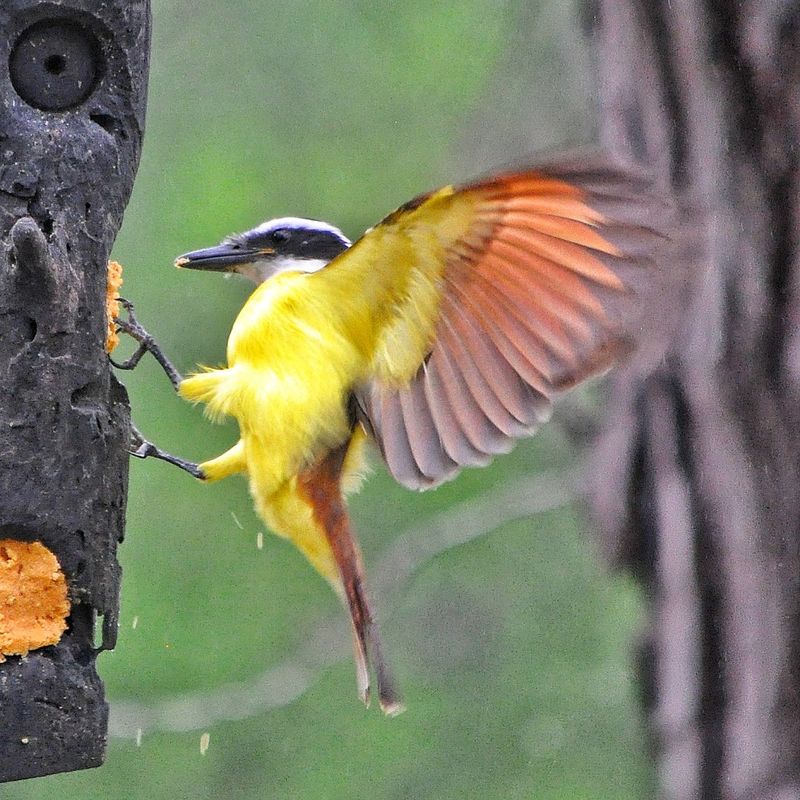
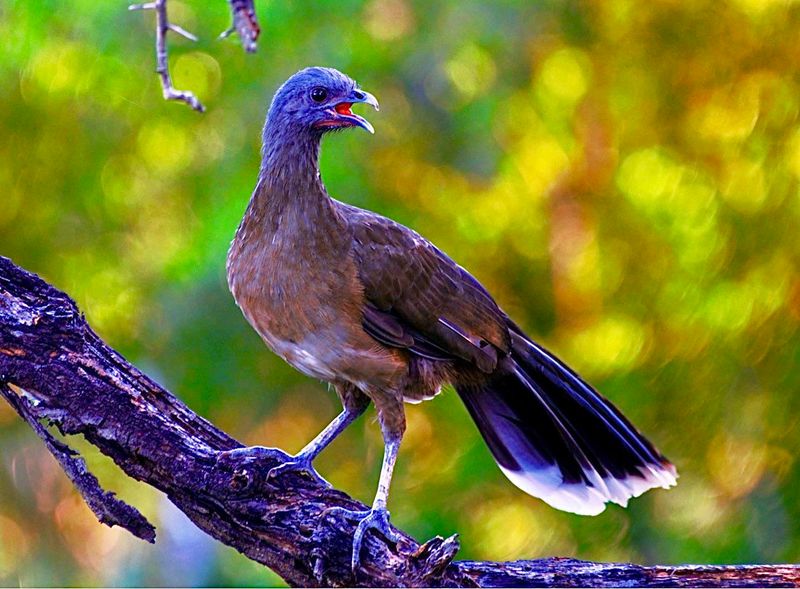
Bentsen sits at the northernmost edge of a subtropical ecosystem that extends deep into Mexico. This unique position means birds that rarely venture into the United States make regular appearances here. Plain Chachalacas are everywhere in July, their raucous calls echoing through the canopy like tropical jungle soundtracks.
These chicken-sized birds look prehistoric with their long tails and loud personalities. They travel in noisy family groups, often right along the main paths where you can’t possibly miss them. One visitor even spotted a rare piebald Chachalaca—a genetic variation with unusual white patches in its plumage.
Altamira Orioles, another subtropical specialty, weave their distinctive hanging nests in the park’s trees. Their bright orange and black coloring makes them look like flying flames. July is prime nesting season, so you can watch parents shuttling food to demanding chicks hidden in those swinging basket nests.
The park’s bilingual exhibit hall explains why this area hosts such unusual biodiversity. The Rio Grande creates a natural corridor for species movement, and Bentsen’s protected habitat preserves rare subtropical plants and trees these birds depend on. It’s a living laboratory where northern and southern ecosystems overlap in fascinating ways.
8. Night Programs Reveal After-Dark Wildlife Secrets
Most visitors leave when the sun goes down, but they’re missing half the show. Bentsen’s night programs reveal a completely different cast of characters. Rangers lead small groups with blacklights to spot scorpions glowing fluorescent blue and spiders reflecting eyeshine like tiny diamonds scattered across the ground.
Elf Owls, North America’s smallest owl species, hunt these exact creatures during July nights. Watching a bird barely bigger than a sparrow swoop down to grab a scorpion is absolutely surreal. The rangers know where these tiny predators nest and can usually get groups close enough for memorable views without disturbing the birds.
The experience goes beyond just wildlife spotting though. Away from city lights, Bentsen’s night sky explodes with stars. On clear July evenings, you can see the Milky Way stretching overhead while listening to the park’s nocturnal symphony: chuck-will’s-widows calling, insects chirping, and the occasional splash from the river.
These programs require advance registration and fill up quickly during peak season. Bring closed-toe shoes, long pants, and insect repellent. The blacklight spider hunting alone makes it worthwhile, but seeing an owl successfully hunt under starlight creates memories that last forever.
It’s the kind of experience that reminds you why protecting wild spaces matters so much.