
Right in the heart of Fort Worth’s Cultural District sits something most people don’t even know exists—the world’s largest museum dome. The Fort Worth Museum of Science and History houses the incredible Omni Theater, where an 8K LED dome wraps around you with visuals so sharp they’ll make your jaw drop. With general admission starting at just nine bucks and tons of hands-on exhibits for all ages, this place delivers way more bang for your buck than you’d expect.
1. That Massive Dome Everyone’s Talking About

Walk into the Jane & John Justin Foundation Omni Theater and prepare to have your mind completely blown. This isn’t your average movie screen—it’s a state-of-the-art 8K LED dome that literally surrounds you with visuals so crisp and vivid you’ll forget you’re indoors. The dome measures an absolutely massive 80 feet in diameter, earning its title as the world’s largest museum dome theater.
What makes this place truly special is how the curved screen wraps around your entire field of vision. When you’re watching documentaries about space, wildlife, or natural wonders, you’re not just observing—you’re right there in the middle of the action. The stadium seating ensures every single seat gives you an unobstructed view of the enormous canvas above and around you.
Recent upgrades transformed this already impressive theater into a cutting-edge marvel. The 8K resolution delivers crystal-clear images that make everything from diving coral reefs to soaring through galaxies feel incredibly real. Reviewers consistently mention leaving the theater wanting to come back immediately for another show.
Tickets for the Omni Theater experience start at just nine dollars, though combo packages with museum admission offer better value. Shows run throughout the day, featuring rotating documentaries that cover everything from animal kingdoms to cosmic adventures. Just call ahead if you’re visiting on a weekday—school groups sometimes book morning showtimes, and you’ll want to plan accordingly to catch your preferred film.
2. Digging Up Prehistoric Fun at DinoDig
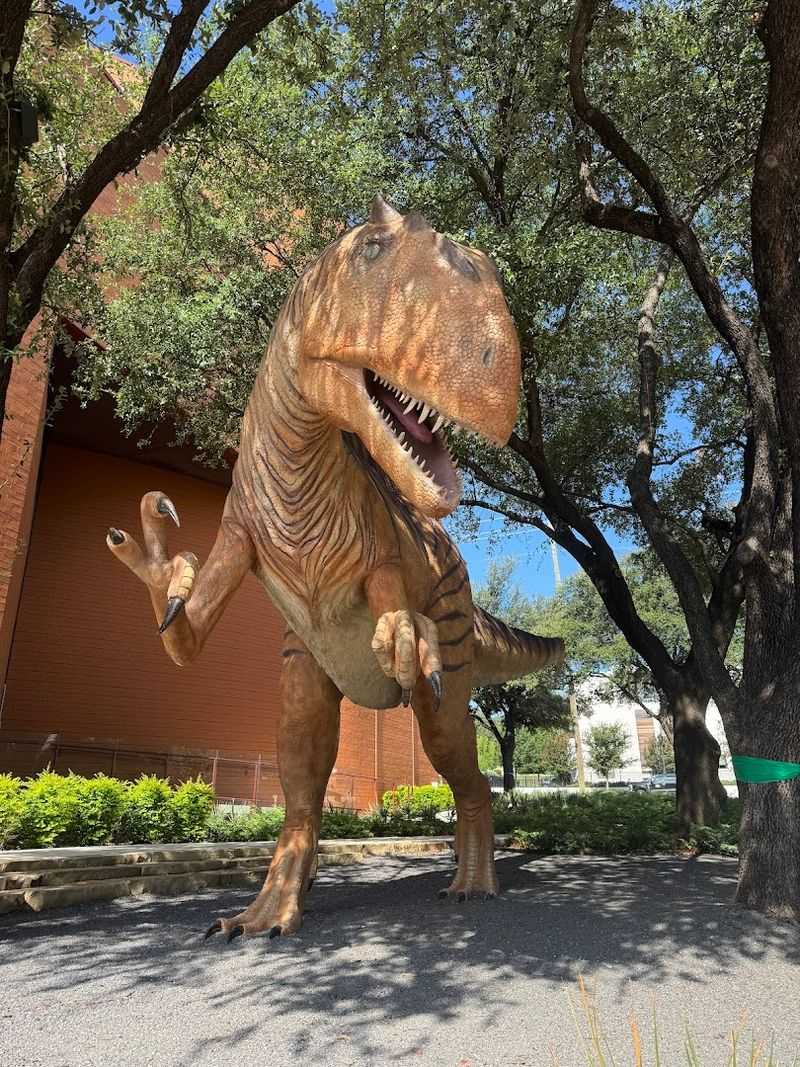
Ever wondered what it feels like to be a real paleontologist? Head straight to the DinoDig area where kids can grab actual archaeological tools and get their hands dirty searching for buried treasures. This isn’t some watered-down pretend experience—children use legitimate brushes, shovels, and other excavation equipment to uncover planted dinosaur bones hiding in designated dirt areas.
The setup mimics genuine fossil digs you’d find out in the field. Youngsters learn proper techniques for carefully uncovering specimens without damaging them, just like professional scientists do. It’s educational without feeling like a classroom lecture, which is exactly why kids go absolutely nuts for it.
Parents love watching their children’s faces light up when they discover a hidden bone fragment. The excitement is contagious, and many families end up spending way longer at this station than they originally planned. One reviewer mentioned their kiddo talked about nothing else for days after visiting.
The DinoDig works perfectly for a wide age range too. Younger children enjoy the sensory experience of digging through dirt, while older kids appreciate the scientific aspects and problem-solving challenges. The area stays well-maintained despite heavy use, though some visitors note that weekday field trips can make it crowded.
Your best bet? Arrive right when the museum opens at 10 AM on weekends, or visit on quieter Tuesday afternoons when school groups are less common. The outdoor location also makes it a great stop when kids need to burn energy.
3. Getting Hands-On at Innovation Studios
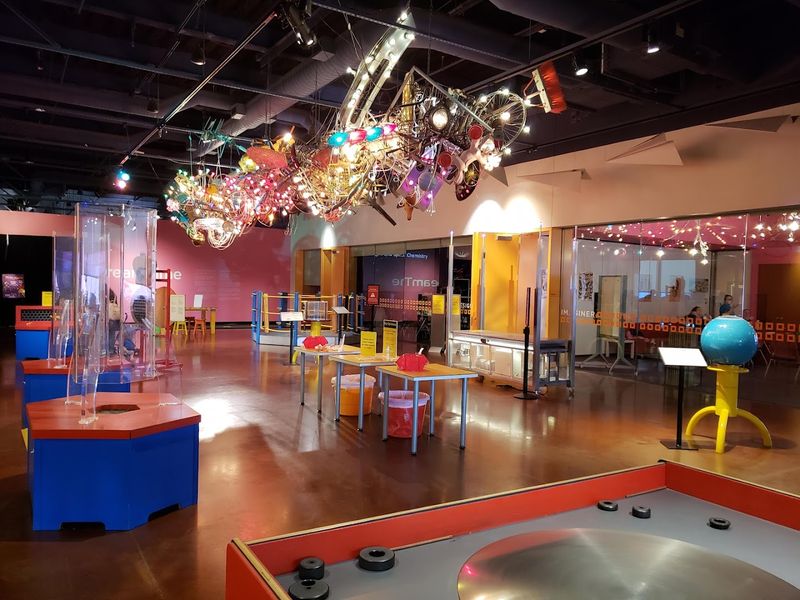
Forget stuffy museum exhibits where everything’s behind glass and off-limits. Innovation Studios flips that script entirely by letting visitors actually touch, build, and experiment with cutting-edge technology and creative projects. This is where science stops being theoretical and starts getting wonderfully messy and real.
The space features multiple stations designed for tinkering and discovery. Kids can work with robotics, try their hand at engineering challenges, or dive into digital creation tools. Everything’s designed to spark curiosity and encourage the kind of trial-and-error learning that actually sticks with people long after they leave.
What really sets Innovation Studios apart is how it adapts to different skill levels. A five-year-old can find something engaging while their twelve-year-old sibling tackles more complex challenges right next door. The staff members stationed throughout the area offer guidance without hovering, striking that perfect balance between help and independence.
One family mentioned their daughter spent nearly an hour at a single station, completely absorbed in solving a building challenge. That’s the magic of hands-on learning—time flies when you’re genuinely engaged. The studios also rotate activities and projects, giving repeat visitors fresh experiences each time they return.
Fair warning though—some exhibits occasionally have technical issues or missing components, according to recent reviews. Management seems aware and working on maintenance, but you might encounter a station or two that’s temporarily out of order. Still, there’s enough variety that you won’t run out of things to explore during a typical visit.
4. Texas History Comes Alive in the Cattle Raisers Exhibit
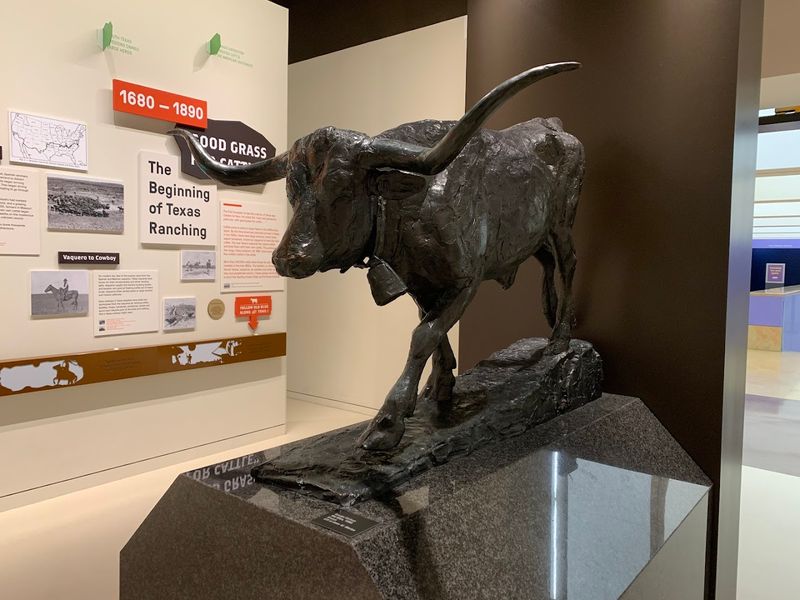
Step into a world where longhorns roamed freely and cowboys shaped the identity of an entire state. The Cattle Raisers exhibit doesn’t just tell you about Texas ranch life—it drops you right into the middle of it with authentic artifacts, immersive displays, and stories that bring the Old West roaring back to life.
You’ll find everything from vintage ranching equipment to detailed explanations of how the cattle industry transformed Texas from frontier territory into an economic powerhouse. The exhibit includes a beautifully restored 1927 Ford Model T, one of the first gasoline-powered vehicles that revolutionized ranch transportation. Standing next to it, you can almost hear the rumble of progress changing the landscape forever.
What makes this section particularly compelling is how it connects historical dots. You’ll learn about cattle drives, the development of Fort Worth’s Stockyards, and how ranching culture influenced everything from fashion to food across the state. Interactive elements let younger visitors try their hand at ranch tasks, making history tangible rather than abstract.
Multiple reviewers specifically called out this exhibit as a highlight of their visit. One grandmother mentioned appreciating how thoroughly it covered Texas heritage, while another visitor loved seeing authentic cowboy gear up close. The displays feel respectful of the hard work and ingenuity that built Texas, without romanticizing or oversimplifying the complex realities of frontier life.
Budget about 30-45 minutes to really absorb everything here. There’s enough depth to satisfy history buffs while remaining accessible enough for casual visitors just looking to learn something new about the Lone Star State.
5. Toddler Paradise in the Children’s Museum Section
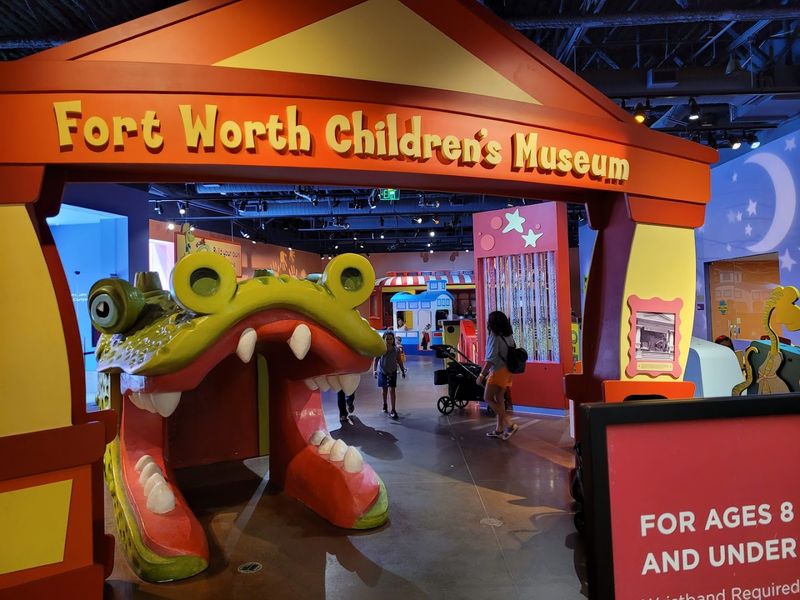
Parents of little ones, rejoice—there’s an entire section designed specifically for the under-five crowd. The Children’s Museum area offers a safe, engaging environment where toddlers can explore, play, and learn at their own pace without older kids accidentally bowling them over.
The pretend grocery store consistently ranks as a favorite among young visitors. Tiny shopping carts, play food, checkout counters, and shelves stocked with colorful items let kids act out real-world scenarios they see their parents doing every week. It’s simple, but toddlers absolutely eat it up, spending ages carefully selecting their pretend purchases and ringing them up at the register.
Another major hit? The dress-up station featuring superhero capes and various costumes. One mom mentioned her son spent forever in the Marvel section, zooming around with his cape flying behind him.
Watching little kids discover their inner heroes never gets old, and the museum provides plenty of space for cape-worthy adventures.
The area includes age-appropriate climbing structures, sensory play stations, and other activities designed with developmental stages in mind. Everything’s scaled down to toddler size, which helps little ones feel confident and capable as they explore. Admission is free for children under three, making this an incredibly affordable option for families with multiple young kids.
Some reviewers noted that certain play equipment shows wear from heavy use and could benefit from updates or repairs. However, the space remains clean and safe overall. Visit during weekday mornings when possible to avoid the weekend crowds and give your toddler more room to roam freely.
6. Energy Lab Experiments That Actually Teach Something
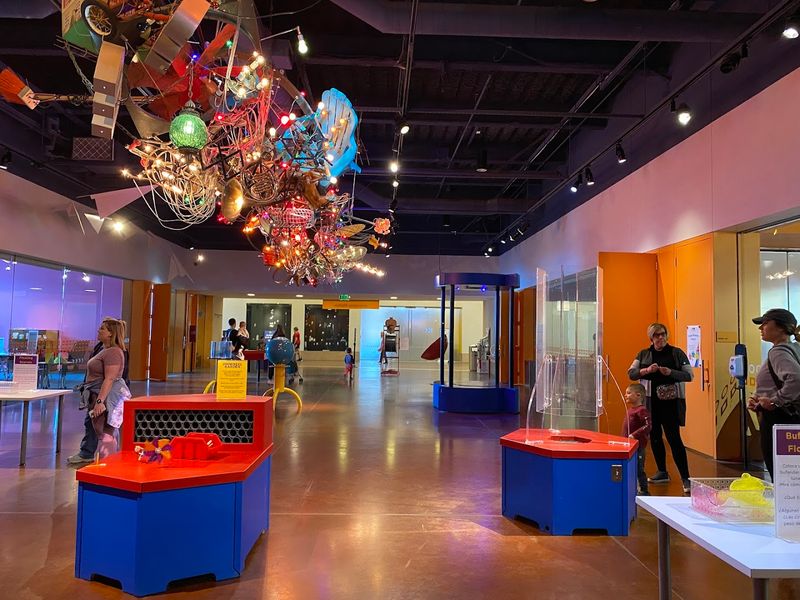
Science class just got a serious upgrade. The Energy Lab turns abstract concepts about physics, weather, and natural forces into tangible experiments you can see, touch, and manipulate. This is where “why does that happen?” questions finally get satisfying answers through direct experimentation.
The tornado simulator stands out as a crowd favorite—when it’s working properly. Visitors can shoot colorful scarves up through a controlled vortex, watching them spiral dramatically before shooting out the top. It’s mesmerizing to watch and brilliantly demonstrates how air currents and pressure systems create those terrifying twisters we see on the news.
Ball-track experiments let kids test theories about momentum, gravity, and friction. By adjusting ramps and angles, they can predict and observe how different variables affect speed and trajectory. One reviewer mentioned their fire chief spending an unexpectedly long time rolling balls down various tracks, completely absorbed in the physics at play.
The lab also includes displays about different energy sources, from fossil fuels to renewable options. These exhibits present complex environmental topics in digestible ways that spark conversations without preaching. Kids walk away understanding why energy matters and how different choices impact our planet.
Unfortunately, several visitors reported maintenance issues with certain stations not functioning during their visits. The tornado simulator in particular seems prone to problems, and some interactive displays were missing crucial components like brushes or tools. These issues don’t ruin the experience entirely, but they’re frustrating when you’ve paid admission expecting everything to work.
Management should prioritize keeping exhibits operational, especially given the ticket prices and the hands-on nature that makes this museum special.
7. DinoLabs Brings Prehistoric Giants Back to Life
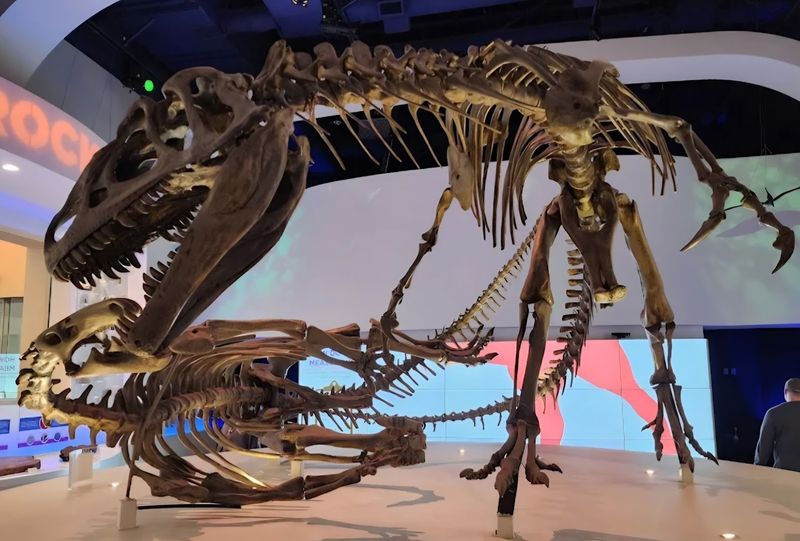
Two massive dinosaur skeletons tower over visitors as they enter DinoLabs, immediately transporting you back millions of years. These aren’t replicas or models—you’re looking at actual fossilized remains that once belonged to creatures that roamed what’s now Texas. The sheer scale hits differently when you’re standing beneath them.
The most fascinating part? One of these specimens was discovered right here in Texas on a working ranch. The exhibit details the incredible story of its discovery, excavation, and the painstaking work required to preserve and display it properly.
Learning that these prehistoric giants lived in your own backyard makes the whole experience feel more personal and immediate.
DinoLabs doesn’t stop at static displays. Interactive elements explain how paleontologists identify species, determine age, and reconstruct what these animals looked like when alive. Touchscreens and hands-on demonstrations help visitors understand the detective work involved in studying ancient life.
Kids particularly love the comparative displays showing dinosaur sizes relative to modern animals and humans. Standing next to a life-size representation really drives home just how enormous these creatures were. It’s one thing to read that a T-Rex stood 20 feet tall; it’s entirely different to crane your neck looking up at one.
The exhibit connects beautifully with the outdoor DinoDig area, creating a complete prehistoric experience. After seeing the finished skeletons in DinoLabs, kids can head outside to try excavating their own fossils. This combination of observation and participation makes the learning stick far better than either approach alone would.
Plan to spend at least 30 minutes here—there’s more detail than you’d expect.
8. Planning Your Visit Like a Pro

Getting the most out of your museum visit requires a little strategic planning. The museum opens at 10 AM Tuesday through Saturday, noon on Sundays, and stays closed Mondays. Arriving right when doors open gives you the best shot at enjoying exhibits before crowds arrive, especially on weekends when families flood in by midday.
Parking costs extra—roughly as much as a general admission ticket according to some annoyed reviewers—but members receive discounts. The lot can get chaotic when events happen at nearby Dickies Arena, so check the arena schedule before your visit. Street parking exists but fills up quickly on busy days.
Membership pays for itself fast if you visit more than twice yearly. Members get free admission for two or more guests depending on membership level, parking discounts, and can bring friends along at no charge. One reviewer emphasized how valuable this becomes with multiple children, transforming the museum into an affordable regular activity rather than a special-occasion splurge.
Weekdays offer calmer experiences, but call ahead to ask about field trip schedules. School groups sometimes monopolize certain areas or book Omni Theater showtimes, limiting general admission access until afternoon. One frustrated grandparent couldn’t access the planetarium or theater until 2 PM due to school bookings, which wasn’t mentioned during online ticket purchase.
The onsite cafe serves decent food at museum prices. Reviewers mention everything tasting good, though you might want to bring snacks for younger kids who graze throughout the day. Expect to spend 3-4 hours for a thorough visit, longer if you catch an Omni Theater show.
Buy tickets online beforehand to skip the entrance line and jump straight into exploring.