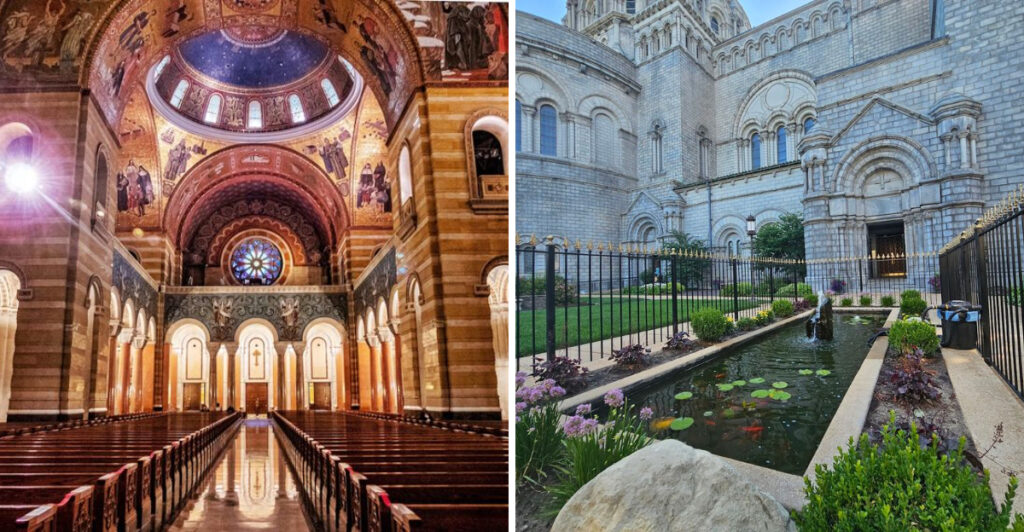
Step inside Missouri’s Cathedral Basilica of St. Louis and it feels like the city suddenly reveals one of its greatest treasures. Rising above the Central West End with its distinctive green-tiled dome, this remarkable landmark is celebrated for its breathtaking architecture and one of the largest collections of mosaic art in the world.
From the moment you arrive, it’s easy to understand why visitors consider it one of the state’s most unforgettable attractions. Whether you come for prayer, architecture, history, or simple curiosity, the experience leaves a lasting impression. Here are the details that make this Missouri cathedral one of the most astonishing sacred spaces in America.
1. A First Look At The Exterior
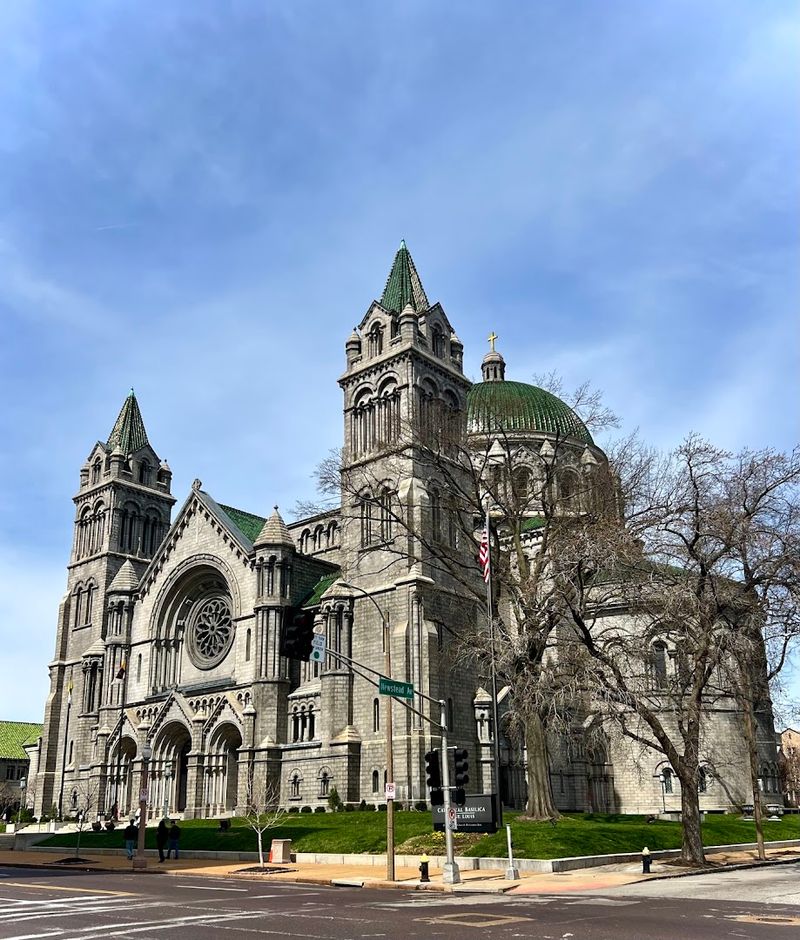
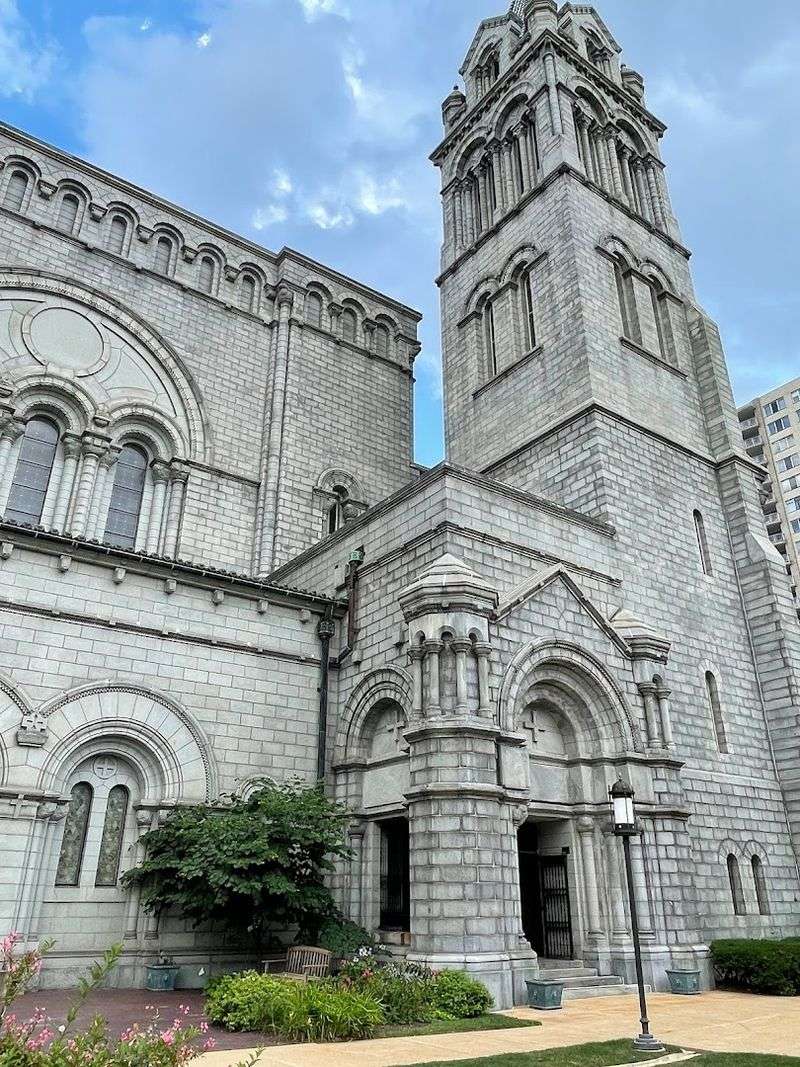
The first thing that struck me about The Cathedral Basilica of St. Louis was how confidently it rises above Lindell Boulevard without feeling flashy.
Its massive form, green-tiled dome, and twin towers announce something important before you ever touch the doors.
Even from the sidewalk, you can tell this is not an ordinary parish church but a monumental work built to be remembered.
The architecture blends Romanesque Revival strength with Byzantine richness, so the building feels both grounded and elevated at once.
Rounded arches, weighty stone, and balanced symmetry give it a calm authority that photographs well, but photos still flatten the experience.
In person, the cathedral feels larger, quieter, and more dignified than you expect.
I also love that the exterior prepares you for grandeur without giving everything away.
It creates anticipation, inviting you to slow down and notice the details instead of rushing inside.
That sense of arrival matters, especially in a city where visitors may not realize one of America’s most impressive sacred landmarks is standing right here.
If you visit, give yourself a few minutes outside before entering.
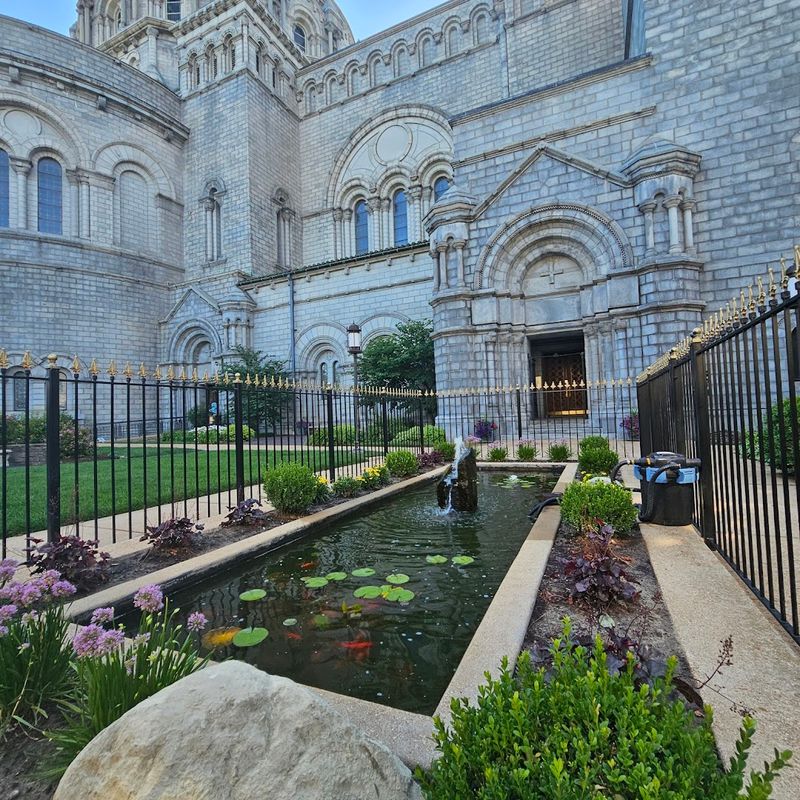
Walk across the grounds, look up at the dome, and take in the proportions.
The cathedral’s exterior is not just a shell around the main attraction.
It is the opening chapter of an extraordinary experience.
2. The Mosaics That Leave Everyone Speechless
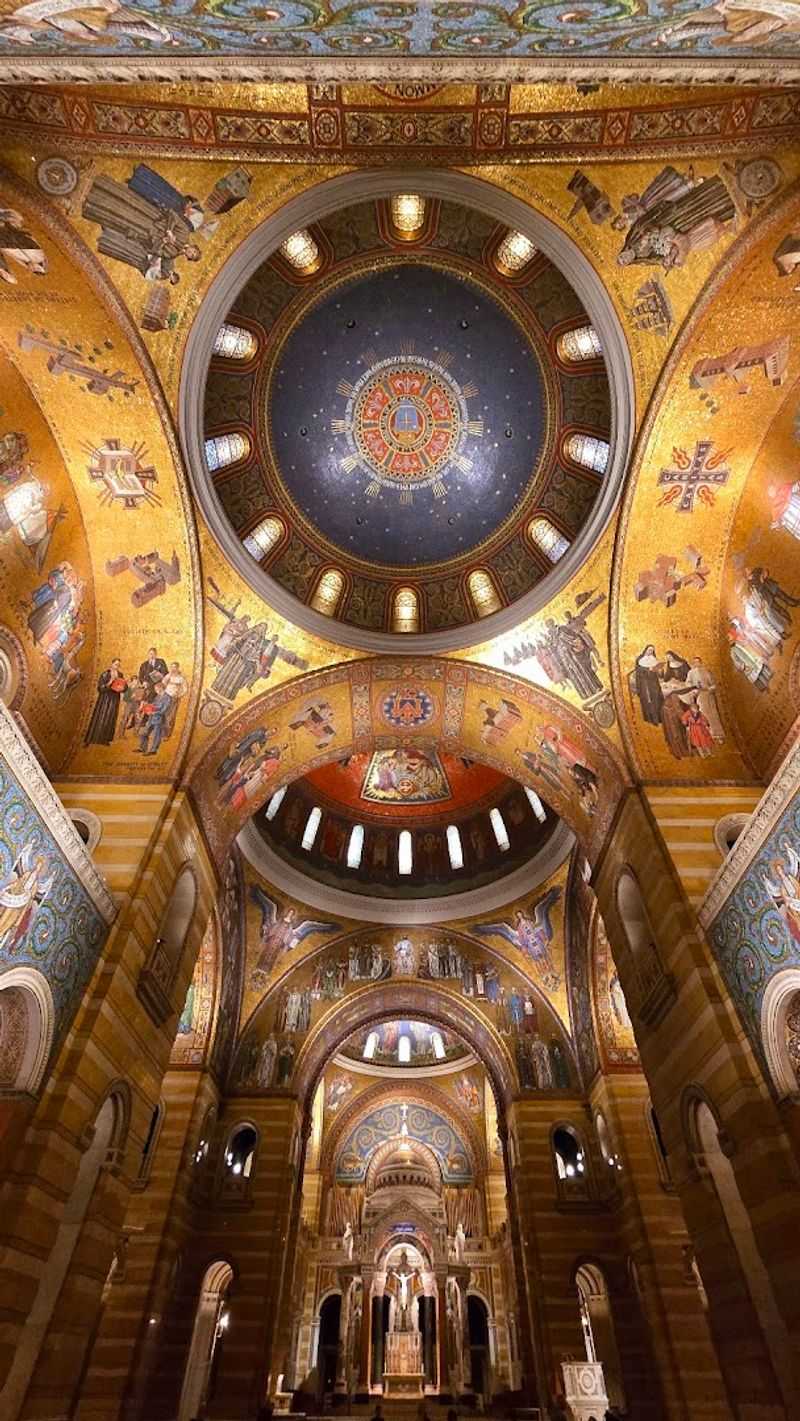
If there is one reason people call this cathedral unforgettable, it is the mosaics.
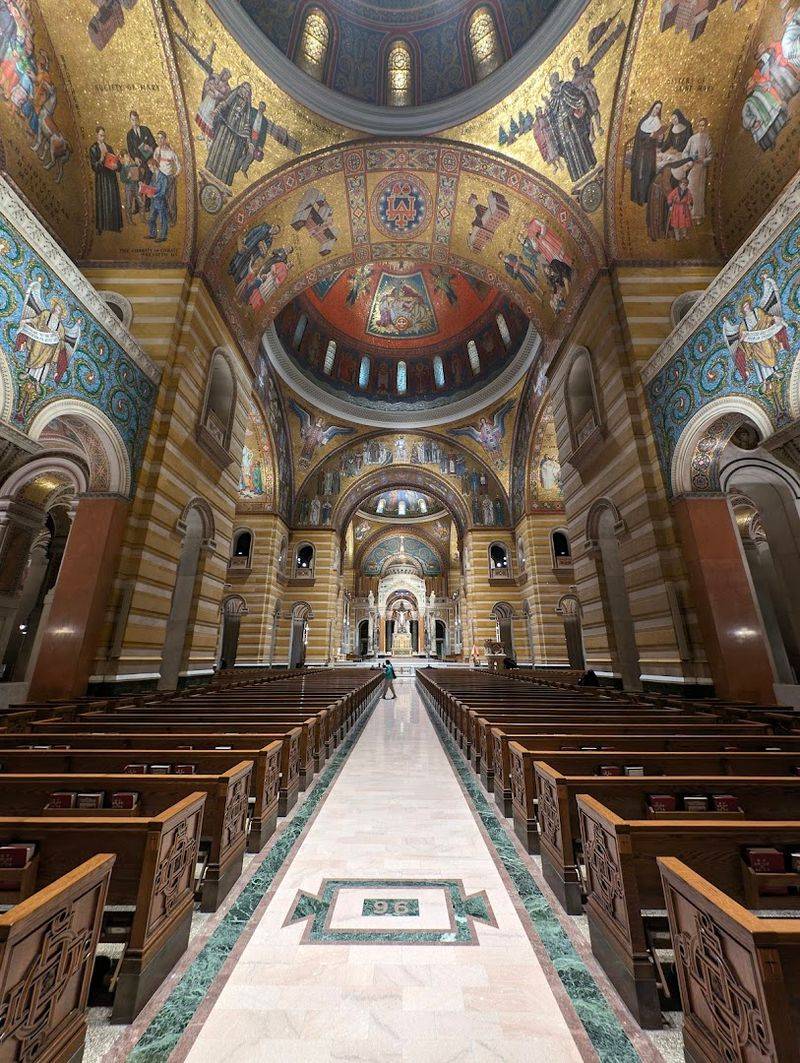
The interior contains a vast mosaic collection made from millions of glass tesserae, covering the ceilings, walls, and domes in colors that seem to radiate their own light.
You do not simply see the artwork here.
You feel surrounded by it.
What amazed me most is that the color does not come from paint but from tiny pieces placed by hand over decades.
Gold, blue, crimson, and ivory shimmer differently as you move, so the cathedral never looks exactly the same twice.
Every glance upward reveals another pattern, figure, or biblical scene waiting to be noticed.
Visitors often mention that pictures cannot do this place justice, and that feels completely true.
The scale is overwhelming, yet the detail remains intimate enough to reward slow looking.
You can stand beneath a grand arch and feel the sweep of the whole design, then step closer and admire delicate facial expressions formed from tiny fragments of glass.
This is the kind of artistry that changes the pace of your visit.
Instead of hurrying from one point to another, you naturally pause, stare, and look again.
The mosaics are not decoration in the casual sense.
They are the cathedral’s heartbeat, and they make the entire building glow with reverence.
3. A Long Building Story Worth Knowing
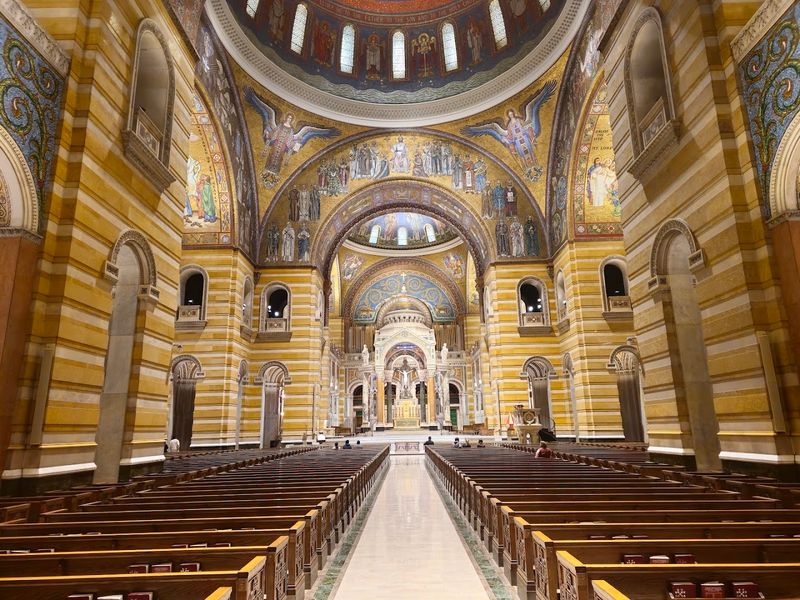
Part of what makes The Cathedral Basilica of St. Louis so impressive is the sheer timeline behind it.
Construction on the present cathedral began in 1907, the first Mass was celebrated there in 1914, and the church was consecrated in 1926.
Yet the full artistic vision, especially the mosaic program, continued to develop for decades afterward.
I find that history adds depth to every surface you see.
This was not a quick project thrown together for convenience but a multigenerational act of ambition, faith, and craftsmanship.
The exterior came relatively quickly, while the interior ornamentation unfolded across much of the twentieth century, finally reaching completion in the 1980s.
Knowing that timeline changes the way you experience the building.
You start to notice it as a living monument shaped by many hands rather than a single finished moment in history.
Each chapel, arch, and mosaic field becomes evidence of patience, planning, and a willingness to pursue beauty long after the basic structure was already standing.
That long story also helps explain why the cathedral feels so layered.
It belongs to St. Louis, yet it also carries a broader American story about civic pride, immigrant artistry, and religious identity.
When you walk through it, you are not only seeing a beautiful church.
You are stepping into decades of determined, meticulous creation.
4. Why The Interior Feels So Powerful
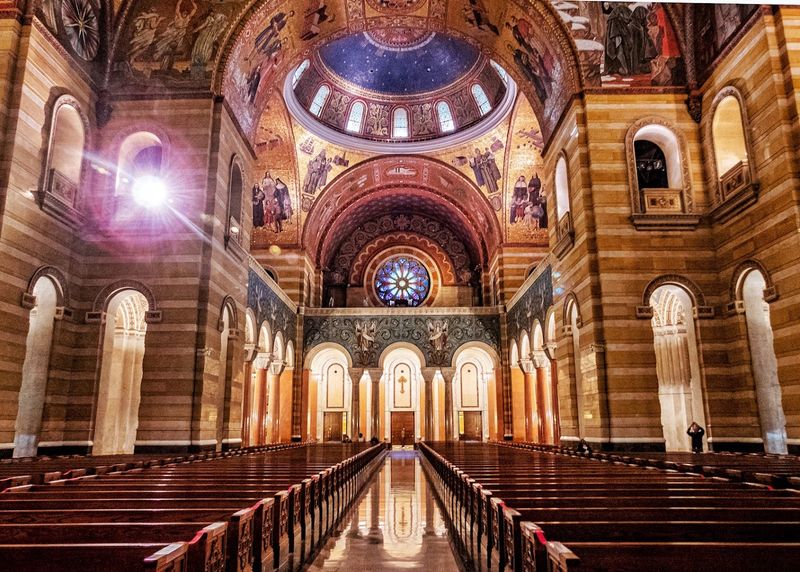
Some landmarks impress you with size, but this cathedral goes further by creating atmosphere.
The moment I imagine stepping into the nave, I think about how the arches pull your eyes upward while the gold mosaics soften the massiveness with warmth.
It feels grand without becoming cold, and ornate without tipping into visual chaos.
The design works because every element supports the same emotional effect.
Marble, brick, mosaic, and carefully framed light guide your attention toward the sanctuary while keeping the surrounding space richly alive.
Instead of one focal point stealing the show, the whole interior participates in a unified experience of awe and stillness.
I also appreciate how the building can speak to very different visitors at once.
If you are religious, it feels deeply devotional and ordered toward worship.
If you are there for art or architecture, the craftsmanship still lands with incredible force, proving that sacred spaces can communicate meaning beyond any single background.
That is why so many people describe the cathedral as peaceful as well as breathtaking.
The beauty is not aggressive.
It invites you to slow down, lower your voice, and notice how space itself can shape emotion.
Few places manage that balance.
Here, magnificence and calm live together in the same remarkable room.
5. The Cathedral As A Place Of Worship
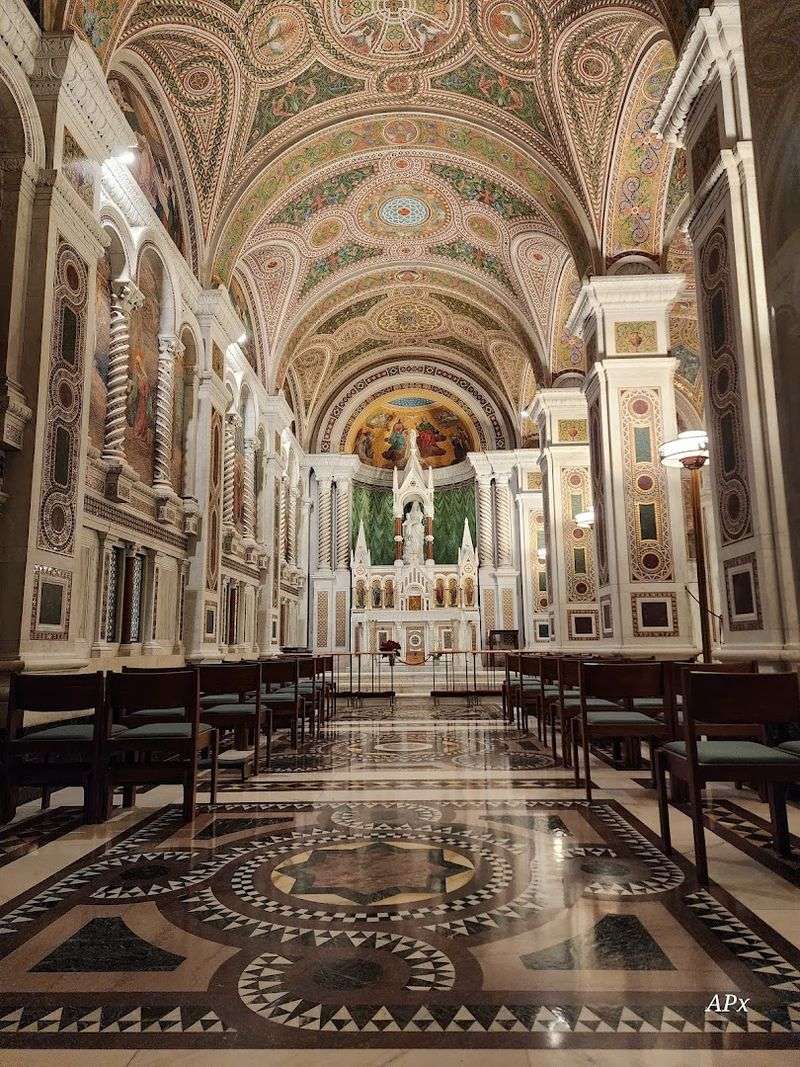
For all its fame as an architectural landmark, The Cathedral Basilica of St. Louis is first a working Catholic cathedral.
That matters because the beauty here is not staged for tourists alone.
The altar, chapels, and procession paths all serve living worship, and that ongoing purpose gives the building a sincerity you can feel even during a quiet visit.
Many visitors recommend attending Mass, and I can understand why.
Sacred music, prayer, and the resonance of the space seem to activate the cathedral in a different way, revealing how the architecture was meant to function.
What might look impressive during a walkthrough becomes deeply moving when joined to ritual, sound, and silence.
Even if you are not Catholic, the atmosphere is often described as welcoming and respectful rather than exclusive.
You can enter, sit quietly, and experience the place on its own terms without needing to demonstrate expertise.
That openness is part of the cathedral’s appeal, especially for travelers who want more than a quick photo stop.
I think this dual identity is one of its greatest strengths.
It is both a world-class visual treasure and a sacred setting where people pray every day.
Because worship remains central, the cathedral never feels like a frozen museum piece.
It feels alive, inhabited, and still doing the work it was built to do.
6. Details You Only Notice When You Slow Down
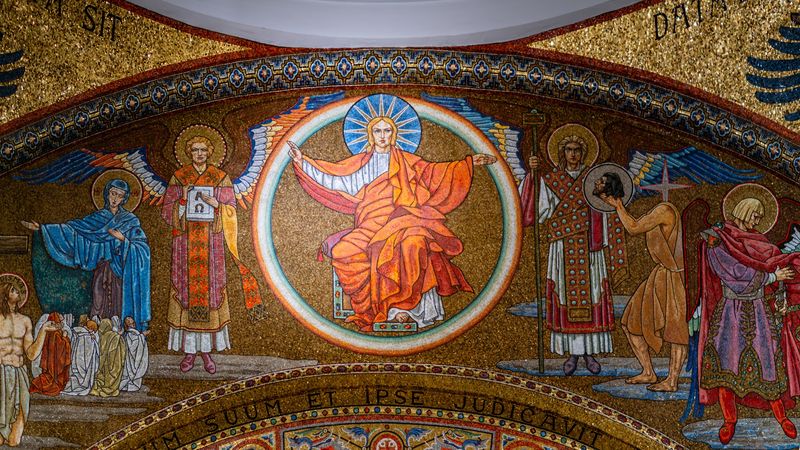
One of the best things you can do here is stop trying to see everything at once.
The cathedral is so visually rich that your first reaction may be simple overwhelm, which is completely understandable.
But once you slow down, smaller details begin to emerge, and those details are part of what makes the visit so rewarding.
Look closely at the faces in the mosaics, the transitions between colors, and the patterns that frame larger scenes.
Notice how the arches create rhythm from one bay to the next and how the light catches individual tesserae differently across the day.
Even the decorative borders feel carefully considered rather than merely ornamental filler.
I love places that reward patience, and this cathedral absolutely does.
A quick walk through can leave you impressed, but an unhurried hour can leave you genuinely affected.
The building keeps offering new visual information, so your eyes remain active while the atmosphere stays calm and contemplative.
That balance is rare.
In many famous interiors, abundance can feel exhausting after a few minutes.
Here, the craftsmanship feels disciplined enough to guide your attention instead of scattering it.
If you visit, give yourself permission to sit, look up, and revisit the same area twice.
The second look may be the one you remember most.
7. The Museum And Educational Side
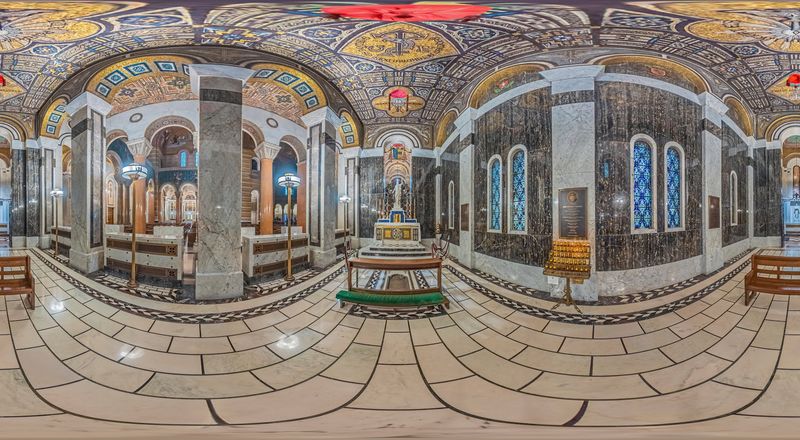
Beyond the main sanctuary, The Cathedral Basilica of St. Louis offers an educational side that helps visitors understand what they are seeing.
People often mention the museum downstairs, and it sounds like an excellent complement to the visual experience above.
After being dazzled by the interior, context can make the artistry even more meaningful.
I always appreciate it when a major landmark explains itself rather than assuming beauty is enough.
Here, learning about the cathedral’s construction, mosaic process, artists, and religious significance can turn admiration into understanding.
That extra layer matters because the building is so intricate that many of its stories could otherwise pass by unnoticed.
Tours also appear to be a highlight, especially for visitors who want more than an independent wander.
A knowledgeable guide can point out iconography, architectural decisions, and historical timelines that transform the cathedral from a stunning backdrop into a deeply legible masterpiece.
Several visitors clearly felt their guided experience made the visit richer and more memorable.
If you enjoy architecture, art history, or cultural storytelling, this side of the cathedral is especially valuable.
It proves the site is not only photogenic but intellectually engaging.
You leave with more than beautiful impressions.
You leave understanding how an extraordinary building came together and why it continues to matter so much in St. Louis.
8. Practical Tips For Visiting
If you are planning a visit, a little preparation can help you enjoy the cathedral at a slower, more thoughtful pace.
The Cathedral Basilica of St. Louis is located at 4431 Lindell Boulevard and generally operates daily from 7 AM to 5 PM, though it is smart to confirm hours on the official website before going.
Because it is an active place of worship, schedules can shift around services and events.
Several visitors note that parking is available, which can make arrival easier than at many major urban landmarks.
Free entry when no Mass is taking place is another major advantage, especially for travelers trying to balance several stops in one day.
If possible, arrive with enough time to explore both the exterior and interior without rushing.
I would also recommend dressing and behaving respectfully, even if your visit is primarily architectural.
This is not just a sightseeing venue, and the atmosphere feels better when everyone treats it accordingly.
Keep your voice low, watch for posted guidance, and be mindful if prayer or liturgy is underway.
Most importantly, do not underestimate how long you may want to stay.
Many people think they will spend fifteen minutes and end up lingering far longer.
Between the mosaics, side chapels, museum, and sheer scale of the space, this is the kind of place that quietly expands to fill your afternoon.
9. Why It Matters Beyond Religion
What makes The Cathedral Basilica of St. Louis remarkable is that it resonates far beyond one faith community.
Reviews repeatedly show that Catholics, other Christians, and nonreligious visitors all walk away moved by the same qualities: beauty, stillness, craftsmanship, and scale.
That kind of broad response says something important about the building’s cultural power.
I think the cathedral succeeds because it operates on multiple levels at once.
It is a sacred place, a civic landmark, an art environment, and a historical achievement rooted in the identity of St. Louis.
You do not need specialized knowledge to feel its impact, but if you bring curiosity, the experience only deepens.
There is also something meaningful about finding a place of this caliber in the Midwest, where some travelers may not expect a world-class mosaic interior of such magnitude.
The cathedral challenges assumptions about where great art and architecture can be found in the United States.
It deserves to be discussed alongside the country’s most memorable monumental spaces.
That is why I would never describe it as just a church to pop into if you happen to be nearby.
It is a destination in its own right and a major expression of American religious art.
Whether you come seeking inspiration or simply wanting to be amazed, the cathedral meets you there.
10. The Lasting Impression It Leaves
Long after a visit ends, what stays with you is not just one dome, one chapel, or one mosaic panel.
It is the total impression of entering a place that feels almost impossibly complete in its vision.
The Cathedral Basilica of St. Louis leaves many people searching for bigger words than beautiful, and I completely understand why.
There is an emotional quality here that goes beyond admiration.
The building encourages wonder, but it also creates gratitude that such painstaking work exists and remains open to the public.
In a time when so many places are designed for quick consumption, this cathedral insists on depth, attention, and presence.
I think that is the reason visitors so often call it a must-see, even among St. Louis’s many famous attractions.
The cathedral does not compete by being loud or trendy.
Instead, it offers something rarer: a chance to stand inside a space where architecture, devotion, history, and art have been fused with extraordinary discipline.
If you only know it by reputation, go.
If you think photos have prepared you, they have not.
And if you are wondering whether one building can truly justify the praise it receives, this one absolutely can.
The Cathedral Basilica of St. Louis is not merely stunning for Missouri.
It is one of America’s great masterpieces.